Sasaki Rintarō, who played college baseball at Stanford University before signing with the Miami Marlins, is part of a growing trend: Japanese high school baseball players bypassing the NPB and heading to US colleges in pursuit of careers in Major League Baseball. Young athletes in other sports are also going abroad to study, seeking opportunities to broaden their horizons both on and off the field.
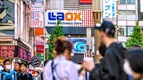
Starting November 1, Japan's new tax-free shopping system will require international visitors to pay consumption tax at the time of purchase and claim refunds upon clearing customs or after leaving the country.



-
1
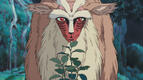
Miyazaki Hayao’s Animism: The Historical Theories That Shaped “Princess Mononoke”
-
2
Sacred Ground: Anime’s Nagano Heartland

-
3
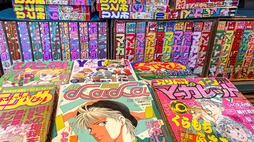
The Magazine Culture that Nurtured Shōjo Manga
-
4
Japan Shifts to “Pay Now, Refund Later” Tax-Free Tourist Shopping from November
-
5
Sagrada Familia Sculptor Sotoo Etsurō—A Half Century in the Service of Gaudí’s Open-Ended Masterpiece




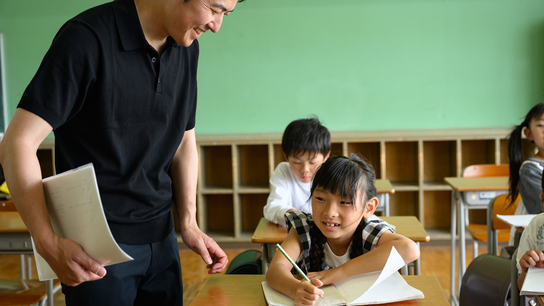
Despite administrative efforts to cut overtime, a recent survey finds that unreduced workloads mean most schoolteachers in Japan continue to put in long shifts.
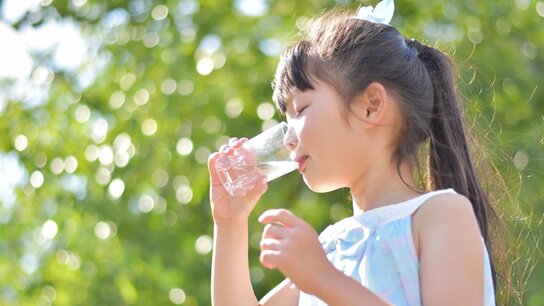
Bottled water topped a ranking of the sources Japanese people mainly use for drinking water, with convenience as the most popular reason for doing so.
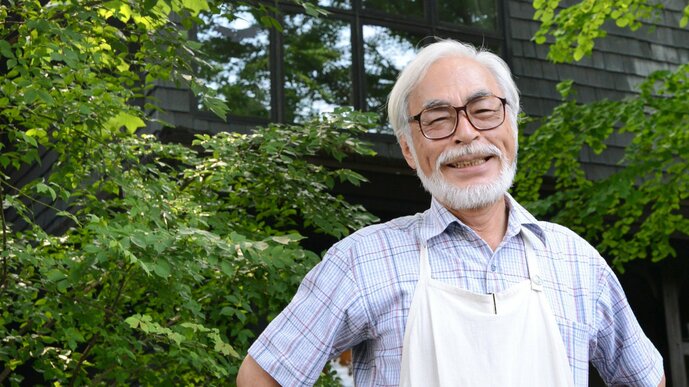
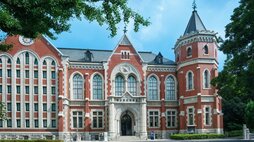
The director Miyazaki Hayao and other leading anime creators have a surprising number of connections to Nagano in central Japan. The prefecture’s Suwa region, steeped in prehistoric Jōmon culture, is home to one of Japan’s oldest Shintō shrines.

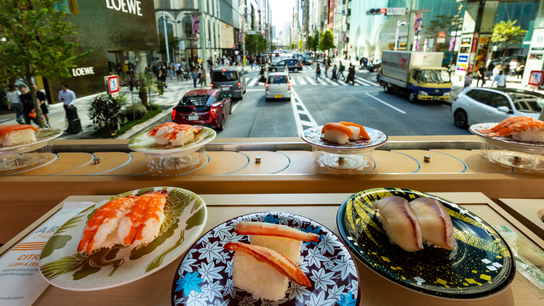
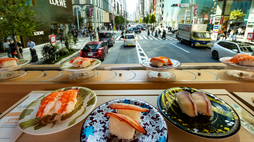
The scenery rolls by outside, and the sushi rolls by inside. A new gourmet sightseeing bus has hit the streets of Tokyo, taking passengers through some of the city’s best-known sites while they are treated to all-you-can-eat sushi.
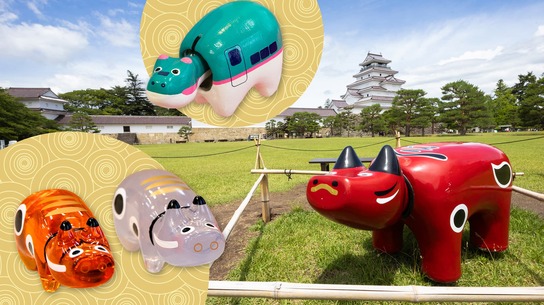
Fukushima’s akabeko is a favorite souvenir from the Aizu region in the prefecture’s west. A look at the history and ongoing popularity of this adorable, bobbleheaded crimson cow.

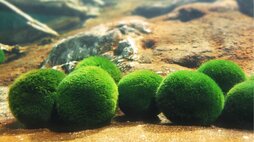







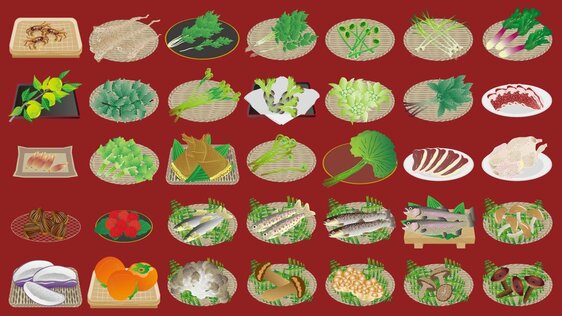
Today Japanese cuisine is popular all around the world. But at its heart lie many ingredients that are much less well-known. This series explores some of the items underpinning the dishes that diners love. (Banner photo © Pixta)
View More

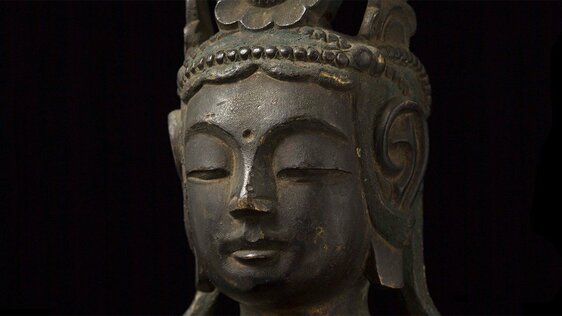
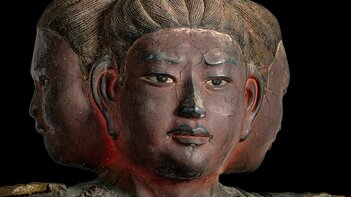
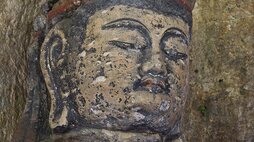
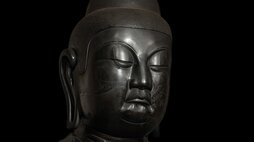
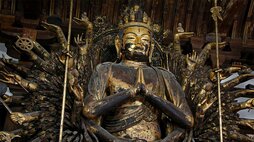
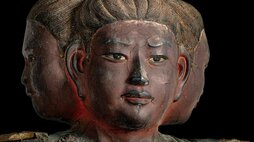
Buddhist statues in Japan have a history going back to the early seventh century CE, when Buddhism was brought to the country from the Asian continent. The methods and motifs of the artform underwent several shifts in early centuries before the sculptor Jōchō brought it to a peak of native Japanese refinement in the late Heian period. Buddhist sculpture continued to evolve thereafter, notably in the hands of the Kamakura period master Unkei. In this series, a specialist in Buddhist studies and art sets forth the details that will deepen observers’ understanding of these religious art masterpieces, accompanied by photographs by Muda Tomohiro.
(Photo: Close-up of a bronze image of a standing bodhisattva in the collection of the Tokyo National Museum. © Muda Tomohiro.)
PHOTOS


-
1
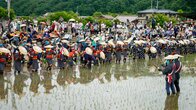
Rice-Planting Festivals: Folk Traditions Centering on the Rice Paddy Deity
-
2
Sumō Gone Global: Japan’s Traditional Sport in an International Age
-
3
Miyazaki Hayao’s Animism: The Historical Theories That Shaped “Princess Mononoke”

-
4
J-Horror Rises Again: Unraveling the Heart of Fear, Japan Style

-
5
Japan’s Autumn Foliage Forecast 2026: Peak Times for Red and Yellow Leaves