


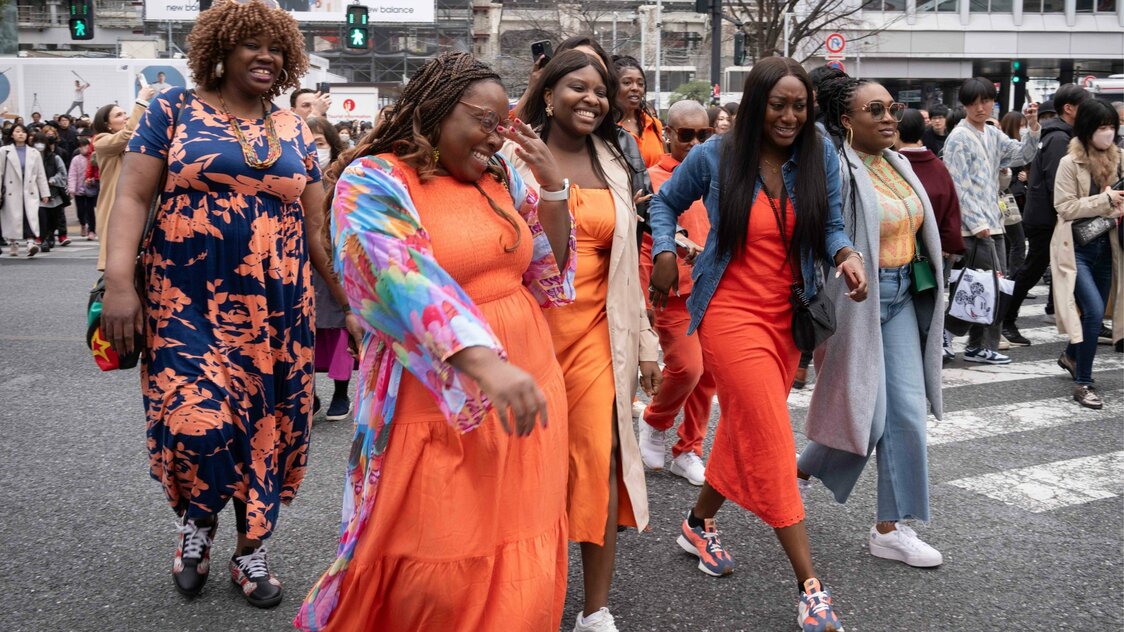
Tokyo in recent years has seen a ceaseless string of major redevelopment projects. Chief among them has been the large-scale redevelopment of Shibuya. A photographer explores how this part of the city has changed since his childhood and where it may be headed.
Transit Hub and Youth Culture Center
Shibuya is one of Tokyo’s leading commercial districts, known around the world not least for the “scramble” pedestrian crossing at its center, among the most iconic and recognizable urban sites on Earth.
Shibuya was once little more than a valley town on the outer edges of Tokyo. But with the opening of its railway station in 1885, followed by the arrival of multiple train lines, it gradually developed into a major transportation hub. In 1934, the Tōyoko Department Store (later Tōkyū Department Store Tōyoko) opened, directly linked to the station. In the postwar period, Shibuya saw the emergence of a growing number of commercial and entertainment facilities. Starting in the 1970s, it became a trendsetting center of youth culture, particularly in fashion and music.
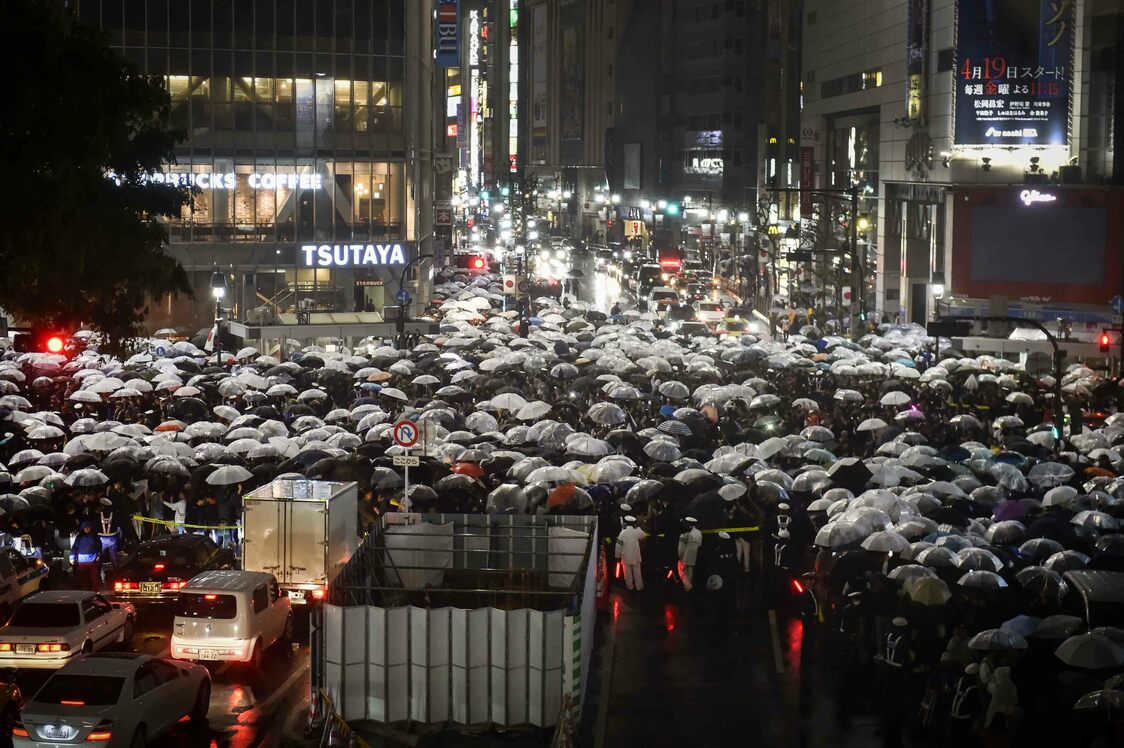
 Shibuya Crossing at midnight on May 1, 2019. (© Hatsuzawa Ari)
I started shooting Tokyo as an artistic subject in 2019. One scene that particularly stands out in my memory is Shibuya at midnight on May 1 that year, the moment when Japan’s imperial era name changed from Heisei to Reiwa. Such transitions had only occurred following an emperor’s death in the modern era. This time, however, the change came with Emperor Akihito’s abdication. Hundreds gathered in the rain in the central area of Shibuya to celebrate—albeit with a surprising level of calm—the start of the new era.
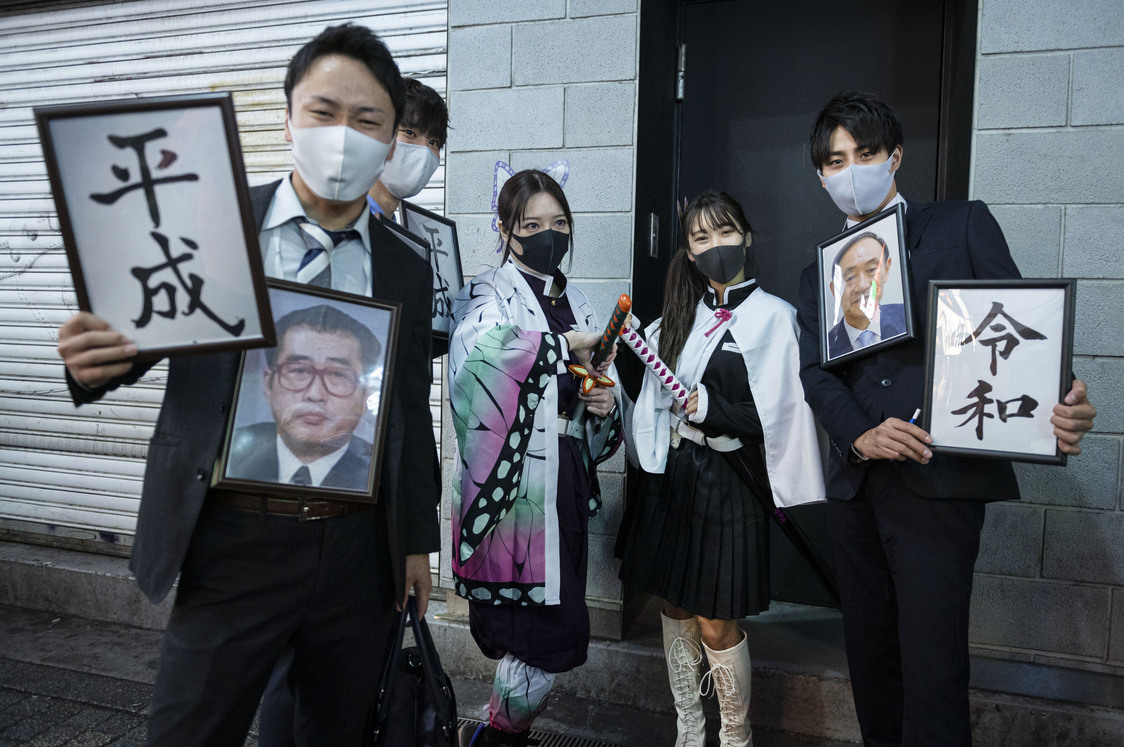 Halloween revelers dress as politicians announcing the imperial reign name change at Shibuya Center-gai, October 31, 2020. (© Hatsuzawa Ari)
Corporate Trends and Raw Youth Culture
During my young years I grew up just a couple kilometers away from Shibuya Station. As a junior high school student I would ride my bicycle to downtown Shibuya to attend cram school. For me, Shibuya was less a place to visit for special occasions and more an everyday part of life.
My mother would buy me clothes from Seibu Shibuya store’s B building when I was a child. In the 1990s, I went there to buy clothes myself. I remember the rivalry between the Tōkyū and Seibu department stores around Shibuya Station, and commercial complexes like Parco and 109 boosted the development of the city. Companies would set new trends and the youth would bring their own culture—this gave rise to Shibuya’s uniquely vibrant atmosphere.
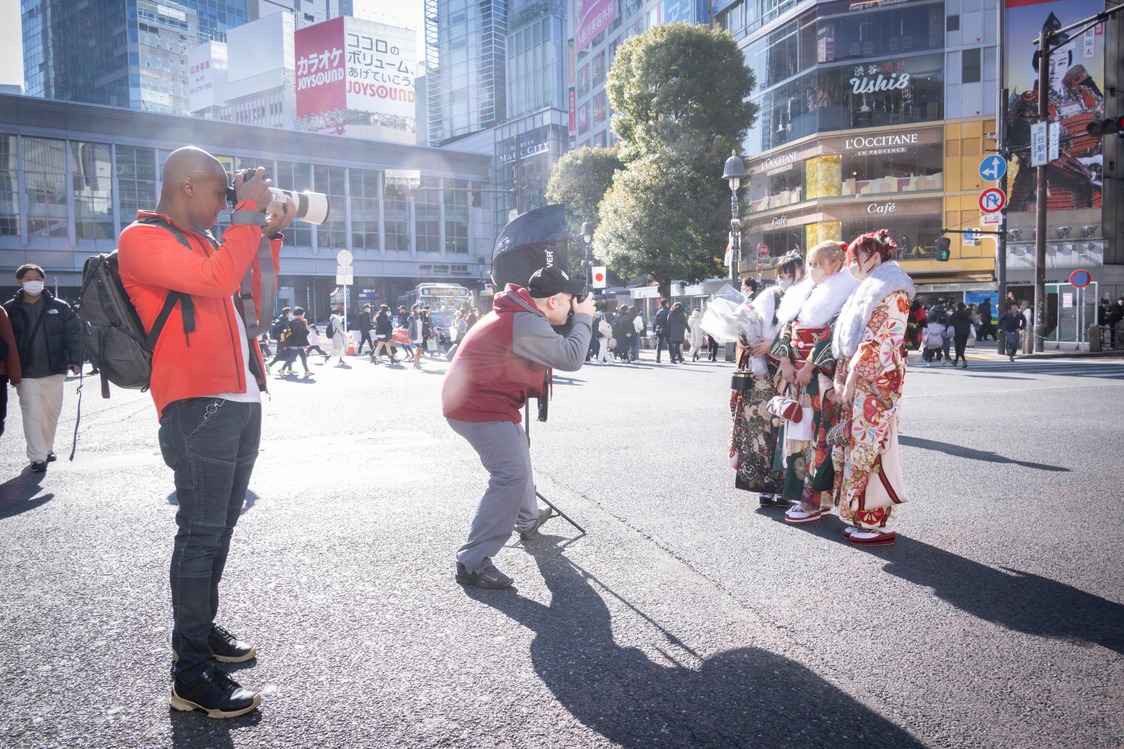 Shibuya on Coming of Age Day, January 9, 2023. (© Hatsuzawa Ari)
During my high school years, from the late 1980s to early 1990s, Shibuya Center-gai was where the delinquents known as “teamers” gathered. I would observe them while keeping my distance, but Shibuya back then was certainly a place of open possibility, with youths wandering around in search of a place to belong and groups often clashing with one another.
Some sections of the city still retain their flavor from decades earlier, like the Hyakkendana entertainment district to the west of the station, with its old-fashioned nightlife. For the past 35 years I’ve occasionally stopped by the Lion Cafe, nestled among the love hotels there, to lose myself in the classical music playing through the enormous speakers. I’ve also been a visitor to the Nonbei Yokochō alley along the eastern edge of the Yamanote Line tracks for the last 30 years for drinks at the tiny bars clustered there. Even as large-scale redevelopment reshapes the area as a whole, this little section of town seems to have been left behind.
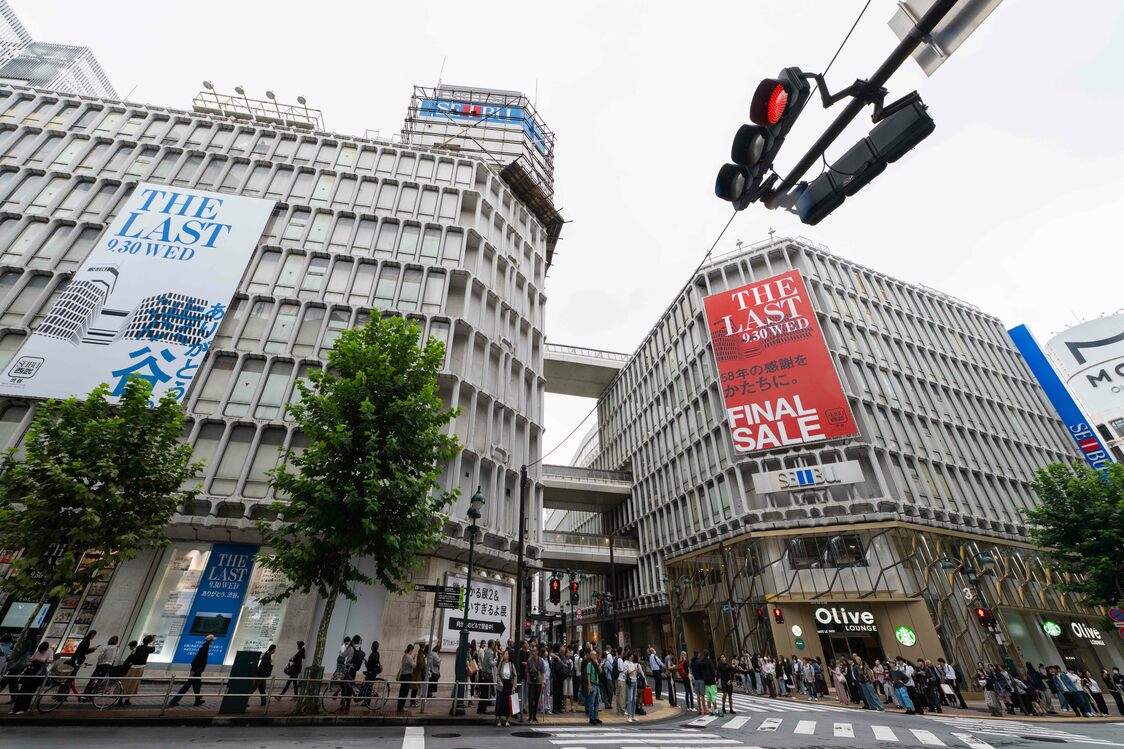 Seibu Shibuya department store on the day it closed, September 30, 2026. (© Hatsuzawa Ari)
Mass Redevelopment and the End of the Department Stores Era
The cityscape of Shibuya has continued its dramatic transformation in the 2020s. Towering skyscrapers are being built all around the station, and the city is rapidly losing its former character. The department stores that were once central to the city are closing: Tōkyū Tōyoko Store in 2020, Tōkyū Main Store in 2023, and now Seibu Shibuya Store in September 2026. Seeing these department stores I had known since childhood close one after the other makes me feel like it’s the end of an era. Perhaps the department store itself has become an outdated model for the realities of retail today.
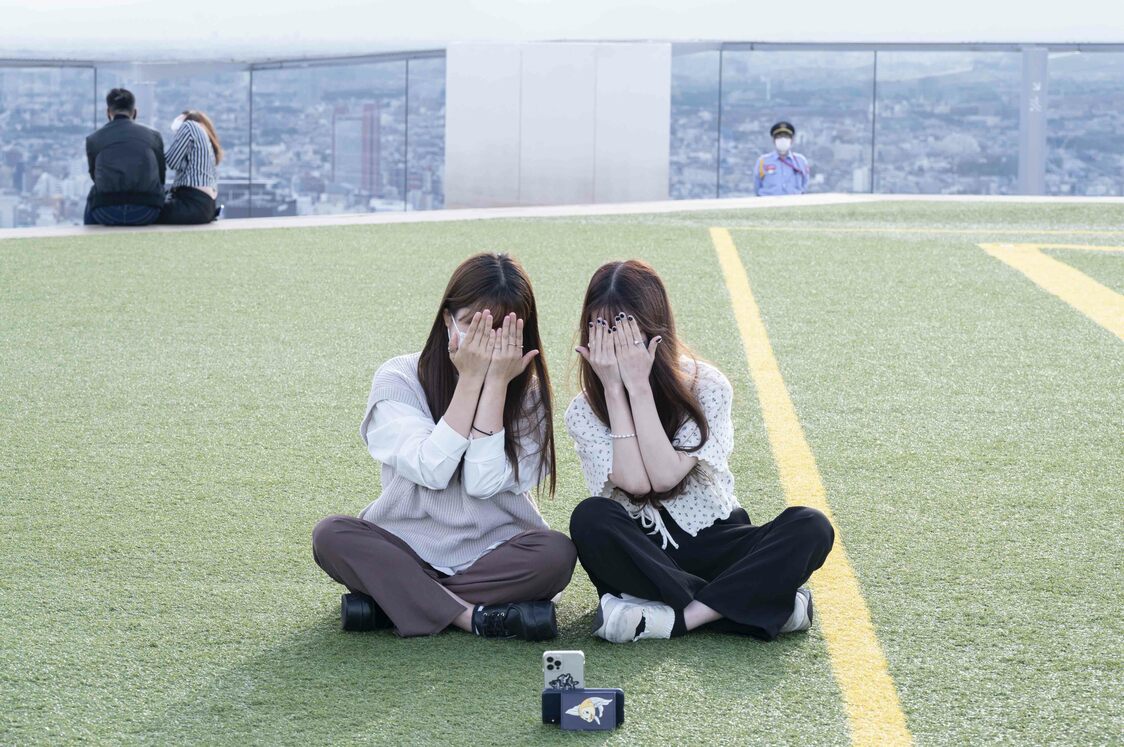 Shibuya Sky, September 7, 2021. (© Hatsuzawa Ari)
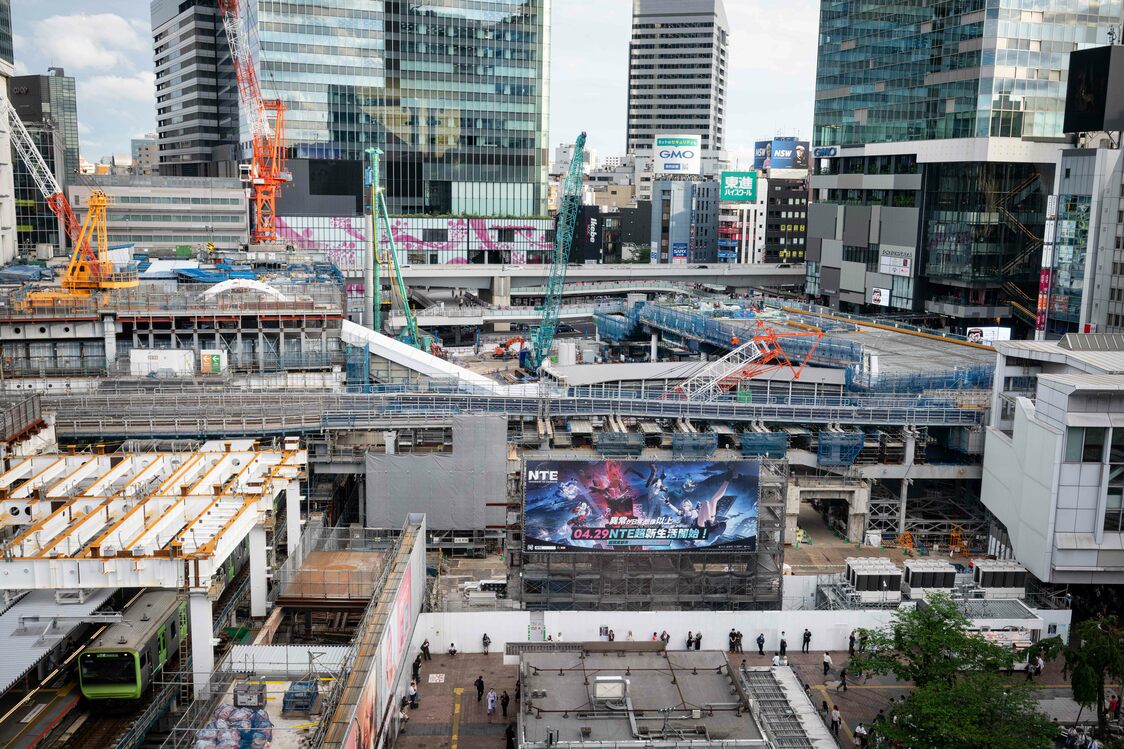 The Shibuya Station area undergoing redevelopment, May 7, 2026. (© Hatsuzawa Ari)
Redevelopment is turning Shibuya into a more convenient and sophisticated district. But with some vacant spaces in the newly completed commercial facilities, it appears that not everything is smooth sailing. Building giant structures does not automatically guarantee a vibrant urban environment. The former Shibuya had its own unique energy from the commercial culture of businesses coexisting with the youths who didn’t quite fit into the mainstream. Will the current redevelopment leave room for something similarly unexpected to emerge?
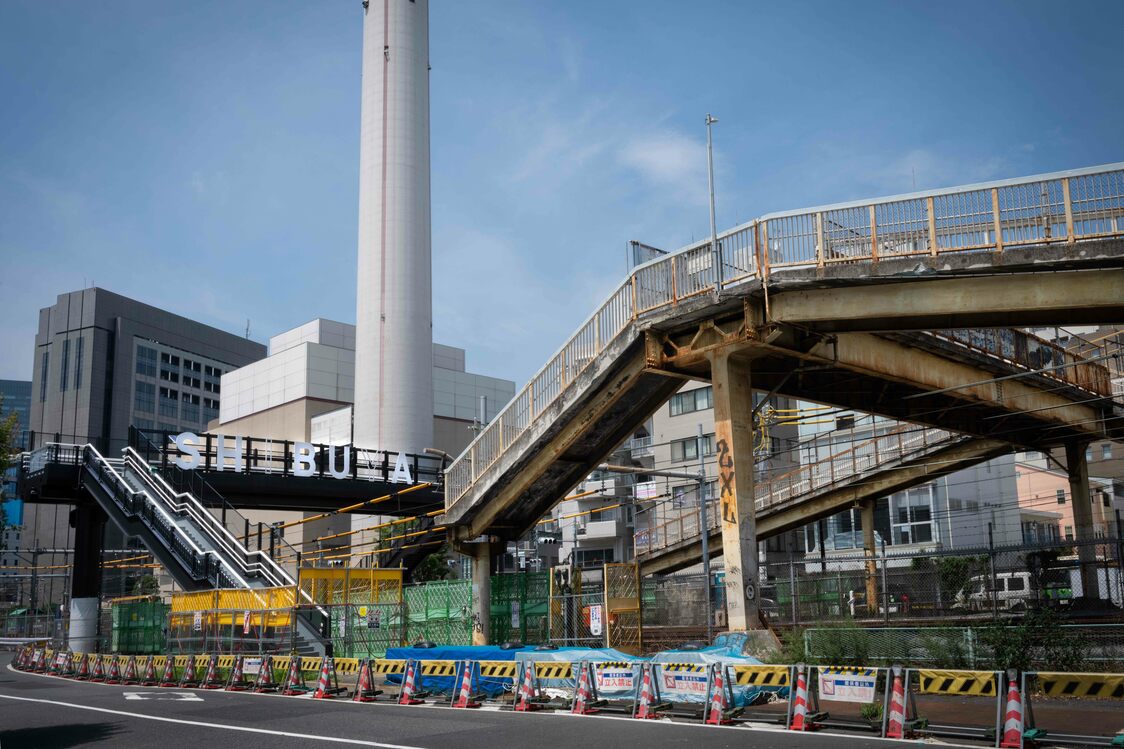 Reconstruction of a pedestrian bridge crossing the Yamanote tracks between Shibuya and Ebisu, July 4, 2026. (© Hatsuzawa Ari)
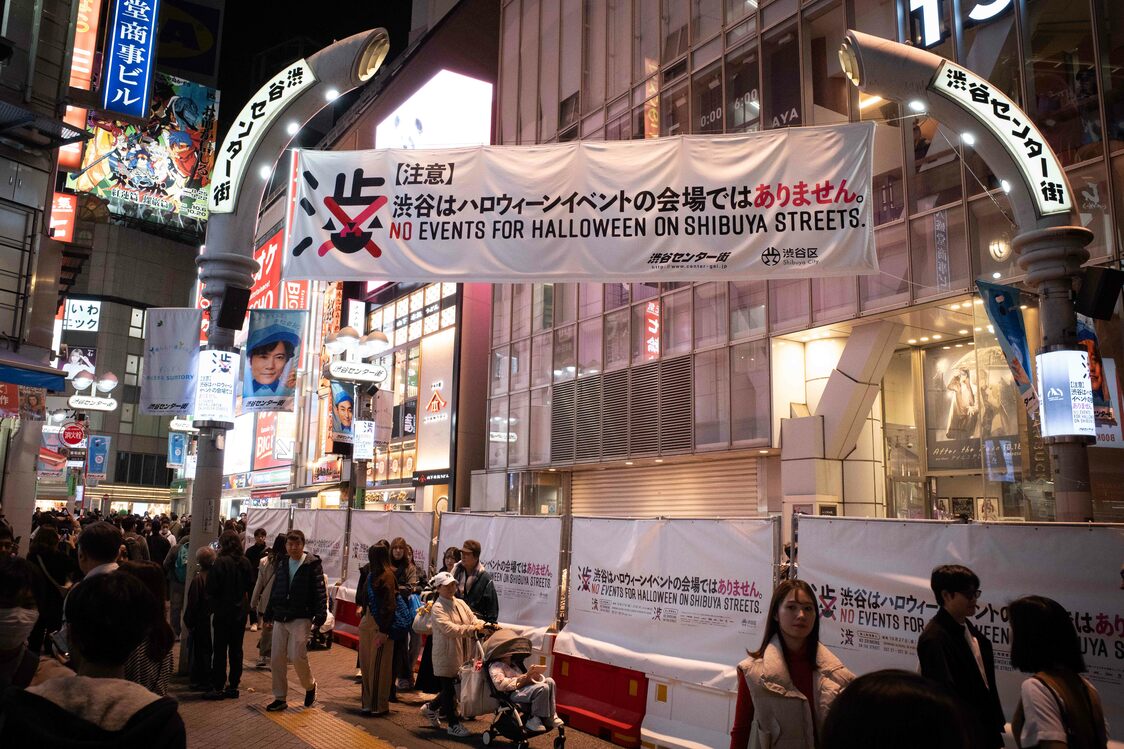 Entrance to Shibuya Center-gai, October 29, 2023. (© Hatsuzawa Ari)
Today, Shibuya has become a must-see destination for international tourists in Tokyo. Young people also flock there to celebrate Halloween and New Year’s Eve, when the entire area becomes a giant party. In recent years, these occasions have been met with a police presence and other countermeasures that can seem excessive. The raw, chaotic energy I once associated with Shibuya has faded. But the same can be said about Tokyo or Japan as a whole—things are much more subdued than before.
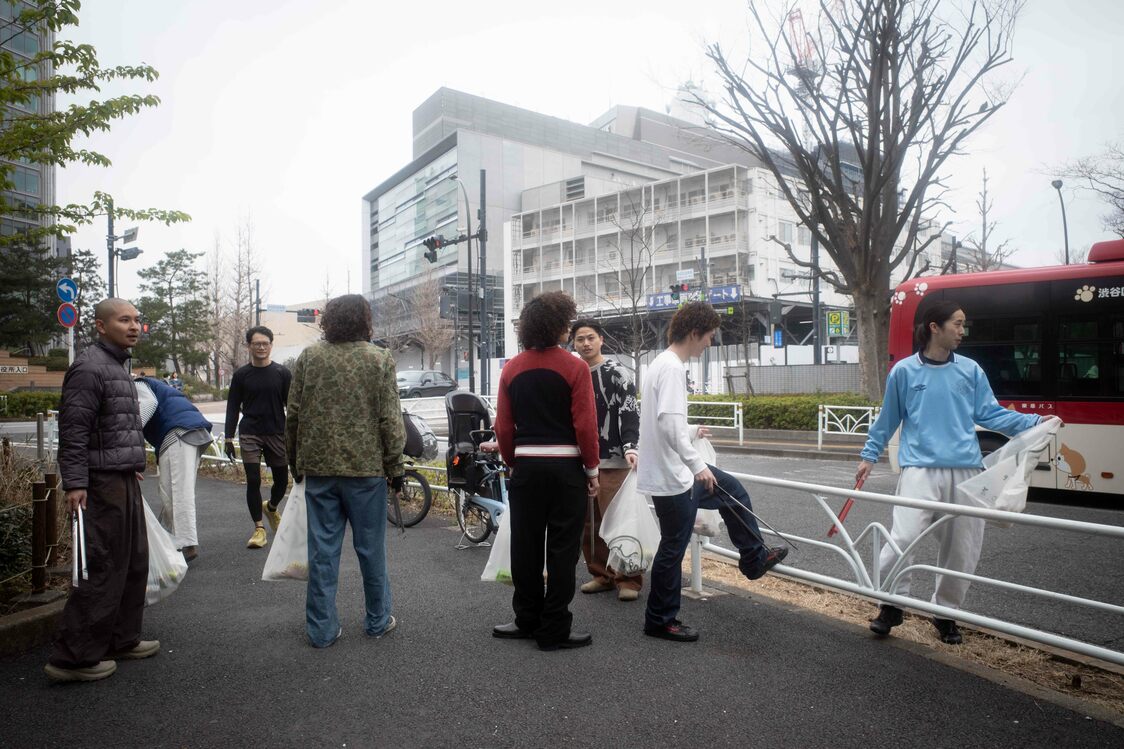 In front of Shibuya City Hall, March 24, 2024. (© Hatsuzawa Ari)
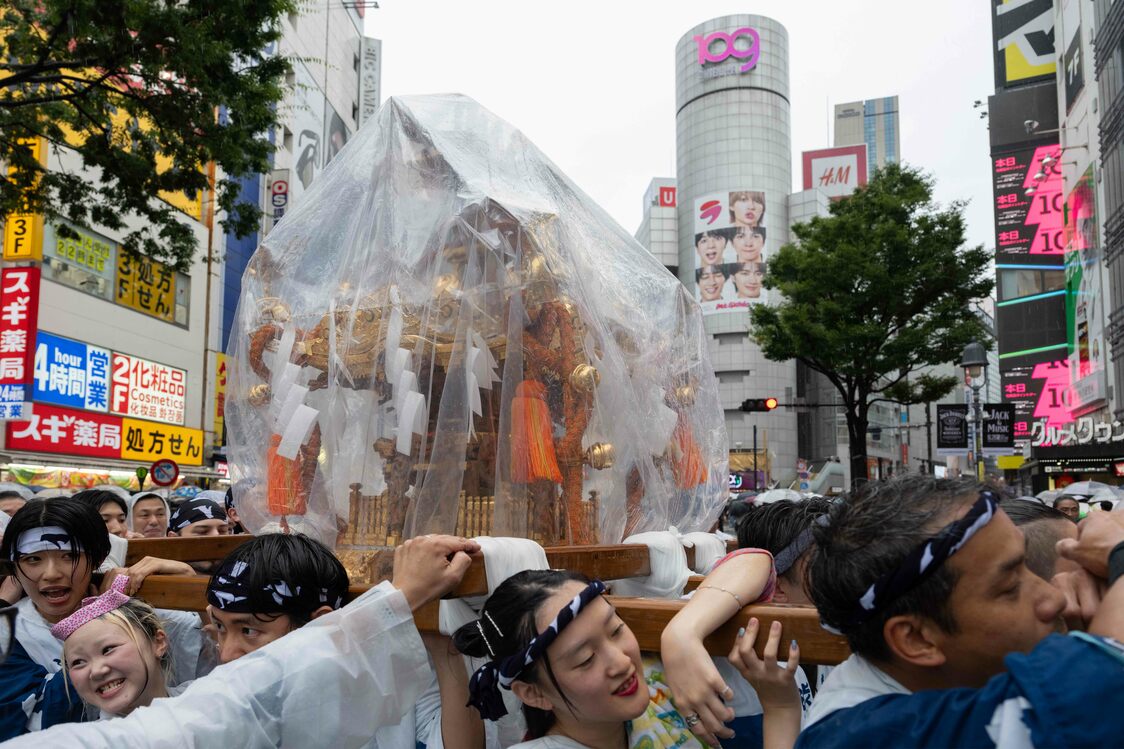 Konnō Hachimangū Annual Festival, September 20, 2026. (© Hatsuzawa Ari)
Where is Shibuya headed from here? The completion of redevelopment doesn’t mean that the city itself is complete. Buildings can be planned and designed, but the culture that emerges around them cannot. Amid the sweeping changes in central Shibuya, places like Nonbei Yokochō and Hyakkendana still survive. Whatever is lost, preserved, or newly created, I will continue to photograph and document Shibuya where all of these different aspects intermingle.
(Originally published in Japanese. Banner photo: Shibuya Crossing photographed on March 24, 2024. © Hatsuzawa Ari.)