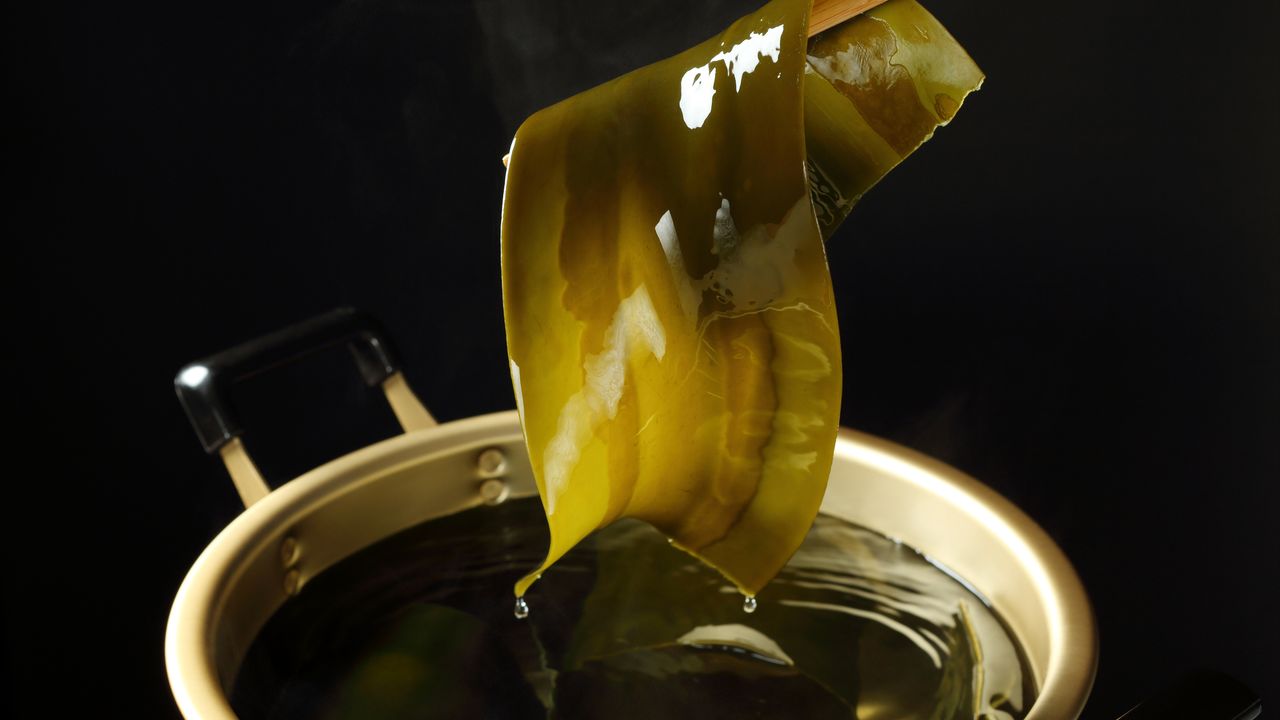
Konbu: Umami Provider for Japanese Cuisine
Guideto Japan
Food and Drink- English
- 日本語
- 简体字
- 繁體字
- Français
- Español
- العربية
- Русский
Mineral Rich
People in Japan are believed to have eaten konbu since the Jōmon period (ca. 10,000–300 BC), but the earliest records of it are in documents from the Nara period (710–794). It is an essential ingredient in dashi, providing umami to a range of Japanese dishes. It is also a mineral-rich food and is packed with vitamin B and dietary fiber.
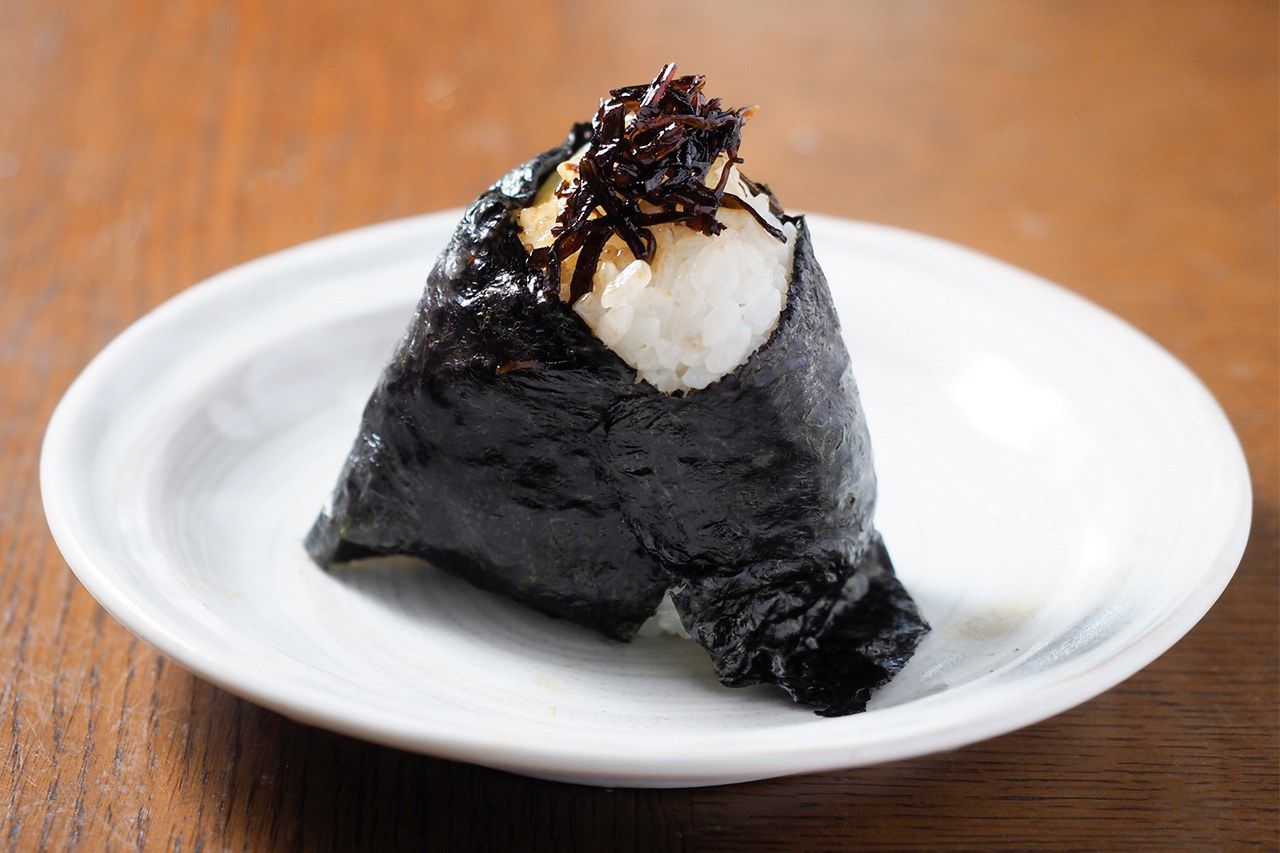
Natural and cultivated konbu are available in Japan, with over 90% produced in Hokkaidō. It is harvested from summer through autumn and dried for shipment. Konbu tsukudani (kelp simmered in salty-sweet sauce) is a popular rice ball filling.
When Ikeda Kikunae, a professor at the Imperial University of Tokyo, identified “umami” as a basic taste in 1908, he found it came from the glutamic acid in konbu.
(© Pixta)
(Originally written in English. Banner photo © Pixta.)