Maru and Batsu: Circles and Crosses for Saying Yes and No
Guideto Japan
Education- English
- 日本語
- 简体字
- 繁體字
- Français
- Español
- العربية
- Русский
Marks and Gestures
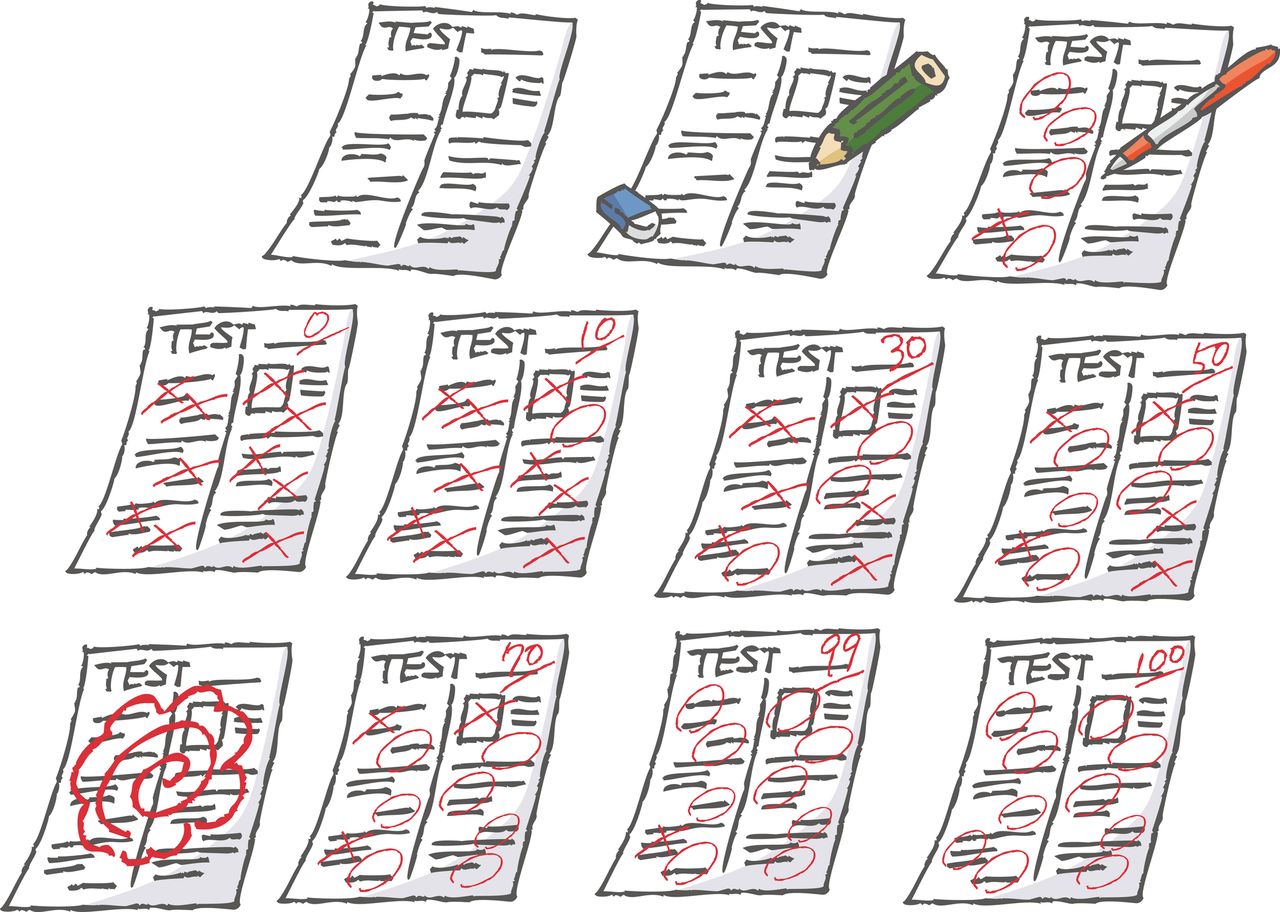
In Japan, a circle 〇 (maru) is used to mean “good” or “correct,” while a cross × (batsu) has the meaning of “bad” or “incorrect.” For example, teachers mark correct answers with a circle and may mark incorrect ones with a cross (although check marks ✓ are also used for incorrect answers, which may be confusing for some non-Japanese people).
(© Pixta)
The circle used on homework or tests to indicate a correct response may be upgraded to a nijūmaru, or doubled circle ◎, to show stronger approval; the pinnacle of these symbols is held to be the hanamaru, a swirling circle decorated with petals to resemble a flower (see the bottom left mark in the image above).
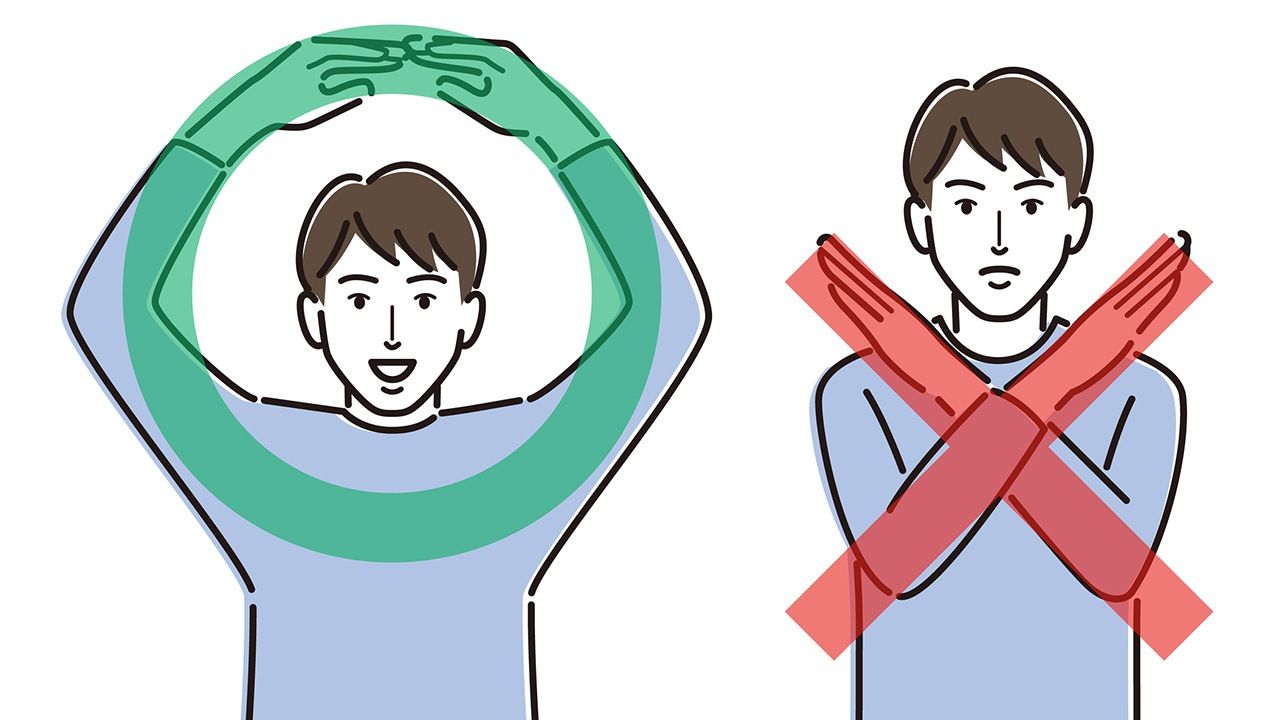
The maru circle and batsu cross are also used as gestures, and are so common there are even emoji for them. Touching hands above one’s head makes a circle (🙆) to indicate agreement or approval, but crossing one’s arms in front of the body makes a cross (🙅) to show disagreement or rejection.
(Originally written in English. Banner image © Pixta.)