Shōji: Japan’s Sliding Paper Screens
Guideto Japan
Lifestyle- English
- 日本語
- 简体字
- 繁體字
- Français
- Español
- العربية
- Русский
Sliding Screens
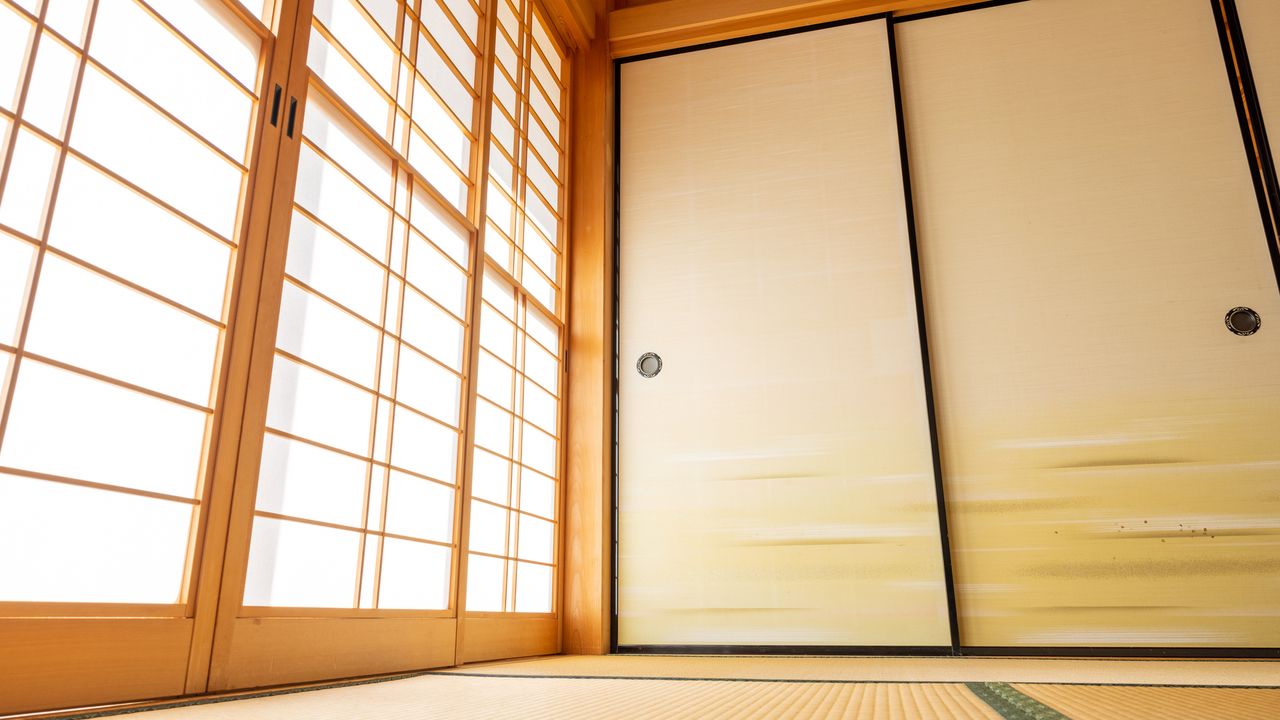
Sliding screens called shōji are an essential element of traditional Japanese houses. They consist of wooden lattices covered with sturdy washi paper. The thick paper prevents people from seeing into the room while still allowing light to filter through. The porous washi also helps with airflow and reduces humidity.
Shōji are used to divide rooms and also serve as doors and windows. In modern Japanese-style houses they are often set in door and window frames along with panes of glass. With one popular variation, known as the “snow-viewing” (yukimi) shōji, it is possible to slide up the lower section and look out through the glass.
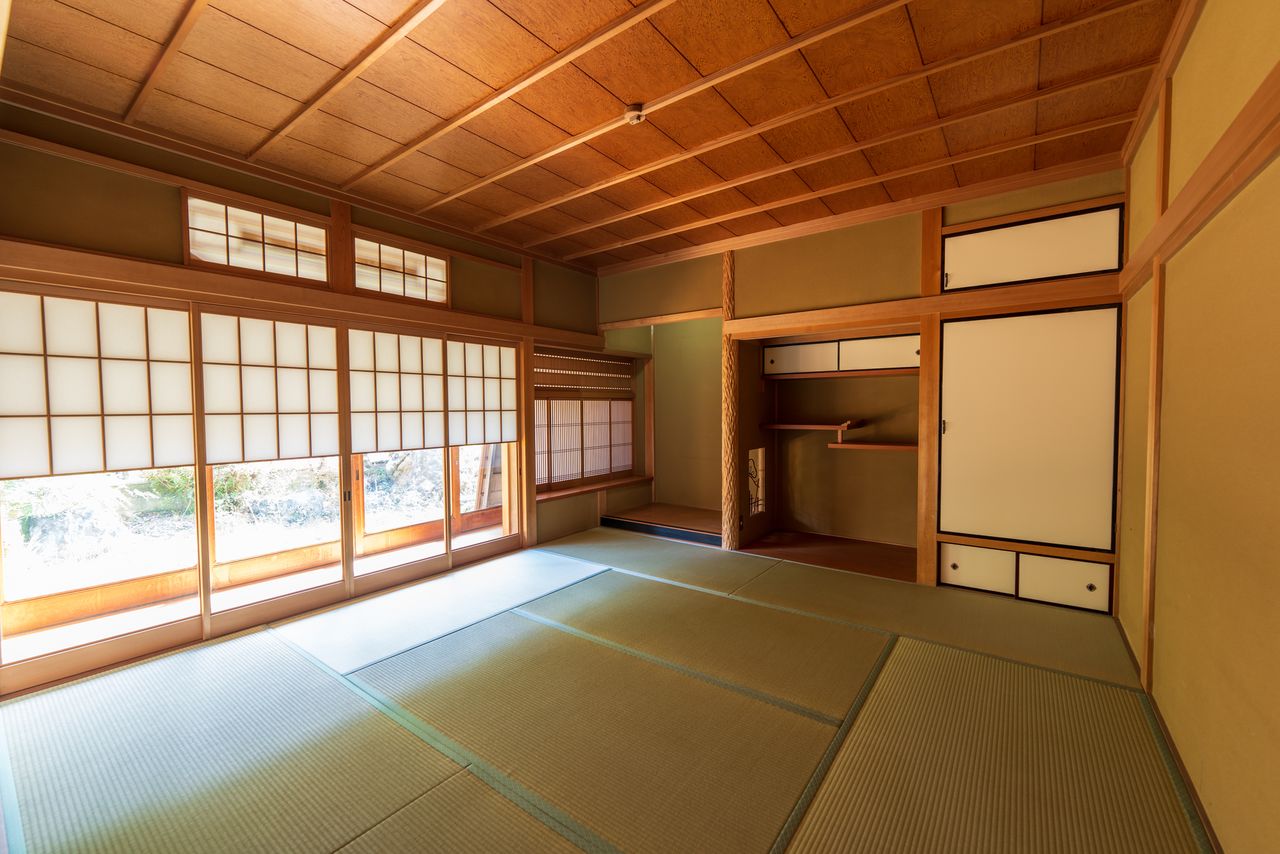
Yukimi shōji can be seen on the left. (© Pixta)
Shōji can be distinguished from the similar fusuma, which are sliding doors made of opaque paper or fabric, in that the latter does not let light through.
(Originally written in English. Banner photo © Pixta.)