Rokuyō: Lucky and Unlucky Days on the Japanese Calendar
Guideto Japan
Culture- English
- 日本語
- 简体字
- 繁體字
- Français
- Español
- العربية
- Русский
Days of Fortune
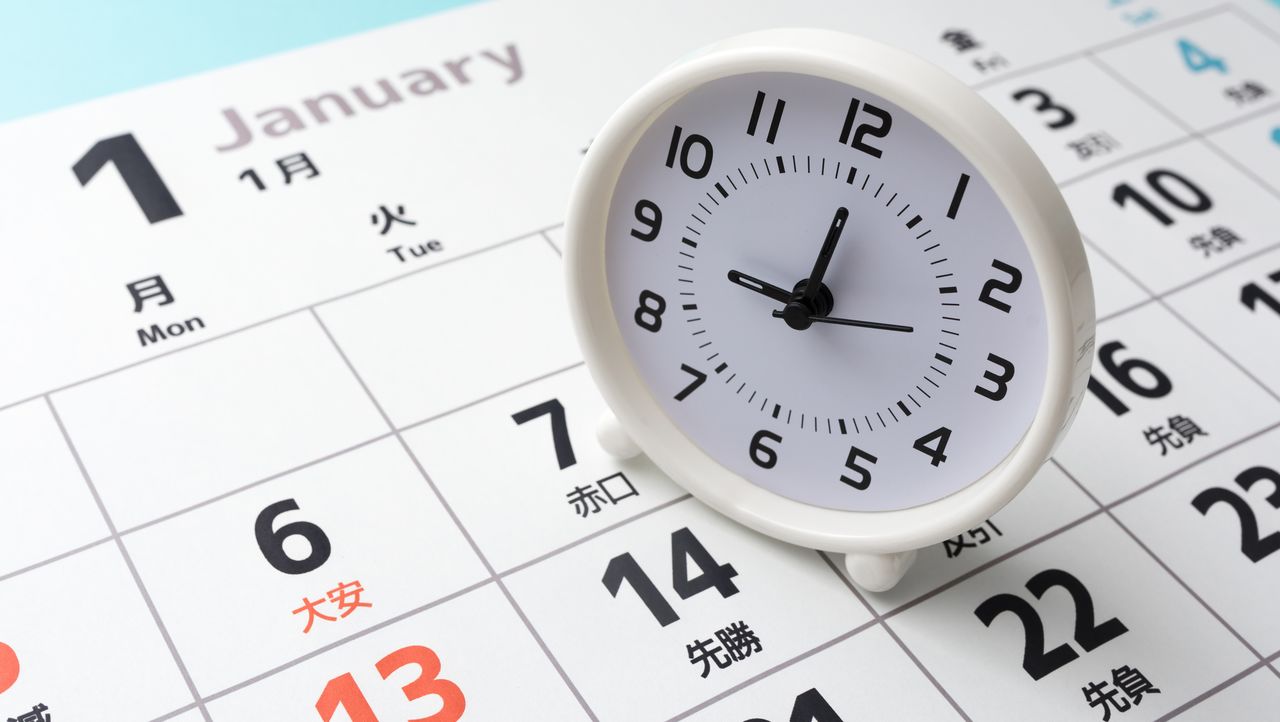
The rokuyō is a repeating sequence of six days included on many calendars in Japan that indicates how auspicious a particular day is. People are most likely to bear it in mind when planning major events like weddings and funerals.
The system was introduced to Japan from China around the fourteenth century, but only became widespread in the late nineteenth century. There have been variations with different names and orders before the current days became generally accepted.
Names of the Six Days and Their Typical Interpretations
先勝 (Senshō): A good day for acting swiftly. The morning is auspicious, but the afternoon is unfavorable, as indicated by the meaning of the characters: “first win.”
友引 (Tomobiki): The name of the day indicates that you can “draw friends” into similar kinds of fortune, so it is propitious for happy events, but by the same token, funerals should be avoided.
先負 (Senpu/Sakimake): It is best to act calmly on this day. The morning is unlucky, but the afternoon is lucky. Here the kanji mean “first lose.”
仏滅 (Butsumetsu): Generally inauspicious, although it is fine to conduct funerals and Buddhist rites. The name literally means “Buddha’s death.”
大安 (Taian): Generally auspicious, meaning “great peace.” Especially good for weddings.
赤口 (Shakkō/Shaku): An unlucky day, particularly for celebrations. Only noontime is considered propitious. The name means “red mouth”; the color red is associated with blood and fire, so blades and sources of fire should be avoided.
(Originally written in English. Banner photo © Pixta.)