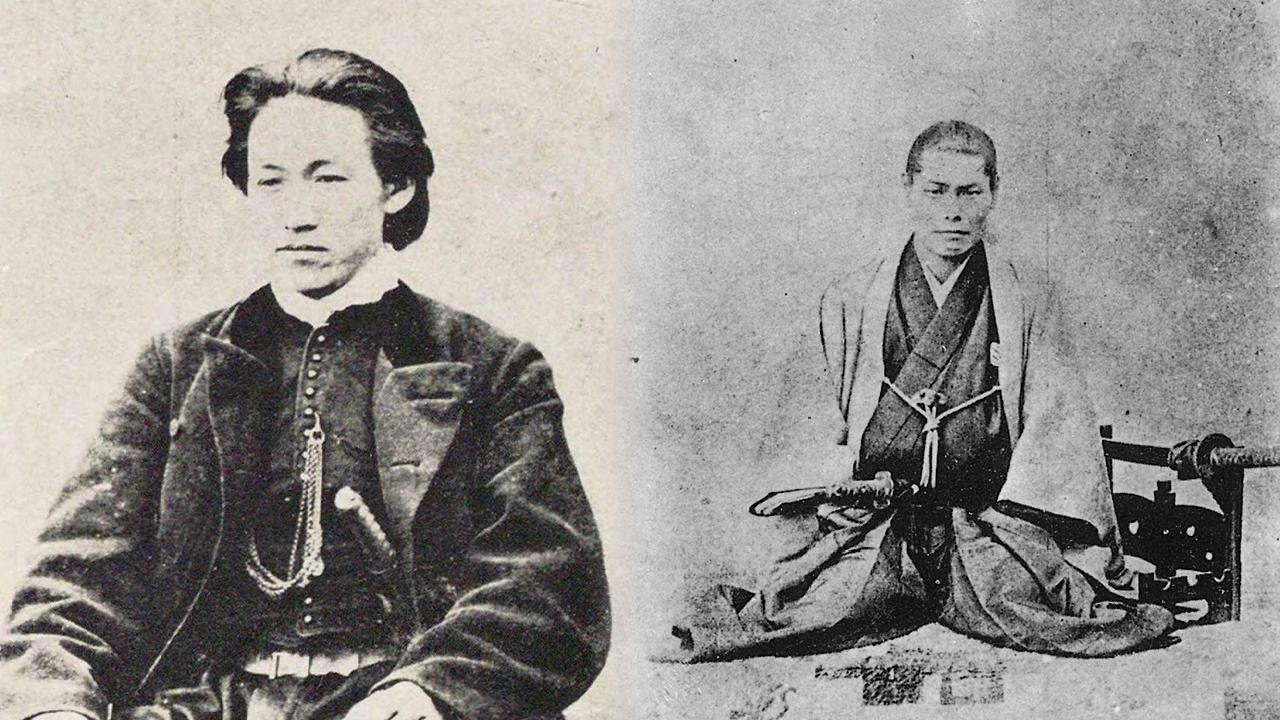
The Shinsengumi: Last Defenders of the Shogunate
Guideto Japan
History- English
- 日本語
- 简体字
- 繁體字
- Français
- Español
- العربية
- Русский
A Nation Torn
Japan in the 1860s was a nation divided into supporters of the shogunate, which had held power for more than two and a half centuries, and opponents who sought to topple the feudal government. In this fervid atmosphere, the Shinsengumi was formed as a shogunal police force in Kyoto that aimed to suppress imperial loyalists. In the 1864 Ikedaya Incident, members of the group attacked anti-shogunate activists at an inn, killing several and arresting many more. Ultimately, though, the force was on the losing side as the imperial loyalists formed a new government in 1868 under Emperor Meiji and the last remnants of the Shinsengumi were destroyed.
In the twentieth century, interest grew in the band of swordsmen for its active role in a pivotal period in Japanese history, particularly its commander Kondō Isami and vice-commander Hijikata Toshizō. The bestselling 1964 novel Moeyo ken (Burn, O Sword) by historical fiction master Shiba Ryōtarō brought Hijikata and the Shinsengumi to wider attention a century after they were active. The Shinsengumi continues to be a popular topic in Japan today in books, manga, movies, television series, and video games.
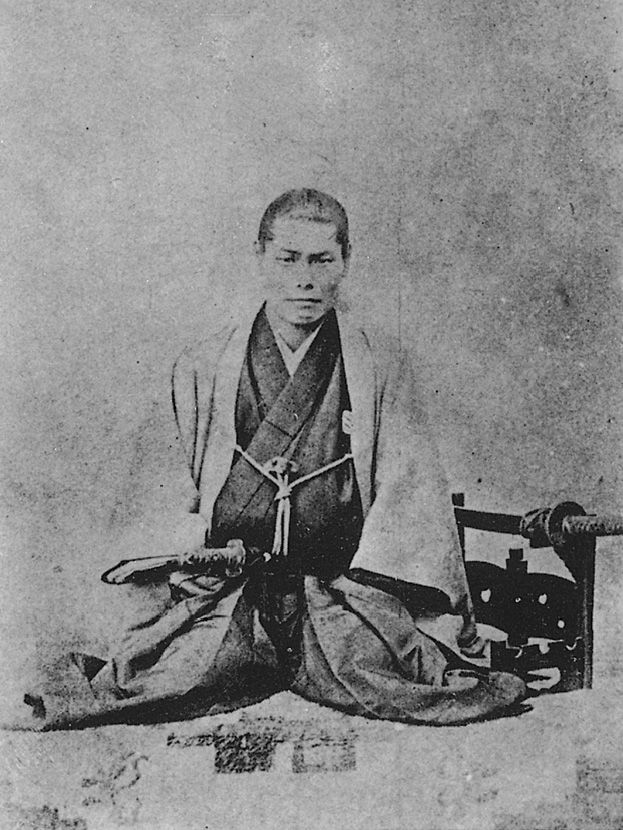
Kondō Isami. (Courtesy the National Diet Library)
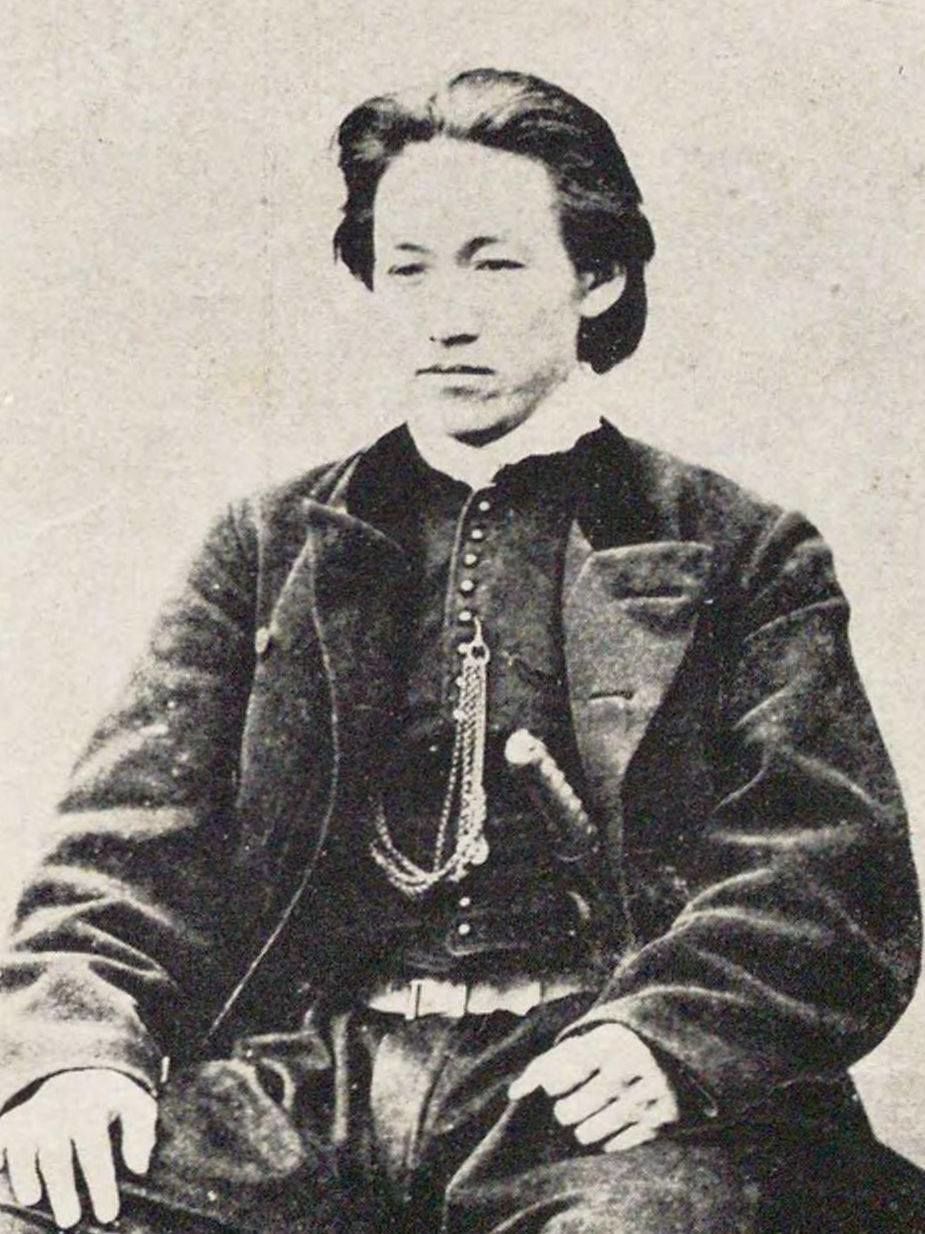
Hijikata Toshizō. (Courtesy the National Diet Library)
(Originally written in English. Banner photo: Hijikata Toshizō, left, and Kondō Isami, right. Courtesy National Diet Library.)