“The Pillow Book”: A Classic of Life in the Japanese Court
Guideto Japan
Culture History- English
- 日本語
- 简体字
- 繁體字
- Français
- Español
- العربية
- Русский
In Spring, the Dawn
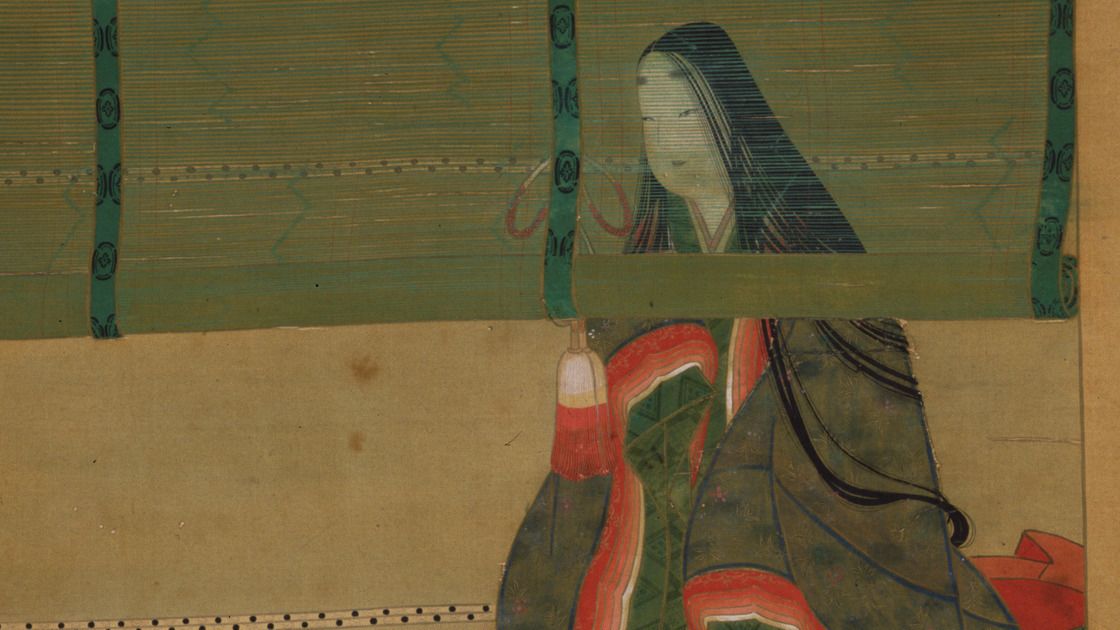
The Pillow Book is a classic work of Japanese literature by the court lady Sei Shōnagon, written over a millennium ago in a period around the year 1000. It depicts and offers insight into her life at court as one of the members of Empress Teishi’s entourage through a selection of anecdotes, reflections, and idiosyncratic lists expressing her likes and dislikes.
The work begins with a famous description of spring, among a list of her favorite aspects of each season (text taken from Meredith McKinney’s 2006 translation):
In spring, the dawn—when the slowly paling mountain rim is tinged with red, and wisps of faintly crimson-purple cloud float in the sky.
The Heian period (794–1185) is famous for its women writers. Around the time Sei Shōnagon wrote The Pillow Book, Murasaki Shikibu was working on The Tale of Genji.
(Originally written in English. Banner image: A detail from a seventeenth-century illustration by Tosa Mitsuoki of Sei Shōnagon in a scene from The Pillow Book. Courtesy Tokyo National Museum/Colbase.)