A Basic Guide to Japanese Etiquette
Gift-Giving Etiquette in Japan
Guideto Japan
Lifestyle Culture Education- English
- 日本語
- 简体字
- 繁體字
- Français
- Español
- العربية
- Русский
Avoiding Unfortunate Connotations
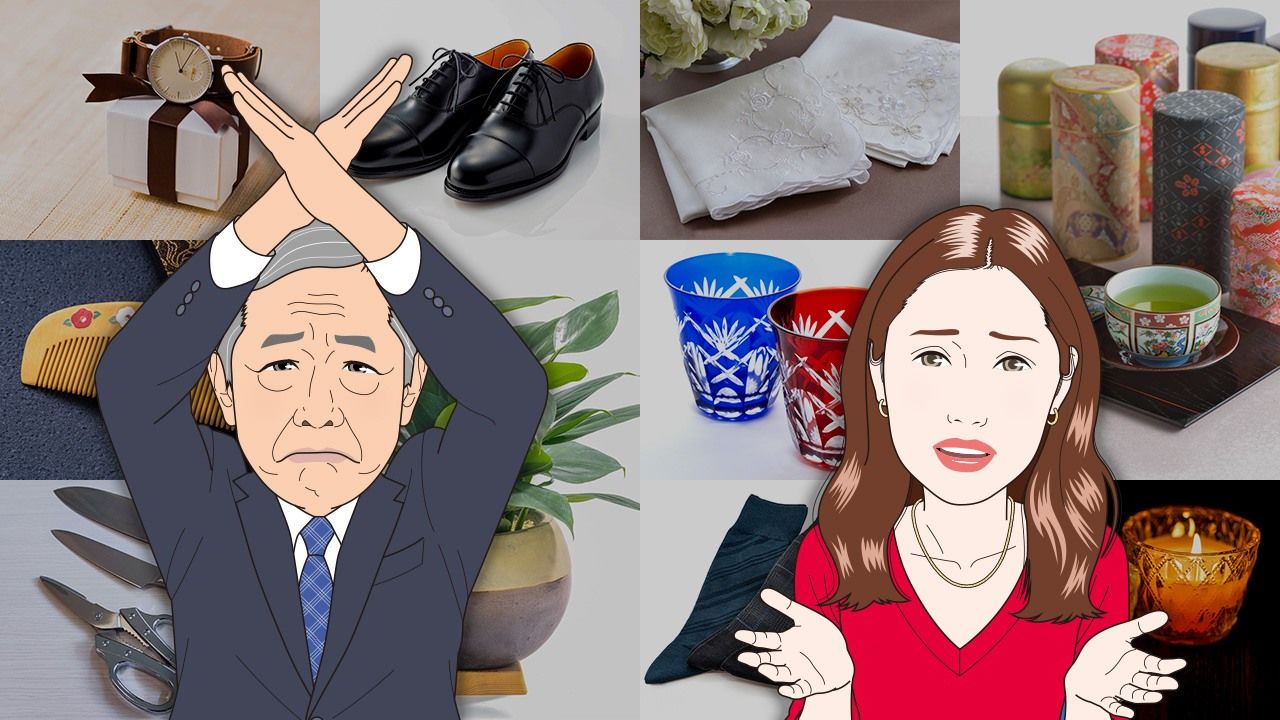
In Japan, gifts are commonly given on anniversaries, milestones marking a new life stage or turning points during the year. Kanji or phrases considered to be a good omen or on the contrary, inauspicious, can influence the type of gift selected for different occasions. To avoid unintentional faux pas, here are some things to know about the kinds of articles to avoid.
Numbers play an important role in gift-giving practices. In ancient times, odd numbers were considered “lucky,” with nine being particularly so, and thus nine items were presented as yuinō betrothal gifts. Eight, meanwhile, depicted as the kanji 八 (hachi), implies spreading out like a fan, thanks to the wide space between the kanji’s two strokes, and was also thought to be auspicious. Today, it is considered proper for the amount of a congratulatory money gift or funeral offering to start with an odd number, although nine (ku) is avoided because it is a homophone for the word “suffering.” Four (shi) is similarly avoided because it sounds the same as the word for “death.”
The Nine Yuinō Betrothal Gifts
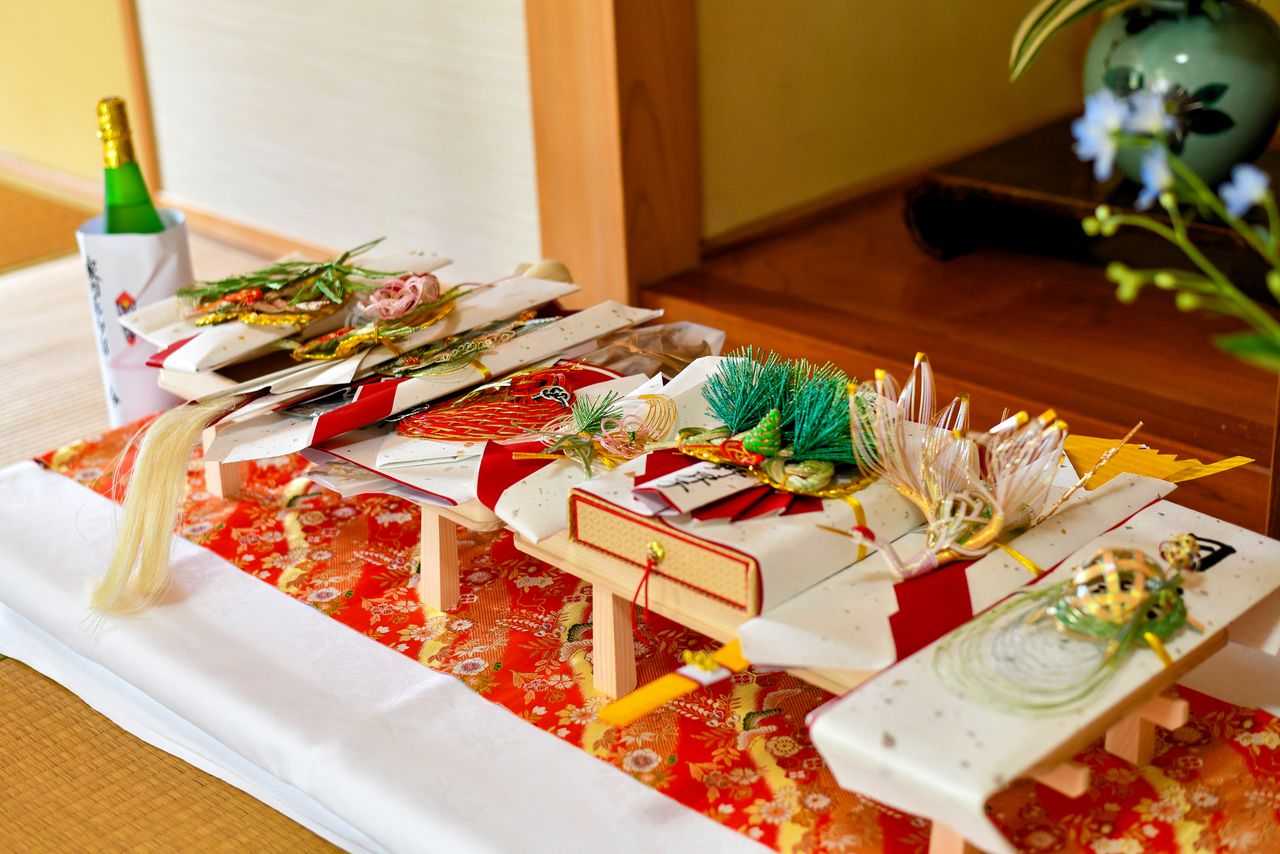
An array of yuinō gifts in the Kantō (Tokyo) region. (© Pixta)
Yuinō betrothal gifts include many items with symbolic meanings, for example konbu because of its association with yorokobu (joy) and dried abalone, a delicacy, presented in the form of naganoshi, accompanied by a mokuroku list of the offerings.
The evolution of the manufacturing and logistics industries in modern times has brought a much greater variety of gift items to choose from. New customs, many of them from the West, have also appeared. For example, it is common to give flower arrangements now, and red carnations are the standard Mother’s Day gift. Gorgeous phalaenopsis orchids adorn newly opened shops or businesses; in the language of flowers, they also bring happiness. Cyclamens (pronounced shi-ku-ra-men in Japanese), however, are inappropriate because they contain the syllables shi and ku, which, as explained above, are homonyms for “death” and “suffering.”
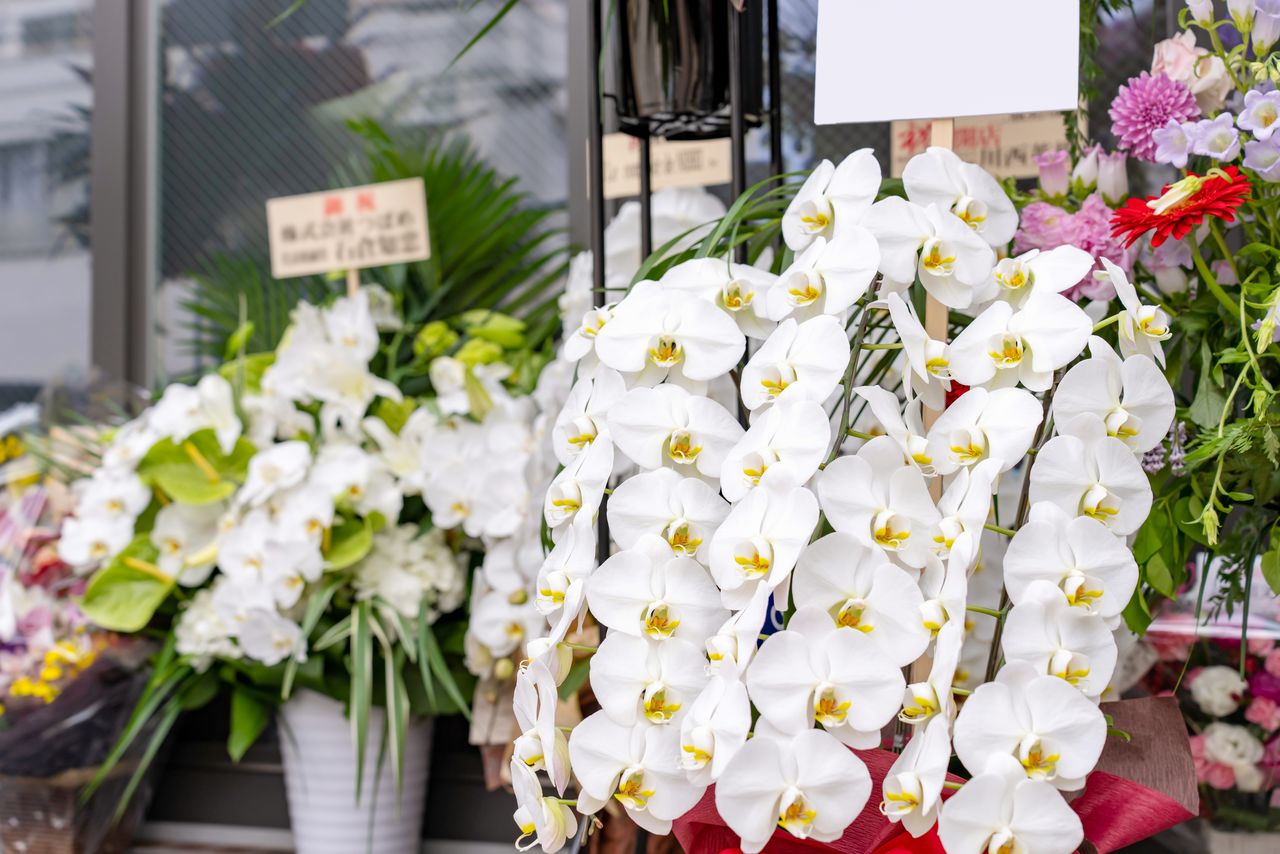
The custom of gifting phalaenopsis orchids began in the Meiji era (1868–1912). (© Pixta)
Combs (ku-shi, again associated with taboo words) have been viewed as inappropriate, although in the Edo period (1603–1868), they were presented to women by men proposing marriage. Knives may also be frowned upon because they remind of “cutting (ties),” although centuries ago, they were a prestigious gift among samurai families and were thought to ward off evil. But nowadays, ideas are shifting and some people may present combs and knives as gifts, an indication that articles viewed as acceptable evolve with the times.
Examples of Taboo Gifts
Combs
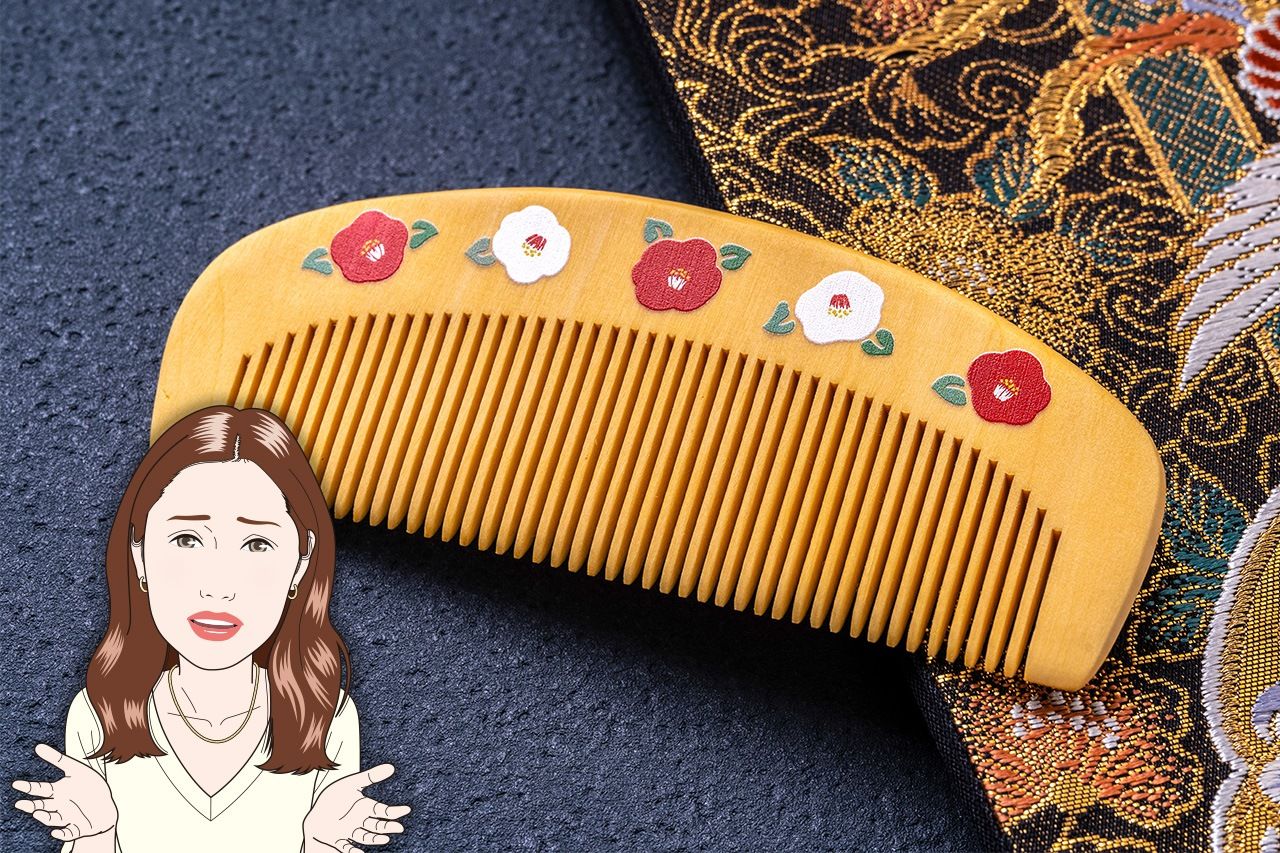
A traditional boxwood comb. This illustration indicates gifts that may be acceptable, but take care. (© Pixta)
Kushi (combs) are associated with various inauspicious images. But lately they are being marketed as ideal for “smoothing out tangles,” in other words, good for promoting smooth relationships, so their negative image as a gift has dissipated somewhat.
Bladed Articles
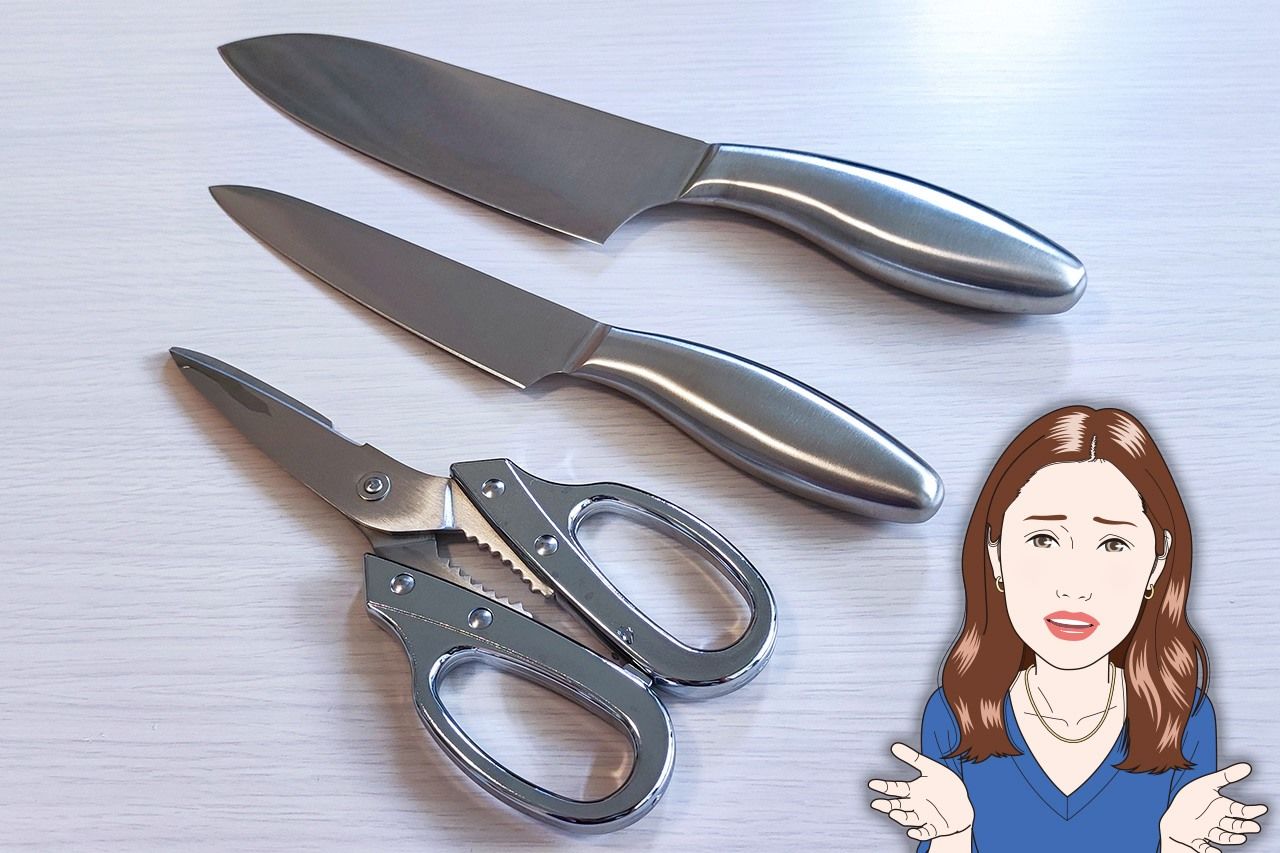
Kitchen knives and scissors. (© Pixta)
Knives and scissors remind some people of “cutting ties,” so they are frowned upon as gifts for a wedding or a house move. On the other hand, they may be considered a good omen, as they help “cut a path forward.”
Handkerchiefs
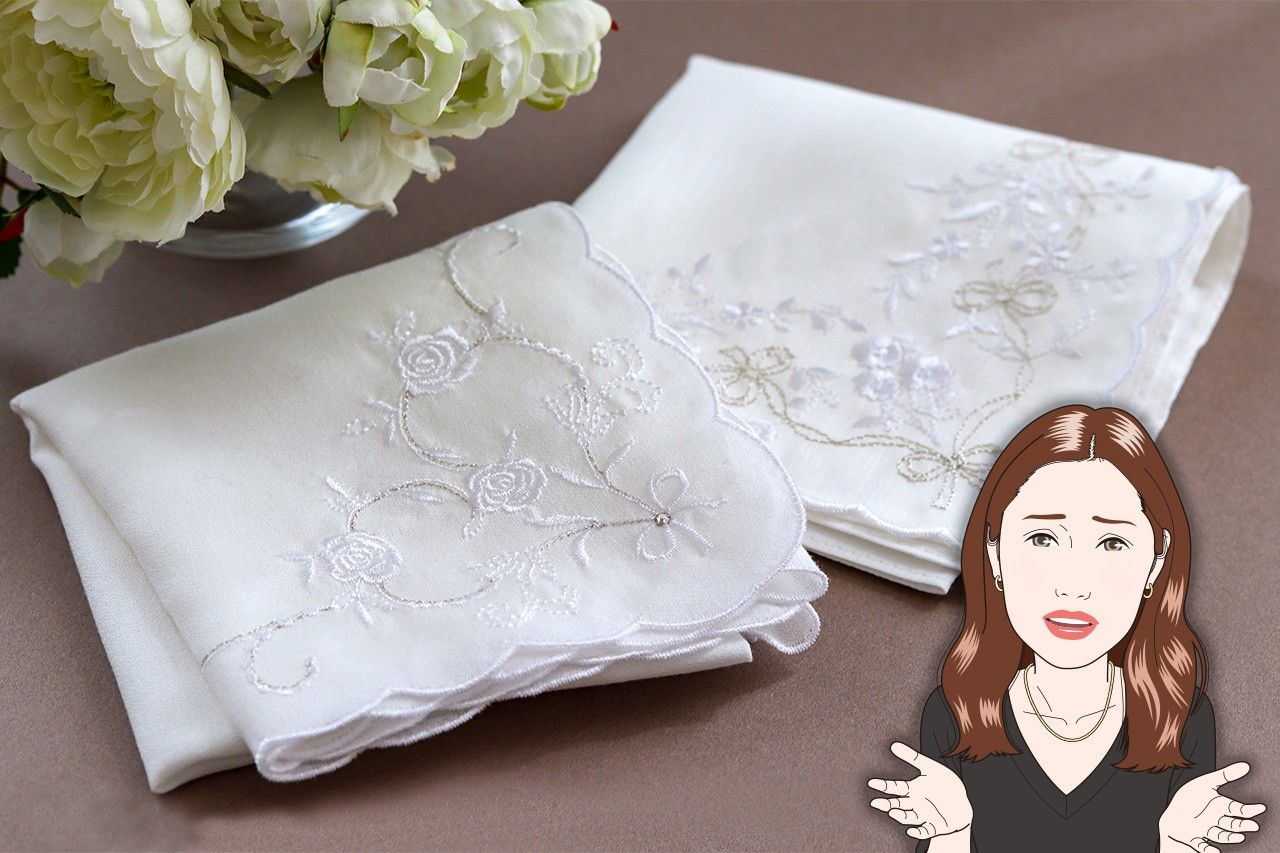
White handkerchiefs are customary at funerals. (© Pixta)
Handkerchiefs are often chosen as a gift for a departing friend or colleague because they are handy for dabbing away at tears upon parting. But in rare cases, people interpret them as a sign of cutting ties because of an alternative reading for “handkerchief” in kanji. Soften any negative impressions of this gift with a well-chosen pattern or a nicely worded note.
Footwear
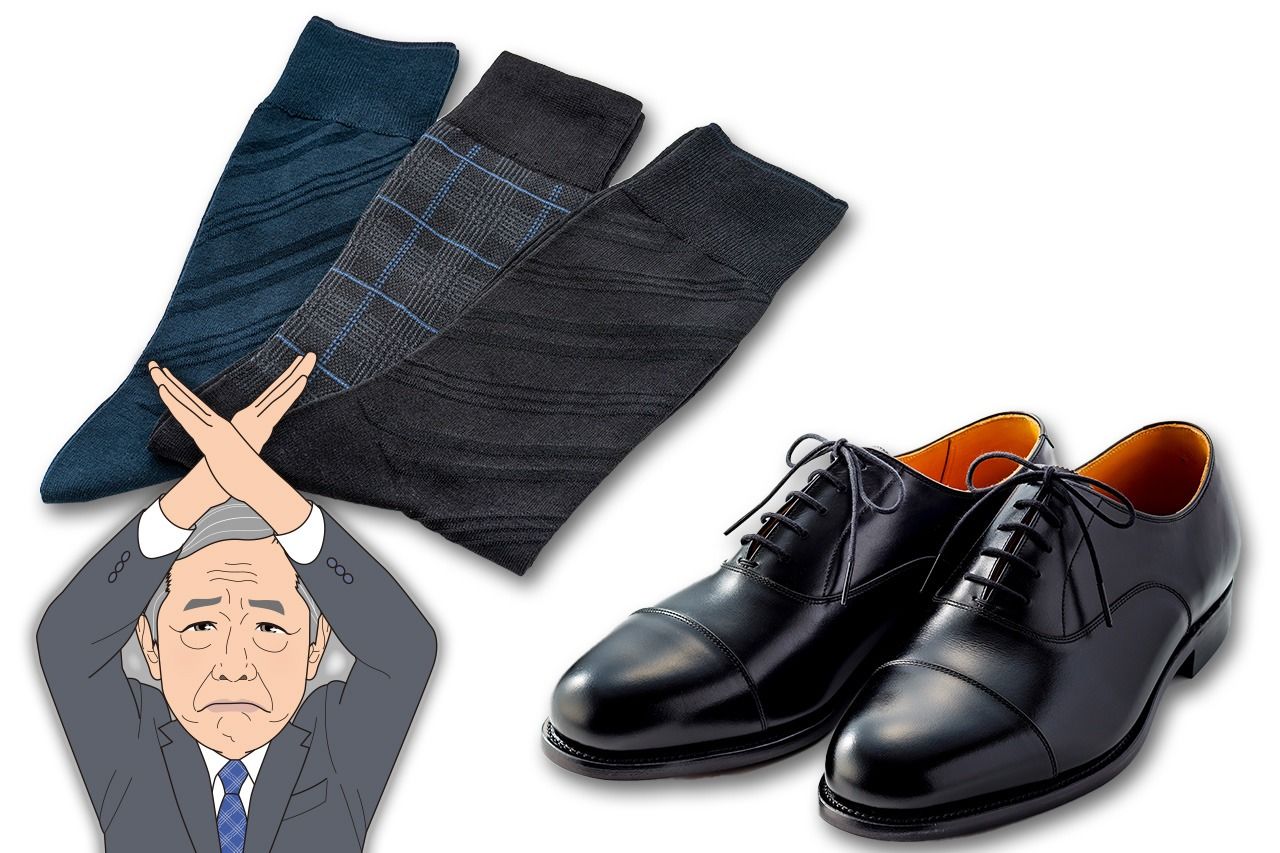
Socks and dress shoes. This illustration indicates gifts that are best avoided. (© Pixta)
Socks and shoes are inappropriate as gifts for a parent or a boss, as anything connected with stepping on something is viewed as impolite. Personal tastes also differ, so it is safer to avoid this type of gift.
Watches, Stationery Items
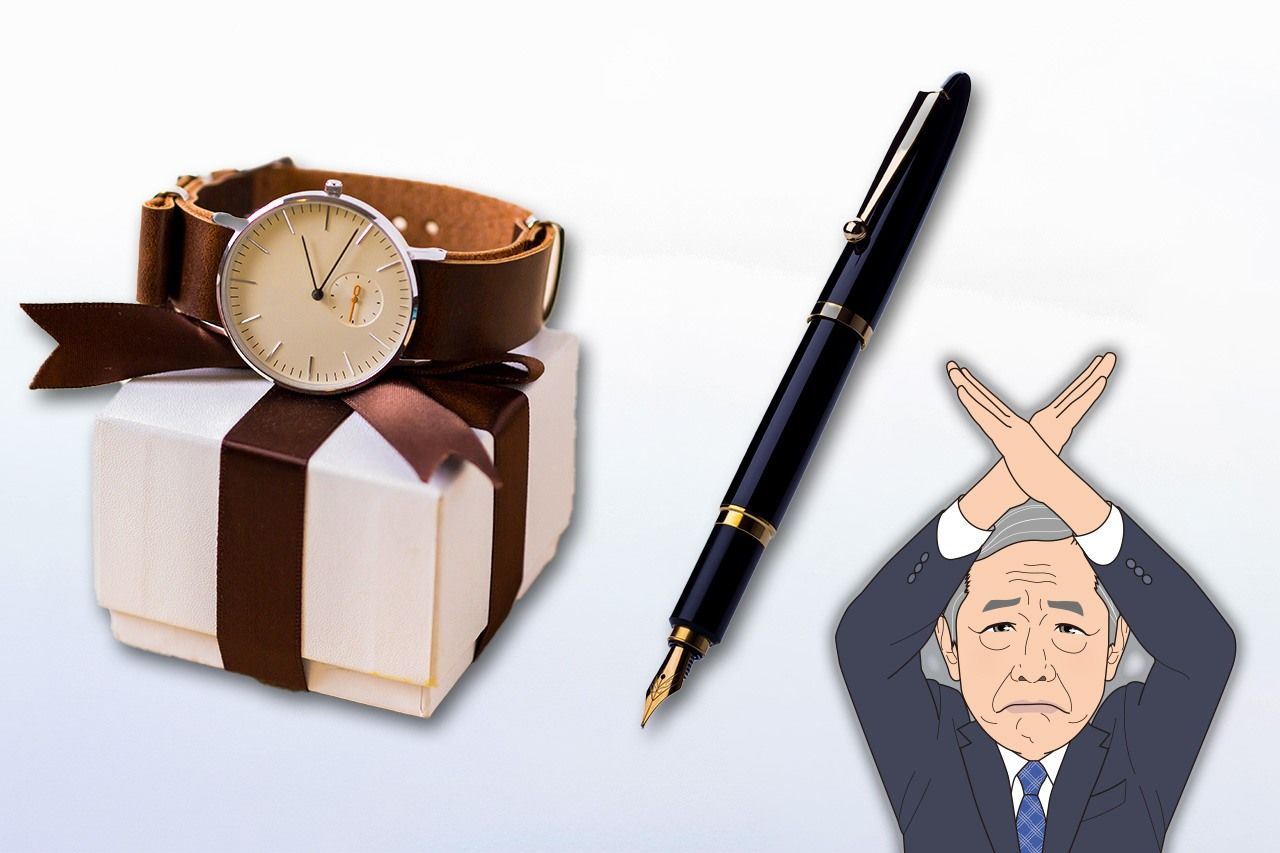
A wristwatch and a fountain pen. (© Pixta)
Avoid giving this type of item to a person who is a superior, as you may be thought to be hinting they should work harder.
Glassware as a Wedding Present
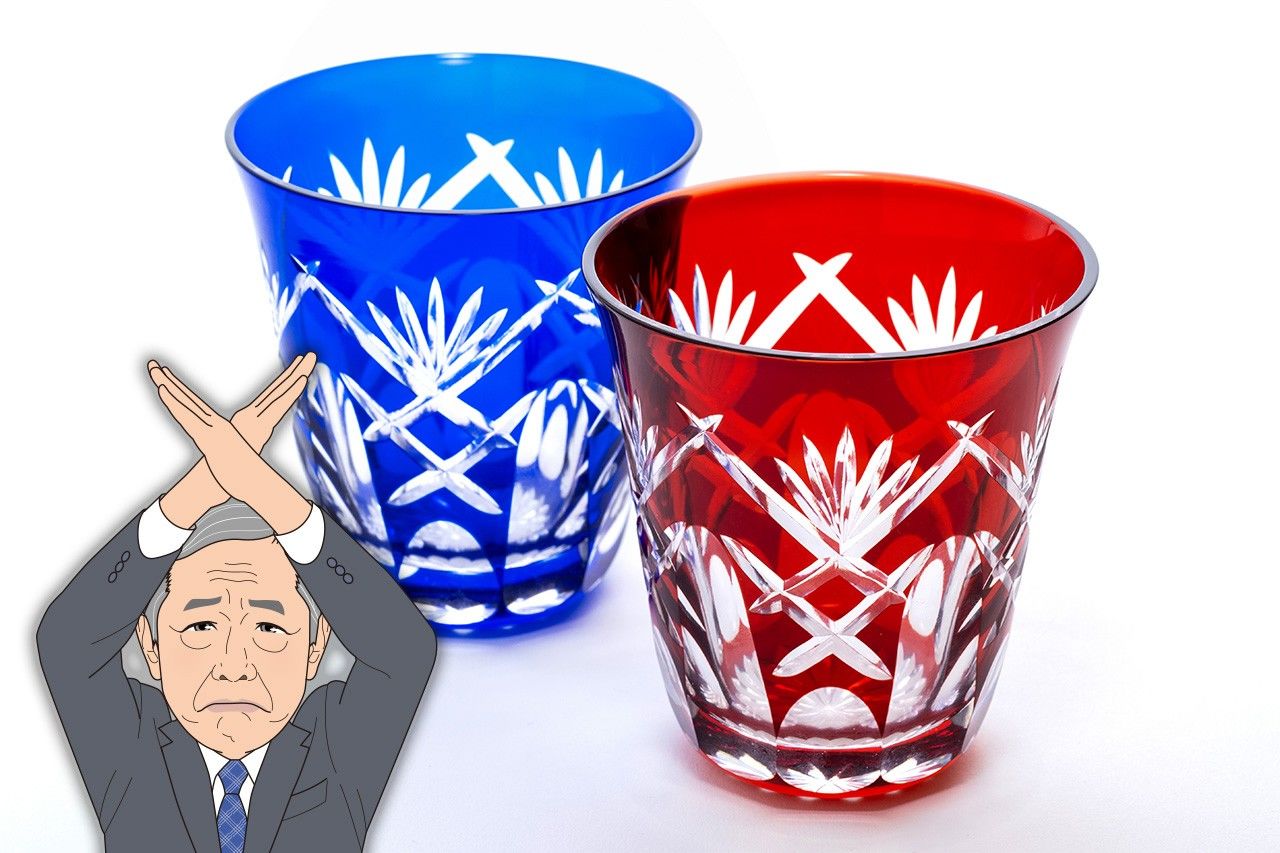
Cut glass tumblers. (© Pixta)
Glassware breaks easily, implying a broken engagement or divorce.
Candles or Heat-Producing Items for a New Home
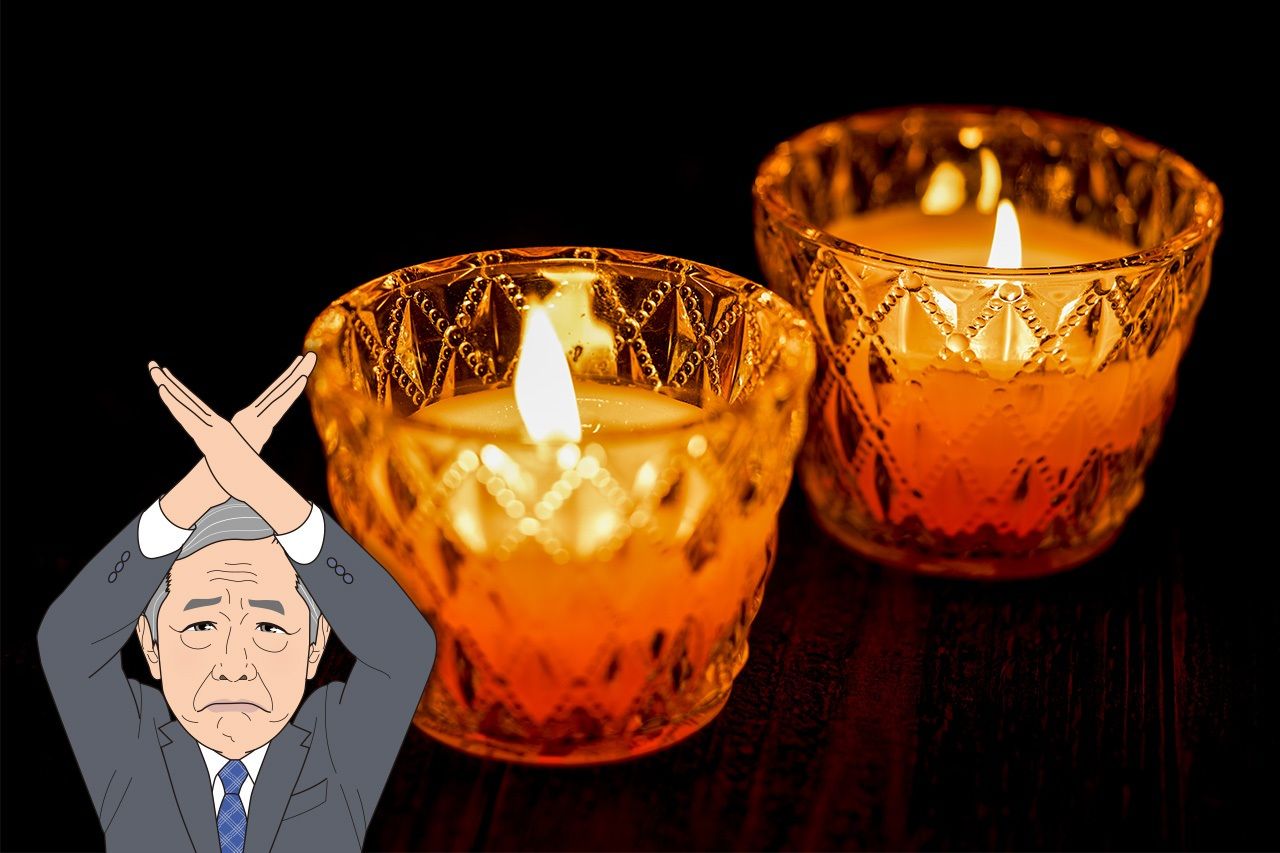
Aromatic candles. (© Pixta)
Because of connotations of fire, nothing related to heat, be it an ashtray, a heater or aromatic candles, should be given as a house-warming present. For the same reason, some people avoid giving anything colored red on this occasion.
A Potted Plant as a Get-Well Gift
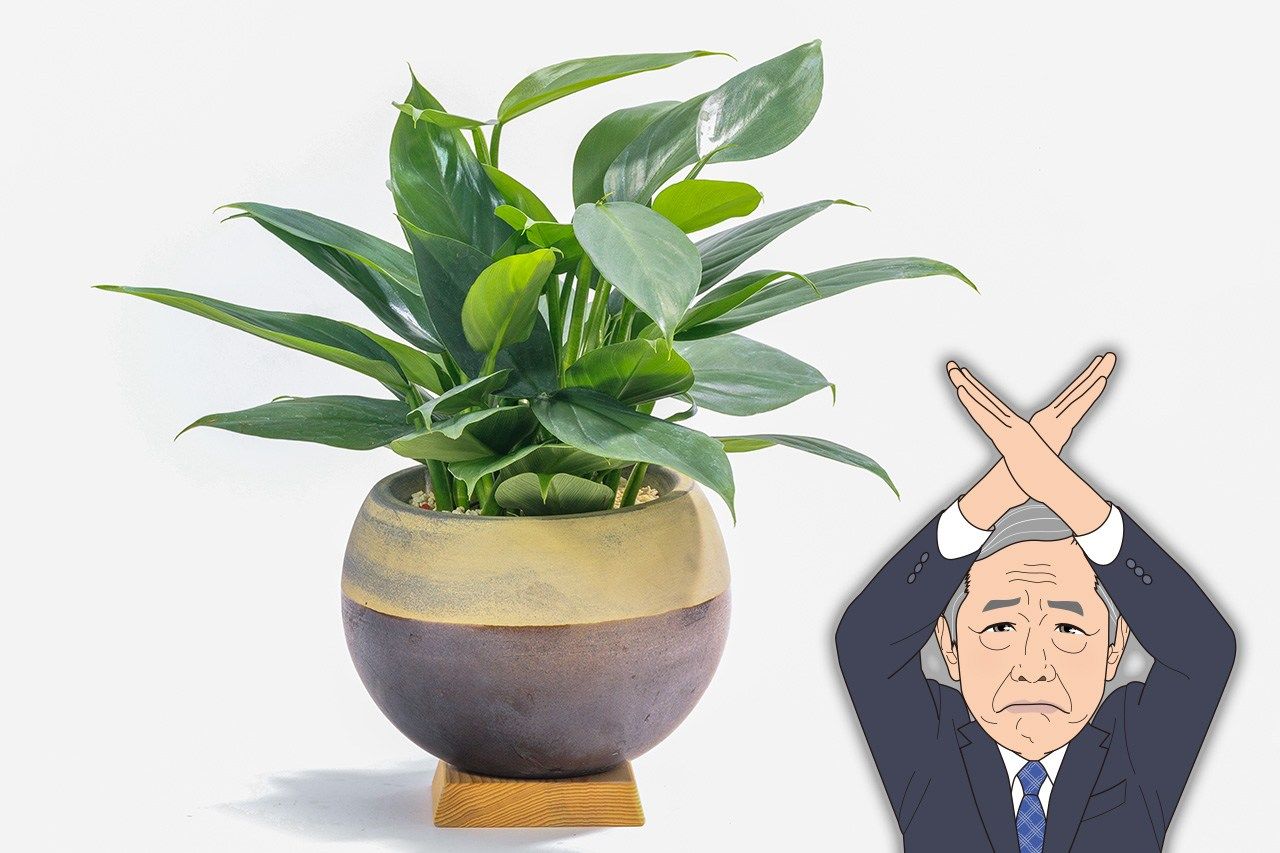
A houseplant. (© Pixta)
Since you do not want illness to “take root,” avoid presenting a potted plant as a get-well present. In practical terms, you should not burden a friend or relative in hospital with looking after the plant and later having to take it home.
Many beliefs connected with gifts are simply unfounded modern-day superstitions. For example, green tea is often associated with funerals, so some people avoid giving it on a congratulatory occasion because of that negative vibe. But the fact that green tea is light, keeps well, and is generally enjoyed makes it ideal as a token gift for mourners.
Some people are especially conscious of negative connotations attached to certain types of gifts, but attitudes do change, and what was considered taboo yesterday is often perfectly acceptable today. The fundamental purpose of gift-giving is to communicate thanks or caring. Utility or the pleasure a gift will give the recipient should be the most important criterion for choosing a particular item.
(Originally published in Japanese. Supervised by Shibazaki Naoto, associate professor at Gifu University, who specializes in manners education from a psychological perspective, works to guide etiquette educators, and is an instructor in Ogasawara-ryū etiquette. Illustrations by Satō Tadashi. Banner photo © Pixta. Includes illustrations by Satō Tadashi.)