National Foundation Day (Japan’s National Holidays)
Guideto Japan
Lifestyle History- English
- 日本語
- 简体字
- 繁體字
- Français
- Español
- العربية
- Русский
Legendary Origins
February 11 in Japan is National Foundation Day. It celebrates the establishment of the country and expresses hopes for its future prosperity.
The holiday has its origins in Kigensetsu, a celebration established in 1873 to commemorate the founding of the country. It was observed on February 11, which was calculated based on the eighth-century chronicle Nihon shoki to be the date that Jinmu Tennō, Japan’s legendary first emperor, was enthroned in 660 BC. Kigensetsu was abolished during the postwar Allied Occupation of Japan. A movement later arose to restore it, although there were many who opposed treating a date based on myth as a historical fact. With a 1966 amendment to the Act on National Holidays, February 11 became a holiday again as National Foundation Day.
The Japanese name of the day Kenkoku kinen no hi reflects the fact that while it is commemorating the foundation of the country, it is not based on an established historical date like, for example, Independence Day (July 4) in the United States. While kinenbi would indicate an “anniversary,” the meaning of kinen no hi is more like a “day of commemoration.”
The holiday is marked by events held across the country to commemorate the foundation of Japan and express hope for its ongoing peace. At Nara’s Kashihara Jingū, a shrine dedicated to Emperor Jinmu, an imperial envoy presents offerings and intones a ritual prayer.
Data Sources
- National holidays (Japanese) from the Cabinet Office.
- Act on National Holidays from the Ministry of Justice.
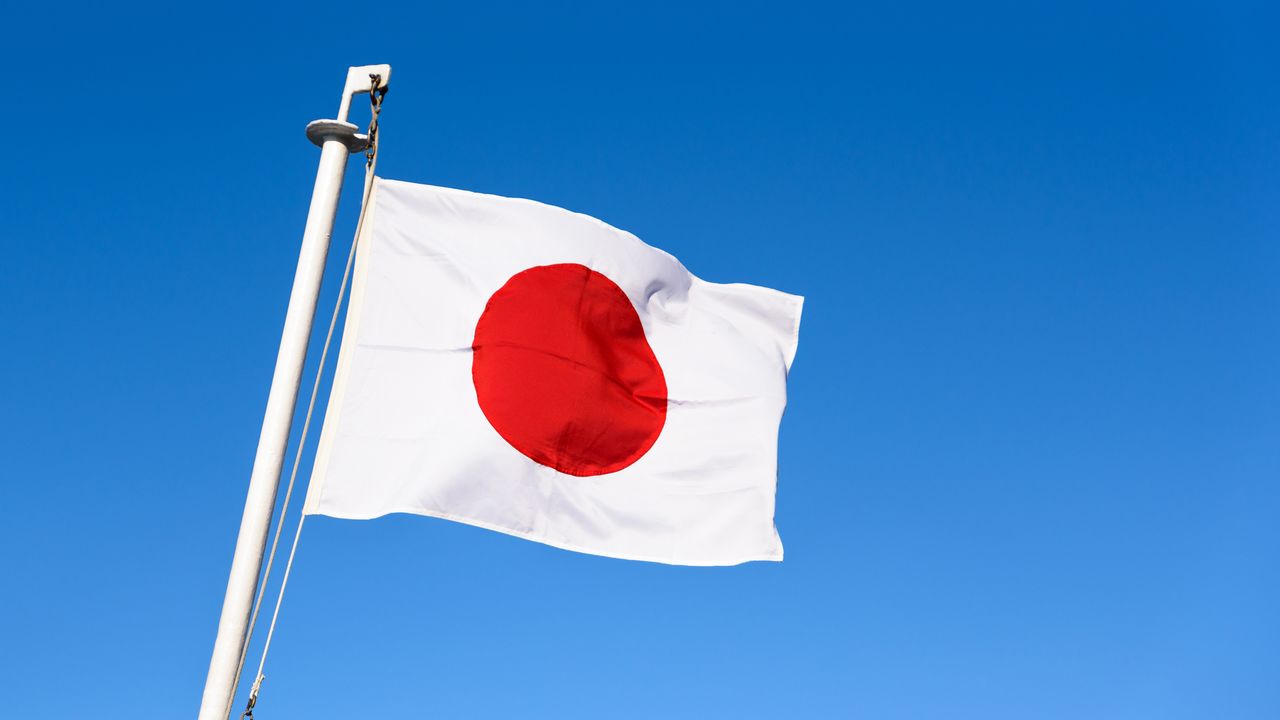
(Translated from Japanese. Banner photo: The Japanese flag. © Pixta.)