Vernal Equinox Day (Japan’s National Holidays)
Guideto Japan
Lifestyle Culture History- English
- 日本語
- 简体字
- 繁體字
- Français
- Español
- العربية
- Русский
Celebrating Spring
Japan has national holidays for both the vernal equinox in spring and the autumnal equinox, when the day and night are roughly equal in length. Vernal Equinox Day was established in 1948 as a national holiday to honor nature and cherish living things. The date is calculated by the National Astronomical Observatory of Japan, and Vernal Equinox Day generally falls around March 20, often as the weather across much of Japan makes it start to feel like spring.
In Buddhism, the equinox and the three days that precede and follow it are a weeklong period called Higan (literally the “distant shore”), which originally described the ideal state Buddhists aim to reach through enlightenment. The Pure Land of paradise is said to be “in the west” in the religion’s scriptures, and it is believed to be at its nearest when the sun rises due east and sets due west at the equinoxes. This came to be seen as the best time for spiritual practices and making offerings to one’s ancestors, so many Japanese people visit their family graves during this period.
It is common to offer up botamochi (glutenous rice coated with sweet adzuki bean paste) or sekihan (red rice made with adzuki beans and mochi rice) to ancestors during Higan. Adzuki beans are considered to be a sacred ingredient that can ward off evil spirits. As the vernal equinox approaches, botamochi are displayed for sale in confectionery stores and supermarkets.
Data Sources
- National Holidays (Japanese) from the Cabinet Office.
- Questions about the Calendar (Japanese) from the National Astronomical Observatory of Japan.
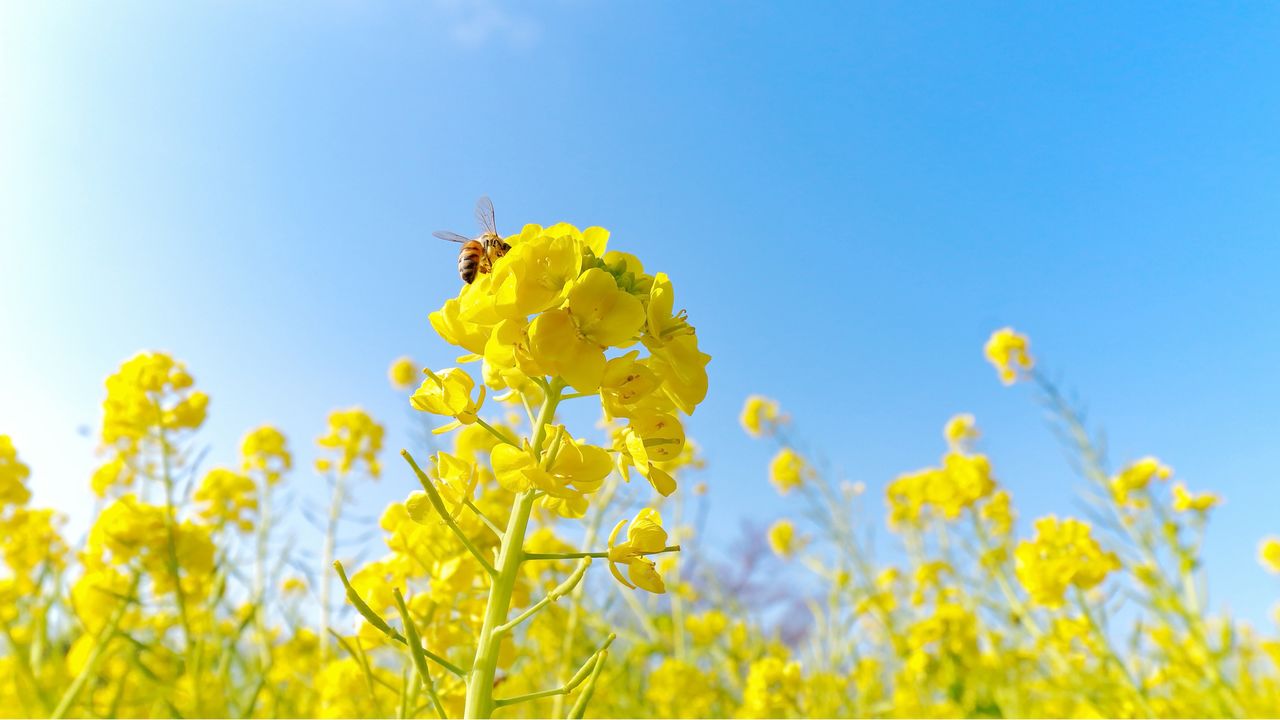
(Translated from Japanese. Banner photo: Nanohana flowers, a spring fixture, in brilliant bloom. © Pixta.)