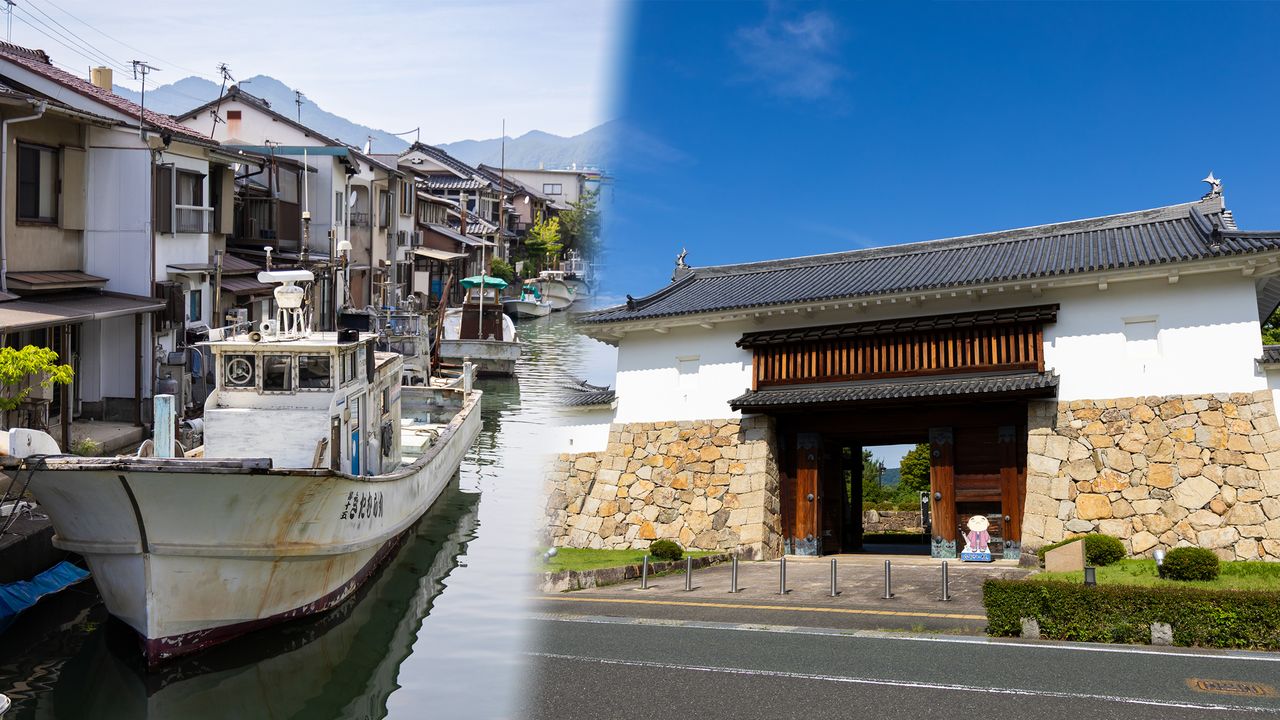
A Gem on the Kyoto Seaside: Walking Historic Nishi-Maizuru
Guideto Japan
Travel History Food and Drink- English
- 日本語
- 简体字
- 繁體字
- Français
- Español
- العربية
- Русский
Witness History at Tanabe Castle
At its height, Tanabe Castle towered like a crane with its wings spread wide, earning it the moniker Maizuru-jō or “dancing crane” castle. Although the fortress is no longer standing, its legacy lives on in the name of modern Maizuru. During the Edo period (1603–1868), the city was the site of the bustling castle town in the province of Tango, in what today is northern Kyoto Prefecture.
The site of the castle ruins has been preserved as Maizuru Park, which is less than 10 minutes’ walk from Nishi-Maizuru Station. Only the foundations of the castle remain, but replicas of the of the gate and two-story yagura (watchtower), known as Shōkokan, give a hint of the keep’s former grandeur. The structures are part of the Tanabe Castle Museum, which exhibits artifacts and other items related to the region’s rich historical legacy.
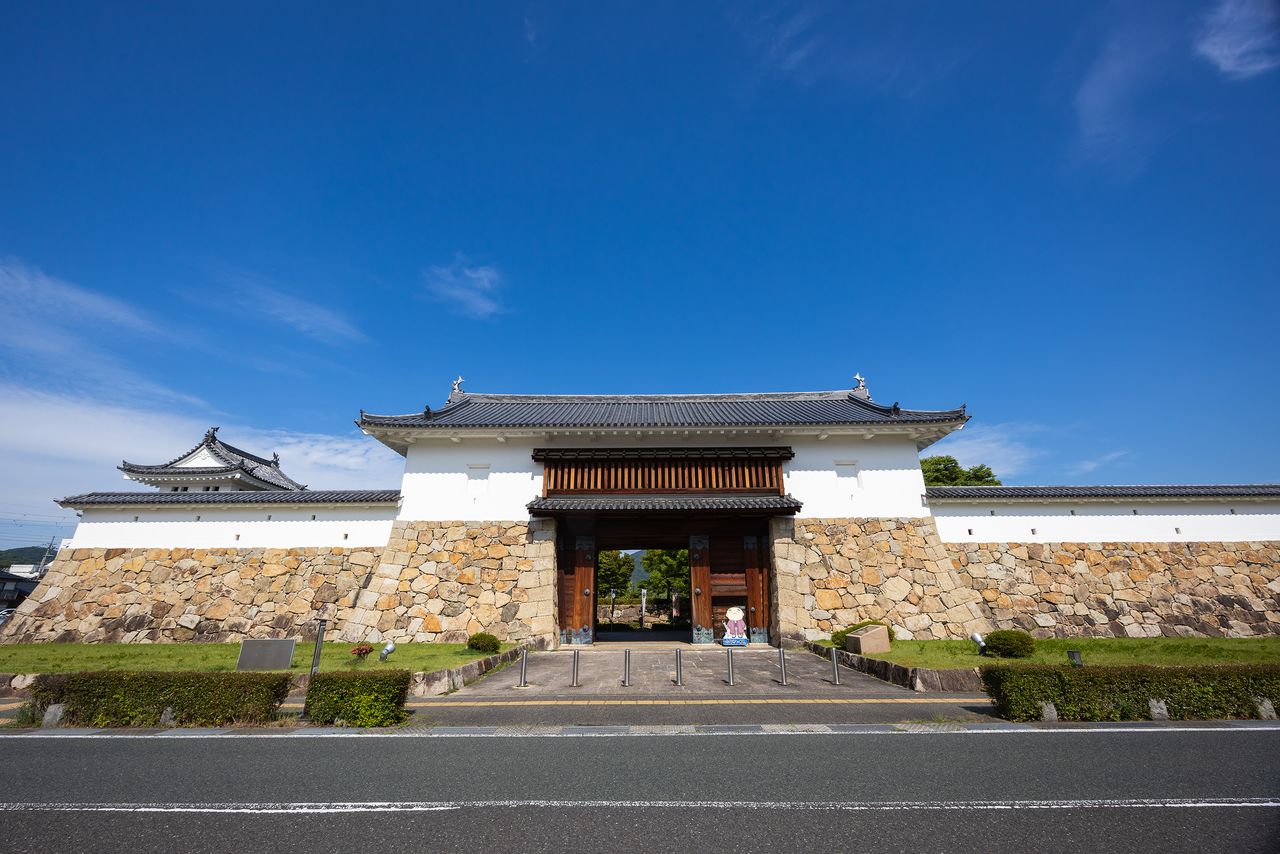
The reconstructed castle gate serves as the entrance to the Tanabe Castle Museum. The top story of the Shōkokan is visible at the left. (© Nippon.com)
Tanabe Castle was built in 1582 under direction of sixteenth century daimyō Hosokawa Yūsai. While the main stronghold of Tango province stood at Miyazu, near Amanohashidate, Tanabe held strategic importance as it was closer to the capital at Kyoto and was surrounded on four sides by water, making it more defensible.
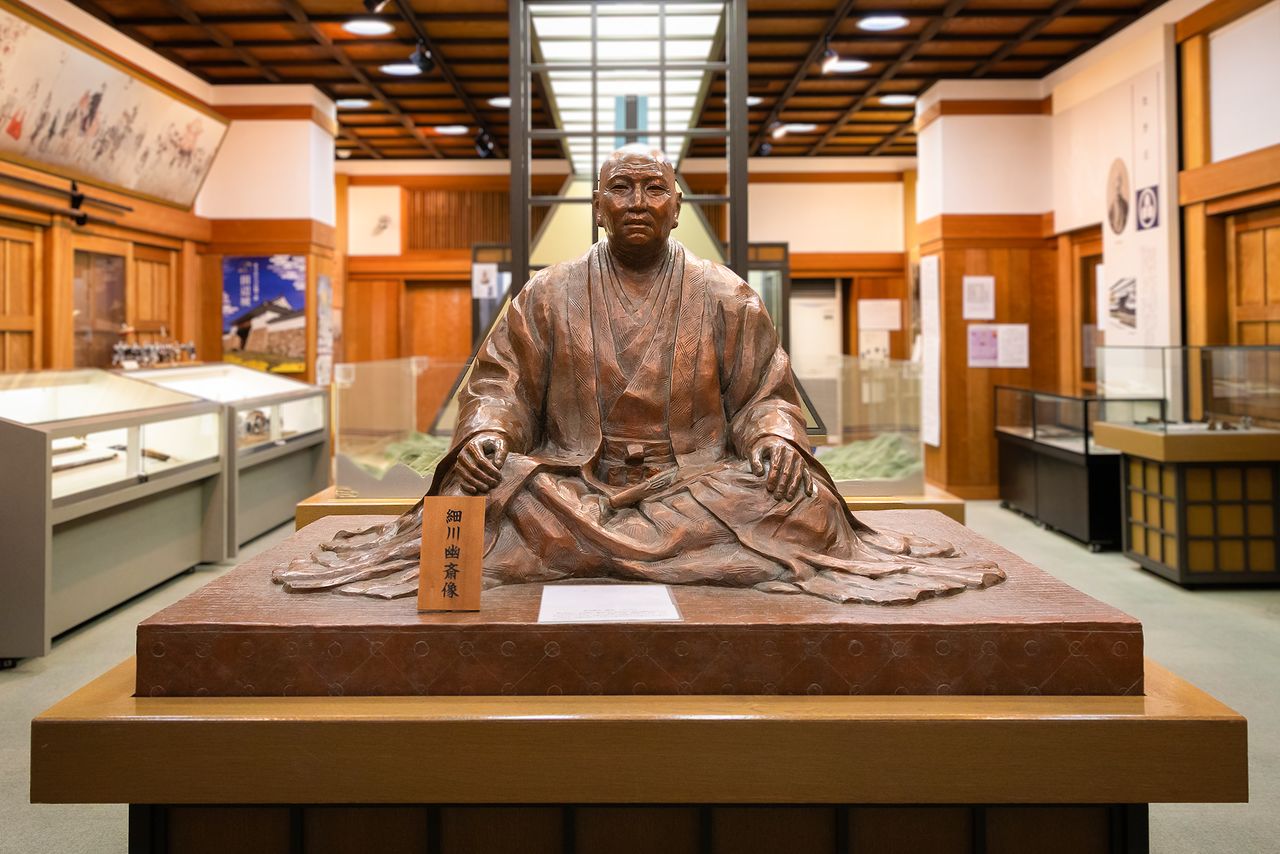
A statue of Hosokawa Yūsai at the Tanabe Castle Museum. (© Nippon.com)
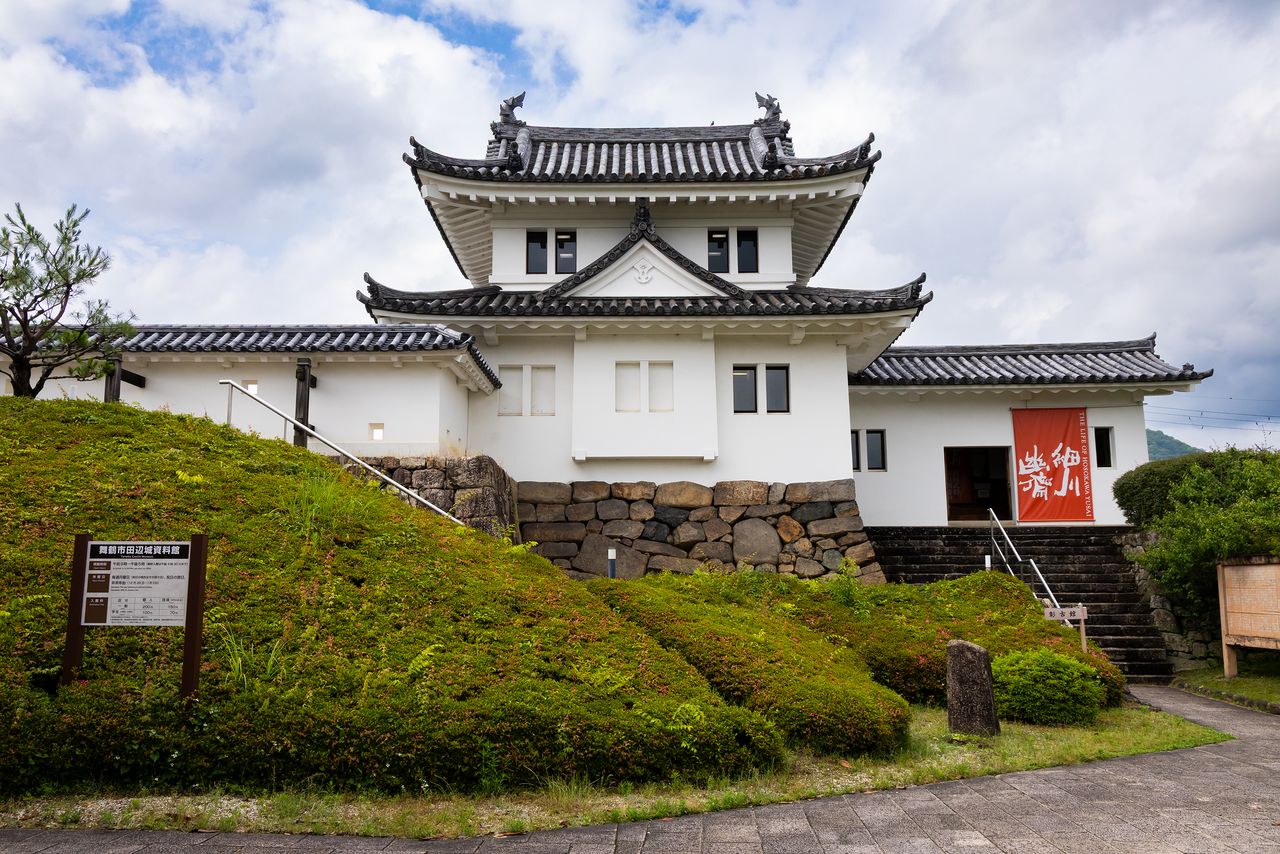
The Shōkokan exhibits items like a tapestry describing the turbulent life of Hosokawa Yūsai. (© Nippon.com)
Precursor to the Battle of Sekigahara
Tanabe Castle was part of the conflict that led to the definitive battle of Sekigahara in 1600 and the establishment of the long-ruling Tokugawa shogunate. Yūsai’s successor, his eldest son Tadaoki, joined Tokugawa Ieyasu’s eastern army as it moved against the powerful Aizu daimyō Uesugi Kagekatsu. The opposing western army sent 15,000 men into Tango province in retaliation.
Yūsai, left to guard the province, burned the fortress at Miyazu and concentrated his forces at the better-defended Tanabe Castle. Most of the Tango warriors had accompanied Tadaoki, but Yūsai and his tiny company of 500 soldiers withstood the superior army’s siege for two months.
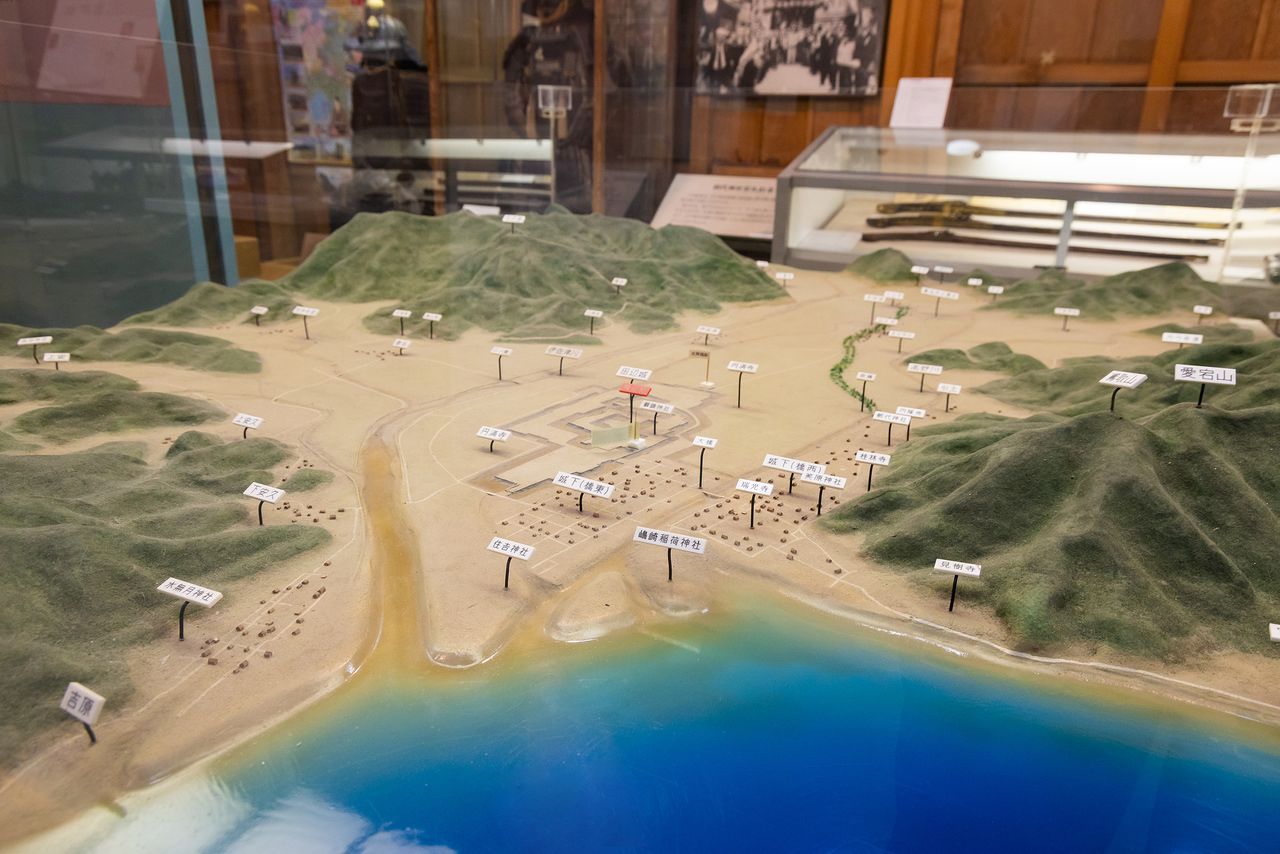
A model recreating the landscape around Tanabe Castle at the time of the siege shows how the geography hampered the attack. (© Nippon.com)
The siege of Tanabe Castle lifted just three days prior to Tokugawa’s eastern army prevailing at Sekigahara. Many experts point to the strength of Tanabe Castle and Yūsai’s two-month standoff as being influential to the outcome by keeping vital troops of the western army from the decisive battle.
Tadaoki, who led his forces on the front lines at Sekigahara, was rewarded for his valor with vast holdings in Kyūshū, making him one of the most powerful daimyō of the Edo period. Tango province passed to Kyōgoku Takatomo (1572–1622), and his three sons divided the province among themselves in 1622, leading to the creation of the Tanabe Domain in Tango.
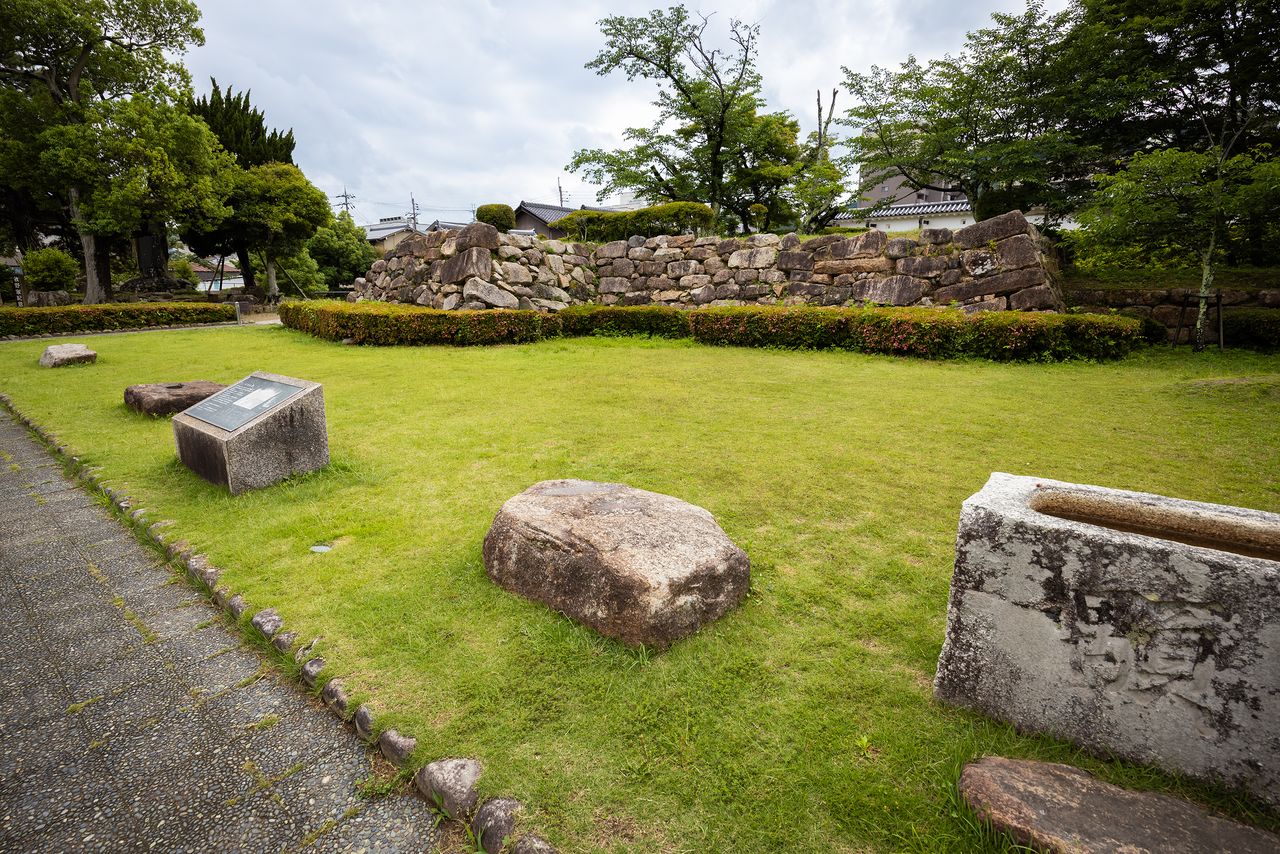
The foundation of the castle tower in Maizuru Park. (© Nippon.com)
Yoshiwara Irie Port District
Yoshiwara Irie on the banks of Maizuru Bay has garnered attention among visitors for its history and beauty, including earning comparison to Venice for its picturesque canals.
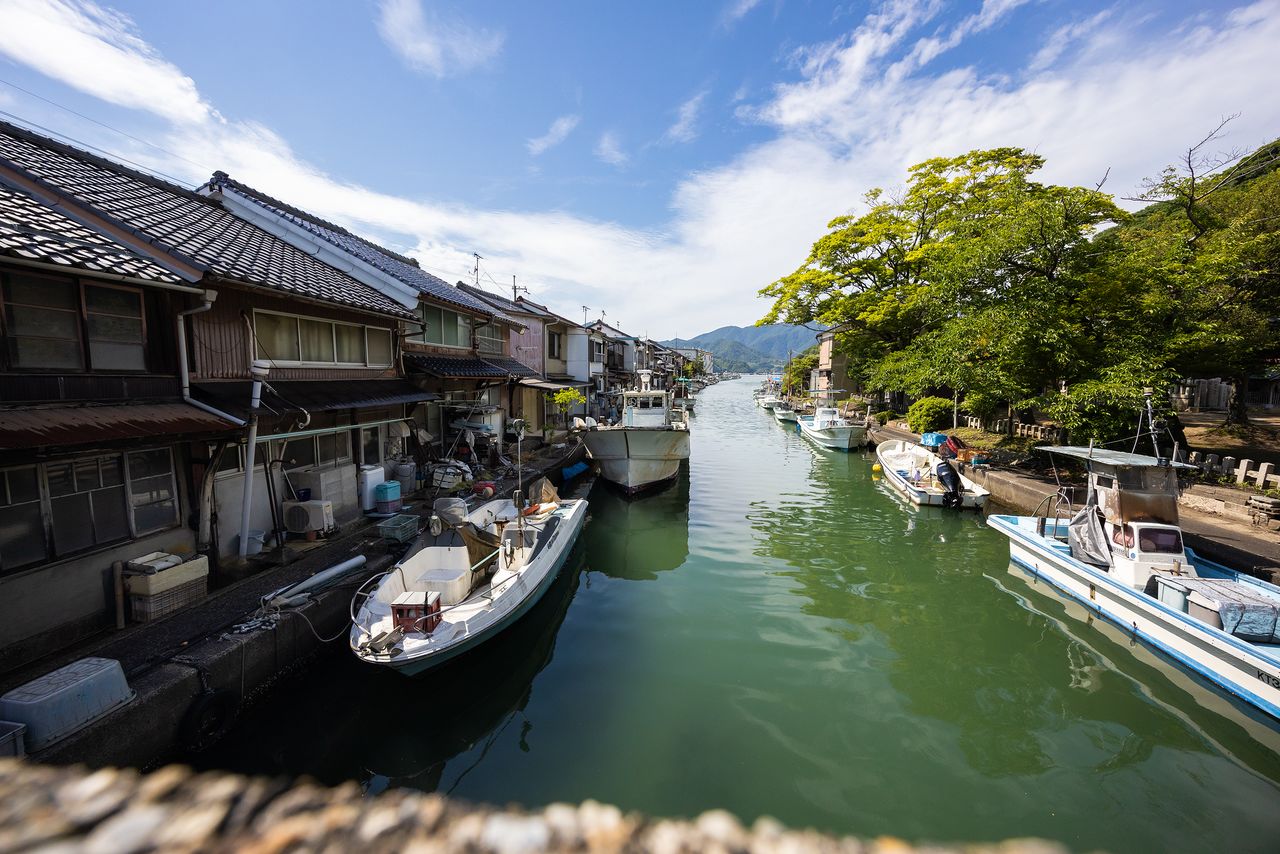
The narrow canals of Yoshiwara Irie are lined with houses and fishing boats. (© Nippon.com)
Yoshiwara Irie’s most striking feature is the cluster of houses with attached boat docks that come down almost to the surface of the water. The Sea of Japan has a relatively small tidal range, but Maizuru Bay has an especially small range of only about 30 centimeters, giving rise to this uniquely charming view.
A bridge near Minazuki Shrine, which houses a guardian deity for the Yoshiwara district, offers a panoramic view of the canal environs, with the line of tiny boats stopped just outside the waterside houses evoking comparisons to Italy’s famous city of canals.
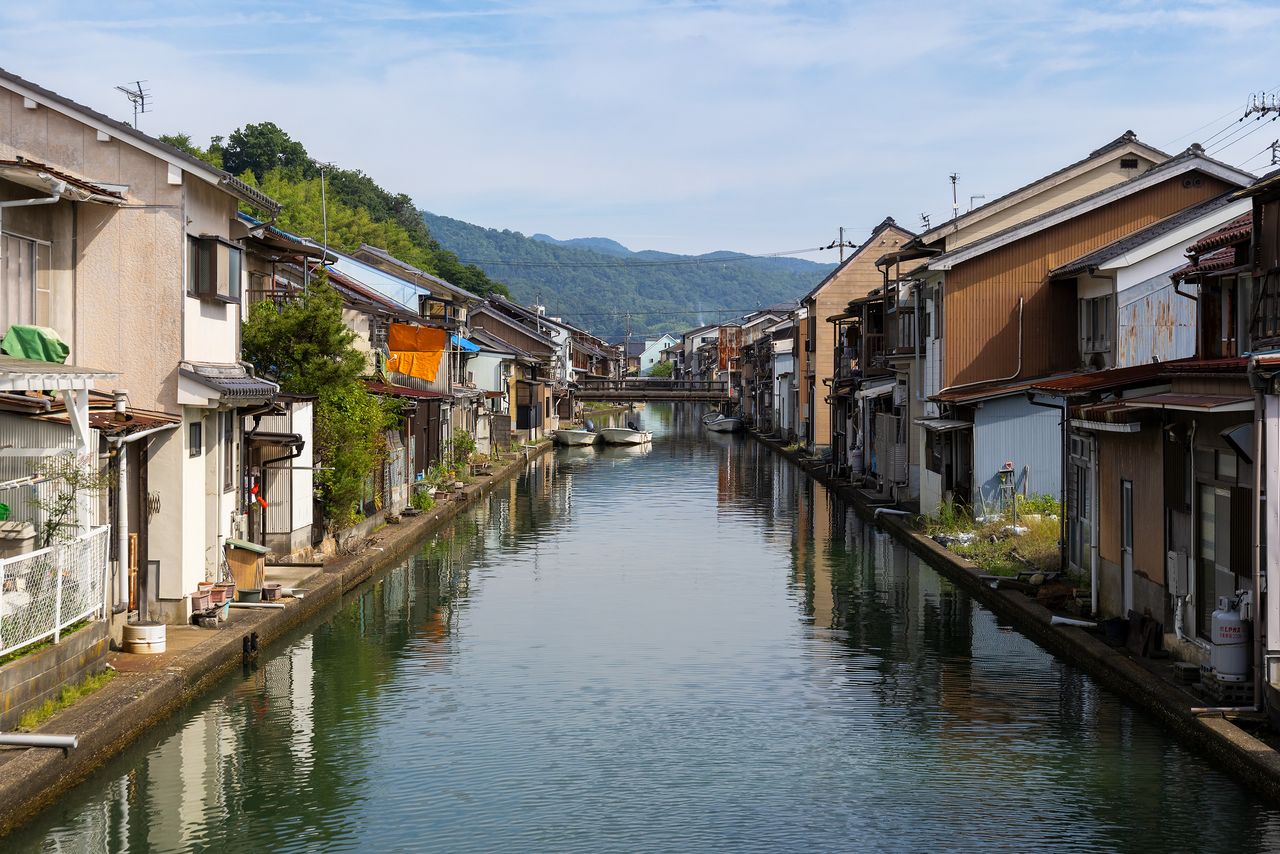
The view from atop Minazuki Bridge. (© Nippon.com)
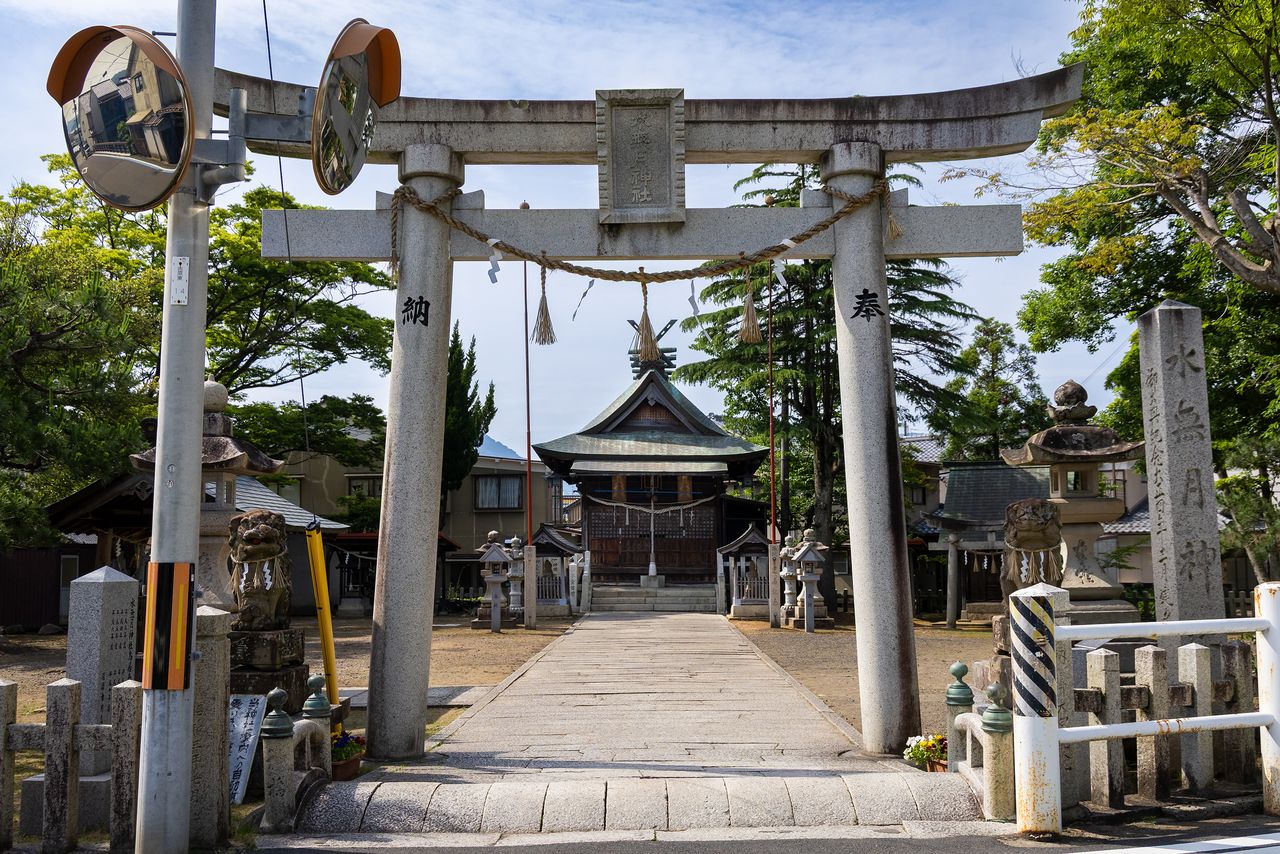
The stone torii and main hall of Minazuki Shrine. (© Nippon.com)
Two Historic Bathhouses
Adding to the old-time feel around Yoshiwara Irie is the historic bathhouse Hinodeyu. The building has stood for over a century and is a designated National Tangible Cultural Property.
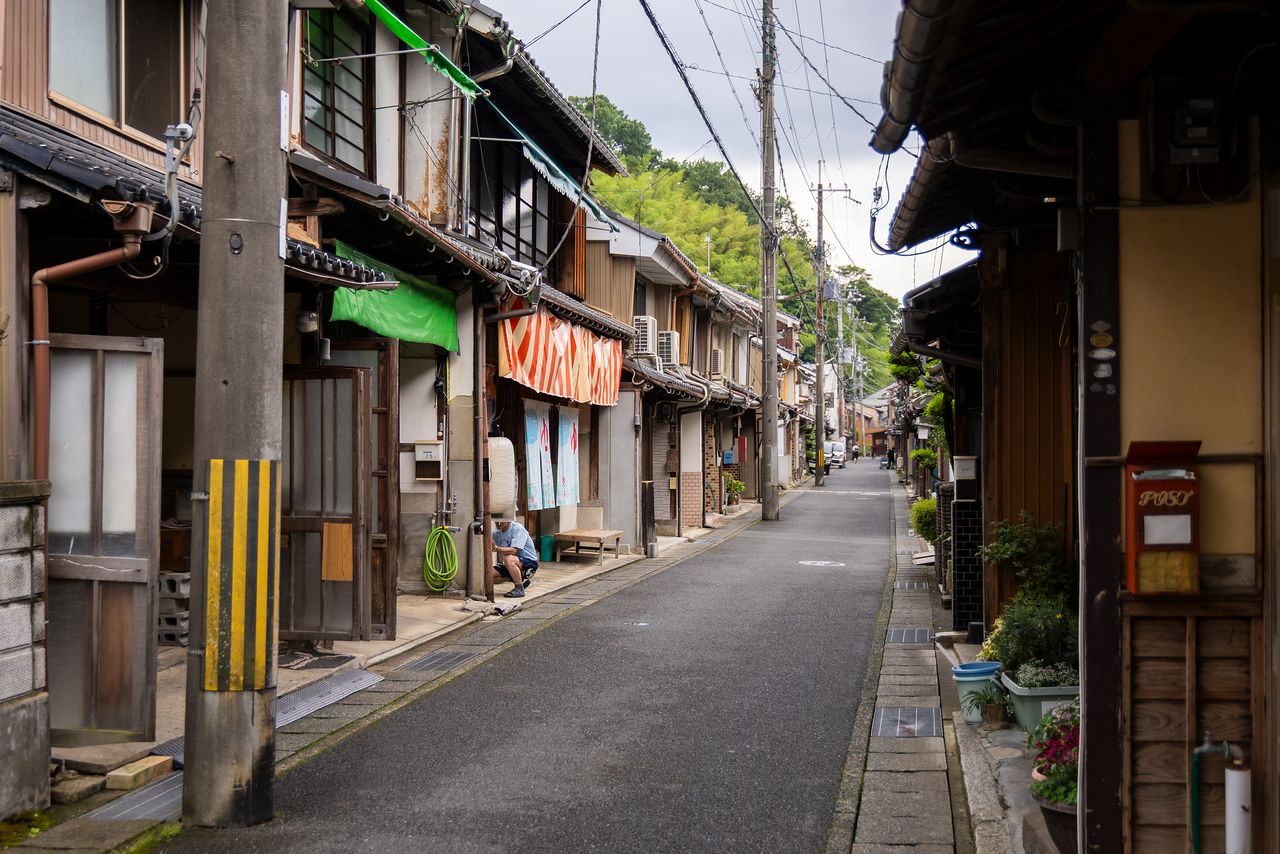
The narrow streets retain the charms of an old-fashioned fishing town. (© Nippon.com)
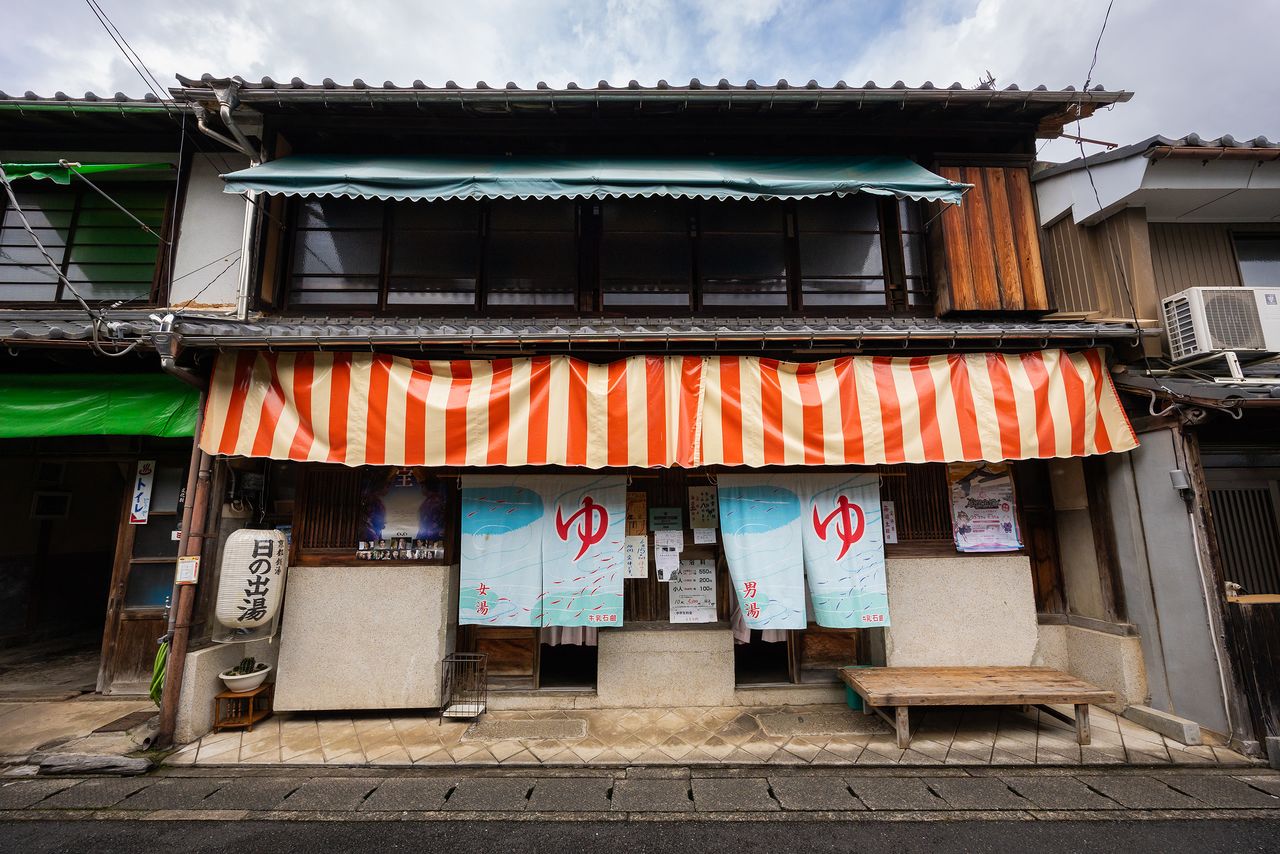
Hinodeyu was originally a communal bath operated by the town. (© Nippon.com)
The bathing halls were retiled and remodeled soon after the end of World War II, but the rectangular baths with their distinct rounded corners have remained the same since the bathhouse’s founding. The dressing rooms, with their old-style scales and massage chairs, enhance the retro atmosphere.
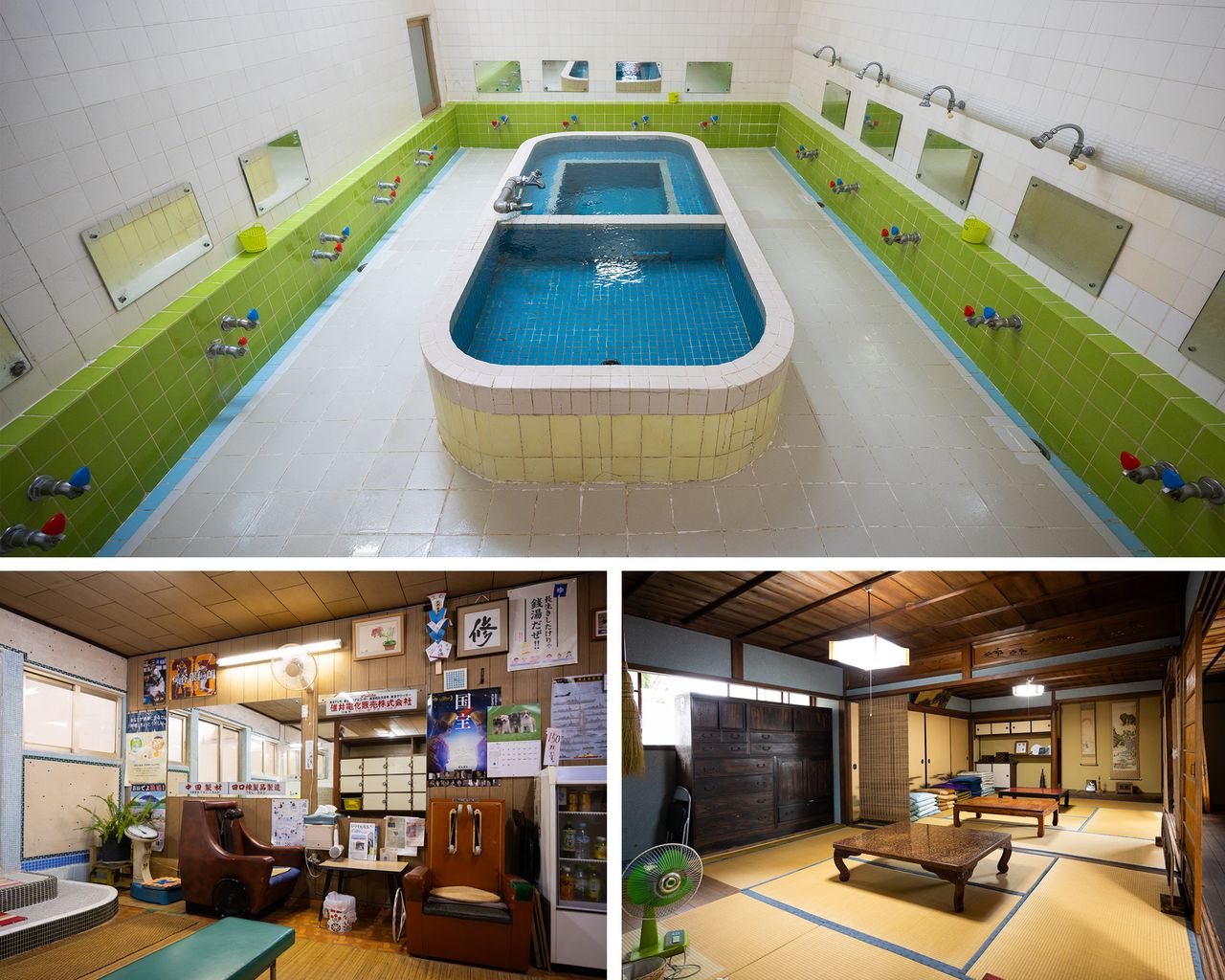
Clockwise from the top: the bathing areas with its centrally located bathtub; the second-floor tatami room, which serves as a local meeting spot; the dressing rooms offer an old-time feel. (© Nippon.com)
A second bathhouse, Wakanoyu, standing nearby on Hiranoya shopping street is also a National Tangible Cultural Property. Having two such historic buildings in close proximity has made Maizuru a draw for bathhouse fanatics from around Japan.
Further to the west is Teramachi, a district at the foot of Mount Atago that boasts a number of temples and shrines with links to Hosokawa Yūsai.
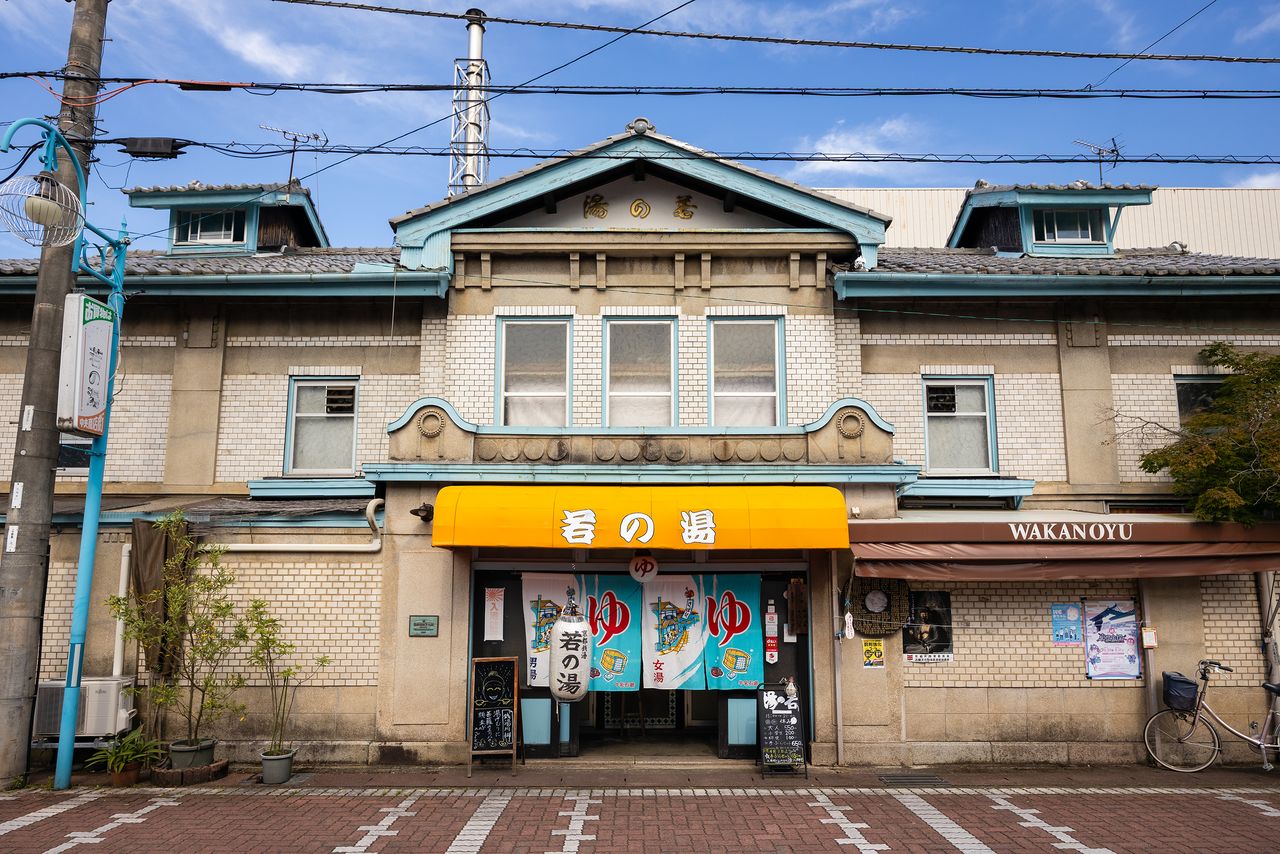
Wakanoyu combines both Western and traditional Japanese charms. (© Nippon.com)
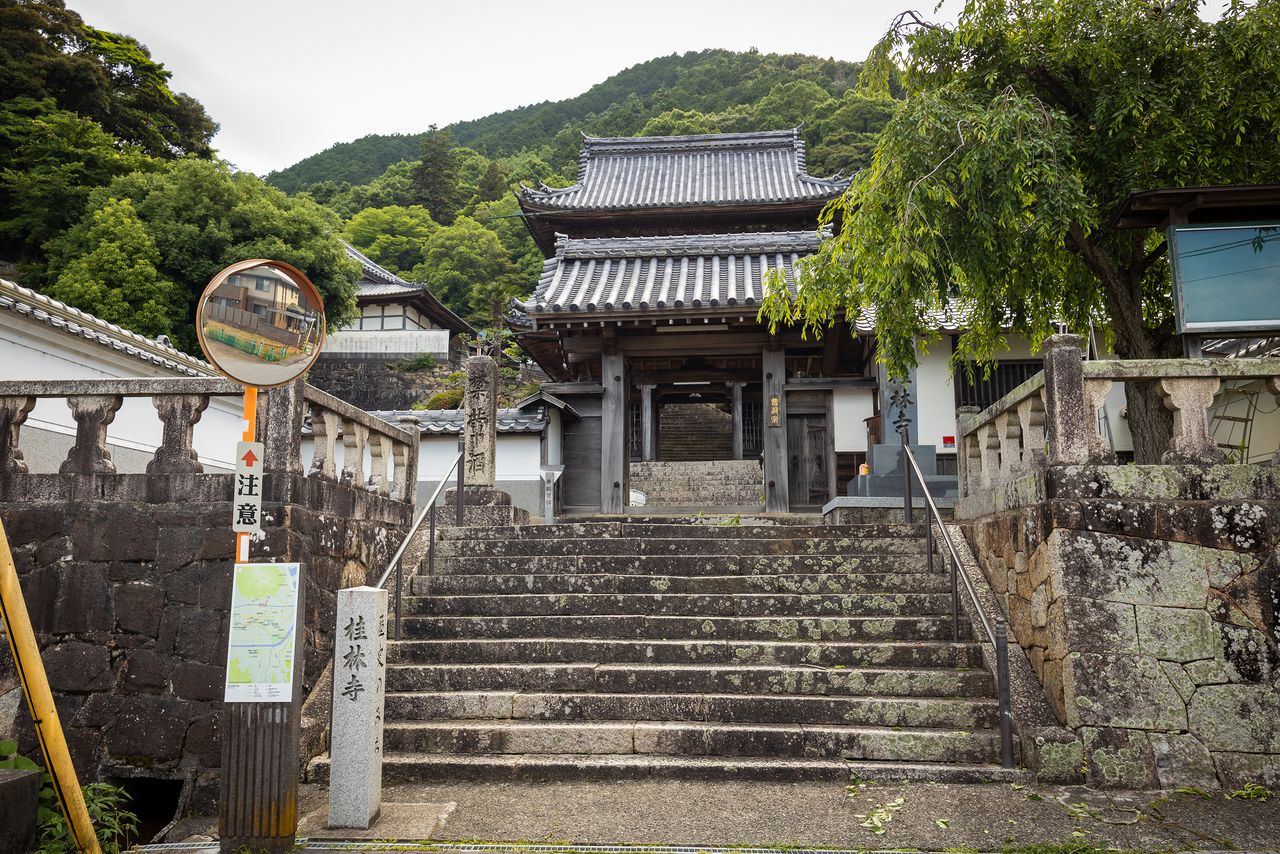
Keirinji is one of many historic temples in Teramachi. (© Nippon.com)
Fresh-Caught Seafood Bonanza
As a port town, Maizuru is known for its fresh seafood. A must-stop for visitors is the facility Maizuru Port Tore Tore Center, which has one of the largest fish markets on the Sea of Japan coast.
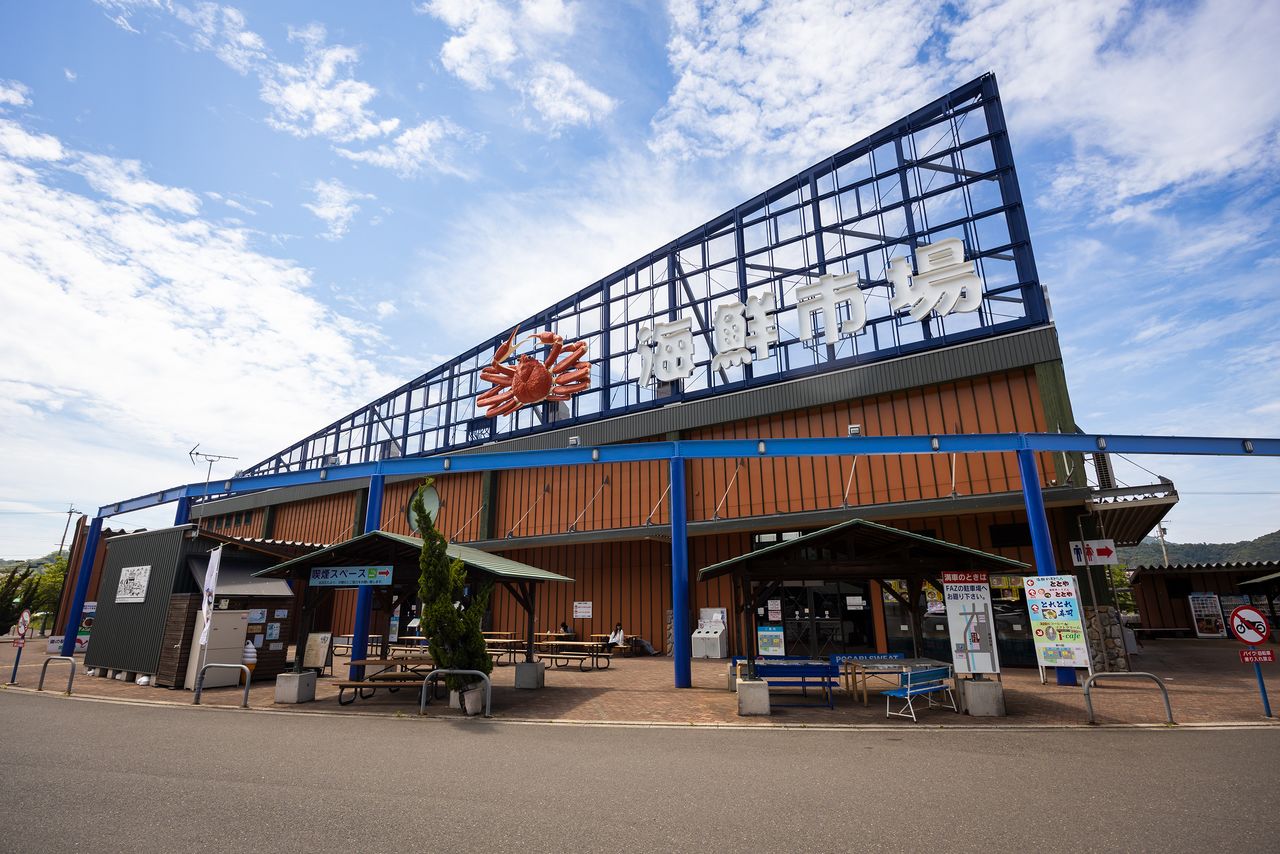
Maizuru Port Tore Tore Center. (© Nippon.com)
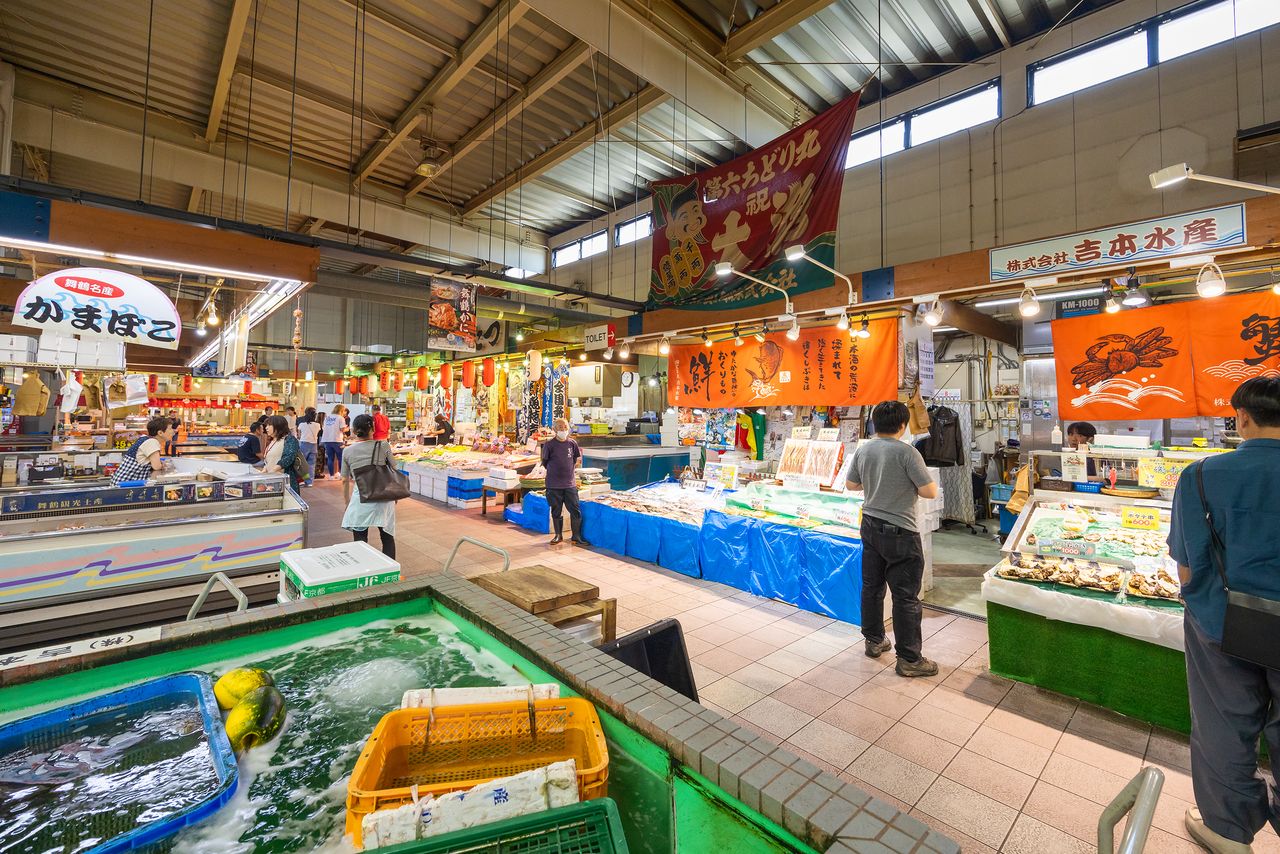
The market offers a wide range of seasonal seafood. (© Nippon.com)
The sprawling sales floor is stocked with seafood brought directly from Maizuru Port. Along with such delicacies as freshly sliced sashimi and skewers of roasted fish, visitors can order rice and miso soup at a restaurant and then peruse the seafood offerings to make a customized lunch special.
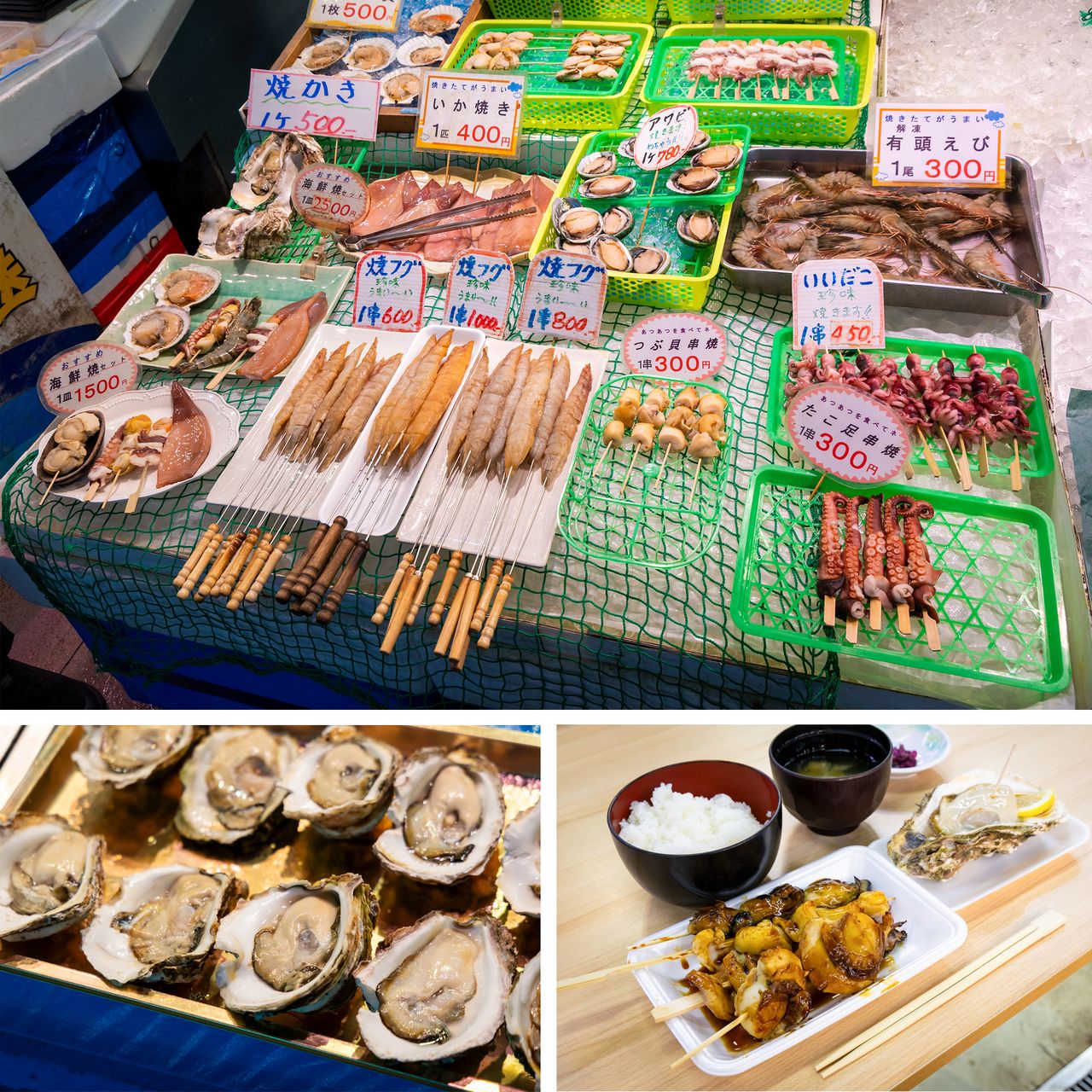
Clockwise from the top: Fish skewers are ready snack; a luxurious meal of rice, miso soup, and select seafood; Maizuru’s plump oysters are a seasonal delicacy. (© Nippon.com)
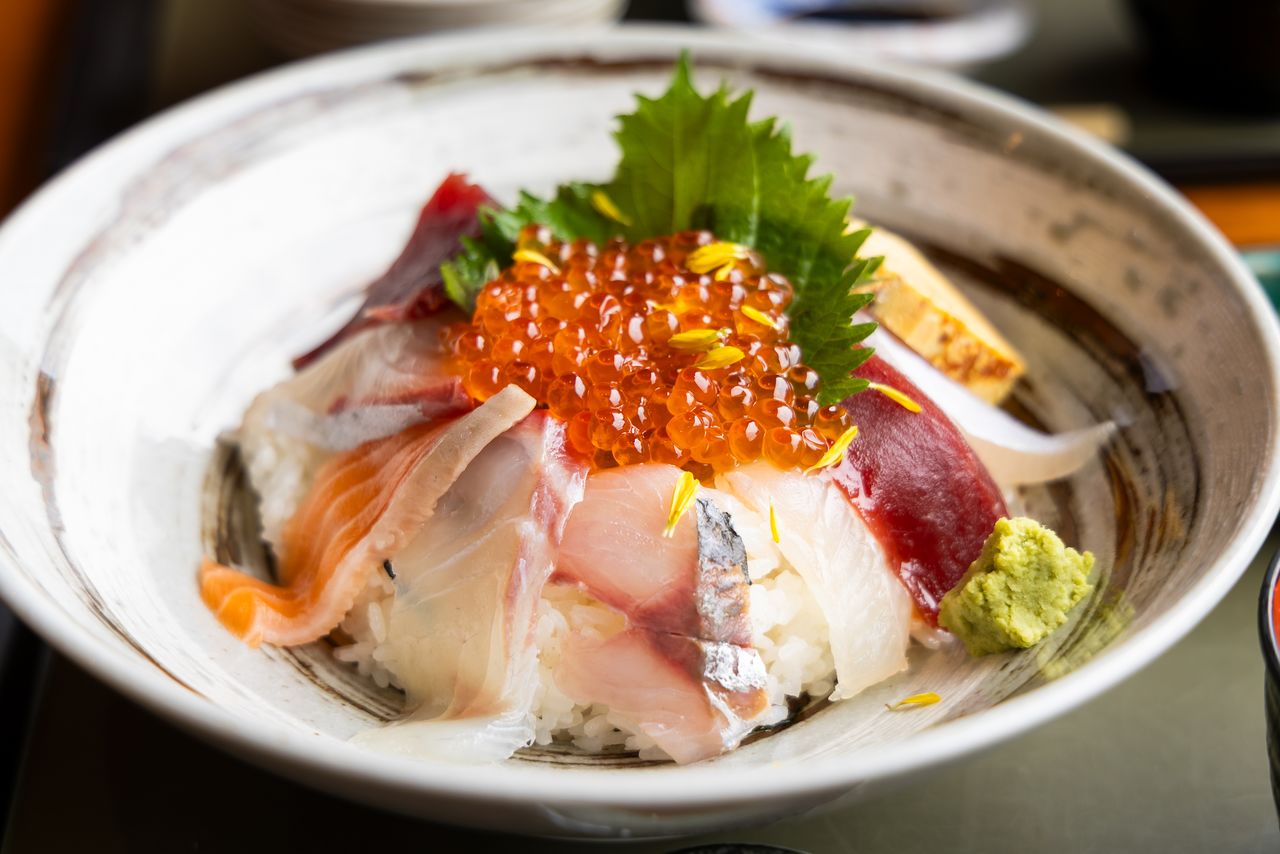
The seafood bowl from the restaurant Totogen near the center. (© Nippon.com)
(Originally published in Japanese. Reporting, text, and photos by Nippon.com. Banner photo: View of Yoshiwara Irie from Minazuki Bridge (left) and the Tanabe Castle Museum. © Nippon.com.)