Shōjin Ryōri: The Plant-Based Buddhist Cuisine with a Long-Standing Home at a Kamakura Temple
Guideto Japan
Culture History Food and Drink- English
- 日本語
- 简体字
- 繁體字
- Français
- Español
- العربية
- Русский
The Zen of Food
Shōjin ryōri, the traditional cooking of Buddhist temples, has grown famous as “vegan Japanese cuisine.” However, its central meaning is not in avoiding animal-derived ingredients. The shōjin of the name is a Buddhist term meaning “devotion and discipline to clear away worldly thoughts,” while ryōri means “cuisine,” and so shōjin ryōri encourages spiritual cultivation through food.
Japan’s food culture has long been influenced by Buddhism. The primary reason that meat was absent from tables until the modern era is found in Japan’s historical agrarian society and the ingrained focus on seafood, but the Buddhist precept prohibiting taking life was another powerful influence. Historians believe that Buddhist monks traveling between Japan and China in the Nara (710–794) and Heian (794–1185) periods brought valuable soy-based protein sources like miso and tōfu. Soy sauce, so essential to Japanese cuisine, was derived from miso production and was apparently made at a Zen temple in Wakayama during the Kamakura period (1185–1333).
In the mid-thirteenth century, the priest and founder of Japan’s Sōtō sect Dōgen (1200–1253) brought the latest forms of shōjin ryōri back from a trip to China. This established a new form of Buddhist discipline in which ingredients based on the precept against killing are prepared with diligent care and consumed according to a fixed etiquette. The temple of Kenchōji helped drive its broader adoption. Kenchōji was founded in 1253 by Chinese monk Lanxi Daolong and established as the highest-ranking Zen temple under the Kamakura shogunate.
Lanxi taught that the path to enlightenment lay not in the reading of old texts, but in contemplating one’s own spirit and emphasized the practices of zazen meditation and kōan questioning. As the original seat of Zen in Japan, Kenchōji become something of a “national Zen university,” where hundreds of monks lived and performed samu, the daily work of cooking, cleaning, farming and more that doubles as ascetic discipline.
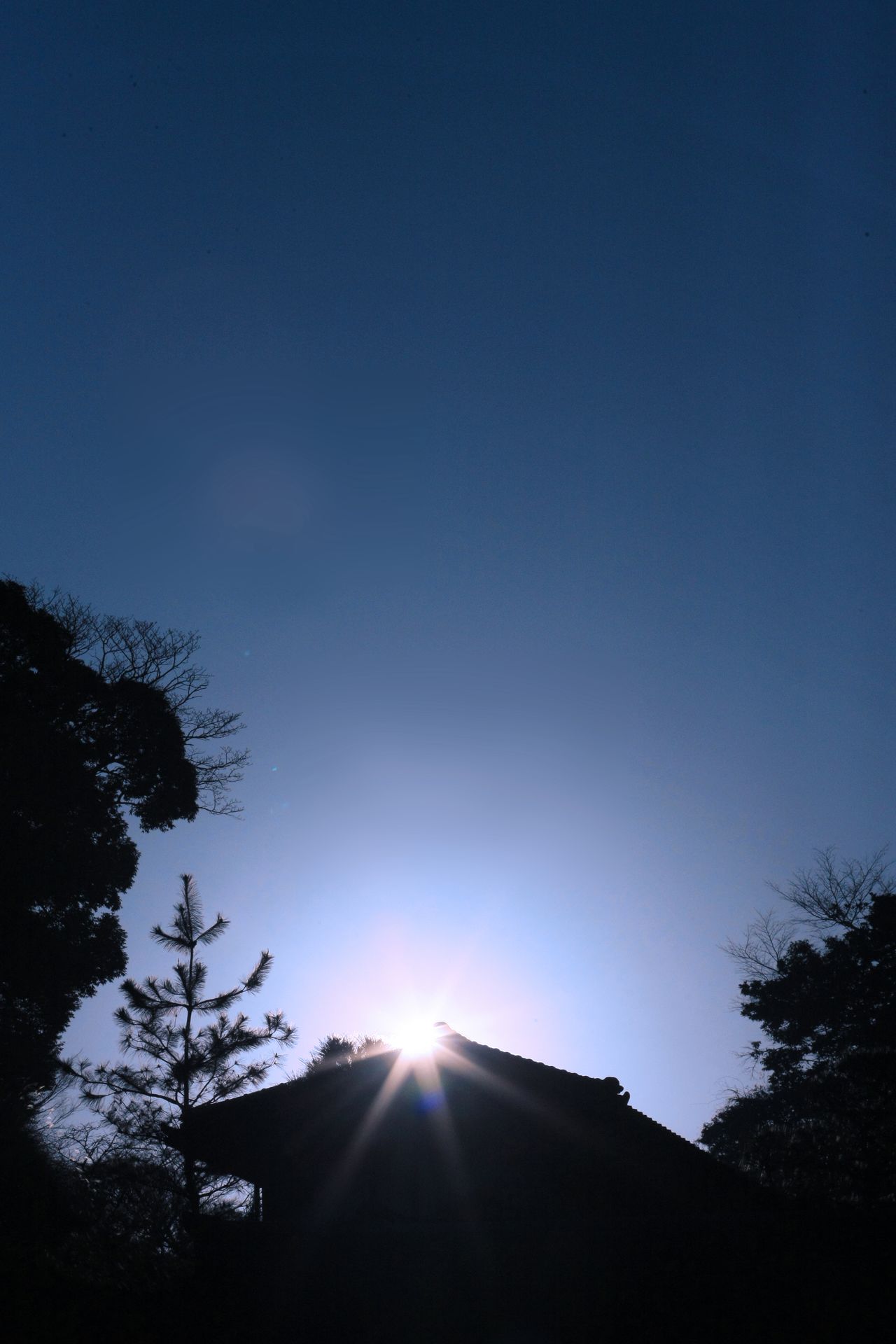
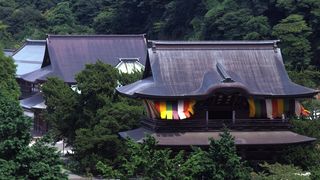
The Kenchōji meditation hall where the monks train. It is a sacred space forbidden to outsiders. (© Harada Hiroshi)
Gratitude and the Etiquette of Kenchōji
The tradition of diligent work, both day and night, has been passed down at the temple for over 700 years. Meals are considered a particularly important area of discipline and the governing conventions are particularly strict. Within the dining hall, idle chatter and other unnecessary sound is strictly forbidden. Food is to be self-provided, and meals are intensely simple, consisting of a single soup and a single side. The pickled daikon served daily are made from vegetables donated each January from Miura Peninsula.
Before the meal, a few grains of rice are set out at the end of the table for sharing with the birds and other creatures of the temple grounds, in a practice called saba. When receiving their serving, monks recite gokan’noge. This is an expression roughly meaning, “I receive this in the sincere desire that I may become worthy of the effort of all those involved in this meal. With a mind free of impurity and greed, I accept this as a proper remedy, and partake in order to attain Buddhahood.”
At the end of the meal, monks use a slice of takuan pickled daikon to wipe up every remaining grain of rice from their bowl to eat it and ensure nothing is wasted. Finally, they fill their bowls with hot water and use it to wash the other vessels and chopsticks, then drink the water. This highly controlled dining etiquette is an embodiment of the spirit of gokan’noge, showing gratitude for the food and wasting nothing.
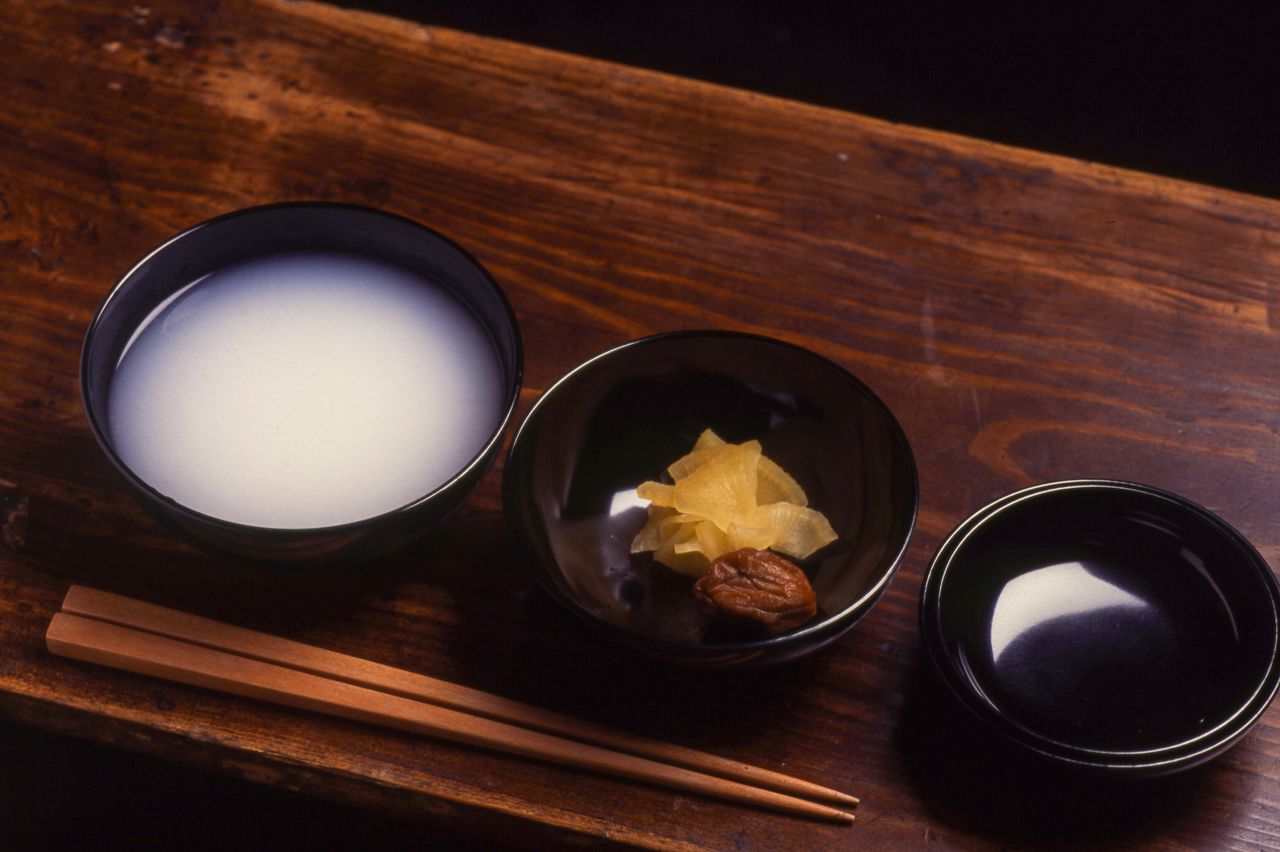
A breakfast of unflavored rice porridge, takuan, and umeboshi. Monks bring their own utensils to the dining hall. (© Harada Hiroshi)
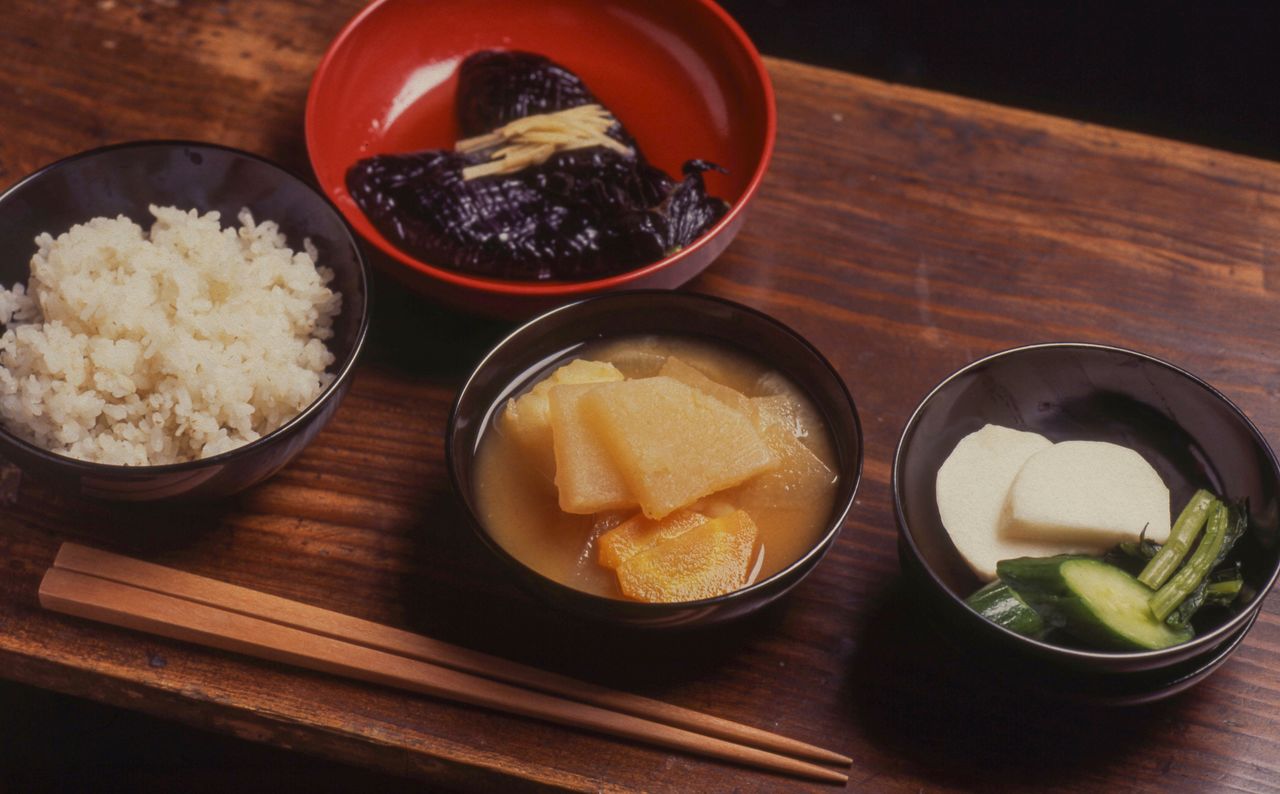
A lunch of rice cooked with barley, fried eggplant, miso soup with daikon, and pickles. (© Harada Hiroshi)
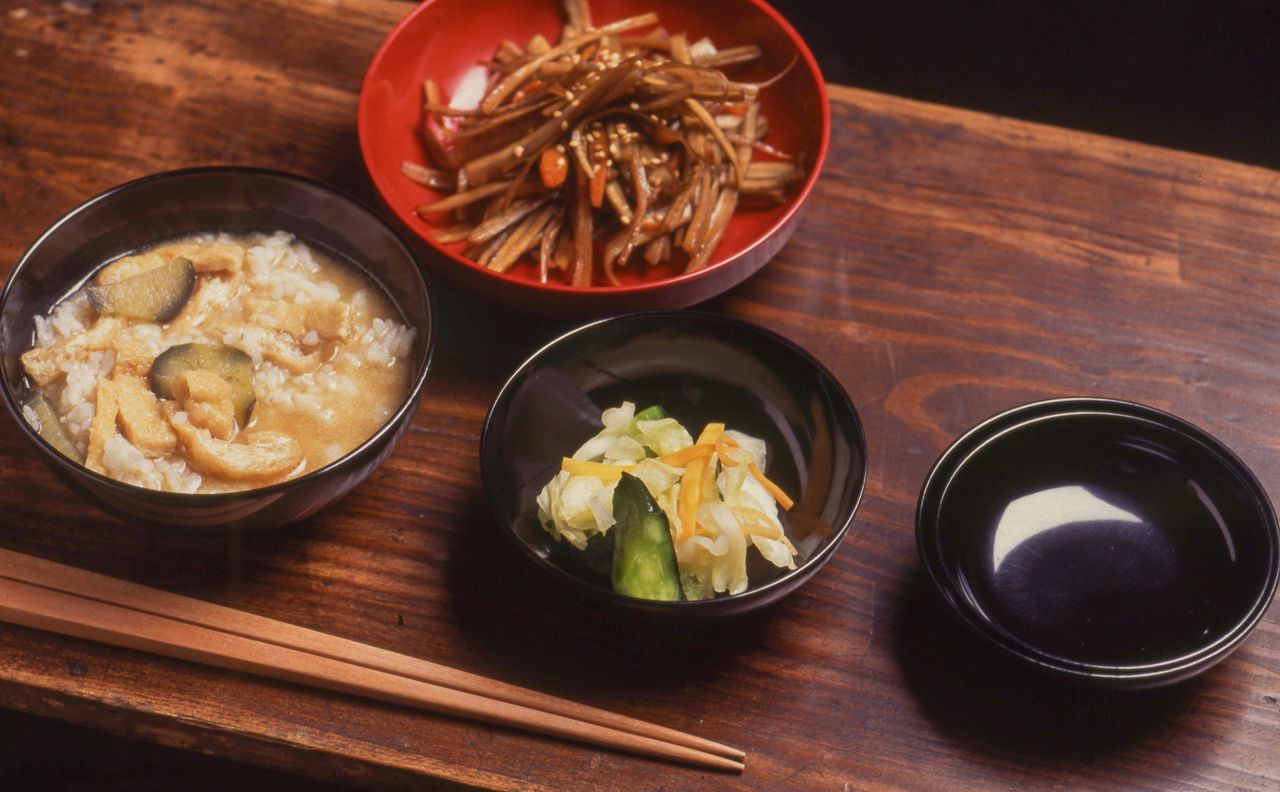
Dinner of rice gruel made using leftovers from lunch, kinpira of stewed burdock root and carrot, and pickles. (© Harada Hiroshi)
All of the buildings at Kenchōji, including the dining hall, are closed to outsiders, but visitors are allowed to observe the monks’ traditional mealtime practice during the celebration of the temple’s founding. This used to be July 23 and 24, when Lanxi’s death is commemorated, but from 2025 the observation was shifted to May as a way to avoid the heat of summer. On the second day of the commemoration, head priests of the Kenchōji Zen school lead a memorial service, and then the four elders join all the monks for a meal shared with the Buddha.
This ceremony, called yotsugashira, or “four heads,” starts with a tray of dishes like akameshi rice cooked with azuki beans, soup, pickles, salad, tofu, yuba tofu skin, and closes with a tea ceremony. No one present makes a single sound, and not a single grain of rice is left. This brief moment of total peace is a clear expression of the Zen spirit.
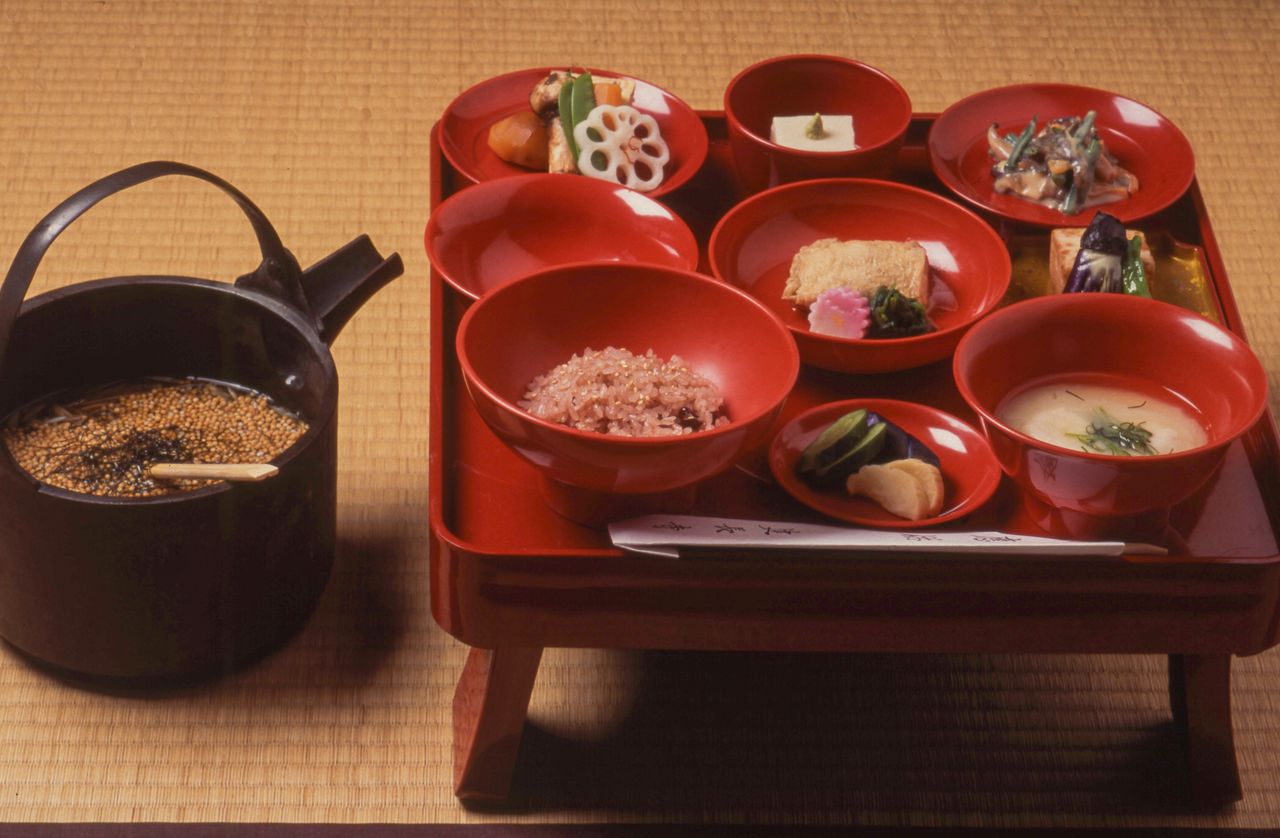
The yotsugashira tray. It is served with cold soup. (© Harada Hiroshi)
Kenchinjiru Embodies Shōjin Spirit
Lanxi not only taught the spiritual basis for shōjin ryōri but also various dishes made using Chinese techniques, like stir-frying. One of the key dishes is a soup called kenchinjiru, which is apparently named after the temple itself. Monks who trained at Kenchōji shared the dish outside the temple, and now it has become a common household dish nationwide.
It is made using chopped vegetables like burdock root, which are stir-fried then boiled, flavored with soy sauce or miso, before tōfu or green leaves are added. The authentic Kenchōji style is to crush the tōfu as it is added. The story behind that is that a student monk dropped the tōfu he was going to use. Lanxi admonished him not to waste it, then scooped it up and added it to the soup.
An alternative theory for the name is a dish known as kenchin, a form of shōjin ryōri taught in China. It is made by mincing tōfu and vegetables, wrapping them in yuba, and frying. Kenchinjiru could well be a soup based on that dish. At any rate, it was probably offered up as an effective way to use every bit of the vegetables and reduce food waste.
But what about the flavor? Kenchōji does not have anywhere for worshipers to eat, but the teahouse next to it, Tenshin’an, serves kenchinjiru made using a recipe provided by the temple’s head priest Yoshida Shōdō. It is made solely from plant-derived ingredients, but the richness of shiitake stock and sesame oil gives it depth. It is served with a salted rice ball that matches perfectly, and I drained my bowl to the last drop.
A spirit fulfilled by a temple visit, and stomach satisfied by kenchinjiru, naturally give rise to feelings of gratitude for the food. I fold my hands and express thanks in the spirit of gokan’noge.
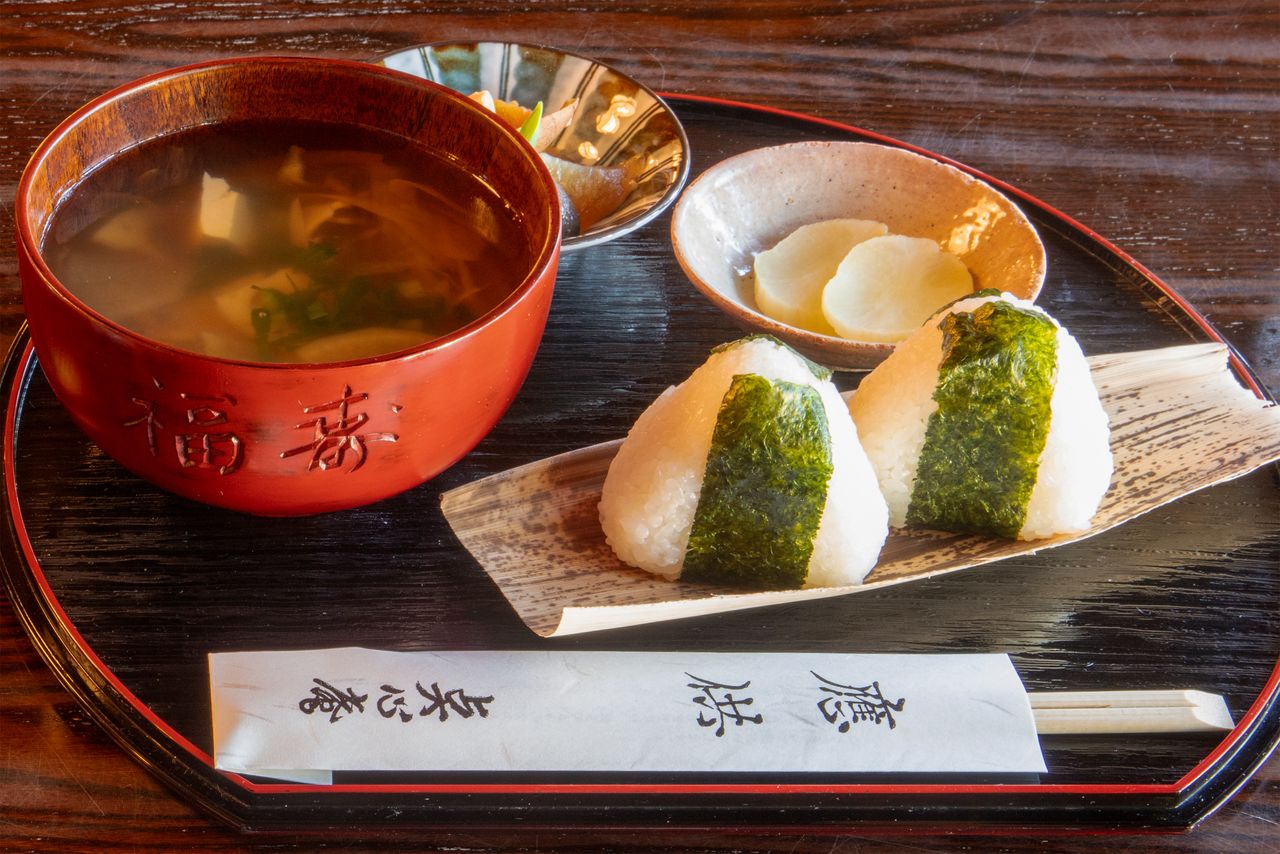
Tenshin’an, in front of the Kenchōji gate, serves traditional kenchinjiru. The lacquerware bowl is decorated with Head Priest Yoshida’s handwriting. (© Harada Hiroshi)
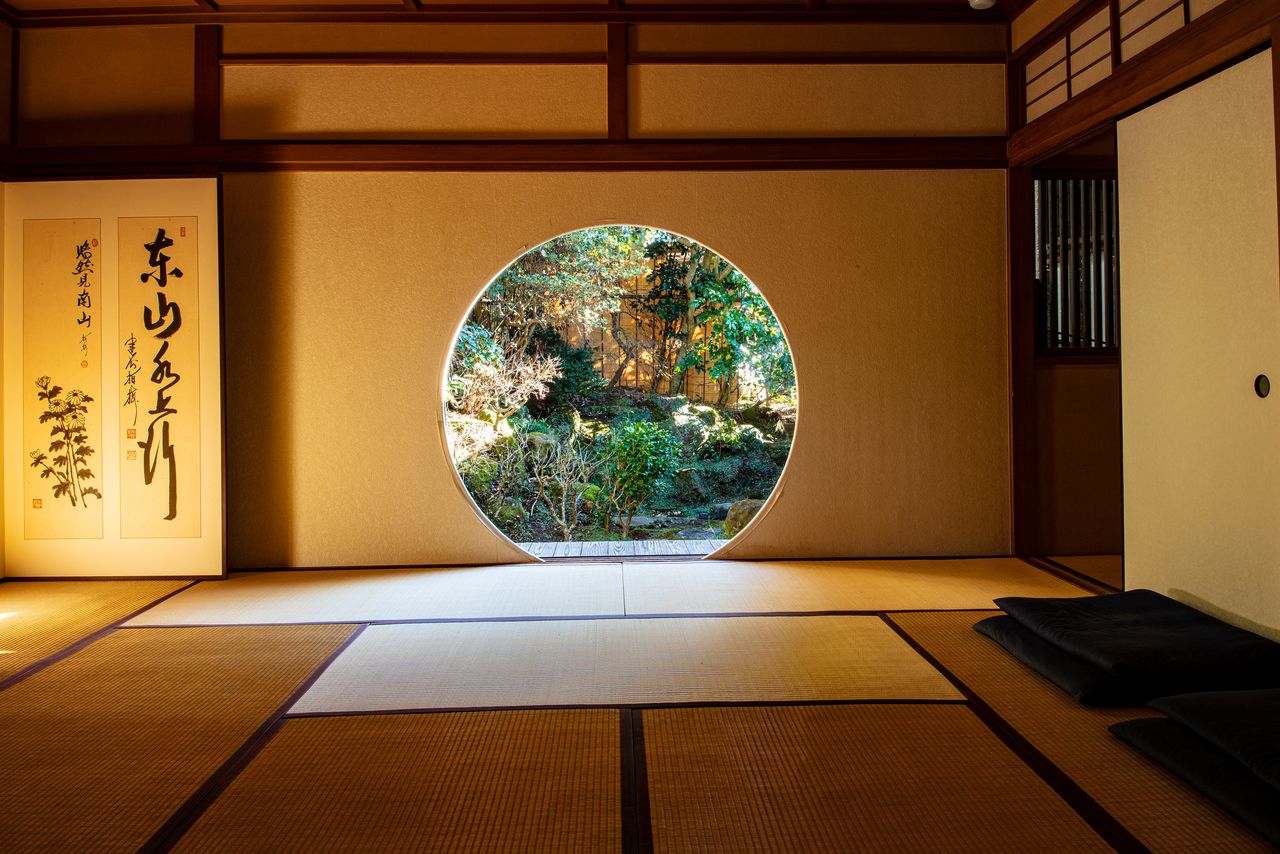
The windows look out onto the temple’s meditation hall. It is a stunning view. (© Harada Hiroshi)
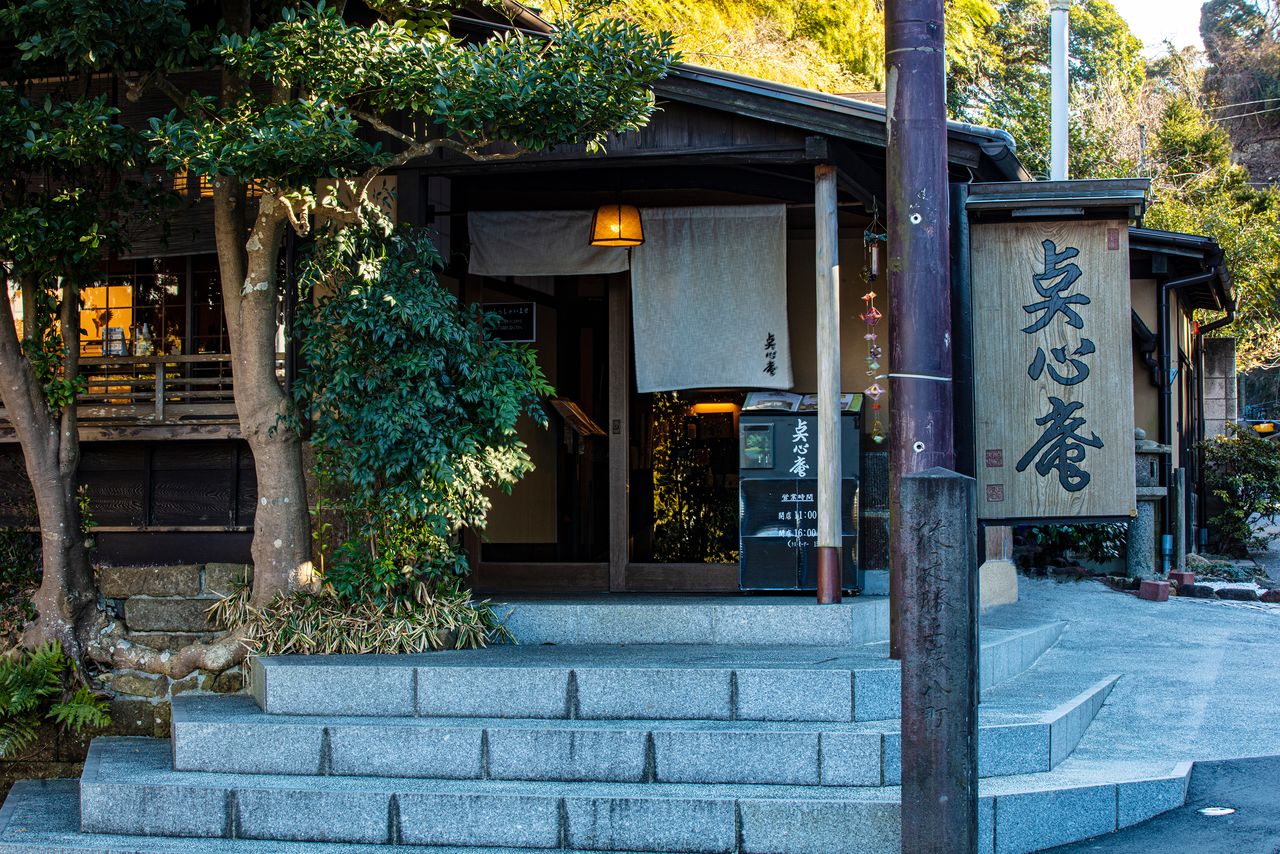
The shop also serves curry and desserts made from locally sourced ingredients. It is well worth a visit after offering a prayer. (© Harada Hiroshi)
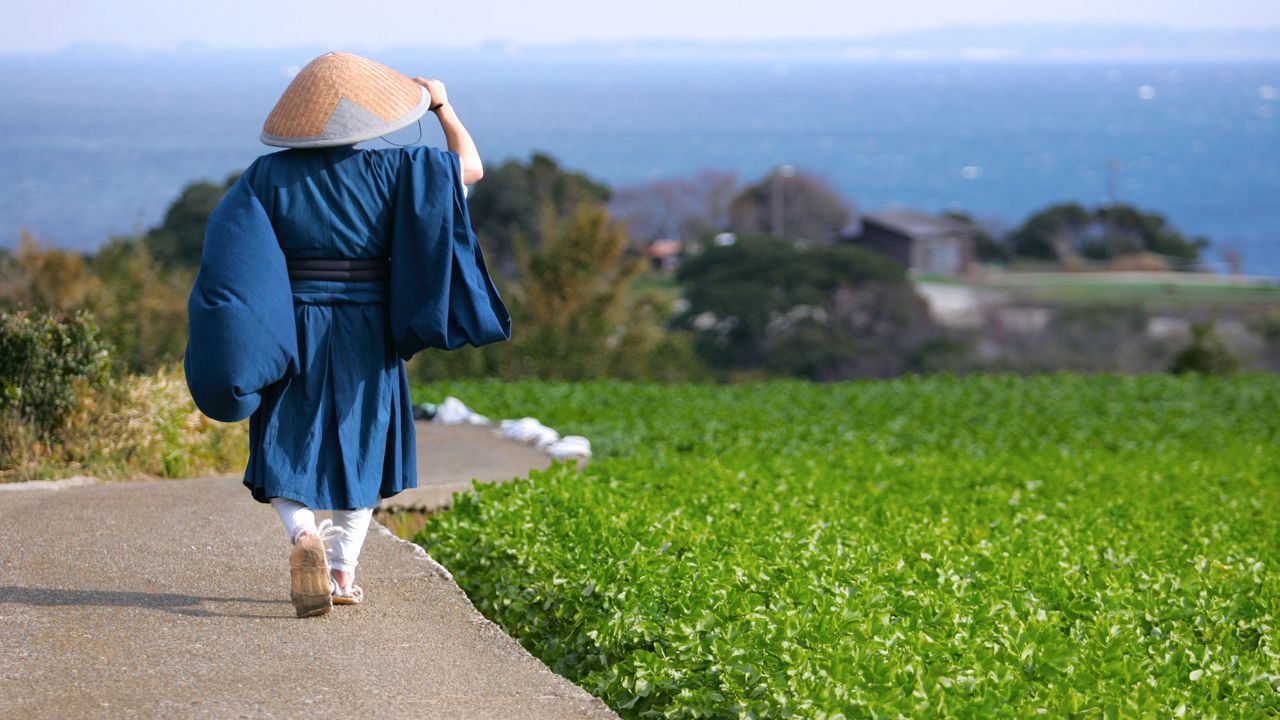
(Originally published in Japanese on May 20, 2026. Banner photo: A Kenchōji priest walks by a field of daikon. © Harada Hiroshi.)