Making It Through: Considering Iran’s Decision to Let a Japanese Tanker Pass Hormuz
Politics World- English
- 日本語
- 简体字
- 繁體字
- Français
- Español
- العربية
- Русский
A Rare Passage Through the Strait
The joint US-Israeli attack launched against Iran on February 28, 2026, quickly escalated into a crisis for the global economy when Tehran responded by closing the Strait of Hormuz. At one point, approximately 1,500 vessels were stranded in the Persian Gulf, including around 40 ships linked to Japan, according to the International Maritime Organization.
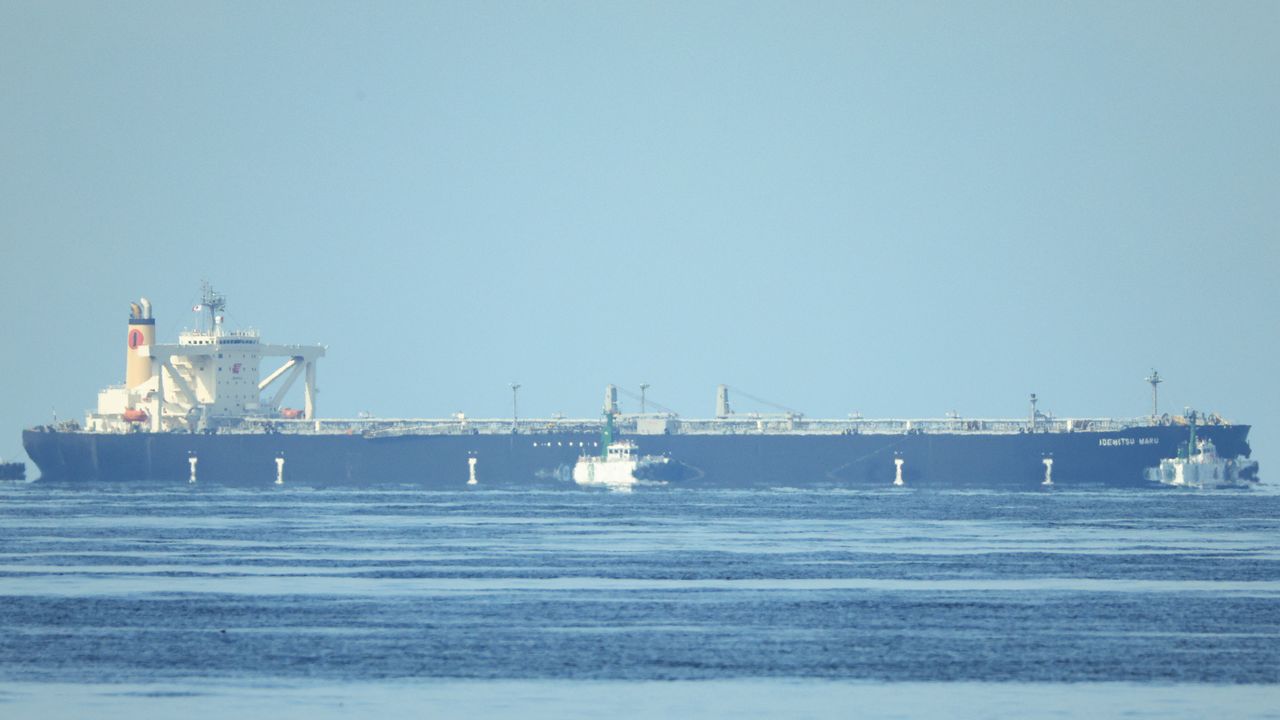
Amid these circumstances, the Idemitsu Maru, a tanker operated by a subsidiary of Idemitsu Kōsan carrying 2 million barrels of Saudi crude, transited the strait on April 28 with authorization from the Iranian government and returned to Japan in late May. At a time when Iran was being selective about which vessels it would allow through, the passage of a tanker belonging to an ally of the United States was reported internationally with surprise.
Both the Japanese government and Idemitsu Kōsan denied that any quid pro quo—financial or otherwise—had been involved. In search of more information on why the Idemitsu Maru had been granted passage, I visited the Iranian Embassy in Tokyo in September 2026 for an interview with Ambassador Peyman Saadat.
Historical Goodwill as Diplomatic Capital
The friendship between Japan and Iran dates back to 1953. Following World War II, Iran declared the nationalization of its oil industry, which had been under the control of British oil majors. Angered by the move, London dispatched warships to blockade Iranian ports and pressured other countries not to trade with Iran—instruments of coercion that seem to echo to this day.
Amid this crisis, Idemitsu Sazō (1885–1981), the founder of Idemitsu Kōsan, secretly dispatched the tanker Nisshō Maru in March 1953. Evading the British Royal Navy, the vessel reached the Iranian port of Abadan and in May returned to Japan carrying Iranian oil.
In Iran, the names Nisshō Maru and Idemitsu remain emblematic of a Japan that dared to trade with Iran despite international pressure. Since his arrival in Tokyo in 2023, Ambassador Saadat has frequently invoked the bond forged through the Nisshō Maru.
In our interview, the ambassador shared details behind the Idemitsu Maru’s transit of Hormuz. The Iranian Embassy, he said, was in contact with Japan’s Ministry of Foreign Affairs regarding Japanese-linked vessels in the Persian Gulf and had access to a complete list of tankers. The ambassador notes that he then persuaded authorities in Tehran, citing the historical relationship dating back to the Nisshō Maru, and personally recommended that the Idemitsu Maru be given top priority for passage.
Deeply moved by the sight of the Idemitsu Maru arriving safely in Chita, Aichi Prefecture, moreover, he visited the temple Tōkeiji in Kamakura, where Idemitsu Sazō is buried, to pay his respects. This visit, he said, gave him an even fuller appreciation of the history shared by the two countries.
The friendship that grew from the Nisshō Maru episode bore fruit in the 1970s through major Japanese energy projects in Iran. Even after the 1979 Islamic Revolution, which led Washington to sever relations with Tehran, Japan maintained diplomatic ties, pursuing an independent course despite US pressure.
Japan was the only major power to maintain a neutral diplomatic stance with both sides during the Iran-Iraq War of the 1980s, enabling then Foreign Minister Abe Shintarō to engage in mediation efforts. And in 2019, his son Abe Shinzō traveled to Tehran as prime minister and met Supreme Leader Ayatollah Ali Khamenei at a moment of intensifying US-Iranian tensions over Iran’s nuclear program. Over the decades, Japan has served as a unique channel between Iran and the broader international community.
Enduring Ties Between Tokyo and Tehran
Ambassador Saadat said he cherished the efforts of Abe Shinzō and his father, noting the significant role the Abe family played in bilateral relations.
After Khamenei was killed in February 2026, the ambassador carried a portrait of the late Iranian leader when visiting “an Abe relative.” During the meeting, Saadat told the family member that the two leaders, who had met personally in pursuit of peace, ultimately shared the same fate—both becoming victims of “a terror act.” The ambassador declined to identify the relative but noted that “she was in tears.”
When Iran’s first Supreme Leader, Ayatollah Ruhollah Khomeini, died in 1989, Japan dispatched veteran Liberal Democratic Party politician Fujio Masayuki as a special envoy to Iran to offer condolences. Similarly, when President Ebrahim Raisi died in a helicopter crash in 2024, Prime Minister Kishida Fumio visited the Iranian Embassy in Tokyo to sign a condolence register.
By contrast, following Khamenei’s death in February, the government of Prime Minister Takaichi Sanae made no comparable public gesture.
Prior to the interview, I submitted several questions to the embassy in advance. One concerned how Saadat viewed the Japanese government’s responses to the deaths of these three Iranian leaders. Shortly before our meeting, however, the ambassador requested that the question be withdrawn.
A career diplomat who previously served as ambassador to Belgium and director general of the Foreign Ministry’s European affairs bureau, Saadat struck me as a professional who adhered to the Vienna Convention’s principle of noninterference in the domestic affairs of host countries. At the same time, his request seemed to suggest, more eloquently than words, that answering the question might have compelled him to express dissatisfaction with the current Japanese administration.
The UN General Assembly that convened in New York in September offered an opportunity for summit diplomacy. Prime Minister Takaichi held a series of meetings there, not only with US President Donald Trump but also with other leaders, including Ukrainian President Volodymyr Zelenskyy.
In my view, had she also met with Iranian President Masoud Pezeshkian, this could have showcased the breadth and confidence of Takaichi’s diplomacy while highlighting to the world the bond linking Japan and Iran since the days of the Nisshō Maru. The record of successive administrations shows that keeping the alliance with the United States strong and maintaining friendly relations with Iran are not mutually exclusive.
The ambassador also revealed that after leaving his post in Tokyo, he hopes to write a book on the hibakusha, the survivors of the atomic bombings. I left the interview impressed by his sincere and humble engagement with Japan, and hoping that the Takaichi government would do more to tap this valuable diplomatic asset to Japan’s—and the world’s—benefit.
(Originally published in Japanese on October 10, 2026. Banner photo: The tanker Idemitsu Maru in Ise Bay, seen from Chita, Aichi Prefecture, on May 25, 2026. © Jiji.)