Shinjuku the Busiest Station on JR East Network as Passenger Numbers Continue to Rise
Guide to Japan Lifestyle Economy- English
- 日本語
- 简体字
- 繁體字
- Français
- Español
- العربية
- Русский
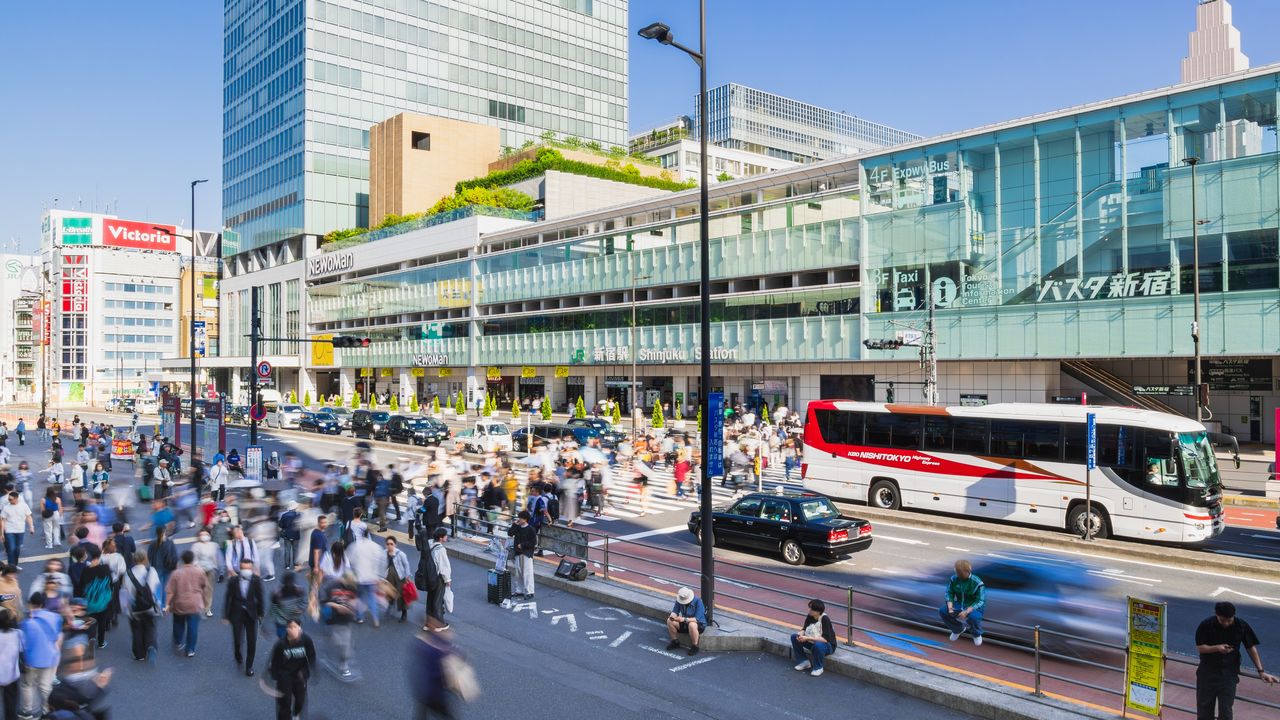
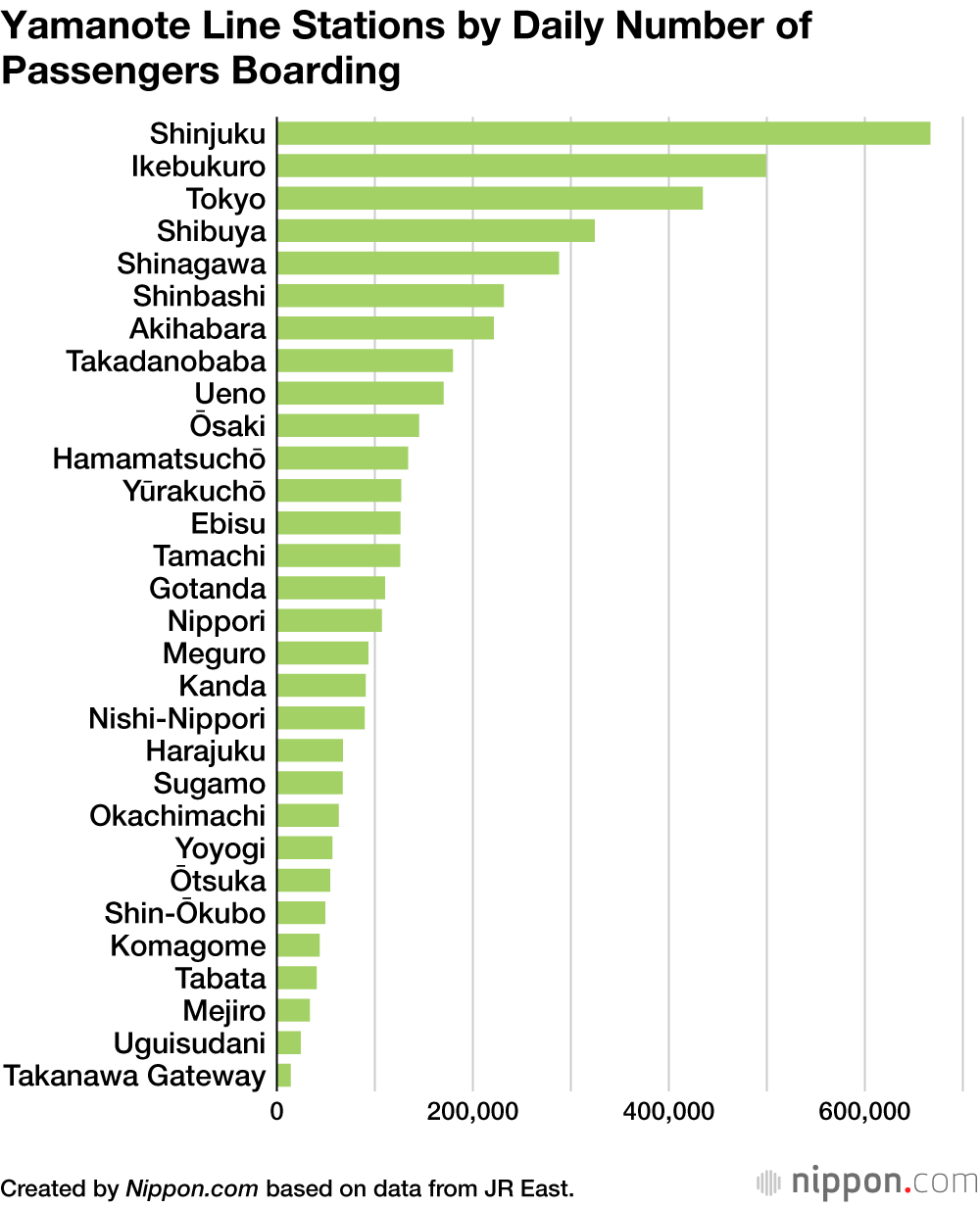
Figures for railway operator JR East show that in fiscal 2024, Shinjuku Station had the most daily passengers boarding trains, at 666,809 (up 2.5% year on year). Many corporations are based in the area and the numerous department stores and entertainment establishments clustered around the station draw an endless flow of people. As a hub station, Shinjuku also sees a large number of passengers changing to JR East trains from the Keiō, Odakyū, Tokyo Metro, and Toei Subway rail networks.
Shinjuku was followed in the ranking by Ikebukuro Station at 499,128 (up 1.9%) and Tokyo Station at 434,564 (up 7.6%). The other busiest stations, in descending order, were Yokohama, Shibuya, Shinagawa, Ōmiya, Shinbashi, Akihabara, and Kita-Senju. There was no change in order among the 10 top stations from the fiscal 2023 ranking. All of the top 100 stations saw a year-on-year increase in ridership. The figures are based only on passengers boarding and do not include those alighting from trains.
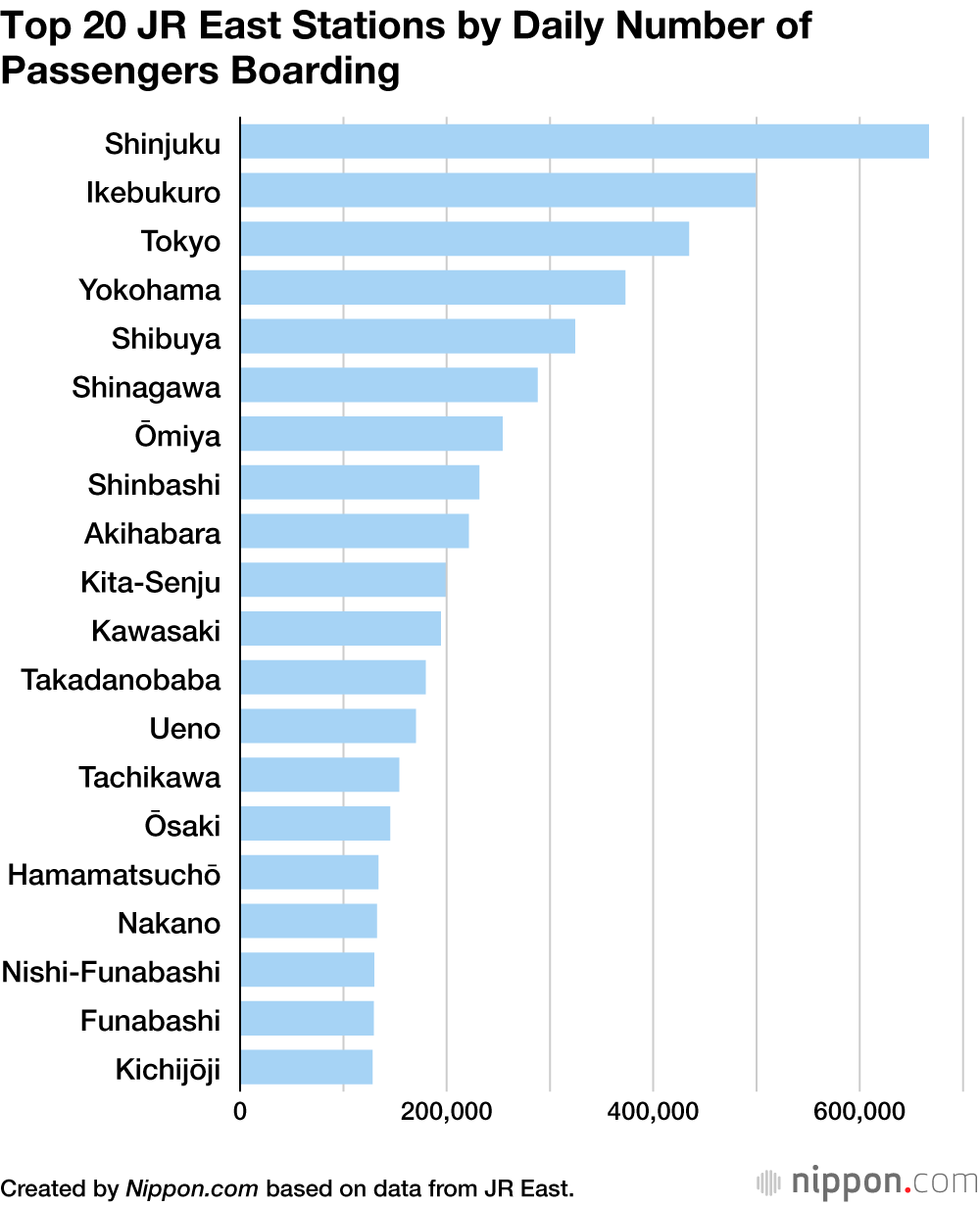
Of the 30 stations on Tokyo’s central Yamanote Line, 26 appeared in the top 100 from Shinjuku to Komagome, which was ninety-eighth with 43,540 passengers. The Yamanote stations falling outside the top 100 were Tabata, Mejiro, Uguisudani, and Takanawa Gateway. Uguisudani had 27 times fewer passengers than Shinjuku at just 24,460. Takanawa Gateway, the loop line’s newest station, had the lowest number of passengers at 14,209. However, having only opened in 2020, the station is expected to see its passenger tally grow as development of the surrounding area continues.
Data Sources
- Survey on passenger numbers of JR East (Japanese) from JR East.
(Translated from Japanese. Banner photo © Pixta.)