
Survey in Japan Shows Cancer Diagnosis Leads to 20% Drop in Income
Health- English
- 日本語
- 简体字
- 繁體字
- Français
- Español
- العربية
- Русский
Income Drops After Cancer Diagnosis
Lifenet Insurance Company conducted a survey in Japan on the topic of “cancer and money” from July to August 2025, gathering responses from 719 people who were employed at the time of their cancer diagnosis.
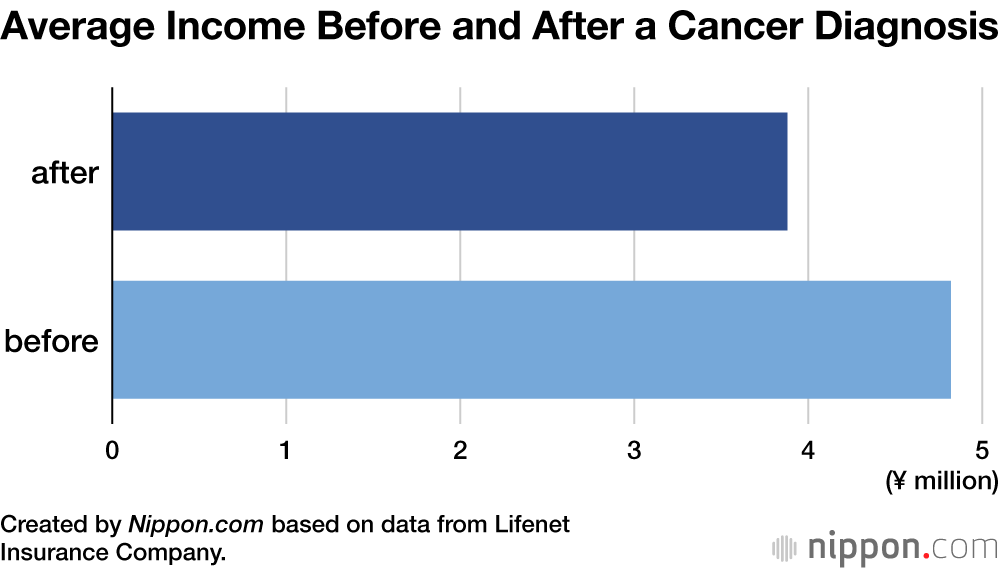
The results show that on average annual income fell by around 20% after a cancer diagnosis, from around ¥4.82 million before to ¥3.88 million after. The scope of the decrease was basically the same as in similar surveys conducted in 2017 and 2020.
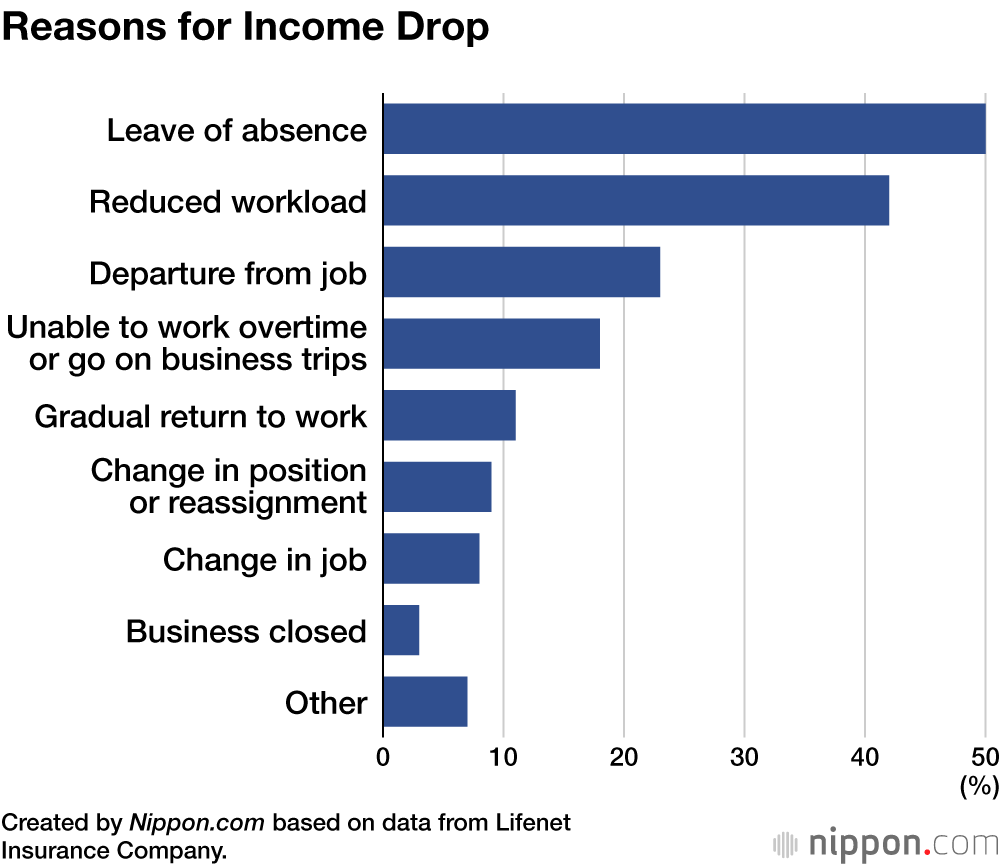
The main reasons for the fall in income were the need to take a “leave of absence” (mentioned by 50% of those surveyed), followed by a “reduced workload” (42%) and “departure from job” (23%). In some cases, income dropped due to a reassignment, such as being suddenly transferred after treatment, as in the case of one full-time employee in their forties.
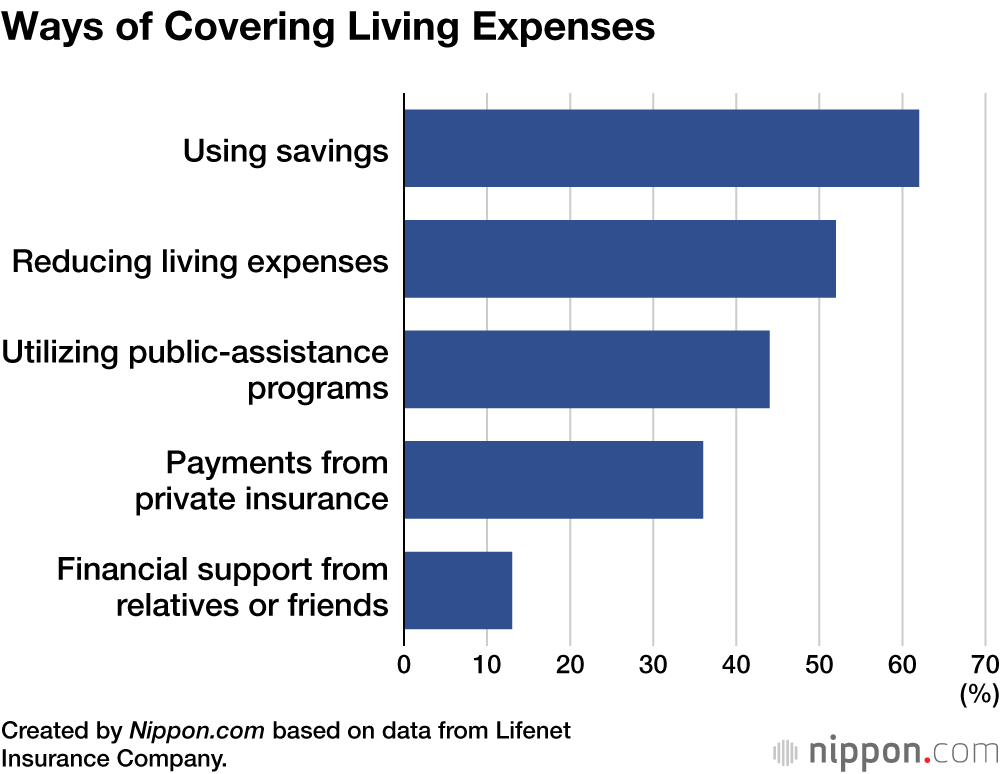
The most common method of compensating for reduced income was to “make use of savings” (62%), followed by “reducing living expenses” and “utilizing public-assistance program.”
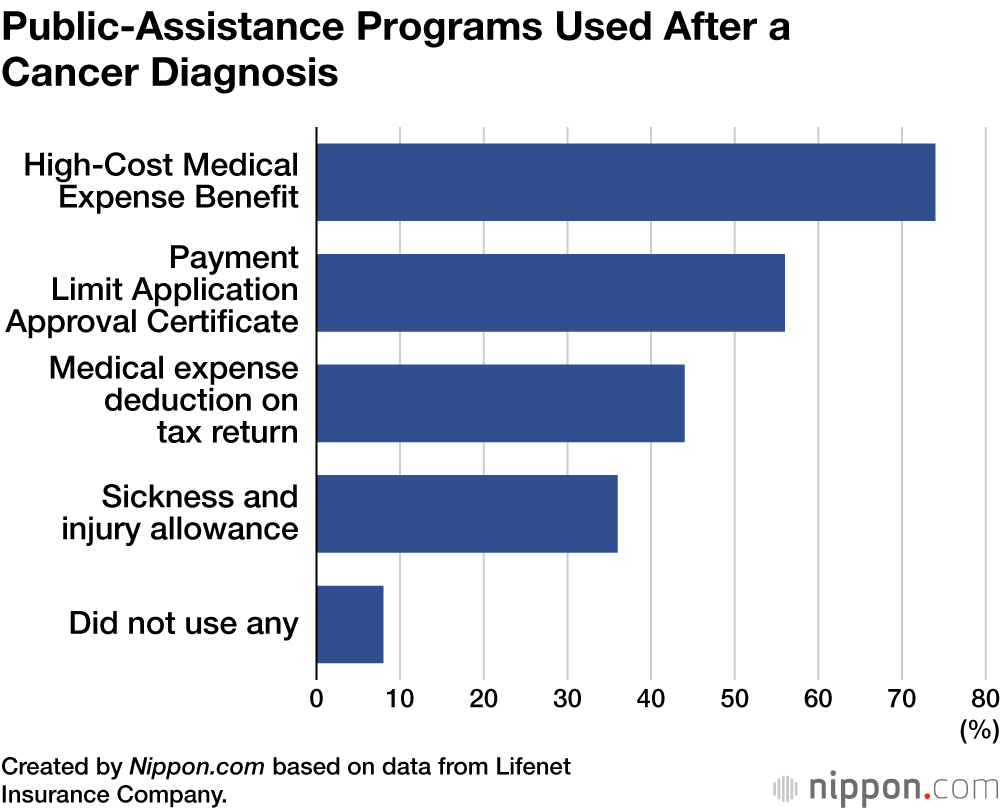
The most commonly utilized program, mentioned by 74% of the survey respondents, was the High-Cost Medical Expense Benefit, which reimburses medical costs exceeding the individual’s out-of-pocket limit. This was followed by the Payment Limit Application Approval Certificate, used by 56% of the respondents, which makes it possible to pay only up to the out-of-pocket limit at a medical facility.
However, relying on public aid alone was insufficient for many, with 39% of those surveyed saying such assistance was “completely insufficient” or “somewhat insufficient.” While 85% of respondents had private insurance to fall back on, 20% of them reported that they could not receive benefits for one reason or another, such as “outpatient treatment not being covered.”
Since it is too late to consider such things after becoming ill, it is important to review coverage while still healthy.
Data Sources
- Survey of people who were employed at the time of a cancer diagnosis (Japanese) from Lifenet Insurance Company.
(Translated from Japanese. Banner photo © Pixta.)