Iran Conflict a Blow to Japan’s Energy Supply
Politics Economy World Lifestyle- English
- 日本語
- 简体字
- 繁體字
- Français
- Español
- العربية
- Русский
Oil Core Provider of Energy for Japan
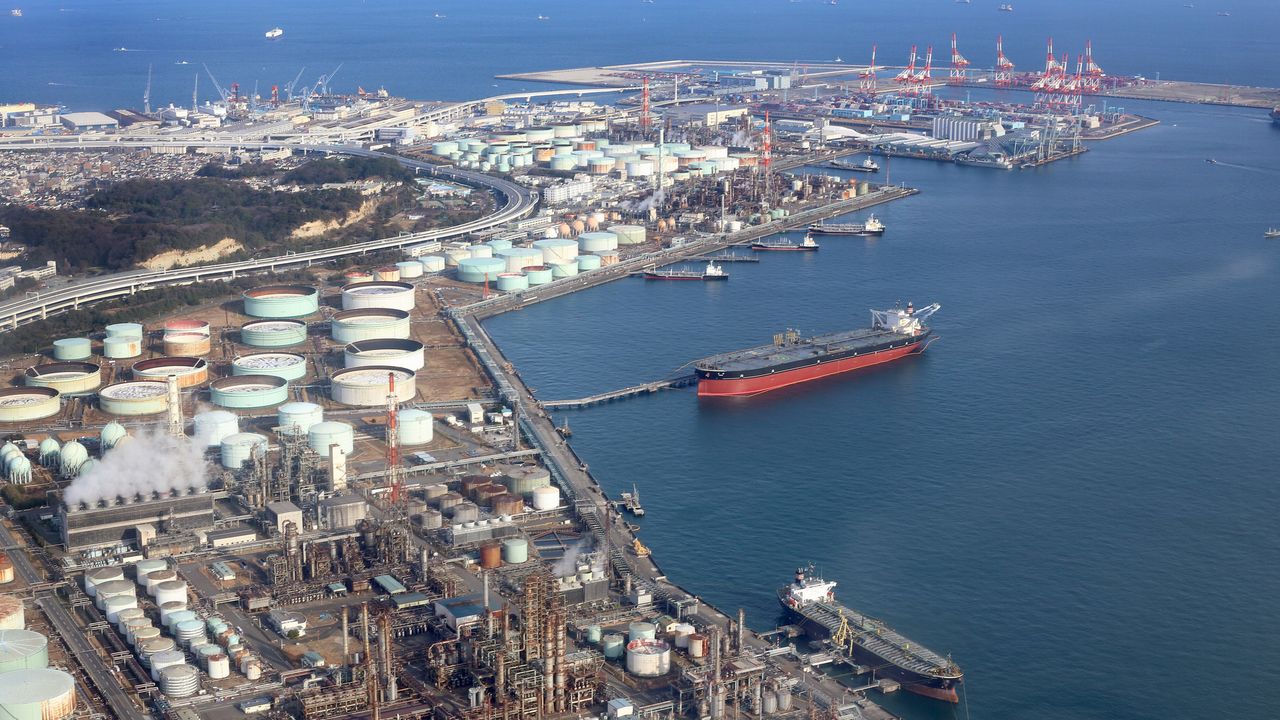
Japan, as a major consumer of energy, is closely watching the situation in the Middle East, with Iran effectively closing the Strait of Hormuz following air strikes by the United States and Israel that killed the country’s supreme leader Ali Khamenei.
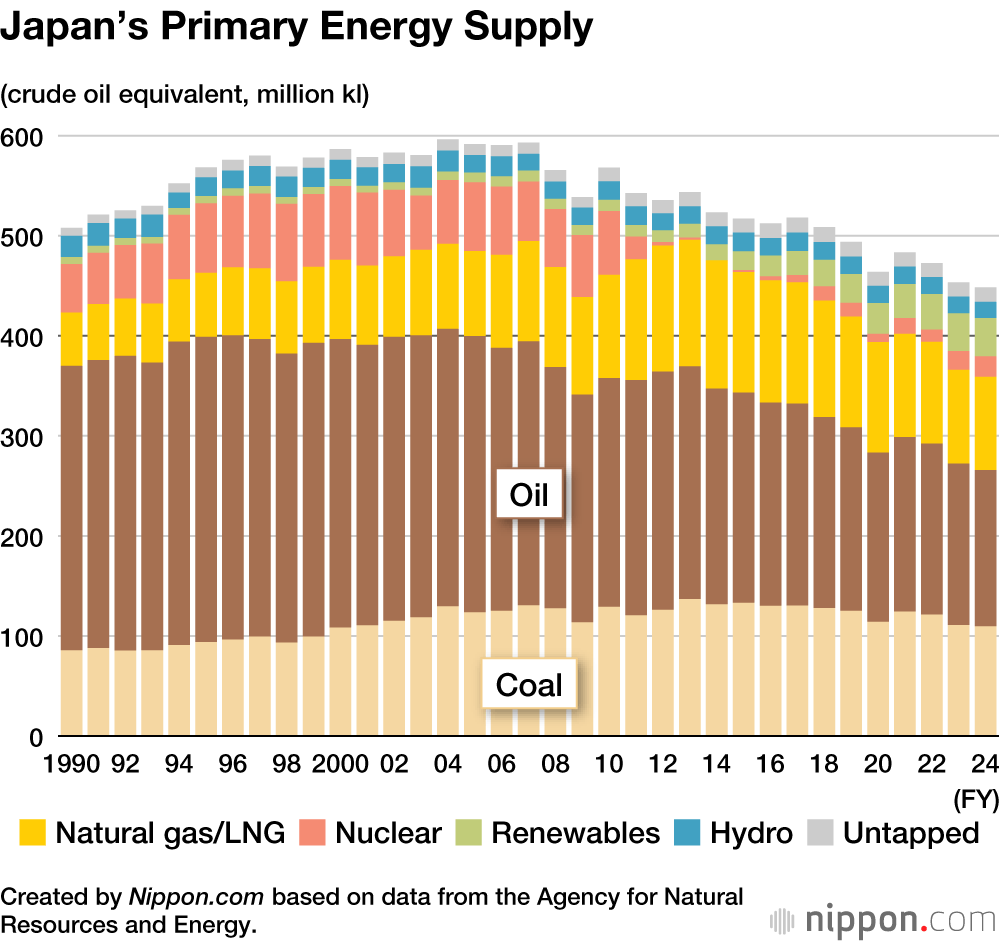
Japan relies on fossil fuels for around 80% of its energy needs. Of particular importance is oil. Statistics from the Agency for Natural Resources and Energy show that in fiscal 2024, oil accounted for 34.8% of the primary energy consumed in Japan, followed by coal at 24.4% and liquefied and other forms of natural gas at 20.8%. Japan has attempted to reduce its reliance on imported oil and decarbonize since the 1990s, but a number of issues, notably the reduced use of nuclear energy following the 2011 Fukushima Daiichi accident, have kept oil as the largest provider of energy.
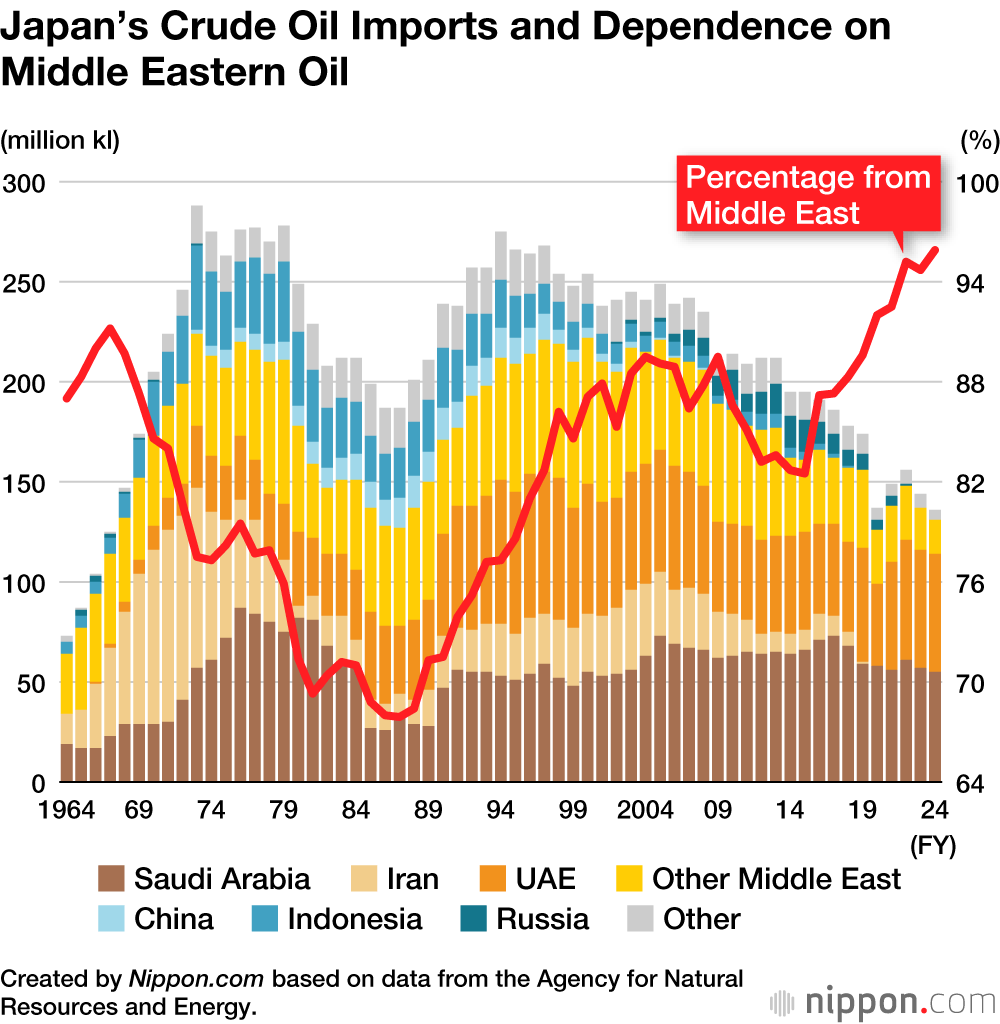
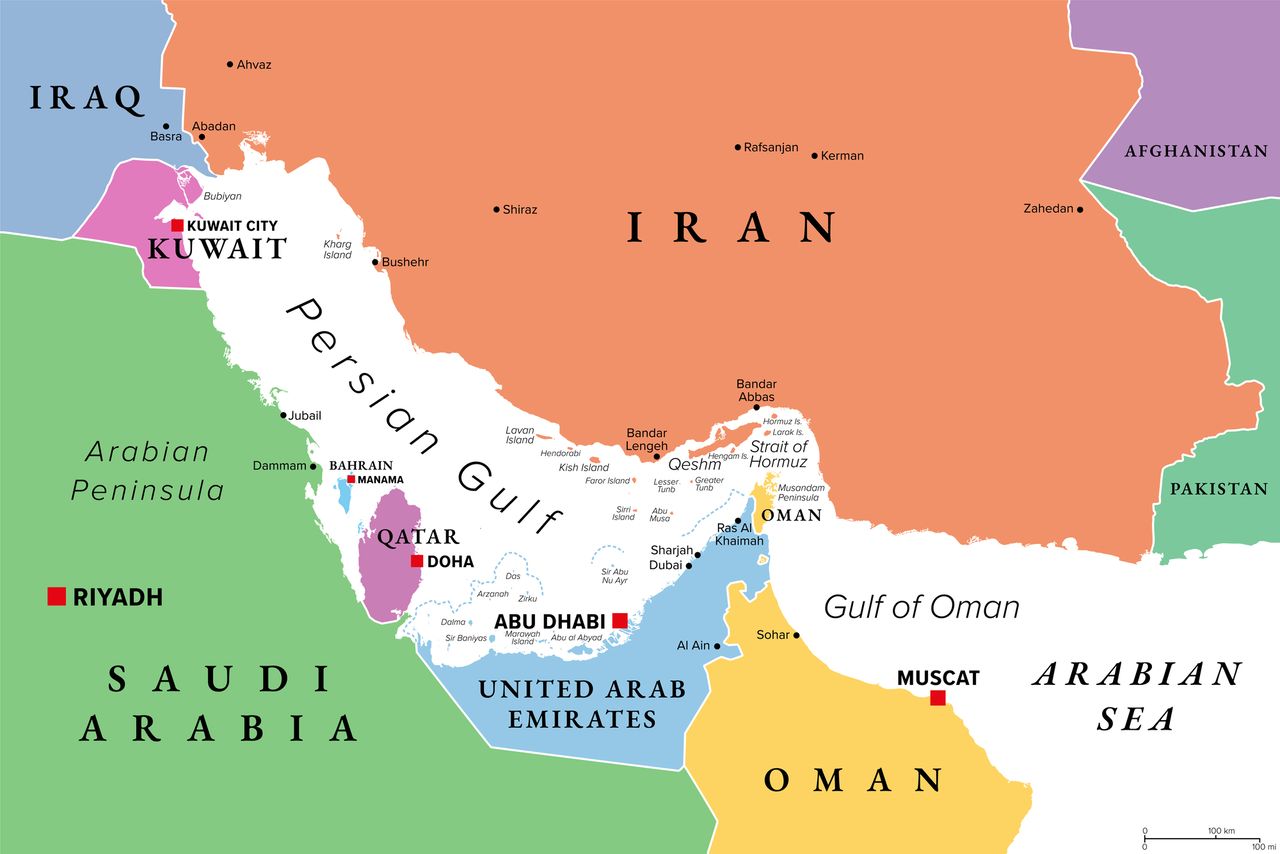
Japan imports more than 95% of its oil from the Middle East, with the United Arab Emirates and Saudi Arabia each providing 40% of Japan’s total imports. Japan has not directly imported oil from Iran since 2019 following the United States imposing sanctions on the country, but most of the crude shipped to Japan passes through the Strait of Hormuz off the Iranian coast. This has raised concerns over the fallout of Iran effectively closing the vital waterway in response to the US and Israeli bombings.
(© Pixta)
As of December 31, 2025, Japan had 254 days’ worth of oil in state and private-sector reserves. Even with this stockpile of crude, though, the costs of electricity and fuel in Japan are expected to rise as the closure of the strait has caused international oil prices to surge and also pushed up the price of natural gas.
Data Sources
- Data on Japan’s energy supply in fiscal 2024 and related materials (Japanese) from the Ministry of Economy, Trade, and Industry.
(Translated from Japanese. Banner photo © Pixta.)