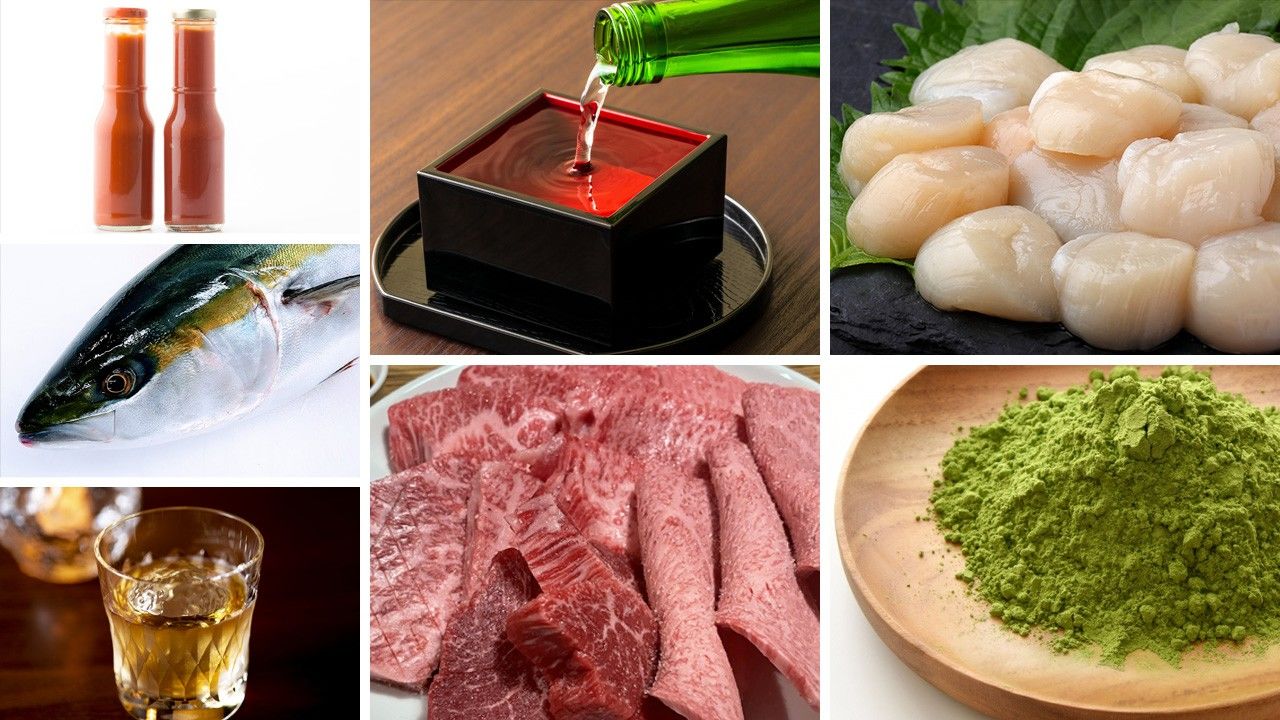
Export Earners: Japan’s Beef, Green Tea, and Alcohol Sales on the Rise
Food and Drink World Economy- English
- 日本語
- 简体字
- 繁體字
- Français
- Español
- العربية
- Русский
Visitor Increase Leading to Change
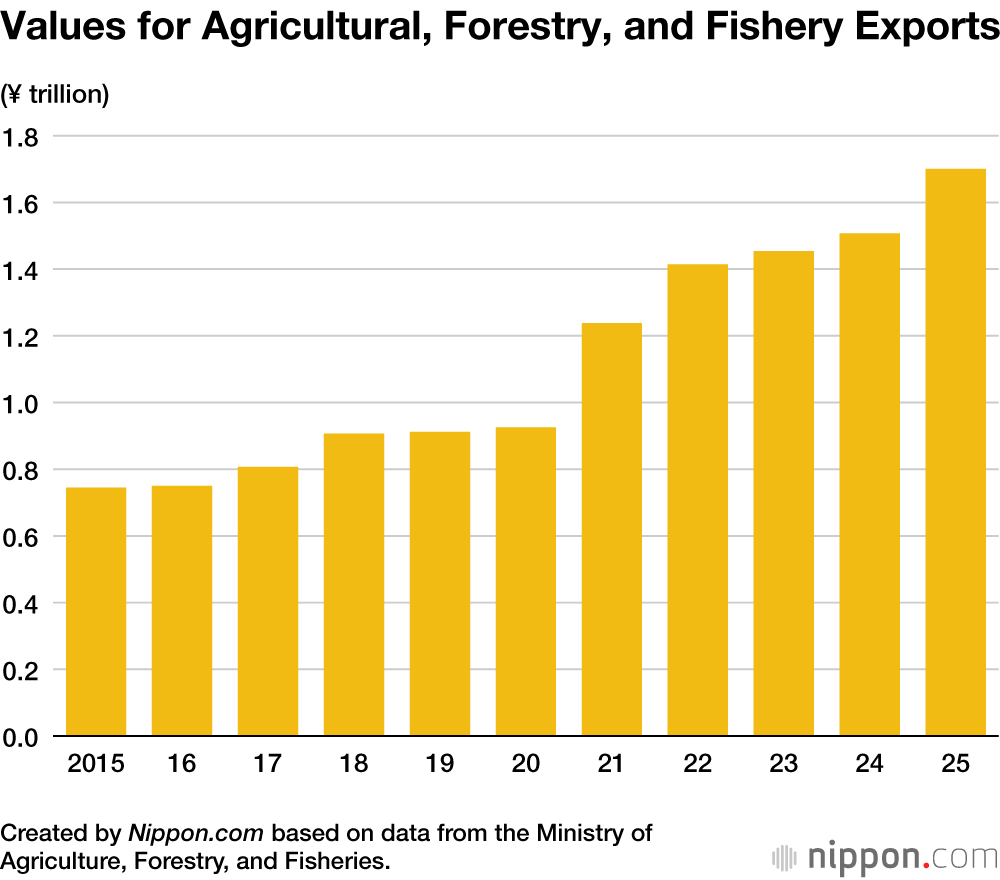
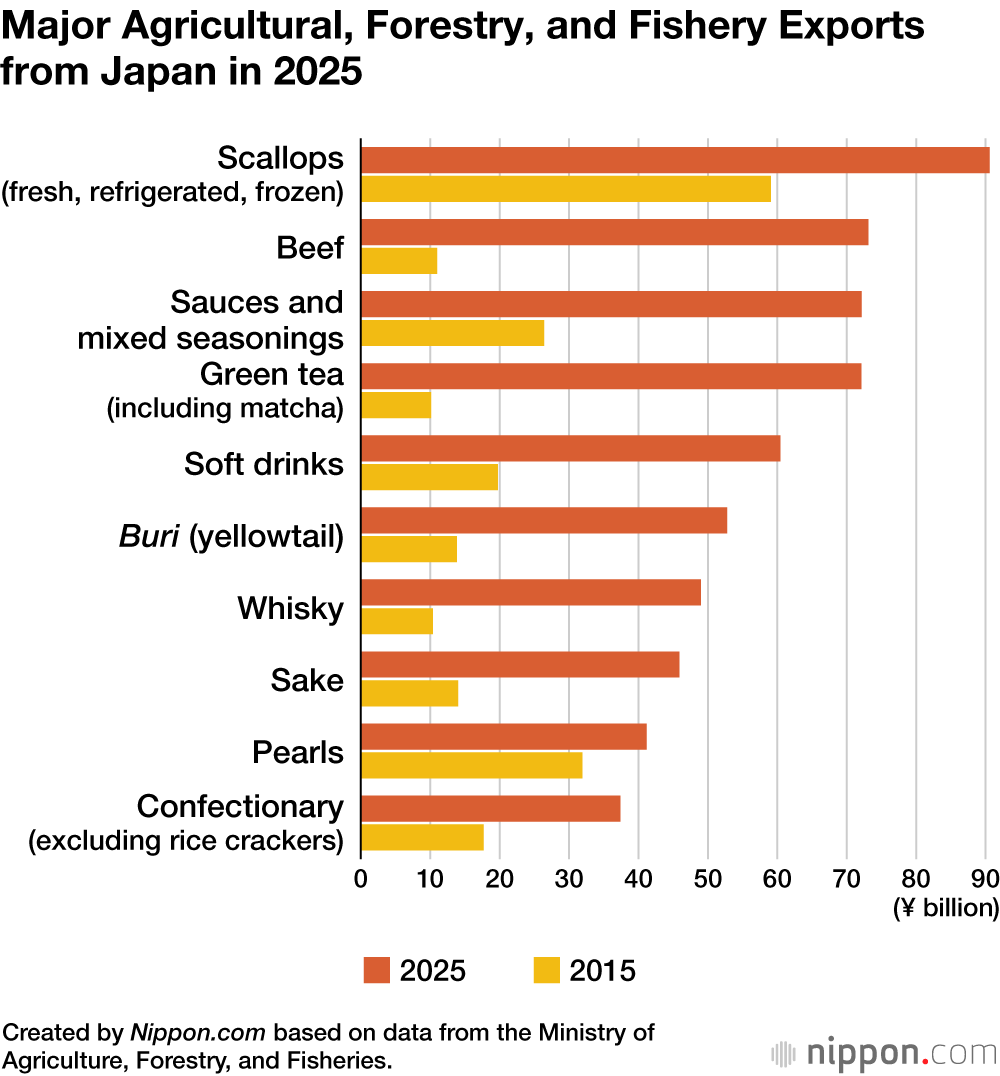
The export value of Japan’s agricultural, forestry, fishery, and other food products reached ¥1.7 trillion in 2025, according to the Ministry of Agriculture, Forestry, and Fisheries. This is more than twice as much as the ¥750 billion recorded 10 years earlier, in 2015.
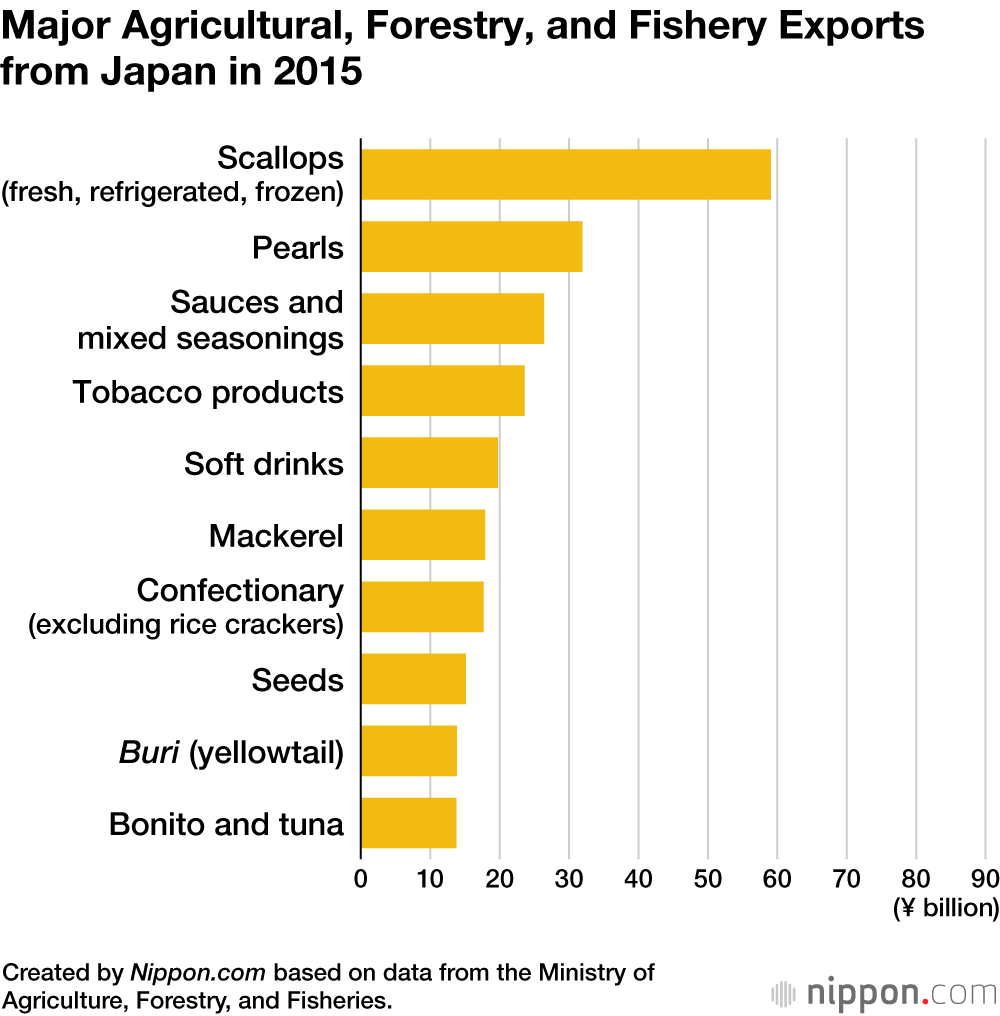
By product category, scallops remained the top export, unchanged from 10 years ago. China, which had been the main scallop consumer from Japan until 2022, imposed a complete ban on Japanese seafood in August 2023, following the release of treated water from the Fukushima Daiichi Nuclear Power Station. Although the ban was finally lifted in June 2025, thanks to efforts by the public and private sectors, worsening relations between the two countries led to its reinstatement in November 2025. However, producers have been developing new sales channels in Vietnam and other countries, so that scallops were able to maintain the top spot among product categories.
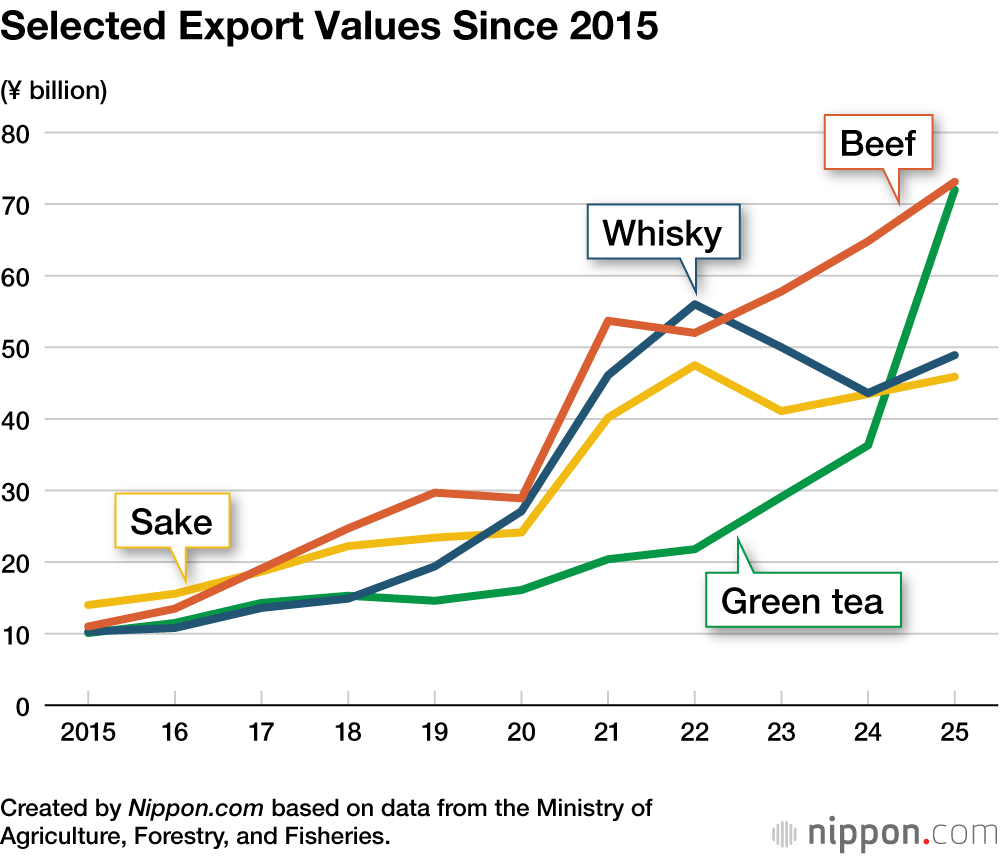
A major difference compared to 10 years ago is the rise of beef, green tea, sake, and whisky.
In 2025, beef exports reached ¥73.1 billion, which is 6.6 times higher than 2015, leaping from thirteenth to second place. Exports of green tea (including matcha) increased 7.1-fold, rising from fifteenth to fourth place. Matcha, in particular, has gained attention as a health-promoting superfood, with demand surging for its use in lattes, sweets, and other products.
Furthermore, when sake and whisky exports are combined, they total ¥95.0 billion, which even surpasses scallop exports. This is 3.9 times higher than the combined total of ¥24.4 billion 10 years earlier. Sake has been robust because traditional sake brewing was registered as UNESCO Intangible Cultural Heritage and it pairs well with Japanese cuisine. Whisky produced in Japan has also been popular overseas, particularly premium varieties.
The number of foreign visitors to Japan more than doubled over the 10 years leading up to 2025. According to a MAFF official, “the increased awareness of Japanese cuisine and rise in Japanese restaurants overseas has led to greater demand for ingredients from Japan.” The official also noted that this trend was bolstered by the registration of washoku (traditional Japanese cuisine) as UNESCO Intangible Cultural Heritage in 2013.
Data Sources
- Agricultural, Forestry, and Fishery Exports from Japan in 2025 (Japanese) from the Ministry of Agriculture, Forestry, and Fisheries
- Agricultural, Forestry, and Fishery Exports from Japan in 2015 (Japanese) from the Ministry of Agriculture, Forestry, and Fisheries
(Translated from Japanese. Banner photo © Pixta/PhotoAC.)