Ginza Spot Remains Japan’s Most Expensive for Land Prices
Economy Lifestyle- English
- 日本語
- 简体字
- 繁體字
- Français
- Español
- العربية
- Русский
A Very Expensive Postcard!
On July 1, the National Tax Agency announced the 2026 roadside land prices (as of January 1), which are used as the basis for calculating inheritance and gift taxes. On average, the assessed value of standard residential land (which includes residential and commercial areas) across Japan increased by 2.9% year on year, for the fifth consecutive annual rise. This is thought to be due to higher demand for housing, mainly in urban areas, and increased development of resorts aimed at visitors to Japan.
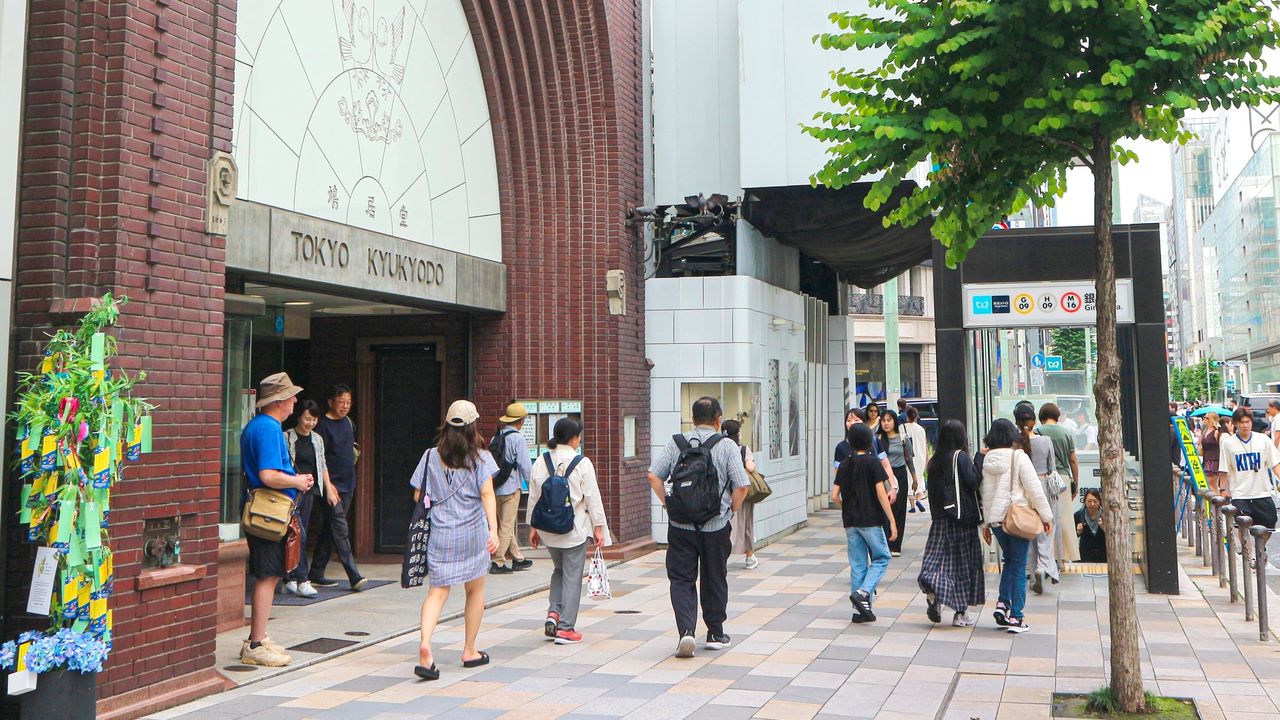
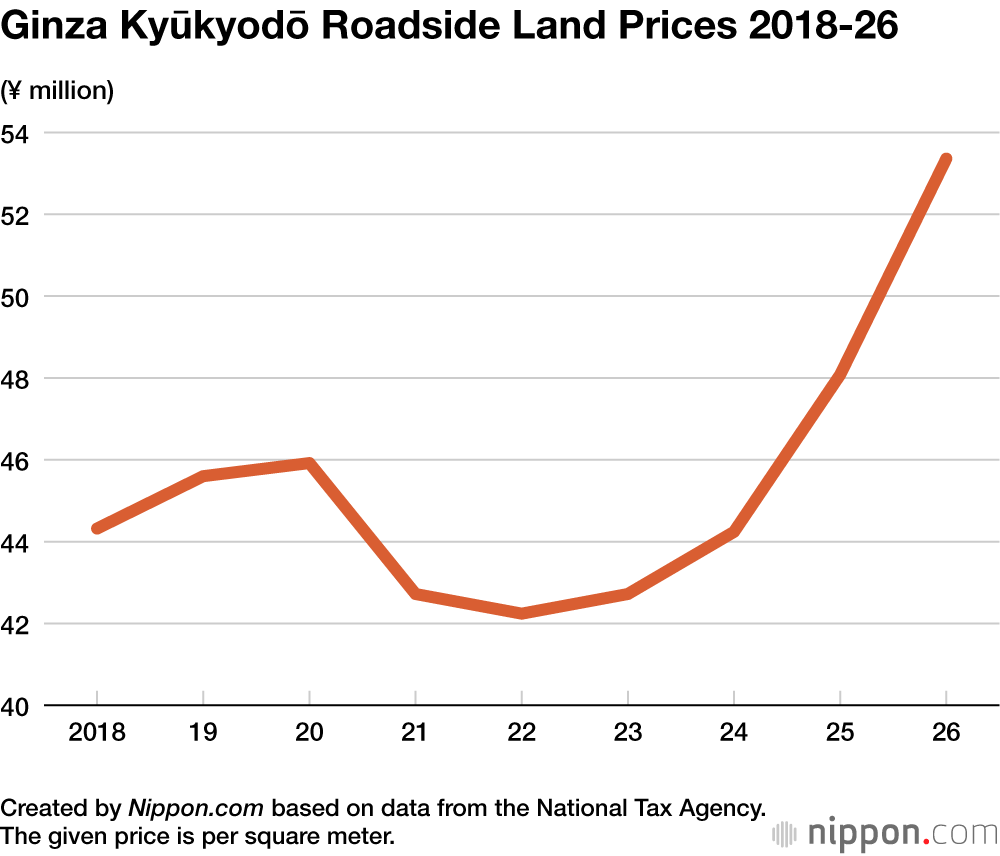
The highest roadside land price recorded was for the area in front of the stationery store Kyūkyodō in Ginza 5-chōme, Chūō, Tokyo, valued at ¥53.4 million per square meter. An 11.0% rise from the previous year, it was also the forty-first consecutive year that this has been Japan’s highest valued. Put into stationery terms, a single postcard-sized plot of land there is worth ¥790,000.
Inbound Tourism Hiking Prices
Based on reports by tax offices nationwide, the top three locations that saw the highest increases in land prices were Hakuba (32.7%) and Nozawa Onsen (31.3%) in Nagano, and Furano (28.0%) in Hokkaidō; all three are popular ski resort areas. In recent years, many international skiers and snowboarders have been coming to Japan in search of world-class powder snow.
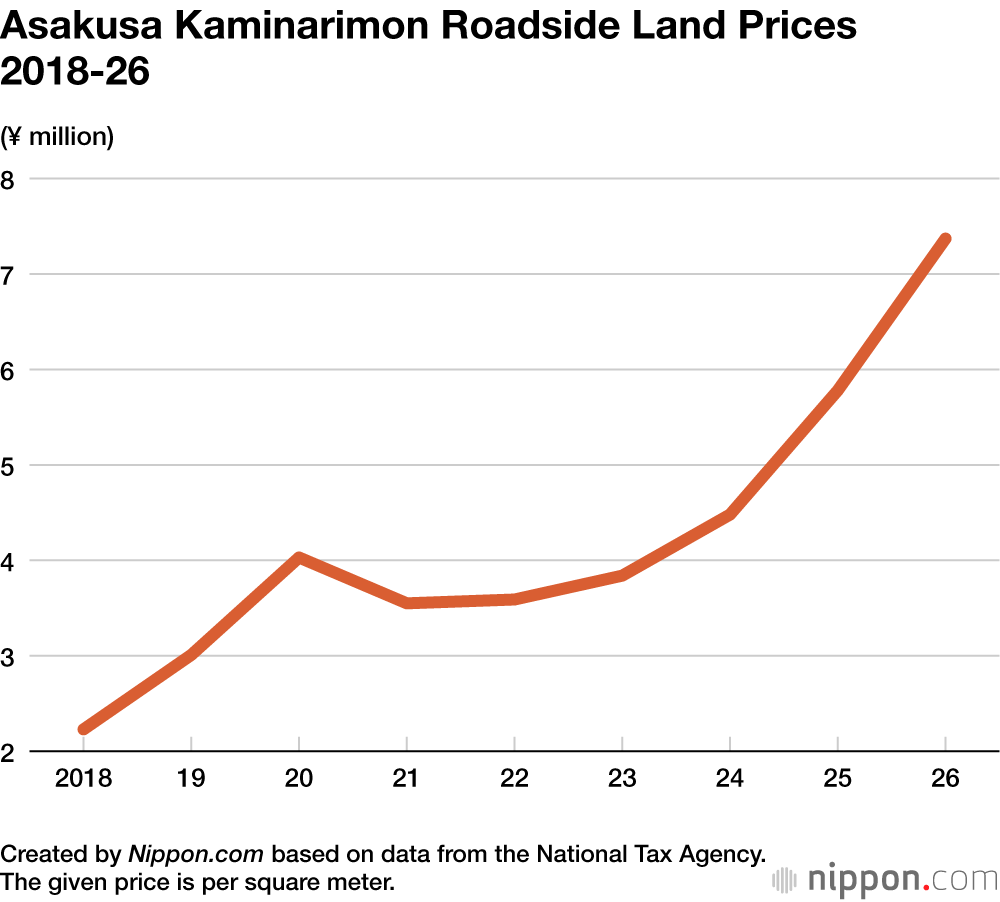
The fourth highest increase was for Kaminarimon-dōri in Asakusa, Tokyo. The street is a famous tourist spot for overseas visitors to Japan. The rise in inbound tourism has led to more hotels opening and commercial facilities being developed, which in turn is also pushing up land prices.
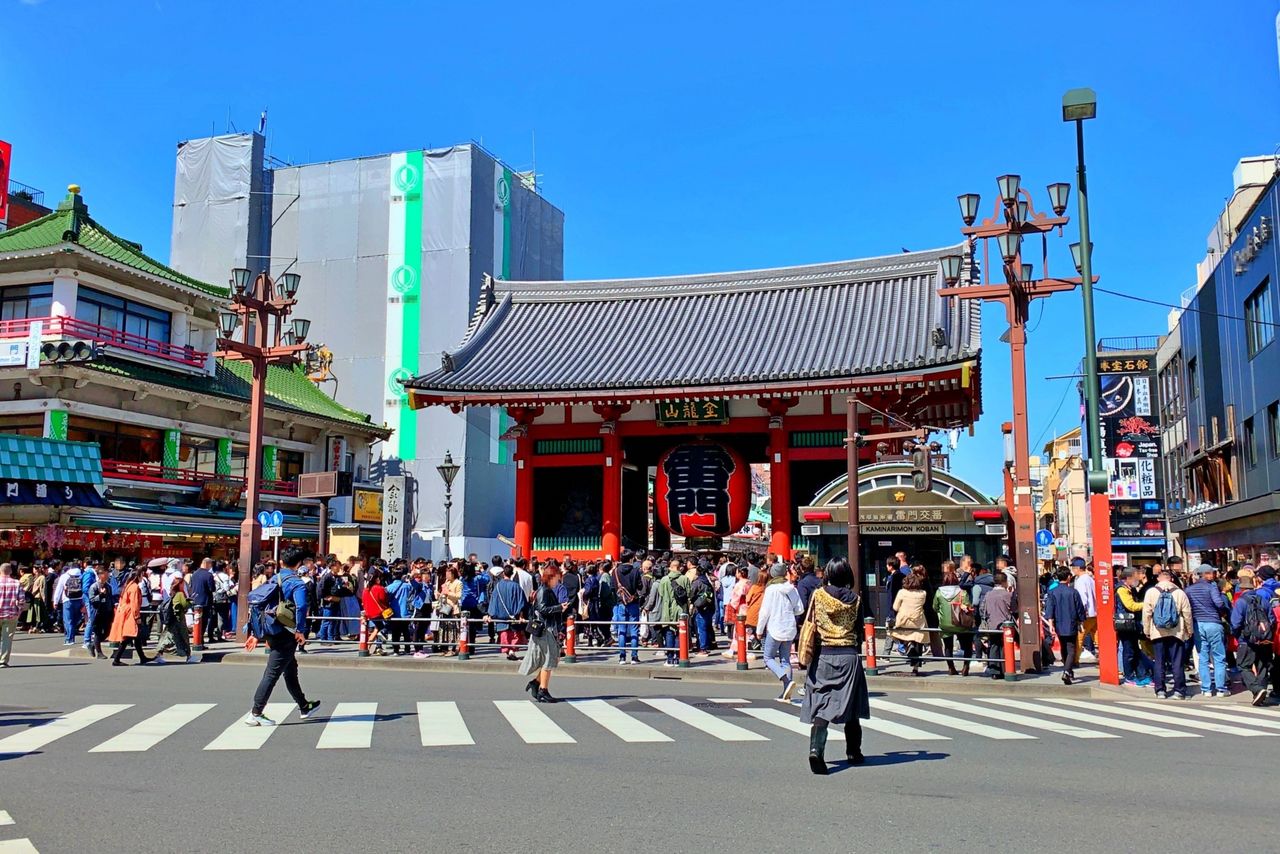
Kaminarimon Gate area in Asakusa. (© PhotoAC)
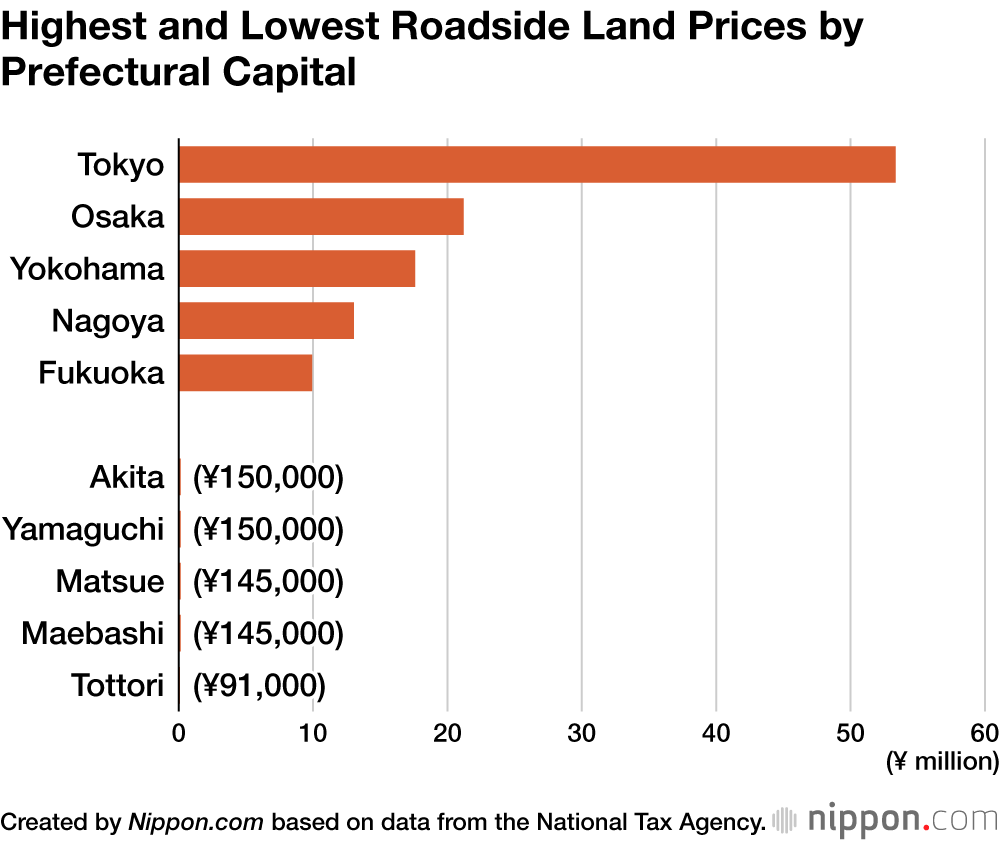
By prefectural capital, the top five highest land prices were recorded in Tokyo, Osaka, Yokohama, Nagoya, and Fukuoka, all of which are major cities. In contrast, Akita, Yamaguchi, Matsue (Shimane), Tottori, and Maebashi (Gunma) appeared in the bottom five. All of these are far from the country’s main urban centers. At 17.0%, Saga saw the steepest rise in roadside land prices, followed by Morioka (Iwate) with 13.0%. These increases are believed to be due to redevelopment of the surrounding areas.
Data Sources
- Roadside land prices for 2026 (Japanese) from the National Tax Agency
- Roadside land price maps and assessment ratio tables (Japanese) from the National Tax Agency
(Translated from Japanese. Banner photo: Outside Kyūkyodō stationery store in Ginza, Tokyo. © Jiji.)