Learning and Loving the Japanese Language
Talk it Over: Kanji with the Word Radical (言)
Language Culture- English
- 日本語
- 简体字
- 繁體字
- Français
- Español
- العربية
- Русский
Language Learning
The kanji 言, meaning “say” or roughly “word,” is first learned by Japanese children in the second grade. It is also a useful radical to look out for in characters associated in various ways with words. This article focuses on kanji containing the radical where the connection to words is clearest, making them easier to memorize. There are lists at the end of the article providing pronunciation.
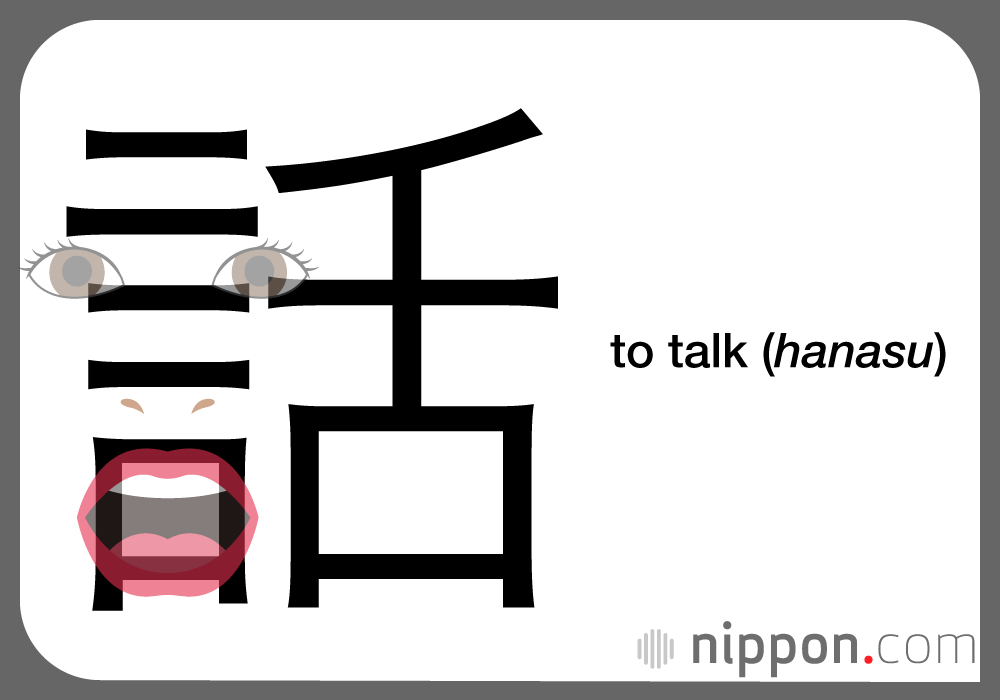
Beginning with the essentials, 言 appears in the most common way of writing the word word (言葉). It is in language (言語) too, which also includes the character 語, found in the names of individual languages like Japanese (日本語) and English (英語). Other basic kanji involving words are those meaning talk (話) and read (読).
Trust and Truth?
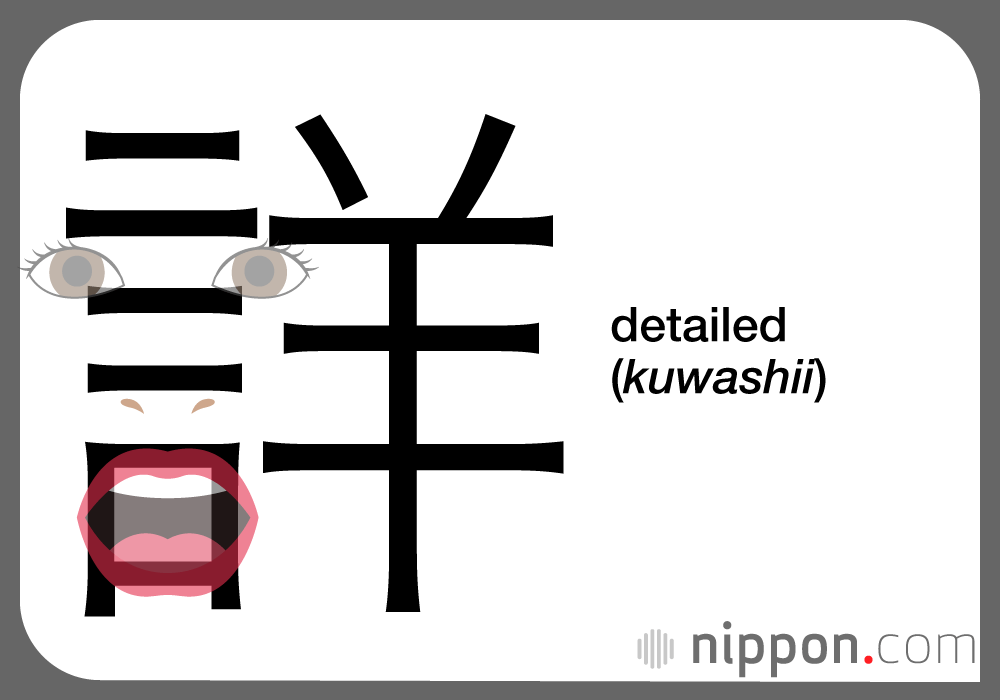
When something is put into words, it acquires a degree of authority. It may be a form of record (記) like an article (記事) in a newspaper or a diary (日記) entry, or it could be a lecture (講). Words convey knowledge (識), providing details (詳) on a topic, and can be used to confirm or recognize (認), as proof (証), or to express sincerity (誠). More artistically, words can form a poem (詩) or song lyrics (歌詞). The kanji 詞 in this last word is also found in grammatical terms like noun (名詞) and verb (動詞).
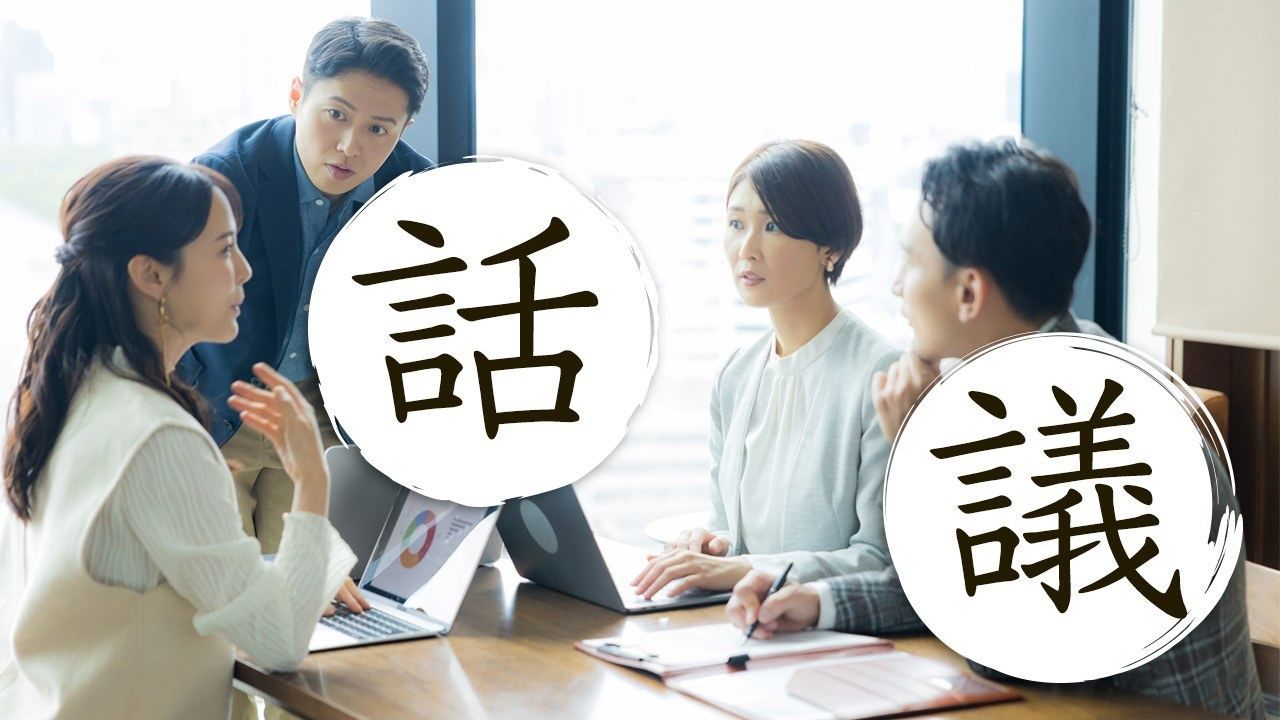
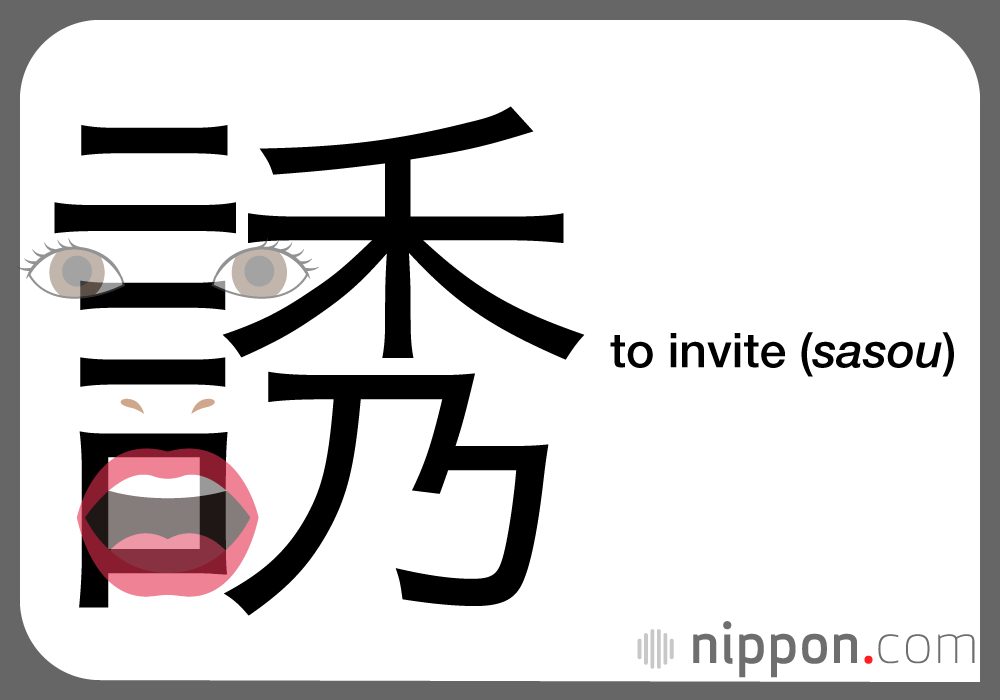
By contrast with characters that suggest the trust placed in words as a kind of objective truth, there are also many kanji that express how people use words to negotiate truth or achieve other goals. For example, they may discuss (談) or debate (議), using arguments (論), or they might explain (説) or evaluate (評). Someone in authority can give permission (許), as well as admonish or warn (警)—the kanji 警 also appears in figures of authority like the police (警察). Other actions involving words include to apologize (謝), request (請), invite (誘), revise (訂), and translate (訳).
Words I
| 言 | 言う: to say (iu) |
| 言語: language (gengo) | |
| 語 | 日本語: Japanese language (nihongo); 英語: English language (eigo) |
| 話 | 話す: to talk (hanasu) |
| 読 | 読む: to read (yomu) |
Words II
| 記 | 記事: (news) article (kiji); 日記: diary (nikki) |
| 講 | 講演: lecture, speech (kōen) |
| 識 | 知識: knowledge (chishiki); 意識: consciousness, awareness (ishiki) |
| 詳 | 詳しい: detailed (kuwashii) |
| 認 | 認める: to recognize, allow (mitomeru) |
| 確認する: to confirm (kakunin suru) | |
| 証 | 証明: proof (shōmei) |
| 誠 | 誠実: sincerity (seijitsu) |
| 詩 | poem (shi) |
| 詞 | 歌詞: song lyrics (kashi); 名詞: noun (meishi); 動詞: verb (dōshi) |
Words III
| 談 | 相談する: to discuss, consult (sōdan suru) |
| 議 | 議論する: to debate, discuss (giron suru); 会議: meeting (kaigi) |
| 論 | 結論: conclusion (ketsuron); 論文: thesis (ronbun) |
| 説 | 説明する: to explain (setsumei suru) |
| 評 | 評価する: to assess, praise (hyōka suru); 評判: reputation (hyōban) |
| 許 | 許す: to allow, permit (yurusu) |
| 許可: permission (kyoka) | |
| 警 | 警告: warning (keikoku); 警察: police (keisatsu) |
| 謝 | 謝る: to apologize (ayamaru) |
| 請 | 請求する: to request, claim (seikyū suru) |
| 誘 | 誘う: to invite (sasou) |
| 訂 | 訂正する: to correct, revise (teisei suru) |
| 訳 | 翻訳: translation (hon’yaku) |
(Originally written in English. Banner photo © Pixta.)