Manga Worth Having on Your Shelves
“The Summer Hikaru Died”: A Fresh Take on J-Horror Explores Living Alongside the Uncanny
Culture Entertainment Anime- English
- 日本語
- 简体字
- 繁體字
- Français
- Español
- العربية
- Русский
“Something” Hides in Hikaru
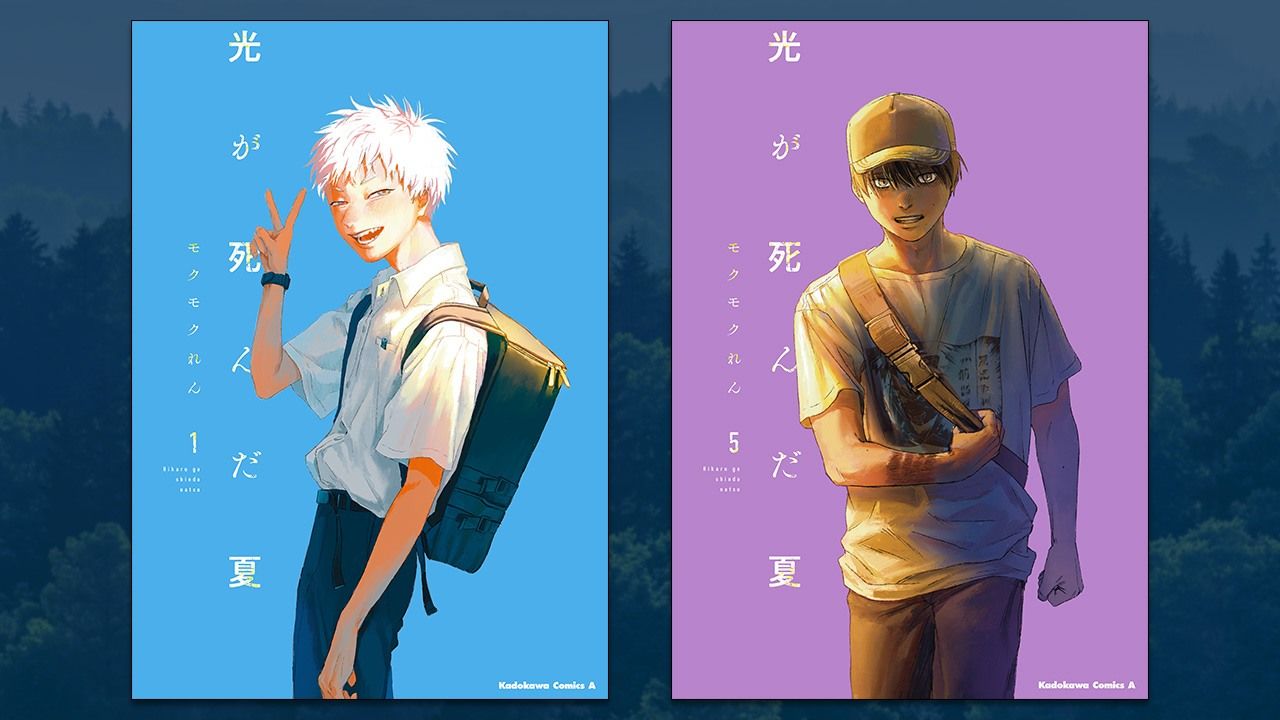
This is the story of two childhood friends, Yoshiki and his friend Hikaru, living in a small mountain community.
Six months before the narrative begins, Hikaru went missing in the mountains for a week, then came home on his own. Afterward, as the two are walking home one summer day, they stop for ice cream and Yoshiki asks something he has been wondering. “You ain’t the real Hikaru, are ya?” At which point, some uncanny material begins oozing from “Hikaru” and he grabs onto Yoshiki. “Please . . . don’t tell anyone,” Hikaru says. Half a year earlier, Hikaru had actually died in the mountains, and the figure sitting beside Yoshiki was something else, something that had taken his shape. Despite his terror, Yoshiki accepts “Hikaru’s” plea. “If that’s how it is, then I would much rather have you by my side, no matter what you are.”
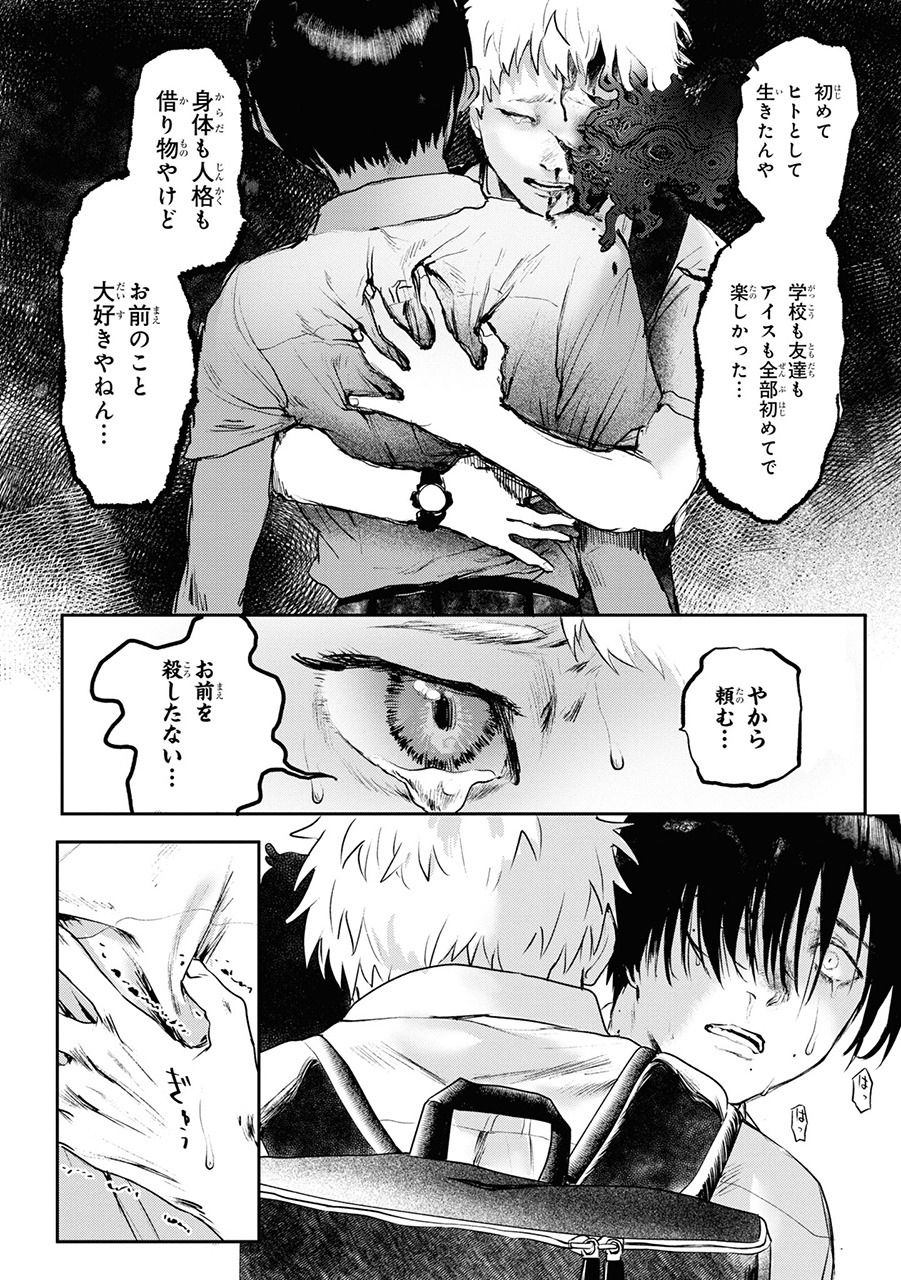
The false Hikaru thanks Yoshiki for giving him the chance to taste a human existence for the first time, striving against the desire to kill him. From the first chapter of The Summer Hikaru Died. (© Mokumokuren, Kadokawa Comics Ace)
Terror Rooted in the Landscape
From the very beginning, The Summer Hikaru Died is tied up with the shocking. The way peaceful scenes of every-day life can transform in an instant into something terrifying is what makes it such a fresh experience.
The first thing I want to point out is just how firmly this manga adheres to J-horror orthodoxy.
J-horror became a global phenomenon in the 1990s, and it’s probably safe to say it originated from Suzuki Kōji’s 1991 novel Ring. It took a classical “curse of the evil spirits” story and made it into something new by having the curse spread through a video cassette. This opened the door to a new wave of modern Japanese-style horror in cinemas and video games. From there, elements of folklore worked their way in, resulting in a more recent boom in so-called “old village customs” horror. The most recent stand-out work in that genre is last-year’s Silent Hill f game from Konami. The Silent Hill series was originally set in small-town America, but this latest work breaks the mold by moving into a Japanese setting. The Summer Hikaru Died falls solidly within this J-horror genre.
The “something” inside Hikaru is apparently a mysterious entity, or kami, known in local legend as Nōnuki-sama, which lived in the mountains and served to seal some kind of anomaly in the region. With the seal removed, odd things begin to happen in the village. The nonhuman “Hikaru” has inherited the memories and desires of the original Hikaru, and although it appears to be an innocent boy on the outside, it is incapable of understanding human emotion. It says that the difference between life and death is simply a change in form, and so feels no taboo in killing living things. Yoshiki tries to teach “Hikaru” how to be human, but over time, Yoshiki himself begins to blend with the inhuman.
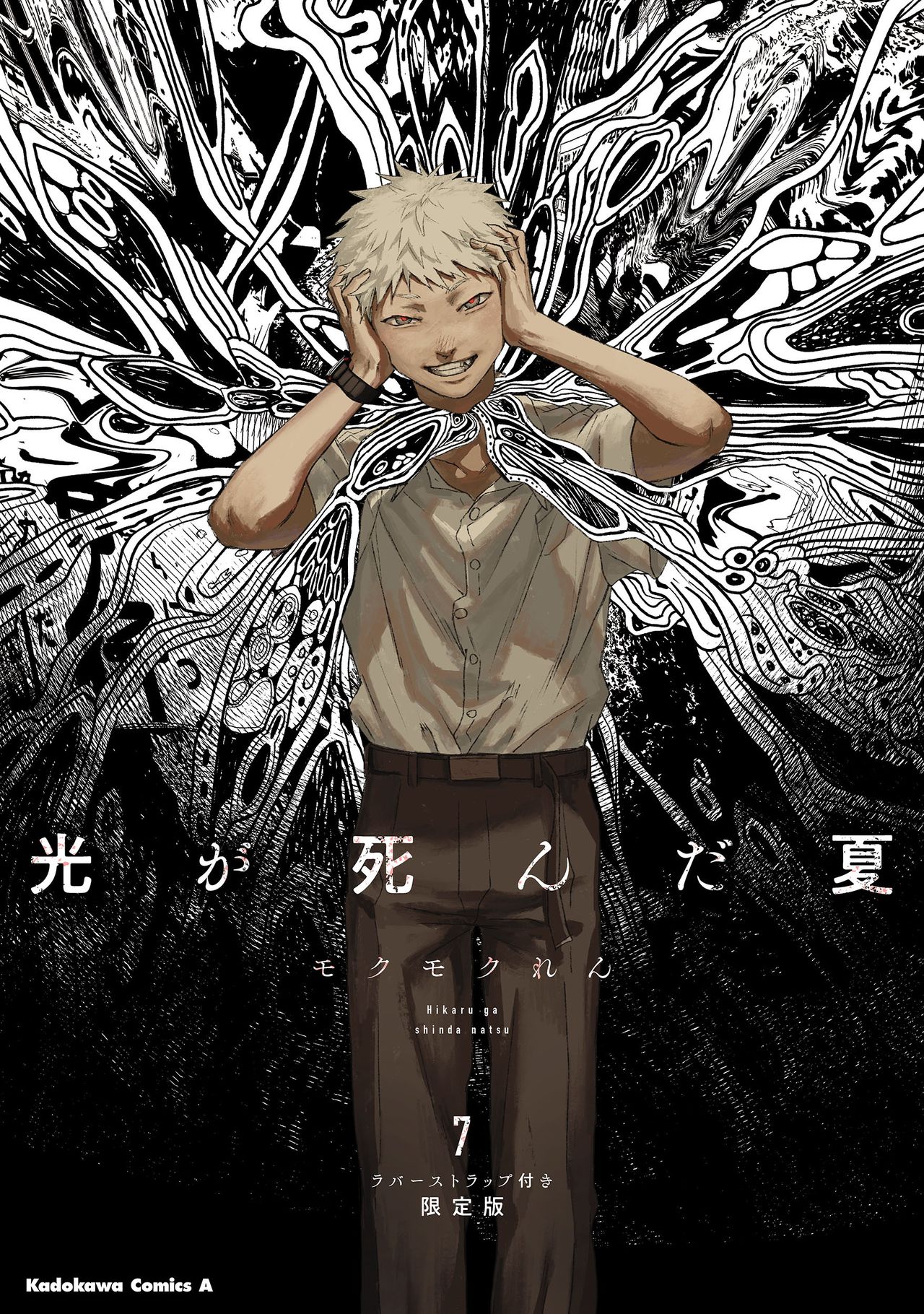
Cover of a limited-edition Volume Seven. The “something” is oozing out of Hikaru’s body. (© Mokumokuren/Kadokawa)
No Idyllic Countryside Here
The manga’s depiction of the countryside is striking, particularly in the use of sound. Panels are completely filled with depictions of the buzzing of cicadas or the hiss of rain. The dimness of forest roads, bicycle shadows stretching off into the distance, summer lightning storms . . . All are depicted in intricate detail. Typically nostalgic scenes of the Japanese countryside here take on a layer of roiling disquiet amid the horror.
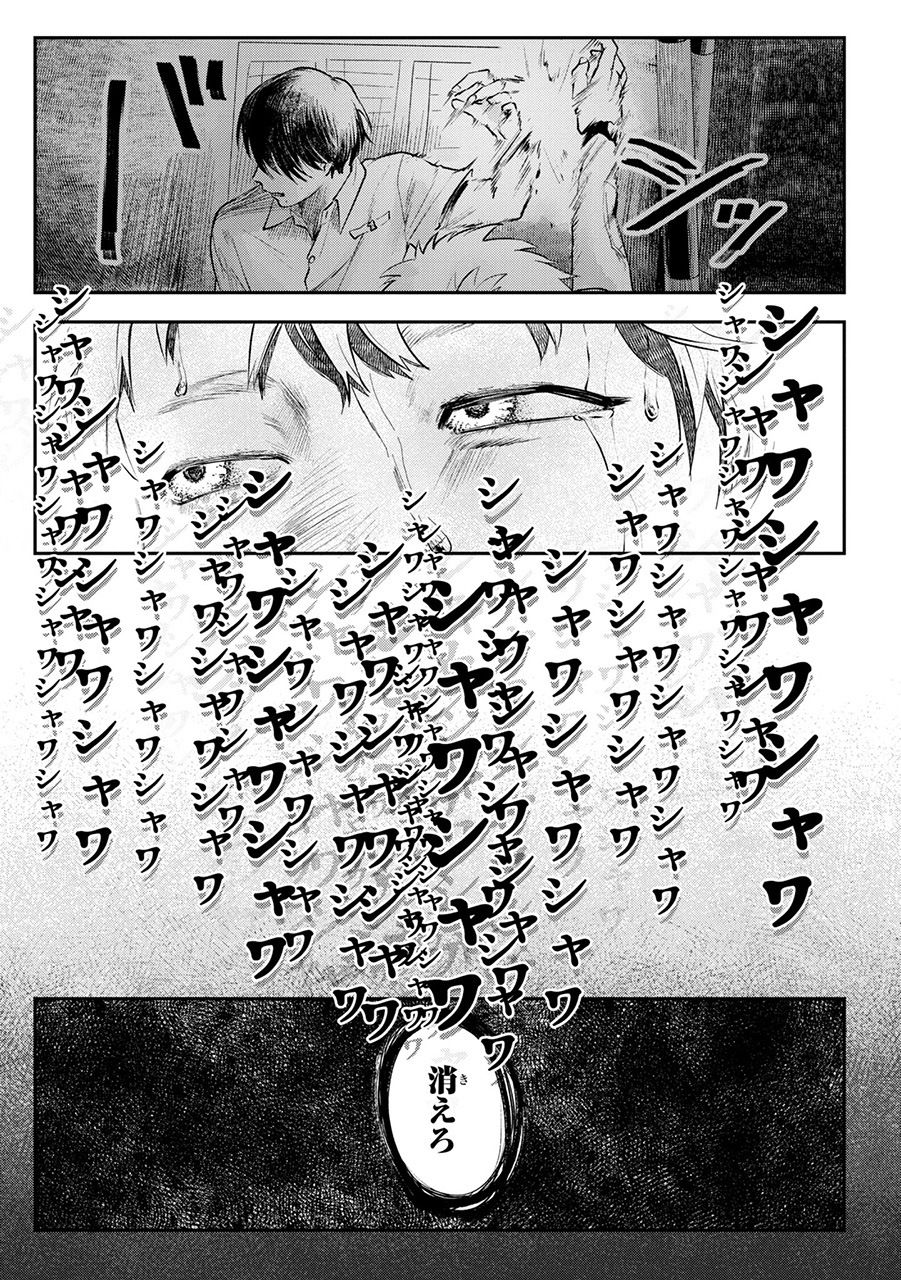
A scene from chapter seven in Volume Two of The Summer Hikaru Died. (© Mokumokuren/Kadokawa)
The village’s hidden history becomes an important element of mystery within the story, drawing the reader deeper in. It also weaves in familiar figures from horror manga, like the shady expert or the female mystic. Yoshiki and “Hikaru” are surrounded by classmates who embody normal life, but over time, one girl with a powerful spiritual sense begins to play a more important role. Author Mokumokuren has commented, “This is a work I created by mixing together all these things I love that have piled up inside me.” One factor that makes this work so appealing as a work of J-horror is the respect it pays to the works that came before it.
Two Outsiders Coming Together
But this manga has depths beyond that.
In the first volume, there is one scene where Yoshiki slips his hand into an opening in Hikaru’s abdomen, at the latter’s request. Hikaru reacts with pleasure, like he’s being caressed, and tries to draw Yoshiki deeper inside. It is a viscerally unpleasant scene, but at the same time it is drenched in powerful eroticism. I imagine that the impact of this scene played a large part in the manga’s popularity explosion soon after it began web serialization in 2021.
When I first read this scene, I found myself wondering if it wasn’t actually a boys’ love manga. Now, though, I find it far more complex than that, and consider it a work that can be seen in all kinds of ways beyond just a romantic BL take.
Yoshiki accepted “Hikaru” knowing that his real friend was dead. That emotional conflict stands at the core of the manga. As the story goes on, Yoshiki’s romantic feelings for Hikaru, as a boy of the same sex, become increasingly clear. Much like “Hikaru” is an outsider in human society, Yoshiki feels himself an outsider in the closed society of his rural village. He has lived his whole life with his feelings hidden. His unusually long bangs are a symbol of that secret.
“Hikaru” cries out to Yoshiki, “I still like you, and I can’t stop my feelings!” But it seems wrong to simply take that as a confession of romantic feelings. This false “Hikaru” isn’t capable of human love or desire. He cannot know what “like” means. And so, both Yoshiki and “Hikaru” remain two outsiders.
Shared Fears
The manga has been translated into other languages and is also popular overseas, but it seems that some readers are confused by the complex nuances regarding sexuality. The author has stated clearly that “This is a nonromantic queer story.” In other words, it deals with a sexual minority, but is not a love story. Rather, it is about the fear of never being normal, of never having a place to fit in.
In the beginning, Yoshiki tries to teach the mysterious entity about emotions and the rules of human society. In other words, he tries to draw “Hikaru” into a human framework. However, once he accepts that it’s impossible to do so, he and the new version of his dead friend are able to build a new relationship around its aberrant nature. And, through Yoshiki, “Hikaru” begins to understand how life is something that cannot be replaced.
In a 2025 interview, the author explained, “The fact that these are not two people is what allows them to grow close despite an inability to understand completely.” And Mokumokuren also points out that the fact of “Hikaru” being an entirely different lifeform itself “might well have let me depict how a person can strive to understand someone else, even in the face of all common sense.”
In other words, the author uses the vessel of J-horror to present the overarching question of how two utterly different lives can coexist.
In today’s international society, fellow humans are divided along all kinds of lines. They fall into conflict and start wars. Even in Japan, despite its surface appearance of peacefulness, society appears increasingly opposed to accepting “outsiders” who do not seek to assimilate with us. It might not be what the author had in mind, but I feel that the question posed by this work reflects the reality we live in now, in 2026.
The Summer Hikaru Died won the Global Special Award in the traditional Chinese language category of the 2022 Next Manga Awards, and it was ranked first in the Male section of the 2023 Kono Manga Ga Sugoi! annual ratings from the publisher Takarajima. The anime adaptation started running in July 2025, and is streaming on the Abema platform in Japan and Netflix globally. Production of a second season was announced in September of that year. Its popularity both inside Japan and out is most likely due not only to its firm roots in J-horror, but its approach to more socially complex topics as well.
As of the current print volume, the eighth, the truth behind the changes plaguing the village is coming to light. The story of the strange summer of Yoshiki and Hikaru is also winding down. When it reaches its climax, it will surely represent a new page in the history of Japanese horror.
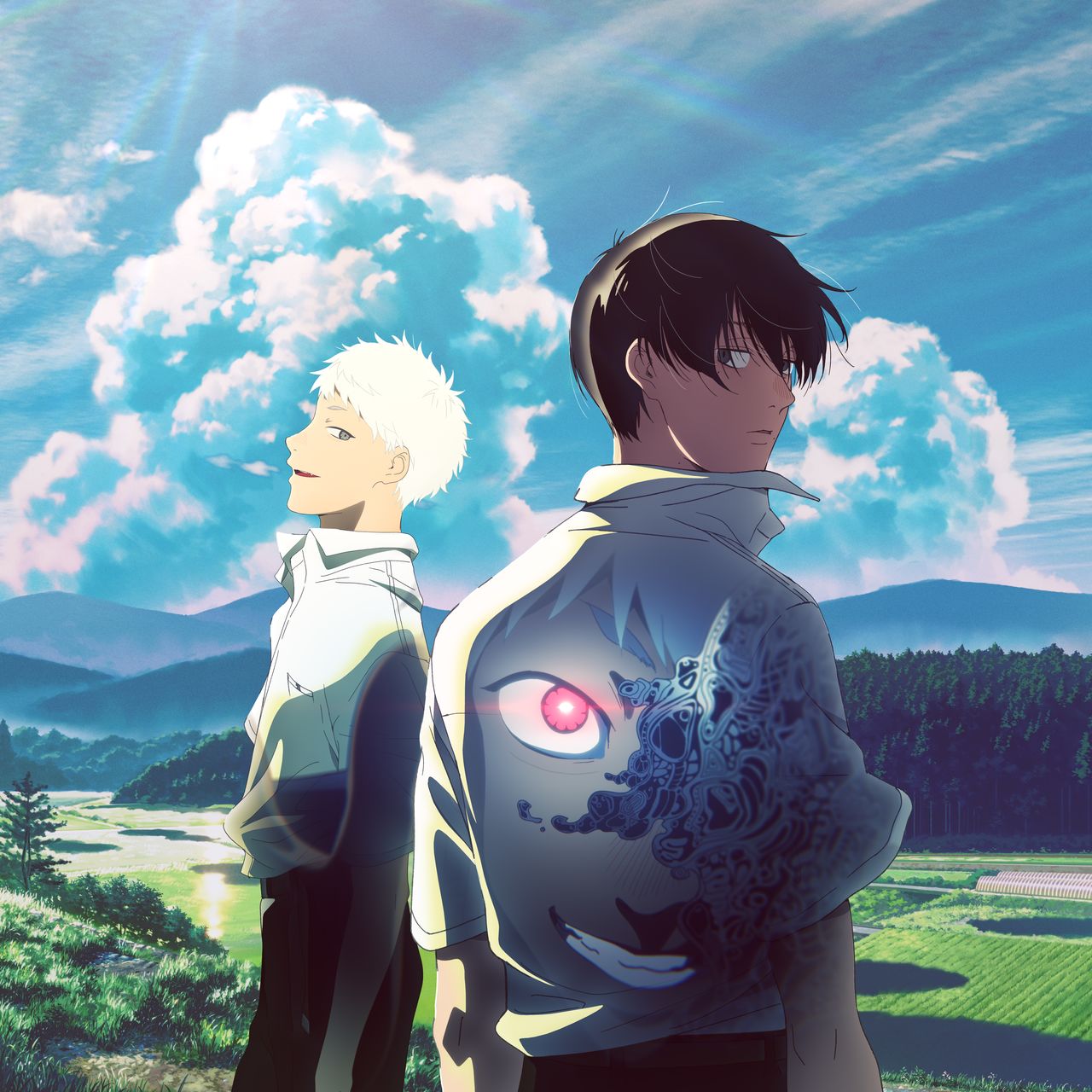
The anime is being streamed globally, with a second season already announced. (© Mokumokuren/Kadokawa and Hikaru ga shinda natsu Production Committee)
(Originally published in Japanese. Covers for The Summer Hikaru Died. The story explores the relationship between Hikaru [at left], shown on the cover to Volume One, and Yoshiki, on Volume Five. © Mokumokuren/Kadokawa.)