The Roots of Wagyū: From Local Cattle to Global Brand
Food and Drink Culture Lifestyle Guide to Japan- English
- 日本語
- 简体字
- 繁體字
- Français
- Español
- العربية
- Русский
Roots of Wagyū
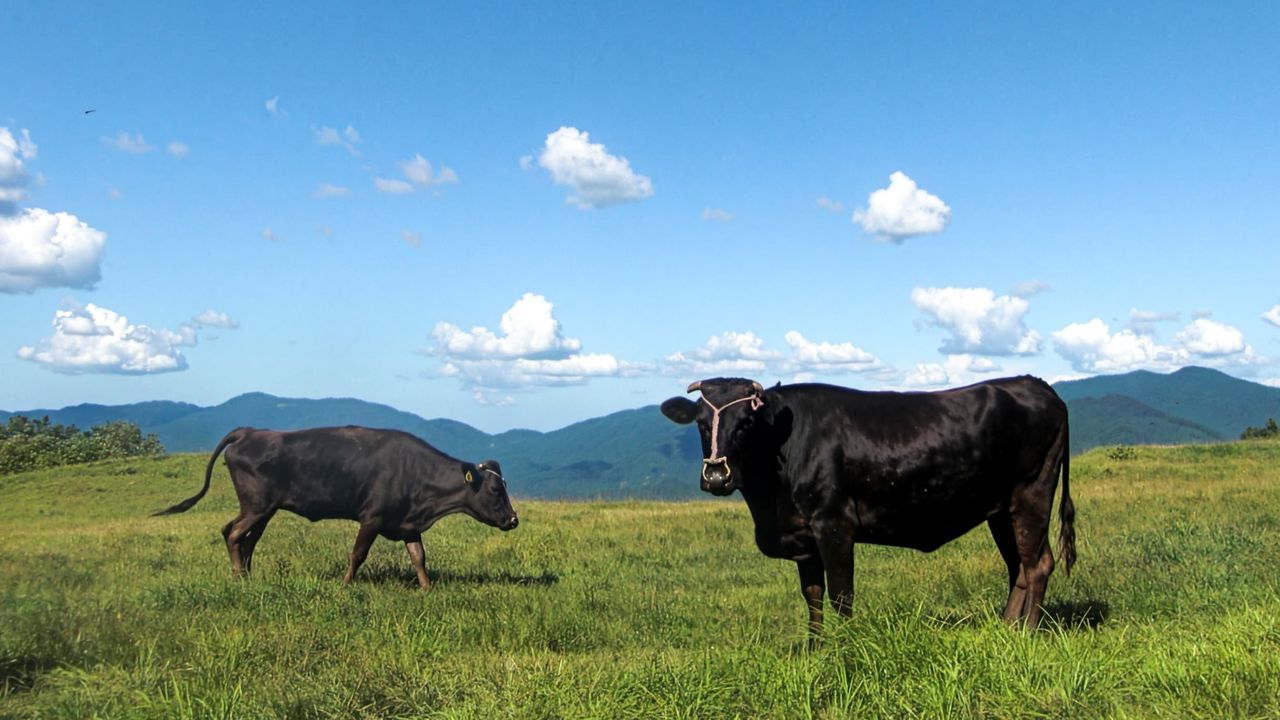
Wagyū brings to mind mouthwatering cuts of marbled beef soft enough that they seem to melt on the tongue. While the term today represents the pinnacle of premium beef, wagyū has surprisingly humble beginnings.
For most of Japanese history, cattle were beasts of burden used to pull carts and plow fields. Up until the end of the nineteenth century, the idea of eating such an important creature—or any animal for that matter as the consumption of animal flesh was prohibited under Buddhism—was unthinkable.
The rise of wagyū as “meat cattle” dates from the Meiji era (1868–1912), a period of rapid modernization that saw Western ideas and practices flood into Japan. While cattle remained important farm animals into the Taishō period (1912–1926), the consumption of beef and milk increased as Japanese culinary habits changed. To meet growing demand, native stocks were crossed with higher-yielding foreign breeds to produce cattle that provided labor as well as meat and dairy. The shift to breeds raised exclusively for their meat gained momentum in the postwar era starting in the 1950s, driven by the Japan burgeoning appetite for beef.
Today, there are four breeds that carry the official wagyū label: Japanese Black (Kuroge Washu), Japanese Brown (Akage Washu), Japanese Shorthorn (Nihon Tankaku Shu), and Japanese Polled (Mukaku Washu). With the liberalization of beef imports to Japan in 1991, Japanese ranchers intensified the focus on marbling (shimofuri) to differentiate their product from leaner foreign beef. Producers turned to Kuroge Washu, with its tender cuts interlaced with ivory veins of fat, and the breed now accounts for 98% of all wagyū cattle raised in Japan.
The Grandfather of Wagyū
The roots of wagyū lie in the Tajima ushi, a breed of beef cattle native to the Tajima region of northern Hyōgo Prefecture. In 1939, a bull was born at a farm in the Ojiro district deep in the mountains of Kami, a secluded area where pureblooded lines of Tajima cattle still remained, that would forever shape the trajectory of wagyū.
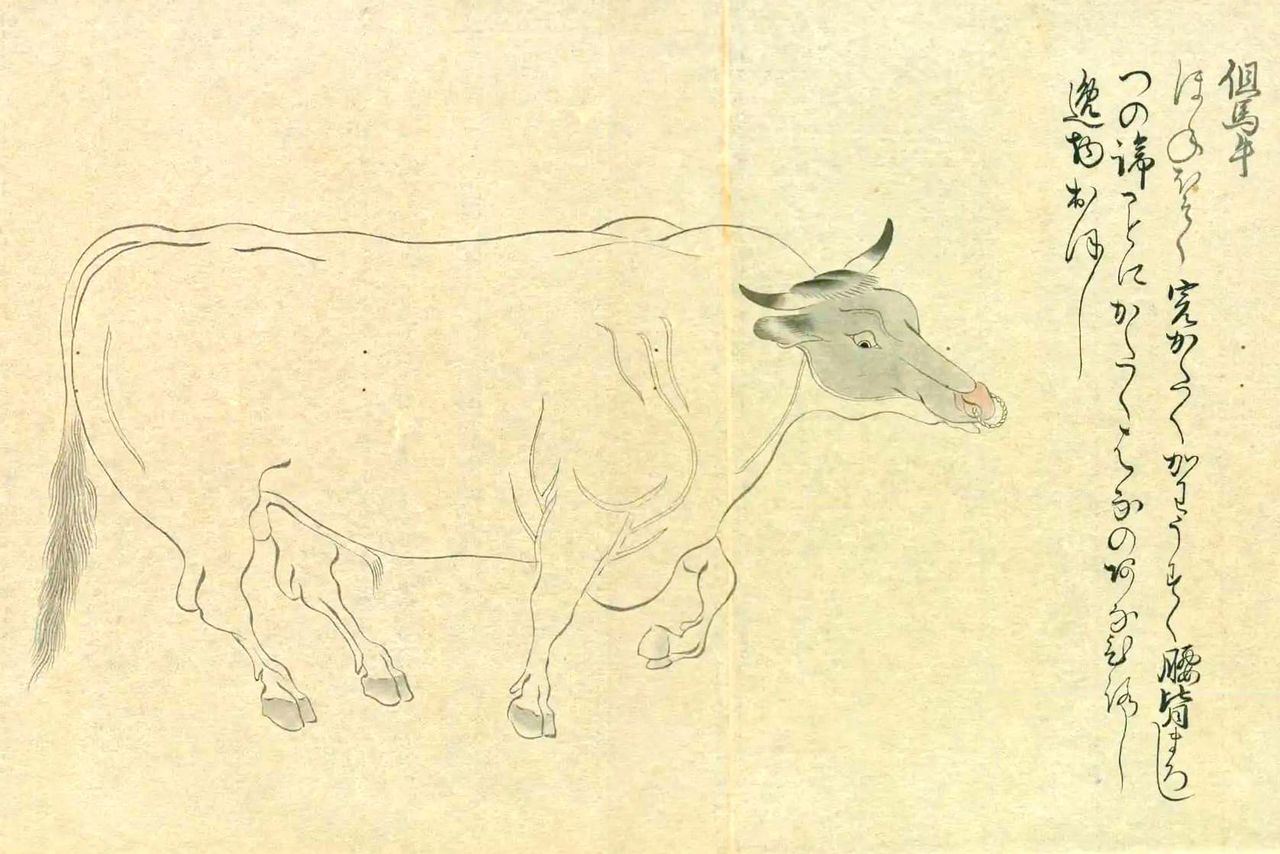
An illustration of the Tajima breed of cattle from Kokugyū jūzu (Ten Illustrations of Native Cattle) published in the late Kamakura period (1185–1333). Tajima cattle are described as having “fine bones, firm muscles, thin hide, and rounded backs.” (Courtesy the National Diet Library)
Named Tajiri-gō, the bull was the crown jewel of selective breeding for the traits of tenderness and marbling. According to his breeding registry, he sired 1,463 calves over his 15-year life, with the best of his offspring spreading his superior genes across the country.
In 2012, the Wagyū Registry Association conducted a survey that found that 99.9% of all female Kuroge Washu in Japan were descendants of Tajiri-gō, making the bull the founding ancestor of such premium wagyū brands as Matsusaka, Ōmi, and Yonezawa.
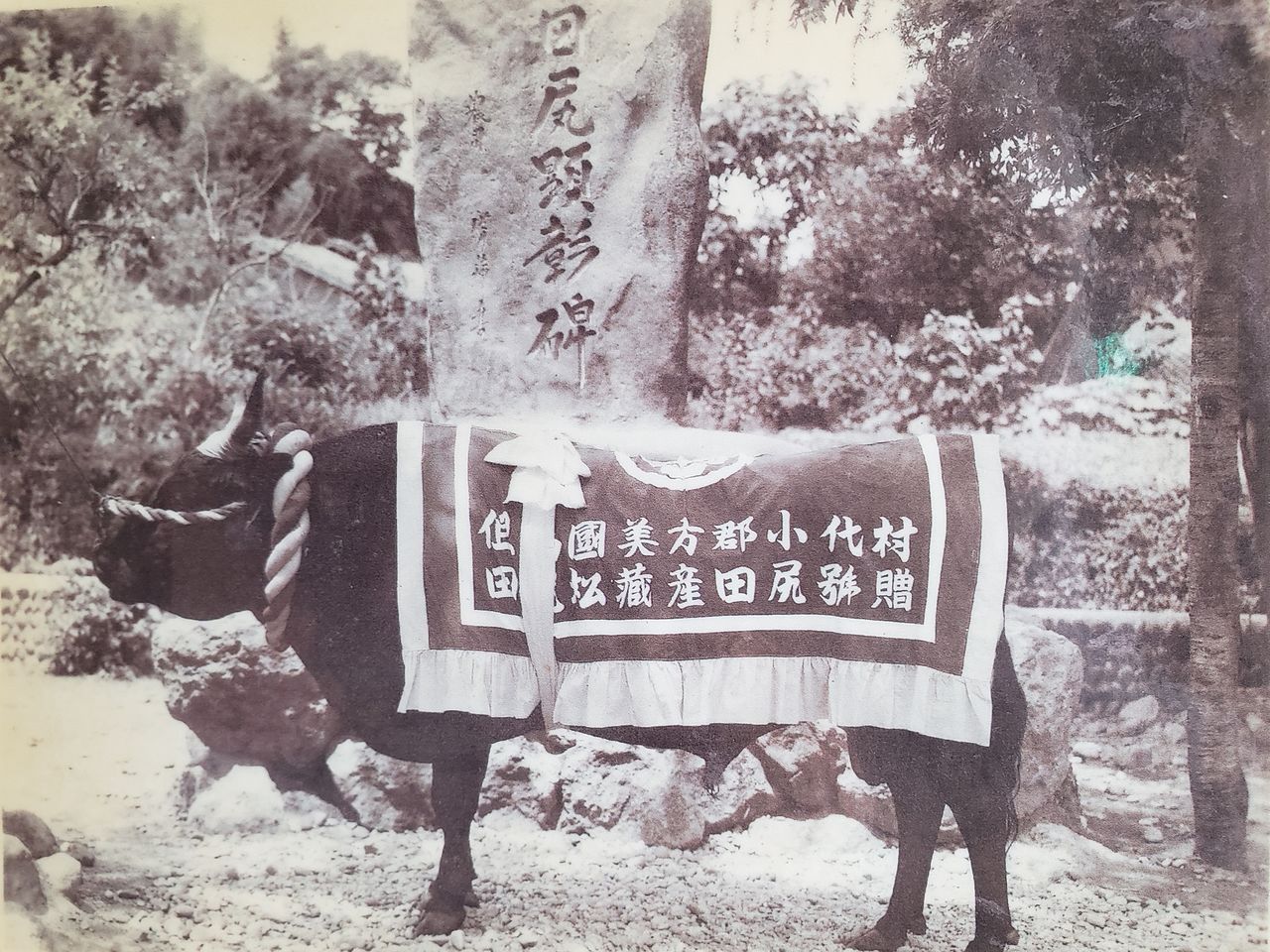
The legendary bull Tajiri-gō. (Courtesy the Ojiro Tourism Association)
Wagyū Breeds Spread Abroad
The Japanese government today strictly regulates the export of wagyū cattle and genetic material for breeding purposes. Prior to measures being adopted to protect the premium reputation and value of breeds, though, there was limited export to other countries for research and breeding.
In 1967, wagyū semen for artificial insemination was exported to Canada, and in 1976, two Kuroge Washu and two Akage Washu bulls were sent to the United States for animal husbandry research; the animals were later used to establish commercial herds in the country. Exports picked up pace in the 1990s, with 247 head of cattle and some 13,000 straws of semen being sent to the United States by the end of 1998 before Japan halted all exports to preserve its exclusive hold on breeds.
Australian ranchers began importing wagyū genetic material from Japan and the United States in 1989, which they used to improve native herds of beef cattle, creating hybrids exported globally under the wagyū name. Since the early 2000s, wagyū herds have also existed in Britain, Germany, and elsewhere.
The strict enforcement of quality standards and genetic purity of cattle are the backbone of Japanese wagyū. However, the regulation of bloodlines overseas is not always as stringent, and in many places, meat from hybrid cattle is marketed as wagyū even if the level of marbling and tenderness is far short of the real thing.
Brands in Japan maintain their own strict breeding and quality criteria above and beyond the already rigorous national standards. The designation of Tajima cattle, for instance, is reserved solely for cows and bullock born in Hyōgo from pure lineage that are between 28 and 60 months old and meet the minimum meat-quality standards. Kobe Beef, which in the United States is considered as the absolute pinnacle of premium beef, enforces even stricter standards on Tajima cattle, including requiring cows to be virgin heifers.
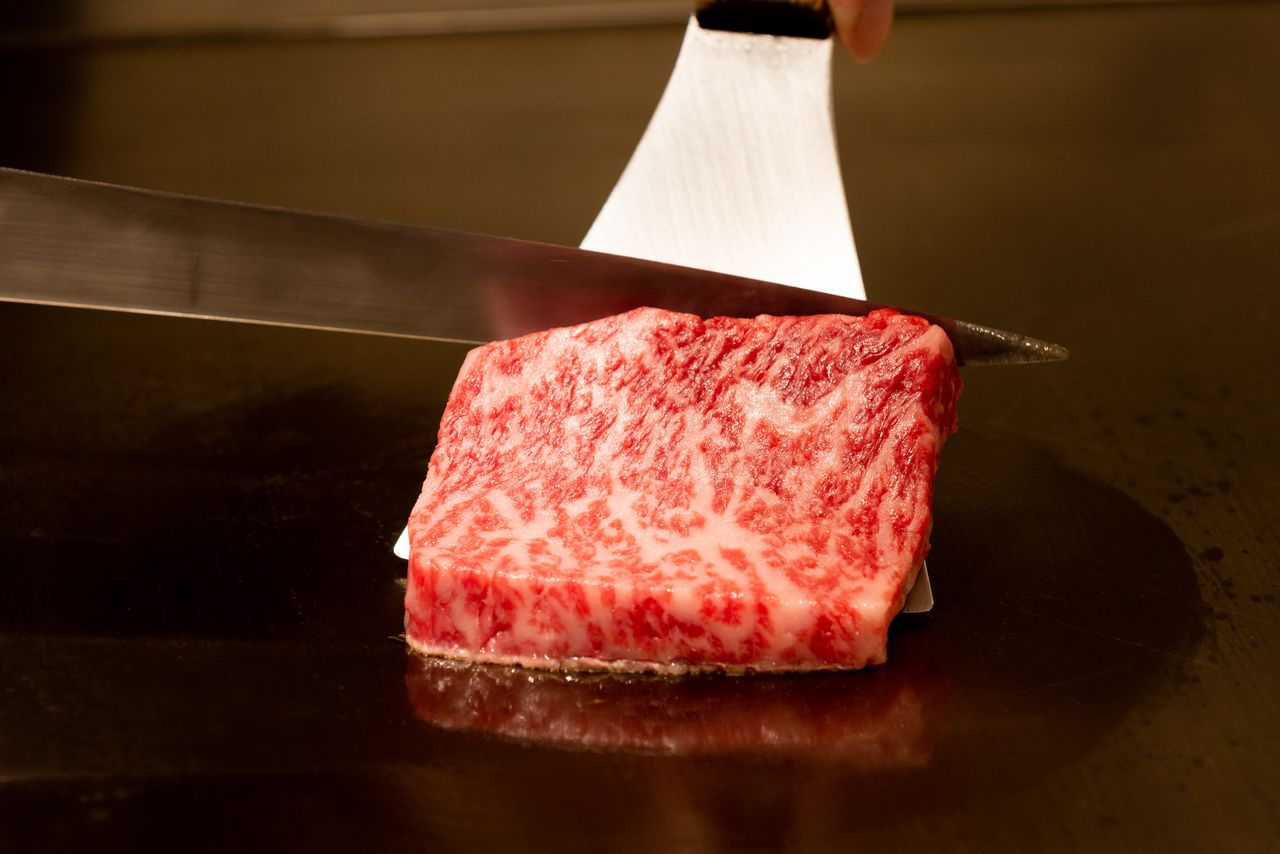
A cut of marbled Kobe Beef sizzles on the grill. (Courtesy the Kobe Tourism Bureau)
Data Sources
- 9% descended: Ojiro and the roots of wagyū (Japanese) from the Kami Tourism Site
- Cattle breeding in remote Atsutazuru; The lineage of Tajiri-gō and genealogy of Tajiri-gō cattle (Japanese) in the Wagyū no Seichi series from Atsuta Ojiro website
- The birth of the Japanese black: Tajima’s Tsuru cattle and the legacy of breeding (Japanese) from the Ōshū Cattle Museum
(Originally published in Japanese. Reporting and text by Yamada Michiko. Banner photo courtesy the Kami Tourism Committee.)