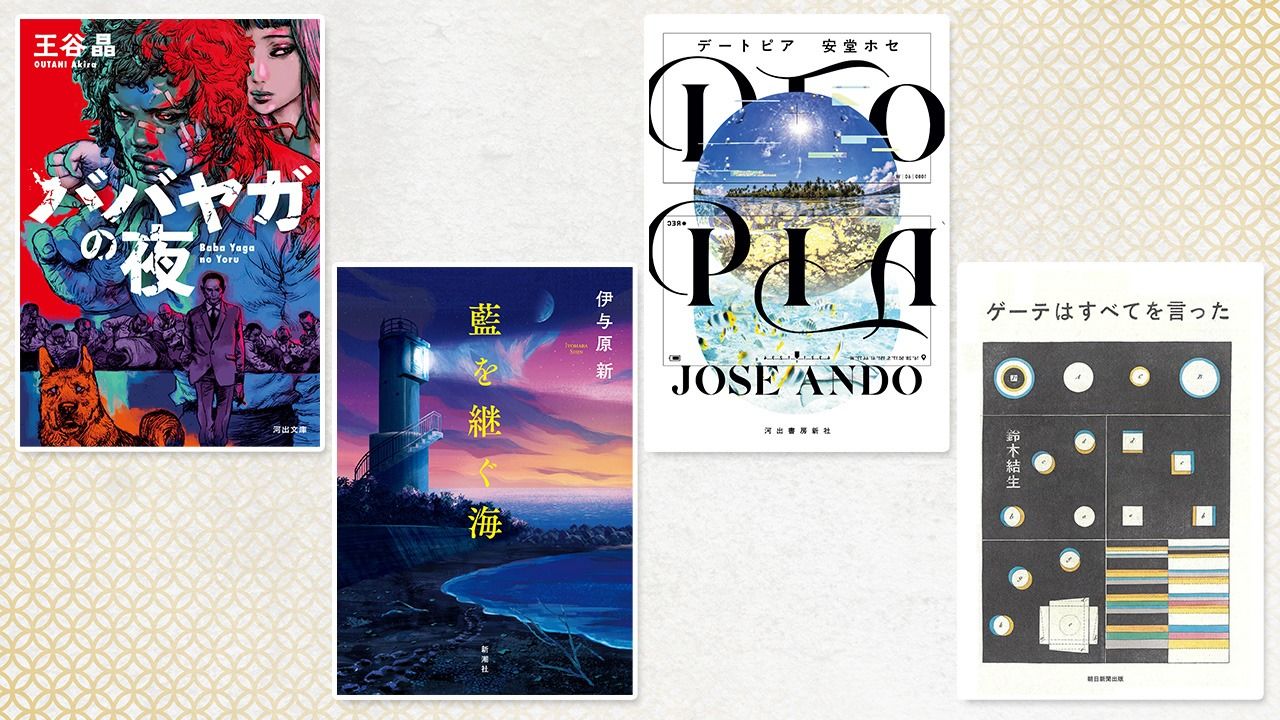
Japan’s Prizewinning Books of 2025
Books Culture- English
- 日本語
- 简体字
- 繁體字
- Français
- Español
- العربية
- Русский
CWA International Dagger
In 2025, The Night of Baba Yaga, translated by Sam Bett from a book by Ōtani Akira, became the first Japanese winner of the CWA International Dagger, a British mystery prize for novels in translation. This hard-boiled story was originally published in Japanese in 2020.
The main character Yoriko received intense training in fighting from her grandfather since she was a girl, and grew up with a taste for violence. She spends her days in bloody brawls with hard-faced men. One day, a crowd of gangsters beats her up and takes her forcibly to their leader’s mansion.
The boss, known through Tokyo as a tough guy, hires Yoriko as a bodyguard for his beloved only daughter, who attends a prestigious girls’ school. The girl is engaged to marry the head of another gang with whom her father has made an oath of brotherhood, but the man is a sadist who derives pleasure from cold-blooded killing.
As Yoriko and the girl start to get on, a tight corner leads to startling developments. Perhaps it is not surprising that the book found fans in the West where violent action films with superwomen stars, like Kill Bill, have emerged.
- The Night of Baba Yaga by Ōtani Akira, translated by Sam Bett from Baba Yaga no yoru
Naoki Prize
Unusually, the judges failed to choose a winner for both the Naoki Prize (for popular fiction) and the Akutagawa Prize (for “new” writers considered not yet to be established) in July 2025, as no book showed a decisive edge.
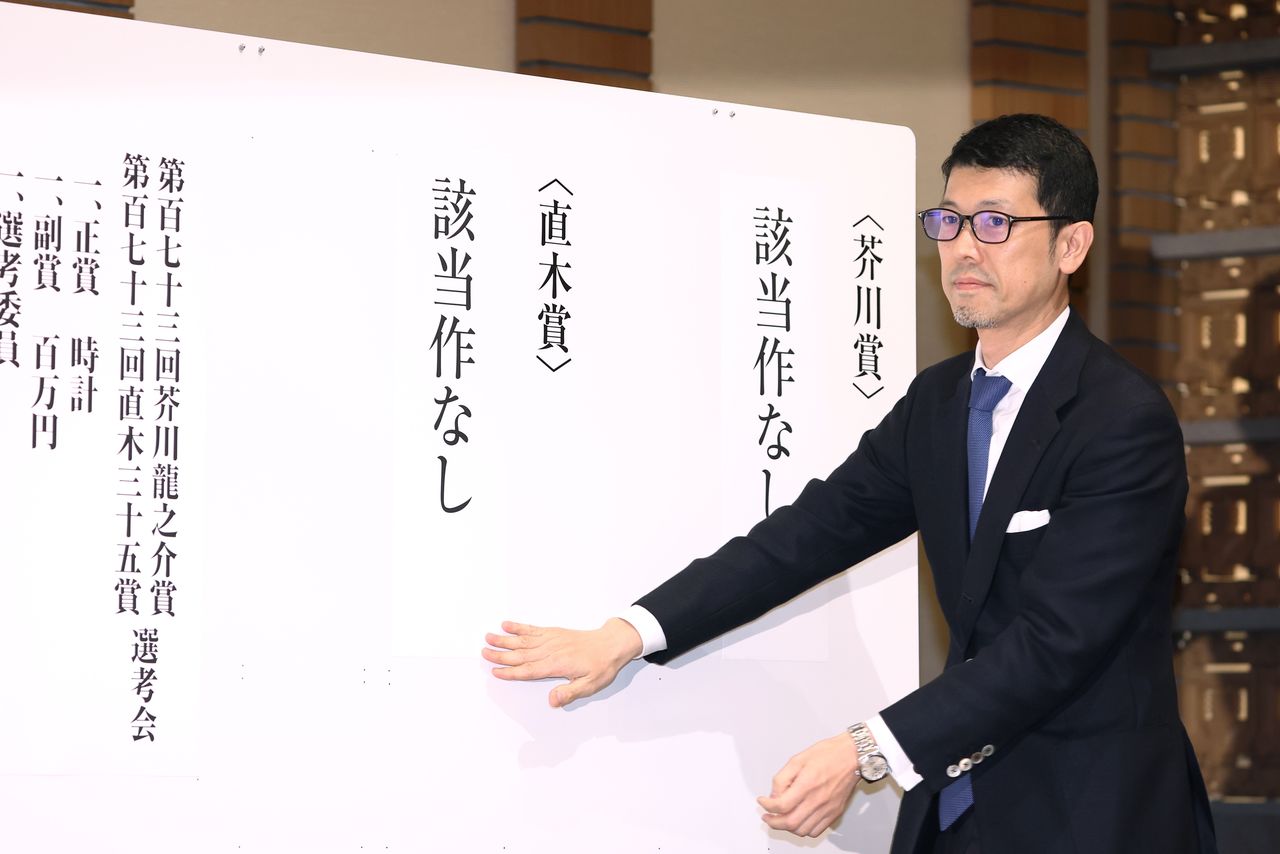
Organizers announce that there is no winner for either the Akutagawa Prize or Naoki Prize on July 16, 2025. (© Jiji)
In January, the Naoki Prize went to Iyohara Shin for his The Sea Inherits Indigo, a collection of five short stories. The title story is set on a beach in Tokushima Prefecture, where loggerhead turtles come ashore to lay eggs. Satsuki is an eighth grader living with her grandfather, a former fisherman. She secretly takes the eggs from the protected beach and tries to raise them by herself.
Head offshore, and the dark indigo Kuroshio Current looks almost like a river. The turtles ride this current to travel as far as the American continent before returning after decades to the beaches where they were born. The story skillfully weaves in scientific details as it unfolds.
- Ai o tsugu umi (The Sea Inherits Indigo) by Iyohara Shin (January)
- No winner in July
Akutagawa Prize
The Akutagawa Prize was shared by two authors in January. Andō Jose was one of the winners for his Dateopia. The title refers to the name of a dating reality show within the story in which 10 men from around the world compete to win the heart of a white Miss Universe on the island of Bora Bora. They include Iya Kisui, a contestant from Japan.
The competition takes a tumultuous turn when Miss Universe comments that there are no black contestants, and further complications come with the arrival of Momo, who has a complex past relationship with Iya. This is an ambitious work that takes on race and gender issues.
The novelist Ogawa Yōko, acting as one of the prize’s judges, described the work as like “a shower of cold blood, with no room for comforting sentimentality.”
- Dtopia (Dateopia) by Andō Jose (January)
- Gēte wa subete o itta (Goethe Said It All) by Suzuki Yūi (January)
- No winner in July
Japan Booksellers’ Prize
Chosen through a vote by bookstore employees throughout Japan.
- Kafune (Cafuné) by Abe Akiko
Yoshikawa Eiji Prize
Awarded for outstanding popular fiction.
- Hakobune o moyasu (Burning the Ark) by Kakuta Mitsuyo
Konomys Award
A prize for the top-ranked book in the annual list compiled for the Kono misuterī ga sugoi (This Mystery is Amazing!) guide.
- Ushinawareta kao (Lost Identity) by Sakurada Tomoya
Shinchō Document Award
For superb nonfiction.
- Boku ni wa tori no kotoba ga wakaru (I Can Understand Bird Language) by Suzuki Toshitaka
The Bestsellers of 2025
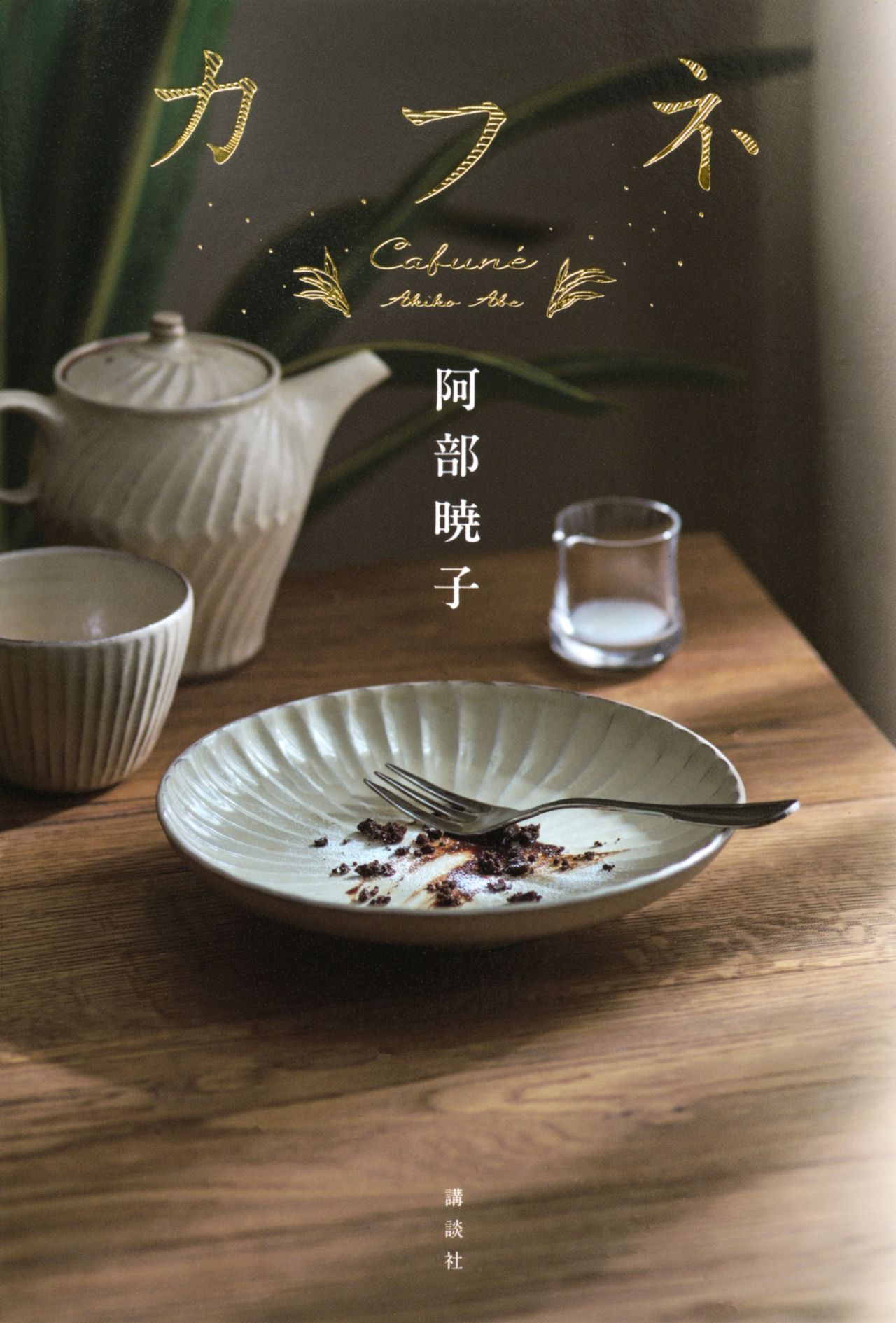
The cover of Cafuné by Abe Akiko, which won the Japan Booksellers’ Prize. (© Kōdansha)
Cafuné was the year’s bestselling fiction book in the tankōbon format for new publications. The fourth-place entry, Sesuji’s About a Place in the Kinki Region (also made into a film), is set for English publication in January 2026 in a translation by Michael Blaskowsky. The ranking is according to major distributor Nippon Shuppan Hanbai.
- Kafune (Cafuné) by Abe Akiko
- Hen na chizu (Strange Maps) by Uketsu
- Nazo no kaori wa pan’ya kara (The Osaka Bakery Mysteries) by Tsuchiya Usagi
- Kinki chihō no aru basho ni tsuite (About a Place in the Kinki Region) by Sesuji
- Masukarēdo raifu (Masquerade Life) by Higashino Keigo
(Originally published in Japanese. Banner photo: Prizewinning books in 2025: From left, Baba Yaga no yoru [The Night of Baba Yaga], Ai o tsugu umi [The Sea Inherits Indigo], Dtopia [Dateopia], and Gēte wa subete o itta [Goethe Said It All]. Courtesy Kawade Shobō Shinsha, Shinchōsha, Kawade Shobō Shinsha, and Asahi Shimbun Publications, respectively.)