New Japonisme: The Global Appeal of Japanese Culture
Books Culture- English
- 日本語
- 简体字
- 繁體字
- Français
- Español
- العربية
- Русский
Manga Bring Hope and Inspiration
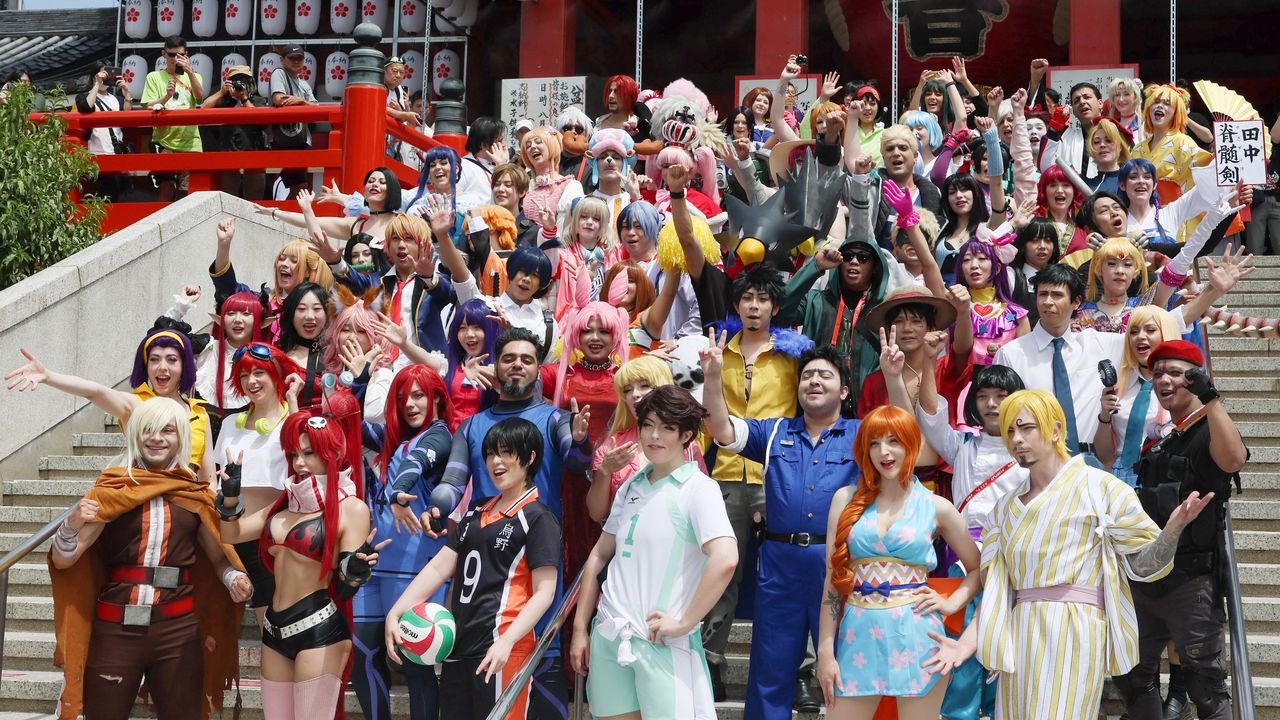
Japanese manga have a unique appeal that makes them quite distinct from, for example, American or French comics. This distinctively Japanese “feel” has turned manga and other aspects of Japanese popular culture into a beloved aspect of millions of lives around the world. Manga are read, studied, appreciated, and engaged with passionately in ways most people in Japan can scarcely imagine. A new Japanese book Why the World is Crazy About Japanese Culture, based on an NHK series, examines the country’s global appeal.
A concert of Japanese anime songs has been held in war-torn Kyiv, Ukraine. Local children, forced to seek refuge in underground air-raid shelters, apparently pass the time watching Japanese anime downloaded onto their tablets and phones. As one mother put it: “When we had no choice but to pass time in a shelter, the anime helped reduce the children’s stress and anxiety. Japanese anime were an enormous help and a source of comfort to us during this difficult time.”
Japanese manga are also popular in Indonesia, the world’s most populous Muslim-majority country, even though some manga tackle subjects that would be considered taboo or even punishable under Islamic law. One type of manga that has been quietly gaining popularity, despite the generally conservative social climate, is the “boys’ love” (BL) genre depicting romantic relationships between men. Inspired by Japanese manga, some people in Indonesia have started creating their own BL works. Manga are not only passive entertainment. They have become a source of creative inspiration, driving the emergence of new cultural expressions far beyond Japan’s borders.
In Zimbabwe, a country where many people still grapple with poverty, manga and anime have been gaining popularity since around 2000, when the national broadcaster launched a sub-channel, making Japanese anime affordable and accessible to local children. One show that especially captivated audiences was Rurouni Kenshin, an action-packed series set in Japan during the turmoil of the late nineteenth century. With its thrilling sword fights and dramatic battles, the series kept kids hooked, capturing the minds and imaginations of a whole generation of Zimbabwean children.
One Piece, which tells the swashbuckling adventures of a young pirate and his crew, has been sold in translation in more than 60 countries and regions, and has worldwide circulation of more than 500 million copies. Why the World. . . describes a comic artist in Zimbabwe telling how he was moved to tears as a high school student by the hero’s selfless determination to save his friends, even at the risk of his own life.
What is it that has made Japanese manga so beloved worldwide? US Professor Susan Napier, who has studied Japanese culture for more than 40 years, says that the characters seem more real than those in Hollywood movies. Japan has also come to be seen as less exotic, and more of a familiar presence.
Japanese Cuisine as Global Phenomenon
There are around 190,000 Japanese restaurants around the world, a number that has tripled in the past decade. Around 90% of these have non-Japanese owners. It is no longer uncommon to find izakaya-style restaurants in cities around the world, where local staff greet customers with an enthusiastic irasshaimase in Japanese.
In Riyadh, Saudi Arabia, a Japanese restaurant opened in 2024 in the heart of the bustling financial district, which jostles with businesspeople and tourists from around the world. The restaurant is part of a global chain run by a German chef. The menu features a spicy twist on classic edamame, alongside comfort foods like yakitori and upscale options like ise-ebi lobster and wagyū steaks, priced at the equivalent of ¥20,000.
The company behind the restaurant operates 25 Japanese restaurants worldwide, with total sales of approximately ¥35 billion. The German owner first discovered izakayas 30 years ago, while working as a chef at a high-end Tokyo restaurant. Invited to a local izakaya by a co-worker, he was struck by the lively, bustling atmosphere, which was a stark contrast to the refined elegance of his own restaurant. “It was loud, crowded, and fun. It made me realize that Japanese food culture is the perfect match for contemporary lifestyles.”
The foundational ingredients and techniques of Japanese cuisine are spreading around the world—including in some unexpected places. In France, Japanese influence is even making its mark in some of the country’s finest restaurants, known for their staunchly traditional French cuisine. It turns out that some of the sauces served in these acclaimed restaurants are made with dashi, a classic Japanese stock made from kelp and bonito flakes.
Elsewhere, a fish shop renowned for the quality and freshness of its seafood has taken to processing fish using the traditional ikejime method by which fish are killed instantly by spiking, preserving flavor, preventing spoilage, and keeping the flesh from falling apart. This technique has also helped expand the range of fish available for the kitchen, transforming local species that were previously shunned for spoiling quickly into delicious, sought-after ingredients.
Professor Eric C. Rath, who specializes in Japanese food culture, notes the impact Japanese food is having, influencing chefs around the world. As well as being appreciated for its taste, Japanese cuisine is also driving innovation and evolution in global culinary traditions.
Finding Value in Imperfection
Japanese-style design, characterized by an artisanal approach, is another aspect of Japanese culture that has captured the imaginations of people around the world. One case in point is kintsugi, a technique that involves repairing broken porcelain with lacquer and highlighting the cracks with gold or silver powder. This method, which was invented during the Muromachi period (1333–1568) as a way of repairing the precious tea bowls used in the tea ceremony, reflects the traditional Japanese reverence for age and imperfection. Instead of simply discarding broken items, kintsugi elevates them, accentuating the cracks and transforming them into a source of new esthetic appreciation.
Classes on the technique are increasingly popular in France and the United States. Once repaired using kintsugi, even a mass-produced glass tumbler can be transformed into a one-of-a-kind piece to cherish.
Kintsugi offers an even deeper significance. In medical settings, some caregivers have taken to showing patients items that have been repaired with kintsugi as a way of offering hope: “Don’t worry. Once you’re healed, you’ll feel and look even better than you were before.” In this way, a technique developed for patching up old tea bowls gives people the fortitude to endure illness and grief and move on. At least one culture expert has been invited by hospitals to speak about kintsugi to patients.
There are doubtless times when Japanese people look at what is considered “Japanese” in other countries and think, “That’s not quite the real thing.” But Japan’s diverse cultural output has evolved in countless different ways around the world, adapting to local contexts and conditions.
And who knows what the future may hold? In 100 years, according to an intriguing prediction made in this book, the culture that captivates future generations of Japanese may well be itself derived from the “New Japonisme” we are witnessing today. We may be seeing the beginnings of a vibrant new culture born of the global evolution of Japanese influences and their offspring in different places around the world.
Perhaps the ones least aware of the true value of Japanese culture are the Japanese themselves.
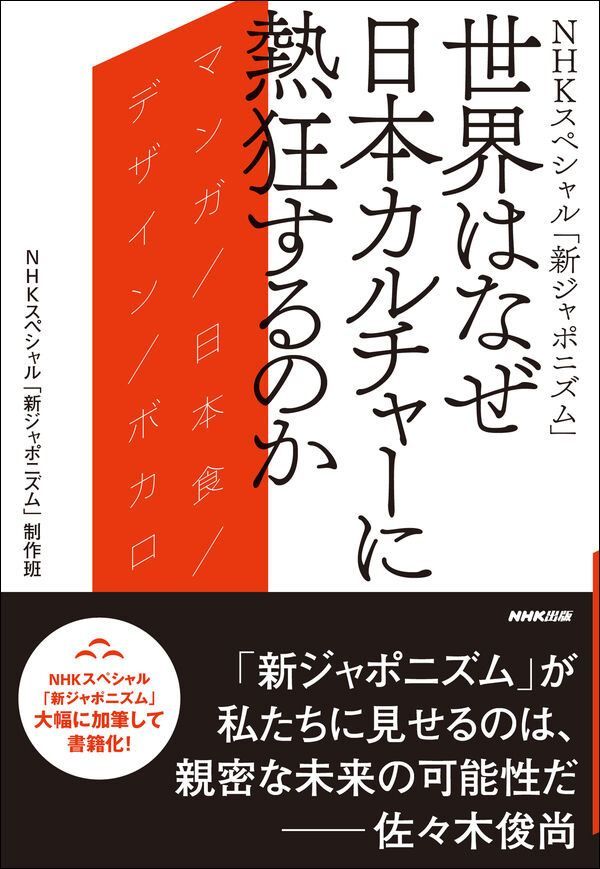
Sekai wa naze Nihon karuchā ni nekkyō suru no ka (Why the World is Crazy About Japanese Culture)
Published by NHK Publishing in 2025
ISBN: 978-4-14-081999-9
(Originally published in Japanese on January 30, 2026. Banner photo: Participants from 33 countries and regions pose during the World Cosplay Summit 2023 in Nagoya, Japan. © Jiji.)