“Darkness”: Kirino Natsuo’s Hard-Boiled Heroine Returns After 20 Years
Books Culture- English
- 日本語
- 简体字
- 繁體字
- Français
- Español
- العربية
- Русский
Kirino Natsuo leaped to international prominence in 2004, when her novel Out (translated by Stephen Snyder) was the first work by a Japanese author to be nominated for an Edgar Award, the prestigious international prize presented by the Mystery Writers of America. Although Out ultimately did not win the award, it has remained a big hit with readers.
Her career began with Rain Falling on My Face, which won the Edogawa Ranpo Prize in 1993. Praised for its vivid world-building and memorable female protagonist, the novel turned out to be the first installment in a popular series. Five volumes were published in all, through to Dark in 2002.
Two Decades Later, Miro is Back
Following her breakthrough in Japan with Out, Kirino won the Naoki Prize in 1999 for Soft Cheeks. Since then, she has remained one of Japan’s leading writers, producing a series of novels that combine popular appeal with a strong literary sensibility. Debut novels are special for authors though. It is tempting to say that they contain the seeds of everything that develops in the subsequent fiction.
More than 20 years later, Kirino’s debut series has returned. Given the devastating ending of Dark, most readers must have assumed that the series had come to a close and that they had seen the last of the series’ solitary heroine, female detective Miro.
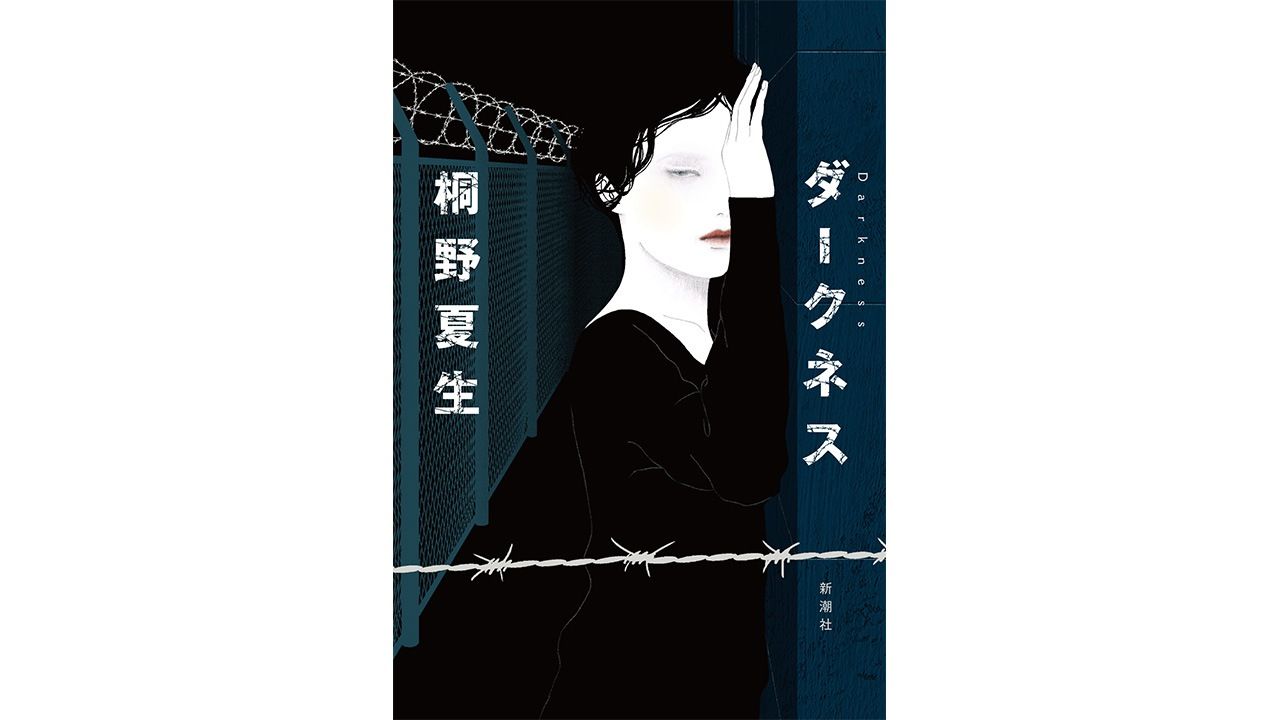
But Miro is back. After a long, long silence, she returns to stand before readers again in Darkness. What has she been doing all this time?
Now 60 years old, the former detective has been living in hiding in Okinawa, waiting for the day when her beloved husband Jinho will be released from prison. In the previous novel, Miro is driven to flee after the death of her father-in-law Murano Zenzō, pursued by his common-law wife Hisae and Jeong, a yakuza and long-time crony. With the help of Jinho, a Korean man, she escapes to Seoul. There she falls deeply in love with the man who saved her life. Jinho is paralyzed from the waist down protecting Miro from her pursuers and although the two eventually make it back to Japan, he kills two of the men pursuing them and is sentenced to 20 years in jail.
Miro’s struggles do not end there. During their flight, she is raped by Yamagishi, a man with close connections to Jeong. She kills her attacker in a fit of rage, only to find herself pursued by his brother, another shady figure from the criminal underworld. To make matters worse, she finds that the assault has left her pregnant. After painful deliberation, she decides to keep the child and goes into hiding in distant Okinawa with her infant son.
That was the story told in Dark, the previous installment in the series.
Even before that, the series had been acclaimed for its unflinching portrayal of the dark side of society, the violence of the underworld, and the anger of women forced to live in a society that repressed and demeaned them. It won plaudits not only as a female take on hardboiled fiction but as a socially engaged mystery series. But the novel’s extreme scenes and developments went further than ever before in laying bare the terrifying power of deep-seated anger and left no doubt about the author’s determination to expose the depths of darkness in the human heart. Some readers felt that Miro had transformed into a different character in the course of the novel.
Darkness opens with Miro awaiting Jinho’s imminent release. Her son Haruo is now 20 years old and studying medicine in university. To evade her pursuers, Miro has cut herself off from society and has revealed nothing of her past to her son. But when Haruo visits Jinho shortly before his release, this opens Pandora’s Box once more and Miro steps back into the darkness.
After Haruo learns the secret of his birth, he recoils from his mother in shock. Meanwhile, Jinho reveals that rather than spending the rest of his life with Miro, he hopes to return to the family he left behind. As Miro seems to see everything she values slipping away, Hisae and Yamagishi’s brother close in once more, burning with hatred. These developments are powerfully depicted with depth and gravity.
Having lost hope in his future, Haruo seeks refuge with his uncle, Yamagishi’s brother, only to be deceived and left fighting for his life. When Miro learns what has happened, she resolves to take revenge once and for all on the evil that has controlled her life, and heads into enemy territory for a final showdown . . .
At this point, the novel’s central concern becomes unignorable: no matter how deeply people may love each other, time brings inevitable change, and sooner or later tears people apart. This is the unescapable reality. And Miro finds herself alone once again.
One of the major themes running through Kirino’s work is the oppression and discrimination that women have to put up with in modern Japanese society, together with the anger and resistance that this injustice produces. The intensity of that anger drives her characters to dramatic extremes, and many of her novels are mysteries and hardboiled narratives that emphasize the darker aspects of human life. None of her novels embody this tendency more clearly than the Miro series, which in that sense can be regarded as representative of her work as a whole.
On the other hand, the sharp gaze that Kirino fixes on society and the people who live in it gives her fiction a highly contemporary feel and produces distinctly twisted fictional worlds unlike any other. Her dystopian novel Sunset, for example, which imagined an authoritarian regime where writers are forced into rehabilitation camps to churn out government propaganda, created a sensation when it appeared in Japan in 2020. Even as a new generation of Japanese women writers gains international recognition, Kirino Natsuo continues to occupy a central position among them.
- Kirino Natsuo’s Out is translated by Stephen Snyder. Kao ni furikakaru ame (Rain Falling on My Face), Dāku (Dark), Yawarakana hoho (Soft Cheeks), and Nichibotsu (Sunset) are untranslated.
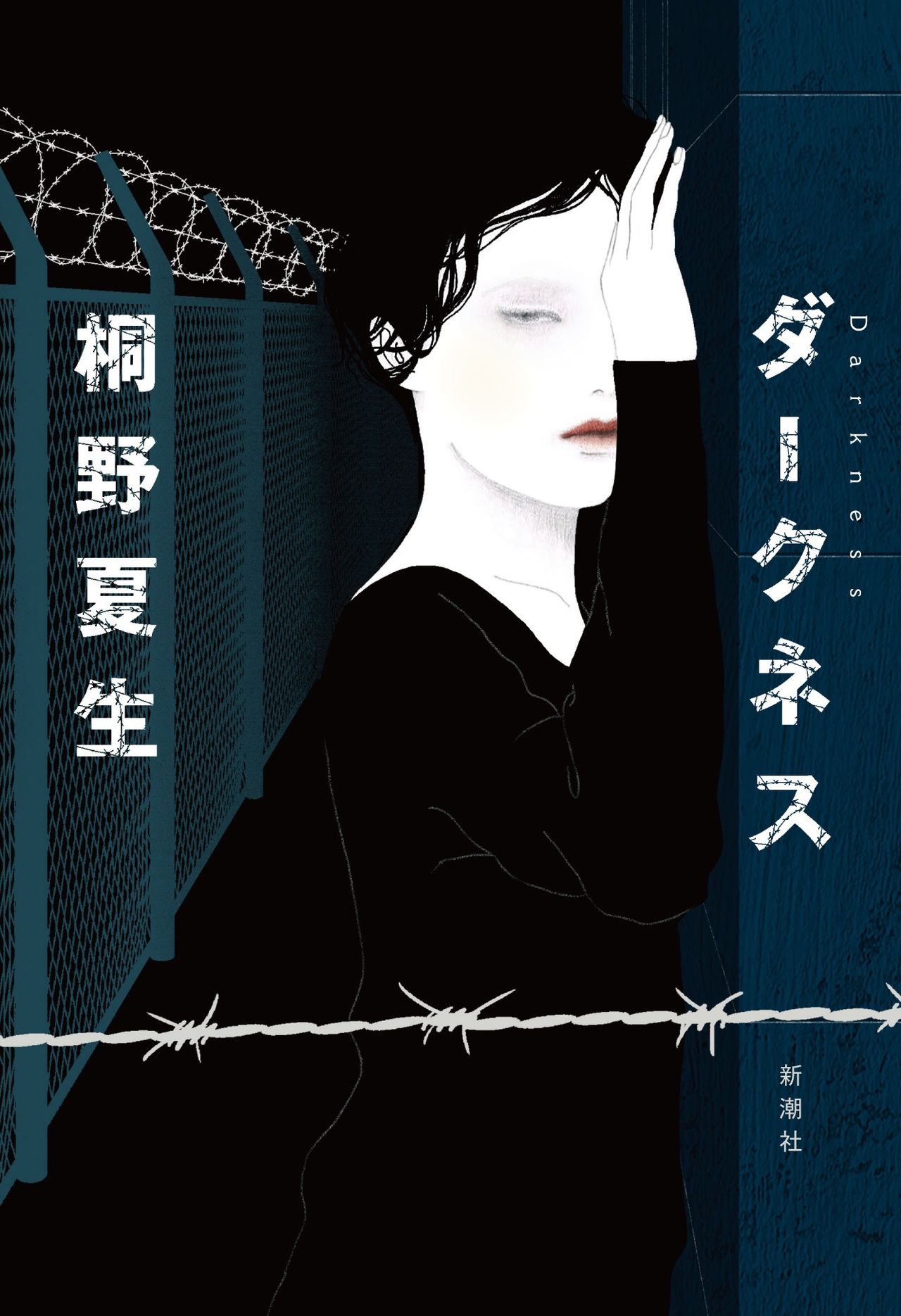
Darkness
By Kirino Natsuo
Published by Shinchōsha in 2025
ISBN: 978-4-10-466705-5
(Originally published in Japanese. Banner photo © Shinchōsha.)