An All-New Theatrical Constellation from Author Ogawa Yōko
Books- English
- 日本語
- 简体字
- 繁體字
- Français
- Español
- العربية
- Русский
Fireflies of the Theater
“Who would ever imagine that inside this building—facing the moat of the Imperial Palace, seeming to blend with the surrounding structures of the Marunouchi business district—there exists another world created out of darkness and light, a vivid world of life and swirling impressions?” So writes Ogawa Yōko at the beginning of this new collection of stories.
The Teikoku Theater opened in March 1911, at the very end of the Meiji era. The original building, given the grand Japanese name for “Imperial,” was demolished in 1965, and the theater was reborn as part of a mixed-use commercial building in September the following year. The theater we see today is this later incarnation. In 2022, another major rebuild was announced, and the theater closed in February 2025. The new structure is scheduled to be completed in 2030.
This volume consists of eight short stories set in and around the Teikoku Theater of the 1980s. Let’s begin our discussion by introducing the first story, “Hotaru-san e no tegami” (A Letter to Miss Firefly).
After her father dies at the age of 74, Sawako is sorting through his belongings when she comes across a program for Fiddler on the Roof in a desk drawer. The pamphlet is from a production at the Teikoku Theater in the winter of 1978, with Morishige Hisaya playing the part of Tevye, the main character.
Sawako struggles to imagine her father attending the theater. For one thing, he was totally blind. From between the pages falls an envelope addressed as coming from an usher at the Teikoku Theater, along with a ticket dated December 17.
The story’s perspective alternates between Sawako and a young woman who has just started a job as an usher at the Teikoku. Having laboriously committed to memory the complicated layout and labeling scheme of the theater’s 1,800-plus seats, she waits for an appropriate moment to guide an elderly latecomer to her seat by the faint glow of a penlight. On her way home after the performance, the woman goes out of her way to say thank you, and incidentally gives the usher her nickname. “Goodbye, and thank you, Hotaru-san,” she says, addressing her with the Japanese word for firefly.
At a matinee performance in December 1978, Hotaru gently takes the arm of a blind man in his mid-sixties and guides him to his seat. “I’ll come again at the interval and after the performance. If you’d like to shop for souvenirs or visit the restroom, just let me know.” When she comes to escort him from his seat at the end of the performance, she finds the man in tears.
Sawako lost her mother at an early age and grew up with just her father. She graduates from junior college and becomes a nutritionist. After her father loses his eyesight in middle age, he decides to take early retirement and moves into a specialist care facility, not wanting to be a burden on his daughter. In November 1978, at the age of 36, Sawako gets married.
Why did her blind father go to see Fiddler on the Roof the month after the wedding of his only daughter? Reading the program, Sawako starts to understand—and makes up her mind to open Hotaru’s letter, which she has so far hesitated to read.
This opening piece sets the scene wonderfully and whets the appetite for the rest of the book. Throughout the collection, the stories weave mystery and a sense of quiet strangeness, drawing the reader into the pleasures of Ogawa’s fictional worlds.
The Attraction of the Stage
“This place exudes a quiet dignity that has little in common with the splendor of the grand venues in European capitals like Paris or Vienna. The reddish-brown exterior reminds you of the color of the earth itself, and makes you want to press your cheek against the walls,” Ogawa writes.
In all the stories, the main focus of attention is not the actors on stage but the ushers, stagehands, rehearsal pianists, elevator attendants, dressers, interpreters, and other support staff who work behind the scenes to make the performances possible.
Alongside the enjoyment of learning about the tasks these individuals perform, the reader is also likely to be struck by how hard they work to ensure the success of each show. The stories provide an insight into the structure of the Teikoku Theater building and give a glimpse of the hustle and bustle that fills the venue in the leadup to every performance.
At the same time, the author turns her eye on the audiences. Why do people come to the theater? Some of the most frequently performed theatrical hits of recent decades form an important part of the backdrop to the stories. Fiddler on the Roof, Gone With the Wind, Mozart!, Miss Saigon, Les Misérables . . . There is something in these beloved shows that draws Ogawa’s characters to the theater . . . something that resonates with the emotional landscape of their own lives.
The author seems to regard the theater as a microcosm of life itself. Perhaps we are all performing a role, whether it be centerstage or behind the scenes. Each of us is an indispensable “star” within the larger constellation.
This is not the first time Ogawa has turned to the theater for inspiration. In 2022, she published Tenohira ni nemuru butai (A Stage that Sleeps in the Palm of Your Hand), another collection of stories that dealt with the stage and depicted people who lived on the fragile border between fiction and reality. This earlier book, which includes a mysterious and evocative story about Les Misérables and the Teikoku Theater, would make an ideal companion piece to the author’s latest collection.
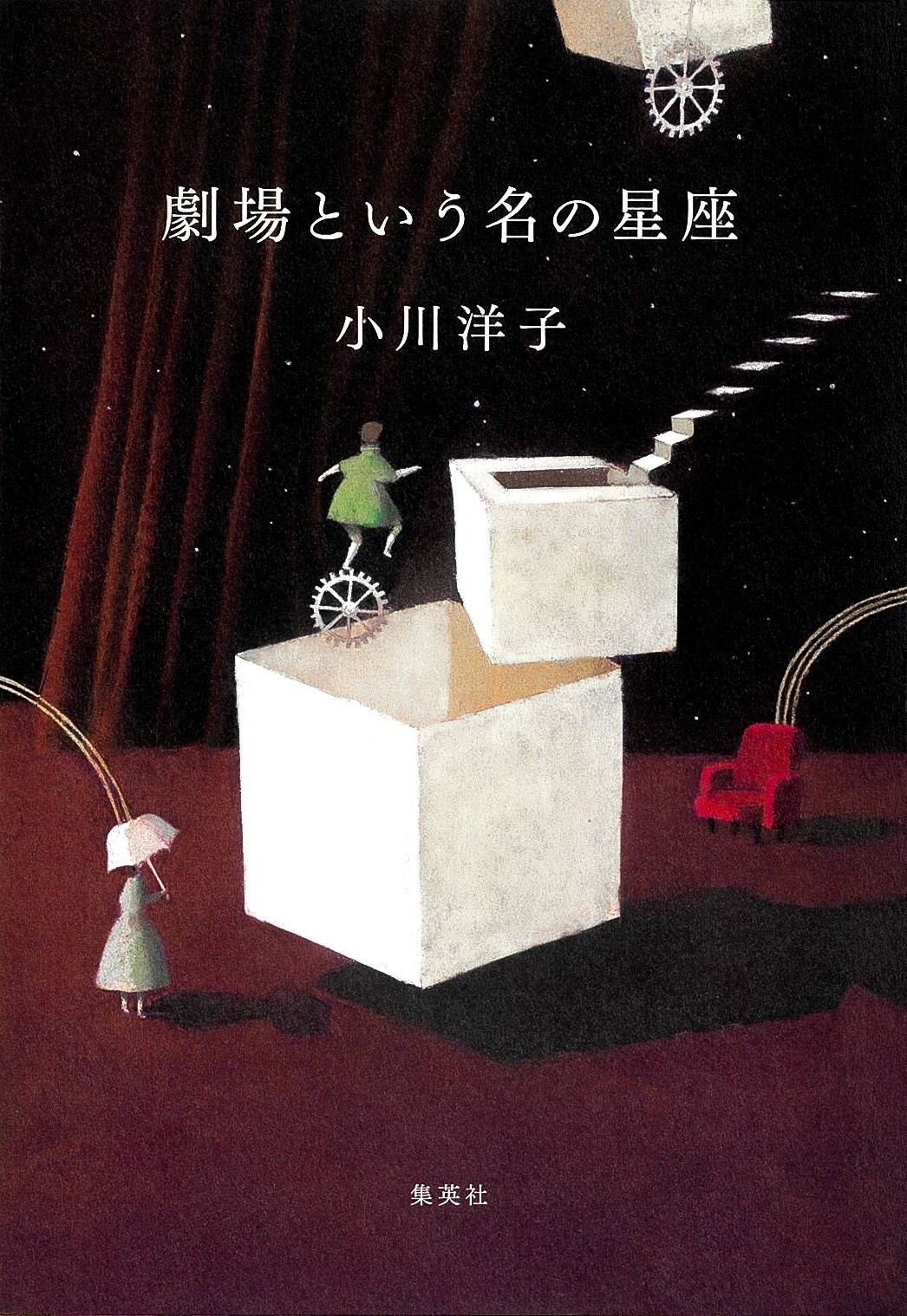
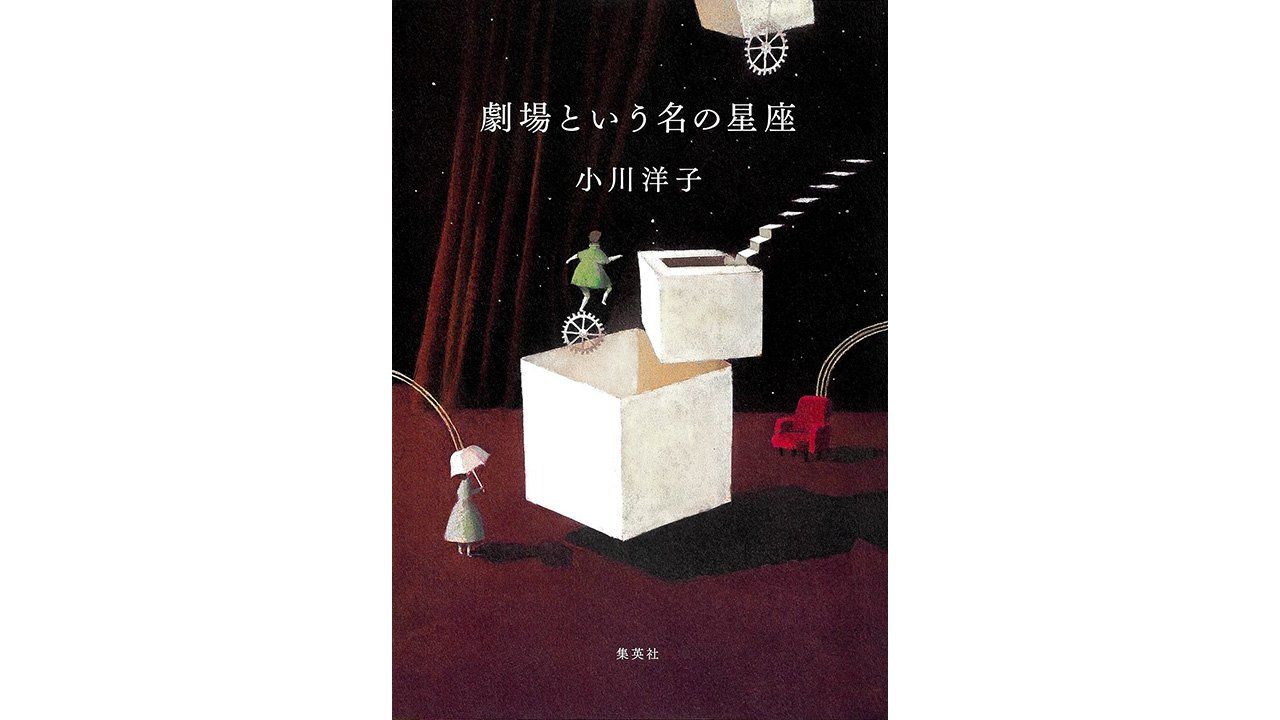
Gekijō to iu na no seiza (The Constellation Known as the Theater)
By Ogawa Yōko
Published by Shūeisha in March 2026
ISBN: 978-4-08-770038-1
(Originally published in Japanese on February 20, 2026. Banner photo © Shūeisha.)