Kawakami Hiromi’s “Snack Futari”: One Last Drink Before I Go
Books Culture- English
- 日本語
- 简体字
- 繁體字
- Français
- Español
- العربية
- Русский
Kawakami Hiromi’s work deals with two types of fictional worlds. First are the allegorical works with thematic seriousness, like Under the Eye of the Big Bird, which was a finalist for the International Booker last year. Alongside these are books like Strange Weather in Tokyo, which charmed so many readers when it first appeared in the early 2000s and has recently gained an enthusiastic readership overseas. Much of the appeal of the books in this second category comes from the way they allow readers to immerse themselves in a beguiling fictional world and get to know the characters who live there. Kawakami’s latest novel to be published in Japan, Snack Futari, belongs firmly in the second category. I practically pumped the air when I picked up the book and felt its reassuring heft.
The setting of the story is a “snack” bar run by two women of indeterminate age.
Like most Japanese men of my generation, I have spent my fair share of time in “snacks.” A fixture of Japanese nightlife for decades, most snacks are small establishments where regulars make up the bulk of the clientele. Serving a range of staple drinks and simple food (often shōchū or whisky served from bottles behind the bar, each one marked with the name of a regular customer), each snack has its own atmosphere and mood reflecting the personality of the “mama-san.” The fictional snack of the novel is named Futari, which means “two people,” after the two women running it.
There are basically two types of snacks: glitzy bars in neon-drenched entertainment areas like Ginza and Shinjuku, and humbler establishments on the outskirts of town, where a small, illuminated sign might hang outside a building on an unassuming back street near the station. In my experience, the main difference between them is that whereas the bars in the bustling city centers often lean on sex appeal and the hint of flirtation, the ones in quieter areas stand or fall on the personality of the mama-san and the bar’s ability to offer a comforting environment where regulars can feel at home.
Snack Futari, perhaps unsurprisingly given that it is a bar imagined by Kawakami Hiromi, is definitely the latter type, though there are no details that would allow the reader to imagine where the bar might be located. The two women, Tsukasa and Itsuko, are both the “mama-san.” Although clearly no longer young, their precise age remains a mystery. In fact, we learn almost nothing about their background, or how they came to run the bar together. Almost the only thing we know about them is that they are single. This lack of information about the women’s pasts surely reflects a deliberate decision on the author’s part.
The novel consists of six episodes.
Tsukasa and Itsuko’s unpretentious neighborhood snack provides the setting for the stories that develop as the bar’s regulars visit the bar one after another at the end of their busy days. Structurally, the book is a series of linked short stories, all of them taking place within the confines of the eponymous snack. Each time, a new guest provides the focus of the narrative. One thing that makes the stories so enjoyable is the natural and convincing dialogue between the two owners.
Their conversations touch on the changing seasons and the insights that come with age, but really come to life when the two women discuss their regular customers and guests using their own distinctive turns of phrase. Before opening time each evening, they chat about the events of the night before. These conversations highlight Kawakami’s remarkable skill as a writer. The women’s remarks may occasionally be a little sharp, but there is no real cruelty or wish to put anyone down. Their words are imbued with the gentleness of age and seasoned with an understanding of human nature that is built on years of careful observation.
Indeed, as the author herself has remarked somewhere, the book resembles a kind of “buddy” story in which the two buddies happen to be elderly women. The obvious trust between them gives the stories a warm, poetic quality.
There is one other important characteristic of the novel.
The guests who appear in each episode are visitors from the world beyond. In other words, ghosts. These include the young uncle of one of the regulars, who died before he could fulfill his ambition to become a singer, and the mother of the owner of a local yakitori restaurant, who drops in from time to time. They are the ghosts of people who were forced to leave the world with important business still unresolved. In this respect, the stories can be compared to nō drama—specifically the world of mugen nō, in which a ghost appears to a traveling priest and narrates the disappointments or resentments that keep them from achieving peace, before performing a dance.
Of course, none of these stories resembles the tragic fate of the Heike courtiers who threw themselves into the sea after their defeat at Dannoura. For the most part, they are the kinds of everyday regrets that anyone might have, lingering attachments to people left behind, or simply the bewilderment of spirits unable to disappear. In many cases, these understated episodes would hardly constitute a story at all in the hands of a less gifted writer.
In Snack Futari, these ethereal spirits tell of their deepest feelings and then fade away, apparently purified. It is as if the bar functions as an exit, a departure terminal from which the dead return to the world beyond.
And at this point, I perhaps arrive at the answer to the question I had at the beginning.
Readers are told almost nothing about Tsukasa and Itsuko’s past—even their ages and physical appearance are left undescribed. The reason, it seems to me, is that the bar itself is not of this world. It is a dreamlike space where two elderly women live out their later years, and their attributes have been deliberately omitted for this reason. The bar is not only an ideal place for the regulars who spend their evenings there—it is also an ideal world for these women who live alone and have now reached old age.
For many years, snack bars suffered from a somewhat dowdy image. But recently, riding the wave of “retro” nostalgia for the Shōwa era (1926–89), I get the sense that even young salarymen are coming to appreciate the appeal of these bars. If so, this book may follow a similar trajectory to Strange Weather in Tokyo and become a long-term favorite.
For me, the time I spent reading the book made me feel as if I were perched on a stool in Snack Futari myself, listening to the inconsequential but reassuringly familiar everyday chatter of the two mama-sans. A place of comfort and ease, where the languid passage of time is captured perfectly in Kawakami’s simple but evocative prose.
But two hours is usually the right length of time to spend in a snack. Linger much longer and you may overindulge and say something you shouldn’t or pay the price the next day. And it costs money too.
Time to stand up from the stool and step outside to the tinkle of the cowbell over the door, back into the world of everyday reality.
Mama-san! I think it’s time for me to settle up and be on my way.
- Ōkina tori ni sarawarenai yō is translated as Under the Eye of the Big Bird by Asa Yoneda.
- Sensei no kaban is translated as Strange Weather in Tokyo by Allison Markin Powell.
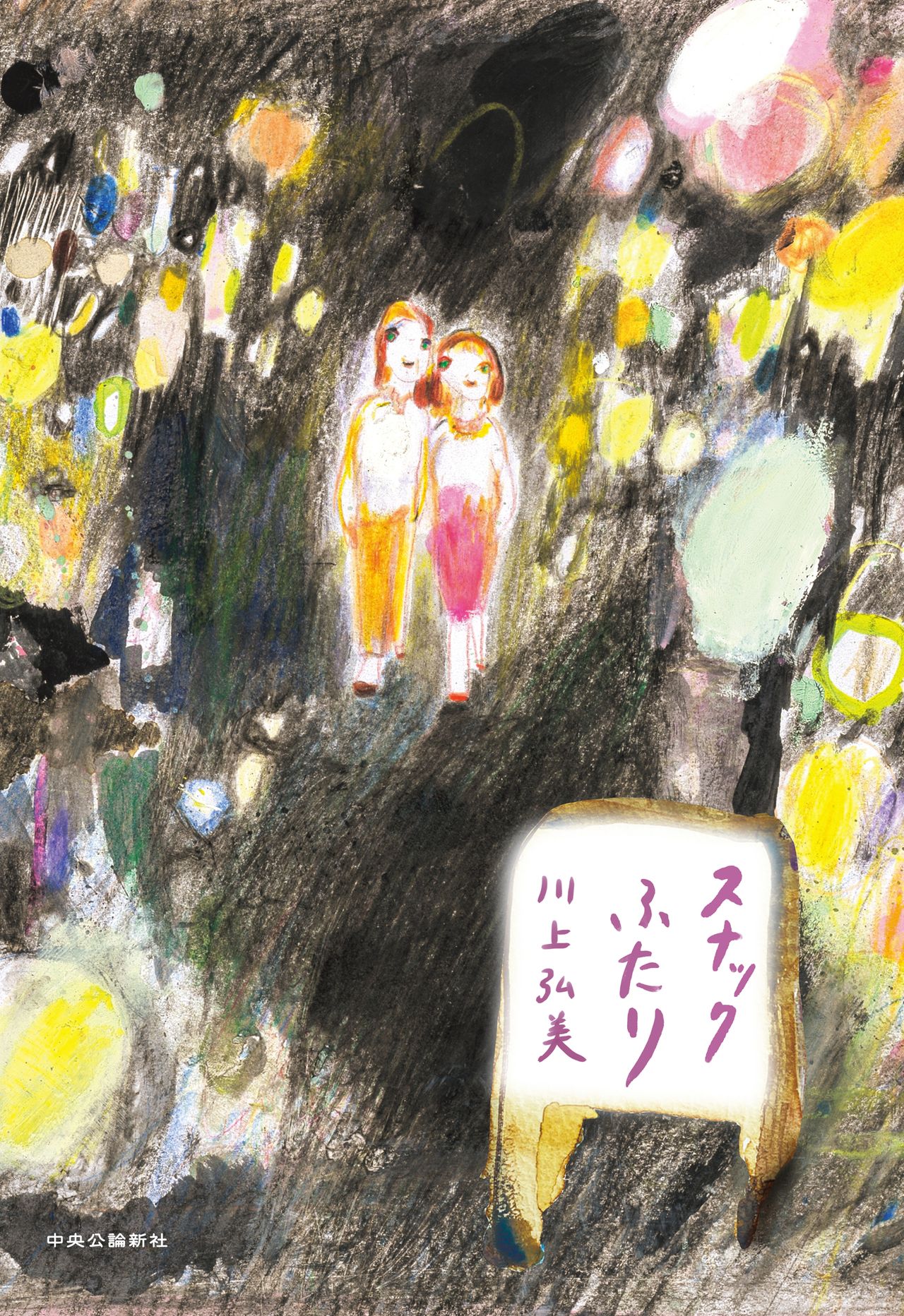
Snakku futari (Snack Futari)
By Kawakami Hiromi
Published by Chūō Kōronshinsha in 2026
ISBN: 978-4-12-006037-3
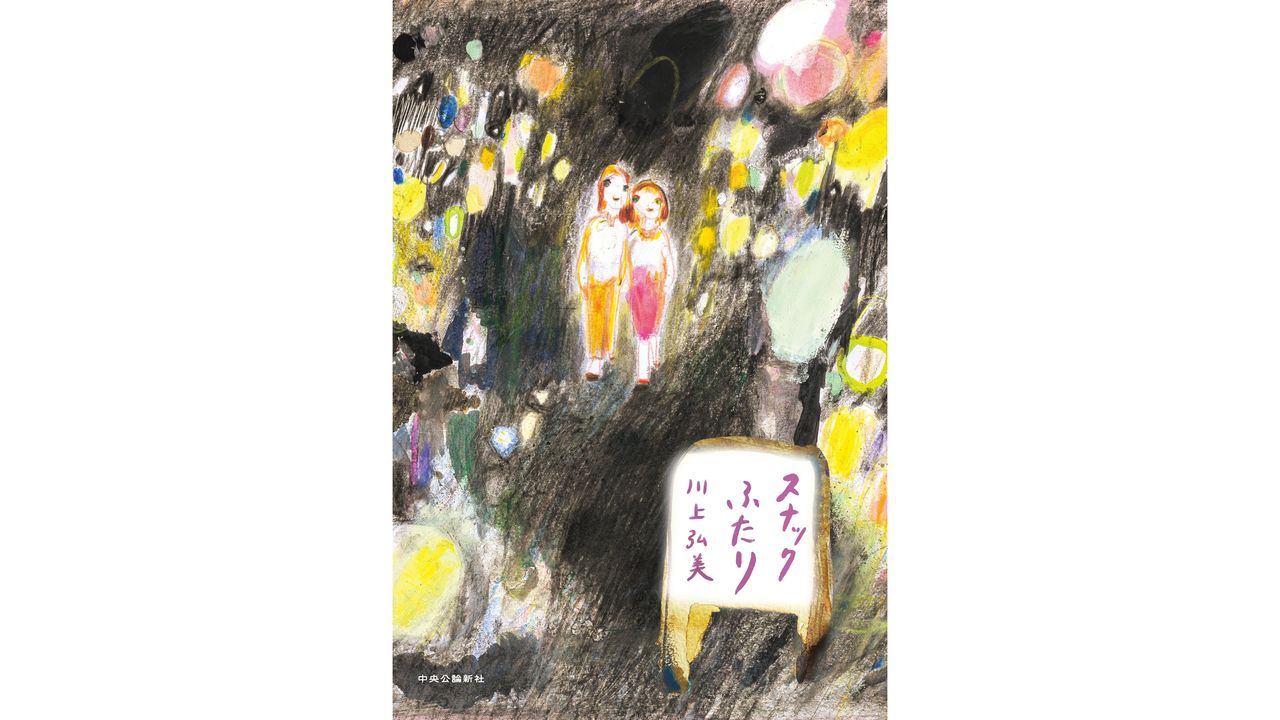
(Originally published in Japanese on August 21, 2026. Banner image: The cover for Snack Futari. Courtesy Chūō Kōronshinsha.)