New Film Explores the Life of Tragic Taiwanese Hero Tang Te-chang
Cinema History
Huang Ming-cheng
Film director and screenwriter. Directed feature films including Birdland (2001), The Third Wish (2012), and Two Idiots (2016). The documentary Wansei Back Home (2015), addressing the Wansei descendants of Japanese born in Taiwan, was nominated for Best Documentary at the fifty-second Golden Horse Awards and won the Audience Award at the 2016 Osaka Asian Film Festival. Codirector of the 2024 In Search of a Mixed Identity.

Lien Chen-hui
Film director and producer. Worked on Wansei Back Home and Two Idiots. Began studying cinematography after serving as an assistant to director Huang Ming-cheng. Directed the short documentary Kulo (2022) and codirected the 2024 feature documentary In Search of a Mixed Identity.
- English
- 日本語
- 简体字
- 繁體字
- Français
- Español
- العربية
- Русский
Taiwan’s Fallen Hero
At the center of the city of Tainan in southern Taiwan is a circular park where seven main roads converge and radiate outward. Under Japanese rule, it was known as Taishō Park, after the emperor who reigned from 1912 to 1926. After the war, it became known as Minsheng Green Park, until in 1998 it was renamed Tang Te-chang Memorial Park after a neglected hero of the immediate postwar period.
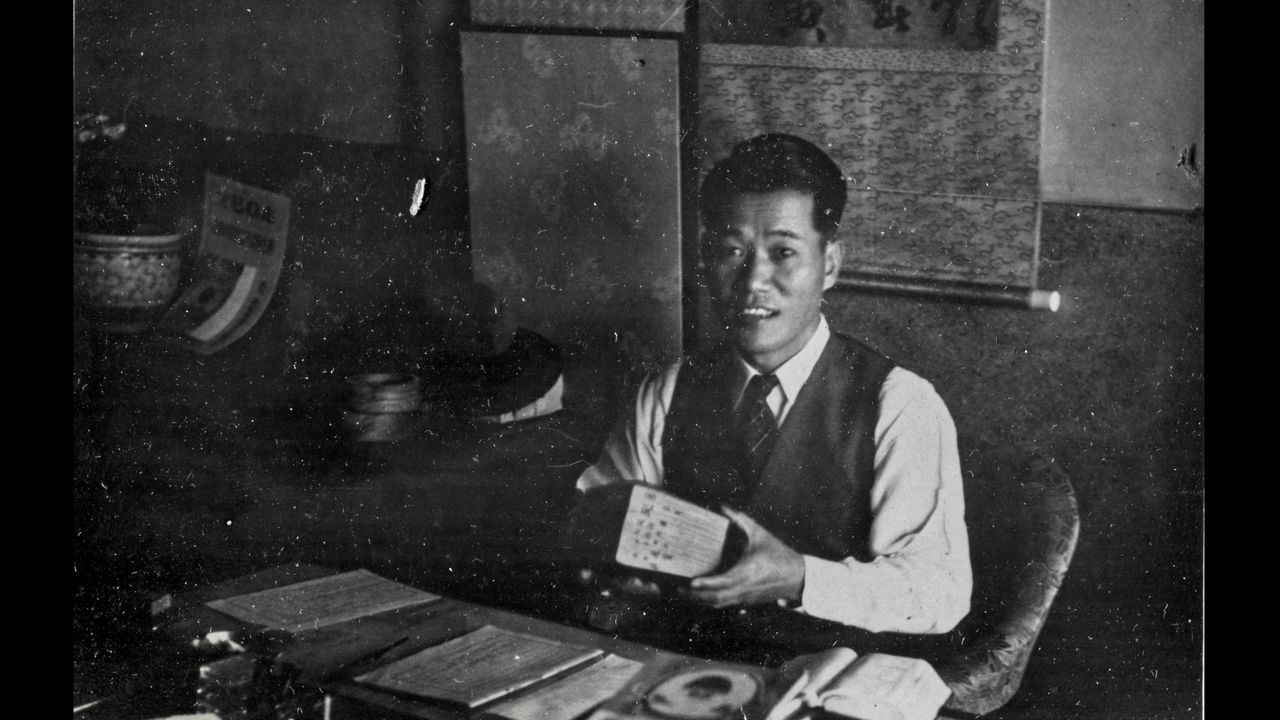
A bust of Tang Te-chang (1907–47) stands in the park today. Born during the era of Japanese colonial rule to a Japanese father and a Taiwanese mother, he studied in Japan during the war, eventually passing national exams in law and public administration. After returning to Taiwan, he was active as a lawyer and politician.
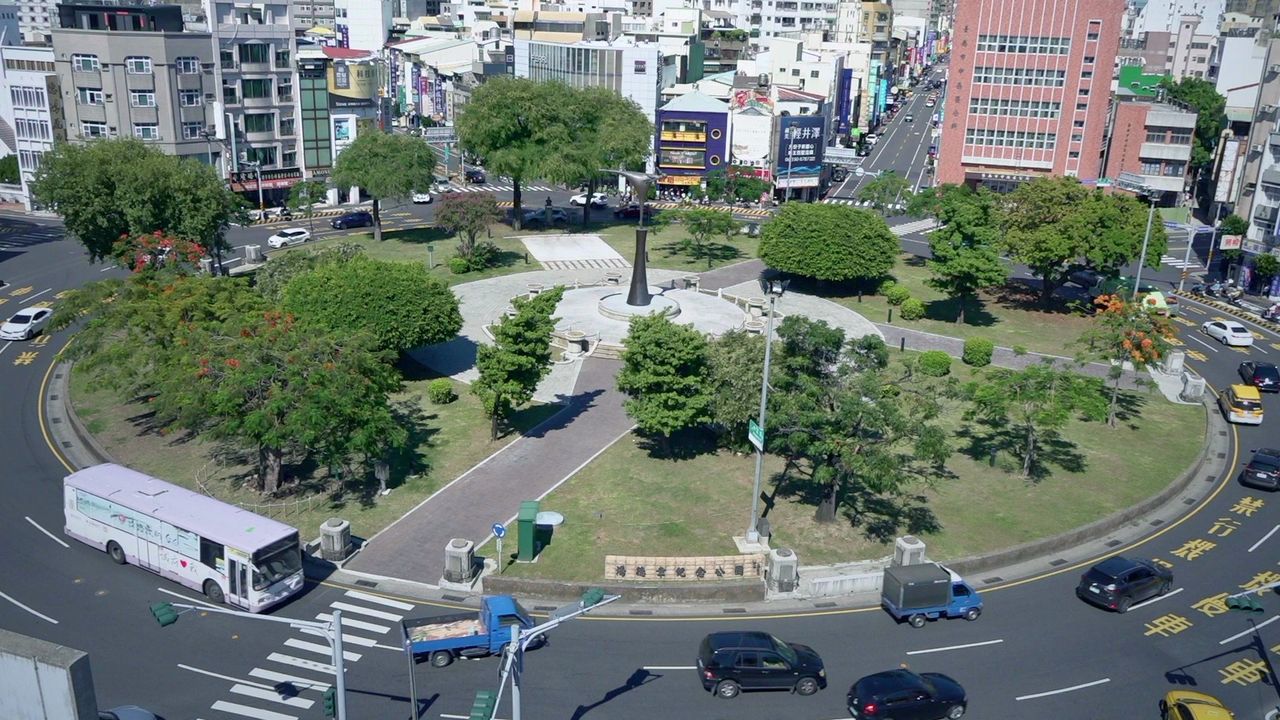
Tang Te-chang Memorial Park in Tainan. (© Mirror Film Production)
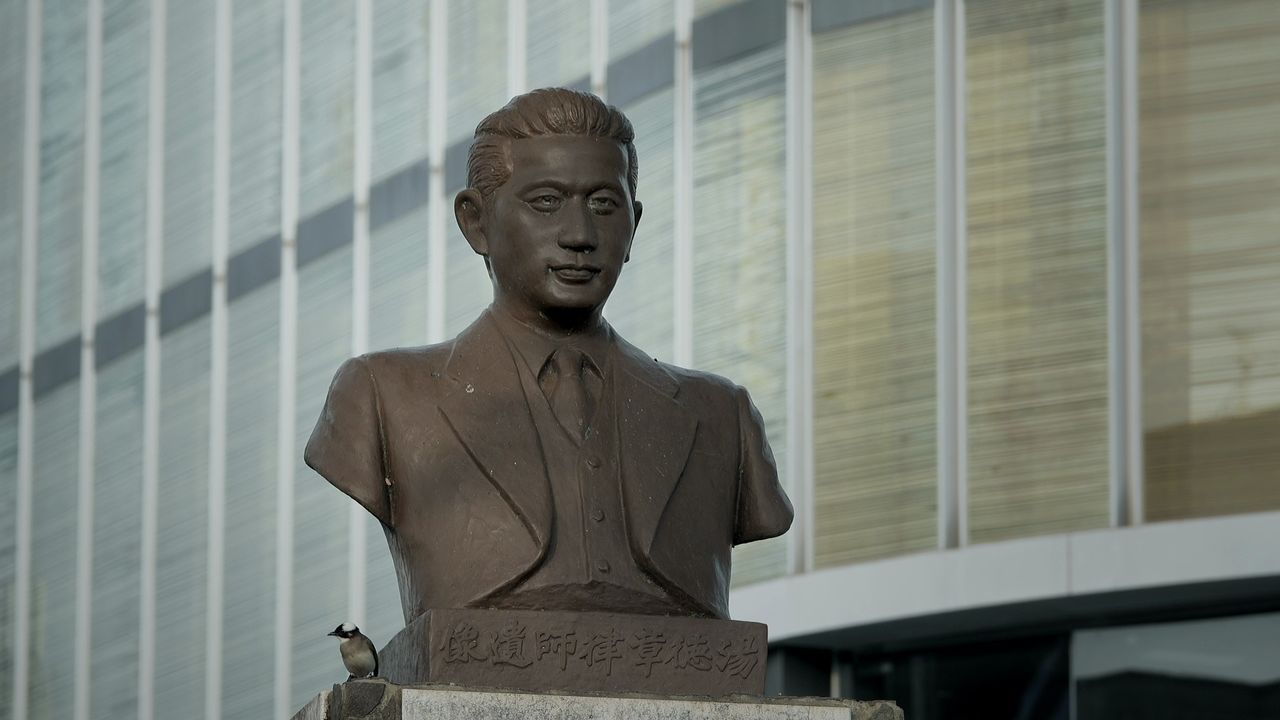
A bust of Tang Te-chang stands in the park named after him in Tainan. (© Mirror Film Production)
But who was Tang? Not even local residents are able to answer this question easily today. In 1947, Tang was publicly executed in the park that now bears his name, and for decades it was taboo to discuss the events that led to his tragic end. In recent years, his name has been rehabilitated. In 2014, Tainan City declared the anniversary of his death, March 13, as “Justice and Courage Memorial Day.” In 2022, a section of one of the main roads leading to the park was renamed Techang Avenue.
In Search of a Mixed Identity is a new documentary film that draws on testimony from family members, historians, and journalists to shed light on a side of Tang Te-chang that has remained largely unknown until now. Tracing the 40 years of Tang’s life, the film also brings into sharp relief the turbulent course of Taiwan’s modern history, from Japanese rule through the Kuomintang years to today’s democratic Taiwan.
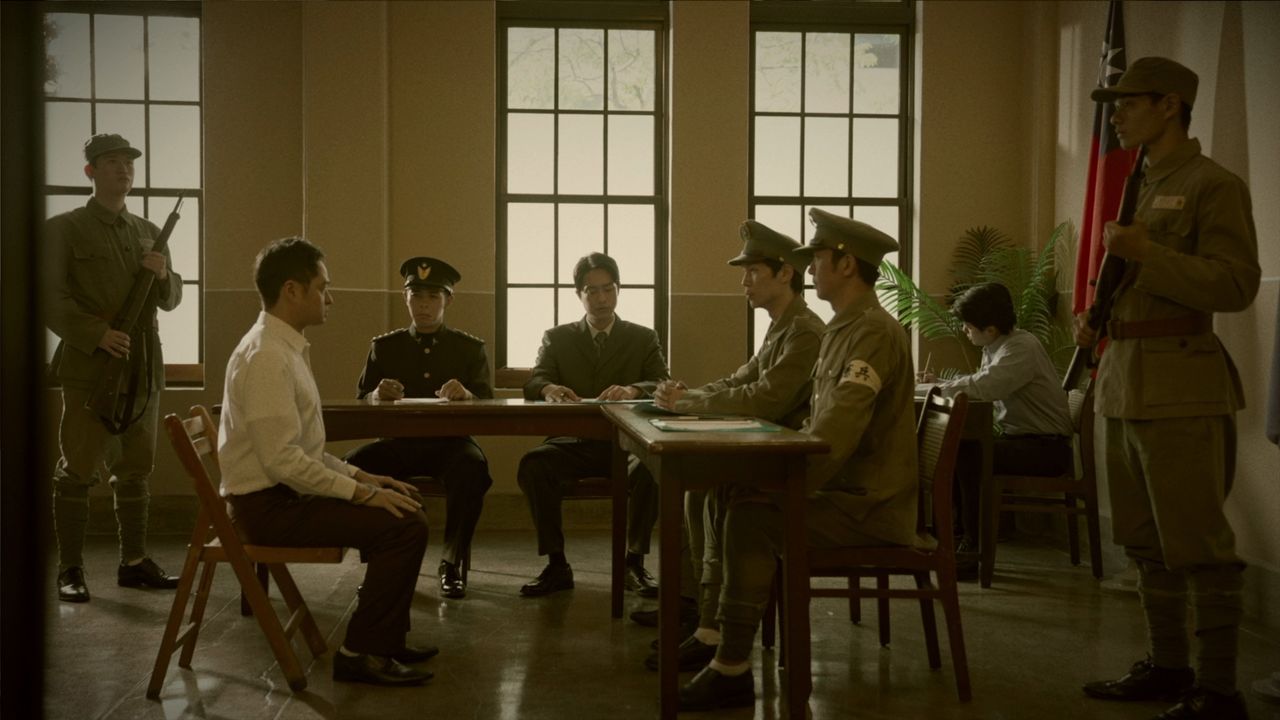
A scene from the film re-creating the military tribunal that sentenced Tang to death. (© Mirror Film Production)
The February 28 Incident: A Defining Moment in Taiwan’s Postwar History
The February 28 Incident was a pivotal event in twentieth-century Taiwanese history, essential to any discussion of the island’s recent past. The event and its aftermath formed the background to Tang Te-chang’s execution. It began with a protest against the authorities in Taipei on February 28, 1947, about a year and a half after the end of World War II. When the protests spread throughout the island, the authorities clamped down, resulting in numerous casualties.
According to Huang Ming-cheng, one of the directors of In Search of a Mixed Identity, One of the main reasons for the February 28 Incident was the sudden arrival in Taiwan of a new governing system from China after 50 years of Japanese rule. “This led to violent clashes between the authorities and the local population,” he explains. “At the time, Taiwan had a well-developed legal system and the institutions needed to implement it, as well as a law-abiding population. Mainland China had none of these things. If you try to force two such radically different systems into one, conflict is unavoidable. The February 28 Incident was one manifestation of that conflict.”
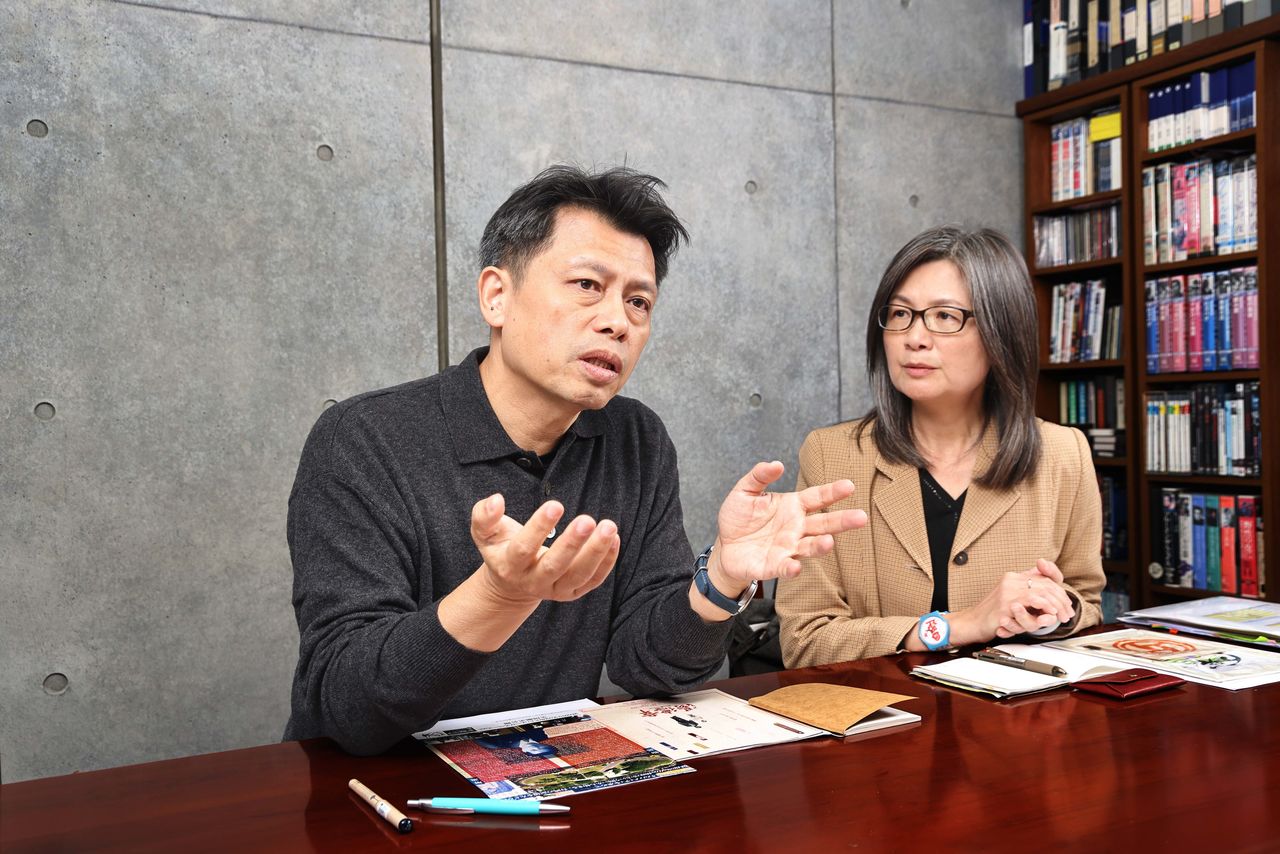
(© Hanai Tomoko)
After the war, says Huang, authority was transferred from Japan to the Kuomintang-ruled Republic of China. Among the population, there was widespread disillusionment and dissatisfaction with the new regime. When the Japanese withdrew, newcomers from the mainland seized most of Taiwan’s land, industry, and financial assets.
“There were widespread shortages, and prices rocketed,” says Huang. “Companies went bankrupt, and unemployment was through the roof. Mandarin became the official language, and people were forbidden from using not only Japanese but even Taiwanese in schools and workplaces. Locals who had lived on the island for generations found it impossible to secure senior posts in public institutions. Everyone struggled with rampant corruption.” Anger at the arrogance of the new ruling class seethed, explains the director, and eventually exploded.
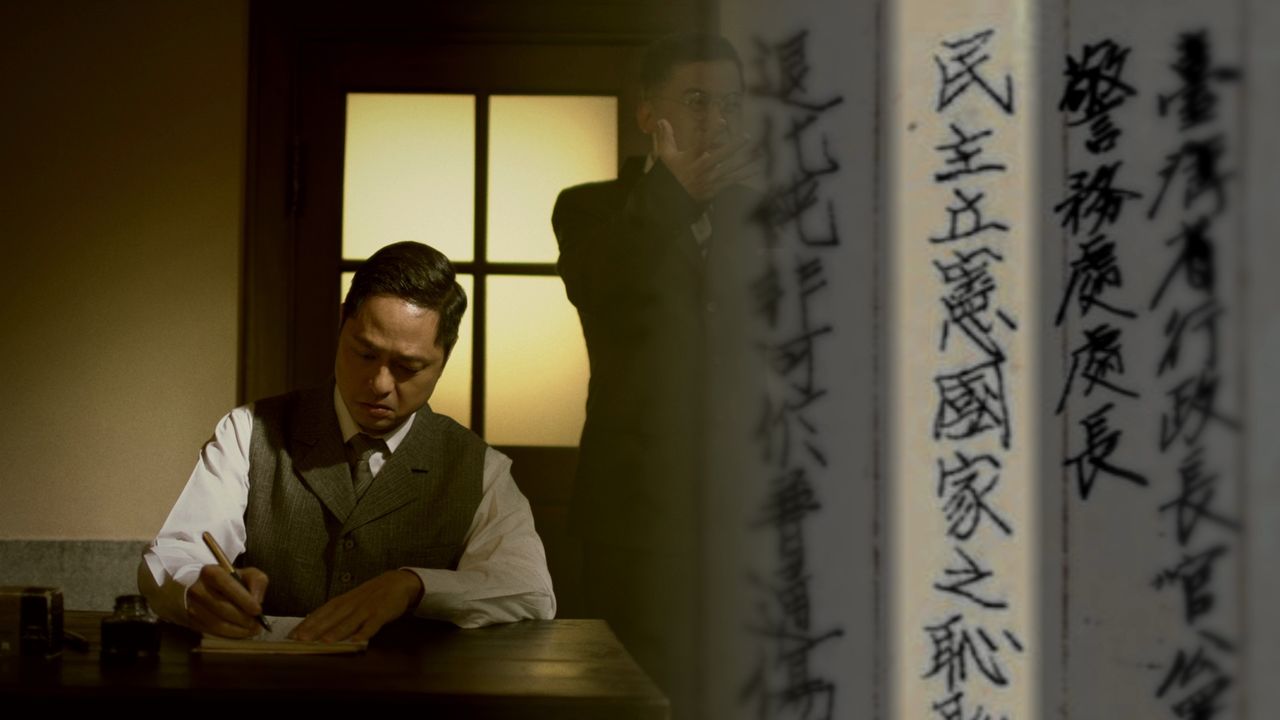
In 1946, the year before the February 28 Incident, Tang Te-chang, as head of a Tainan committee established to protect people’s freedoms, sent a strongly worded letter denouncing police misconduct as bringing “shame on a democratic and constitutional state.” (© Mirror Film Production)
According to Huang, the government tried to avoid responsibility by blaming the protests on Communist agitation, mafia elements, and “residual poison” left behind by Japanese rule. “But the Taiwanese people had respect for the law and a belief in local autonomy. Eventually, leaders in various regions formed a February 28 Settlement Committee with branches across the island and attempted to bring the situation under control through negotiations with the government.”
Tang Te-chang was a member of the Tainan municipal assembly and head of the southern district of the city, and also involved in the local branch of the Settlement Committee. He was put in charge of public security and nominated as a candidate for mayor.
But this momentum did not last, explains Huang. “A few days later, reinforcements were sent from the mainland by Chiang Kai-shek, and the chief executive of Taiwan, Chen Yi, suddenly adopted a more hardline position. Martial law was declared and the Settlement Committee disbanded. Over the following weeks, members of the local elite who had received their higher education under Japanese rule were rounded up. Many were tortured and killed.”
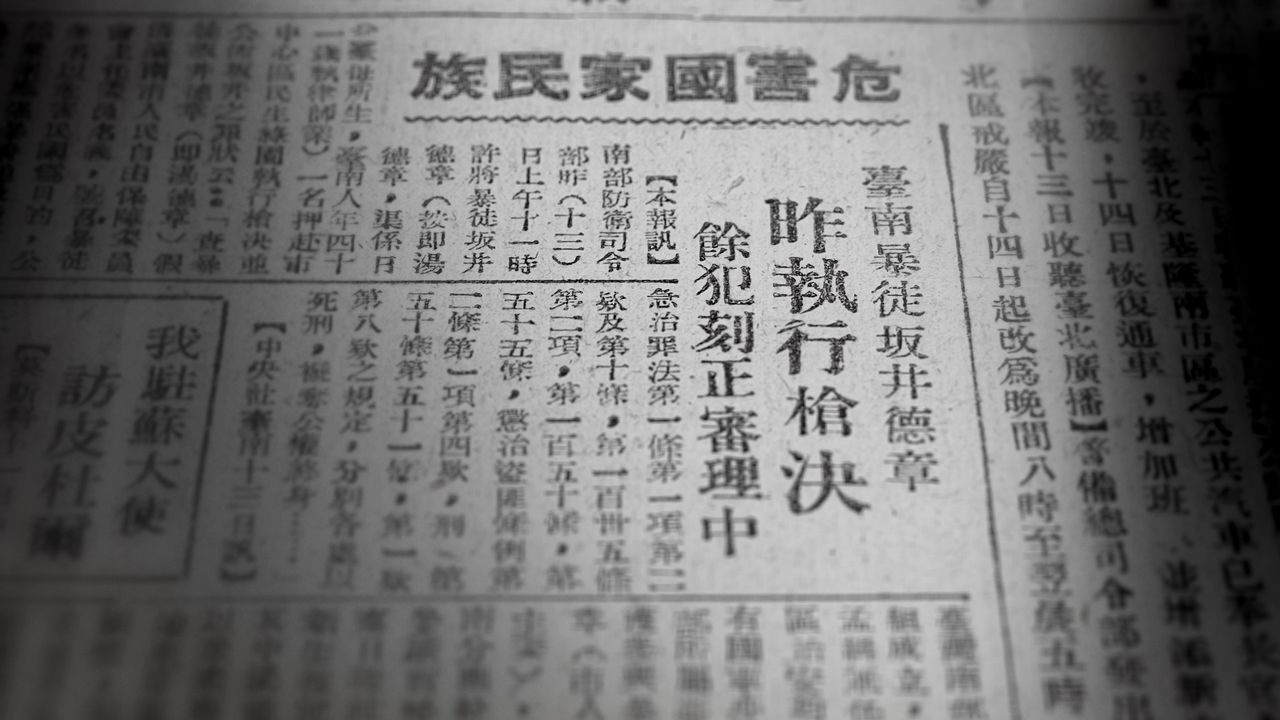
A newspaper article reporting the execution of Tang Te-chang, using his Japanese name. (© Mirror Film Production)
Tang was arrested on March 11 and hauled up in front of a hastily convened military tribunal. Pointedly addressing him by his Japanese name of Sakai Tokushō, the judge implicitly accused him of being a Japanese collaborator: “The government generously consented to allow the defeated Japanese to return home. Why didn’t you go back with the rest of them?” Two days later, he was executed.
For the next 40 years, under the KMT’s rule of fear, known as the White Terror, all public discussion about the February 28 Incident was suppressed. New investigations into the crackdown were carried out in 1992, after democratization, and compensation payments to victims began three years later. It was only in 1997 that February 28 became a legal holiday in Taiwan.
Preserving a Record for the Future
Taiwan lived through 50 years of Japanese rule, followed by several tumultuous decades after the war, before entering its current period of democracy. Even today, tensions with the People’s Republic of China continue to simmer. How do the two directors of this film, both born and raised during the 1949–87 period of martial law, view this complex history, and what were their aspirations in making this film? Their answers are illuminating.
Lien Chen-hui says: “To tell the truth, I wasn’t interested in the February 28 Incident at first, and didn’t even know who Tang Te-chang was. Over time, though, I became interested in him as a person and in the life he led. Initially, I wondered what had brought his father here from Japan. His father was a policeman who was killed in an armed anti-Japanese uprising in Tainan in 1915. Then, some thirty years later, his son was also killed by the Kuomintang in the same city.
“I was also interested in how the grandson, Tang Te-chang’s adopted son, overcame that tragedy and went on to build his own life. The story of three generations of this single family encapsulates the history of modern Taiwan itself. That was what drew me in.”
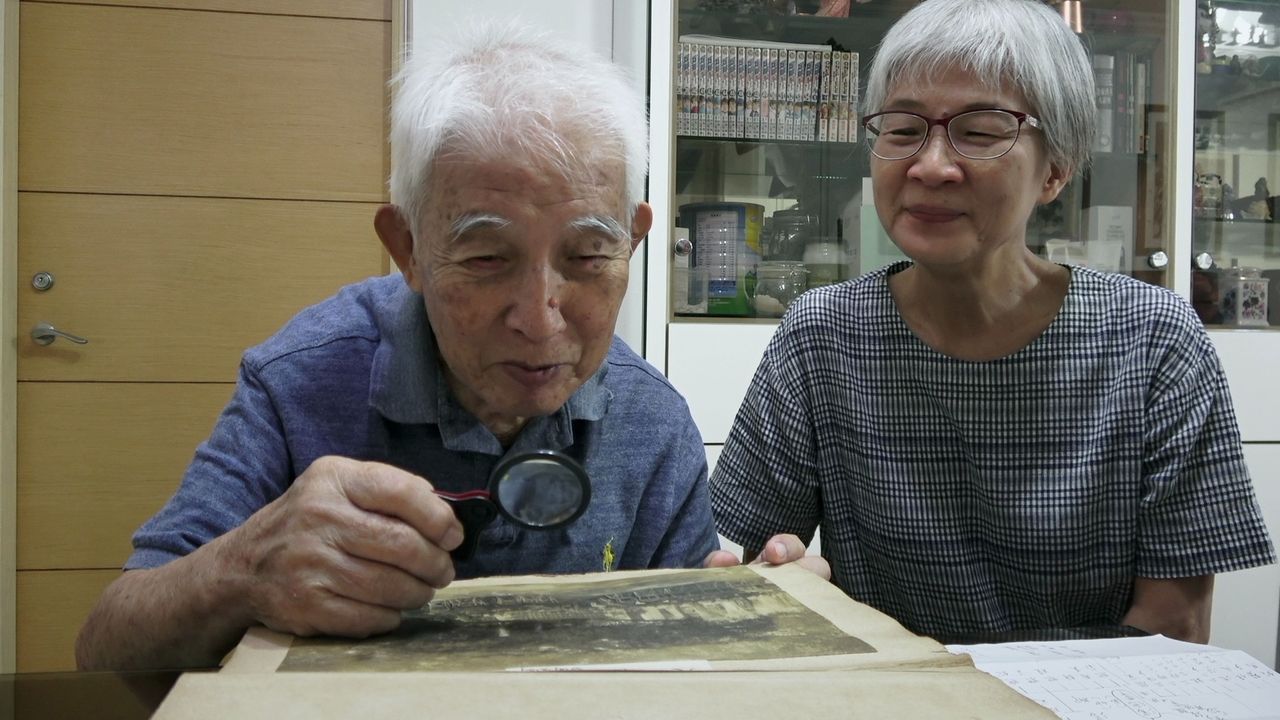
Tang’s adopted son, Tang Cong-mo, and his daughter Tang Ya-ching. (© Mirror Film Production)
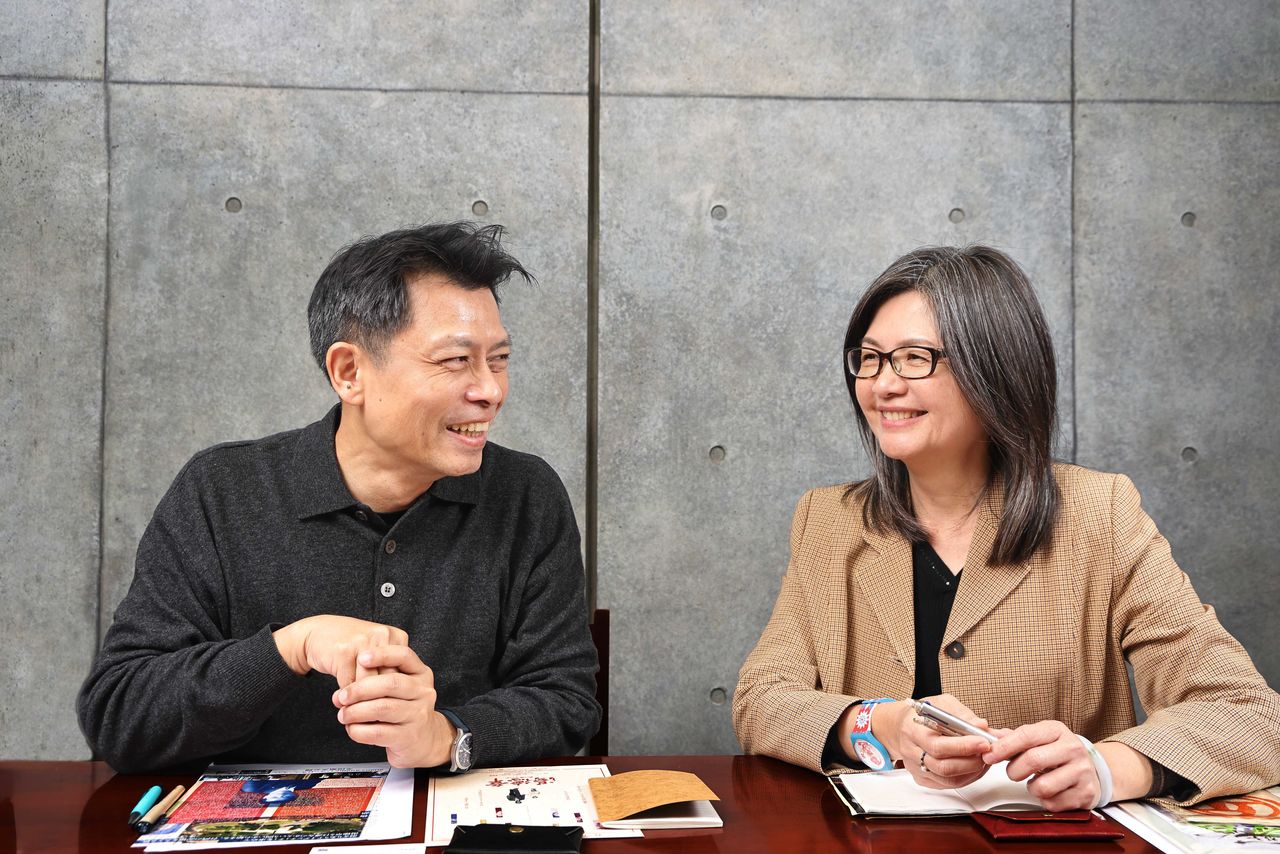
“I never really enjoyed studying history,” admits Huang. “I was born in 1970, and at school we mostly learned about Chinese history. It seemed to have absolutely no connection to our daily lives. In dealing with history in this film, my approach was that ‘history is ordinary life.’ Rather than simply talking about the past, I wanted to document Taiwan as it was around 2020, when we were filming. Fifty years from now, that will be history.”
Rather than constructing an argument from the perspective of professional historians, says Huang, he and Lien decided to structure the film around new materials discovered through interviews with journalists and amateur historians, as well as the memories of relatives and acquaintances.
(© Hanai Tomoko)
Arriving at historical truth is not easy, notes Huang. “The only way to proceed is to carefully accumulate facts one by one. Lien looks back on the manipulation of information she experienced during the days of the White Terror. In 1979, citizens clashed with police at a demonstration organized by Formosa magazine to coincide with World Human Rights Day. The organizers were arrested and thrown in jail, in what became known as the Formosa Magazine Incident.”
“I was in elementary school at the time and didn’t understand what was happening,” recalls Lien. “Our teachers told us that the people who had been arrested were rioters who had tried to overthrow the state.
“It was only after I grew up that I found out this wasn’t true at all. They were people who had dedicated their lives to making Taiwan free and democratic. I realized that the information I had been given was far from the truth. That was a very important lesson for me.”
Adds Huang: “Sometimes you can be exposed to incorrect information without realizing it. What’s important is to take an interest, do your own research, and eventually arrive at the truth. For that reason, in this film we focused less on digging into complex history and more on drawing the audience’s interest. We included elements of humor and tried to use a light tone to make the subject easier for people to engage with.”
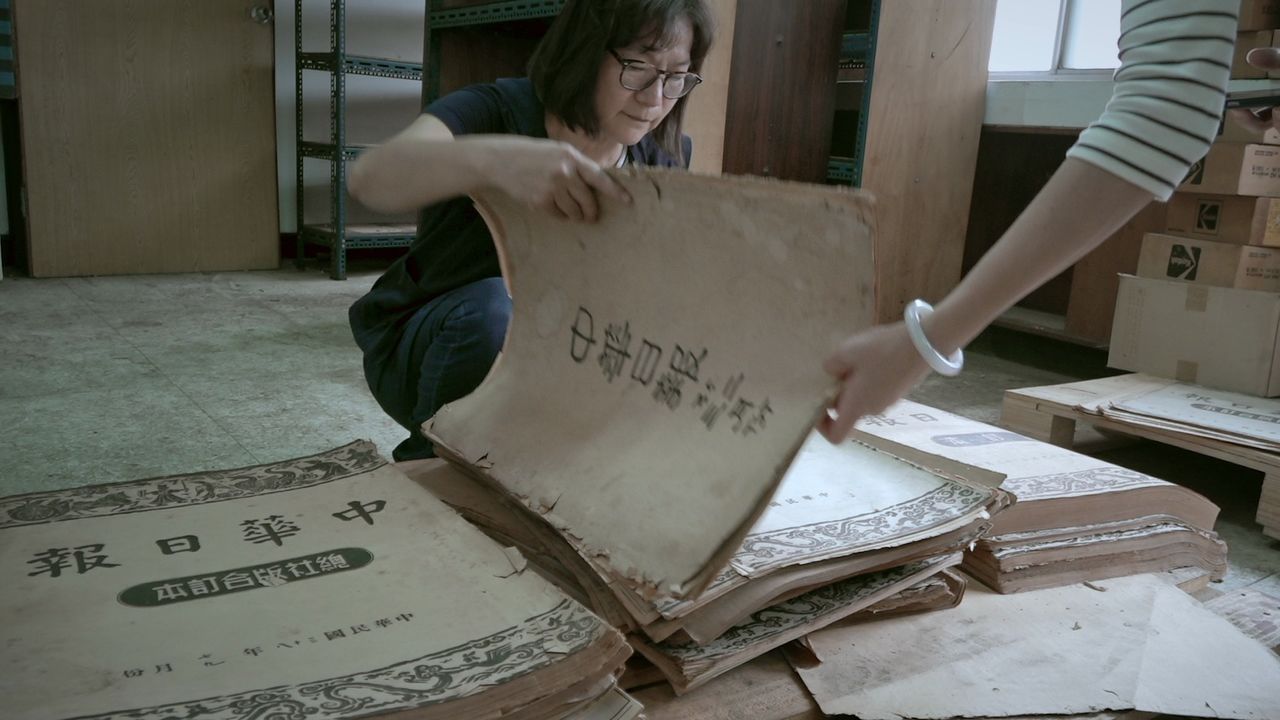
A journalist looks through back issues of the China Daily News, the only newspaper to keep publishing without a break during shutdowns and news blackouts in the turmoil that followed February 28, 1947. (© Mirror Film Production)
Huang says that it is impossible to discuss history in Taiwan without the subject turning to politics. And any discussion of politics in Taiwan inevitably leads to the question of identity.
“When Japanese rule ended in August 1945, people in Taiwan didn’t really have a clear idea of where they were headed. But I think in some sense they did welcome the return of China.
“But then the February 28 Incident happened a year and a half later, and after that it really became impossible to see what the future held. My hope is that through the story of Tang Te-chang, future generations in Taiwan will learn the truth about our history, and that this will give them more ways of thinking about the past and more choices for the future.”
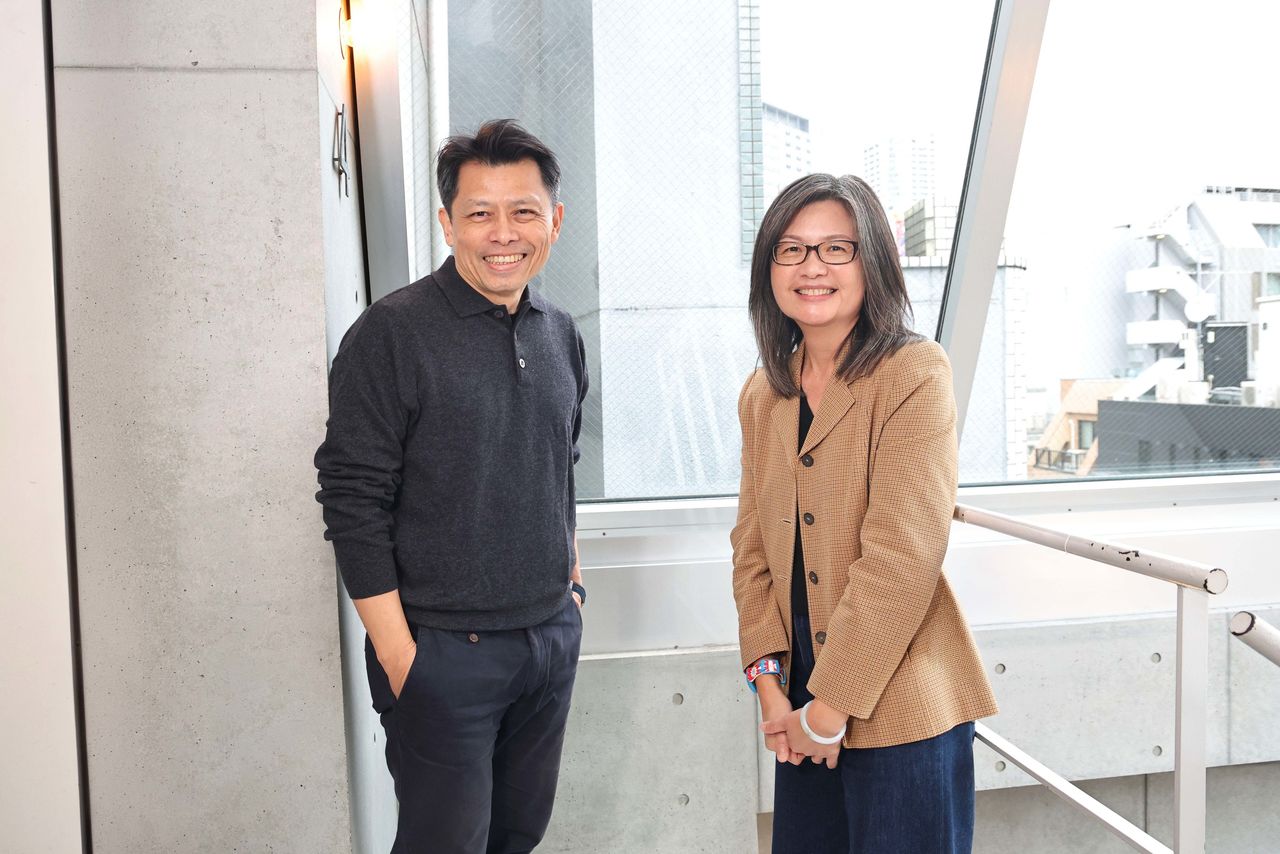
In closing, the two directors spoke about their hopes for the film’s release in Japan.
“I hope it will remind people that Taiwan and Japan once shared a period of history,” says Lien. “My grandparents all belong to the generation that grew up speaking Japanese, and they lived through that shared past. I’d be especially happy if young people come to see the film. I get the impression that more and more people are becoming interested in learning about their own history.”
Huang, meanwhile, notes that Taiwan and Japan have a very positive relationship today. “I think if people can learn more about how this mutually supportive relationship was built, and about the historical background, they will see another side of Taiwan, and maybe realize that there’s more to it than night markets and bubble tea!”
(© Hanai Tomoko)
Trailer (Taiwanese, with Japanese subtitles)
(Originally published in Japanese on February 28, 2026. Banner photo: A photograph of Tang Te-chang, a lawyer arrested and executed following the February 28 Incident, appearing in the film In Search of a Mixed Identity. © Mirror Film Production.)