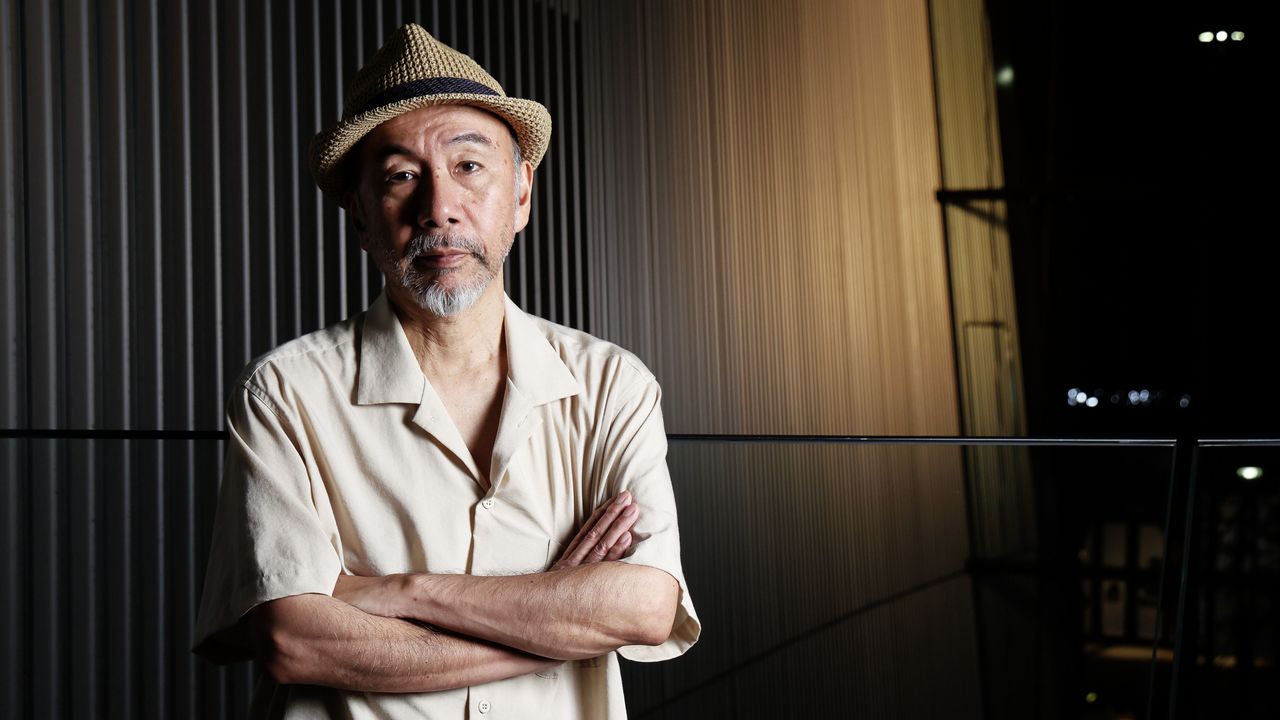
“Mr. Nelson, Did You Kill People?”: Filmmaker Tsukamoto Shin’ya Uses Vietnam to Deliver a Visceral Warning
Culture Cinema
Tsukamoto Shin’ya
Born in Tokyo in 1960. Won the Pia Film Festival’s top prize in 1987 for The Adventure of Denchū-Kozō. Made his feature-film debut with Tetsuo: The Iron Man (1989), which won the grand prize at the Rome International Science Fiction and Fantasy Film Show. Known for his deep involvement in every stage of filmmaking, from production and directing to screenwriting, cinematography, lighting, art direction, and editing. Has earned numerous awards in Japan and abroad. Recent works include Fires on the Plain (2014), Killing (2018), and Shadow of Fire (2023).
- English
- 日本語
- 简体字
- 繁體字
- Français
- Español
- العربية
- Русский
Adapted from Vietnam War Memoir
Tsukamoto Shin’ya established himself as one of Japan’s most distinctive cinematic voices after Tetsuo: The Iron Man won top honors at the Rome International Science Fiction and Fantasy Film Show (Fantafestival) in 1989. For decades, he has explored the relationship between the modern city and the human body, portraying violence through hypnotic and often unsettling imagery. In recent years, he has pursued the raw, unflinching portrayal of the horrors and brutality of war, inviting viewers to experience its reality with immediacy.
His latest film ventures into territory rarely explored by war cinema: the trauma experienced by those who inflicted wartime violence. Mr. Nelson, Did You Kill People? is adapted from the memoir of Allen Nelson (1947–2009), who served in the Vietnam War as a Marine and later candidly recounted his experiences both on and off the battlefield.
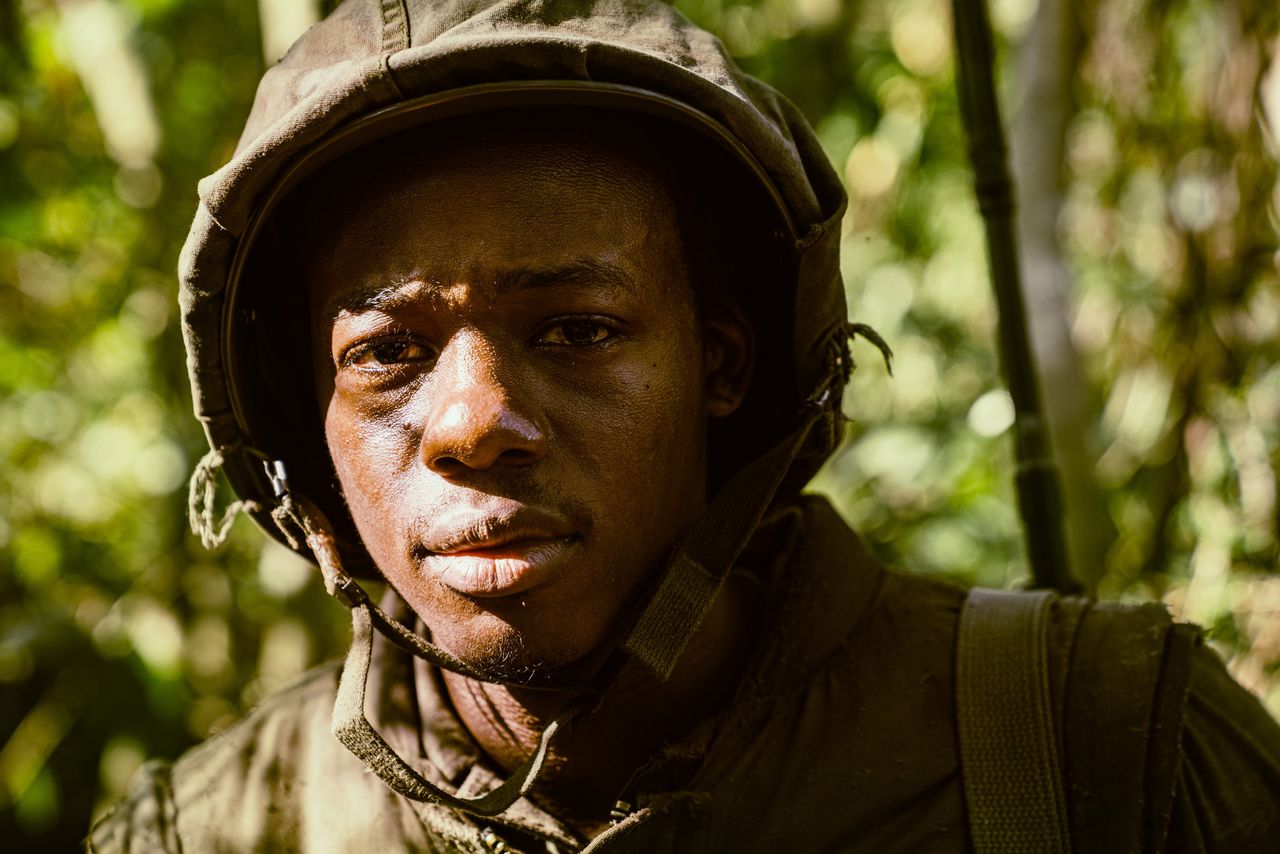
Mark Merphy portrays the young Allen Nelson in Tsukamoto Shin’ya’s latest film. (© Mr. Nelson, Did You Kill People? Film Partners; © Allen Nelson/Kōdansha)
A Soldier’s Long Road Home
The film’s protagonist, Allen Nelson, joins the US Marine Corps at age 18, hoping to escape poverty and discrimination. In 1966, he is deployed to the front lines of the Vietnam War, where each day becomes a relentless struggle to kill or be killed. After returning home, he is haunted by flashbacks to the battlefield—symptoms that today would be diagnosed as post-traumatic stress disorder. His behavior becomes increasingly erratic, and he finds himself living on the street at age 23.
Nelson eventually starts a family and resolves to stop relying on medication. He crosses paths with Dr. Daniels—a psychologist pioneering treatments for those suffering from PTSD—to whom he recounts his combat experiences in stark detail. At the end of each session, the psychologist asks the same question: “Why did you kill people?”
Each time, Nelson answers, “Because it was war.” Through on going dialogue, he gradually confronts the guilt he had carried for years and begins the process of healing. He devotes himself to sharing his wartime experiences through public lectures and peace advocacy.
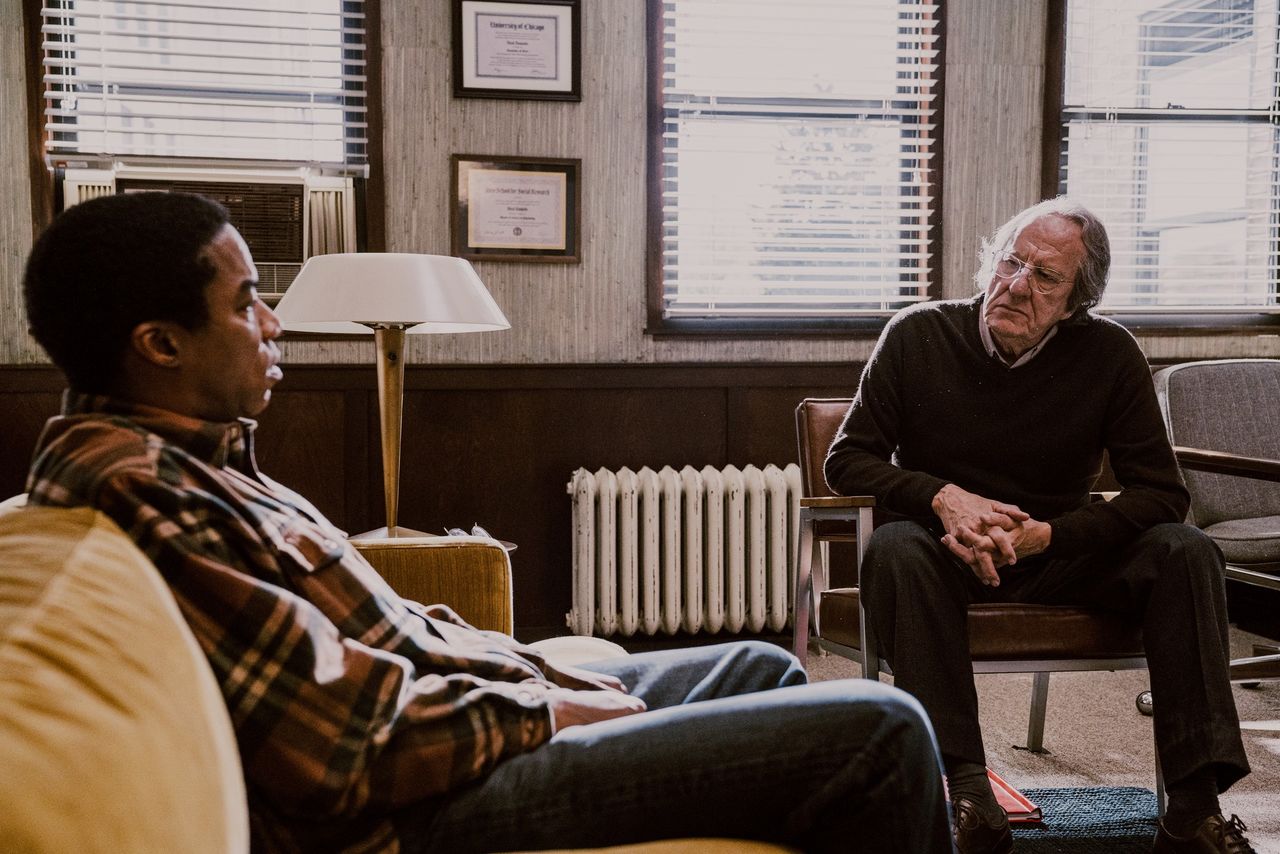
Nelson (Rodney Hicks) begins his recovery through sessions with Dr. Daniels (Geoffrey Rush), a PTSD specialist. (© Mr. Nelson, Did You Kill People? Film Partners; © Allen Nelson/Kōdansha)
Encountering Nelson’s Story
Tsukamoto first came across Nelson’s book more than a decade ago while researching the screenplay for Fires on the Plain.
That film was based on Ōoka Shōhei’s 1951 novel depicting the extreme conditions faced by Japanese soldiers stranded on Leyte in the final stages of World War II. The novel had left a deep impression on Tsukamoto when he first read it in high school, and he spent decades imagining how to bring it to the screen.
Although he initially approached Nelson’s memoir merely as research material, it left an indelible mark. “I couldn’t believe the honesty and detail with which he described the harm he had inflicted in combat. These were horrific experiences unlike anything that had ever been depicted in film, and I wanted people to confront them through cinema, a medium capable of making them feel viscerally real.”
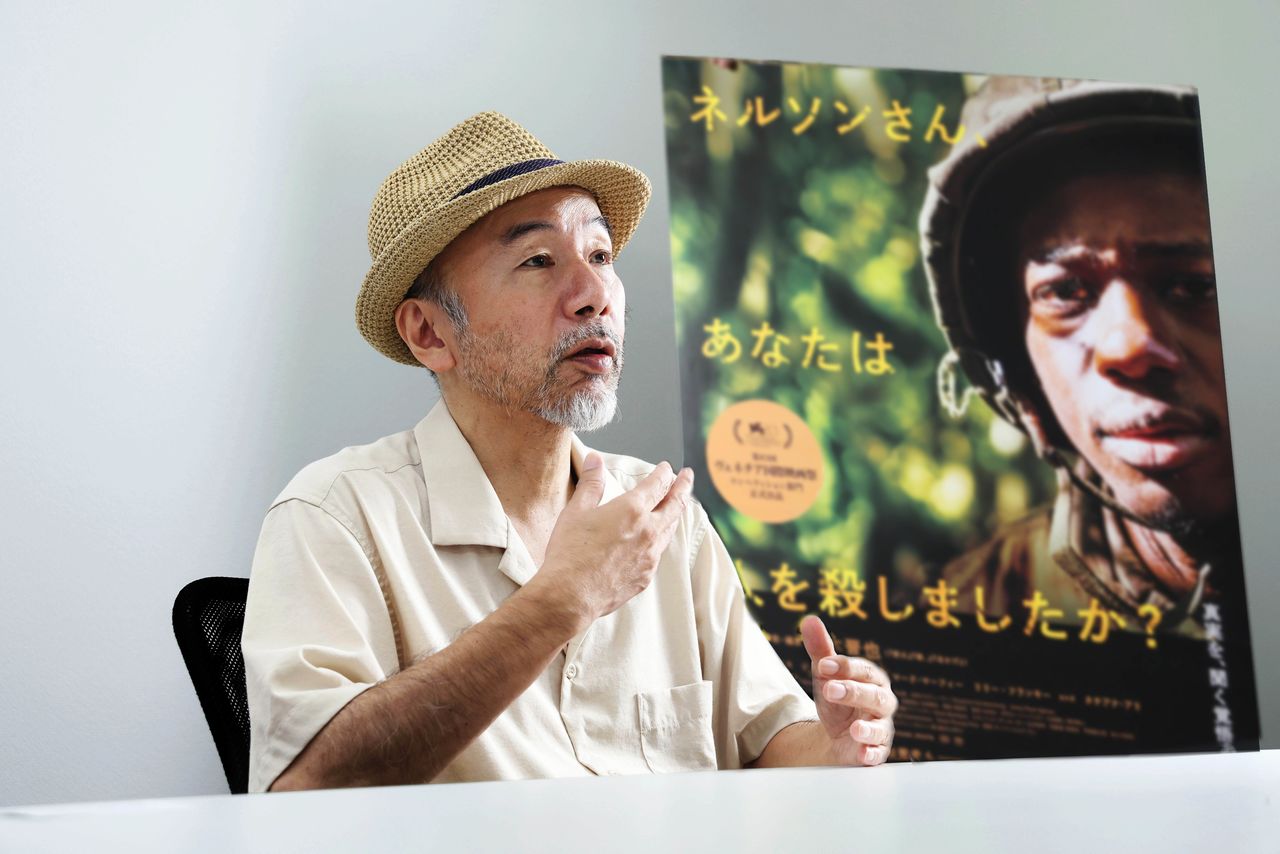
(© Hanai Tomoko)
When War No Longer Feels Distant
A Vietnam War film would inevitably require a large-scale production. Even after completing Fires on the Plain, the project struggled to take shape. During that period, Tsukamoto made his first samurai drama, Killing, exploring the act of killing itself, and portrayed postwar devastation in Shadow of Fire, set in the black markets of Japan’s immediate postwar years.
“After making Fires on the Plain, I had the sense that the topic was still unfinished. Over the past decade, war has come to feel less like an abstract or historical theme and more like a looming threat. The sense of unease has kept growing as war clearly appears to be drawing closer.”
Tsukamoto began developing the project in 2018 and spent the next two years conducting interviews and refining the concept. After pandemic-related delays, production finally moved forward in 2023, but securing financial backing proved difficult, not least because a Japanese narrative film about the Vietnam War remains highly unusual.
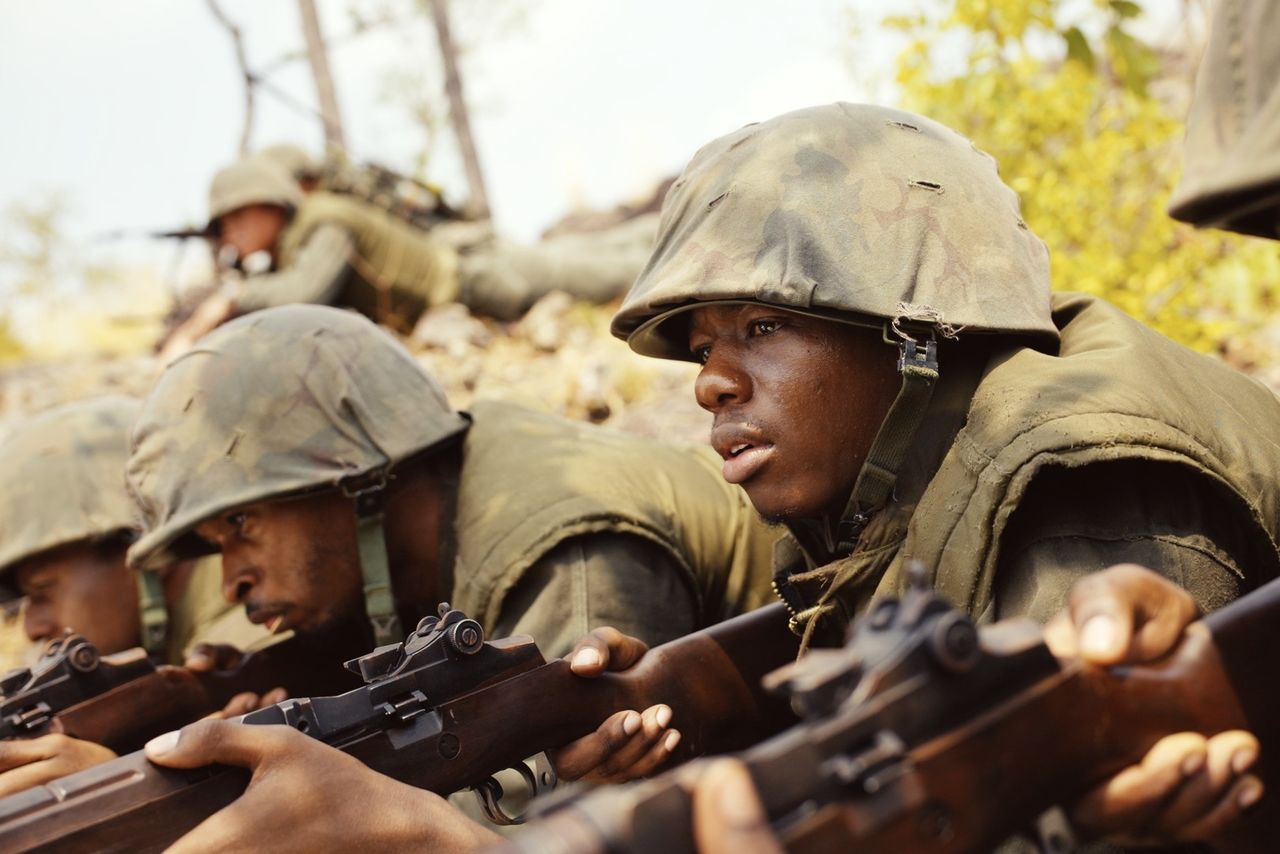
Nelson and other platoon members surround a village suspected of sheltering the Viet Cong. (© Mr. Nelson, Did You Kill People? Film Partners; © Allen Nelson/Kōdansha)
“My main goal wasn’t to make a film about the Vietnam War. More importantly, I wanted to portray Allen as someone who spoke openly about the violence he committed. Japan has committed many wartime acts of violence too, but it’s rare to find firsthand testimony with this level of detail.”
Filming began in February 2025, as wars in Ukraine and Gaza continued to escalate. Permission to shoot combat scenes in Vietnam was denied, so those sequences were filmed in Thailand, under grueling conditions of extreme heat.
“The hardest scenes were those depicting military operations designed specifically to kill people more efficiently. Soldiers weren’t shooting spontaneously after running into the enemy; tactics were planned and systematic, which made it even more disturbing. Filming those scenes while struggling with the heat and food poisoning was emotionally draining.”
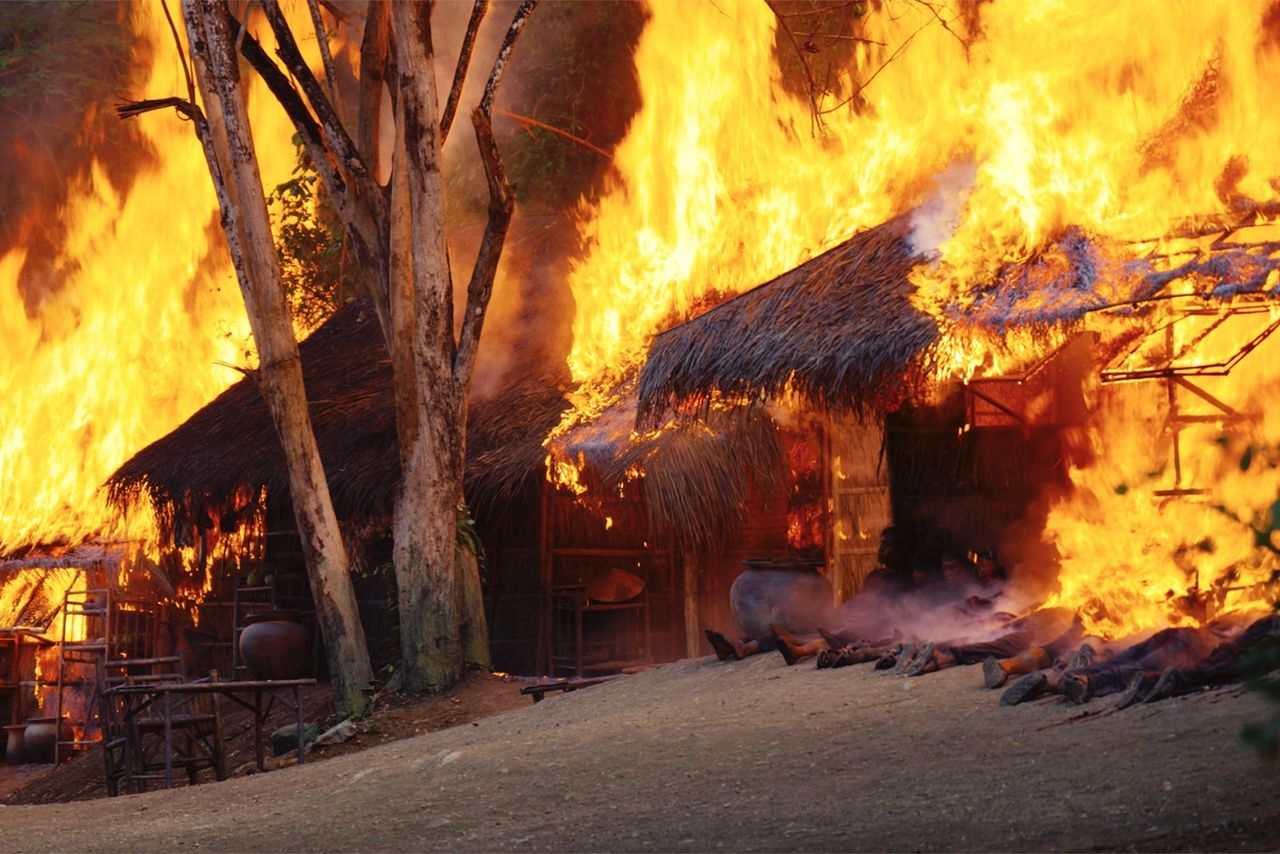
A village is burned to the ground at the end of a US sweep operation. (© Mr. Nelson, Did You Kill People? Film Partners; © Allen Nelson/Kōdansha)
War’s Cycle of Violence
At first, Tsukamoto thought that faithfully depicting Nelson’s combat experiences would be enough. But he soon realized that Nelson’s postwar suffering was equally important—and deeply relevant today. PTSD came to be recognized as a mental health condition largely through the experiences of Vietnam veterans, but similar symptoms had existed among Japanese soldiers following World War II as well.
“Efforts were made in the United States to care for Vietnam veterans and their families suffering psychologically. In postwar Japan, the concept of PTSD didn’t even exist. People knew that soldiers returned with psychological wounds, and many received treatment. But we also now know that the medical records of those patients were often hidden away soon after the war ended.”
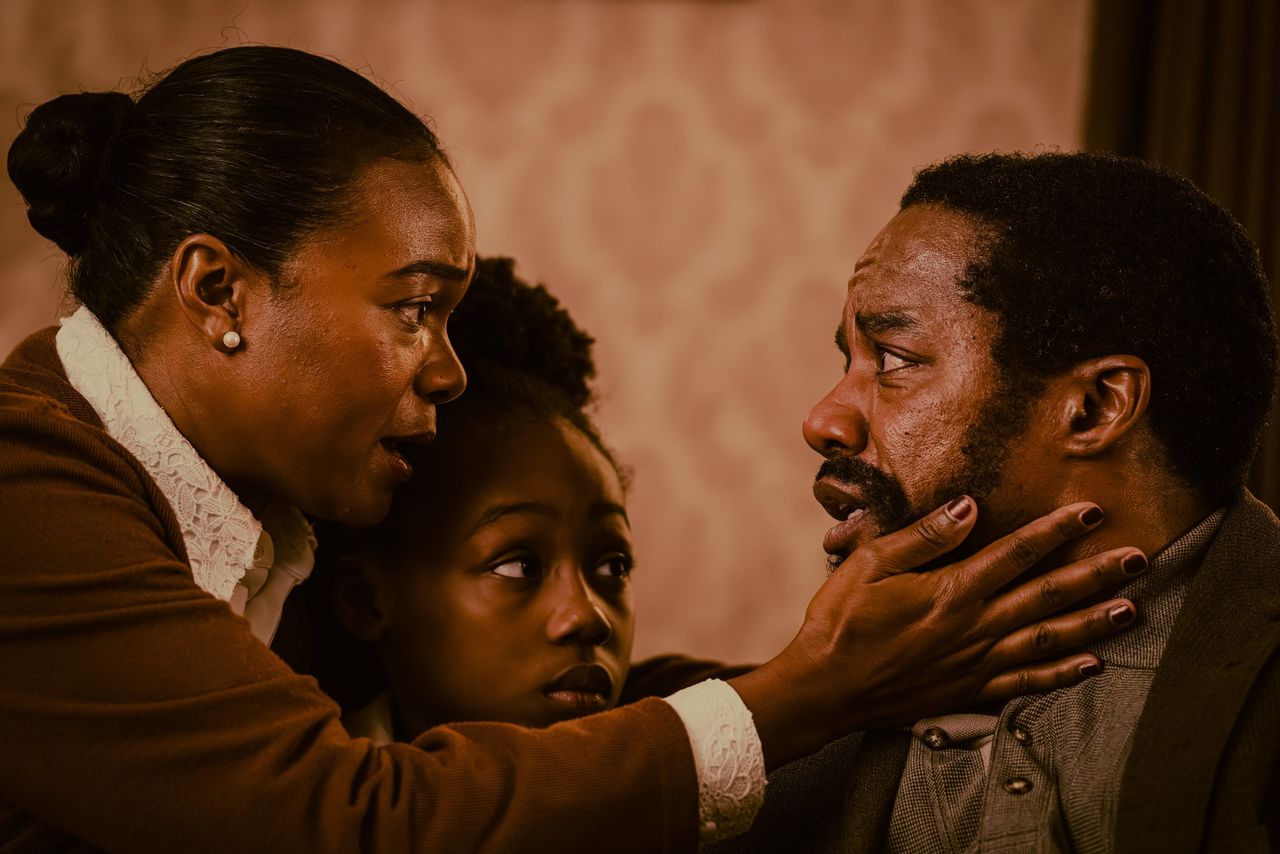
Nelson confesses to his family that he carries the violent impulses he inherited from his father. (© Mr. Nelson, Did You Kill People? Film Partners; © Allen Nelson/Kōdansha)
Discussions of Japan’s wartime trauma have only begun to gain broader attention during the last decade, some 70 years after the war, Tsukamoto says.
“PTSD among returning soldiers takes many forms. Some tremble at the sound of explosions, while others become completely unresponsive. In some cases, it manifests as violence toward family members. More recently, studies have revealed that violence can echo across generations. We know domestic violence can be cyclical. What we’re learning is that, in a significant number of cases, the root cause may be wartime trauma.”
Okinawa and Article 9
Graphic portrayals of violence have long been a hallmark of Tsukamoto’s work, and his latest film is no exception. Through immersive sound design and vivid flashback sequences, viewers are pulled into the terror of combat with visceral intensity. Despite contemporary concerns about potential psychological triggers, the film received a PG12 rating, meaning younger viewers may watch with parental guidance.
“People of my generation grew up reading Barefoot Gen, and many were traumatized by the manga’s accounts of Hiroshima’s atomic bombing. I think there’s value in experiencing the horror of war at a young age. The trauma caused by images, of course, is far weaker than the trauma of actual war. It may leave a mark, but perhaps it’s better to encounter that shock early so that when war does begin encroaching, your body instinctively rejects it. In a sense, it’s like a vaccination.”
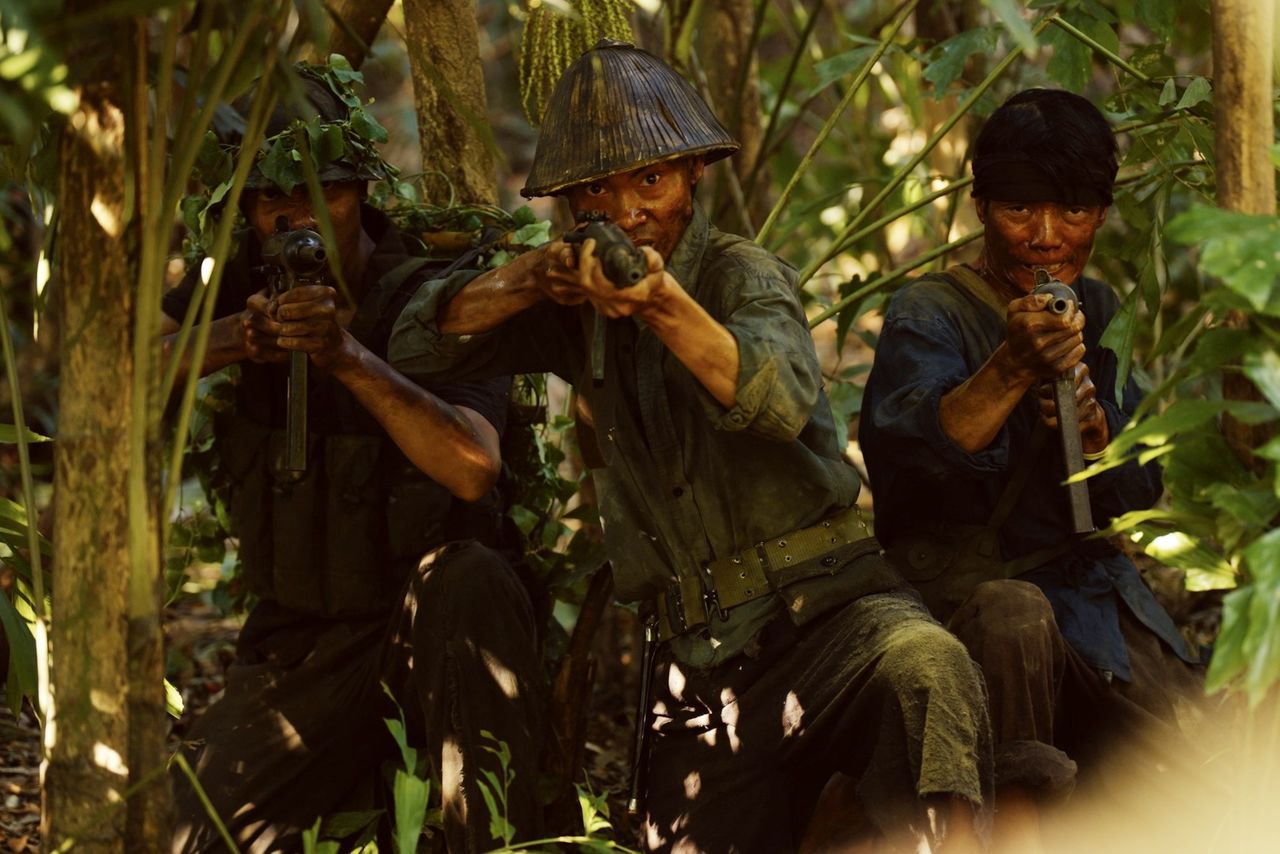
On the battlefield, soldiers must either kill or be killed. (© Mr. Nelson, Did You Kill People? Film Partners; © Allen Nelson/Kōdansha)
What, ultimately, did Tsukamoto hope audiences would take away from his realistic depiction of combat?
“You may volunteer for war out of a sense of heroism, believing you’re protecting your country or the people you love. But once war begins, you’re confronted with the stark choice of either killing the enemy or being killed. This is a choice anyone could face. No matter how decent a person you may be, once you’re subjected to intense training and indoctrination before deployment, you become convinced that the enemy is subhuman.”
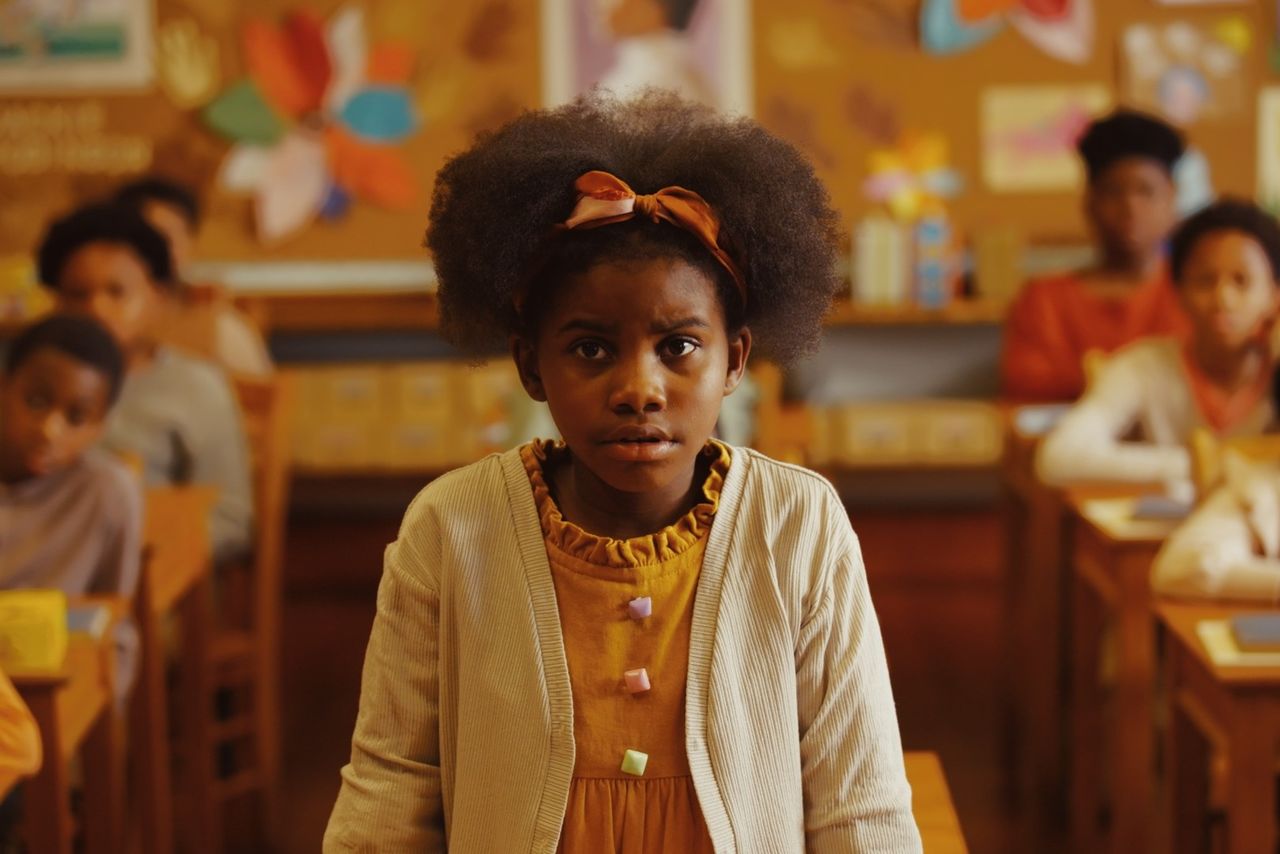
A child’s innocent question stayed with Nelson for decades. (© Mr. Nelson, Did You Kill People? Film Partners; © Allen Nelson/Kōdansha)
Nelson and other former Marines have testified that before being deployed to Vietnam they were taught to regard Asians as less than human. That training took place at Camp Hansen in Okinawa.
Feeling a deep connection to Okinawa, Nelson expanded his speaking engagements to include Japan after the 1995 incident in which a local schoolgirl was raped by US servicemen. By the time he died in 2009, he had given more than 1,200 talks across the country.
One message he delivered repeatedly was the importance of Japan’s pacifist Constitution. For years, Article 9 has protected you, he would say, adding that now it is everyone’s turn to stand up and protect Article 9.
As wars continue to rage around the world today, more Japanese politicians are advocating revising Article 9 in the name of national security. Is Nelson’s message still relevant?
“It’s been seventeen years since Allen passed away,” Tsukamoto notes quietly. “I wanted to bring him back to life for a new generation so people could learn what he said in his lectures and understand how he lived his life. That’s the biggest reason I made this film.”
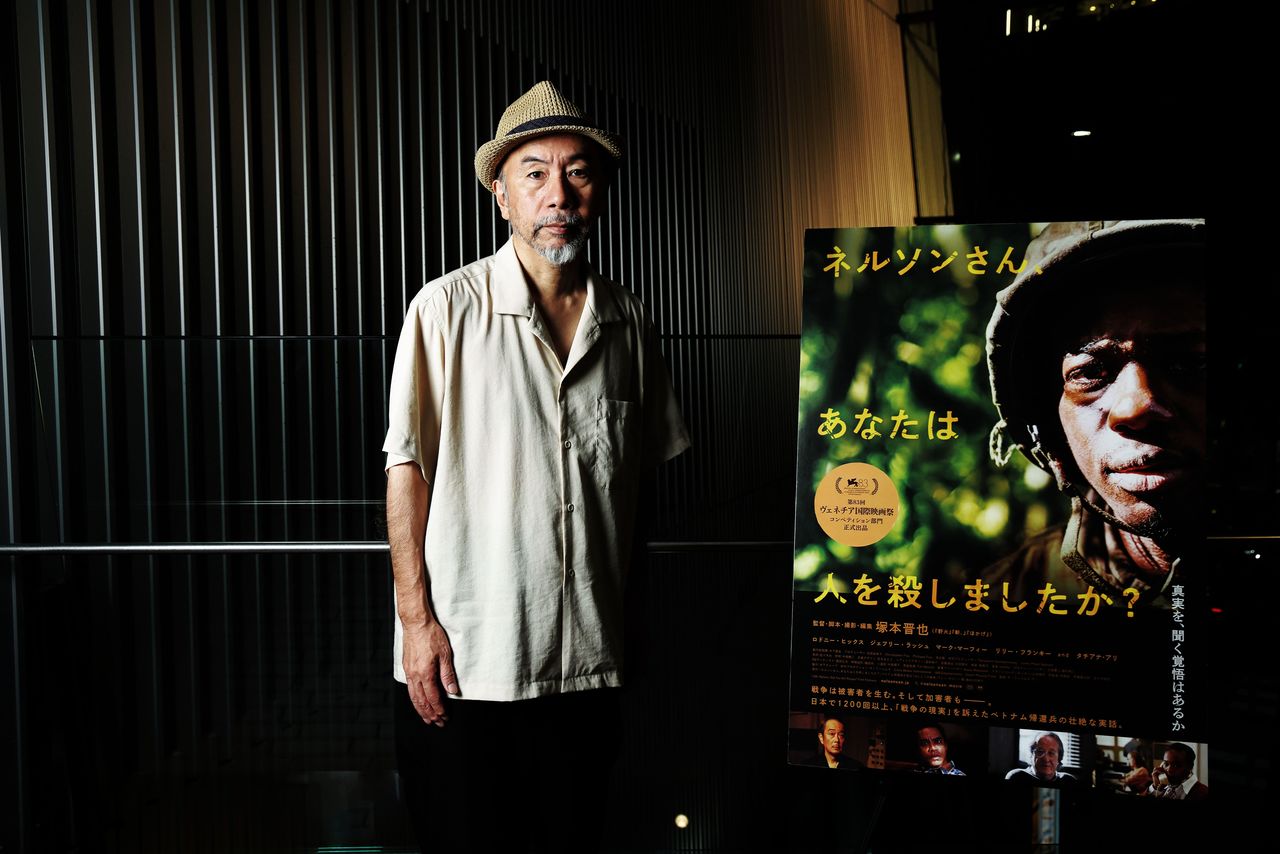
(© Hanai Tomoko)
(Originally published in Japanese. Banner photo: Film director Tsukamoto Shin’ya. © Hanai Tomoko.)