A Ceramics Living Treasure: Imaizumi Imaemon Finds Inspiration in Falling Snow
Culture History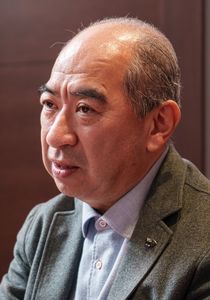
Imaizumi Imaemon XIV
Ceramic artist. Born in 1962 in Arita, Saga Prefecture, as the second son of living national treasure Imaizumi Imaemon XIII. Earned a degree in metalworking design from Musashino Art University in 1985; returned to the family’s Imaemon Kiln to take up the family name in 2002. Was recognized by the Japanese government in 2009 with the Medal of Honor with Purple Ribbon. Recognized in 2014 as a living national treasure, the official bearer of the iroe ceramics tradition. Vice director of the Japan Kōgei Association.
- English
- 日本語
- 简体字
- 繁體字
- Français
- Español
- العربية
- Русский
Fateful Snowfield
What do you think of when asked about an unforgettable sight? For Imaizumi Imaemon XIV—a living national treasure, and the the fourteenth-generation master of the Arita-ware porcelain Imaemon Kiln—the answer is clear.
“When I was in university, there was one year with a lot of snow. A friend and I went out to have a drink and enjoy the scenery. We were walking through the night, and when I looked up at a streetlight, I had the sudden feeling of being drawn upward through the slowly falling snow.”
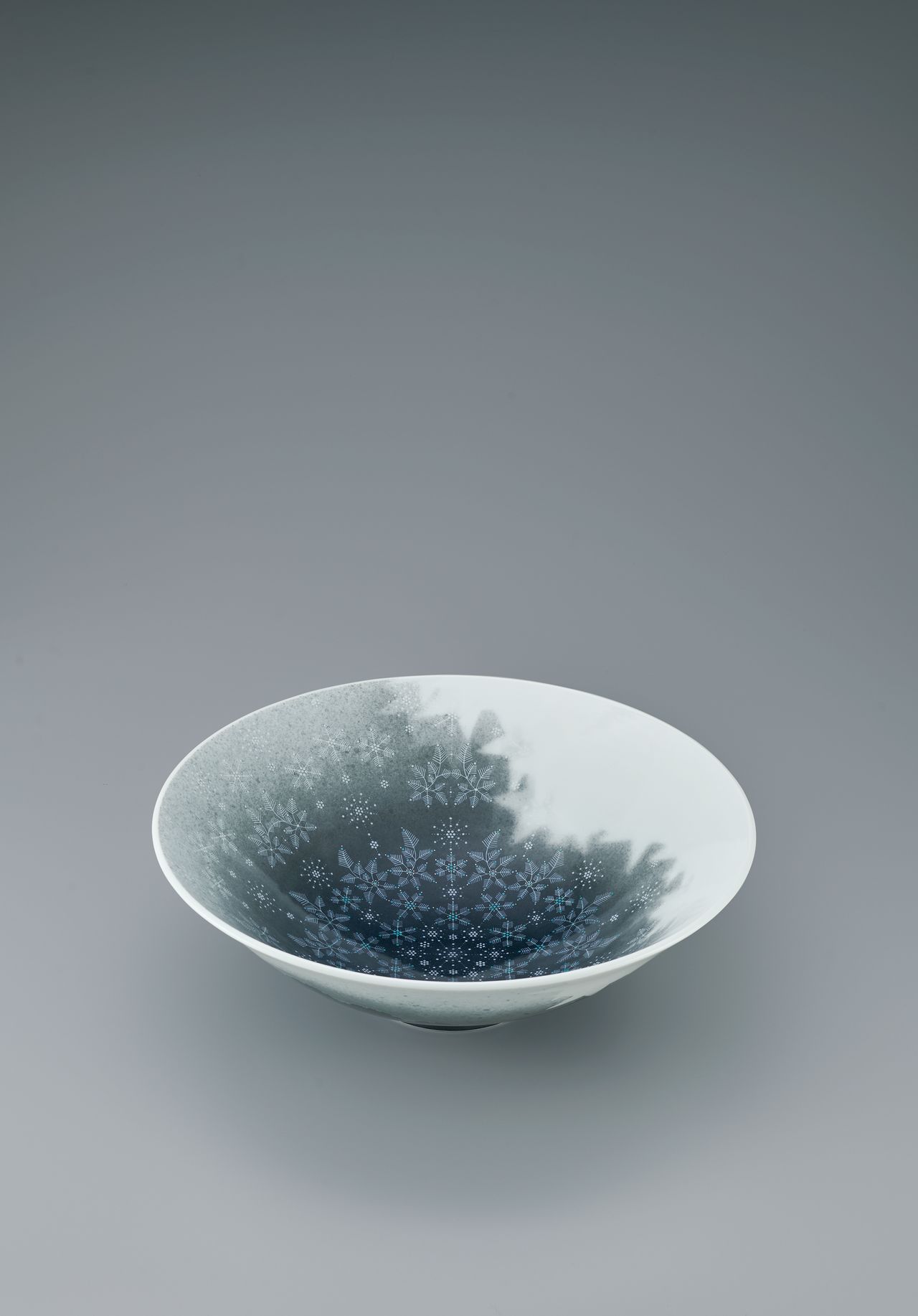
His work, Iroe usuzumi sumihajiki yukimon hachi, or Bowl with Snowflake Pattern, using an India ink resistance technique, recalls that scene.
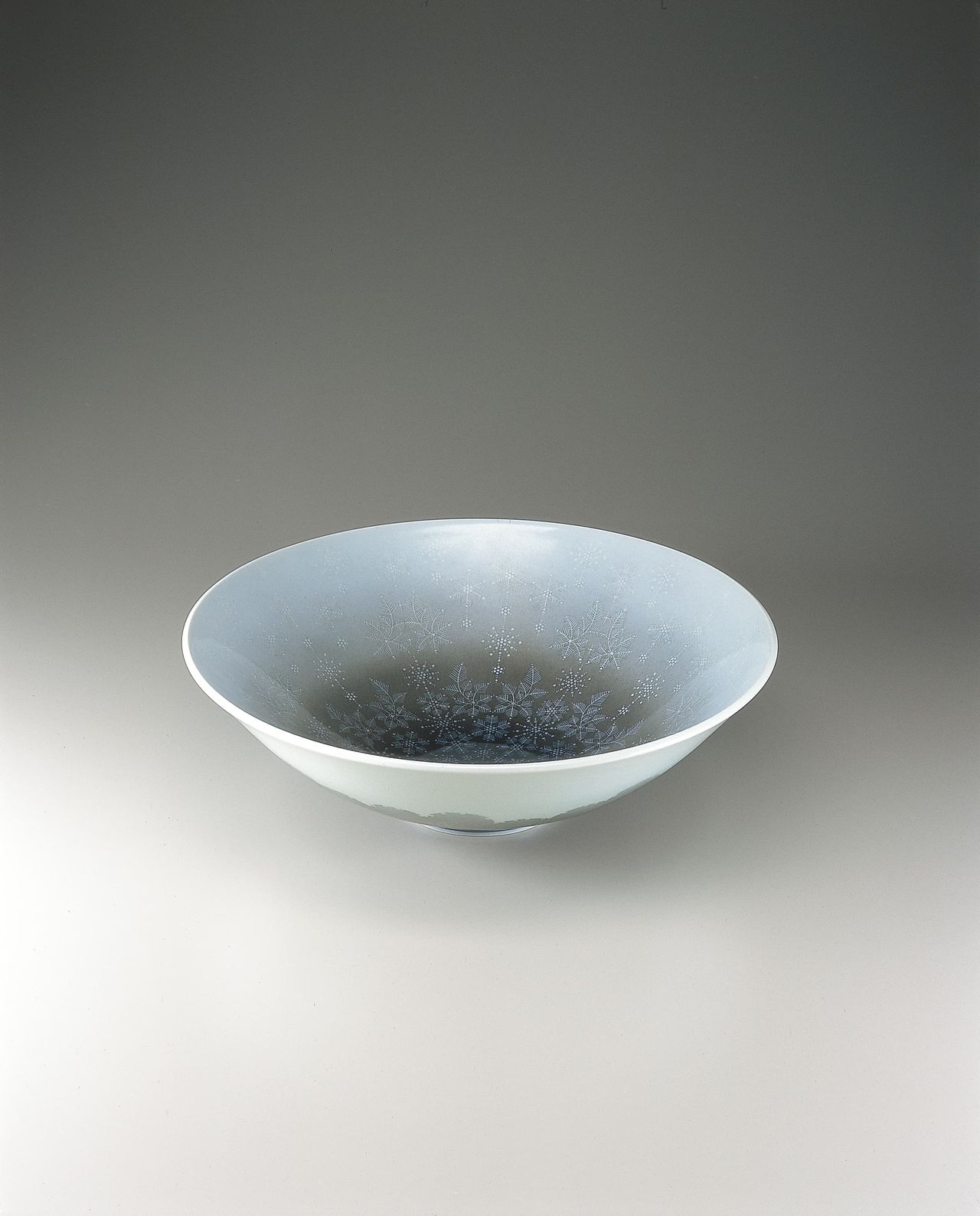
Bowl with Snowflake Pattern. Porcelain with iroe polychrome enamel painting and sumihajiki India ink resistance, exhibited at the fifty-first Japan Traditional Kōgei Exhibition (2004). (Courtesy the Japan Kōgei Association)
The Imaemon Kiln has roots going back 370 years and carries on a tradition of iro nabeshima, a style of colored images painted onto fine porcelain, originally created as tributes to the shogunate and daimyō lords in the Edo period (1603–1868).
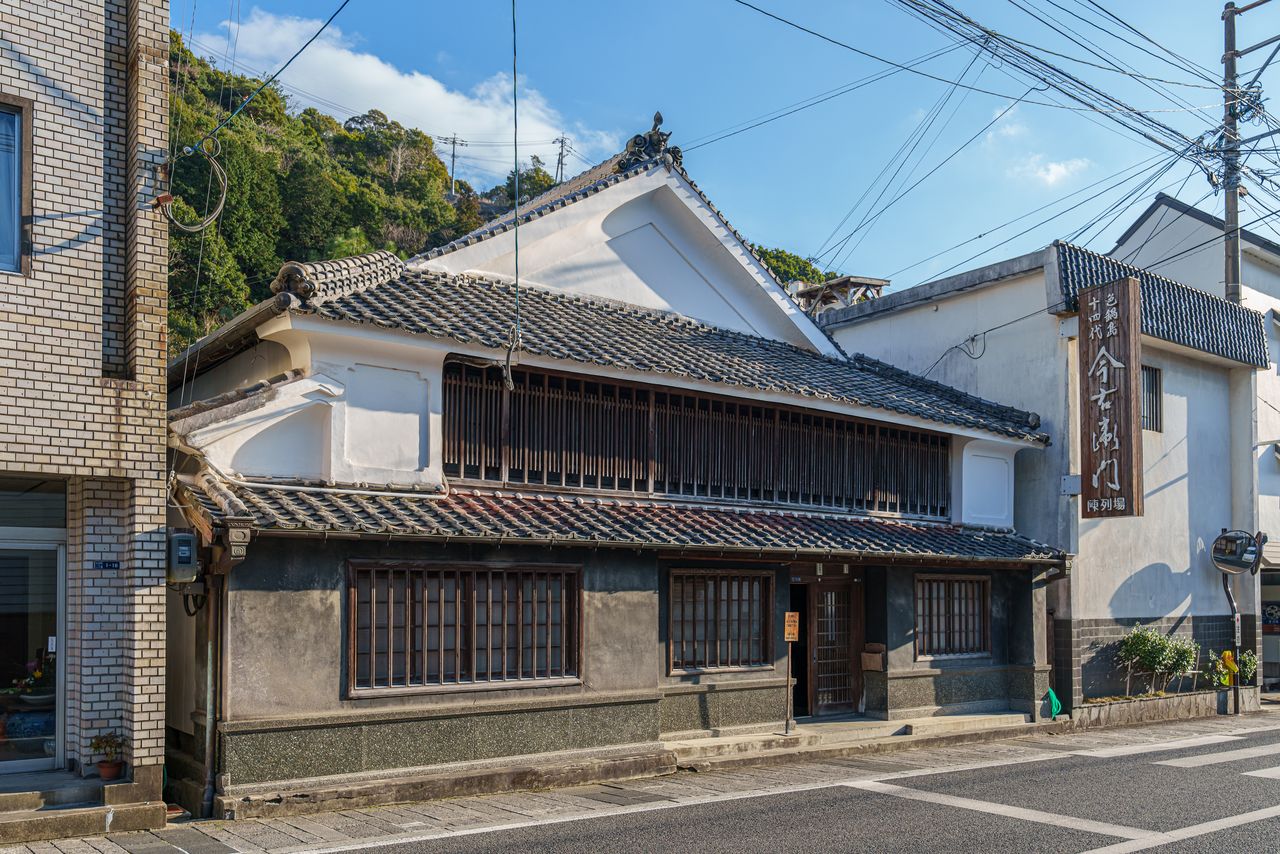
The Imaemon Kiln, Arita’s oldest kiln and a designated Important Intangible Cultural Property of Japan. (© Ukawa Masaki)
Imaemon was born the second son to a ceramicist father, Imaizumi Imaemon XIII, and never thought he would be the one to carry on the family legacy. He resisted following the same path as his father and older brother, so when he enrolled at Musashino Art University, he studied metalworking rather than ceramics. However, he never managed to produce the work he wanted, resulting in increasing discomfort.
“The ideas never came, so I was always just spinning my wheels. I began to worry about whether I could go on creating. But that was when I had that experience of being pulled upward, into the falling snow. I told myself, if I possessed a spirit capable of such emotion, I could still keep going forward step by step on the crafting path, even if I failed to express that in a work.”
That moment of inspiration went on to give birth to a collection of works based on a motif of snow that would lead to his taking on the mantle of Imaizumi Imaemon XIV.
No Inheriting a Tradition
After graduating from university, he worked for three years at a private company, then took a position studying with modern ceramicist Suzuki Osamu, whose work defied classification in any standing tradition. It would be 1990, five years after his graduation, when he finally made his way back to the Imaemon Kiln to work.
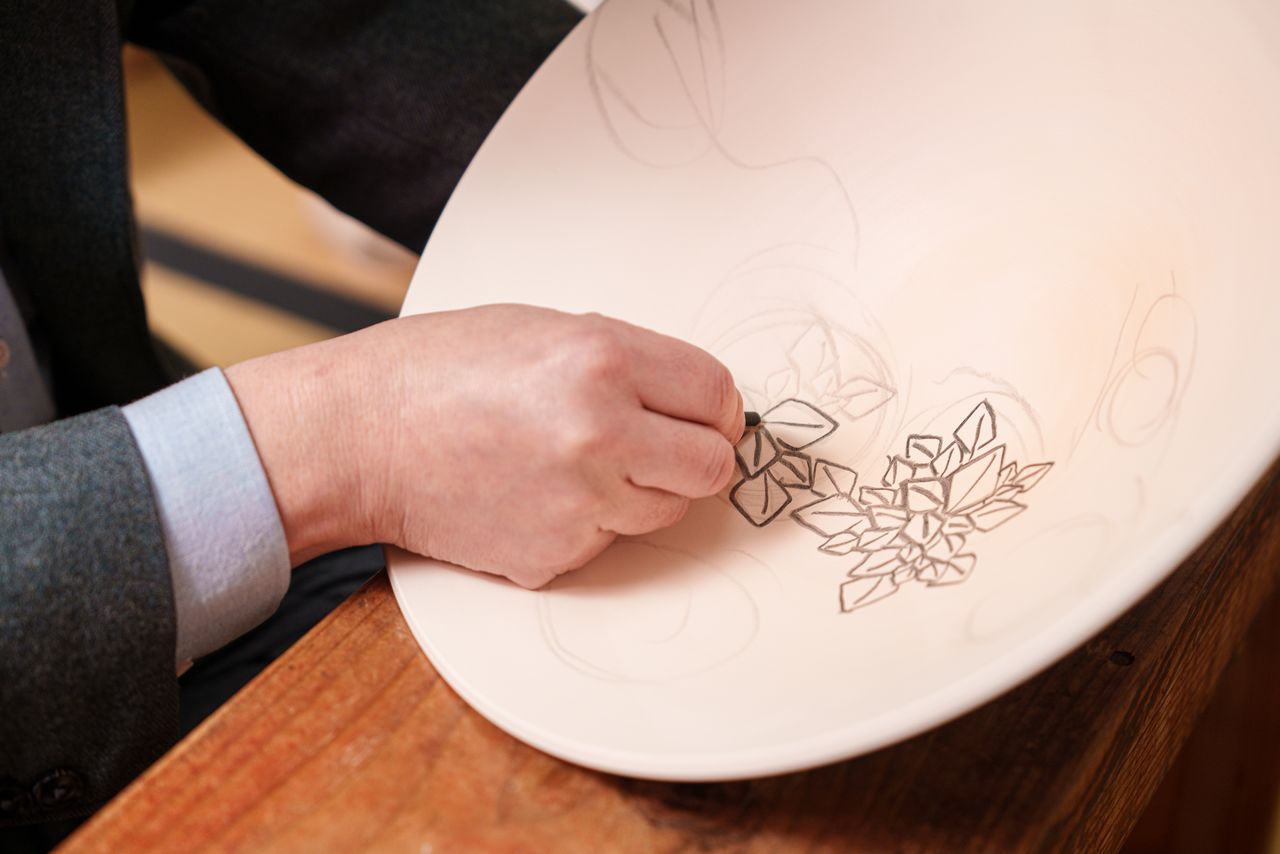
Sketching the basic design with charcoal. (© Ukawa Masaki)
Iro nabeshima, the ceramic tradition carried on at Imaemon Kiln, is one of the leading styles of Arita porcelain. It starts with underglaze painting directly on the clay, with another design painted over the glaze, which results in a precise, sharp finish for elegant patterns.
“When my father was still alive, he would often say, ‘There’s no inheriting a tradition.’ Tradition is something revealed and discovered as the people living in any given time dedicate themselves to their work. He also said, ‘You’ll never understand without making your own mistakes,’ so he didn’t criticize, but just watched over me as I worked.”
Soon after Imaemon returned to his family home, his father told the brothers to decide between themselves who would take over as the next generation. The elder brother said he preferred to handle sales, so he wanted to leave the making to the younger brother. And so, it was decided.
Accepting his father’s and brother’s wishes, Imaemon immersed himself in the pursuit of creating something new. That snowy evening was his guiding light. In 2004, at the age of 41, he completed his Bowl with Snowflake Pattern.
“That work perfectly unites my ideals and my work. It took over twenty years, but I finally managed to express that feeling of being drawn upward into the snow.”
Snowflake Lines as Nabeshima Patterns
The Bowl with Snowflake Pattern expressed that university-day memory using the techniques of sumihajiki and usuzumi.
Sumihajiki is a traditional iro nabeshima resistance technique. The artist uses India ink to draw a design on the bare porcelain. The binding element in the ink repels enamel or glaze layered over the top. During firing, the ink itself burns off, leaving a blank white pattern.
Usuzumi literally means “lightened ink,” and is a decorative technique in which a gray pigment the color of thinned ink is sprayed on to create a color gradient. It was established by Imaizumi Imaemon XIII in his pursuit of more modern expressive style.
After the main firing, the piece is decorated with pale green enamel or platinum and re-fired at lower temperatures to complete the work.
The while snowflake patterns left by the sumihajiki resistance seems to float against the usuzumi gradient background. Pale green and sparkling platinum touches add accents, while a faintly blue oak-ash overglaze pulls the snowy world together.
Snow-Flower Bowl with Snow Pattern, exhibited at the seventy-first Japan Traditional Kōgei Exhibition (2024). (Courtesy the Japan Kōgei Association)
“Nabeshima-style lines are marked by uniformity and clarity, and I was able to draw snow crystals because they were naturally nabeshima-style.”
Even without any direct training from previous generations, the kiln still produces work that carries on the inherent character of the tradition. Imaemon attributes that to the presence of the many artisans working together at the kiln, who have shared the subtle techniques and spirit of craft that have defined the kiln’s inherent character since it served the Edo period nobility.
Recognition of Artisan Values
With 2011’s Iroe sekka usuzumi sumihajiki shiki hanamon kabin, or Snow-Flower Vase with Four-Season Flower Patterns, Imaemon took his creativity to a new level, adding delicate nuance by combining sumihajiki techniques with slip resistance to create patterns of white within white. This is an original method developed by Imaemon XIV, which he calls sekka-sumihajiki, or “snow crystal resistance.”
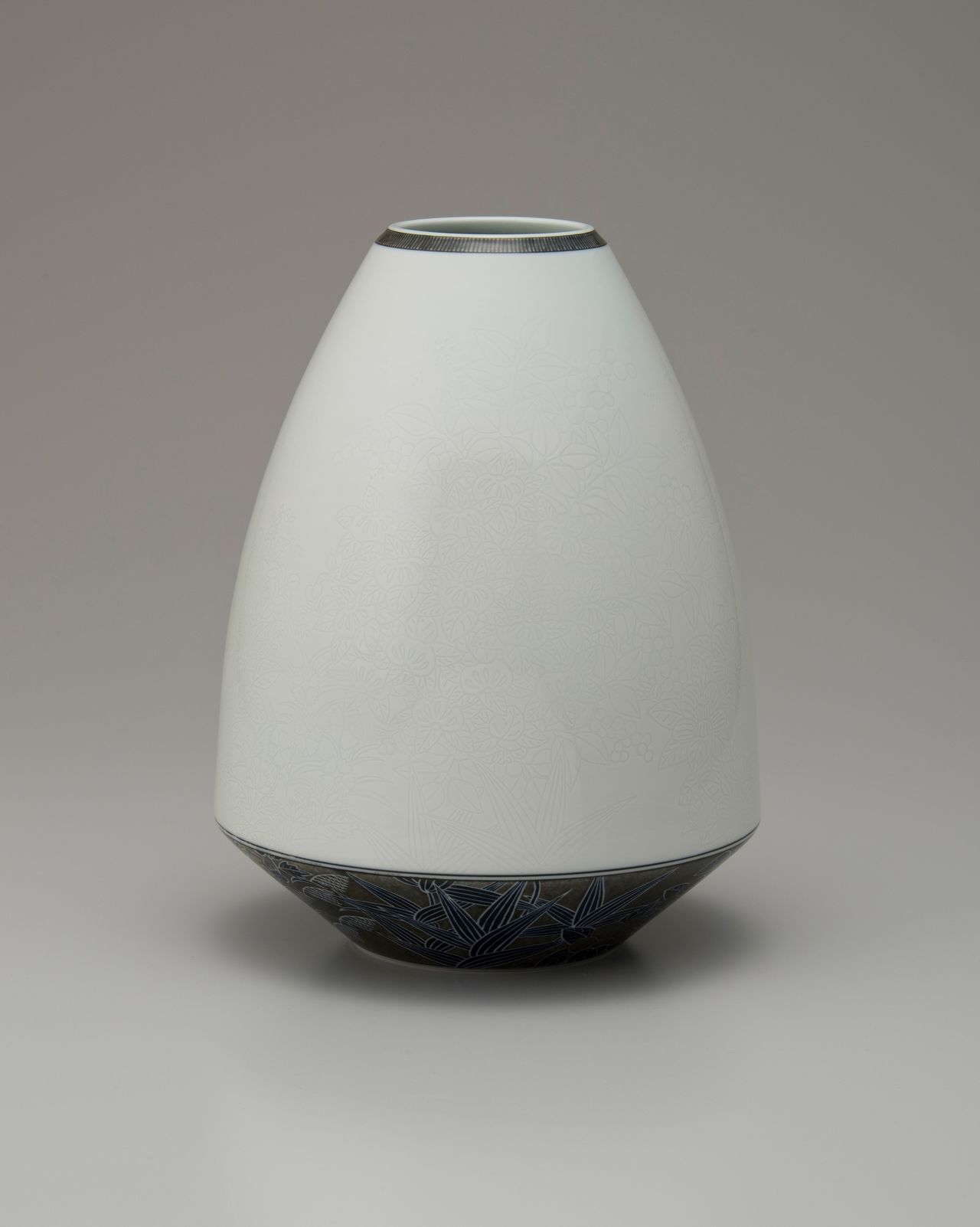
Snow-Flower Vase with Four-Season Flower Patterns (2011) (© Ukawa Masaki)
He was designated a Living National Treasure for iroe porcelain in 2014, at the age of 51, becoming the youngest ceramicist ever to receive that honor. At the time, he was praised for bringing his own character using traditional techniques, and opening up new avenues of expression in iroe polychrome porcelain.
“I became head at the age of thirty-nine, when my father passed, and my only choice was to do the best I could. There are over twenty artisans working at Imaemon Kiln, dividing labor and using specialized skills in their work. Our work is only possible because of the collective experience generations of artisans, and I accepted that designation in their name.”
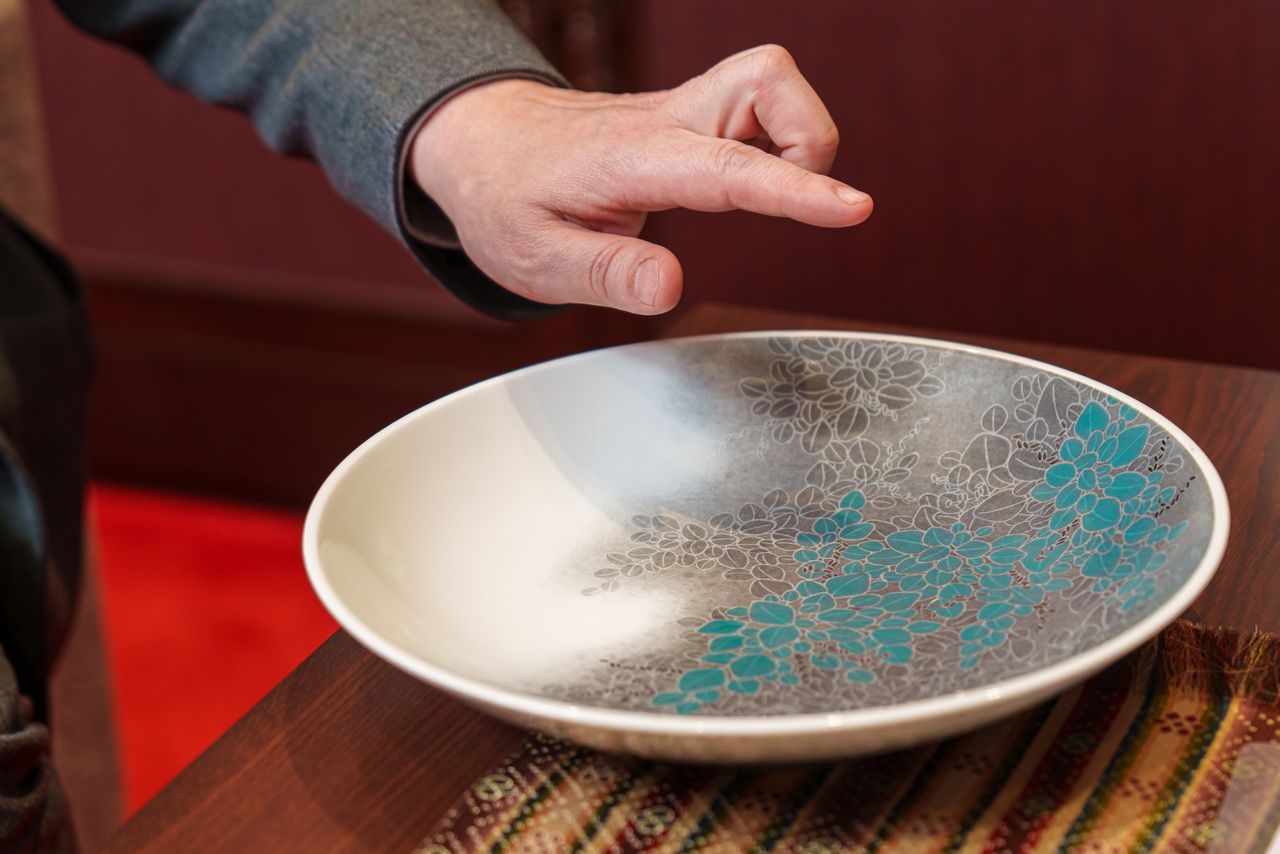
A sister piece to the 2019 Snow-Flower Bowl with Bush Clover Pattern, on display at the Imaemon Kiln Gallery. (© Ukawa Masaki)
Imaemon says that he is sensing a new transparency in the pottery.
“The feeling of transparency brought by gray enamel under a glassy overglaze, and the touches of platinum color on the glazing, feel more exquisite than before. My way of seeing might have changed, or maybe it’s because of the shift from fluorescent and incandescent lighting to LED.”
On the 2019 work Iroe sekka usuzumi sumihajiki hagimon hachi, or Snow-Flower Bowl with Bush Clover Pattern, he has airbrushed enamel over white lines left by sumihajiki in a delicate balance that makes the resistance lines seem to float above the surface. It brings a sense of the quiet of the autumn sky.
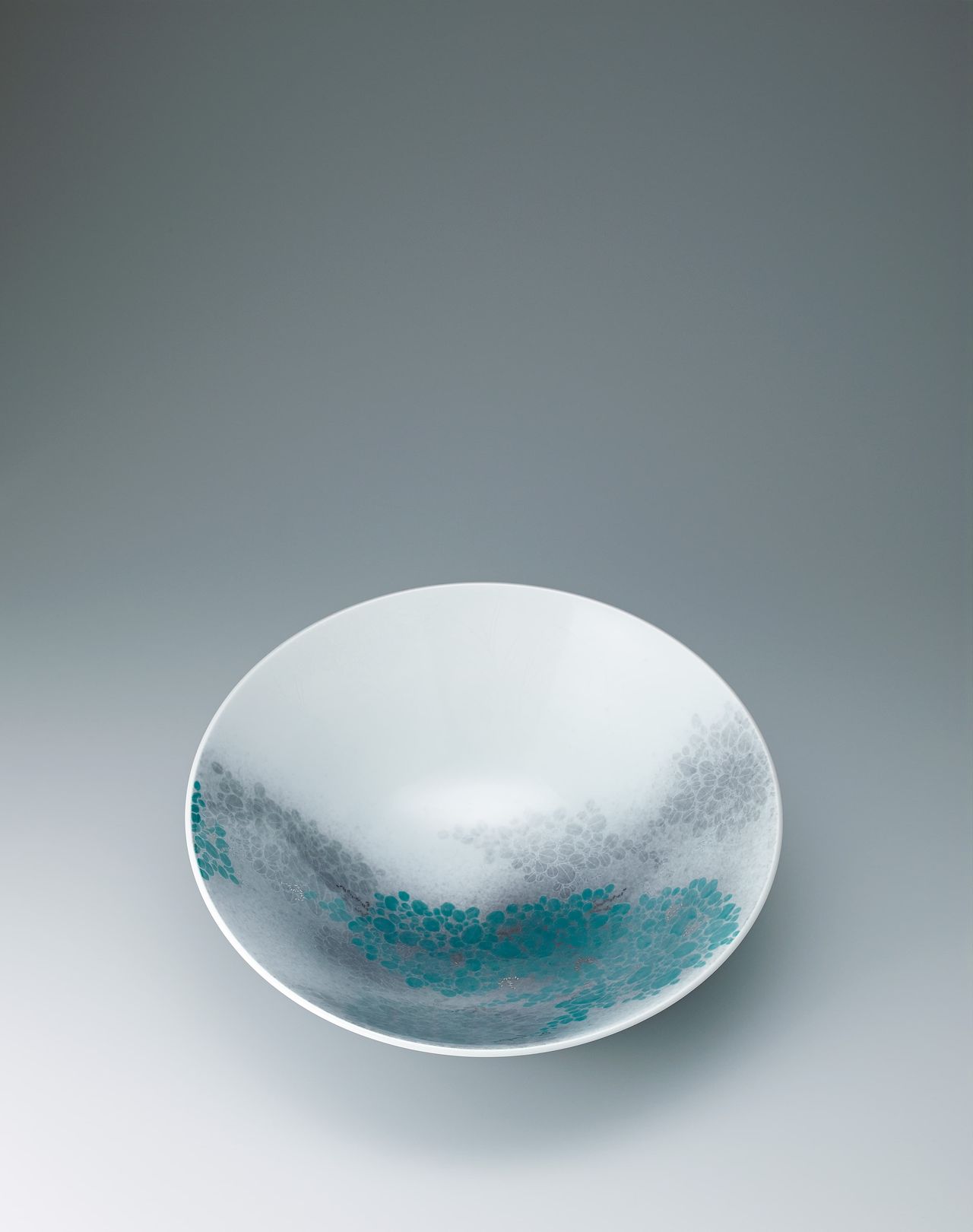
Snow-Flower Bowl with Bush Clover Pattern, exhibited at the sixty-sixth Japan Traditional Kōgei Exhibition (2019). (Courtesy the Japan Kōgei Association)
“Recently, I’ve been thinking that even if you’re not trying to make work that reflects the times, simply living then means that you will naturally reflect it. Meiji era works carry a Meiji feeling, and the air of today sleeps in today’s pieces.”
Character is indeed built from a living tradition and the innovation of the day. Layering these aspects with his own artist’s sensibility, Imaizumi Imaemon XIV carries on ceaselessly producing original work at the Imaemon Kiln.
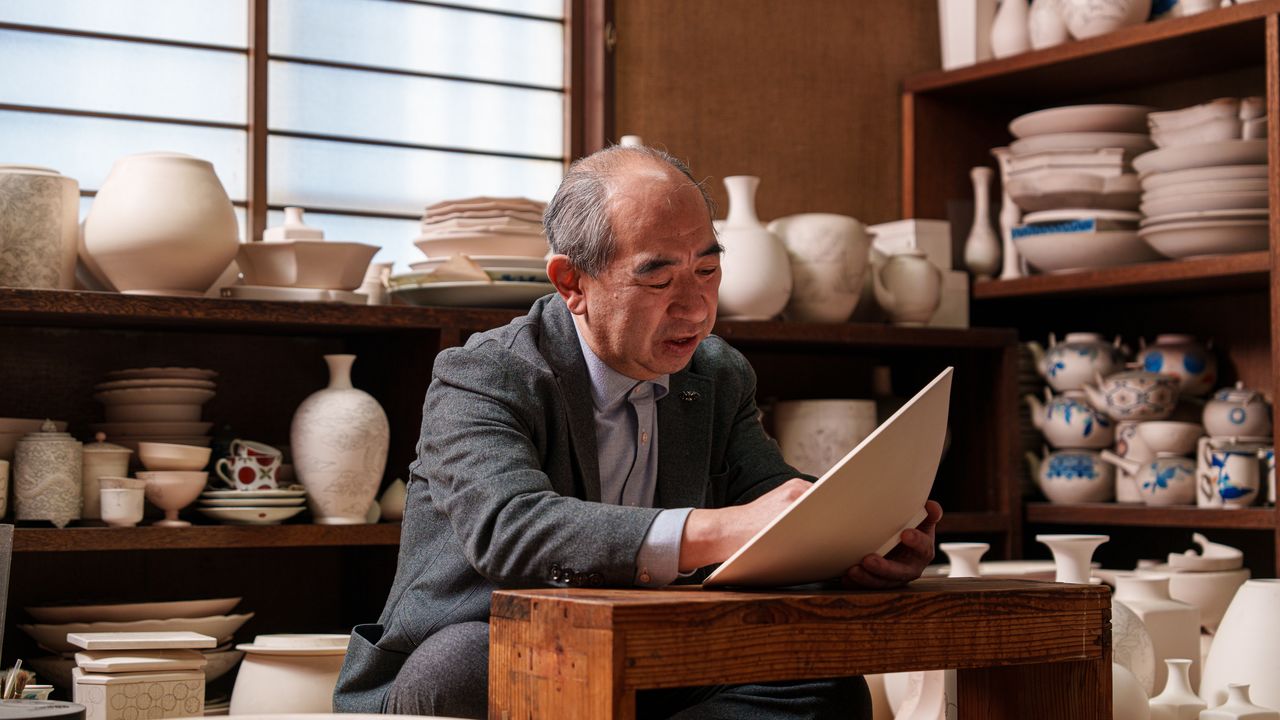
(Originally published in Japanese. Interview and text by Sugihara Yuka and Power News. Banner photo: Imaizumi Imaemon XIV applying an underglaze design in his workshop. © Ukawa Masaki.)