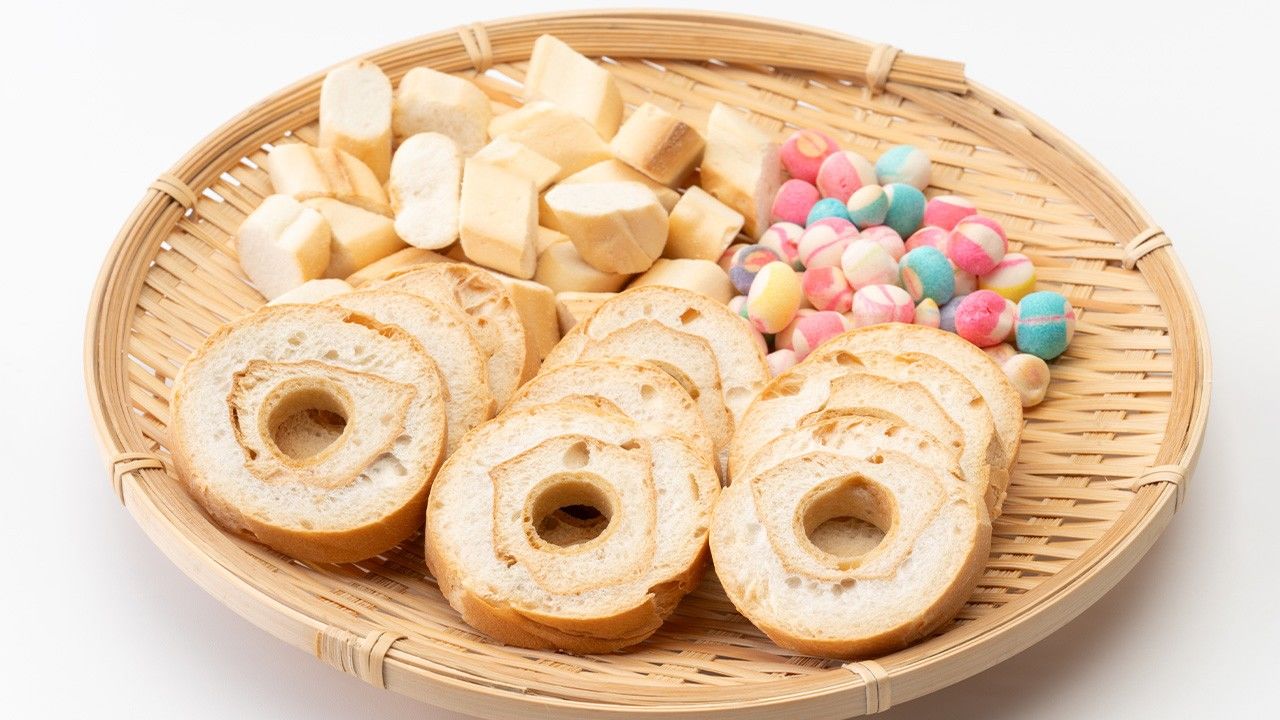
Building Blocks: The Basic Ingredients Behind Japan’s Flavors
Getting to Know the Many Different Faces of Japanese Fu
Food and Drink Culture Lifestyle- English
- 日本語
- 简体字
- 繁體字
- Français
- Español
- العربية
- Русский
Related Content
Learn more about the versatile ingredient fu, made from wheat gluten, in “Fu: Savoring the Tastes and Textures of Japan’s Traditional Vegan Wheat Protein.”
Temari-fu
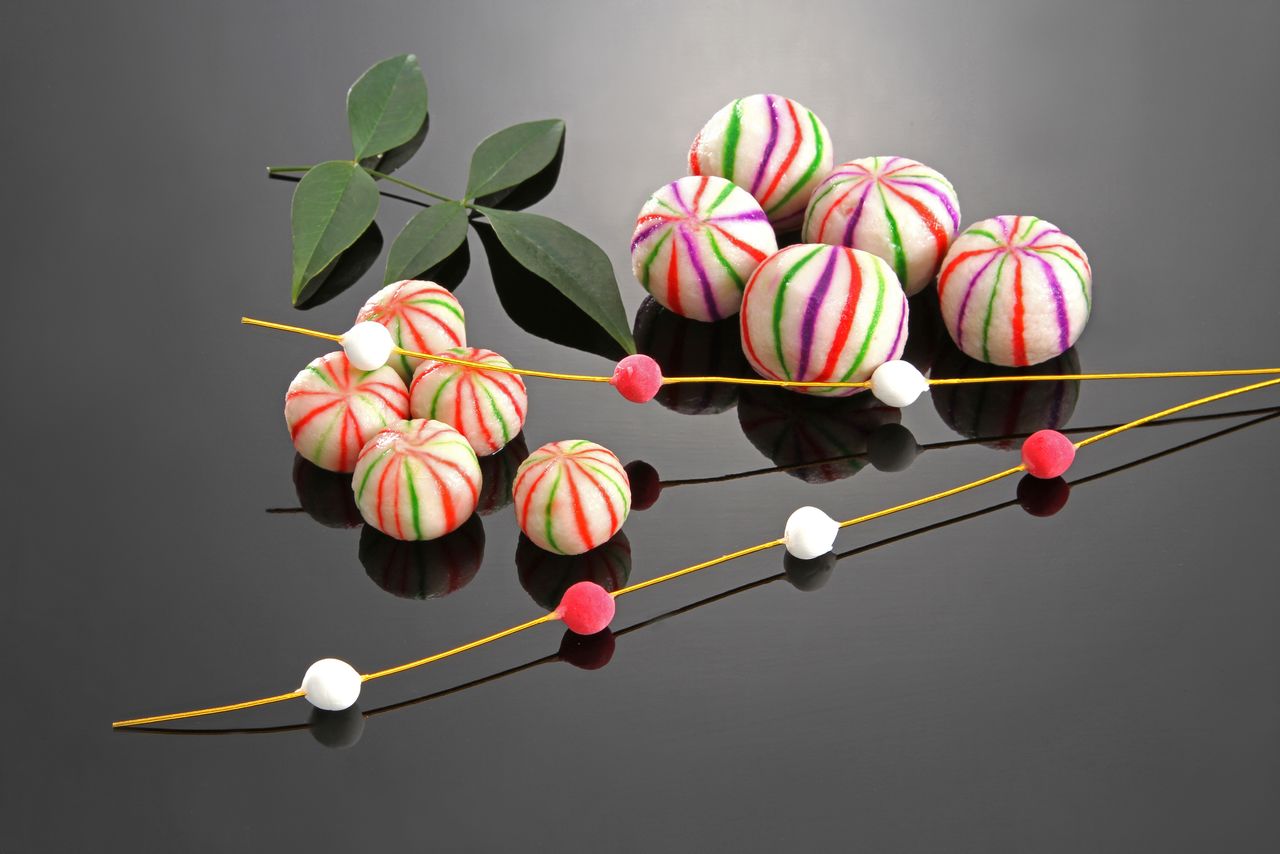
Shaped like traditional embroidered temari balls, this type of yaki-fu (baked or roasted fu) provides a festive addition to seasonal and celebratory dishes, particularly soups. (© Pixta)
Awa-fu
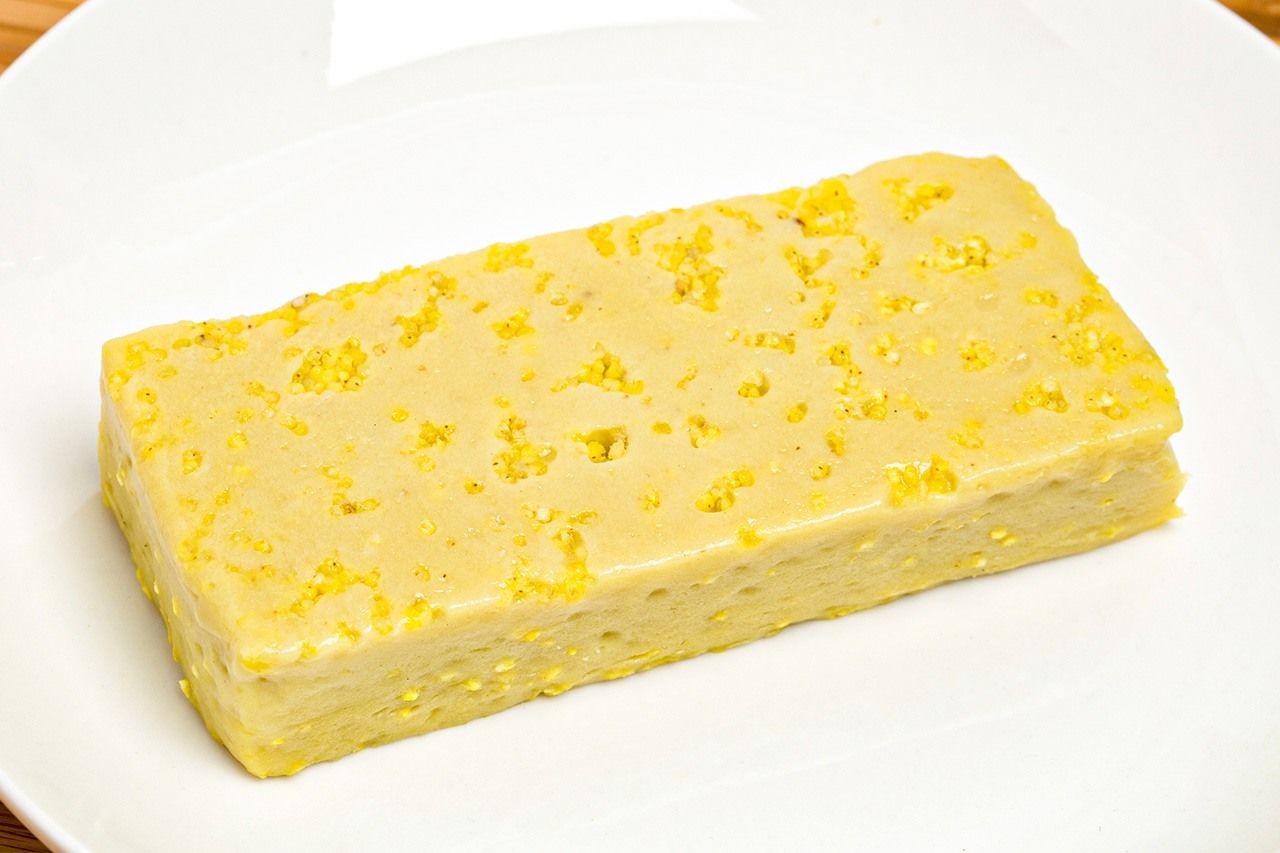
A type of nama-fu (boiled or steamed fu) containing millet flour. (© Pixta)
Nama-fu dengaku
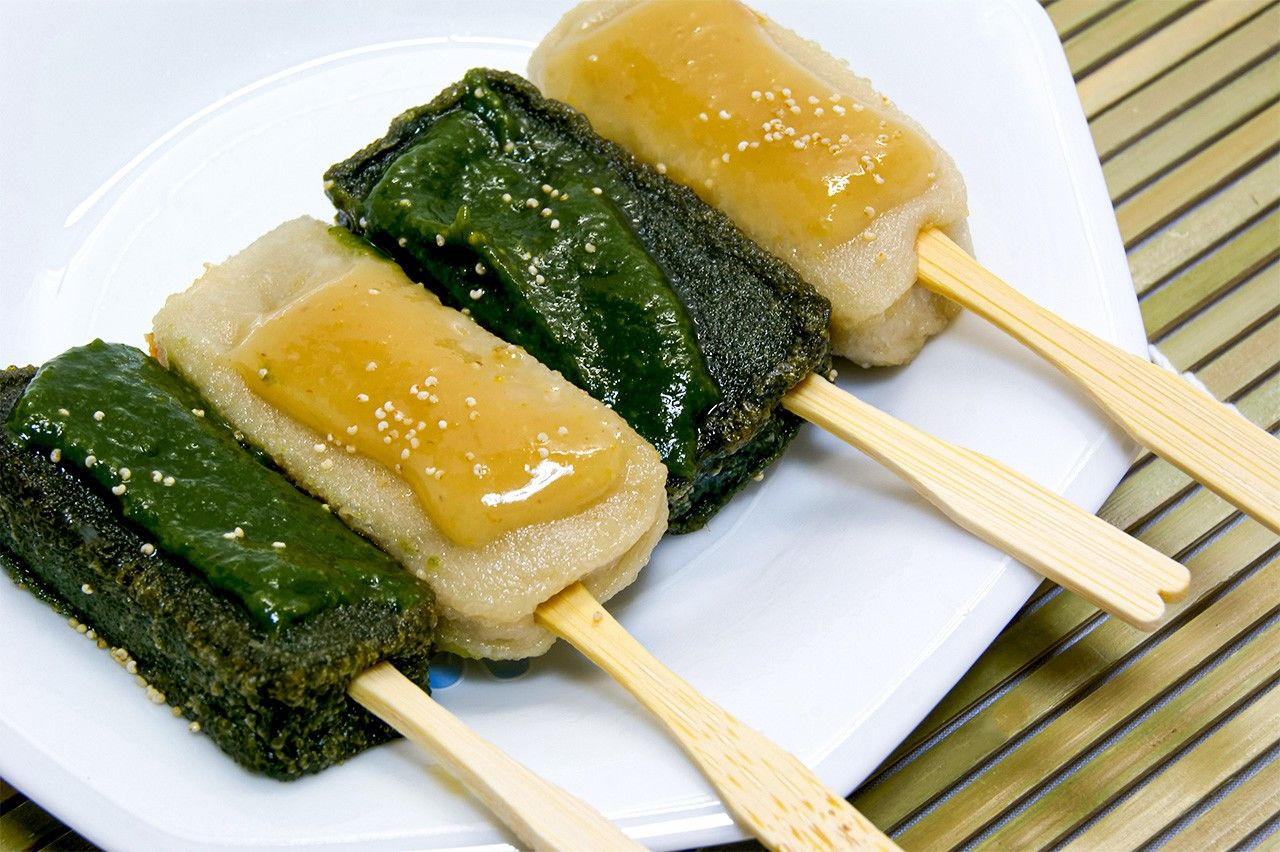
Nama-fu like awa-fu or varieties containing mochi and other types of starchy flour that are served with a coating of sweetened miso paste. (© Pixta)
Fu-manjū
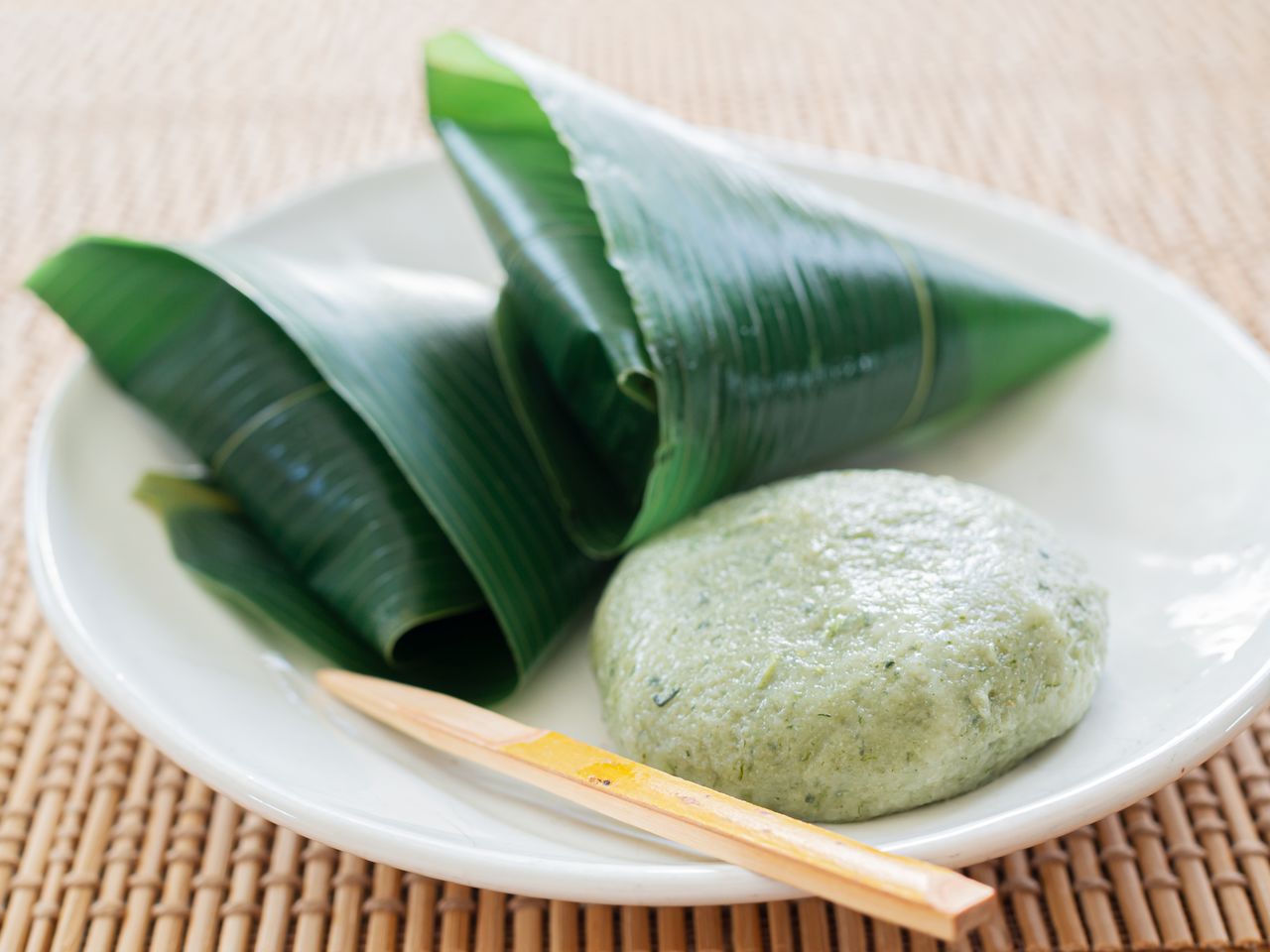
Steamed dumplings made with nama-fu, fragrant yomogi (mugwort), and stuffed with adzuki paste or other sweet fillings. (© Pixta)
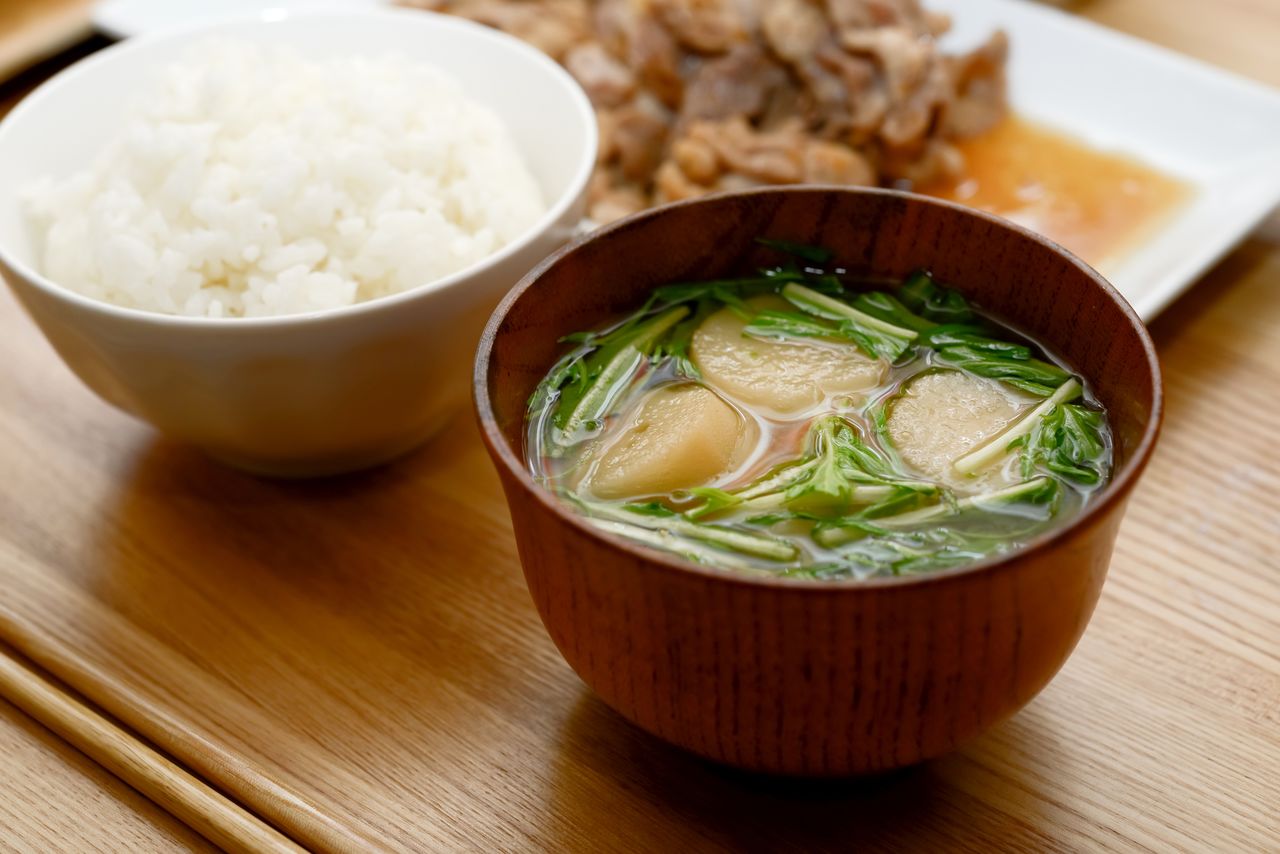
Komachi-fu
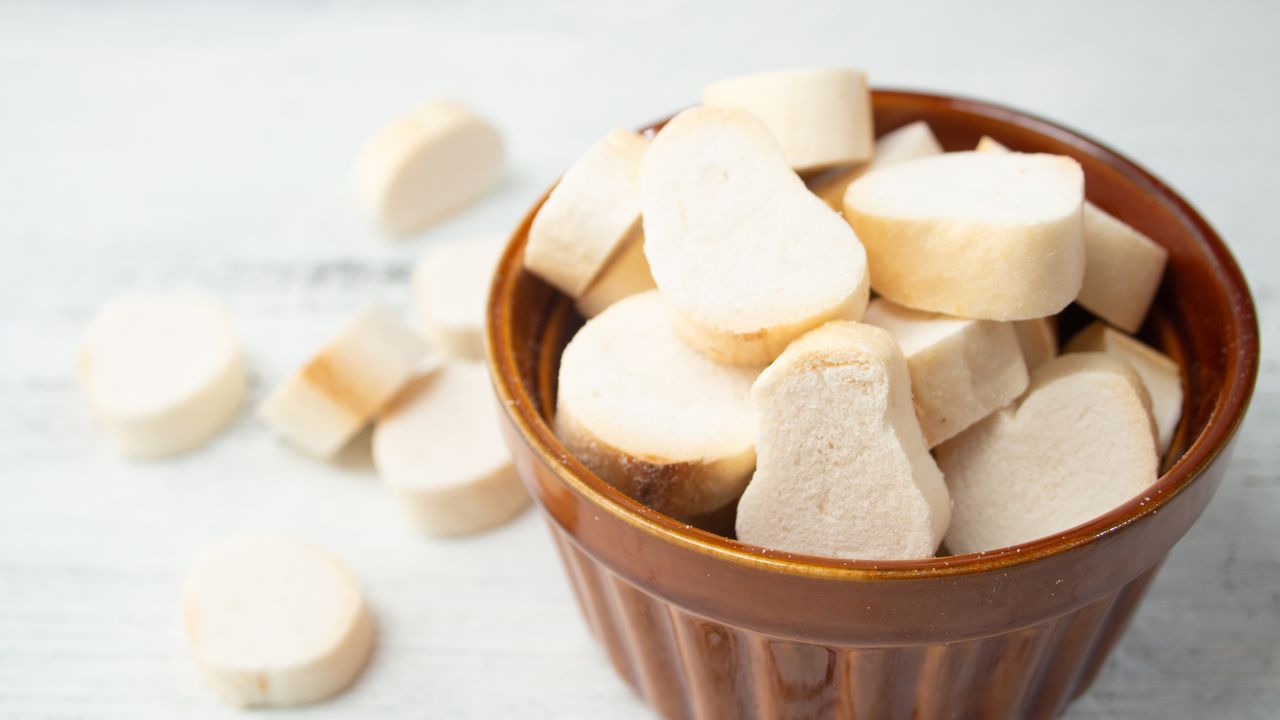
Small yaki-fu used in soups, stews, and as garnish. (© Pixta)
(© Pixta)
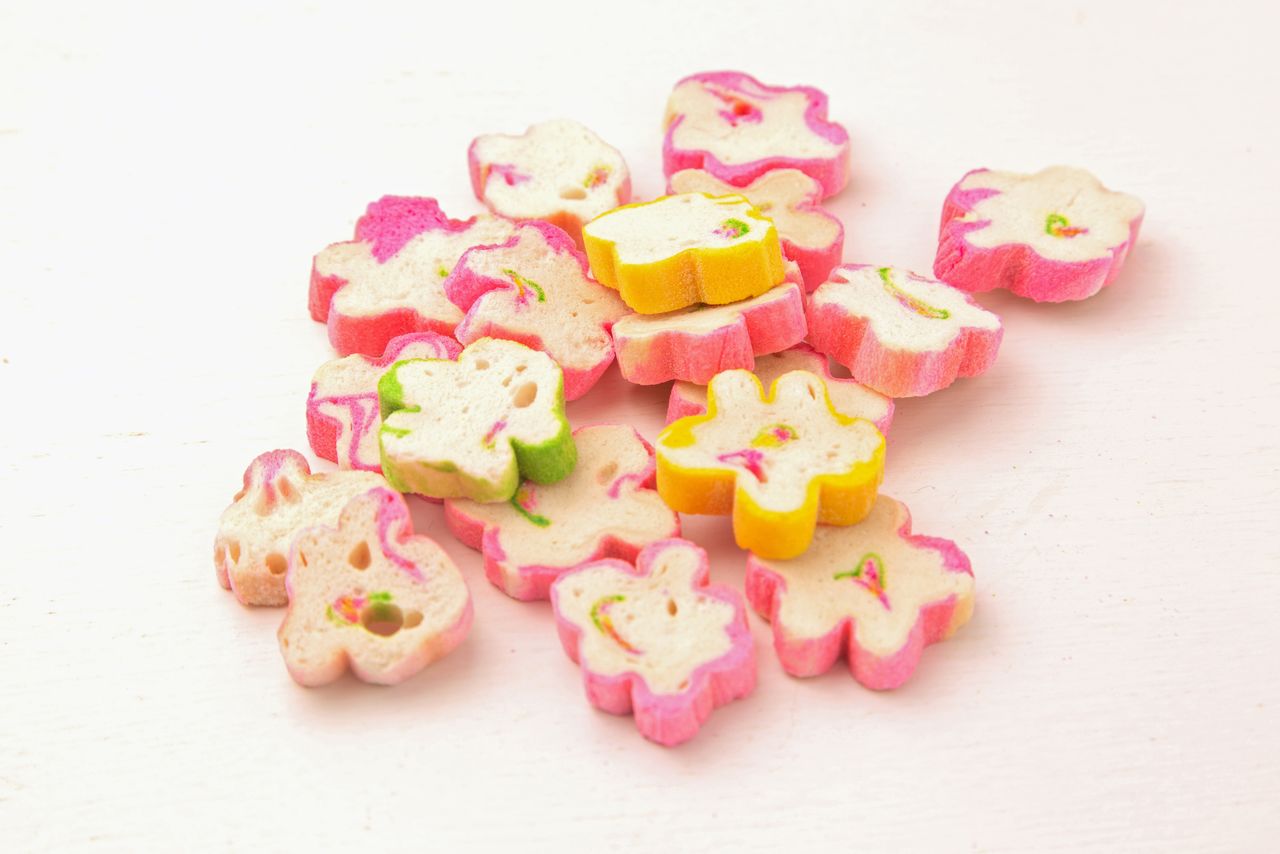
Hana-fu
Yaki-fu formed like colorful flowers. It is often used to brighten or add a seasonal touch to dishes.
(© Pixta)
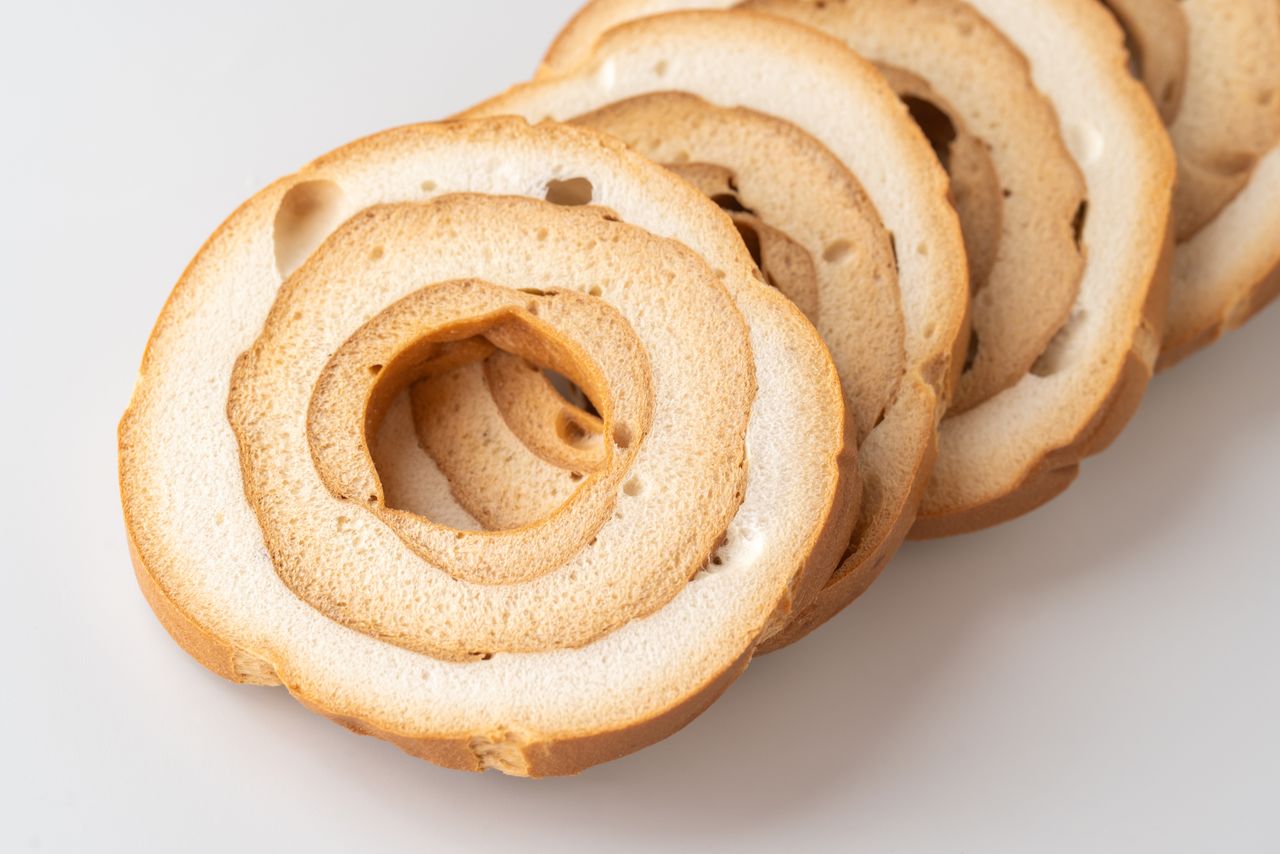
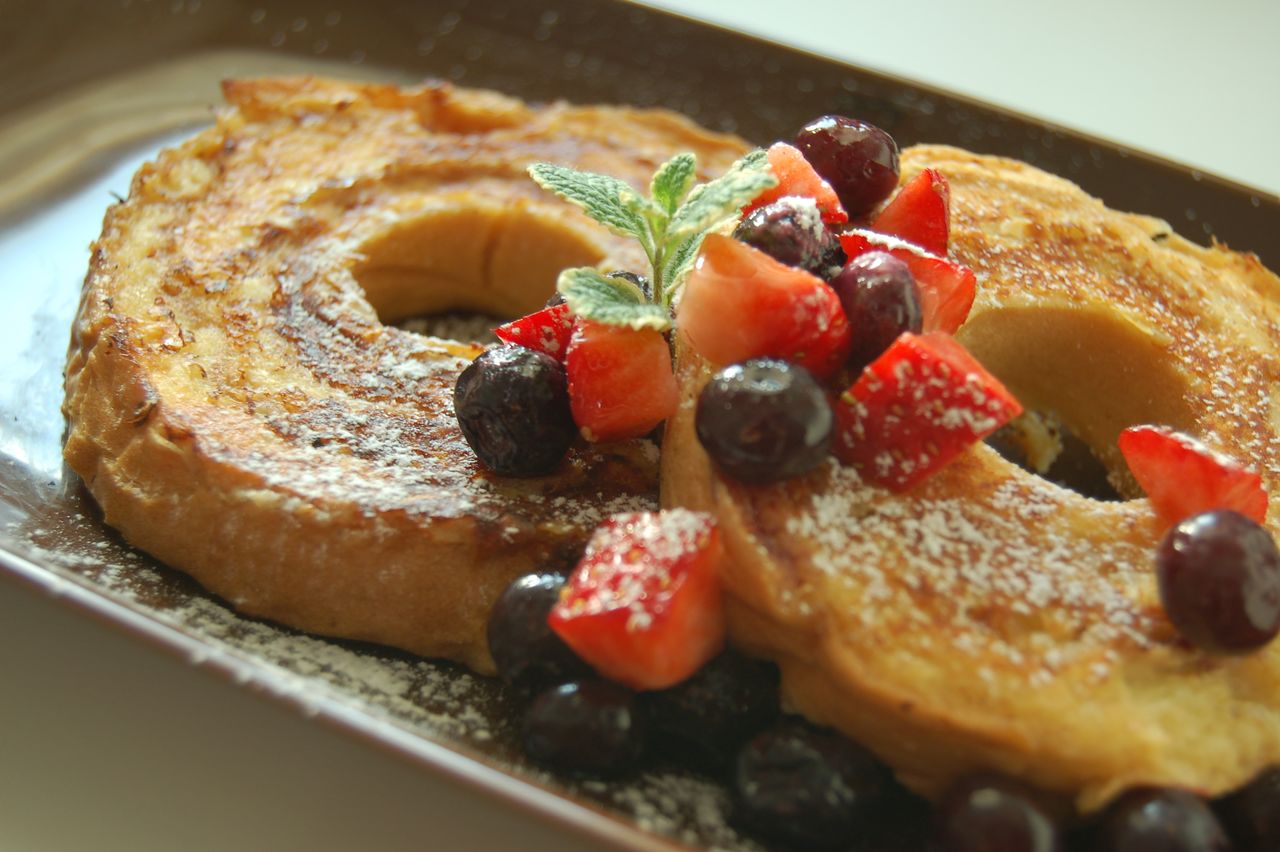
Kuruma-fu
A wheel-shaped yaki-fu. As it retains its chewiness in liquids, it is used in soups and simmered dishes or is soaked in sweet or savory marinades. A popular recipe resembling French toast features grilled kuruma-fu slathered in syrup and toppings like fresh fruit.
(© Pixta)
(© Pixta)
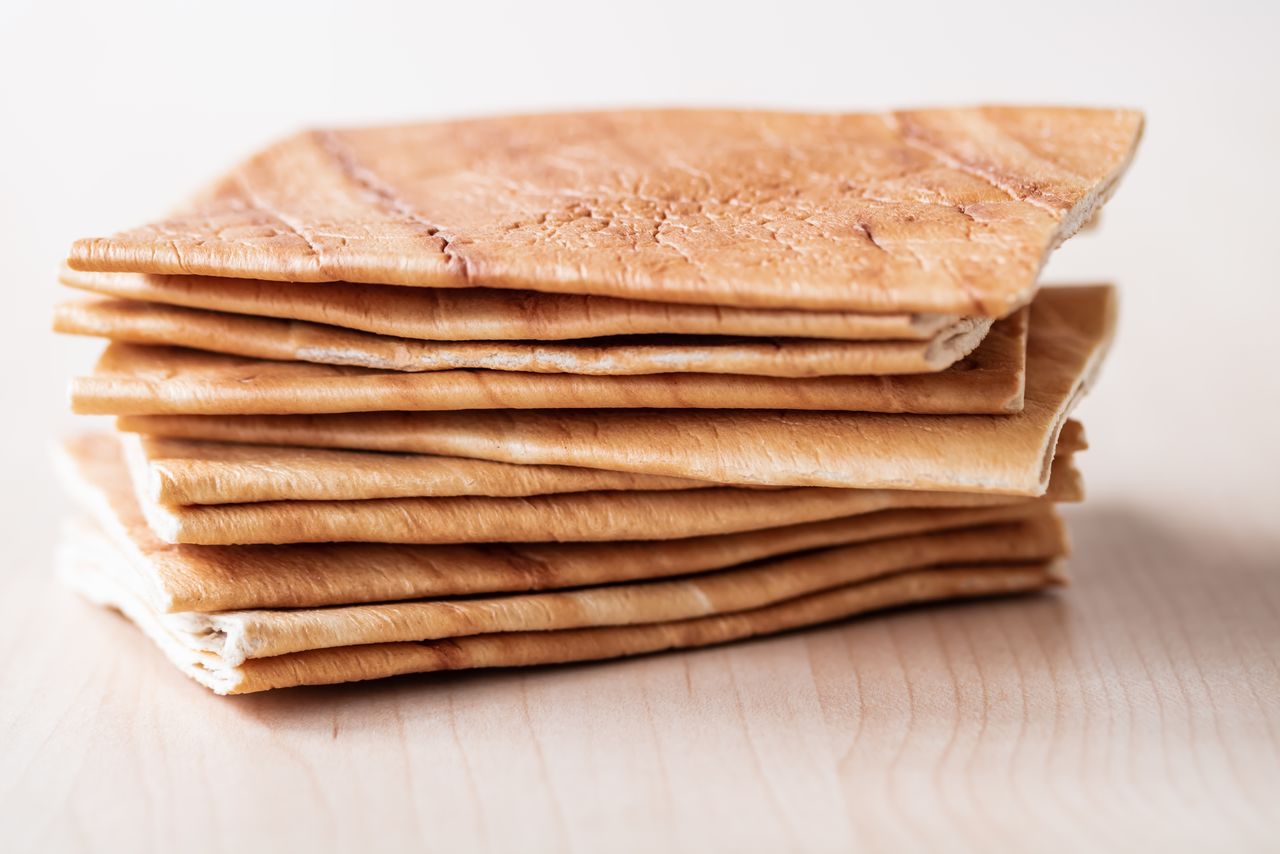
Ita-fu
A flat-type of yaki-fu used in soups and as a meat substitute in stir-fried and simmered dishes.
(© Pixta)
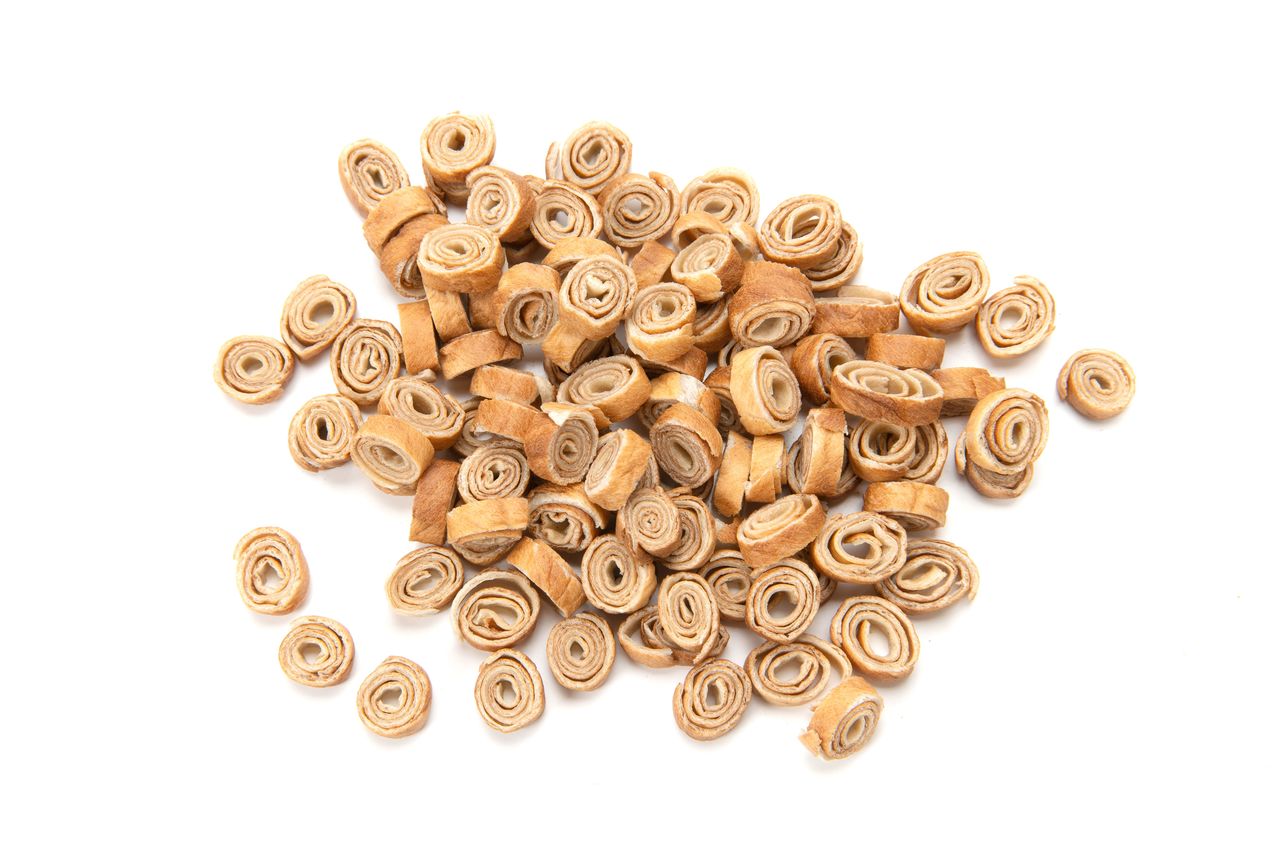
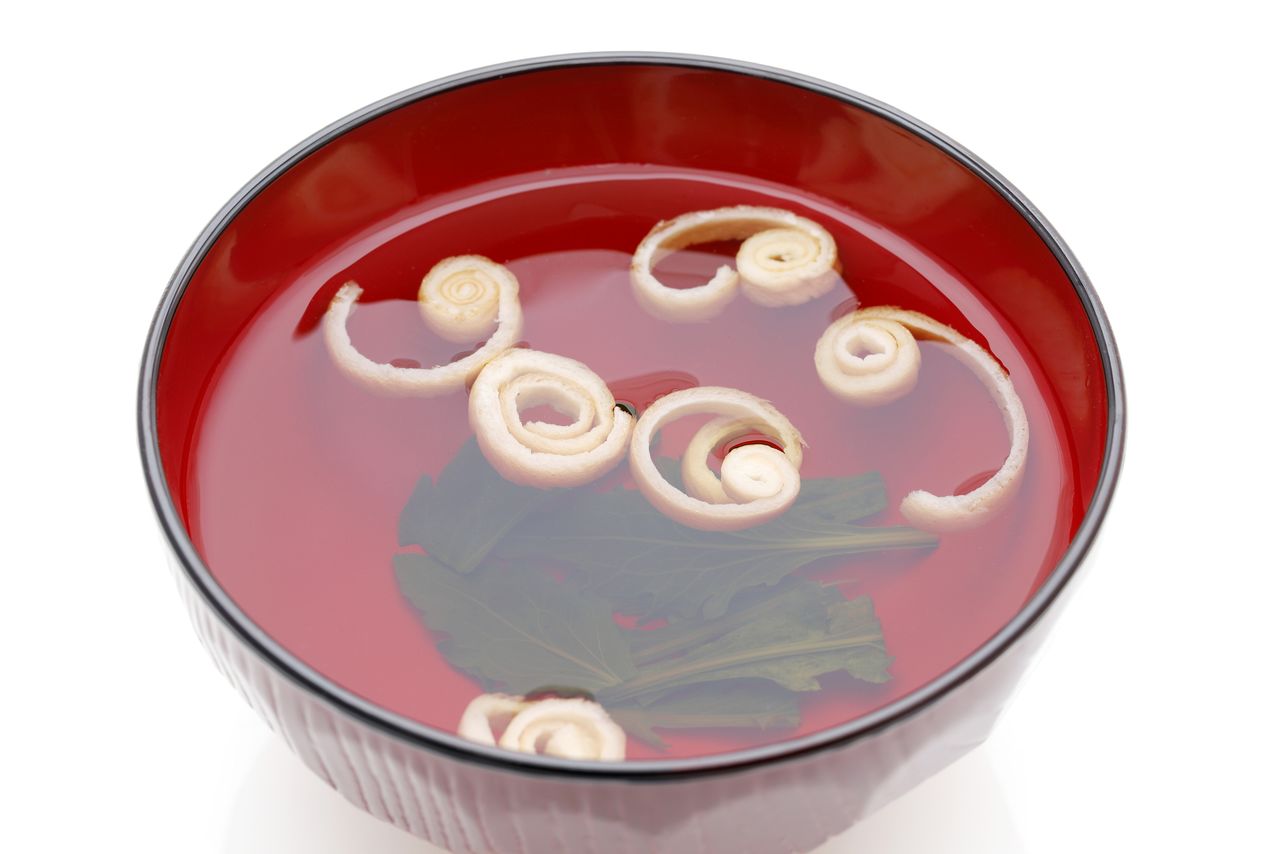
Uzumaki-fu
A small, rolled yaki-fu used to add a decorative and chewy element to soups, broths, and other dishes.
(© Pixta)
(© Pixta)
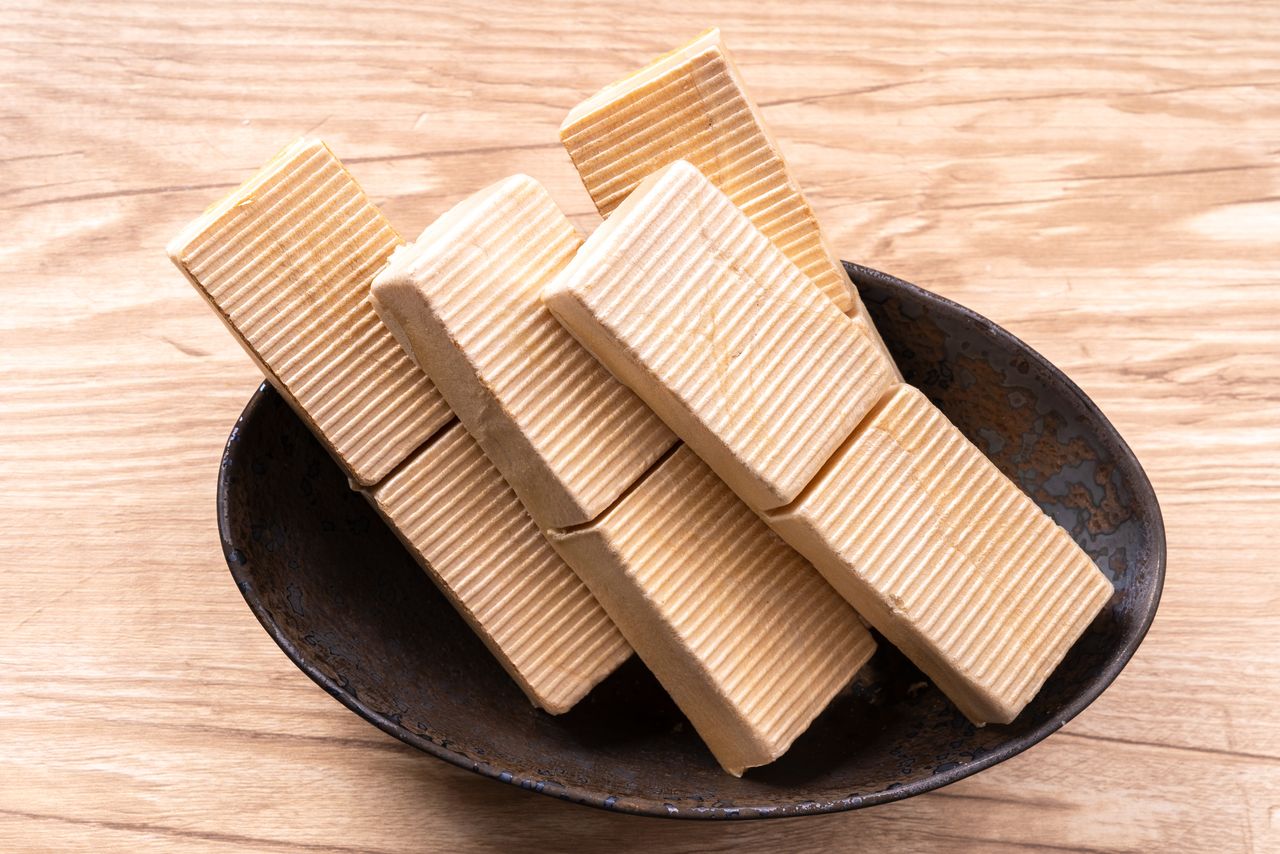
Chōji-fu
A thick, rectangular yaki-fu from Shiga Prefecture. It features as the main or minor ingredient in a variety of cooking, including shōjin ryōri (Buddhist vegetarian cuisine).
(© Pixta)
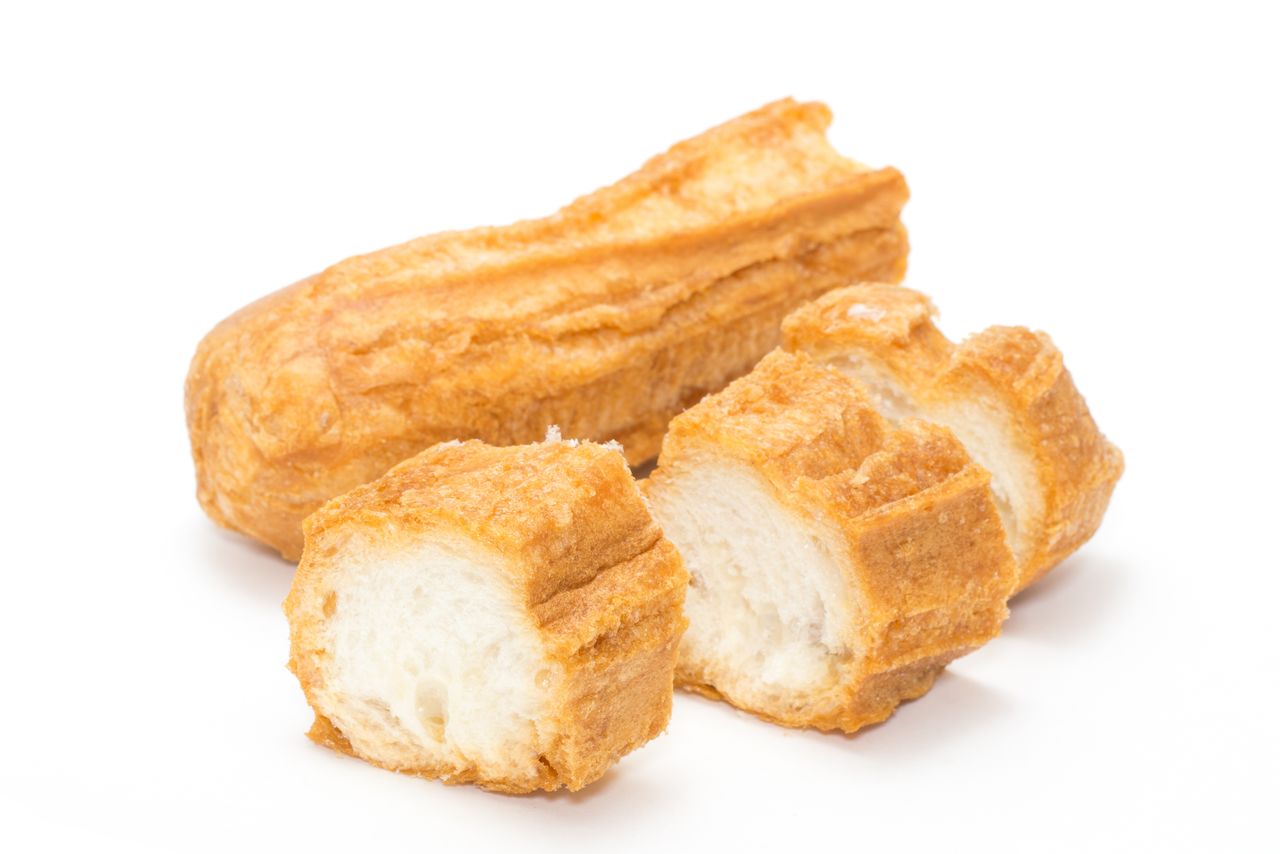
Abura-fu
An oblong, deep-fried fu associated with northern Miyagi Prefecture. It features in the dish abura-fu don, in which it is simmered in broth with other ingredients and served over rice.
(© Pixta)
(Originally published in Japanese. Banner photo © Pixta.)