Building Blocks: The Basic Ingredients Behind Japan’s Flavors
Takenoko: Bamboo Shoots in Japanese Cuisine
Food and Drink Environment- English
- 日本語
- 简体字
- 繁體字
- Français
- Español
- العربية
- Русский
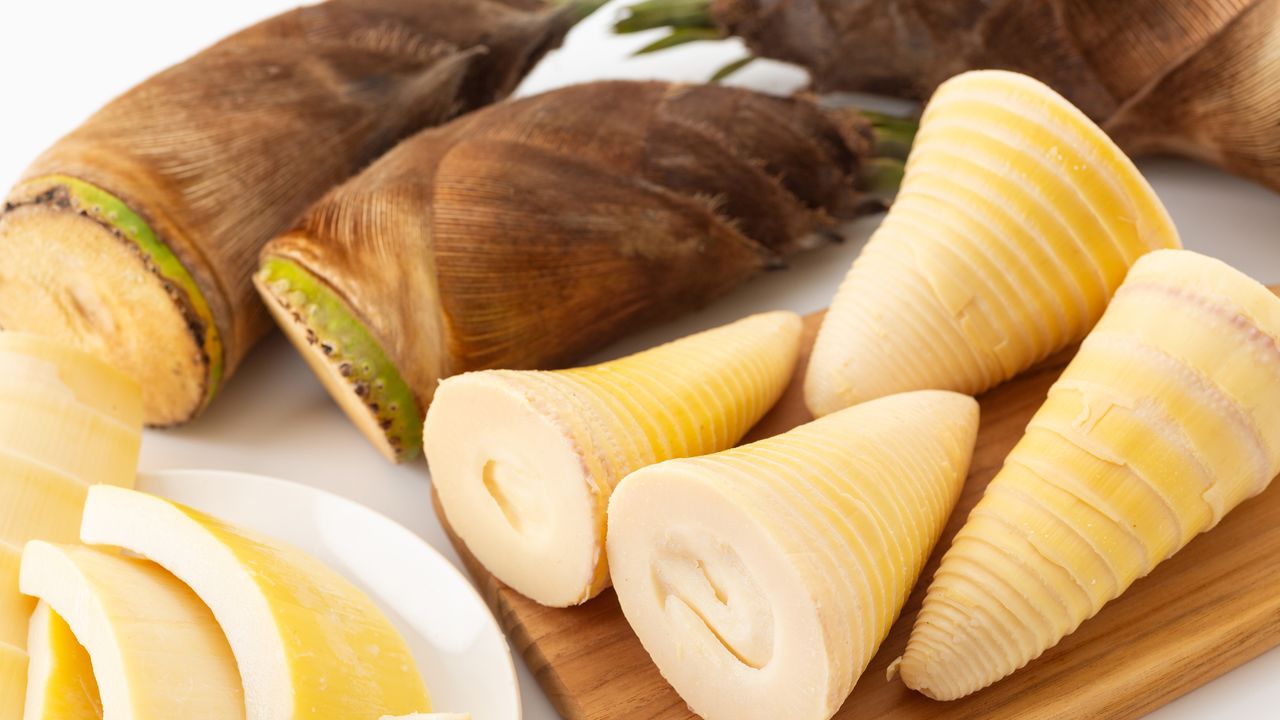
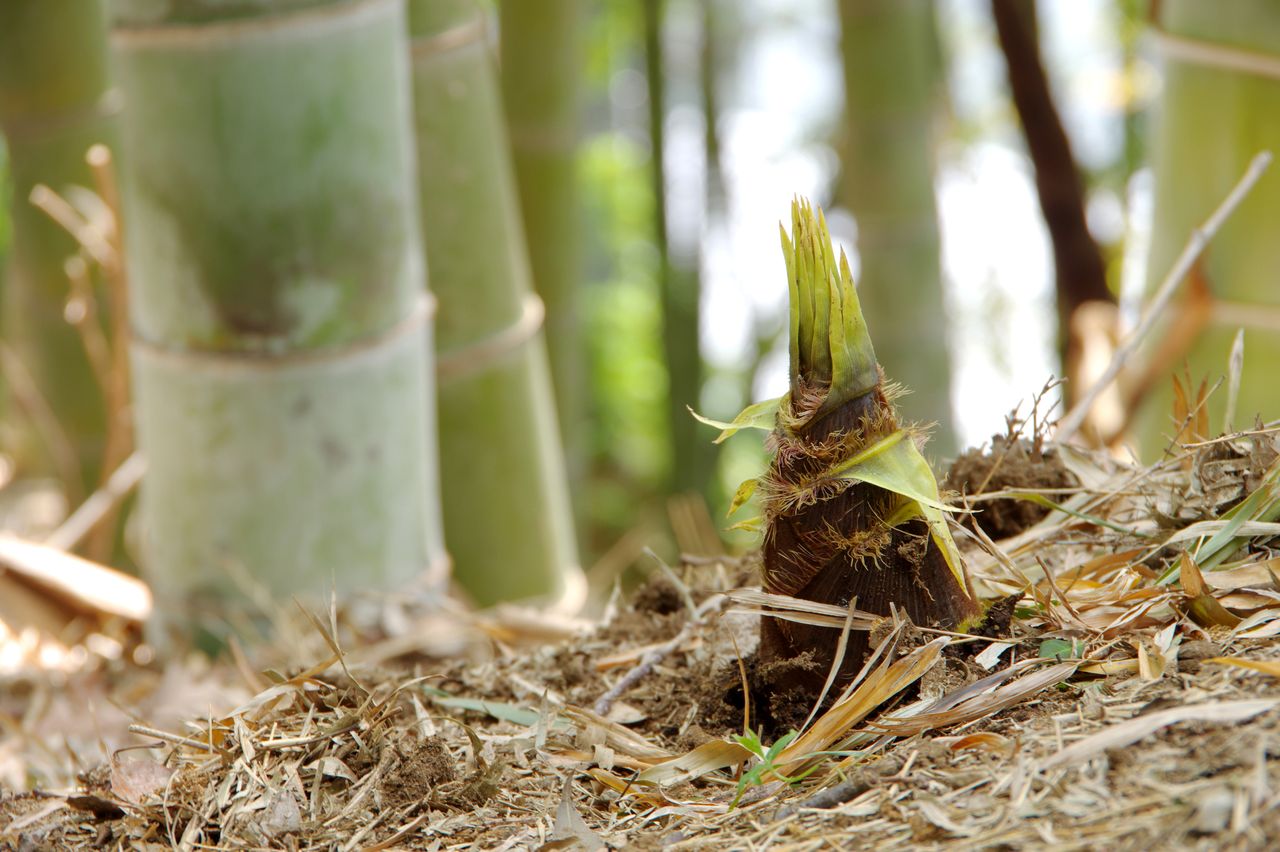
Regarded as a quintessential spring ingredient, takenoko is the Japanese name given to the young shoots that sprout up from the underground stems of bamboo, literally meaning “child of bamboo.” The shoots have a tough, hairy outer skin, which gradually falls off as they grow—once all that skin is gone, they become known as take (bamboo). The time it takes for this transformation is roughly 10 days and it is only during this time that they are soft and edible. This is reflected in the kanji for takenoko 筍 with its crown of 竹 (take, meaning bamboo) and 旬 (jun; 10-day period) underneath.
(© Pixta)
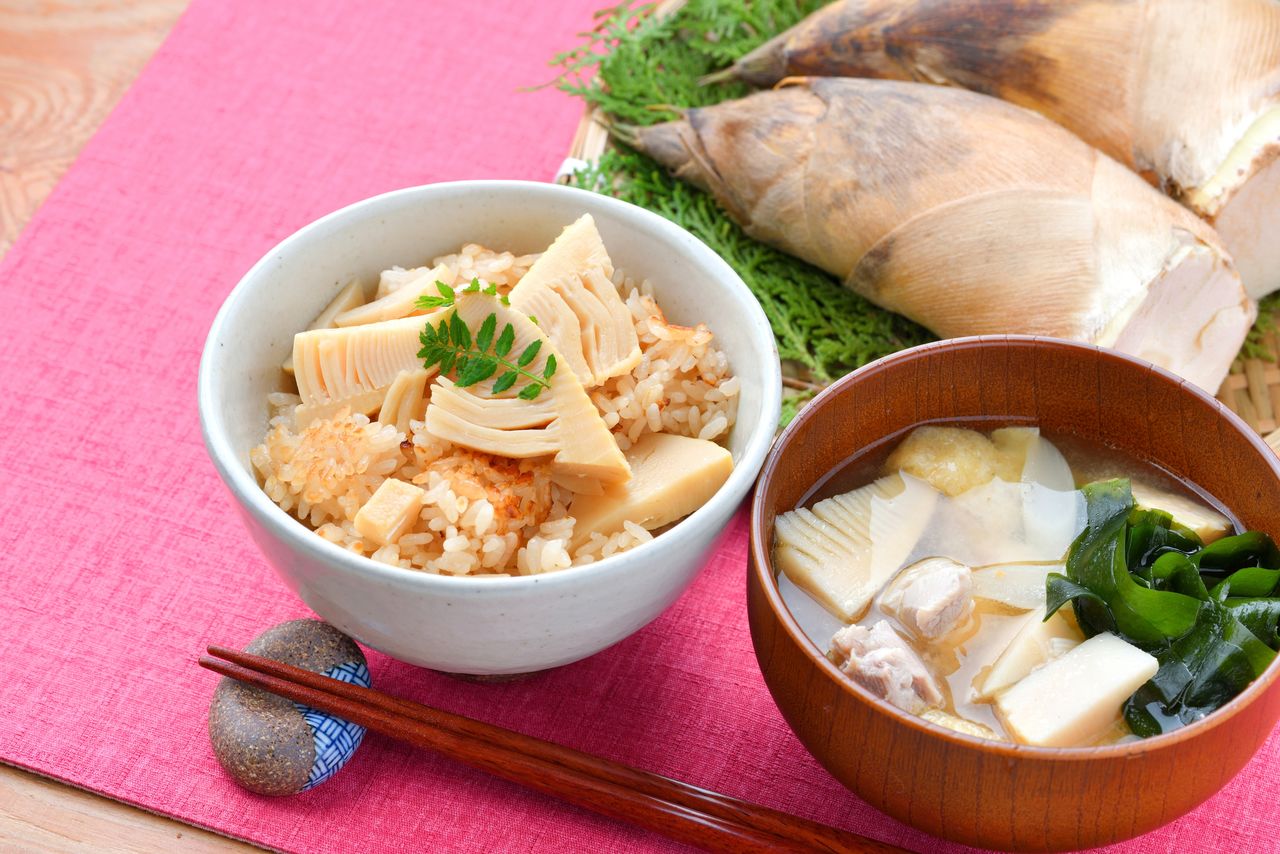
Bamboo shoots are a key ingredient in Japanese dishes like takenoko gohan (bamboo shoot rice), chikuzenni (simmered chicken and vegetables), and chinjao rōsu (Chinese pepper steak, the taste for which has been adjusted to become a Japanese home-cooked favorite). Pre-processed takenoko can be bought all year round, but the taste of fresh bamboo shoots is a real seasonal treat.
Takenoko sashimi, in which newly dug bamboo shoots are thinly sliced and eaten raw, is the height of indulgence and something that can only be experienced right in the place it is grown.
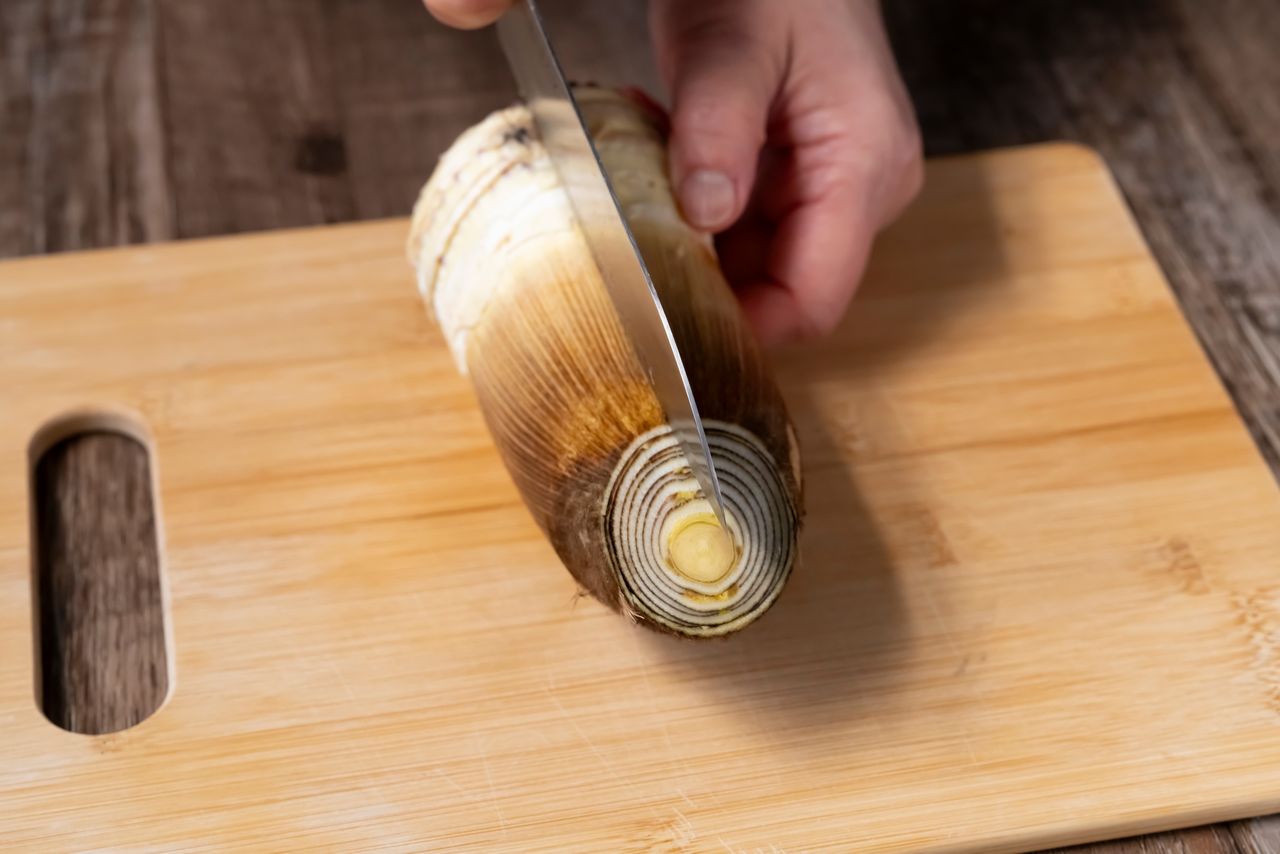
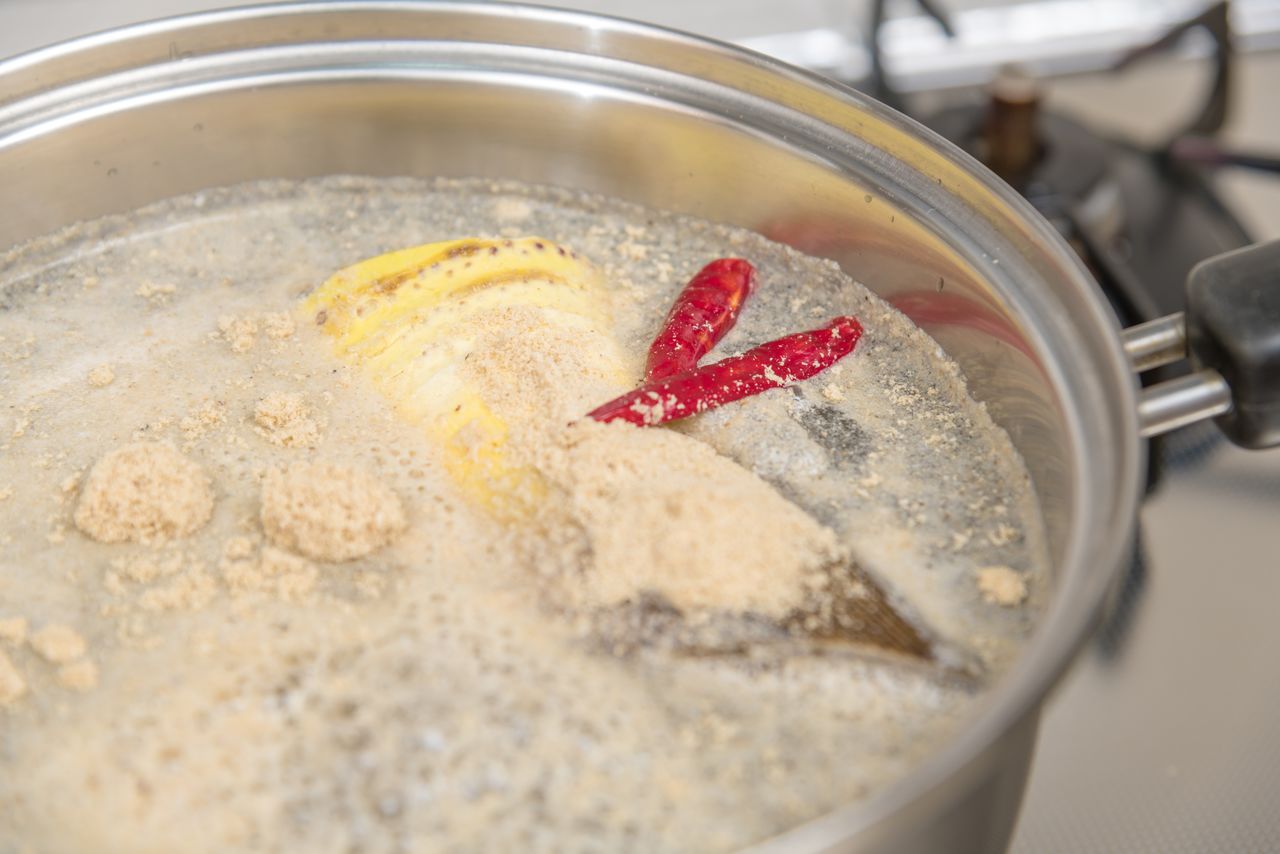
The more time that passes after takenoko has been dug up, the more astringent and bitter it becomes, so to enjoy the flavor at its best, the astringency needs to be removed the same day it is purchased. To do this, the outer two or three layers are peeled away and the toughest parts around the base and the tip cut off. After making a slit in the skin, the takenoko is placed in a pan with enough water to cover it, along with rice bran and chili, and then heated. It needs to be simmered from between thirty minutes to one hour, depending on the amount of bamboo shoots. The heat is then turned off and the takenoko left in the pot to cool.
(© Pixta)
(© Pixta)
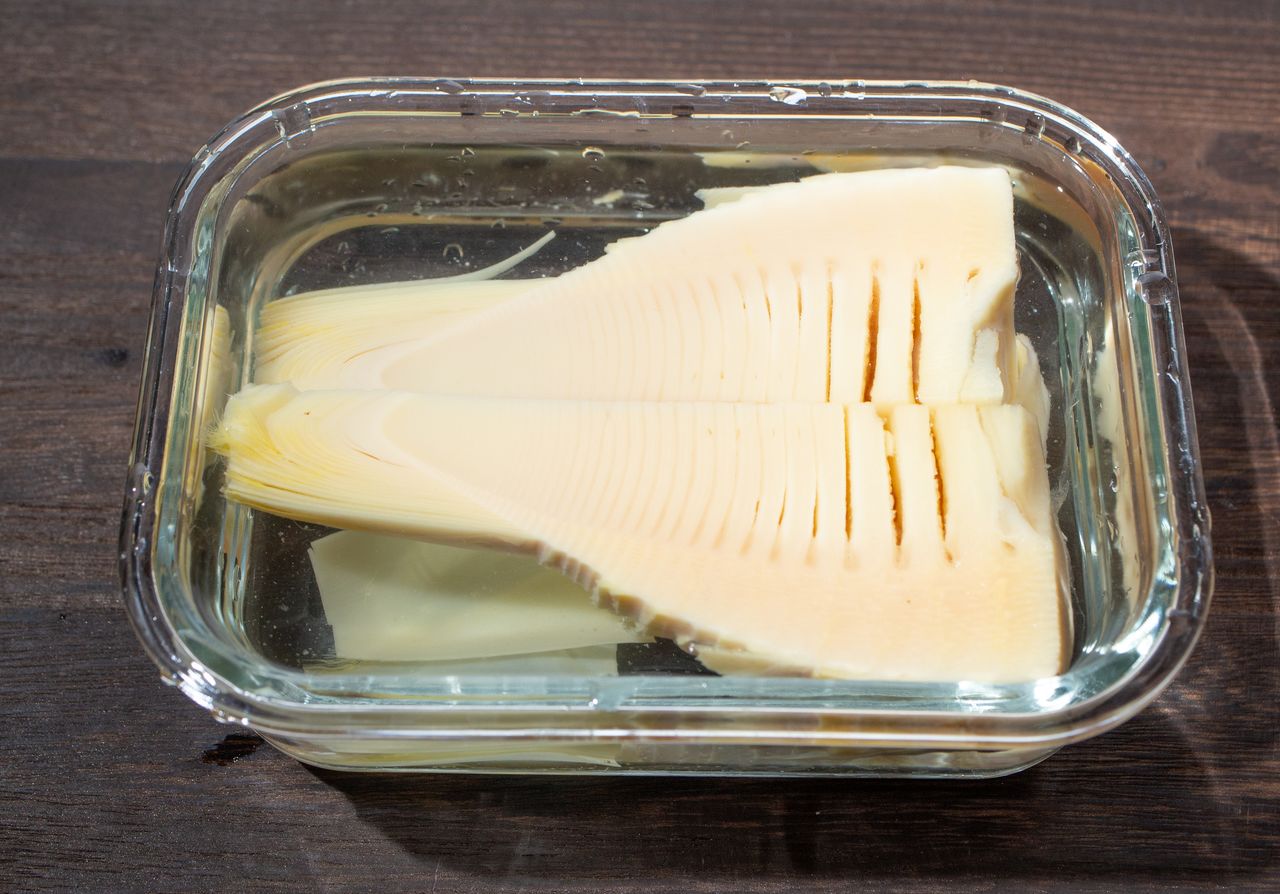
Once the astringency has been removed, the takenoko is peeled and stored in a container of water in the refrigerator. While it can be kept for around a week if the water is changed every day, the bamboo shoots soon begin to lose their flavor, so are best eaten as soon as possible.
(© Pixta)
There is a reference to takenoko in the eighth-century chronicle Kojiki. One of the myths tells of Izanagi being chased by fearful hags through the realm of the dead. When he throws down a bamboo comb he had been wearing in his hair, bamboo shoots grow up from it, and he is able to make his escape while the hags stop to devour them.
Clearly, there has been a custom of eating takenoko in Japan since ancient times. However, the most common type of takenoko eaten these days are from mōsō bamboo, which was brought to Japan in the mid-Edo period (1603–1868), while the bamboo that appears in the myths is thought to be hachiku, or black bamboo.
Takenoko in the Heart of Tokyo
Shimazu Yoshitaka, the fourth daimyō of the Satsuma Domain (now Kagoshima Prefecture), is thought to have been the first to import mōsō bamboo from China via the Ryūkyū Islands (now Okinawa) around 1736, planting it at the family villa. It was brought to Edo (now Tokyo) in the late eighteenth century.
Until the early twentieth century, bamboo groves grew all around Meguro in central Tokyo, with takenoko regarded as a locally sourced vegetable. One restaurant is said to have attracted visitors to the nearby temple Ryūsenji every spring with its special rice dish, takenoko gohan.
(© Pixta)
(Originally published in Japanese on May 25, 2025. Banner photo © Pixta.)