Building Blocks: The Basic Ingredients Behind Japan’s Flavors
Shōga: Spicy, Aromatic Ginger in Japanese Cuisine
Food and Drink Culture Lifestyle- English
- 日本語
- 简体字
- 繁體字
- Français
- Español
- العربية
- Русский
A Spicy Bite
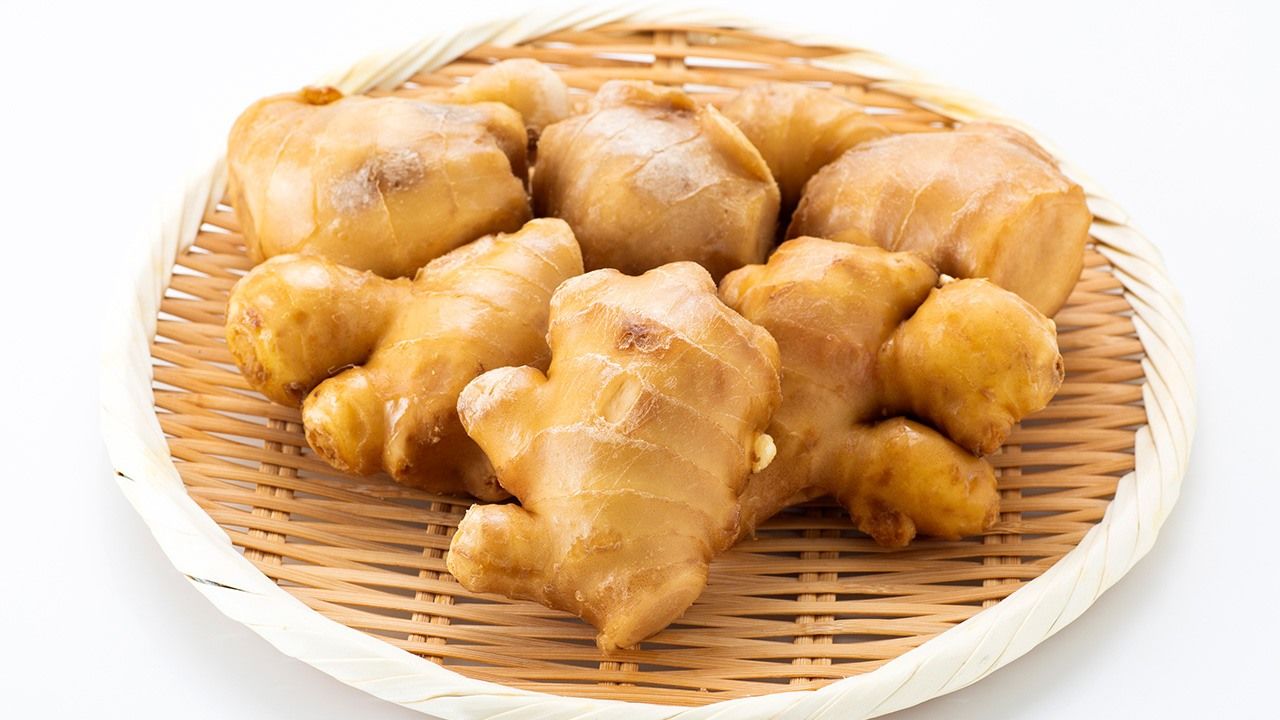
Shōga, or ginger, is a perennial plant native to tropical Asia with enlarged subterranean stems, or rhizomes, that are edible. It is said to have been introduced to Japan from China in approximately the third century. Records compiled in the mid-Heian period (794–1185) make mention of it being cultivated for food.
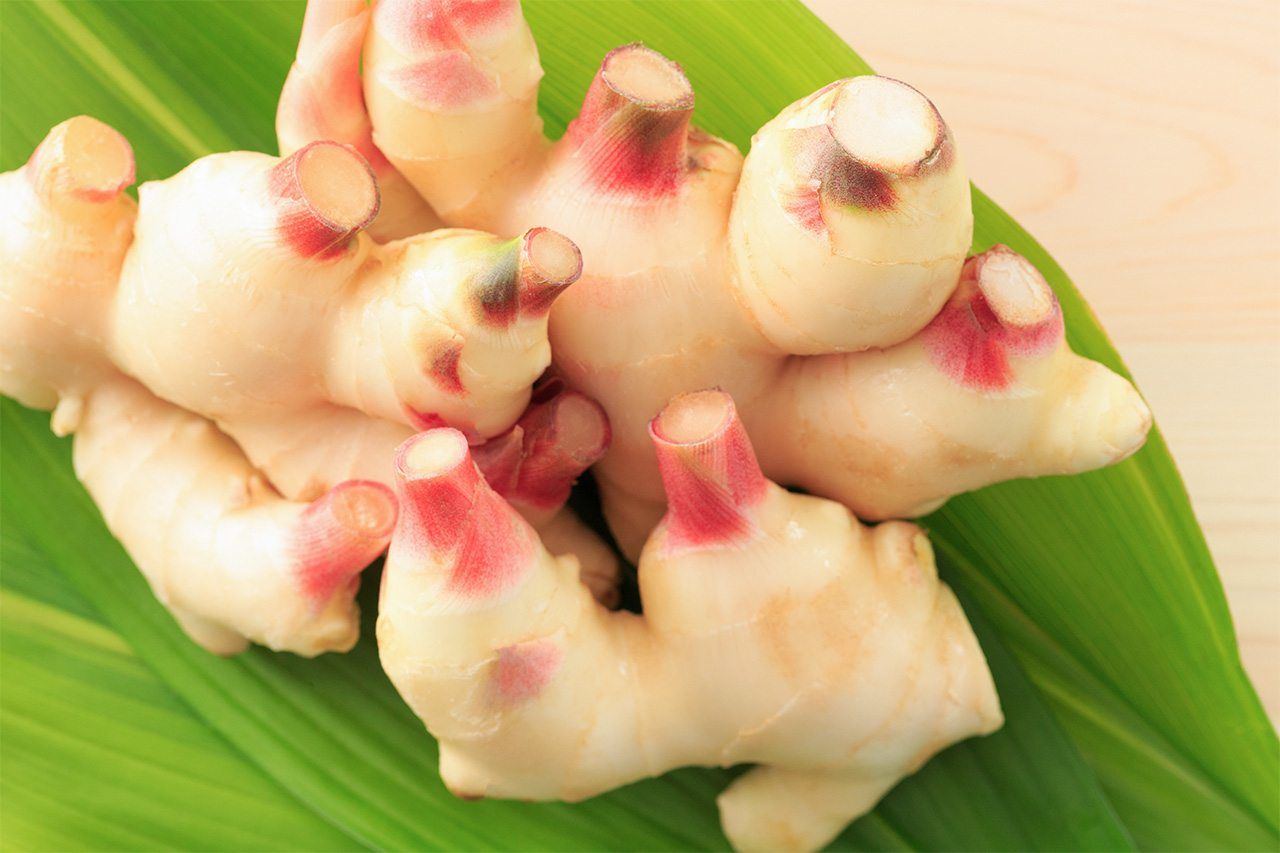
The young roots of the plant, known as shin-shōga (“new” ginger) are harvested and shipped as soon as they grow, so they are only available for a short period from June to August. They are juicy and mild, meaning they can be enjoyed in the same way as a crispy fresh vegetable.
(© Pixta)
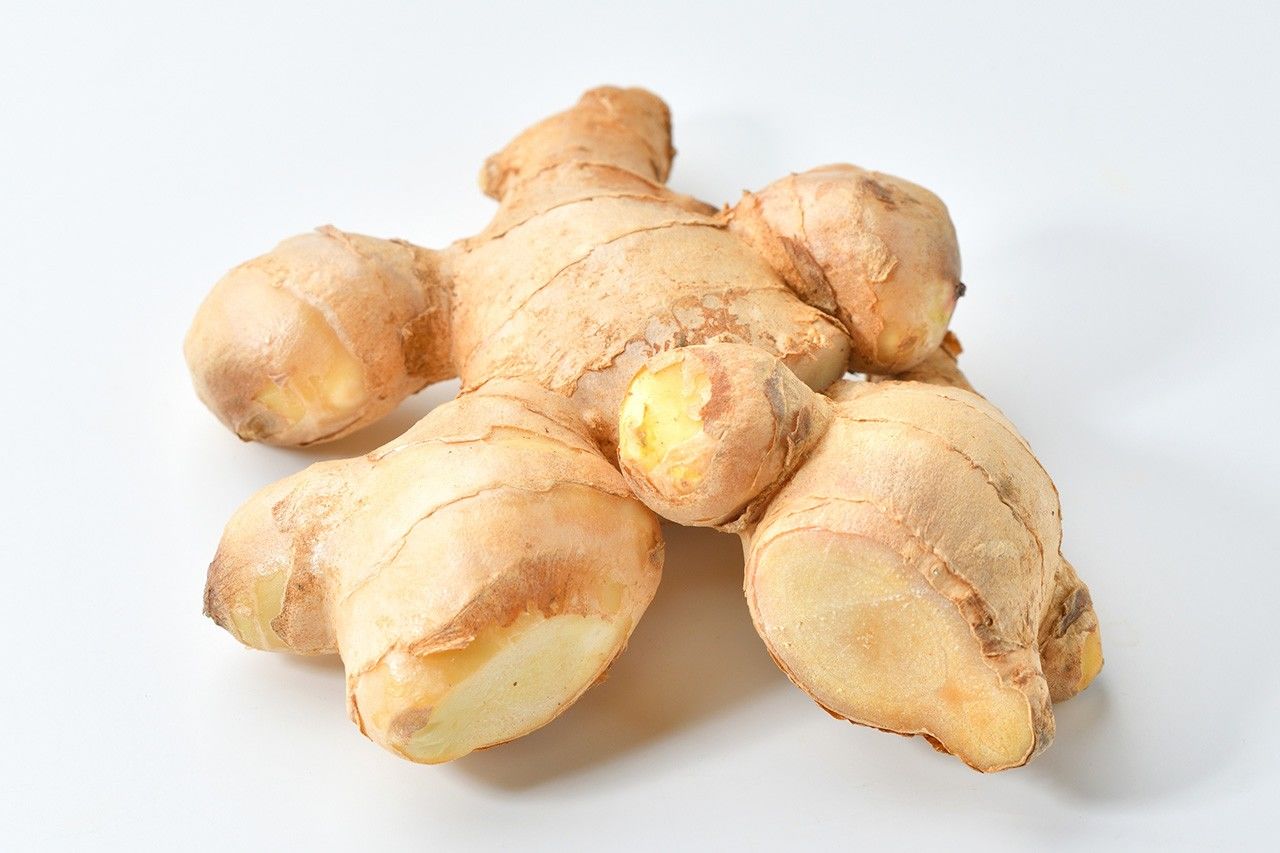
The shōga sold in Japanese supermarkets at a stable price all year round have been stored and matured for several months after harvesting, so this is sometimes referred to as hine-shōga (“old” ginger). As the moisture evaporates, it becomes more pungent and grating or chopping it brings it into its own as a spice, allowing it to be a condiment, a way to neutralize food odors, and to add flavor to various dishes.
Shōga promotes perspiration and improves blood circulation. It can also be found in Kakkontō, a traditional Japanese kanpō medicine used for treating colds in the early stages. Its herbal medicinal properties mean that when added to stews and other dishes, it provides a feeling of warmth from the inside out.
(© Pixta)
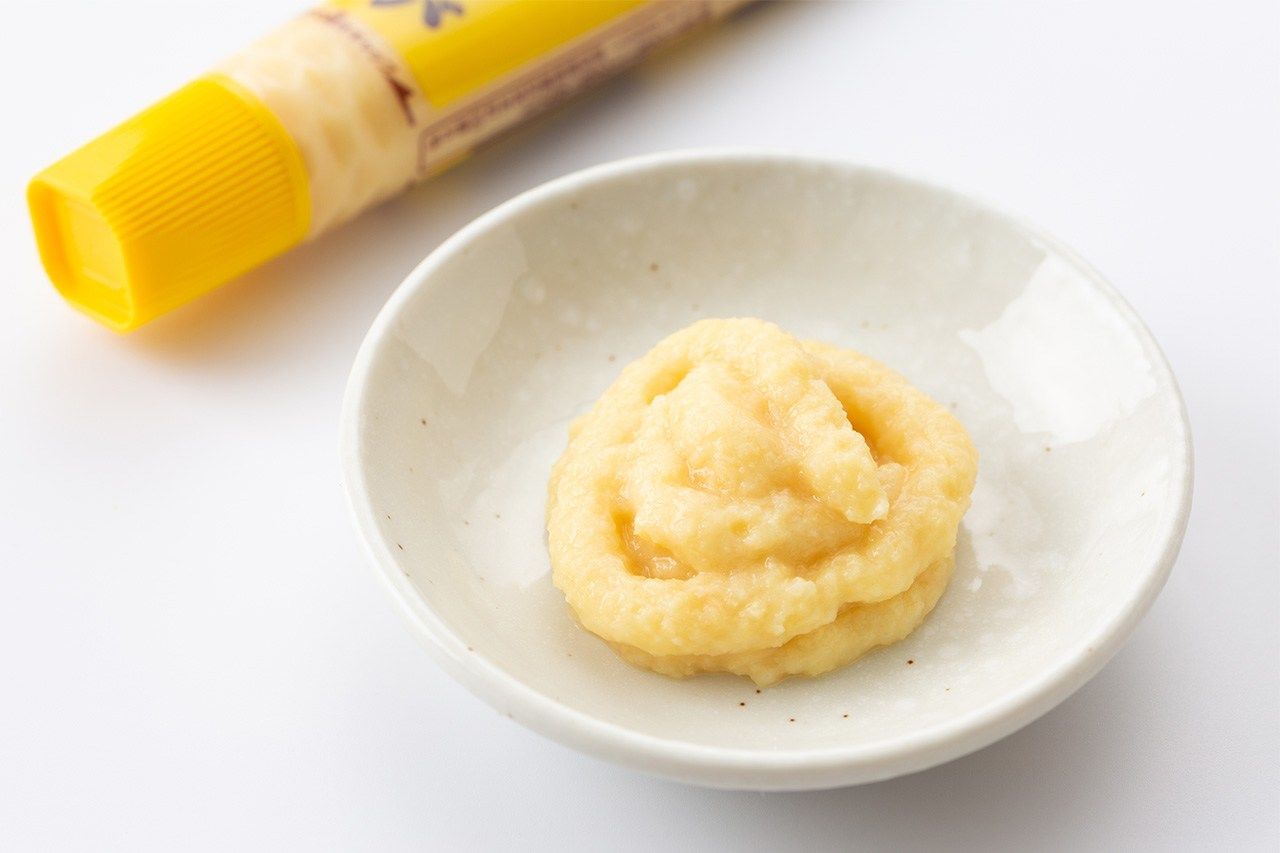
While shōga is affordable and easy to find at any time of the year in root form, if grating it seems like a hassle, oroshi-shōga (grated ginger) has been sold in tubes in Japan since the 1970s. Many people keep a tube on hand in the refrigerator for use at any time.
(© Pixta)
(Originally published in Japanese. © Pixta.)