Building Blocks: The Basic Ingredients Behind Japan’s Flavors
Shōga Sensation: Japanese Dishes Using Ginger
Food and Drink Lifestyle Culture- English
- 日本語
- 简体字
- 繁體字
- Français
- Español
- العربية
- Русский
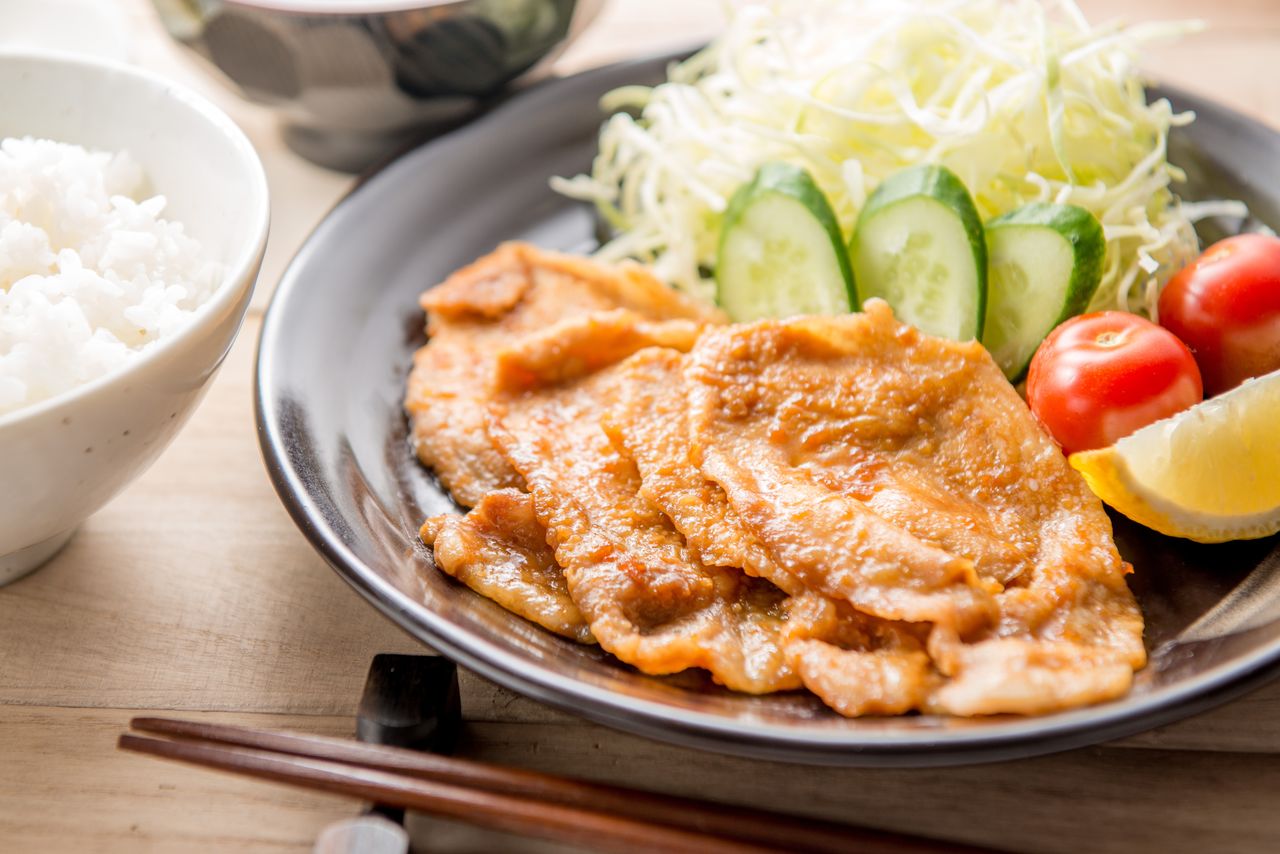
Buta no Shōgayaki
This dish is a standard item at school cafeterias and restaurants serving teishoku set meals. It is thickly sliced pork, simply marinated in a soy-sauce based sauce mixed with plenty of grated ginger, and then grilled.
(© Pixta)
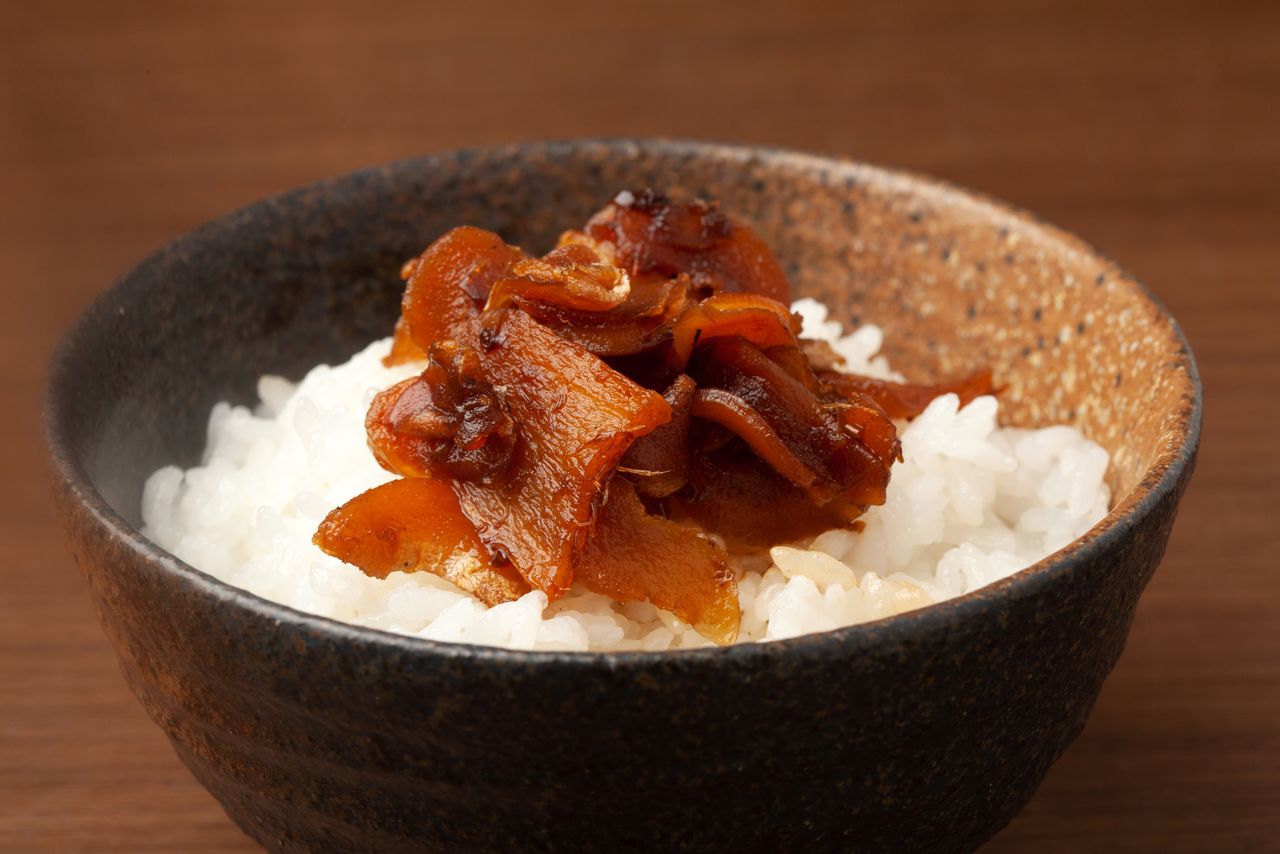
Shōga no Tsukudani
Serve this dish of thinly sliced shōga simmered in a sweet soy sauce-based sauce on hot rice and it becomes a meal in itself.
(© Pixta)
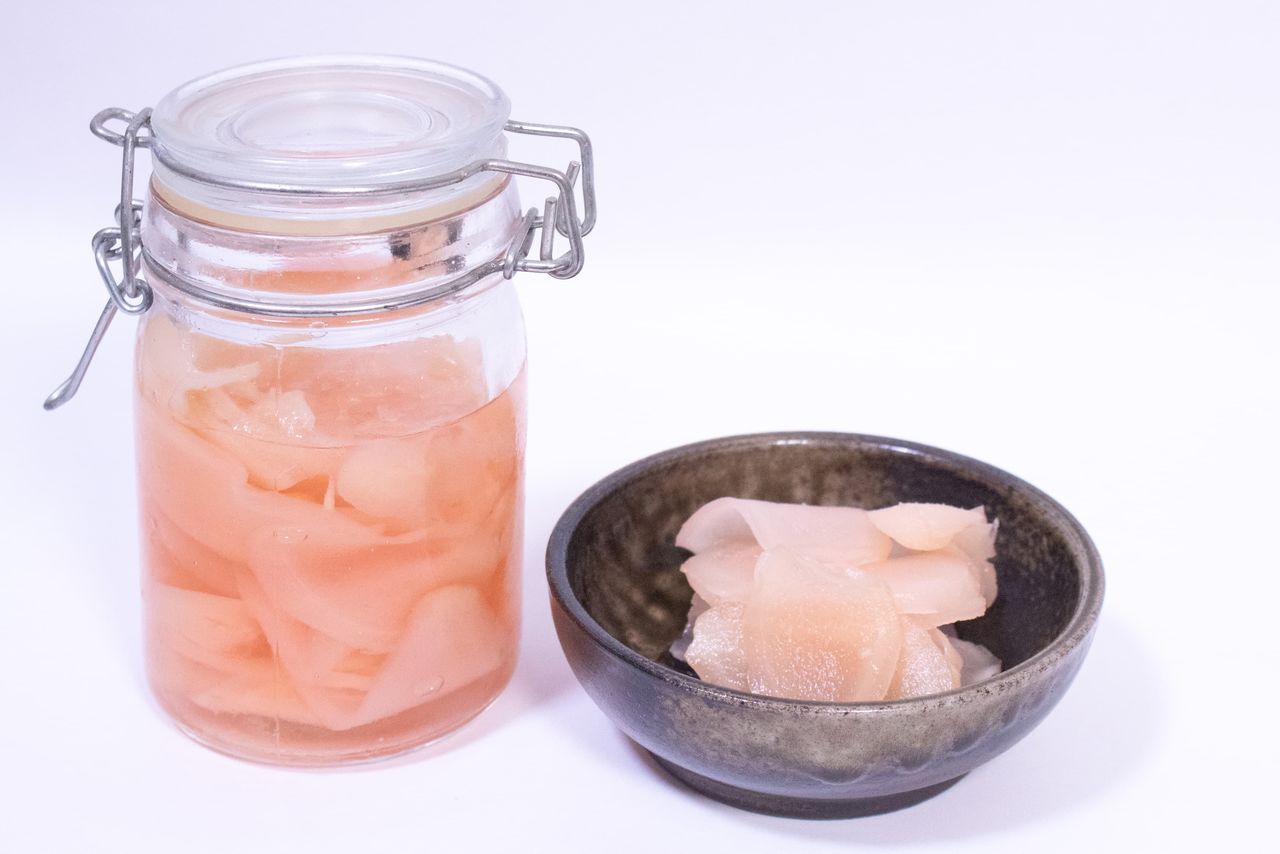
Shin-shōga no Amazuzuke
Shin-shōga, or young ginger, available in early summer, is juicy and only mildly spicy. Thinly sliced and blanched, and then pickled in sweet vinegar, it makes a great snack with alcohol or as a preserve. The anthocyanins in the shin-shōga react with the vinegar, turning it a light shade of pink, so it looks and tastes refreshing.
(© Pixta)
Gari
When served in sushi restaurants, shin-shōga no amazuzuke (pickled young ginger) is called gari. The naming comes from the Japanese onomatopoeia garigari, the crunchy noise made when biting into the ginger. It is said to be a palate cleanser and thought to help kill bacteria that may be found in raw fish.
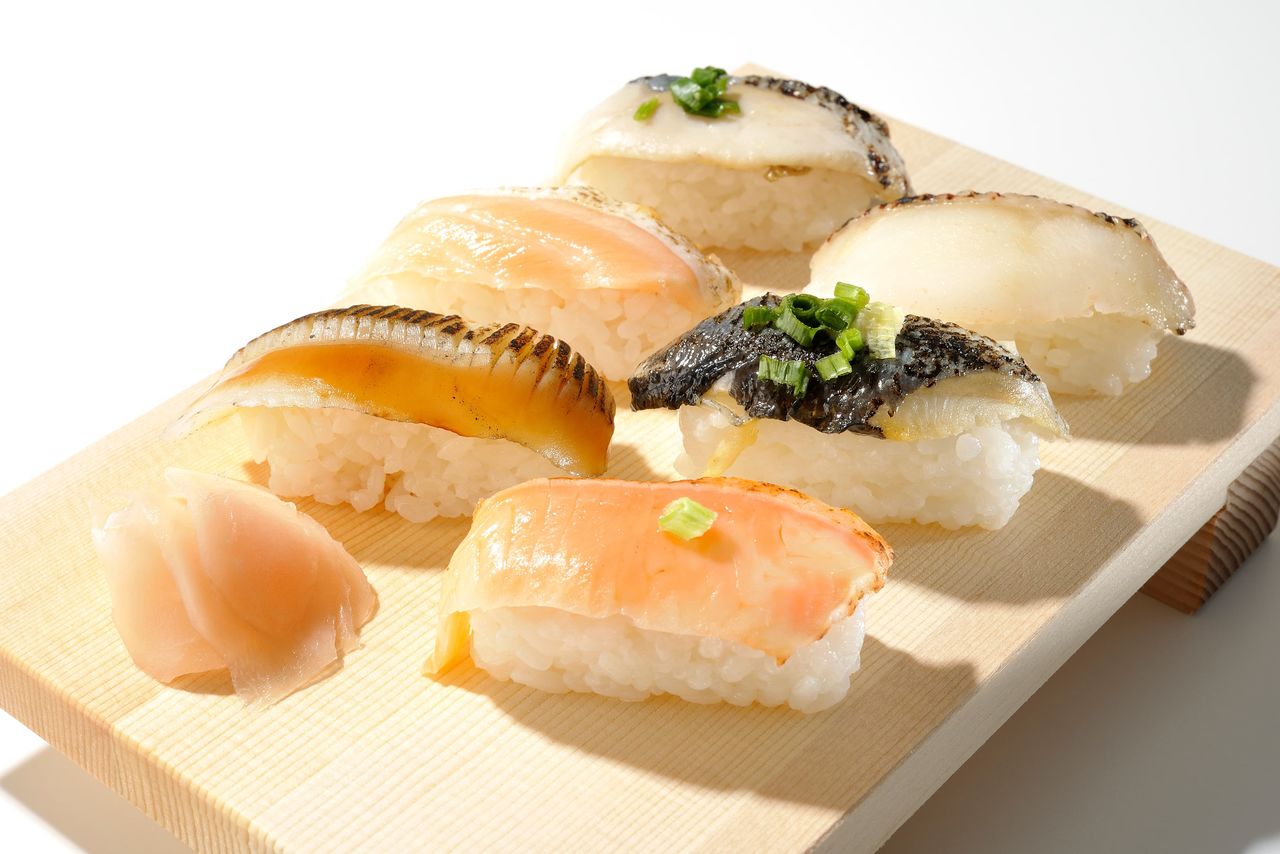
(© Pixta)
Oroshi-shōga
This is simply grated ginger and can be used in many ways, such as a condiment for hiyayakko chilled tōfu, udon noodles, and sushi made with blue-backed fish. It can also be a seasoning or topping for simmered and fried food.
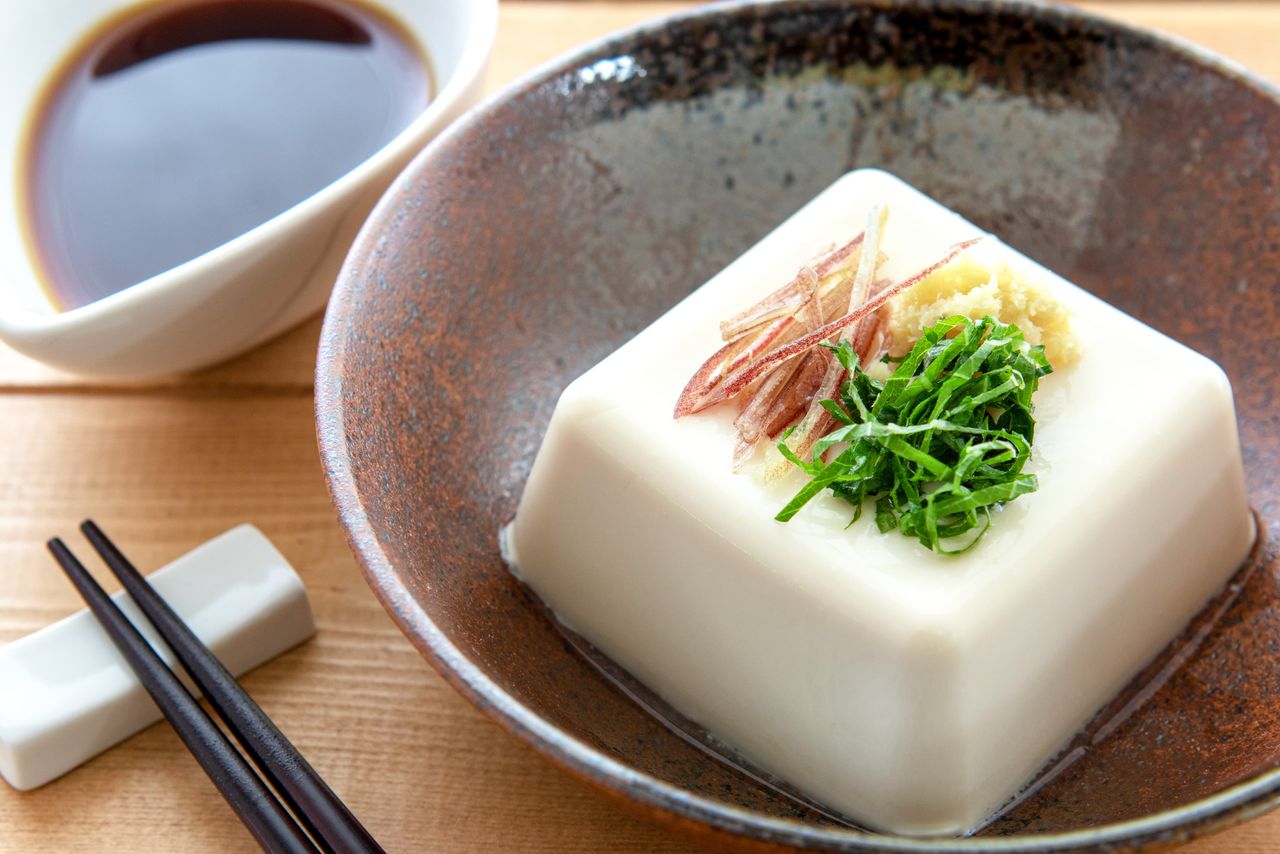
(© Pixta)
Hari-shōga
Shōga, sliced as finely as hari (needles), is used as a topping for various simmered dishes, including fish, and creates a more elegant appearance than oroshi-shōga.
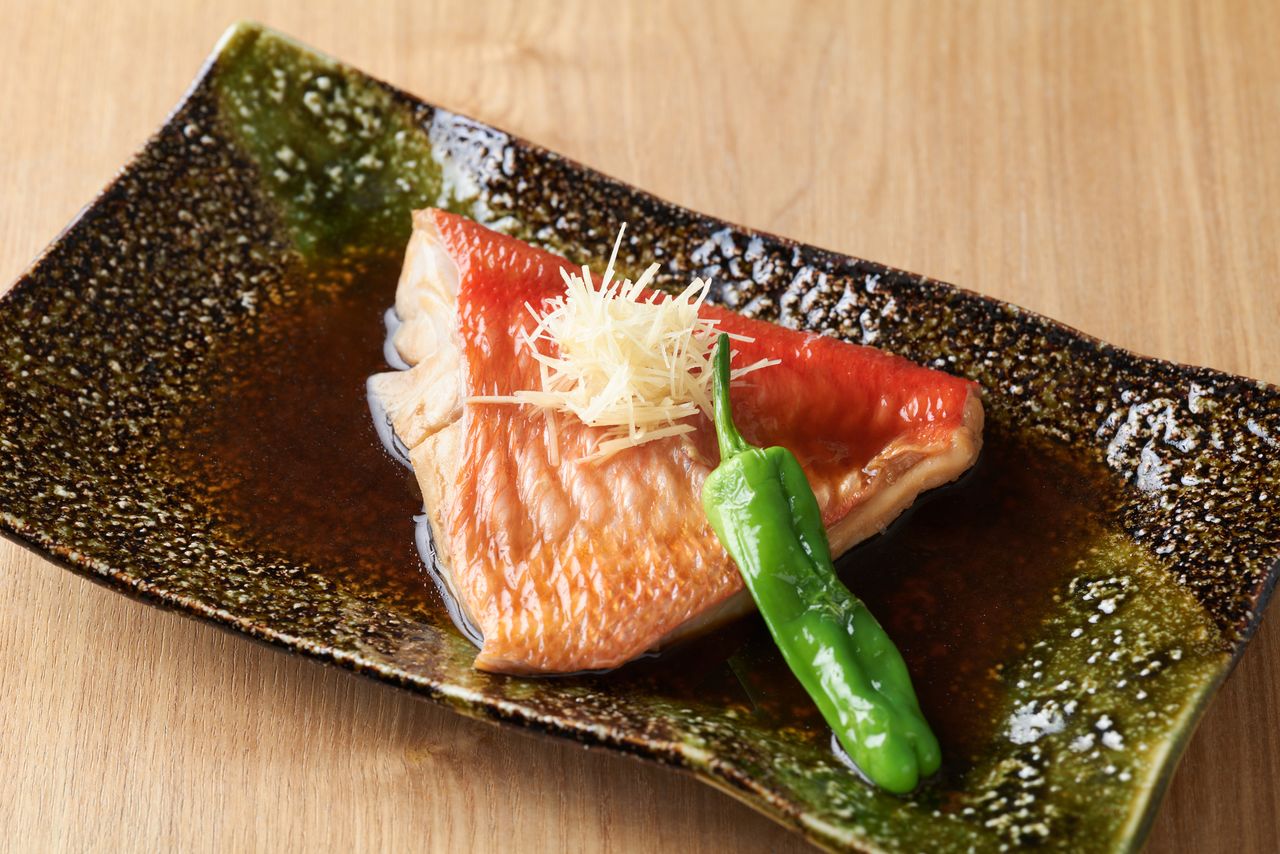
(© Pixta)
Hajikami
Alternatively known as ha-shōga (leaf ginger) or fude-shōga (“brush” ginger), this slim type of shōga is pickled in sweet vinegar. It is often served with grilled fish as a colorful garnish and palate cleanser. The deep pink part is the stem, while the firm, white part is edible. Hajikami is an old Japanese name for shōga.
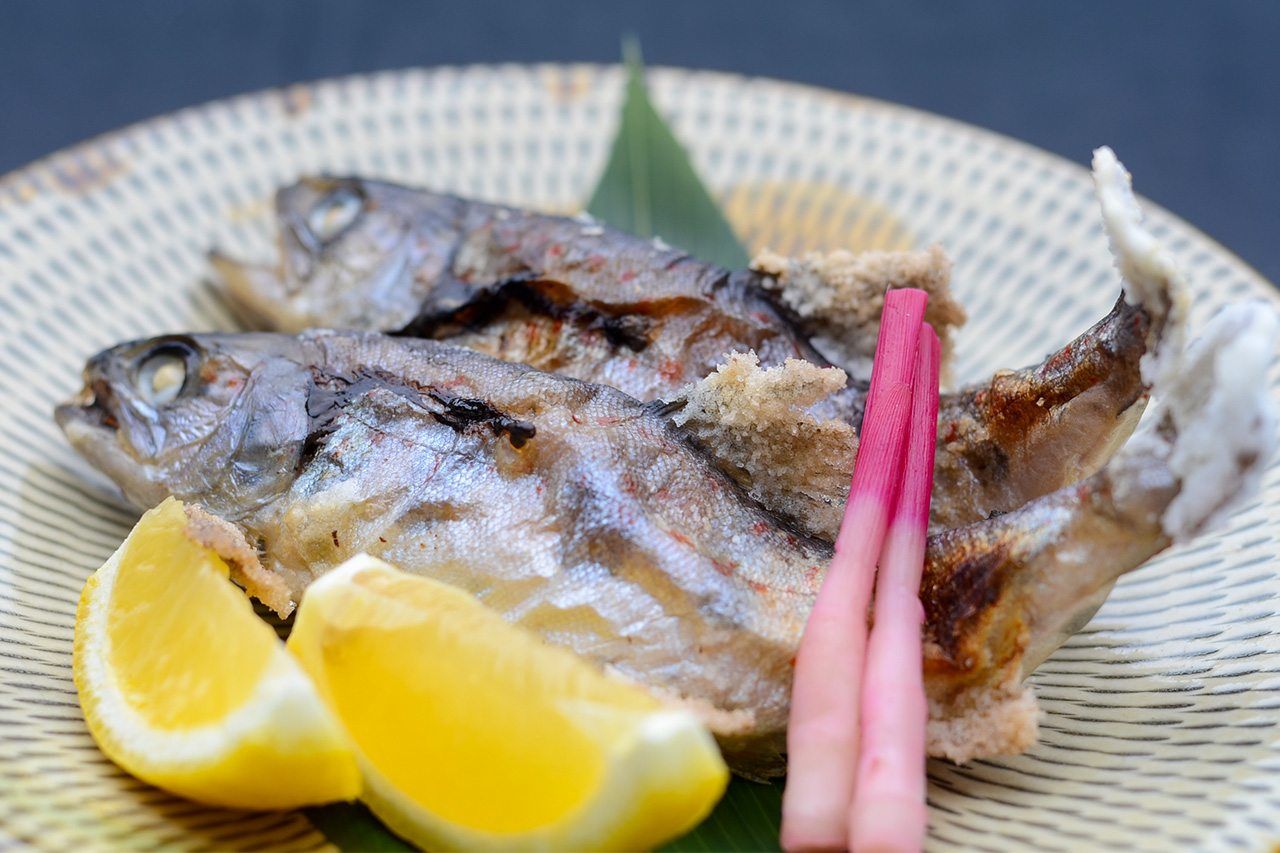
(© Pixta)
Related Content
Find out more about shōga in “Shōga: Spicy, Aromatic Ginger in Japanese Cuisine.”
(Originally published in Japanese. © Pixta.)