
Building Blocks: The Basic Ingredients Behind Japan’s Flavors
Attractive, Nourishing, and Delicious Dishes Using Renkon (Lotus Root)
Food and Drink Culture Lifestyle- English
- 日本語
- 简体字
- 繁體字
- Français
- Español
- العربية
- Русский
Subasu
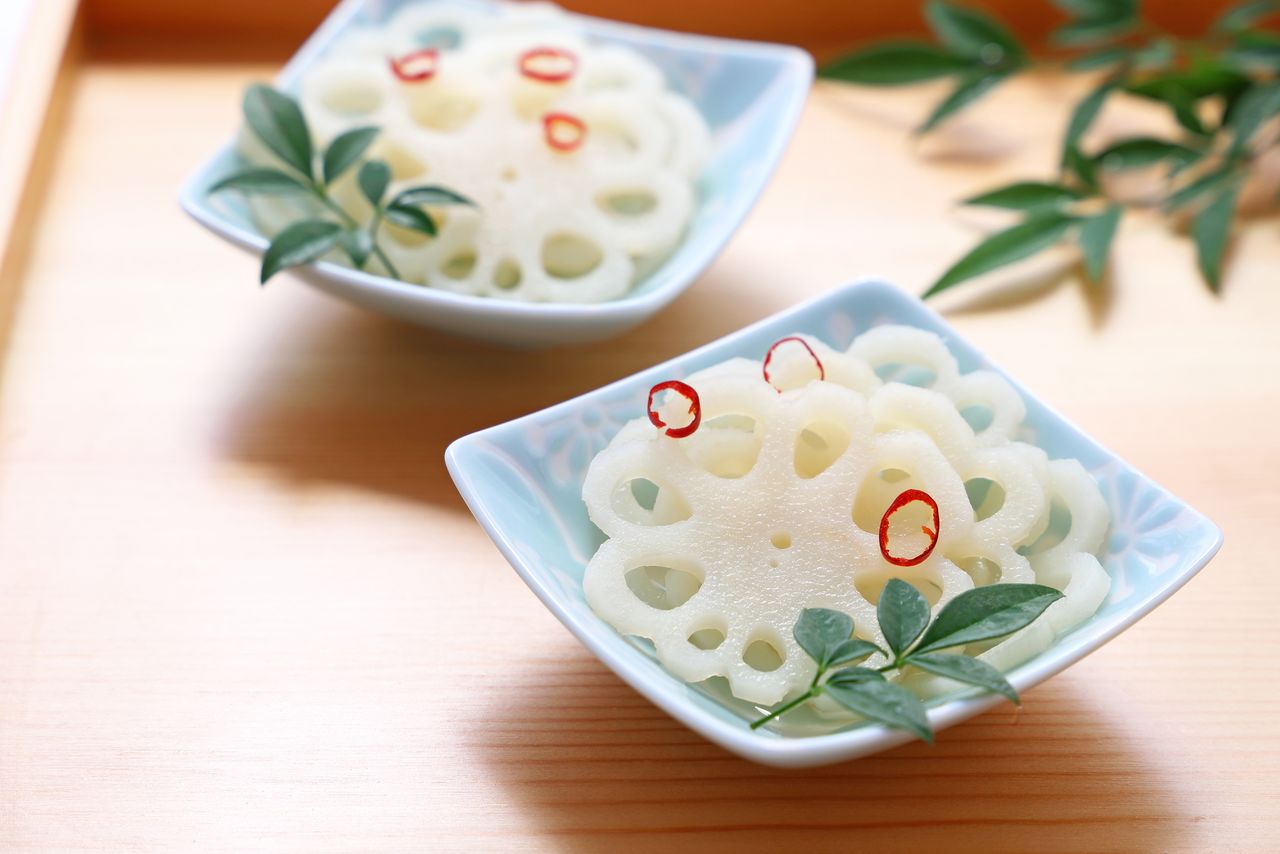
These are Japanese pickles, made by marinating thinly sliced, boiled renkon (lotus root) in sweet vinegar. Cutting V-shaped notches around the outside edges of the renkon creates the image of flowers decorating the table.
(© Pixta)
Kinpira
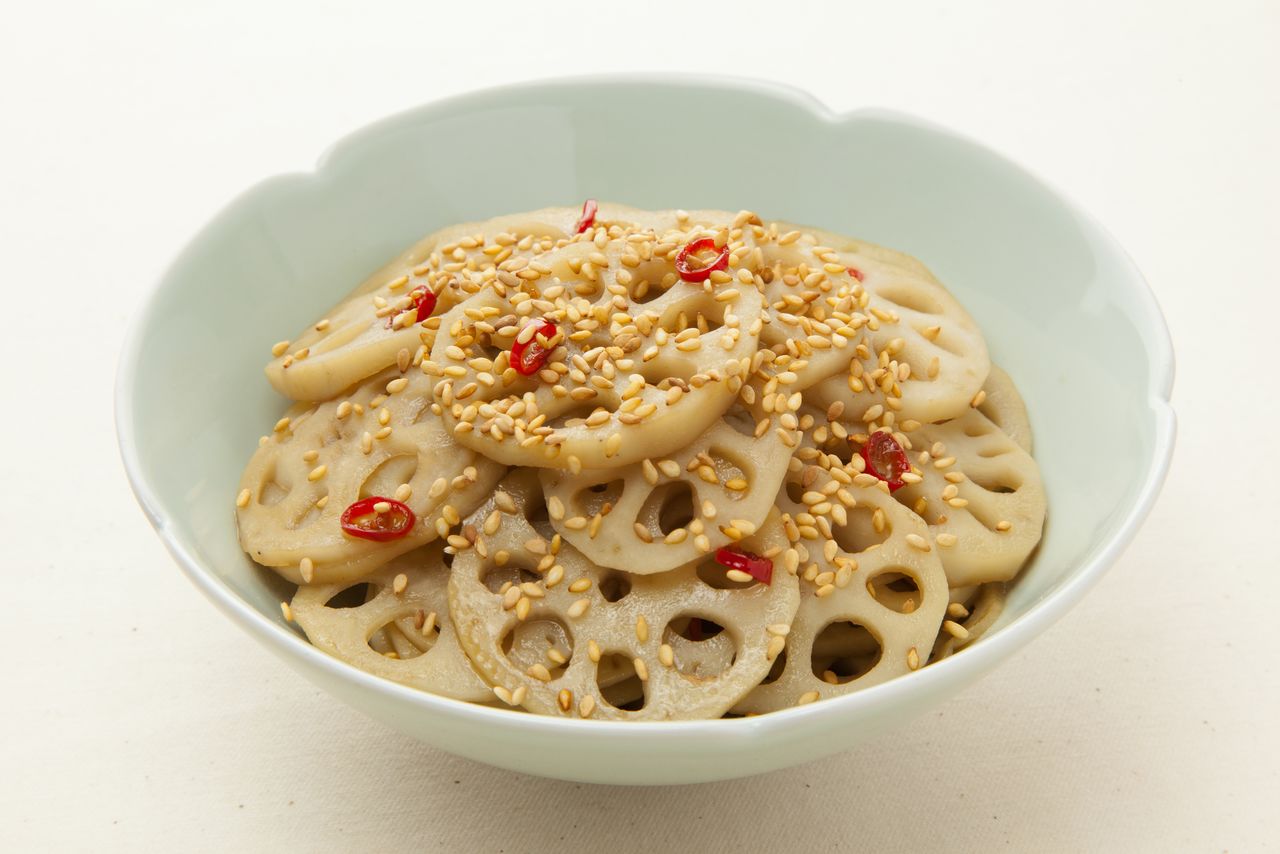
The traditional way to prepare kinpira is with gobō (burdock root), stir-fried with chili to give it a sweet, spicy taste. This version with renkon originally caught on during a trend for buying prepared foods to eat at home, but has remained a staple dish ever since because of the crunchy texture and how tantalizing it looks.
(© Pixta)
Nishime
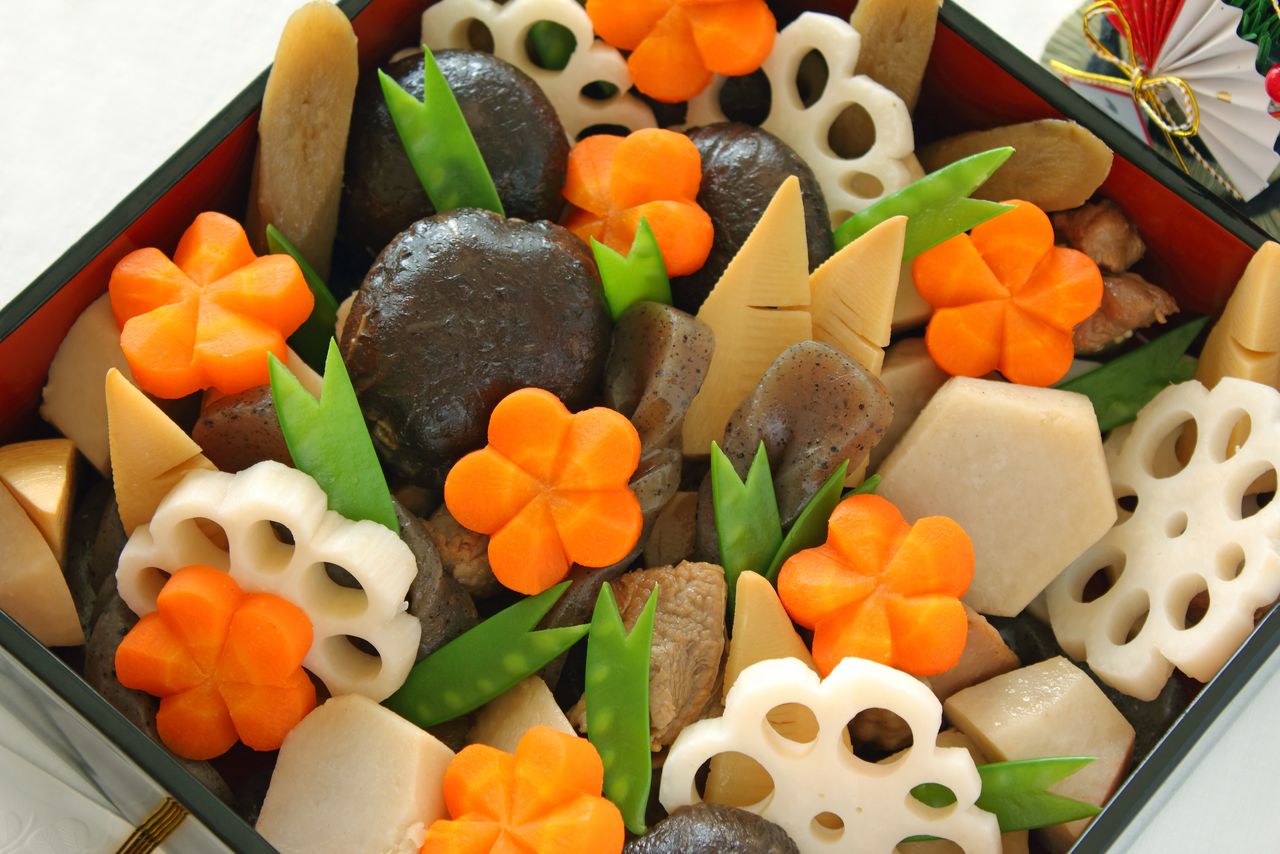
This simmered vegetable dish is an essential part of osechi ryōri at New Year. It is always included as renkon symbolizes “being able to see the future clearly.”
(© Pixta)
Tempura
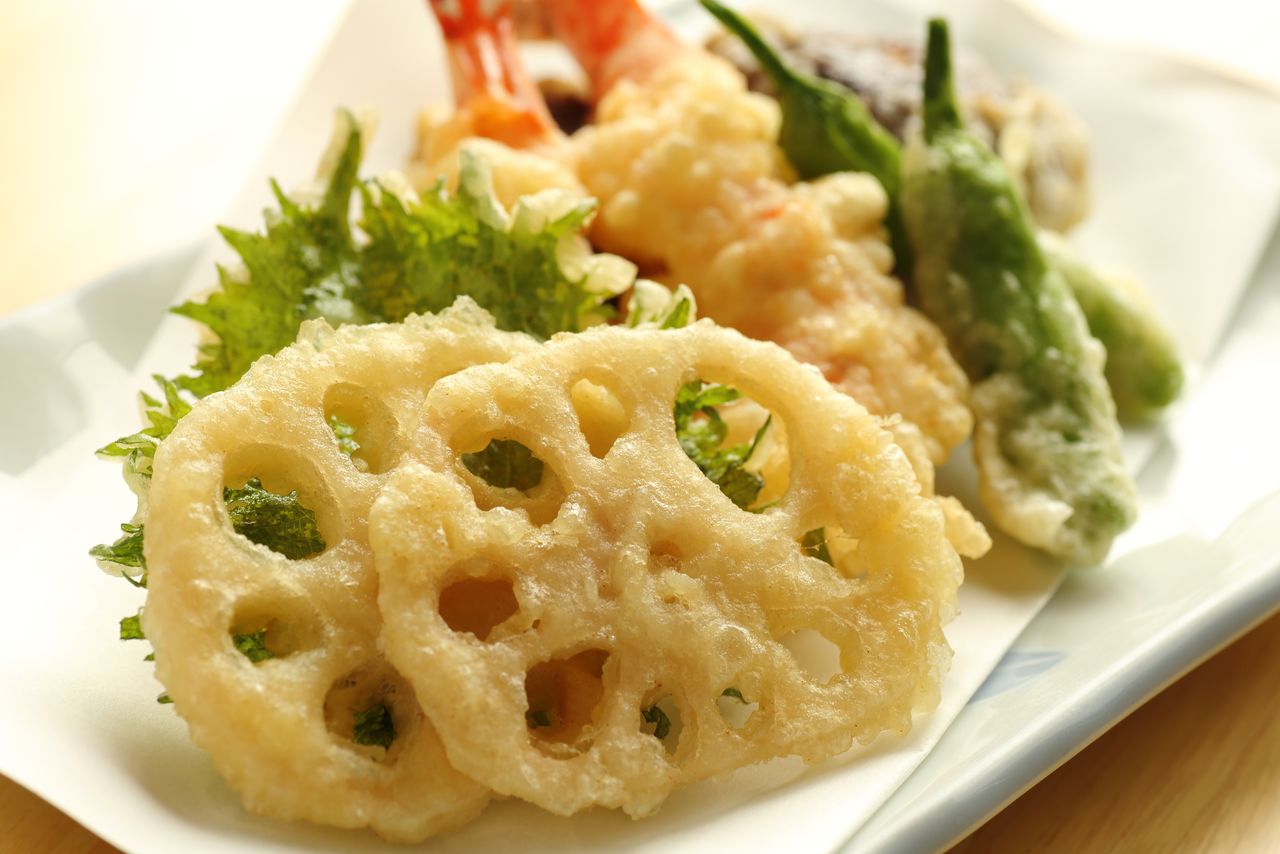
This simple dish is the perfect way to enjoy the taste of renkon. Adding a little salt gives the full flavor of its sweetness.
(© Pixta)
Renkon Hasamiage
For this dish, seafood paste or minced meat is sandwiched between slices of renkon and then either deep-fried or made into tempura. It is best eaten freshly cooked and piping hot!
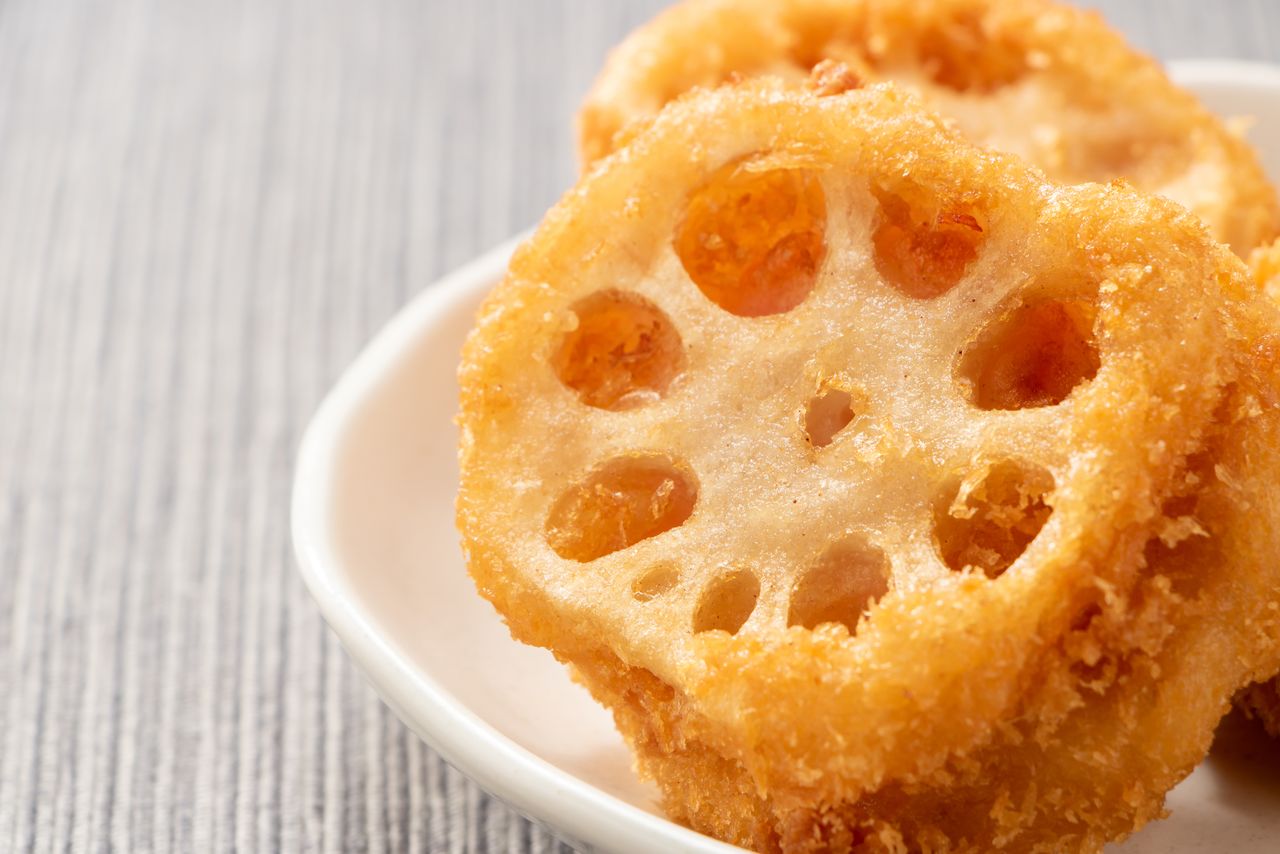
(© Pixta)
Karashi Renkon
This is a local specialty of Kumamoto Prefecture. The story goes that long ago a daimyō, who had fallen sick, was offered nourishing renkon, but he refused it, saying it was “unclean from being grown in mud.” But when the renkon was prepared by stuffing the holes full of karashi miso (mustard miso sauce), covering it in flour and egg yolk, then deep-frying it, the daimyō loved it so much that he kept the recipe a secret and even now this is a unique Kumamoto dish.
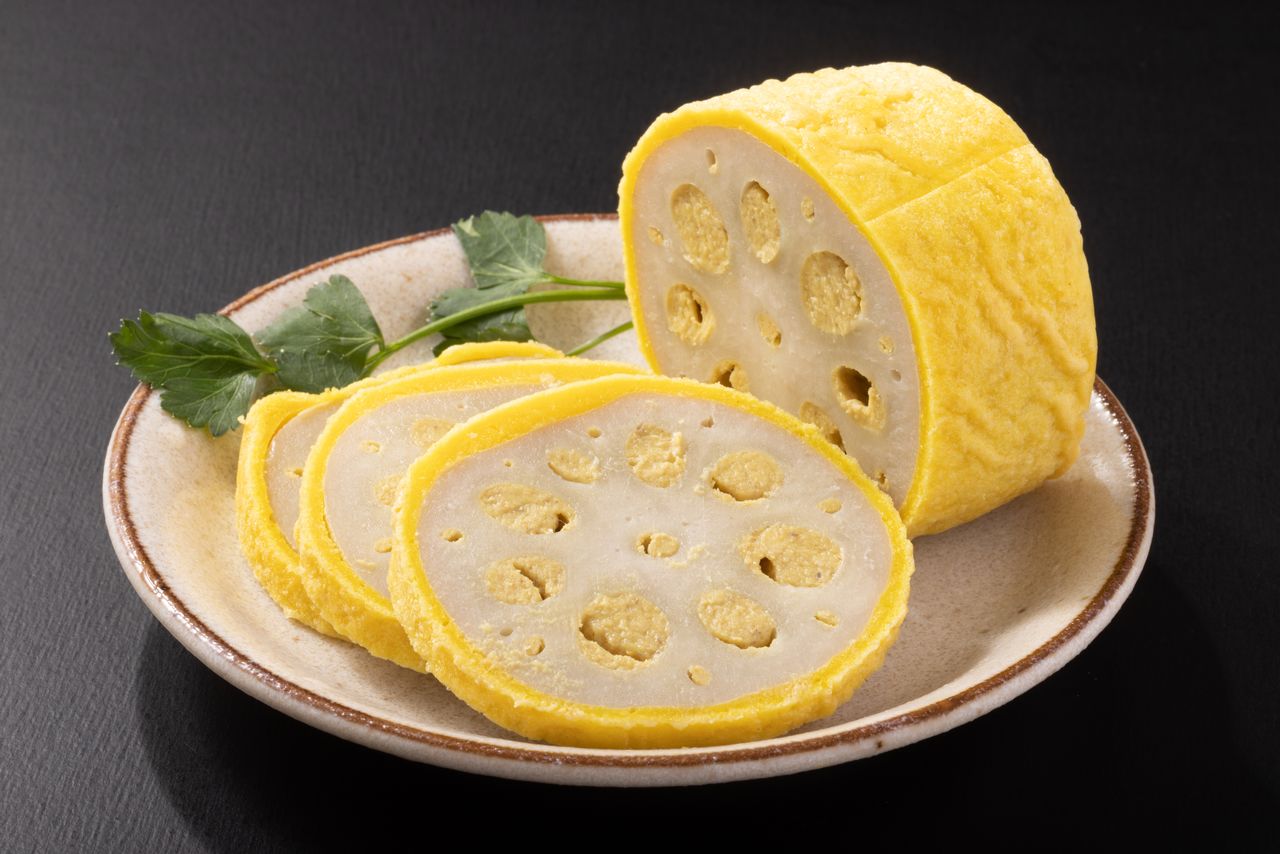
(© Pixta)
Related Content
Find out more about renkon in “Renkon: A Unique Japanese Vegetable with an Auspicious New Year Role.”
(Originally published in Japanese. Banner photo: Chirashi-zushi, with a decorative topping of renkon flowers. © Pixta.)