Building Blocks: The Basic Ingredients Behind Japan’s Flavors
Konnyaku: A Health Food Rich in Dietary Fiber and Super Low in Calories
Food and Drink Culture Lifestyle- English
- 日本語
- 简体字
- 繁體字
- Français
- Español
- العربية
- Русский
From Medicinal Food to Everyday Favorite
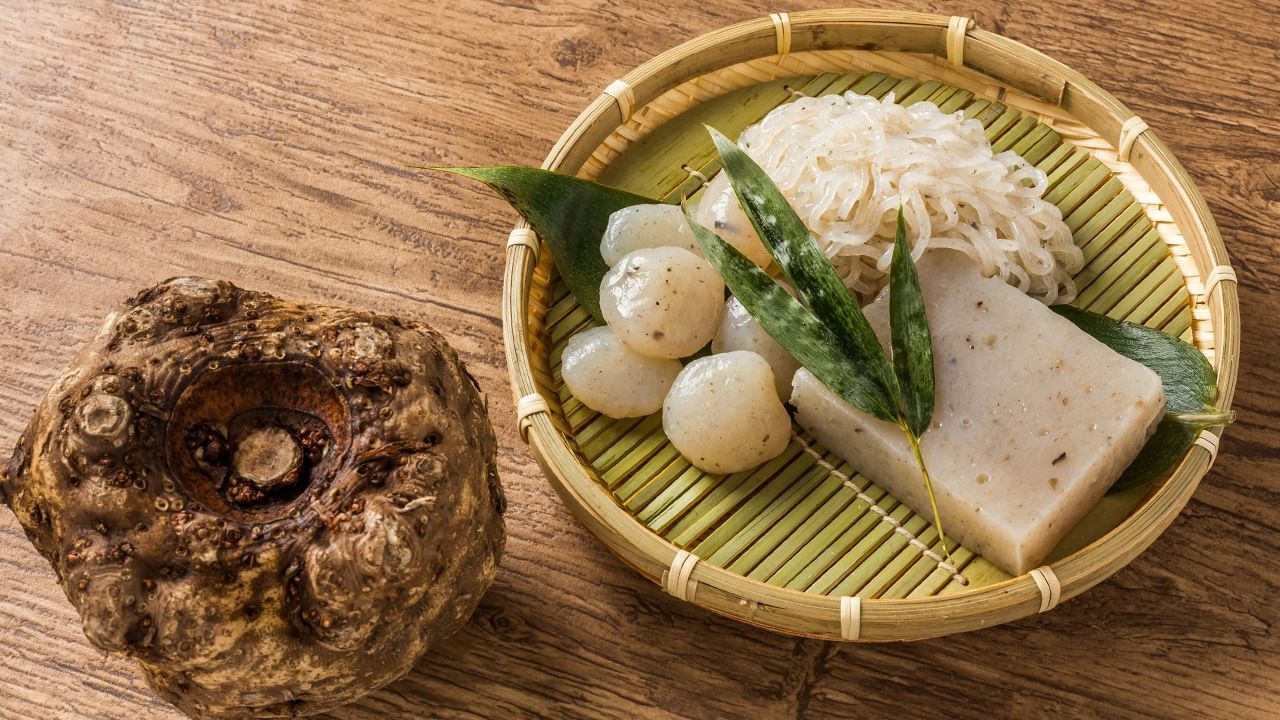
Konnyaku is an indispensable ingredient in Japanese cuisine. It is made by mixing powdered konjac root with water or by boiling the raw tuber, which is then kneaded and solidified into a firm, jelly-like texture. Konnyaku can be set into a variety of forms, including blocks of ita-konnyaku, thin noodle-like shirataki, and spherical tama-konnyaku.
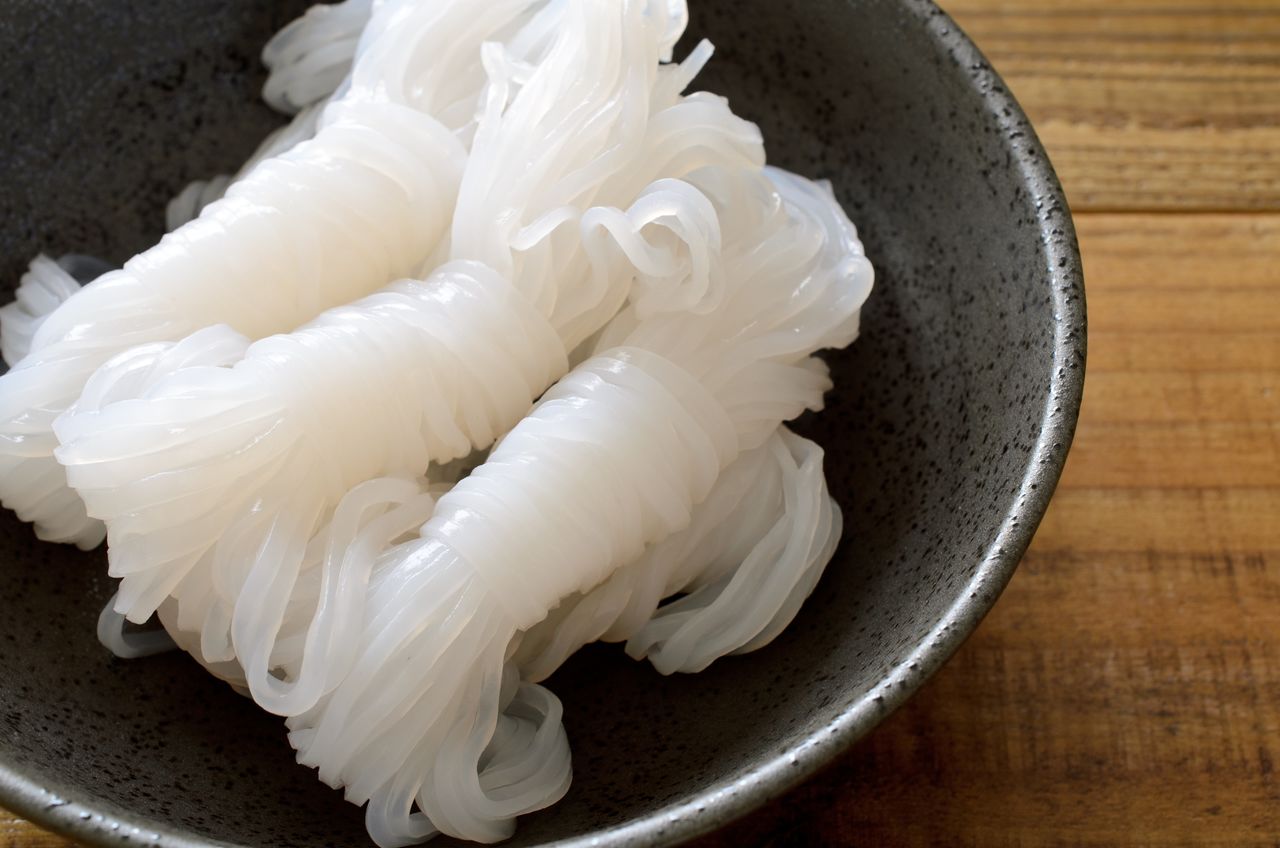
Knotted bundles of shirataki have an appetizing appearance. (© Pixta)
Records suggest that konnyaku was introduced into Japan along with Buddhism in the sixth century. It was initially prized for its medicinal properties and was mainly enjoyed by high-ranking priests and the nobility. By the Edo period (1603–1868), though, it had spread to the lower echelons of society and was fast becoming a regular part of everyday meals.
On its own, konnyaku has almost no flavor and is typically simmered in savory dashi stock or slathered in a rich miso sauce. The unique plumpness and elasticity of konnyaku adds a cadence of texture to hearty stews and soups.
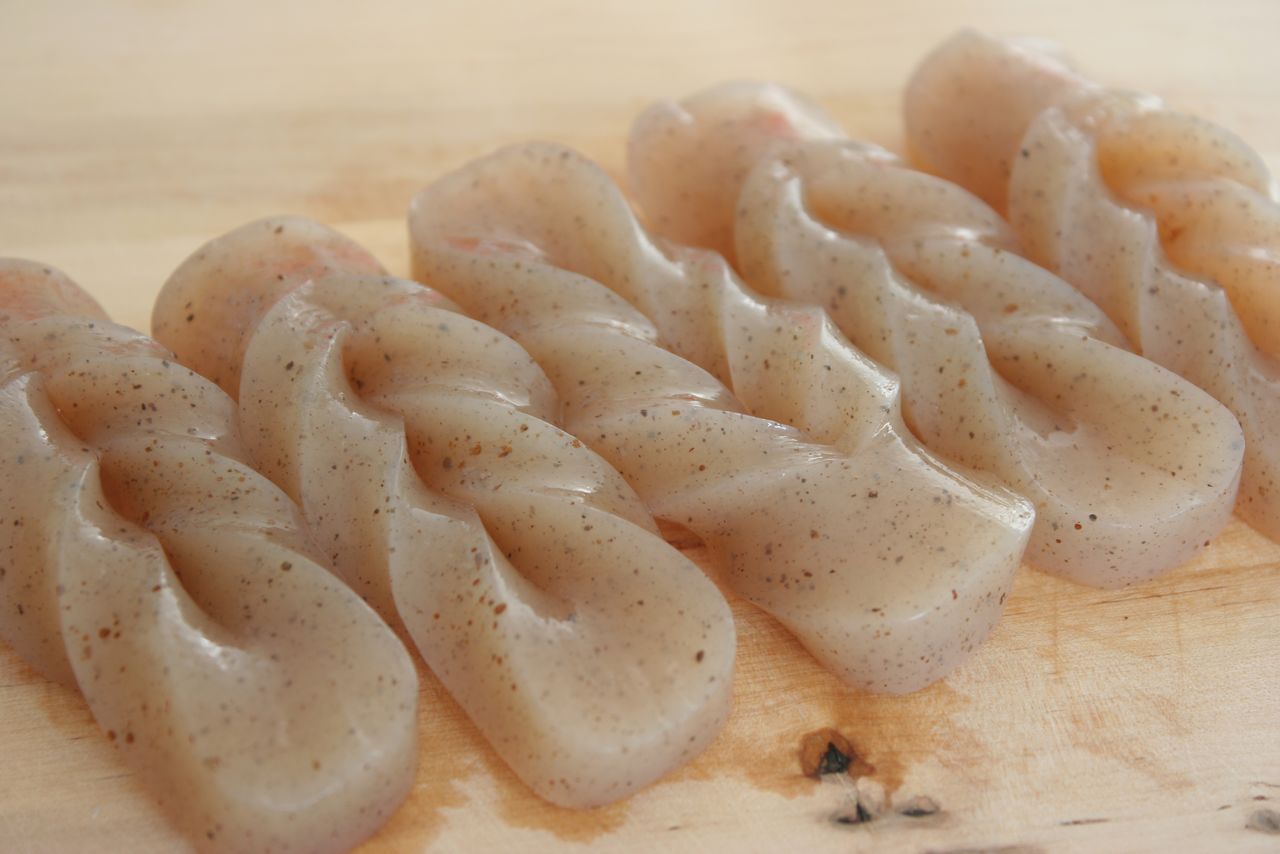
The twisting shape of tazuna konnyaku adds a decorative touch to dishes. (© Pixta)
Konnyaku boasts numerous health benefits. It is rich in the dietary fiber glucomannan, which helps improve gut health. It is also extremely low in calories, making it popular with people who are trying to lose weight or improve their general health.
Jelly snacks made with konnyaku have long been popular as a low-calorie treat, while more recently, konnyaku shaped into noodles and even rice have gained attention as low-carb substitutes.
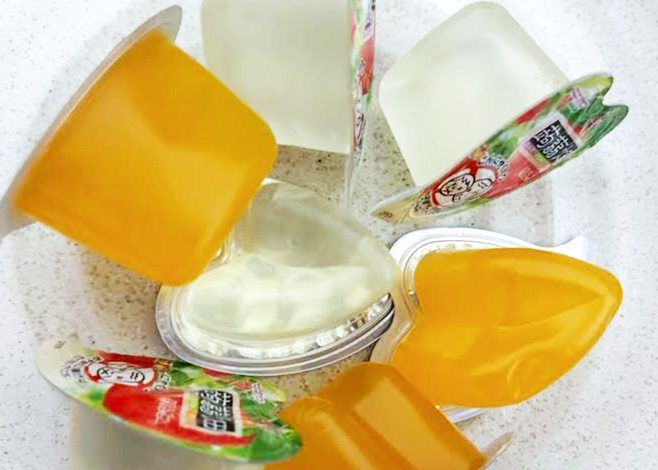
Konnyaku jelly is an established healthy snack. (© Nippon.com)
Glucomannan is also known to help reduce blood sugar levels and lower cholesterol, with many experts heralding it as a way to prevent lifestyle-related diseases such as diabetes.
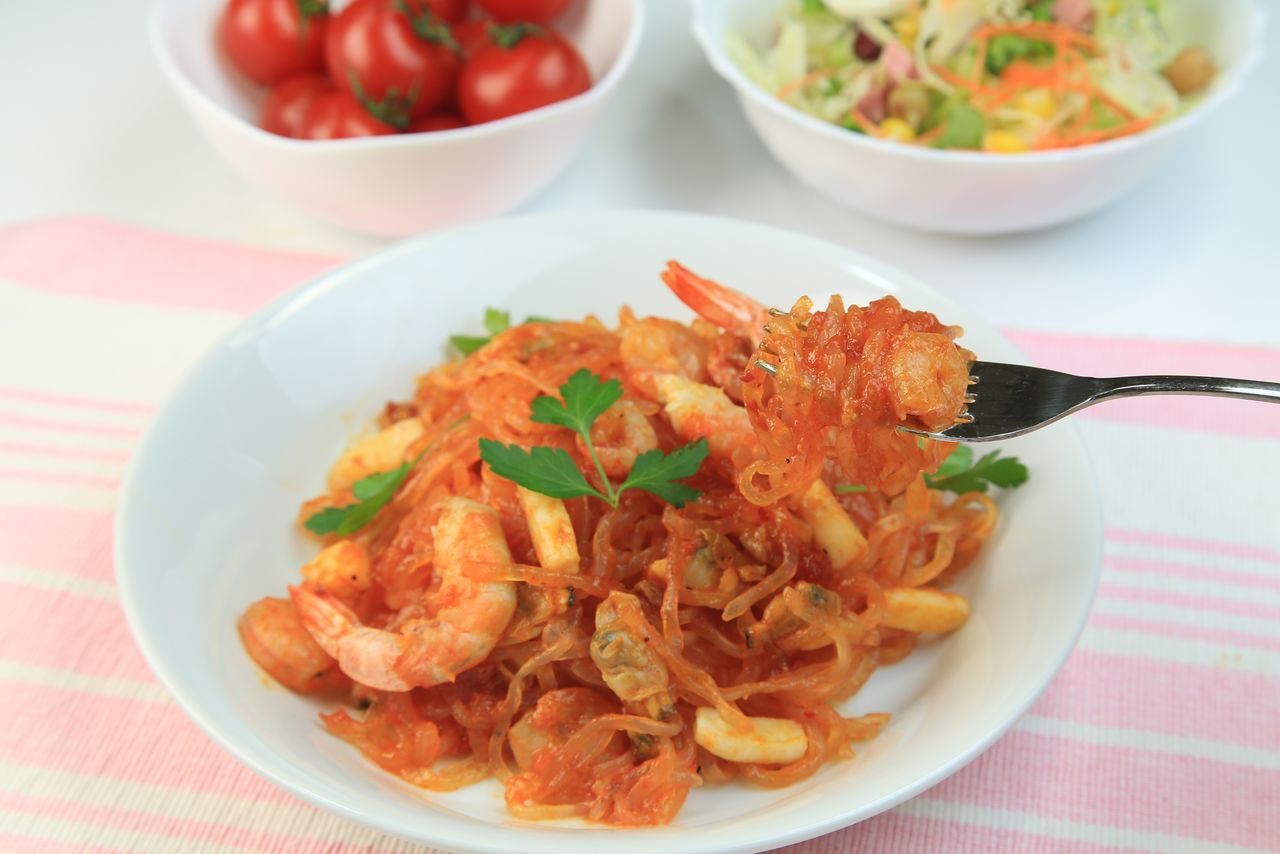
Pasta made with konnyaku noodles. (© Pixta)
For a look at some of the many dishes featuring konnyaku, see “Konnyaku: Delicious and Guilt-Free Dining.”
(Originally published in Japanese. Text by Ecraft. Banner photo © Pixta.)