
Building Blocks: The Basic Ingredients Behind Japan’s Flavors
Yamaimo: Exceptional Tubers That Can Be Enjoyed Raw
Food and Drink Culture Lifestyle- English
- 日本語
- 简体字
- 繁體字
- Français
- Español
- العربية
- Русский
Yamaimo, or mountain yam, is the general term for tubers that belong to the Dioscoreaceae family. While the various types come in different shapes and amount of stickiness, what they all have in common is that, when grated, the texture becomes slippery smooth. Due to the high level of the digestive enzyme amylase they contain, they are exceptional among tubers as they can be eaten raw. Tororo, simple grated yam, is the most common way to eat yamaimo raw, but the texture varies widely, depending on how the yam is prepared. When chopped, it is crunchy, while cooking it makes it soft and fluffy.
With a longer history of being cultivated than rice, there are indications that it has been a staple part of Japanese people’s diet since the prehistoric Jōmon period.
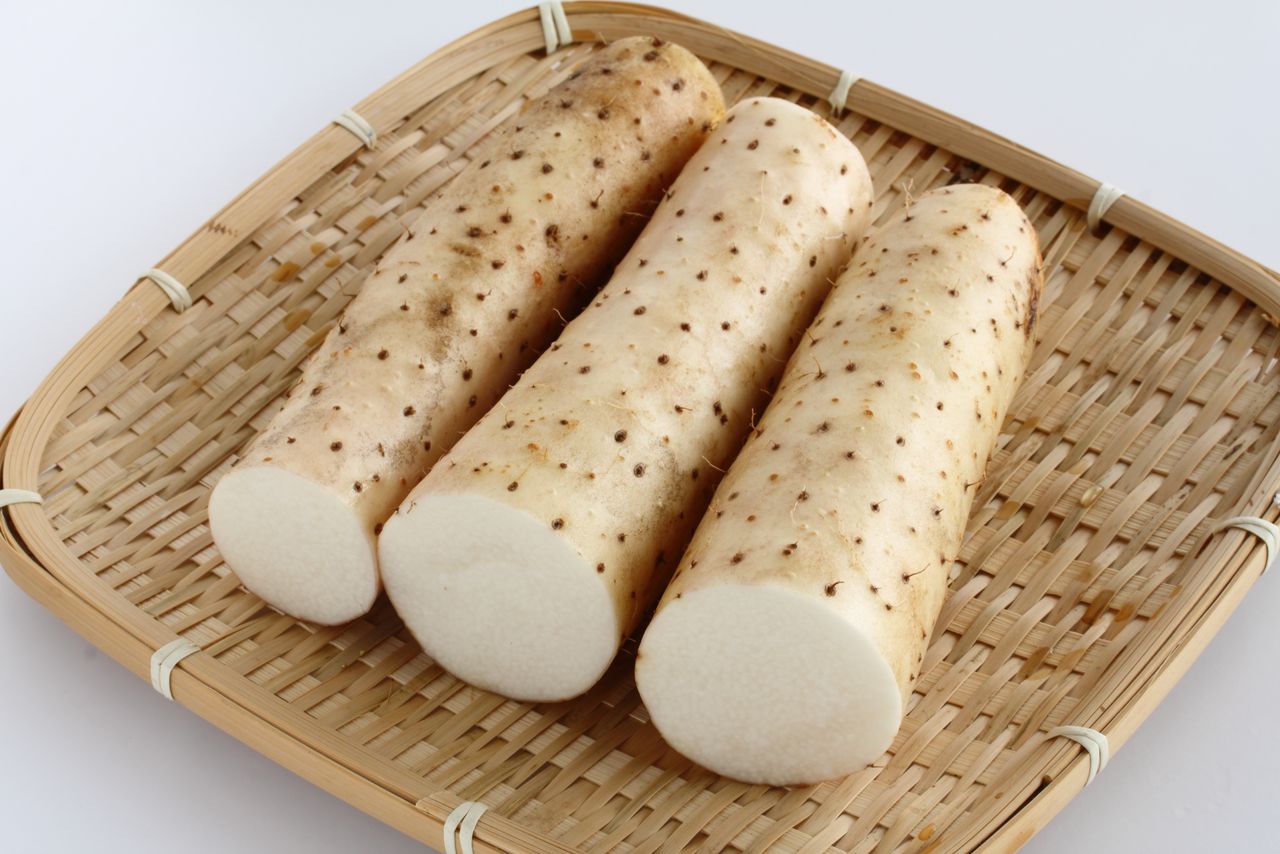
Nagaimo
This long, cylindrical type of yamaimo can be bought at reasonable prices in supermarkets and other stores. Due to its high water content, it is only mildly sticky and is light in flavor. It is perfect for chopping up and adding to salads or vinegared dishes to give an extra crunch. If grated, the nagaimo becomes so silky smooth, it is almost like a drink.
(© Pixta)
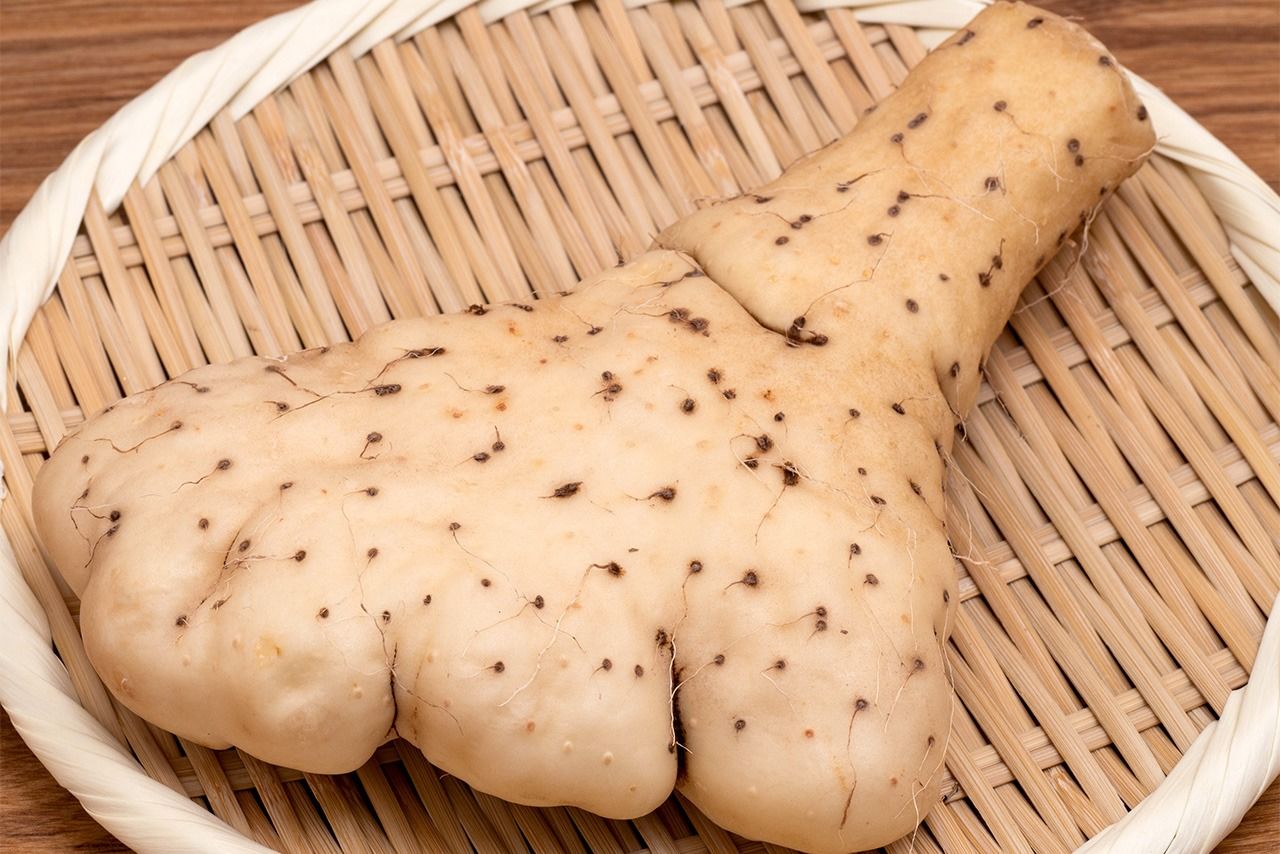
Ichōimo (sold in the Kantō region as Yamatoimo)
This type of yamaimo resembles the leaf of the ichō (gingko) tree or a glove, due to its extended tips. It is mainly cultivated in the Tōkai and Kantō regions. It makes a substantial tororo when grated, as it is stickier than nagaimo.
(© Pixta)
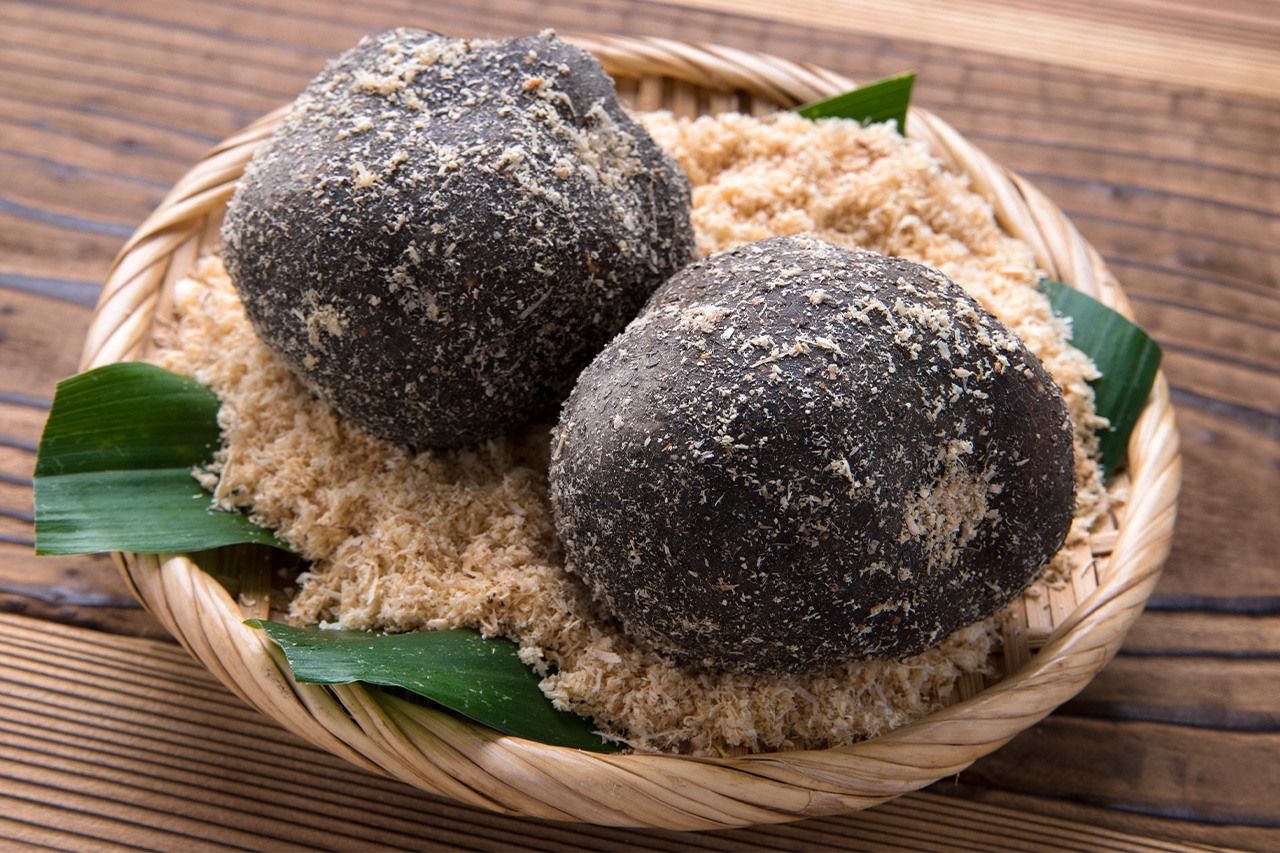
Yamatoimo (sold as Tsukuneimo in the Kantō region)
Round and shaped like a fist, this type of yamaimo is cultivated mainly in the Kansai region. In contrast to nagaimo that is silky smooth when grated, this tuber becomes highly sticky and takes on an almost solid consistency. There are a number of regional brands available, including Kaga Maruimo from Ishikawa Prefecture, Iseimo from Mie and Nara Prefectures, and Tanbayama-no-Imo from Hyōgo Prefecture.
This type is used when making the dough for jōyo manjū sweet steamed buns, a luxury Japanese confection.
(© Pixta)
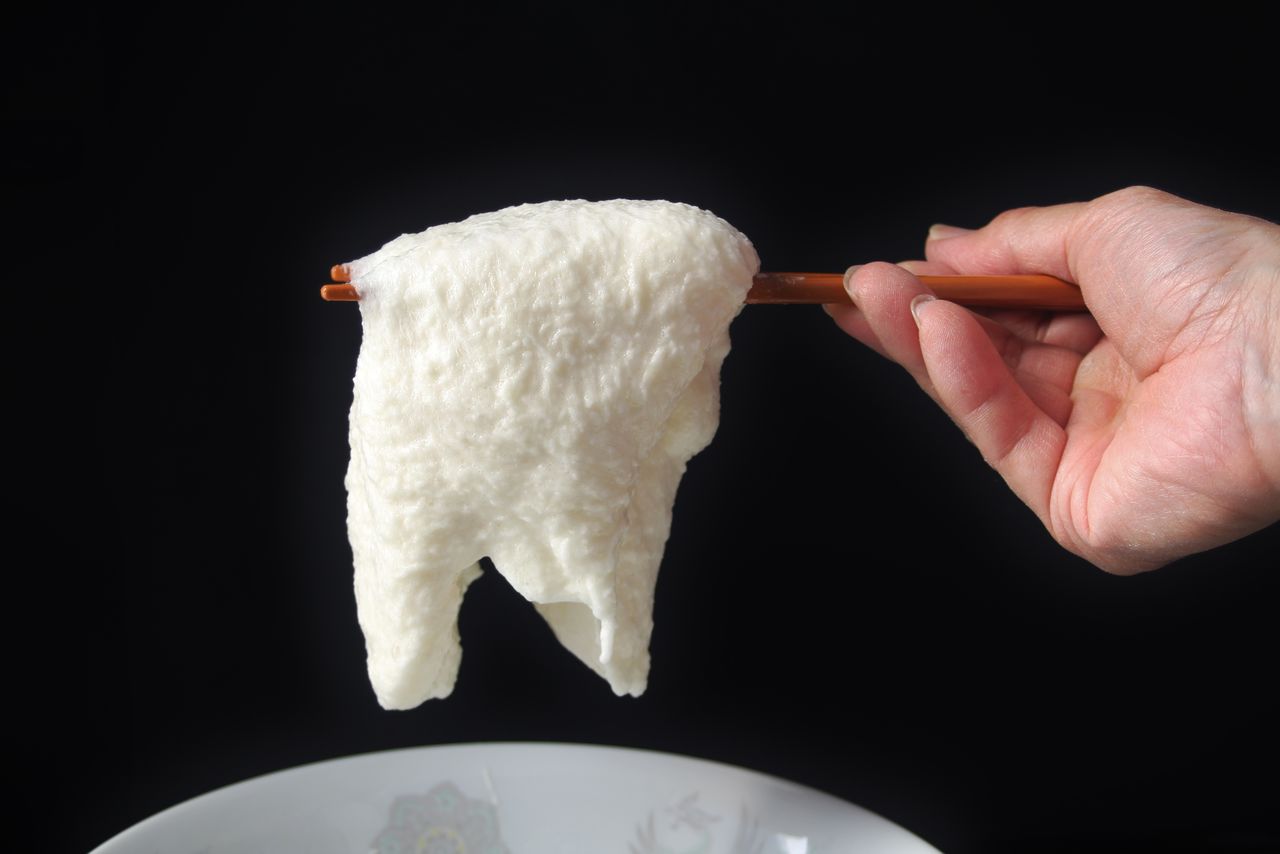
Yamatoimo’s solid texture makes it easy to pick up. (© Pixta)
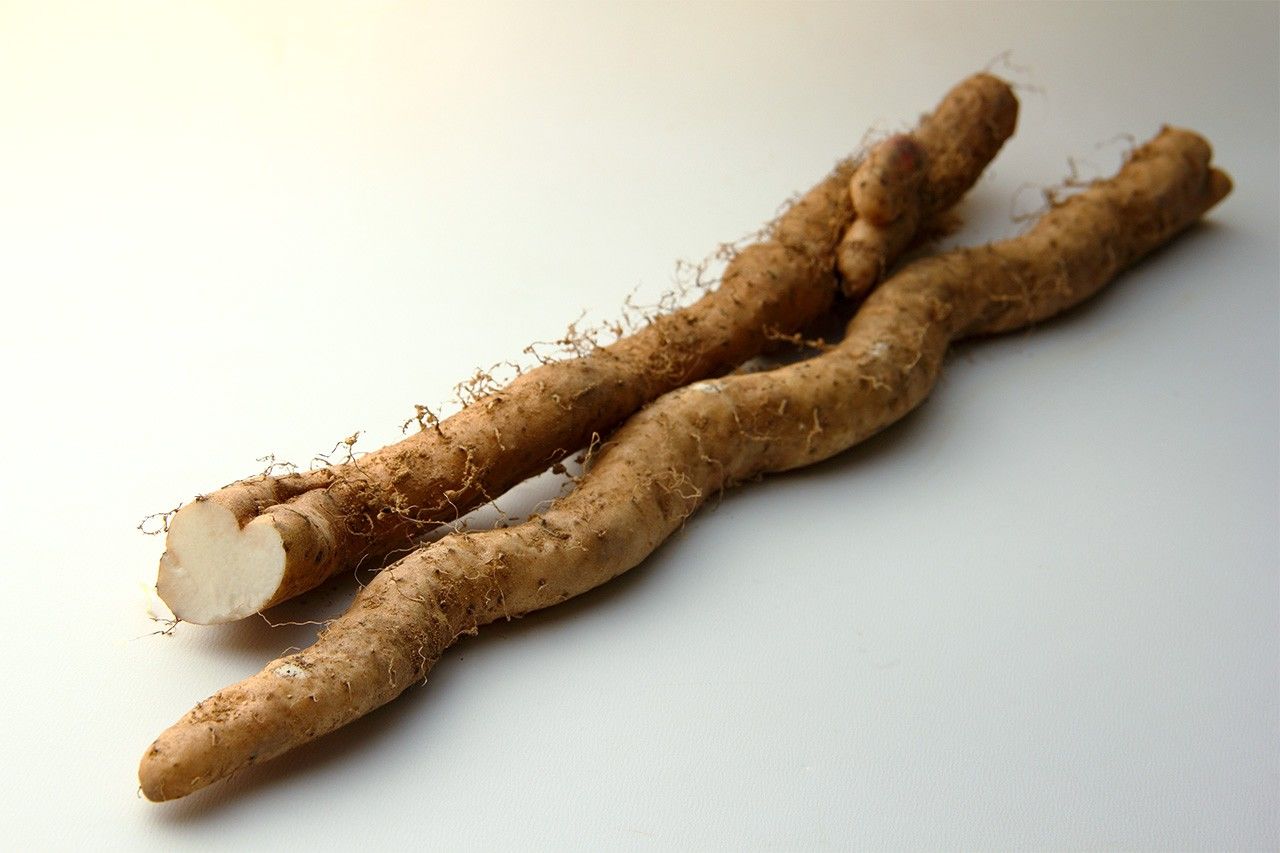
Jinenjo
This variety of yamaimo is native to Japan. Although long and thin like nagaimo, this wild mountain yam becomes gnarled and twisted as it grows. It is favored as a traditional medicine for providing nourishment and boosting energy. It is considerably thick and sticky.
(© Pixta)
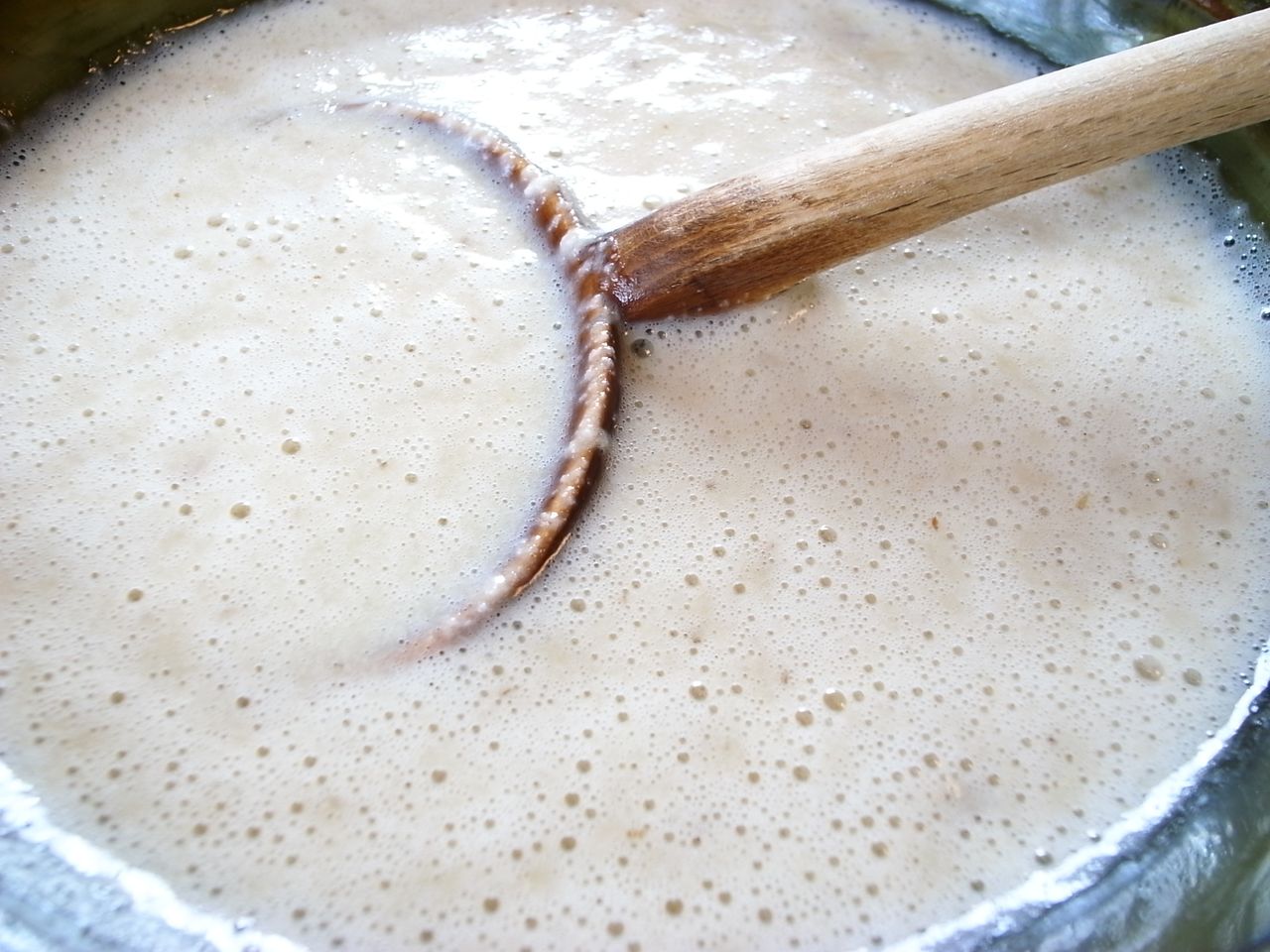
Usually when people make tororo at home, they will use a grater or, to save time, a food processor. Using a mortar and pestle creates a more silky, refined texture, though.
(© Pixta)
Find out more about yamaimo in “Classic Yamaimo Dishes: A Magical Transformation of Texture.”
(Originally published in Japanese. Text by Ecraft. Banner photo © Pixta.)