Building Blocks: The Basic Ingredients Behind Japan’s Flavors
Classic Yamaimo Dishes: A Magical Transformation of Texture
Food and Drink Culture Lifestyle- English
- 日本語
- 简体字
- 繁體字
- Français
- Español
- العربية
- Русский
Yamakake
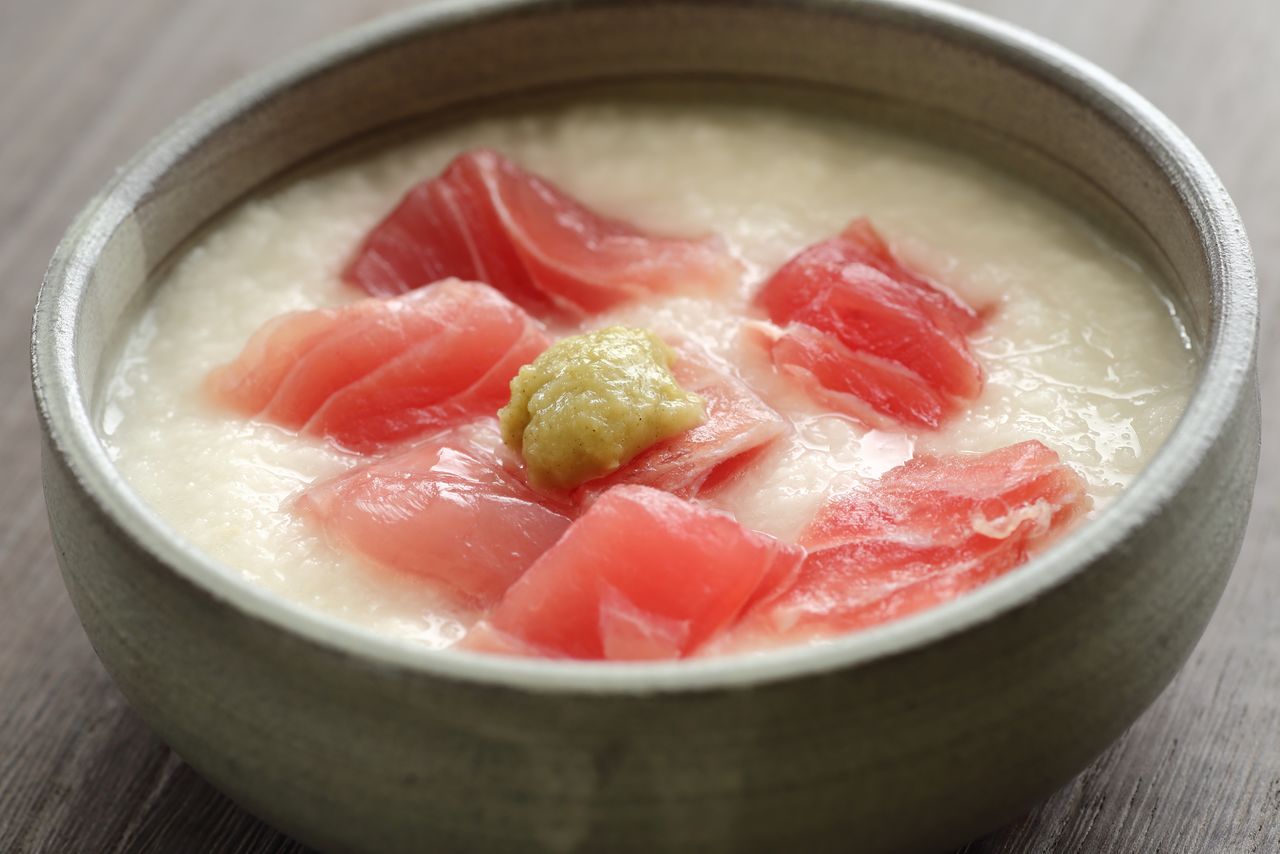
The naming of this dish comes from the yama of the grated yamaimo and kakeru, meaning “to pour over.” You can add a little more decadence by adding chunks of reasonably priced tuna from the supermarket.
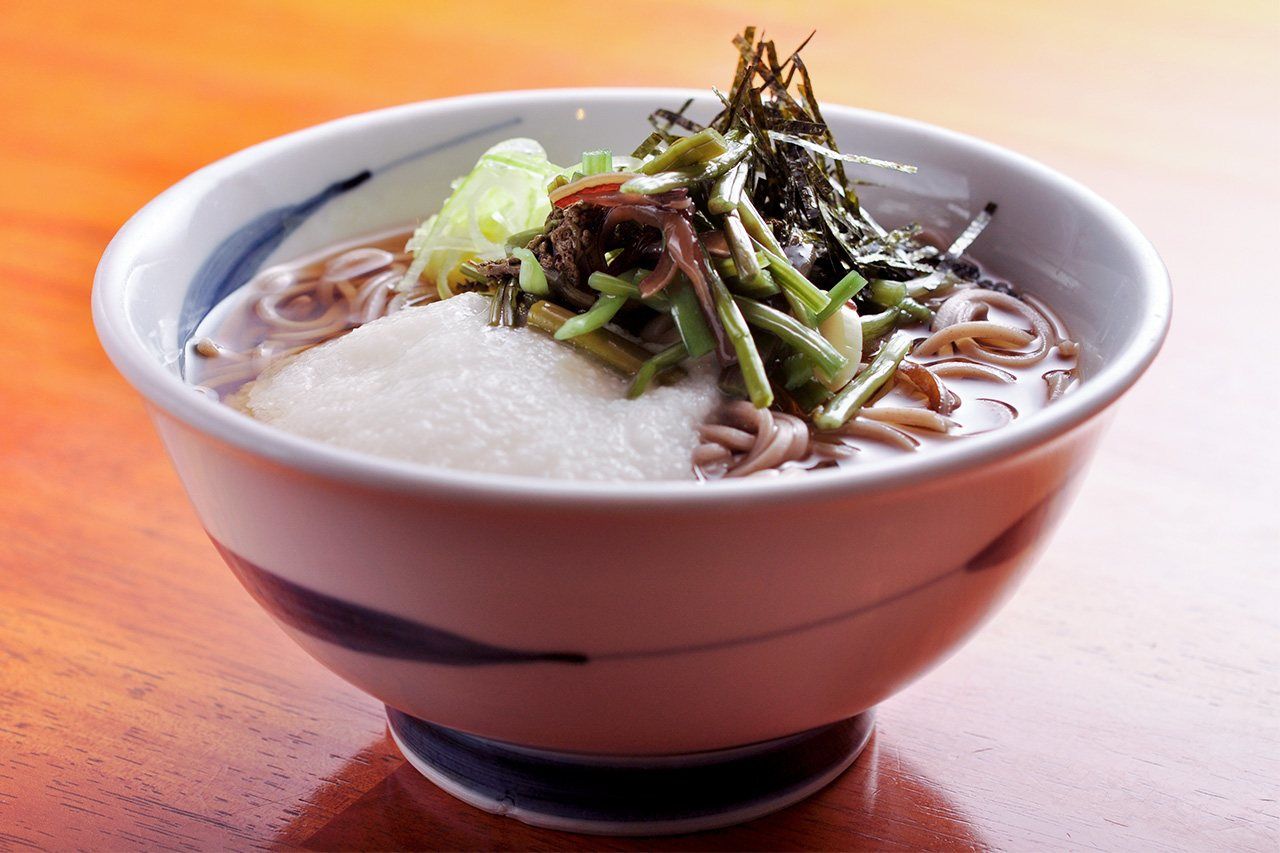
Yamakake soba and yamakake udon, with a dollopf of the grated tuber added to noodles, are classic ways to enjoy this.
(© Pixta)
(© Pixta)
Unatorodon
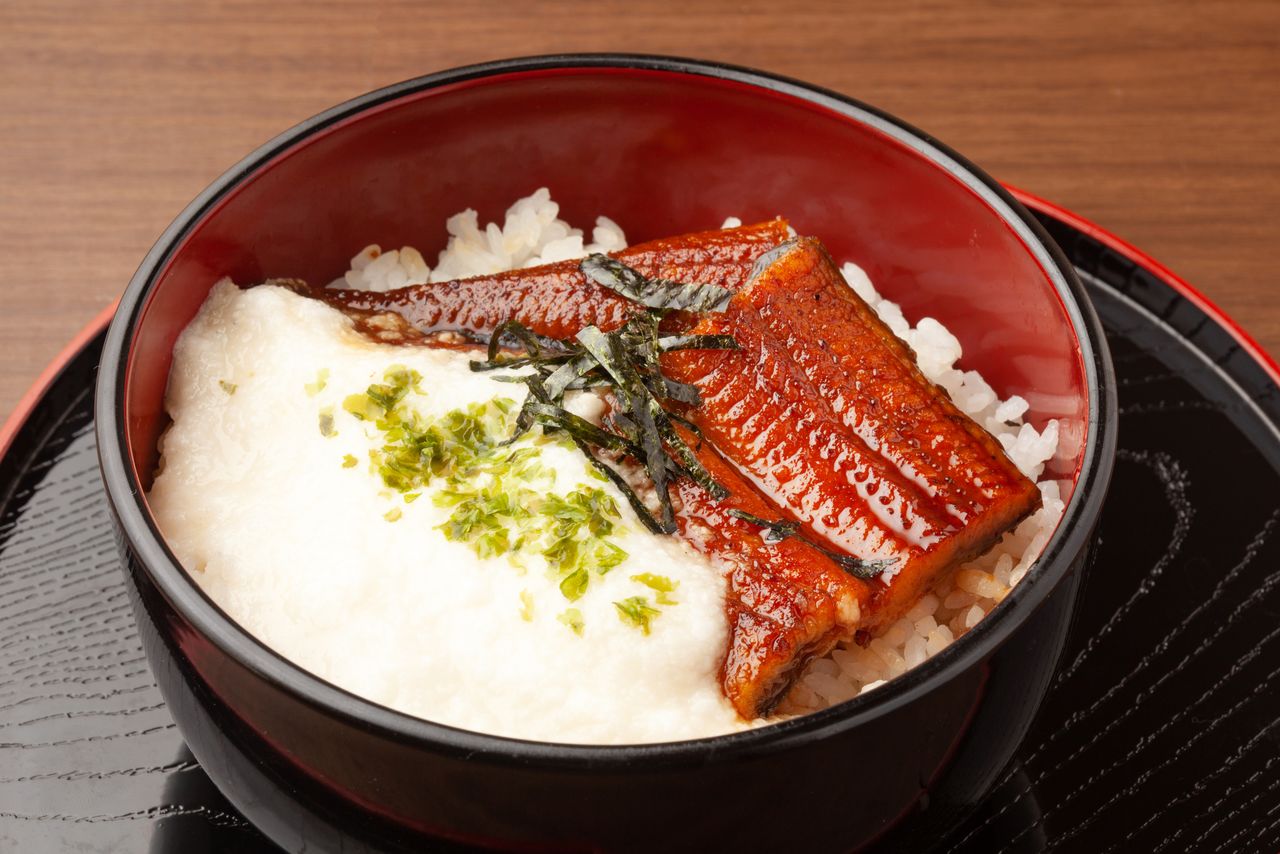
This is a variation of yamakake, but as the unagi (eel) and tororo take center stage, this seems to have become the established name. A nourishing summer meal, it is the ultimate in luxury.
(© Pixta)
Yamaimo Salad
Here, raw chopped yamaimo is used as a topping for either salad or vinegared dishes. The crunchy, filling yam gives the dish added substance.
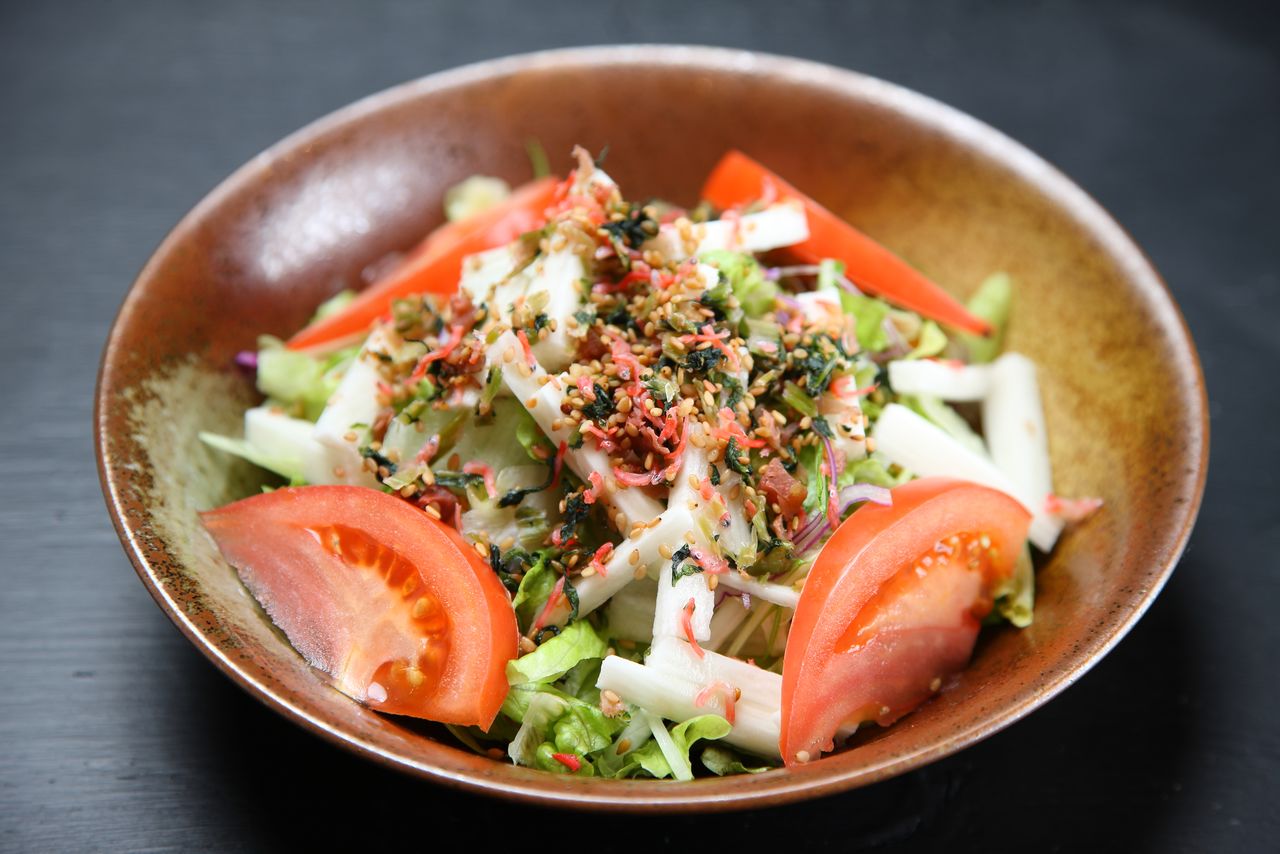
(© Pixta)
Yamaimo Steak
Sliced rounds of yamaimo are pan-fried to give them a fluffy texture. To finish, they are drizzled with soy sauce and seared to enhance the savory flavor.
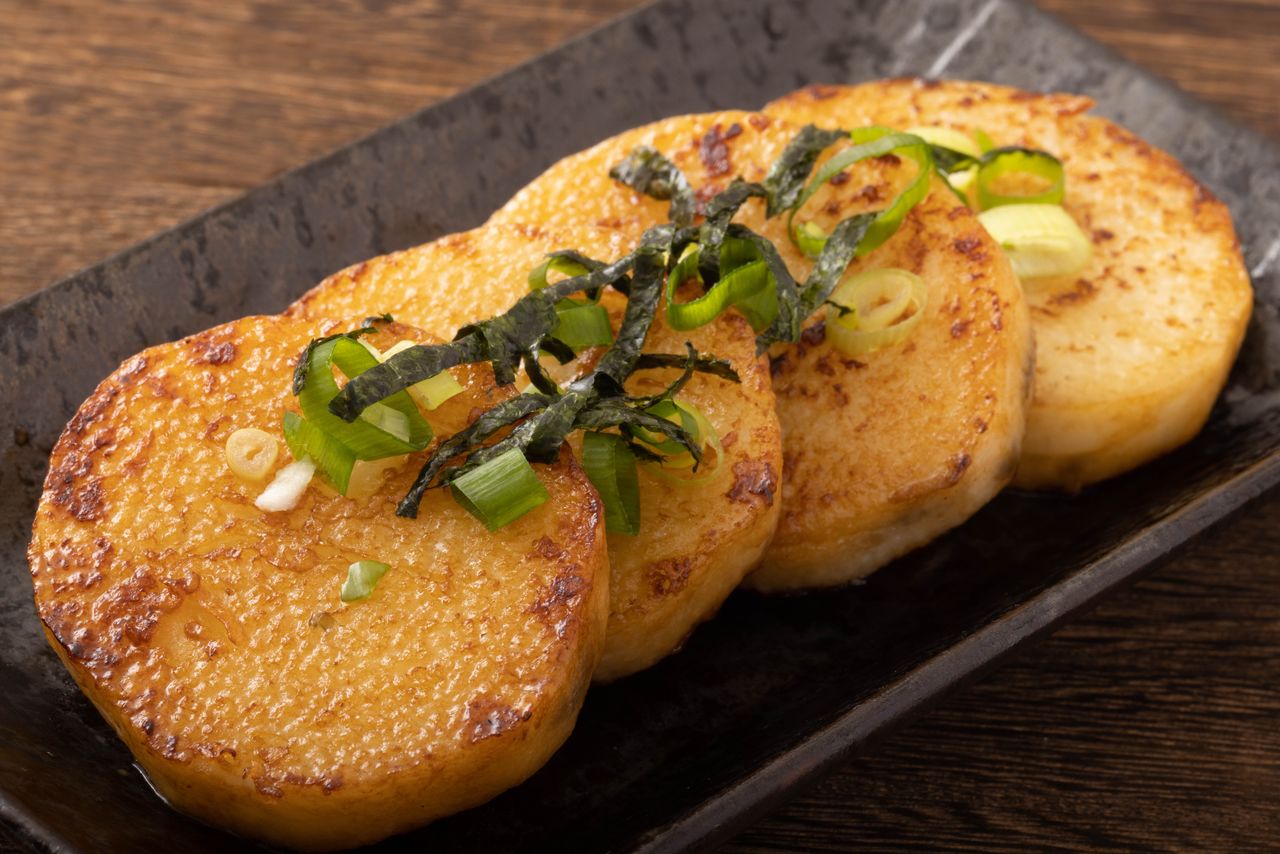
(© Pixta)
Isobe-age
This dish is simply grated yamaimo, wrapped in nori (seaweed) and quick-fried in oil. Cooking it this way creates an exquisitely light texture. (The yam needs to be sticky enough to be able to wrap it in nori, so varieties like ichōimo and jinenjo are best.)
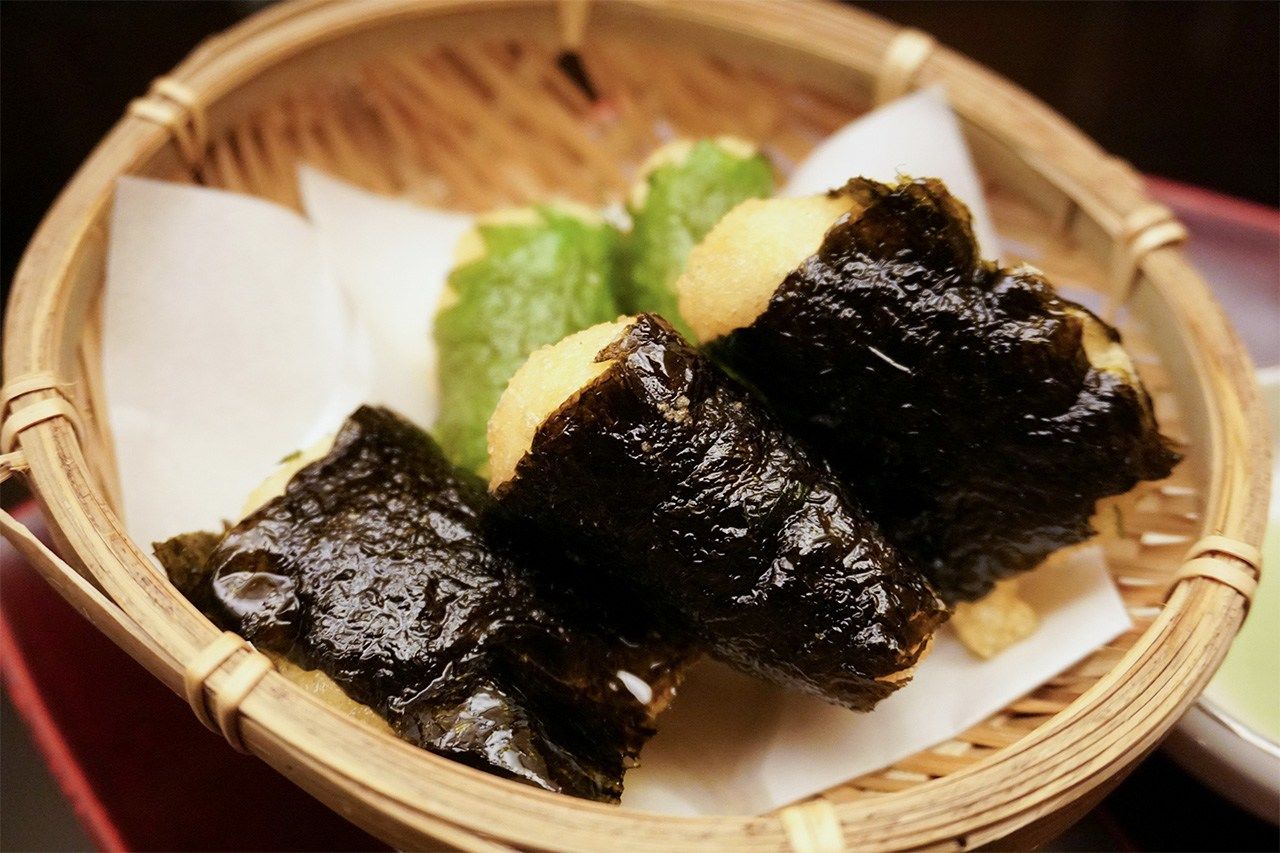
(© Pixta)
Kansai-Style Okonomiyaki
Adding yamaimo to the okonomiyaki batter mix gives it an extra fluffy texture.
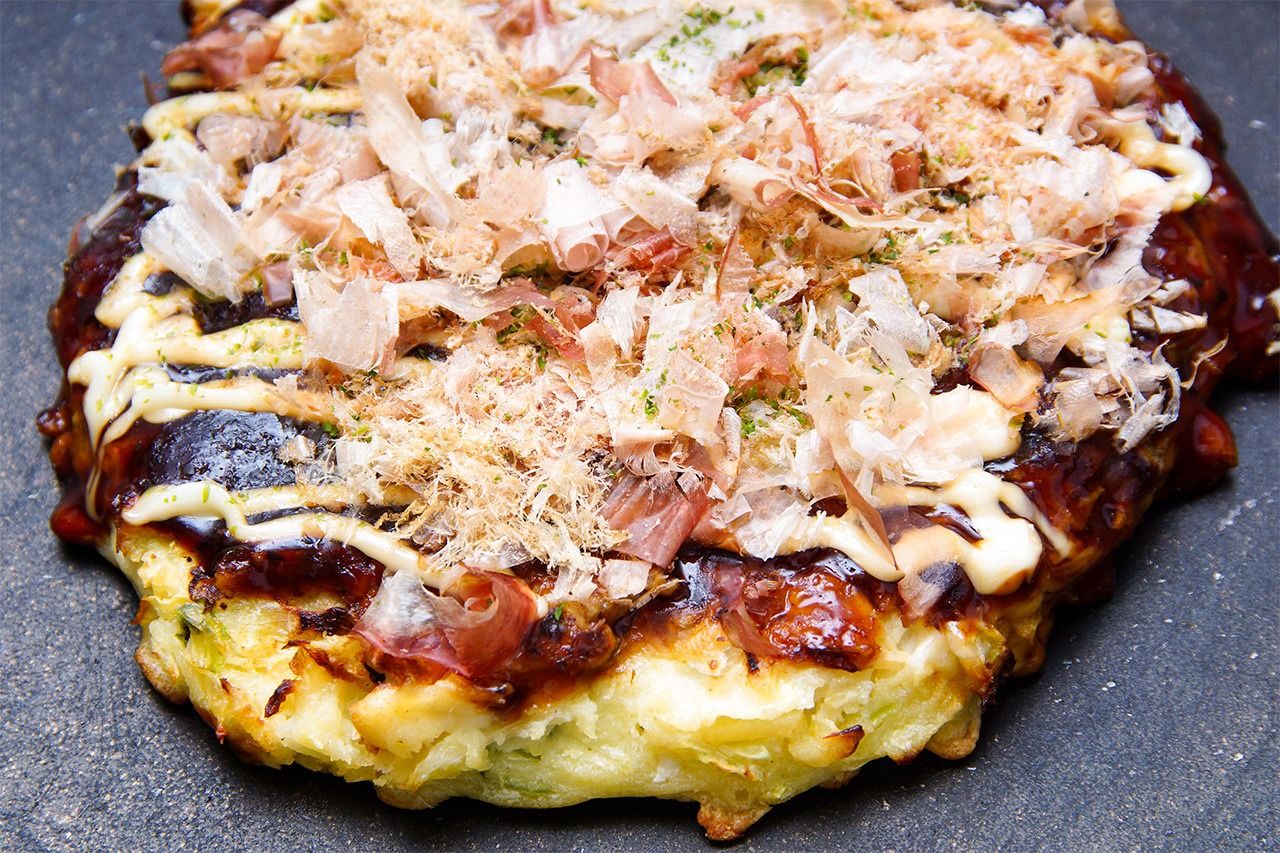
(© Pixta)
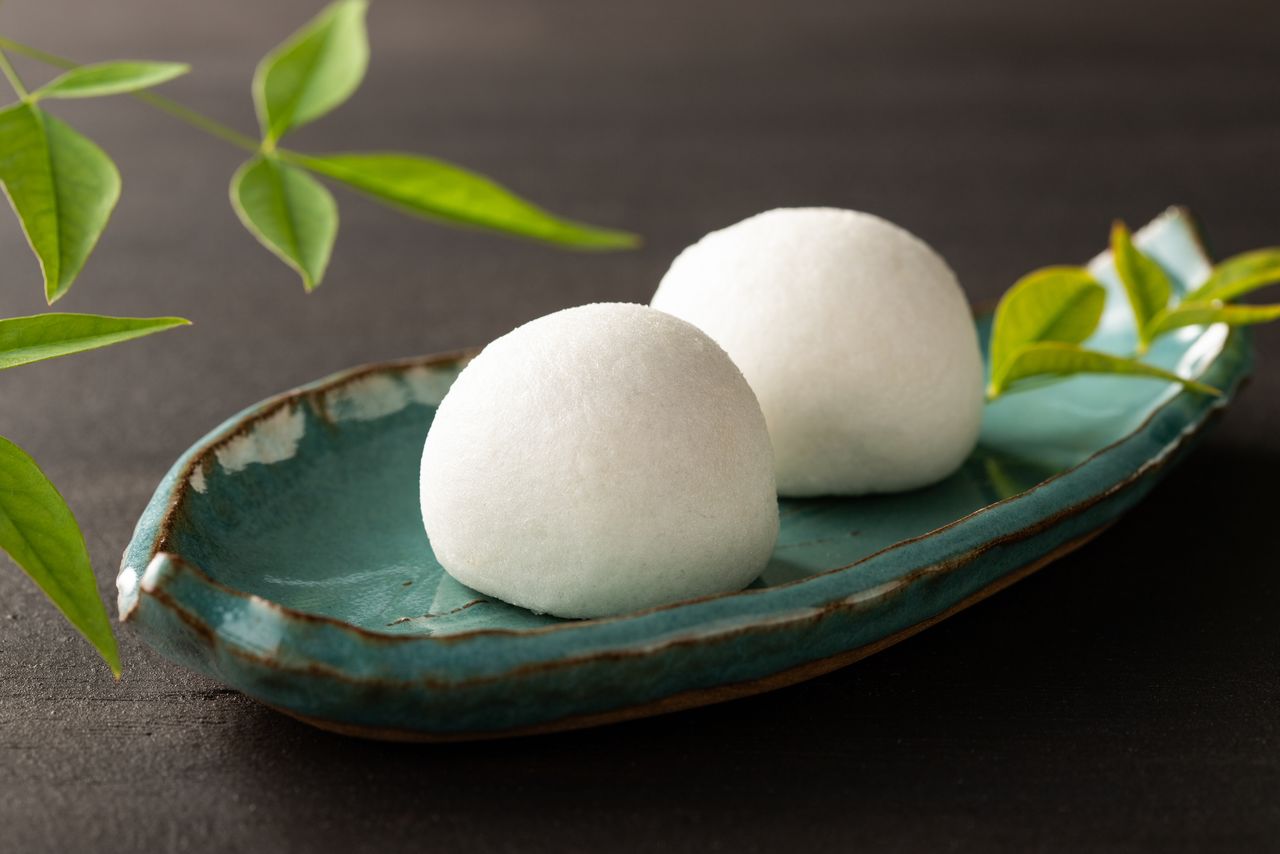
Jōyo Manjū
These sweet manjū steamed buns are made using yamaimo, with jōyo referring to particularly sticky types of yam like yamatoimo and tsukuneimo. Added to the dough of the buns, it creates a moist and fluffy texture when heated.
(© Pixta)
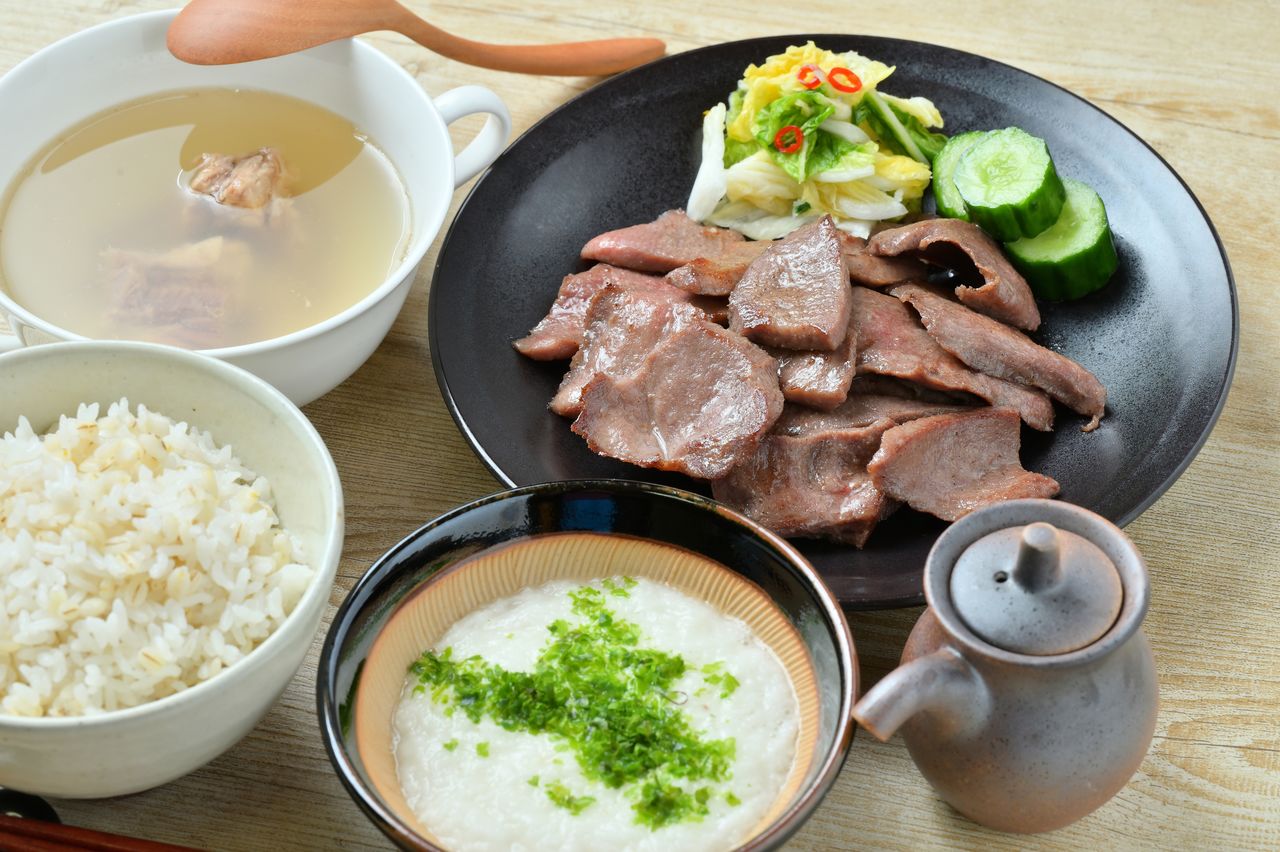
Bonus Dish: Gyūtan Teishoku with Mugitoro
Gyūtan teishoku, a set meal of gyūtan beef tongue, will invariably come served with mugitoro, barley rice topped with tororo. This combination was devised by the gyūtan restaurant Negishi. Back when the restaurant was established in 1981, beef tongue was commonly eaten as a snack with alcohol. In order to encourage more women to try it, they started serving gyūtan along with the healthy option of barley rice with tororo. These days, many other gyūtan restaurants also offer this set meal on their menus.
(© Pixta)
Learn more about the various types of yamaimo in “Yamaimo: Exceptional Tubers That Can Be Enjoyed Raw.”
(Originally published in Japanese. Text by Ecraft. Banner photo © Pixta.)