Building Blocks: The Basic Ingredients Behind Japan’s Flavors
Sweet and Satisfying: Chestnuts in Japanese Dishes
Food and Drink Culture Lifestyle- English
- 日本語
- 简体字
- 繁體字
- Français
- Español
- العربية
- Русский
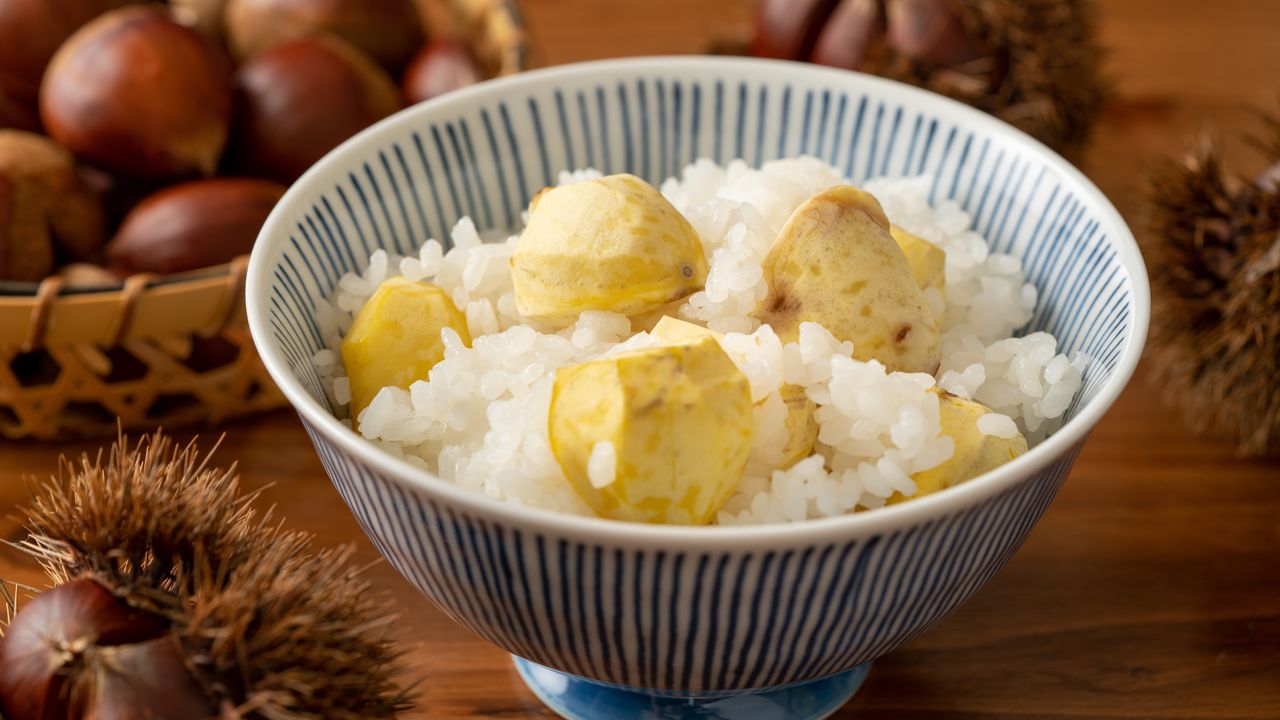
Kuri-Gohan and Kuri-Okowa
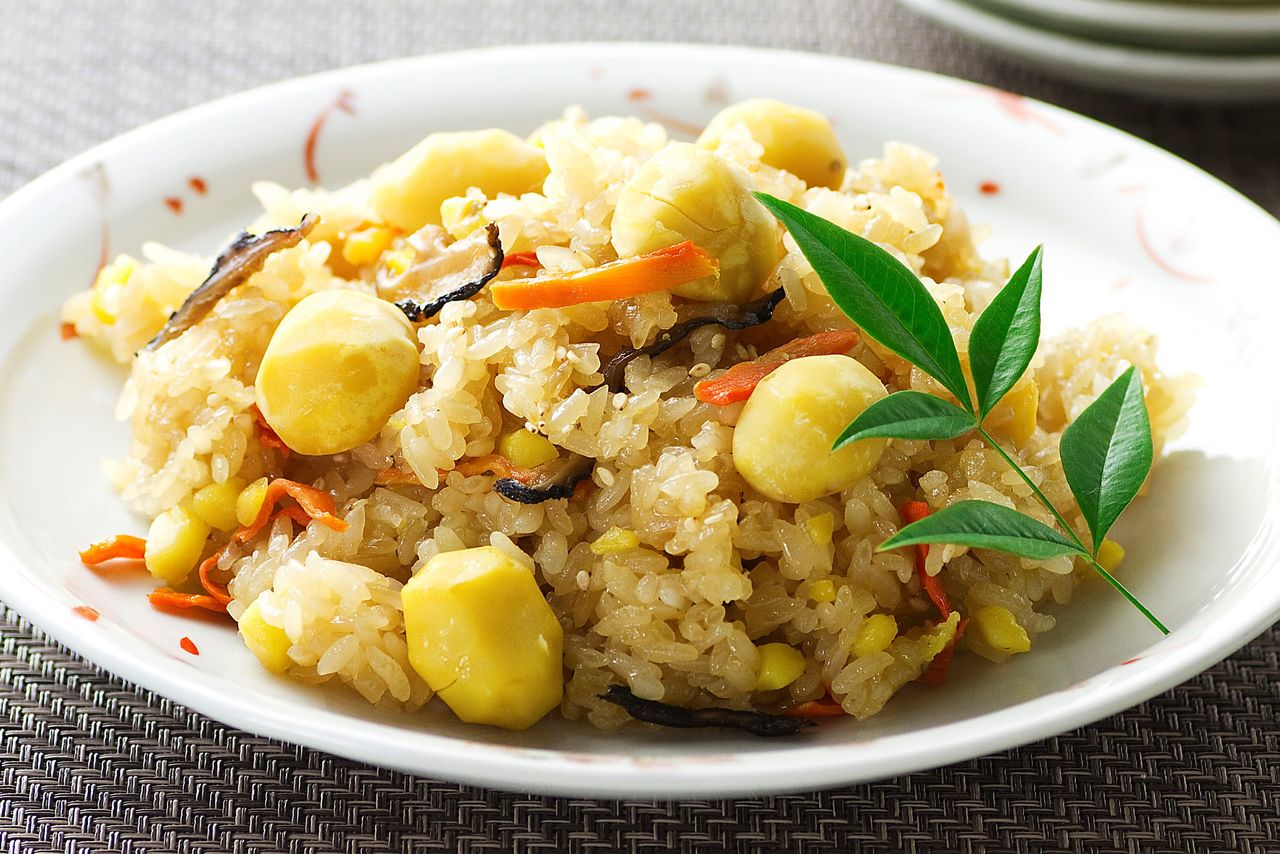
As soon as chestnuts come into season, it is time to make the delicious yet simple rice dish kuri-gohan. It may be a chore peeling the kuri, but it is worth it. By using sticky rice instead of regular rice, this dish becomes tasty, chewy kuri-okowa. Mushrooms and other seasonal ingredients can also be added to create an even more autumnal feel.
(© Pixta)
Kuri Kinton
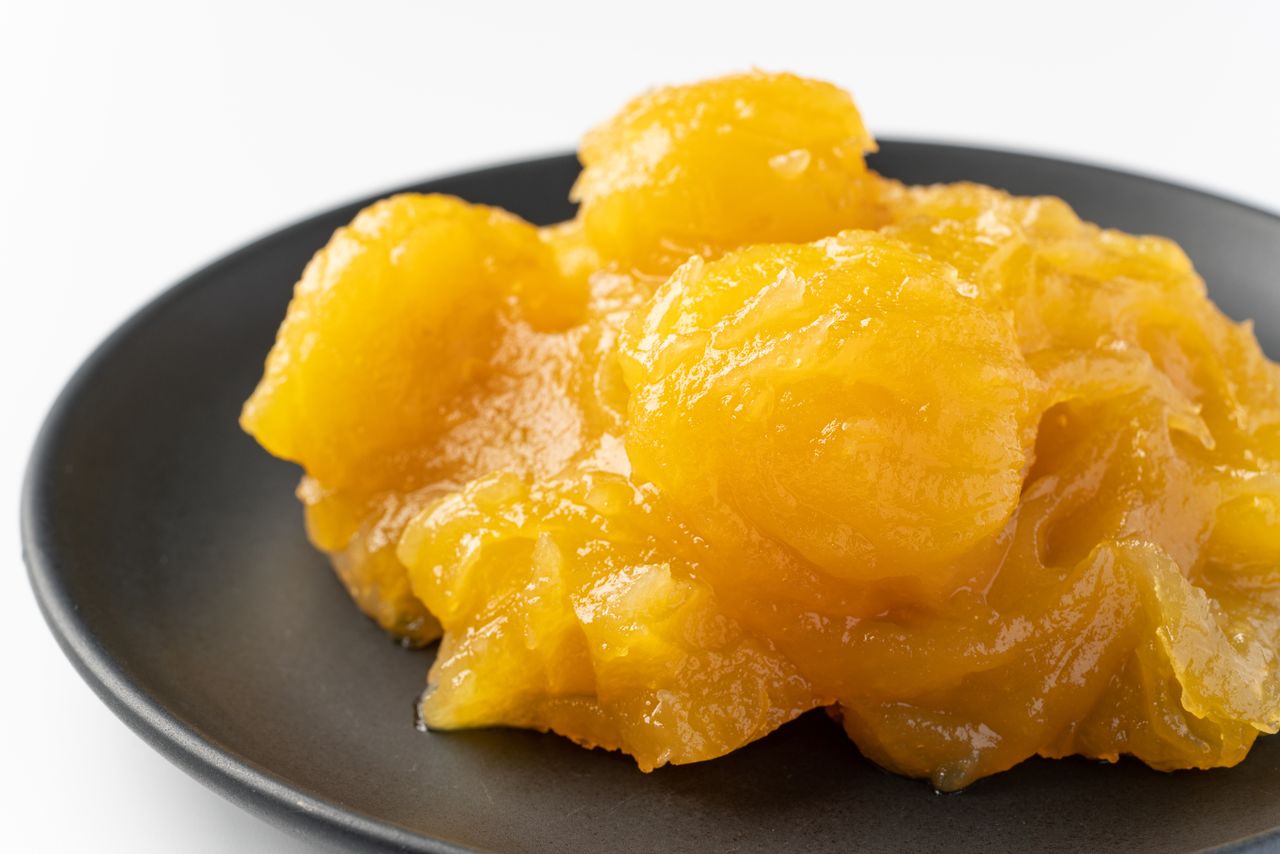
This dish of whole chestnuts and sweet potato mash is a dazzling gold, giving the image of good fortune, so it is an auspicious dish always served as part of osechi ryōri at New Year. It is typically made by combining candied chestnuts and finely strained sweet potato mash. Adding chestnut paste makes it even more decadent!
(© Pixta)
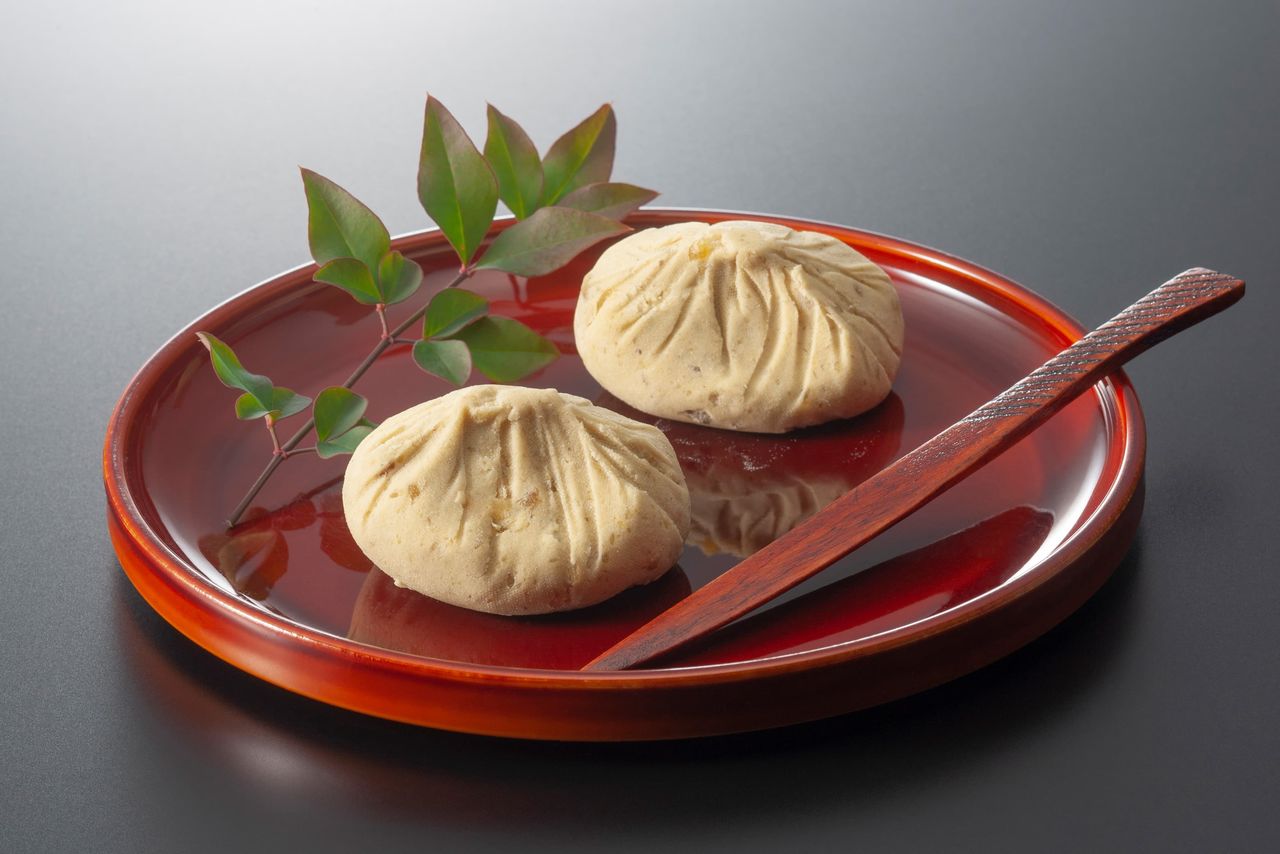
A local specialty from Nakatsugawa, Gifu Prefecture, a place renowned for kuri, shares the same name. Made by puréeing kuri through a sieve and then mixing with sugar, the paste created is then squeezed into shape using a tea cloth to form a very straightforward yet delicious sweet.
(© Pixta)
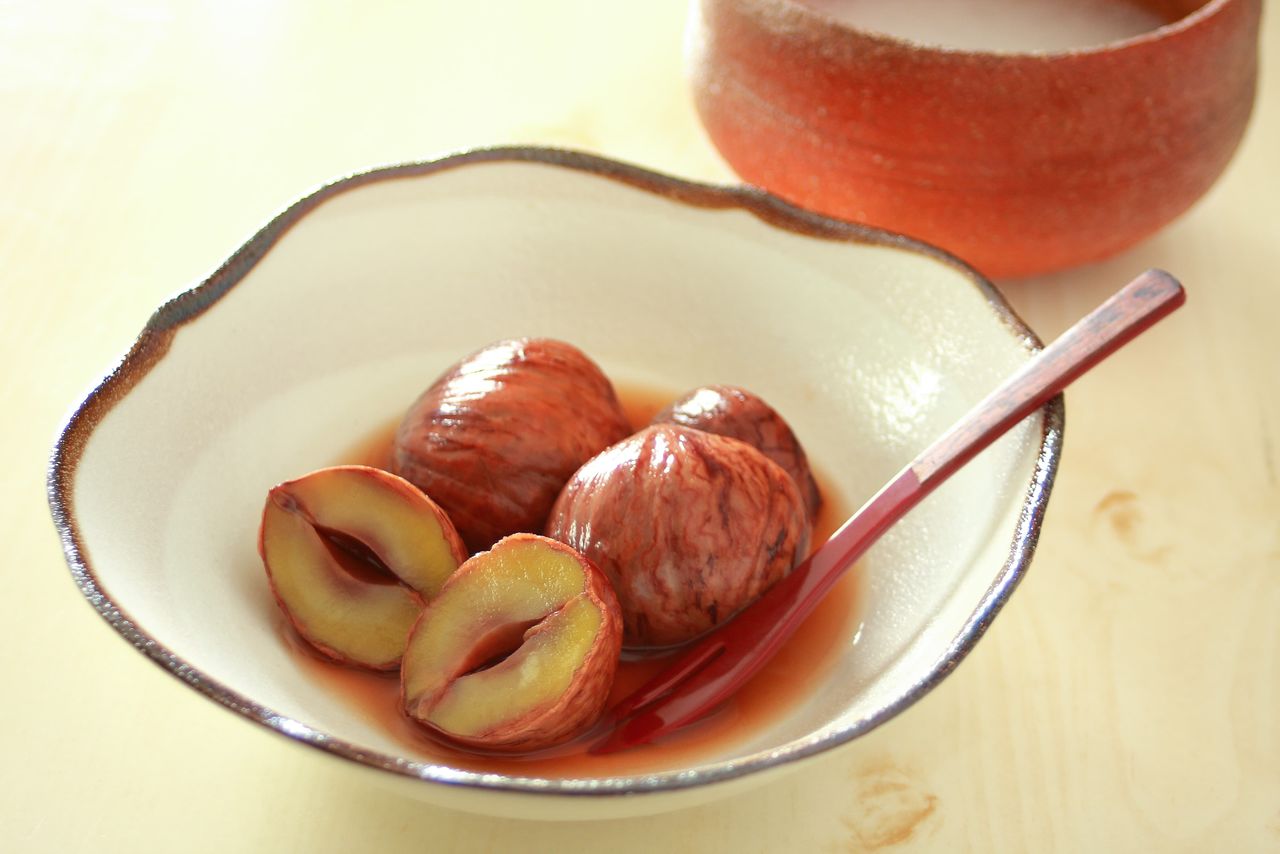
Shibukawa-ni
This dish of candied chestnuts is made by simmering kuri, with the inner skins still intact, in syrup. It is a truly elegant treat to enjoy with tea.
(© Pixta)
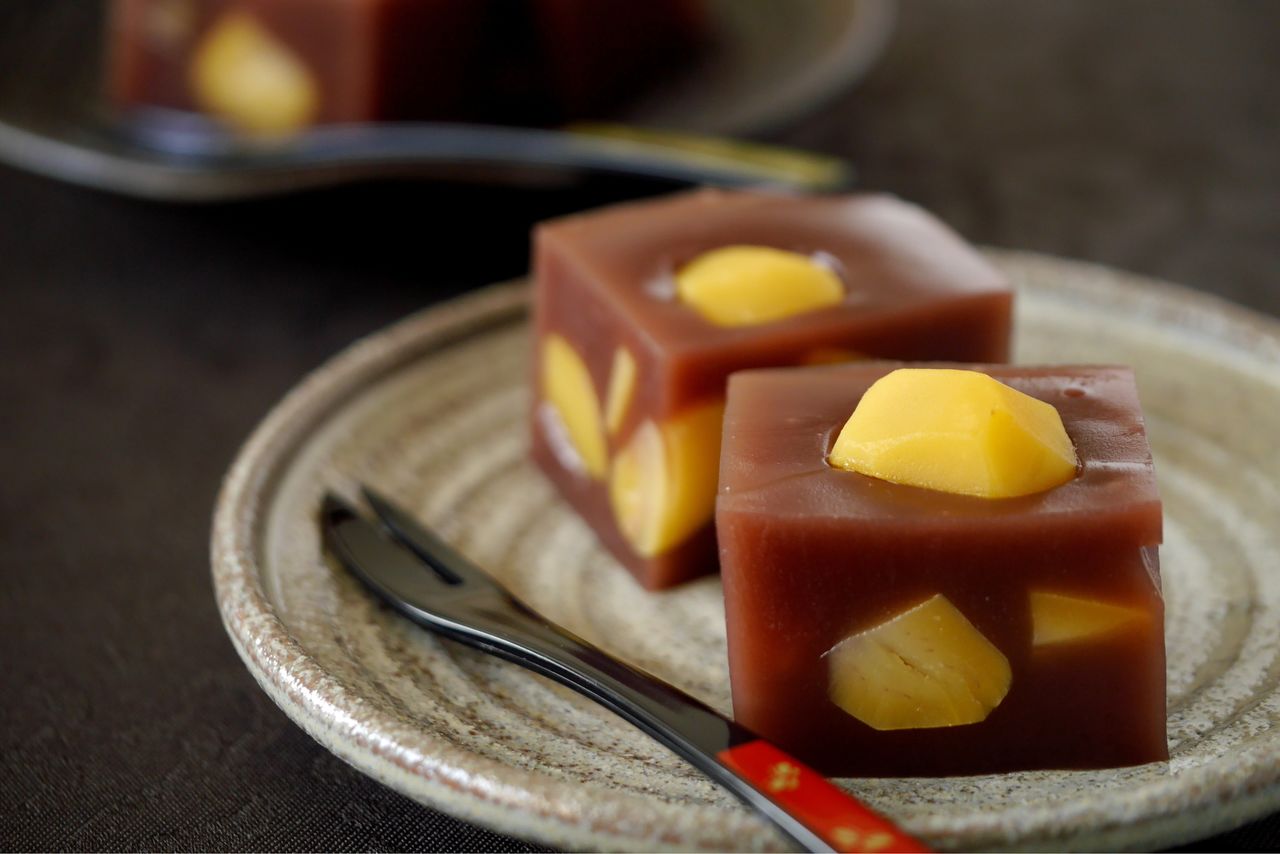
Kurimushi Yōkan
This Japanese jelly dessert is made with candied chestnuts, red bean paste, and flour, and is steamed until solid. It has a chewy texture with an added crunch courtesy of the kuri.
(© Pixta)
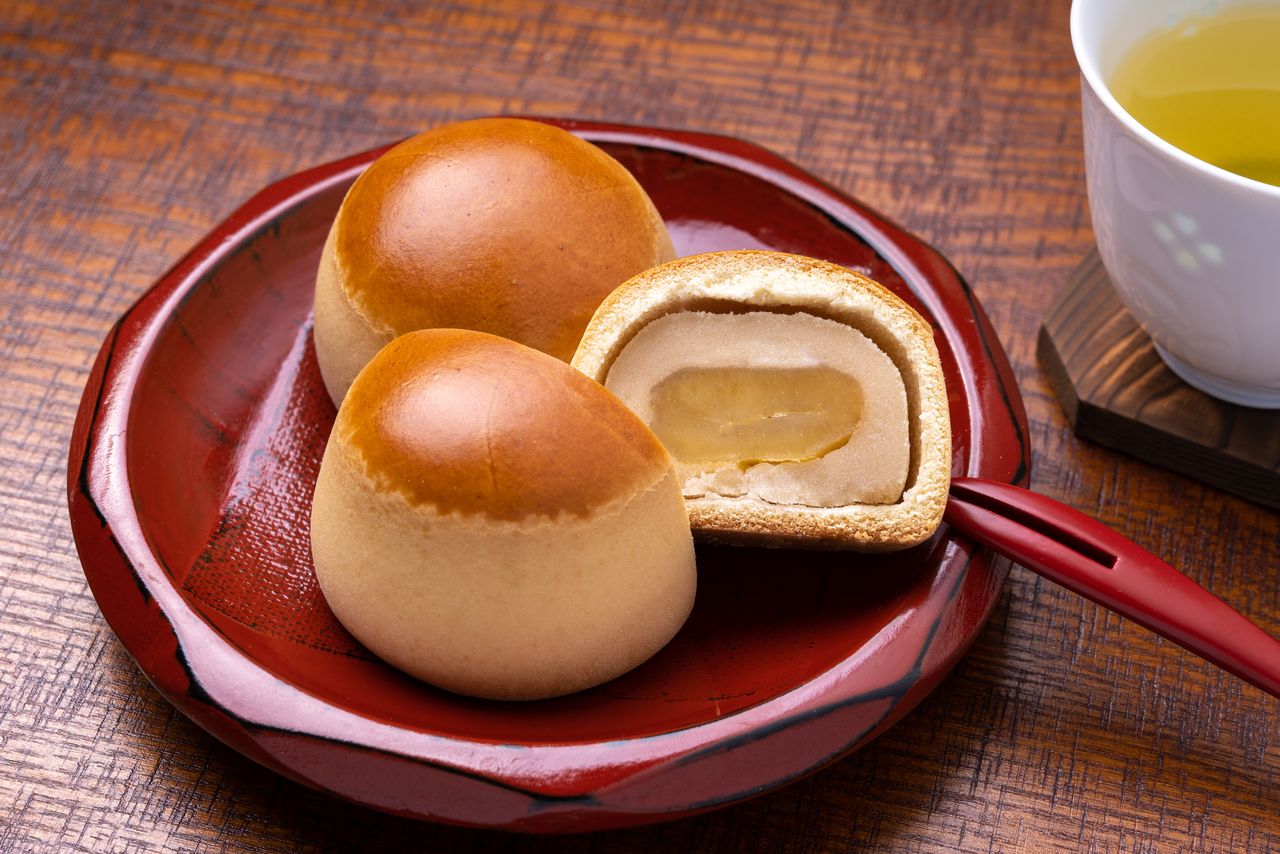
Kuri Manjū
These chestnut-flavor steamed cakes are often coated with egg yolk before baking so that they turn dark brown, just like a kuri. Some confectioners use a lot of ingenuity to get their manjū to resemble a real chestnut, including by shaping the tops to a point or covering the bases with poppy seeds.
(© Pixta)
There are a great number of Japanese sweets that feature chestnuts, including kuri dorayaki, small pancakes sandwiched together with chestnut paste filling; kuri kintsuba, squares of red bean paste and whole sweet chestnuts coated in a light batter and fried; and kuri kanoko, ovals of chestnut paste covered in sweet chestnuts. The addition of kuri enhances both the taste and appearance, making these popular gifts.
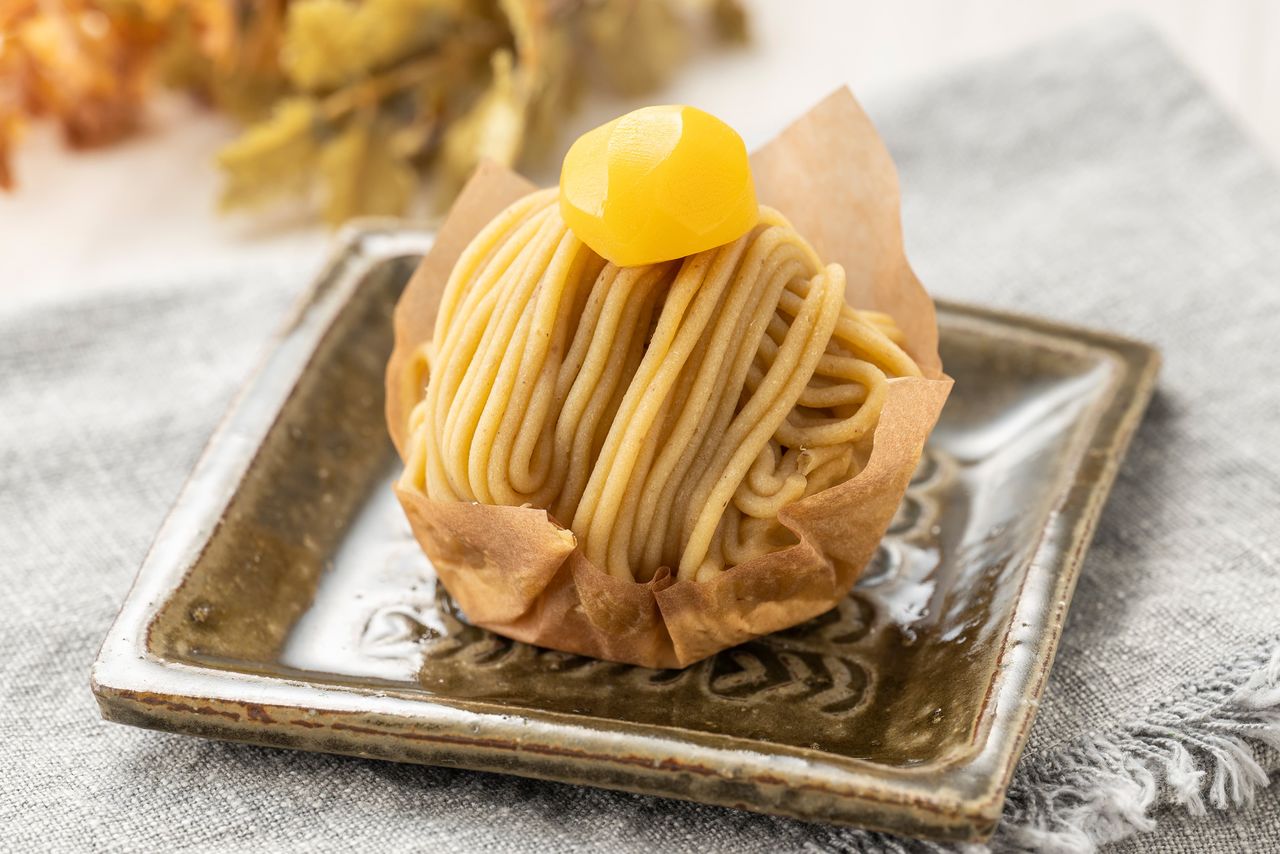
Mont Blanc
This distinctive cake, heaped with vermicelli-like strands of chestnut cream, actually originates from Japan. Named after Mont Blanc, the highest mountain in the European Alps, it started out as the signature product of just one confectionery shop, but became so popular that it is now available throughout Japan.
(© Pixta)
Find out more about kuri in “Chestnuts a Symbol of Autumn and Indulgence in Japan.”
(Originally published in Japanese. Text by Ecraft. Banner Photo: Kuri-gohan. © Pixta.)