Building Blocks: The Basic Ingredients Behind Japan’s Flavors
The Bounty of the Bean, Fresh or Dried: Delicious, Easy Ways to Enjoy Yuba
Food and Drink Culture Lifestyle- English
- 日本語
- 简体字
- 繁體字
- Français
- Español
- العربية
- Русский
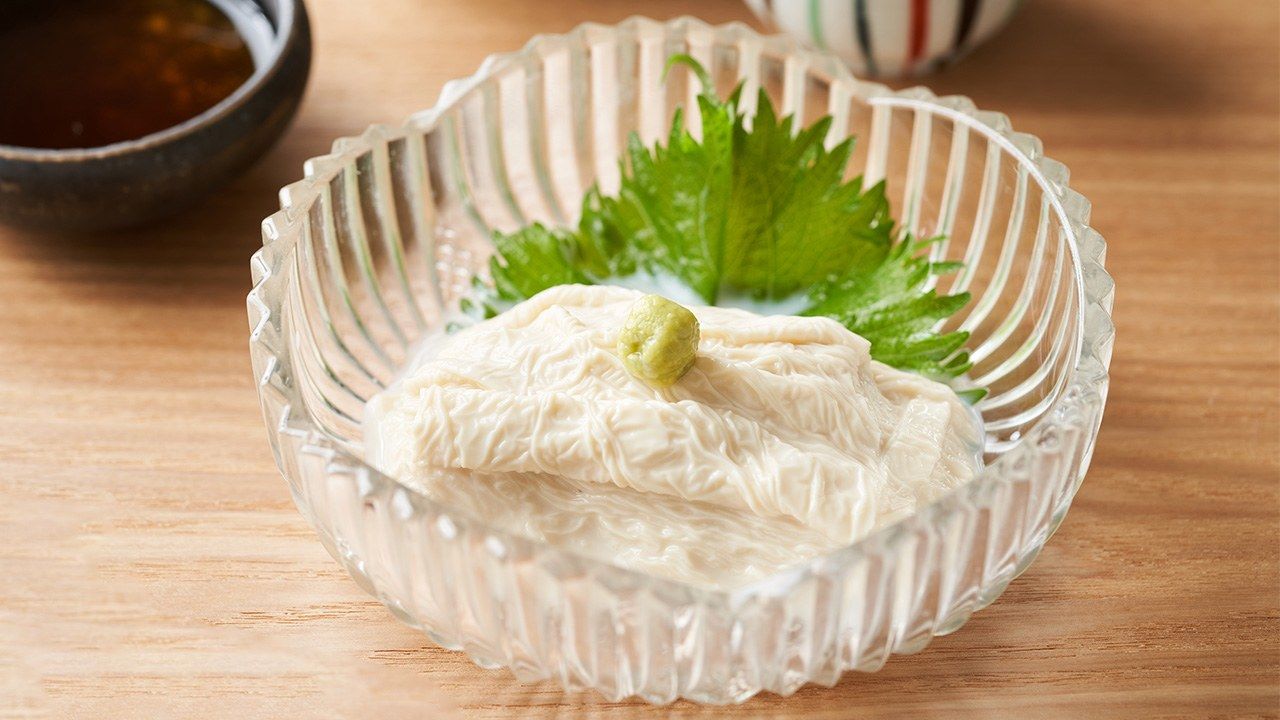
Yuba-sashi
This is the most popular way to eat fresh yuba. Just like sashimi, it is eaten with condiments like soy sauce and wasabi. Dried yuba can be rehydrated and used, but when fresh, it has a smoother texture and richer flavor.
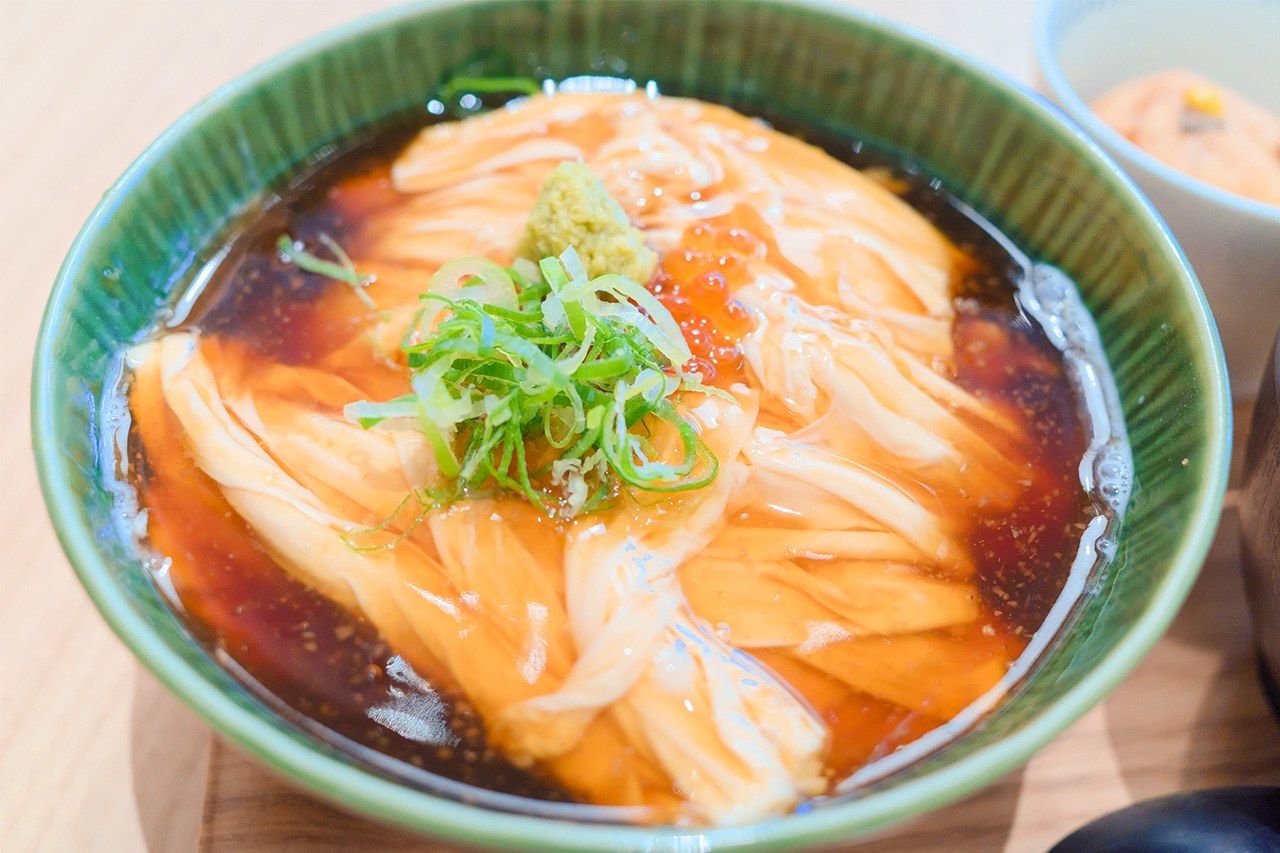
Yubadon
For this rice bowl dish, yuba is simmered in dashi stock until thickened, or egg added as a thickener, and served on top of rice. Piping hot and melt-in-your-mouth, it is sure to warm you right through!
(© Pixta)
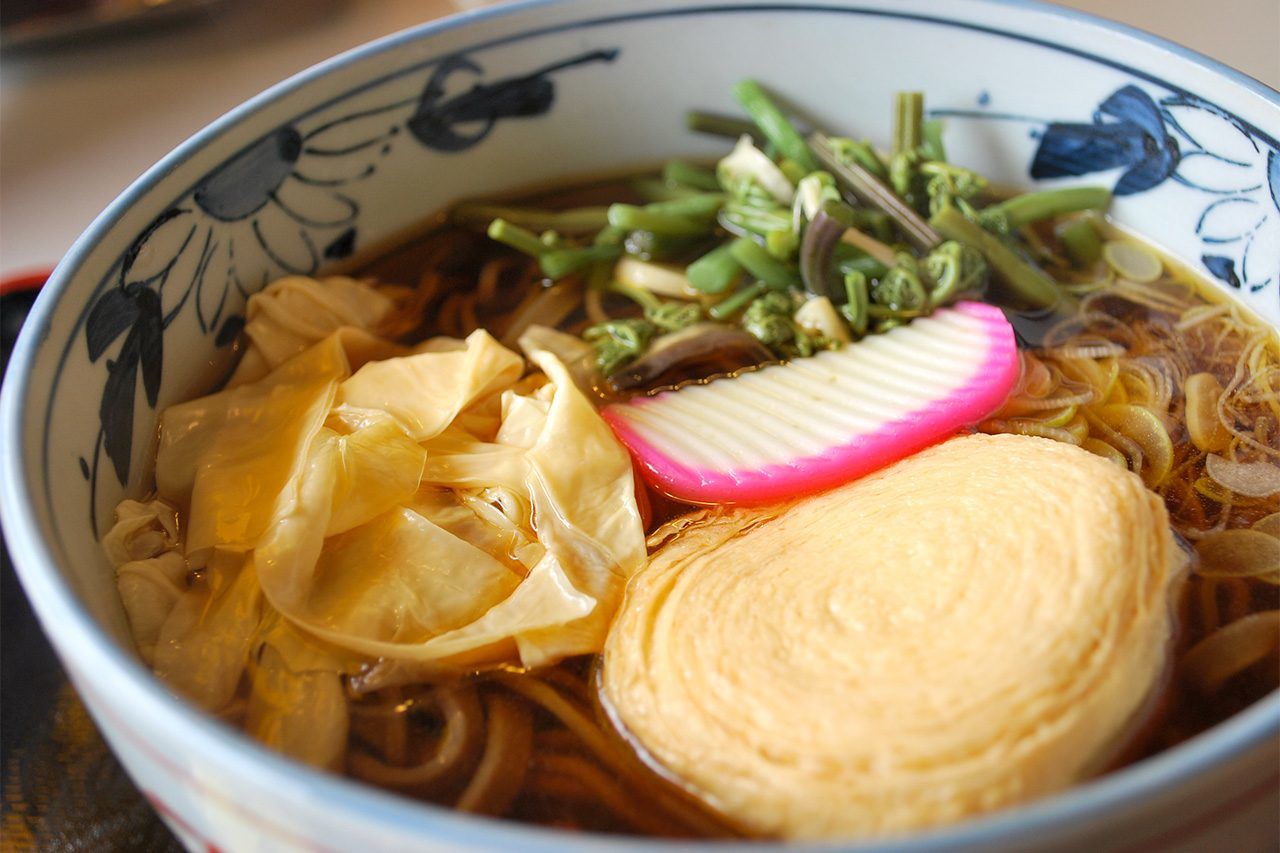
Yuba Soba
The lightly flavored simmered yuba rolls, served atop soba noodles, have a firm texture. This dish is a popular menu item in tourist areas where yuba is a specialty.
(© Pixta)
Yubamaki
Here, sheets of dried yuba are rehydrated and formed like spring rolls, filled with various ingredients. They are also delicious deep-fried, in which case they are known as yubamaki-age.

(© Pixta)
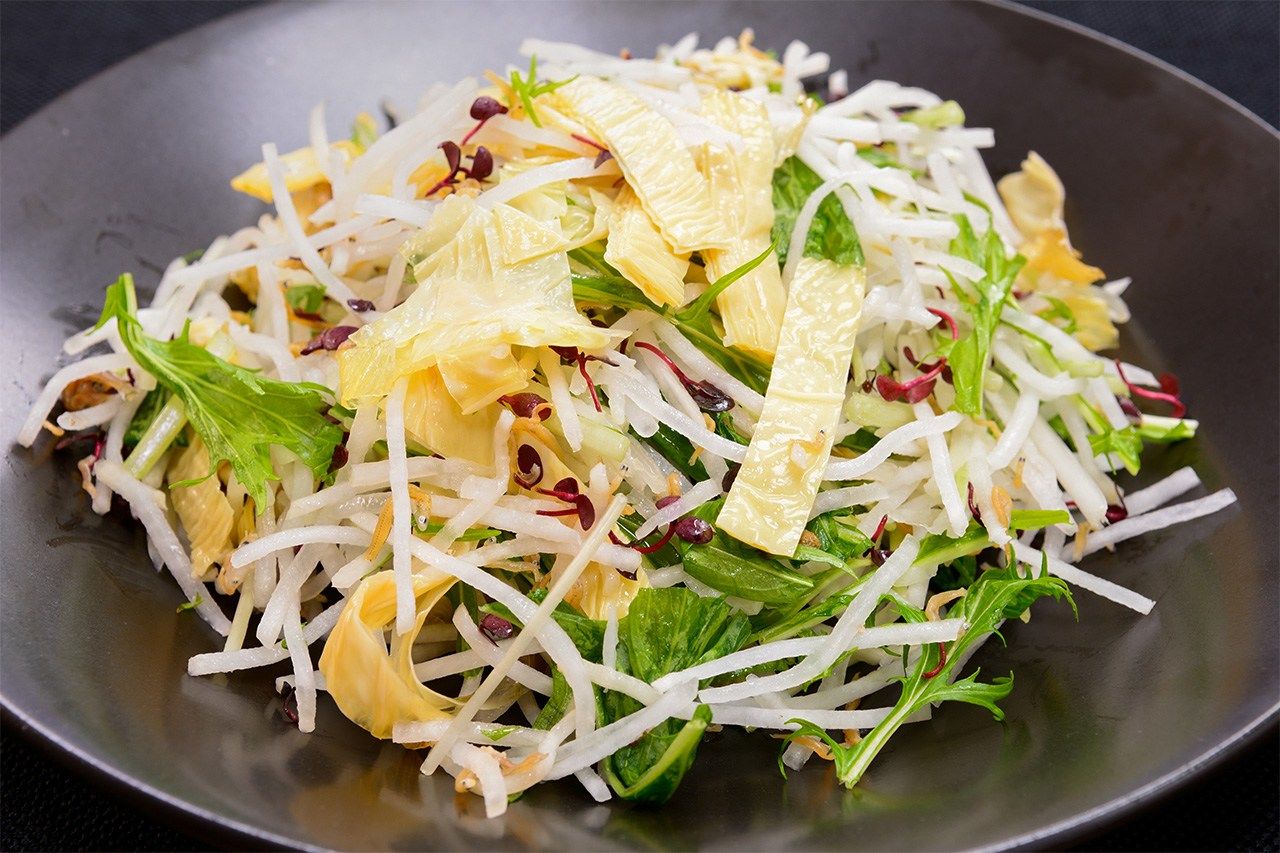
Yuba Salad
Just rehydrate cut pieces of dried yuba and mix them into the salad of your choice. Any combination works!
(© Pixta)
Tōji-ni
Originally introduced as an ingredient in shōjin ryōri, Buddhist vegetarian cuisine, yuba went on to being used in kaiseki ryōri. This cuisine, with its roots in Zen Buddhism, developed as part of the tea ceremony, thus becoming an essential ingredient in Kyoto cuisine. Yuba specialty shops can be found by the gates of temples throughout Kyoto.
Tōji is the name of the Shingon Buddhist head temple in Kyoto and is associated with the founder of the sect, Kūkai (Kōbō Daishi). While there are other types of yuba that use the names of temples in Kyoto, such as Kenninji yuba and Daitokuji yuba, Tōji is the name most commonly used for yuba in the world of Japanese cuisine.
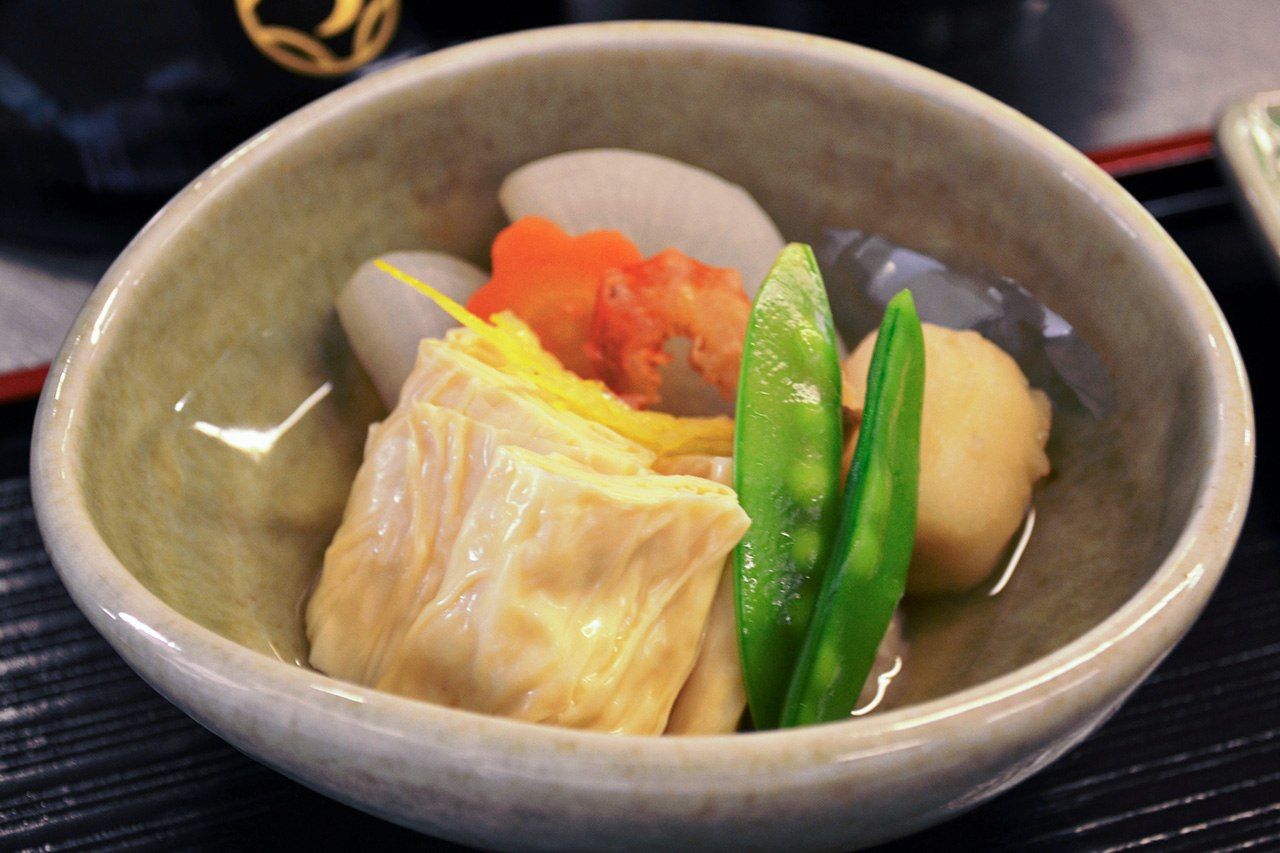
(© Pixta)
Yuba is delicious added to soups and hotpots. Dried yuba, when added directly, will soften and absorb the flavor. As dried yuba is able to be stored long-term, you can keep it on hand for whenever you want to add a little extra something to your dishes.
Kumiage Yuba
The creamy taste of freshly formed yuba scooped directly from a pot of warmed soy milk in front of you is a true delicacy. This dish is available at tofu and yuba restaurants. You can also make it at home as long as you use unsweetened soy milk with at least 8% soybean solid content. This can be enjoyed in the same way as yuba-sashi by adding your favorite condiments.
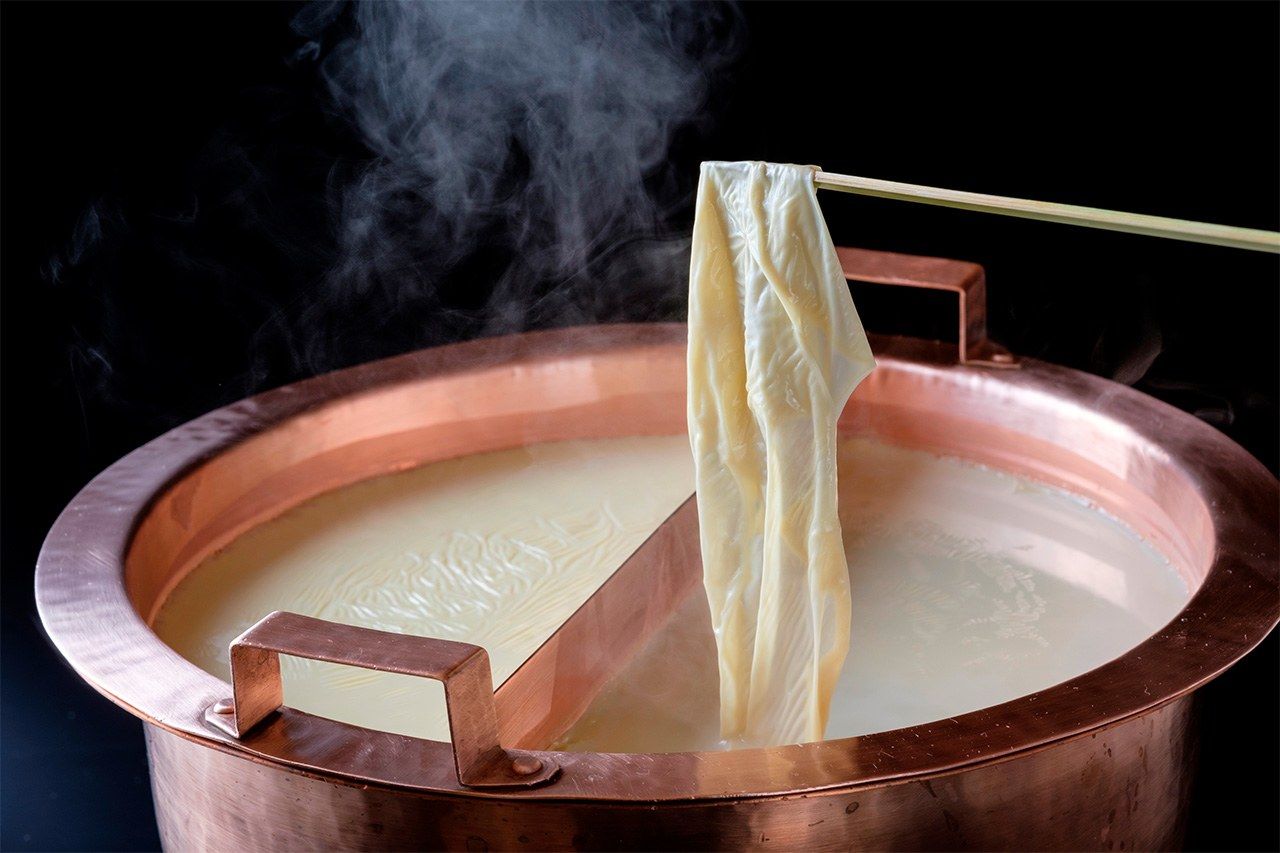
(© Kyoto Media Support Center)
Find out more about yuba in “Yuba: Japan’s Simple, Nutritional Soybean Delicacy.”
(Originally published in Japanese. Text by Ecraft. Banner photo: Yuba-sashi. © Pixta.)