Building Blocks: The Basic Ingredients Behind Japan’s Flavors
Tōfu: Japan’s Traditional Protein-Rich “Meat from the Fields”
Food and Drink Culture Lifestyle- English
- 日本語
- 简体字
- 繁體字
- Français
- Español
- العربية
- Русский
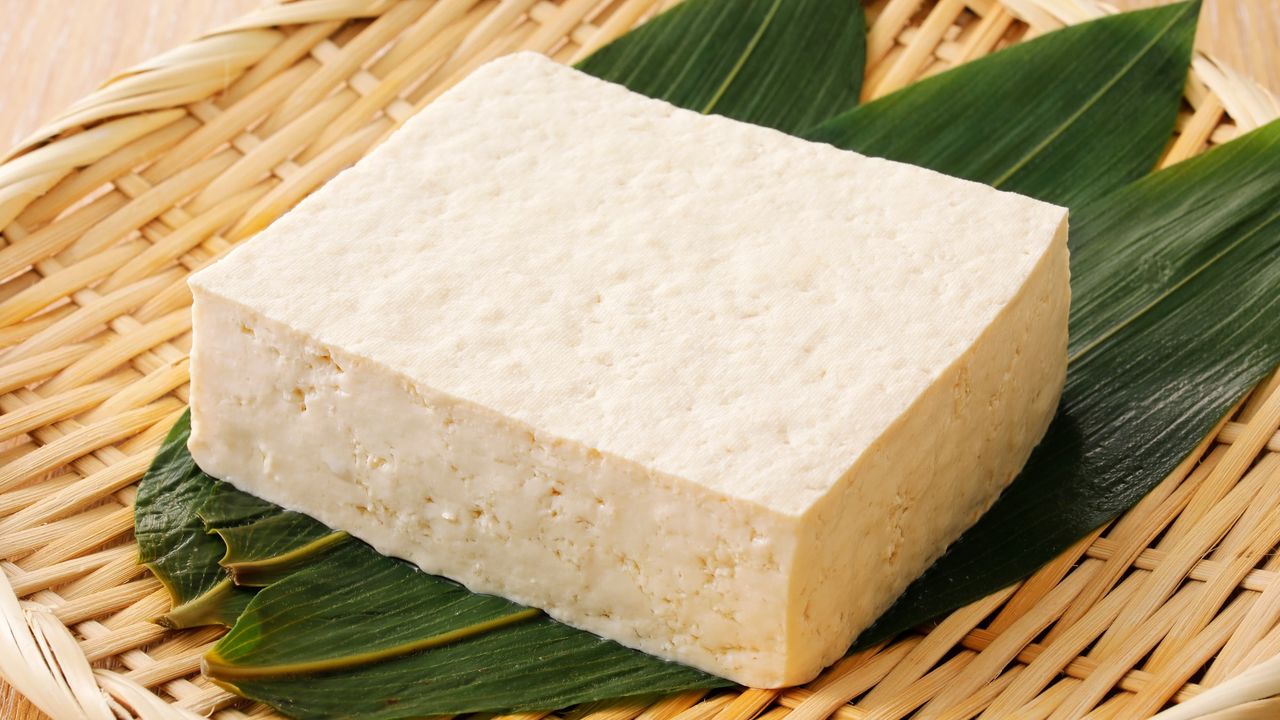
Tōfu is created by simmering soybeans and then mashing and straining them to separate into soy milk and okara (soybean pulp). A coagulant is then added to the soy milk to solidify it, becoming tōfu.
While it originates from China, it is unclear exactly how and when it was introduced into Japan. The earliest documented mention of tōfu is thought to have been in 1183, when it was recorded as an offering at Kasuga Taisha in Nara Prefecture. During the Kamakura period (1185–1333), monks used tōfu in shōjin ryōri Buddhist vegetarian cuisine, and by the Edo period (1603–1868), it had become a standard food for the common classes throughout Japan. In 1782, a recipe book titled Tōfu hyakuchin (A Hundred Tōfu Delicacies) was published, ranking tōfu dishes in six categories from everyday fare to true delicacies. It sold so well that two additional volumes, a sequel and a bonus edition, were released to showcase this versatile, popular ingredient.
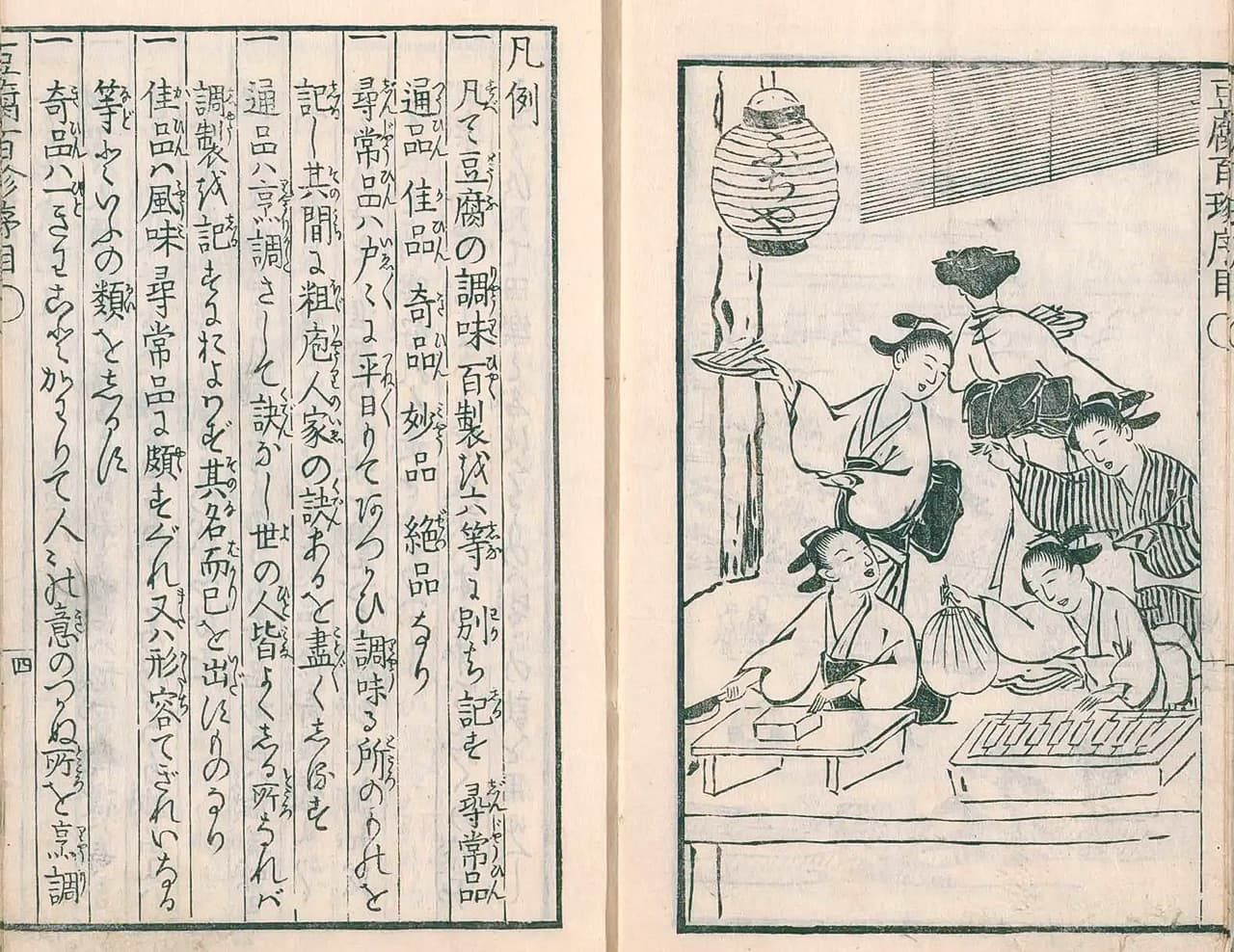
A page from the first edition of Tōfu hyakuchin. (Courtesy the National Diet Library, Japan)
There are two broad types of tōfu—the firmer momen (“cotton texture”) and softer kinugoshi (“silk texture”). Momen is produced by using hot soy milk and mixing it with nigari or similar coagulant. Once it has solidified, it is broken up and then poured into a mold lined with a straining cloth. The mold has holes in it and a weight is placed on the top to press the liquid out. This pressing creates a firm, dense tōfu that can hold its shape well. Its name comes from the weave pattern of the cotton cloth that forms on its surface.
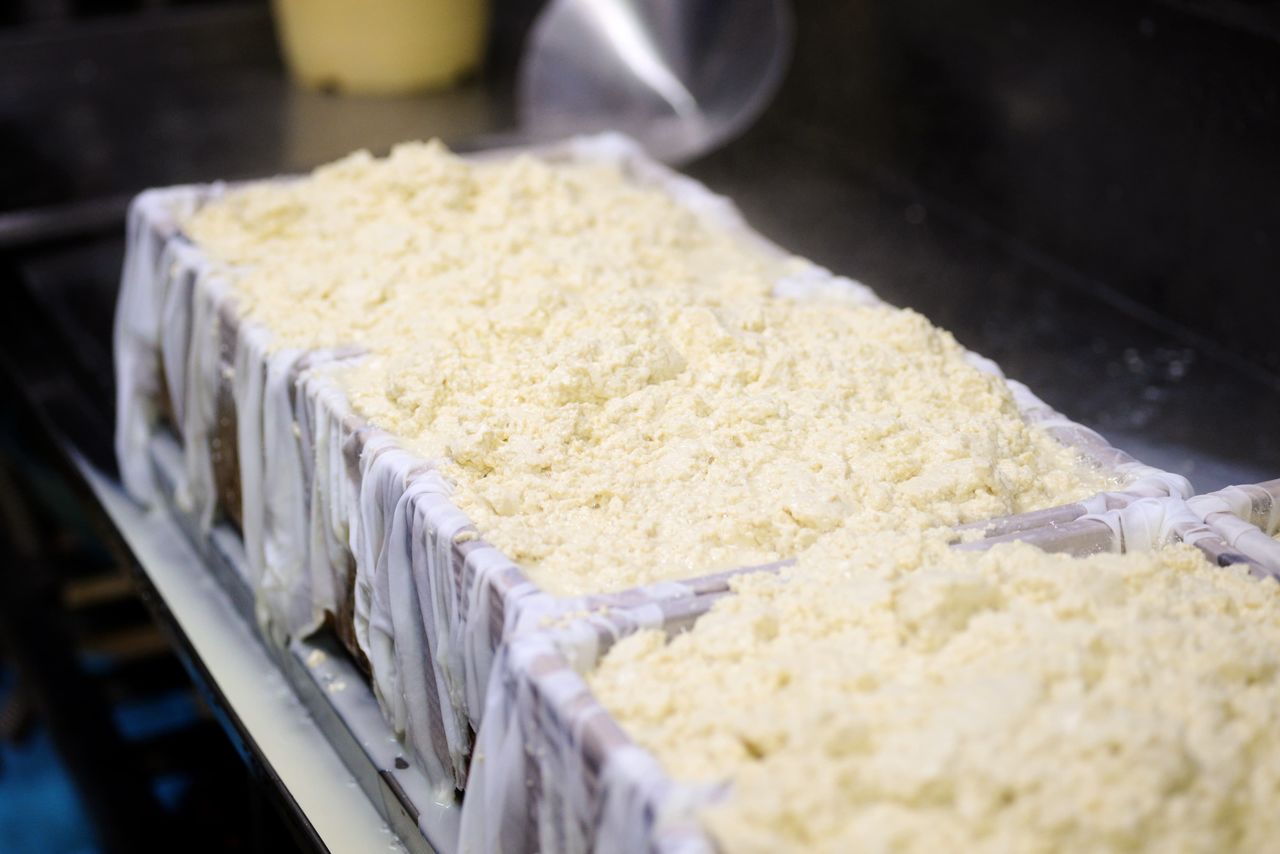
Coagulated bean curd is placed in molds for draining and shaping. (© Pixta)
On the other hand, kinugoshi is produced by pouring heated soy milk together with a coagulant into a mold, which is then left to solidify. With no process to remove the liquid, it remains soft with a lot of moisture. It is so named not because silk fabric is used, but due to its texture, which feels silky smooth compared to momen when eaten.
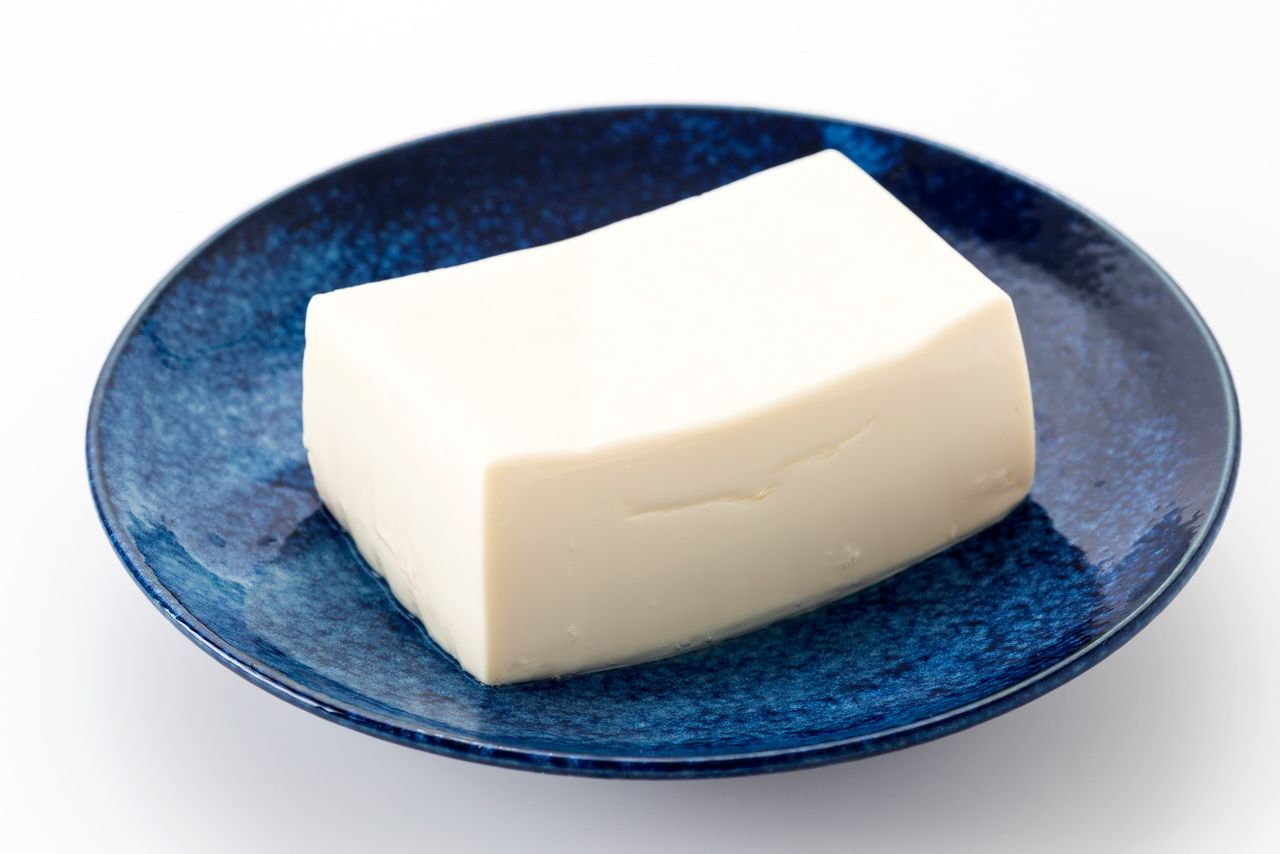
Kinugoshi tōfu. (© Pixta)
There are other types of tōfu too, created partway through the process for making momen tōfu, such as yosedōfu, where the tōfu is set unpressed without forming it into blocks, and oborodōfu, which is only partially set, and similarly unpressed and unformed. Another type is jūten tōfu, where chilled soy milk and a coagulant are poured together straight into plastic containers, which are then sealed and heated, creating a silky texture similar to kinugoshi and giving it a longer shelf life.
With tōfu being high in protein, while low in fat and calories, it is a trifecta especially for people watching their health or on diets. It has been growing in popularity among vegans in recent years too. Demand is also expanding overseas.
(Originally published in Japanese. Text by Ecraft. Banner photo © Pixta.)