Building Blocks: The Basic Ingredients Behind Japan’s Flavors
Hearty and Healthy Tōfu Dishes for All Occasions
Food and Drink Culture Lifestyle Guide to Japan- English
- 日本語
- 简体字
- 繁體字
- Français
- Español
- العربية
- Русский
Yudōfu
In Kyoto, with its many shrines and temples, shōjin ryōri Buddhist vegetarian cuisine has become well established in the food culture and the region’s abundance of clear, fresh water has enabled the creation of many tōfu dishes. This dish—whose name means little more than “tōfu served in hot broth”—is said to have been created at the temple Nanzenji. Here, tōfu is warmed in a konbu dashi stock and then served with condiments like chopped spring onion and grated ginger. A little soy sauce can also be added to bring out the natural flavor of the soybeans.
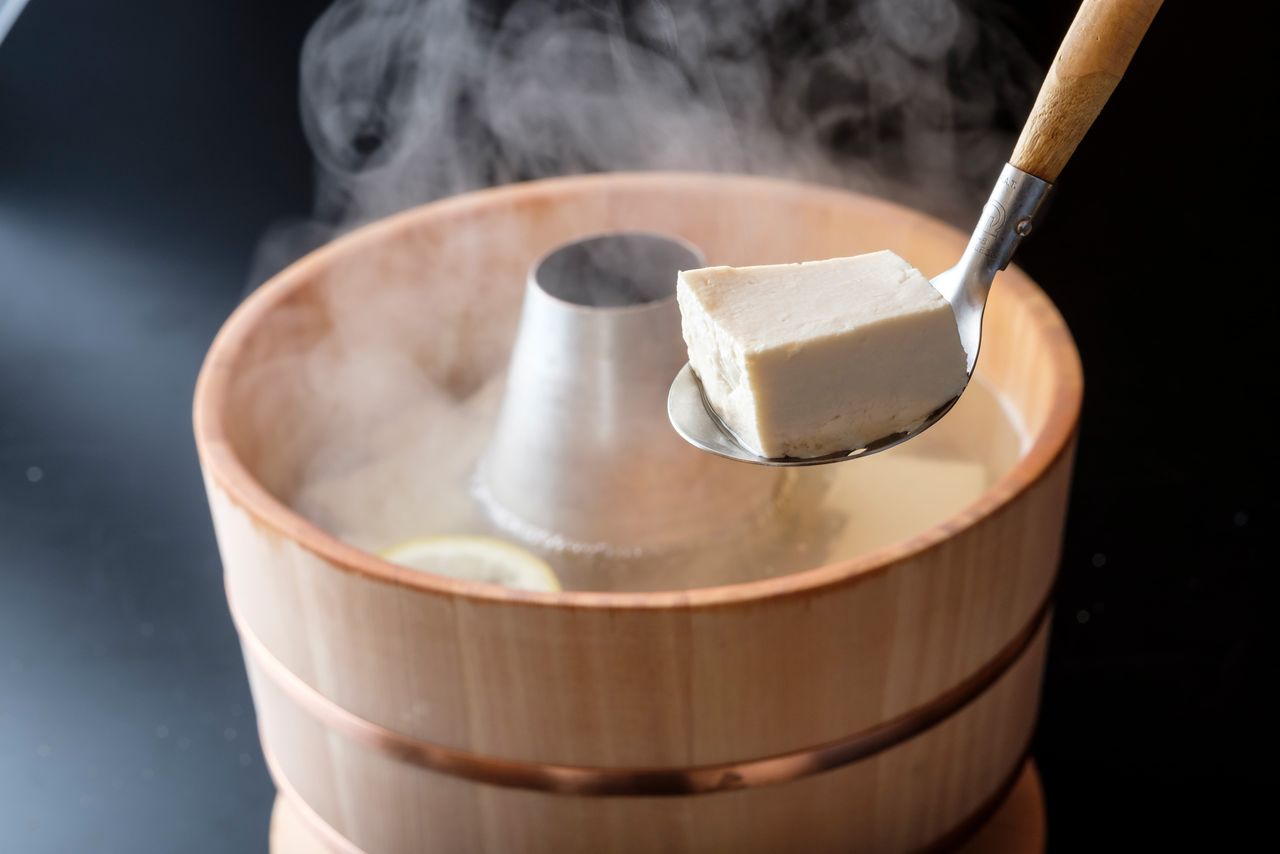
Yudōfu (© Kyoto Media Support Center)
Nabemono
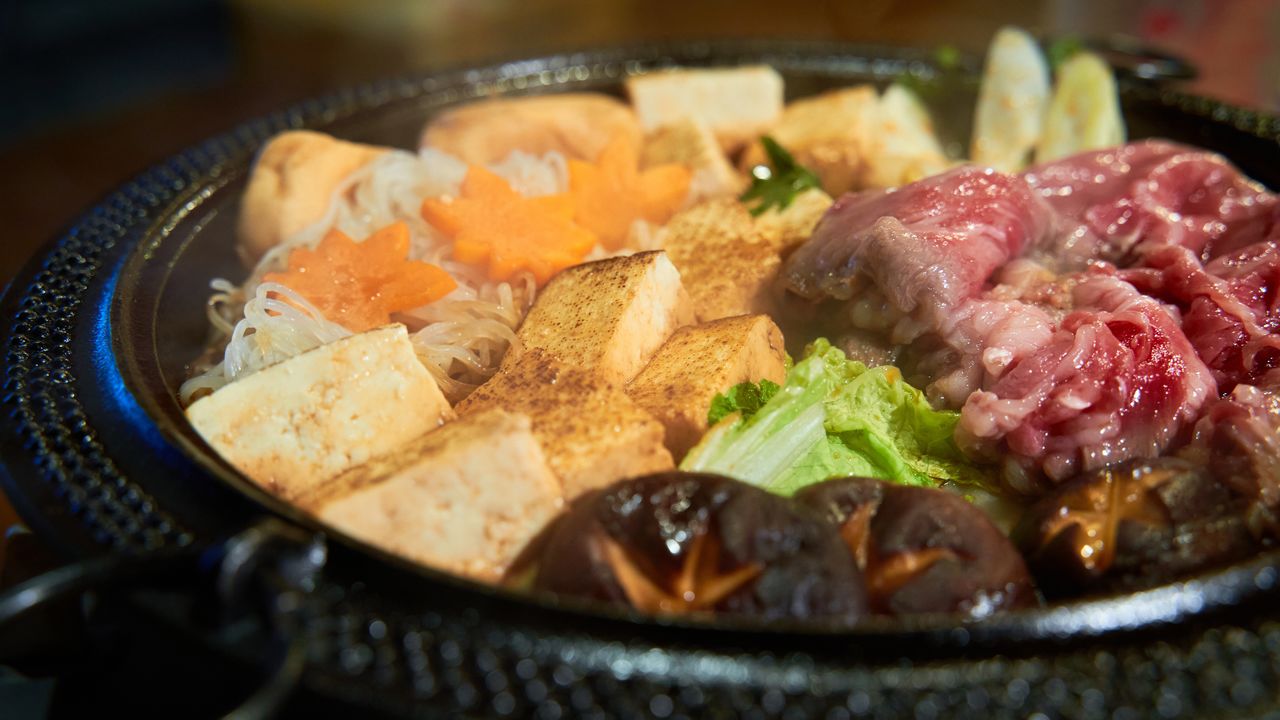
Nabemono, or hot pot cuisine, is great for when the weather turns cold. With a wide choice of styles, from sukiyaki to yosenabe, the one ingredient to always remember is lightly grilled tōfu!
Hiyayakko
This chilled tōfu dish can be enjoyed even at the height of summer when your appetite is decreased. It can be simply arranged by adding your favorite condiments as a topping—grated ginger, chopped spring onions, and katsuo-bushi bonito flakes are favorites—along with a splash of soy sauce.
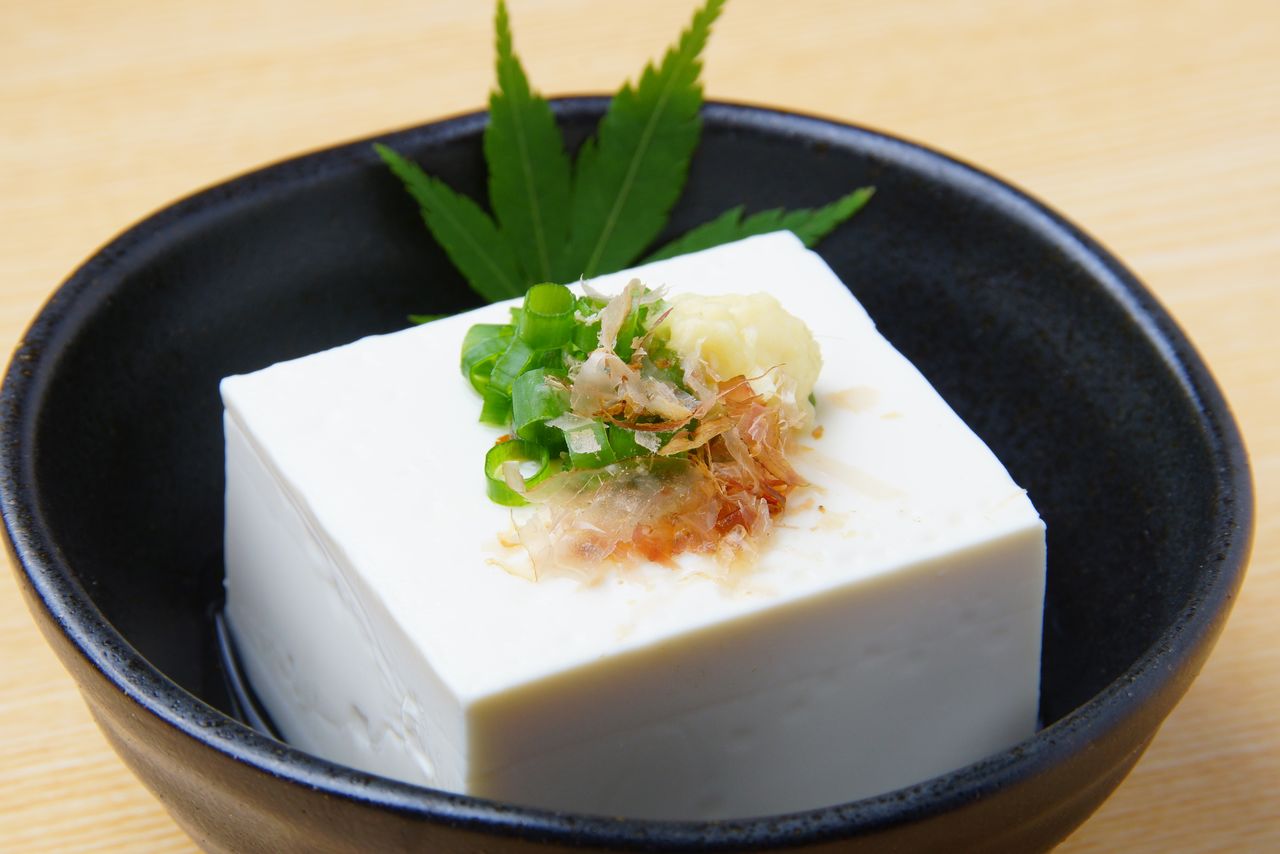
(© Pixta)
Tōfu Steak
Momen tōfu, a firmer type of the soybean mainstay, is best for this dish as it won’t lose its shape. It is usually cooked teriyaki style by browning the tōfu and then adding a dash of soy sauce. It makes for a filling meal, yet is healthier than meat and easier to digest.
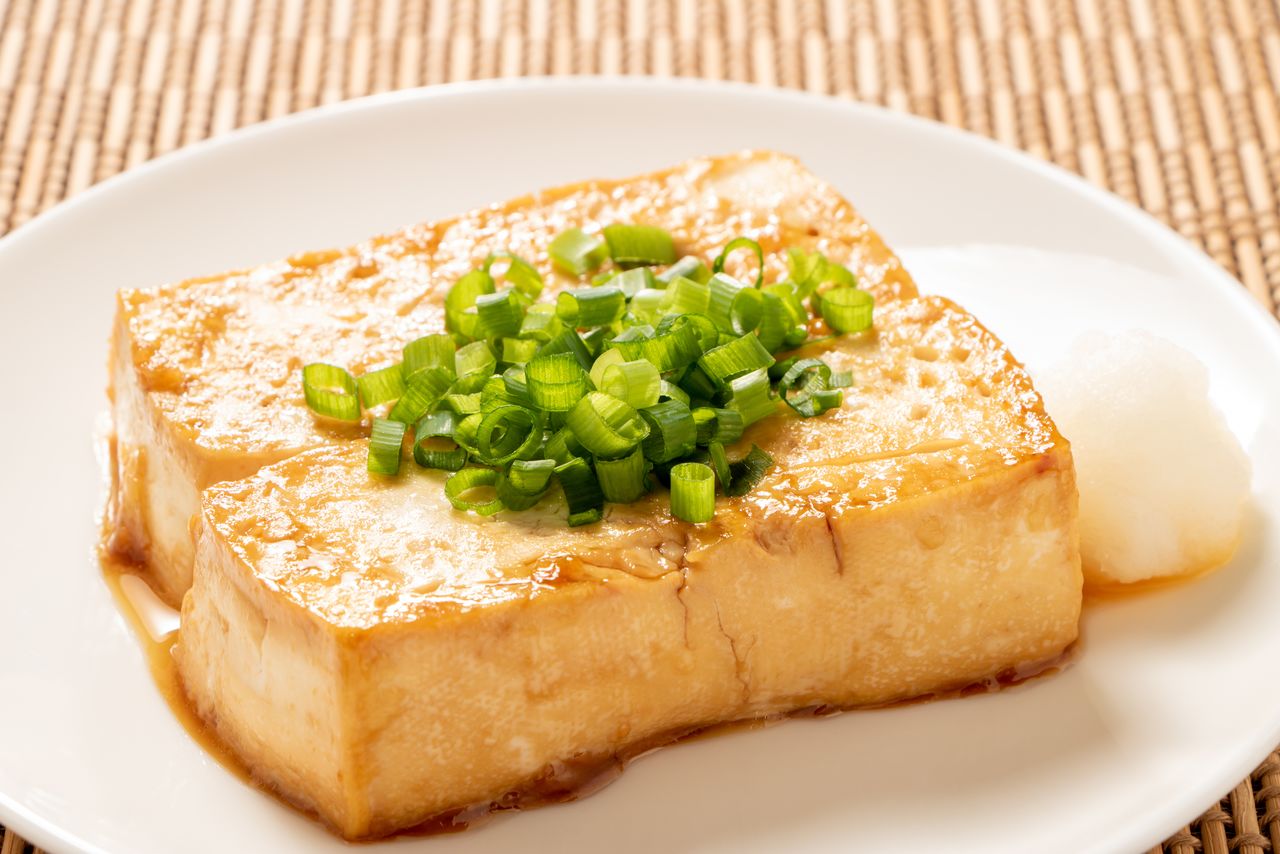
(© Pixta)
Tōfu Dengaku
This dish is made by skewering pieces of tōfu and grilling them, and then adding a coating of miso flavored with kinome sanshō leaves and other aromatic herbs. The name dengaku is said to come from its resemblance to dengaku-hōshi, performers in white hakama trouser-skirts who dance on taka-ashi single short stilts.
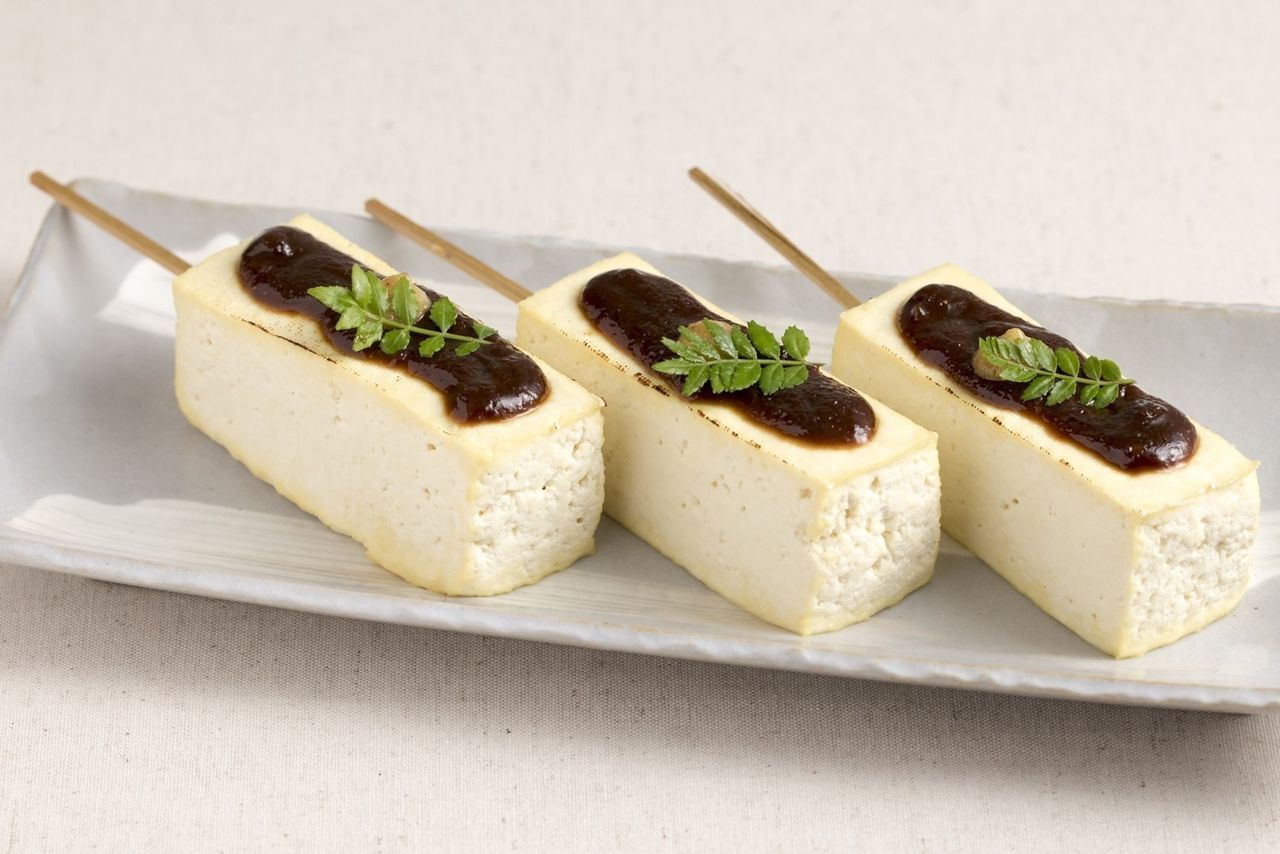
Miso dengaku from Aichi Prefecture. (Courtesy Ministry of Agriculture, Forestry, and Fisheries)
Shira-ae
This delicately flavored side dish is a combination of vegetables and konnyaku, coated with mashed tōfu.
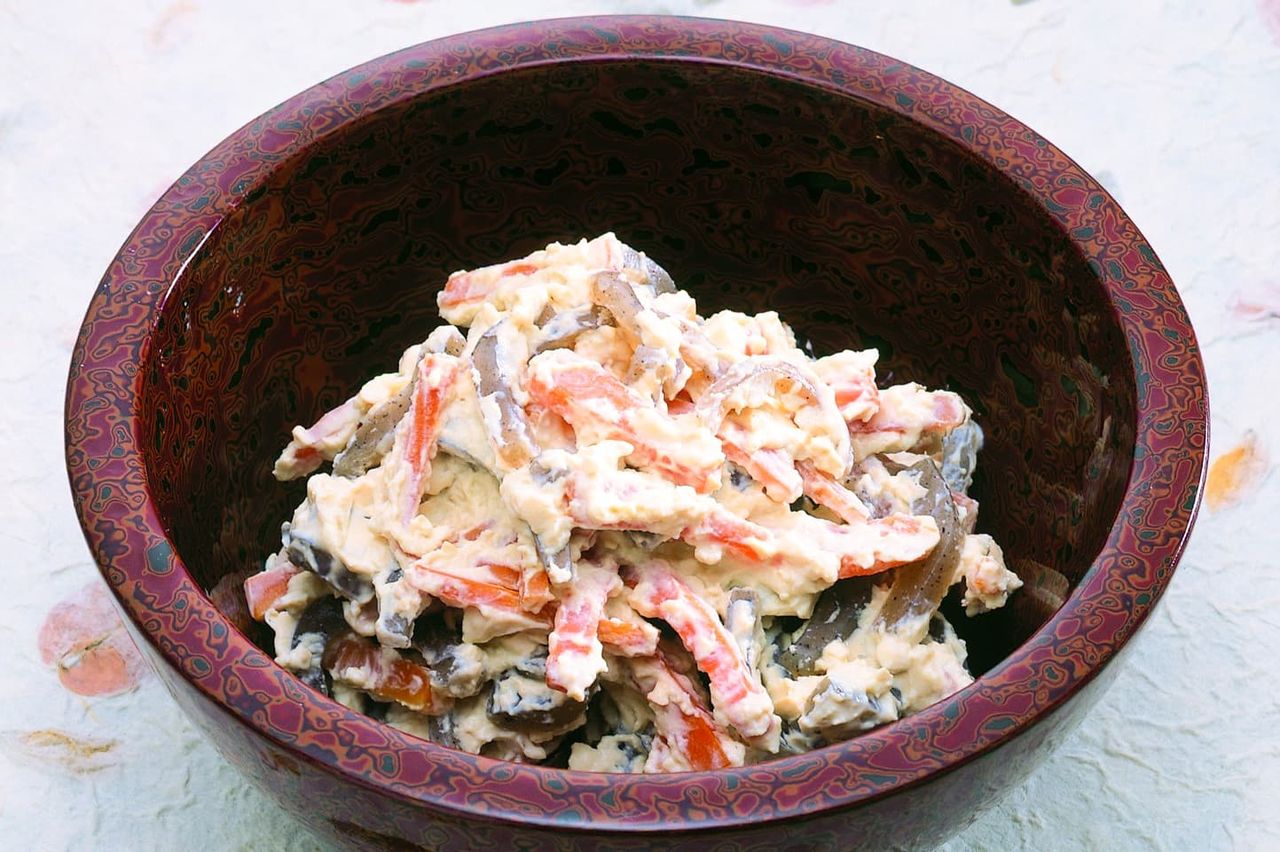
Shira-ae from Fukushima Prefecture. (Courtesy Ministry of Agriculture, Forestry and Fisheries)
Agedashi-dōfu
Here, tōfu drained of its moisture is coated with potato starch and deep-fried. It is served with a soy-sauce-based dashi. Crispy outside, it is soft and fluffy within!
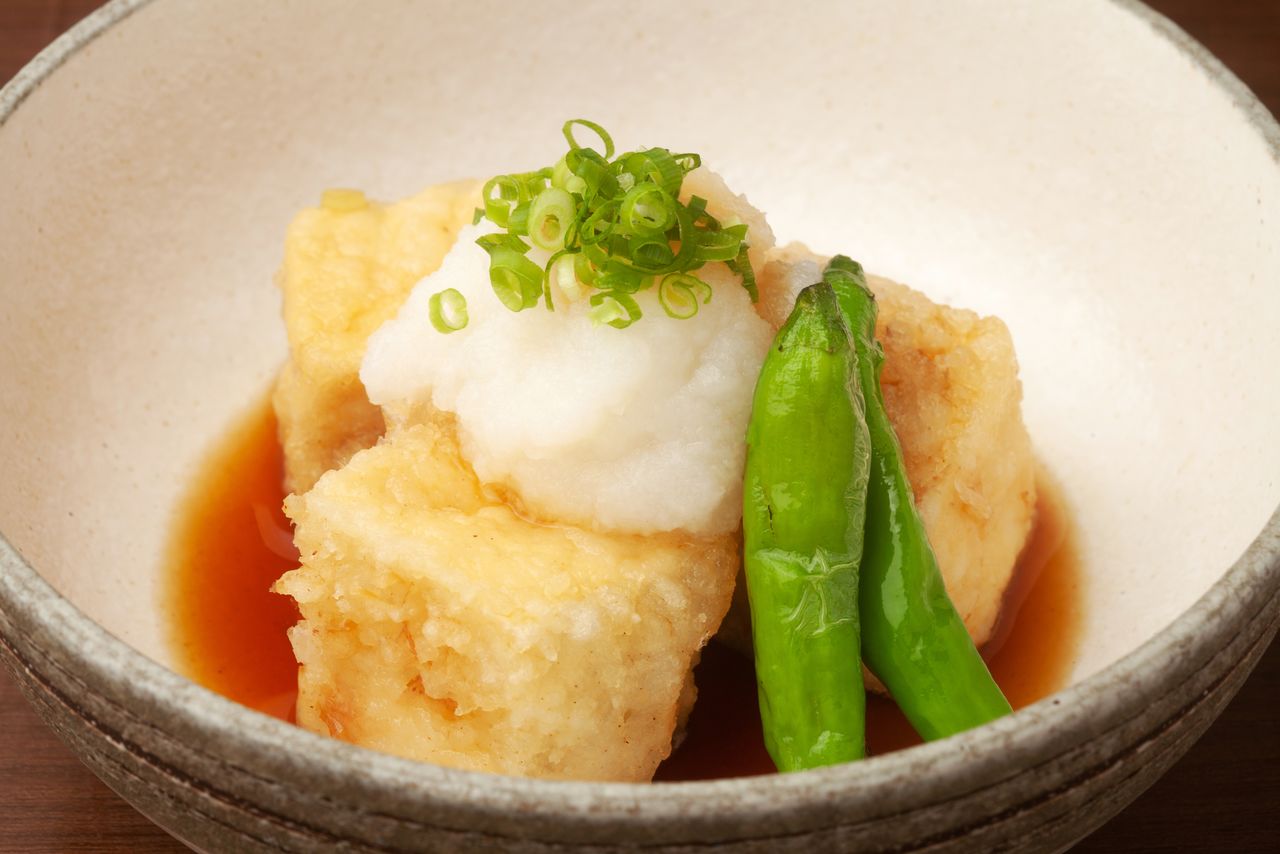
(© Pixta)
Tōfu Miso Soup
Tōfu is a standard ingredient in miso soup. From wakame to aburaage fried tōfu and leek, there are infinite combinations to try.
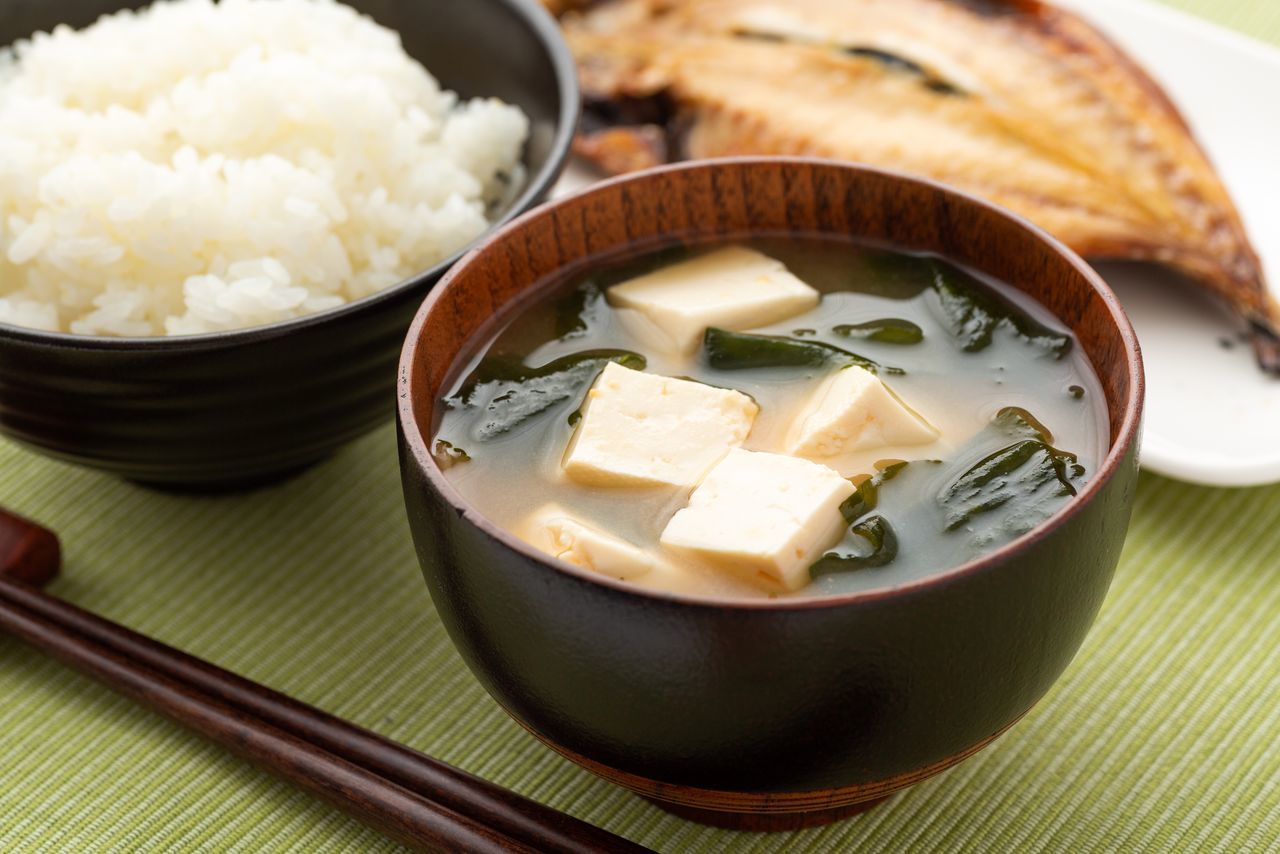
(© Pixta)
Tōfu Hamburg Steak
Here, tōfu is mixed with minced chicken and shaped into a patty to be fried and served hot or cold. It creates a softer, fluffier texture than just meat alone, so is perfect for when you want something light and refreshing.
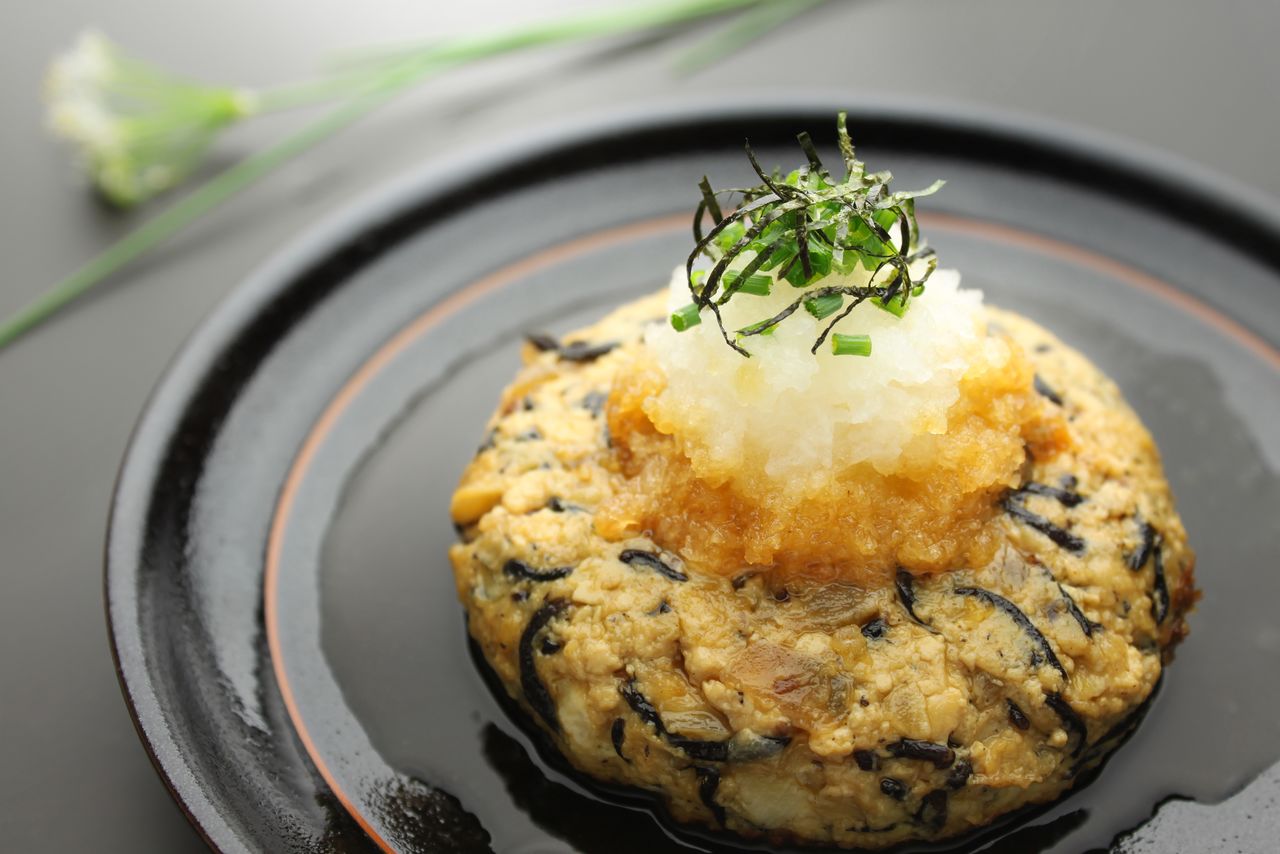
(© Pixta)
Mābō-dōfu
Originally based on the Chinese dish mapo tofu, this has been adapted to become a Japanese classic. The simpleness of the tōfu pairs well with the richness of the minced pork, and it has a spicy kick sure to fire up any appetite.
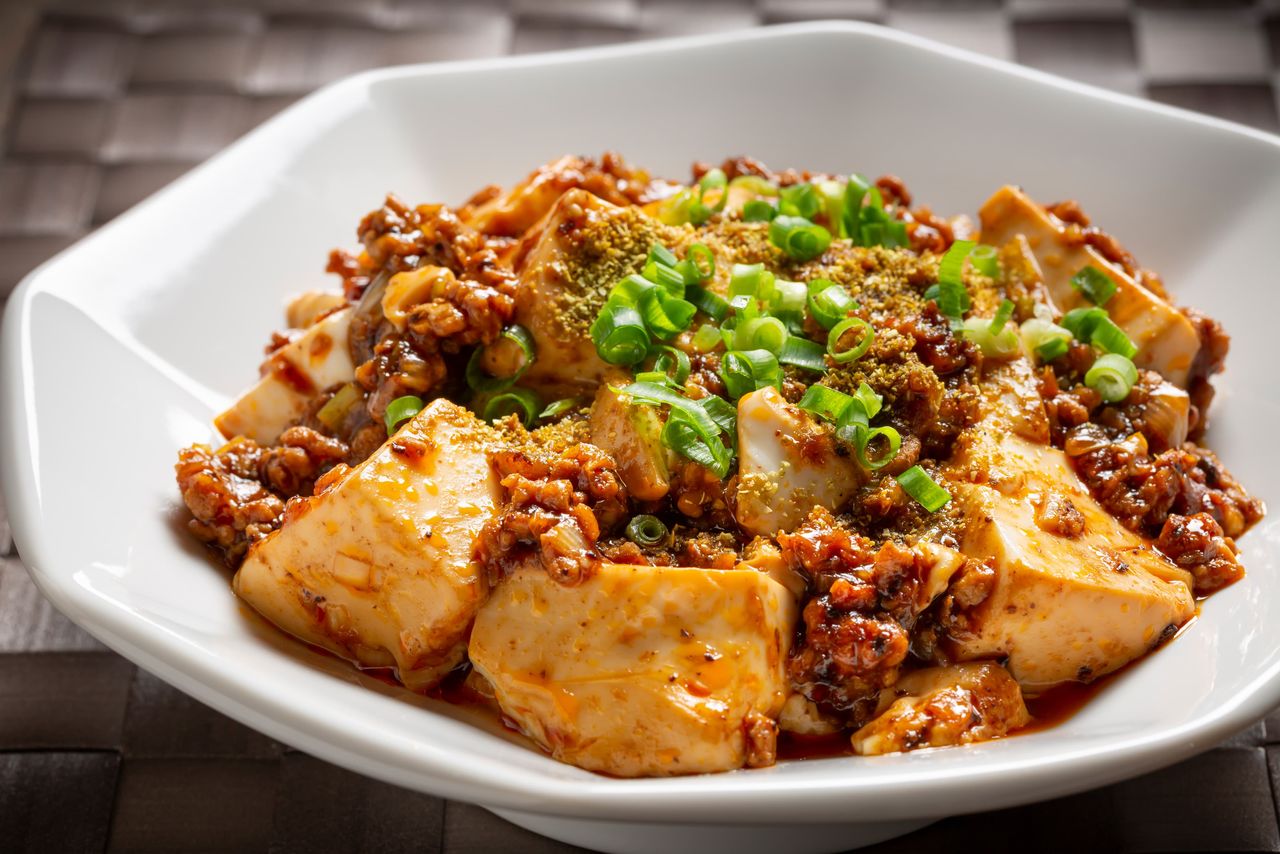
(© Pixta)
Western style ways of preparing tōfu are becoming more common too, so it is not unusual now to find it used in salads, gratins, and other dishes. It shows that tōfu cuisine is always evolving.
For more information on this mainstay ingredient in Japanese cuisine, see “Tōfu: Japan’s Traditional Protein-Rich ‘Meat from the Fields.’”
(Originally published in Japanese. Text by Ecraft. Banner photo: Sukiyaki, a typical and festive dish for tōfu. © Pixta.)