Building Blocks: The Basic Ingredients Behind Japan’s Flavors
A Golden Citrus Sensation: Brightening Dishes with Yuzu
Food and Drink Culture Lifestyle- English
- 日本語
- 简体字
- 繁體字
- Français
- Español
- العربية
- Русский
Suimono
This clear soup is perfected by simply adding a little sliced yuzu peel before serving. It is great added to zōni (mochi rice cake soup) too, especially at the New Year. As you lift the bowl to your lips, the refreshing aroma of the yuzu is sure brighten your mood.
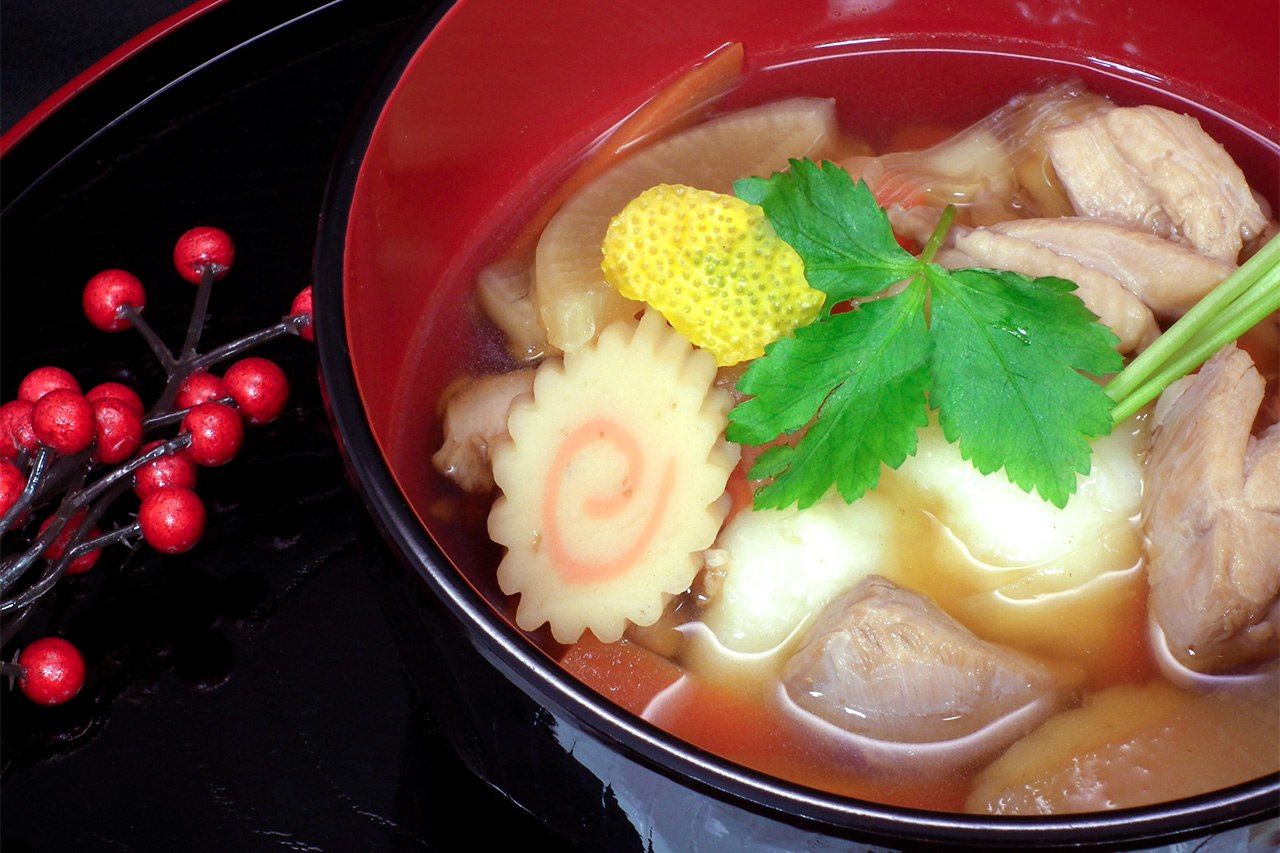
(© Pixta)
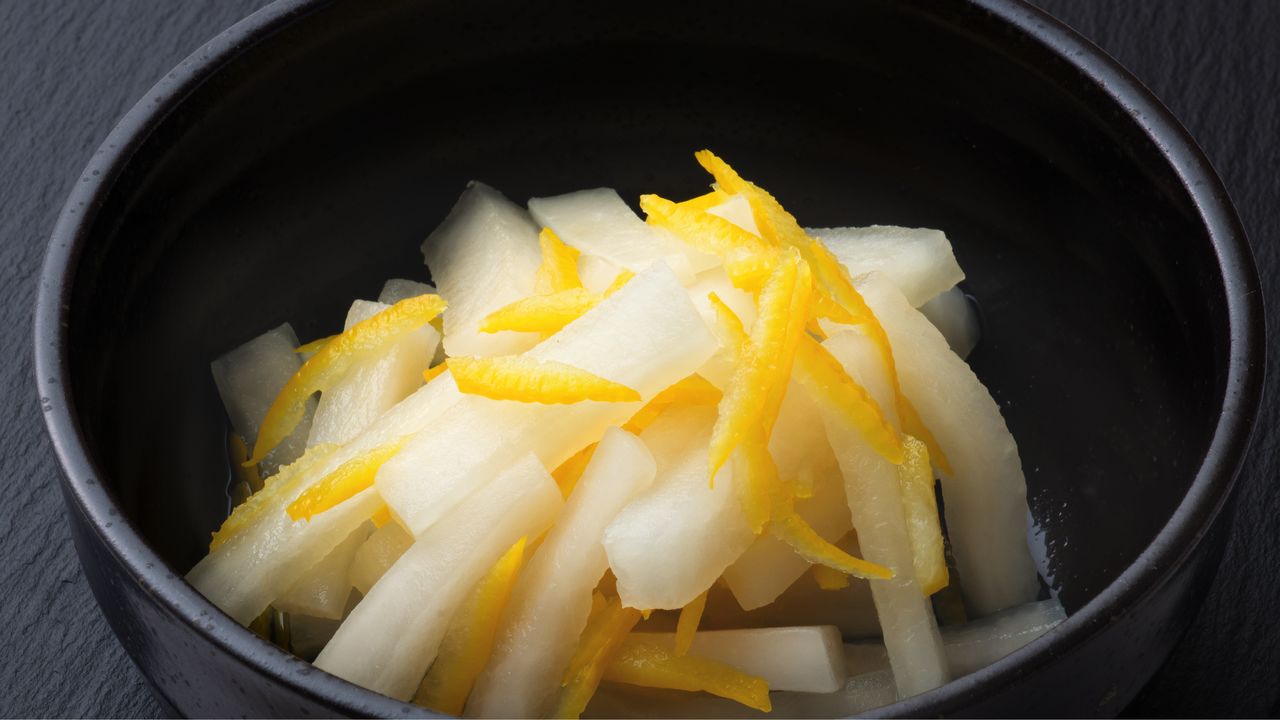
Yuzu Daikon
Thinly cut yuzu completes this dish of sweet and sour pickled daikon radish. The ingredients pair well and act as a palate cleanser.
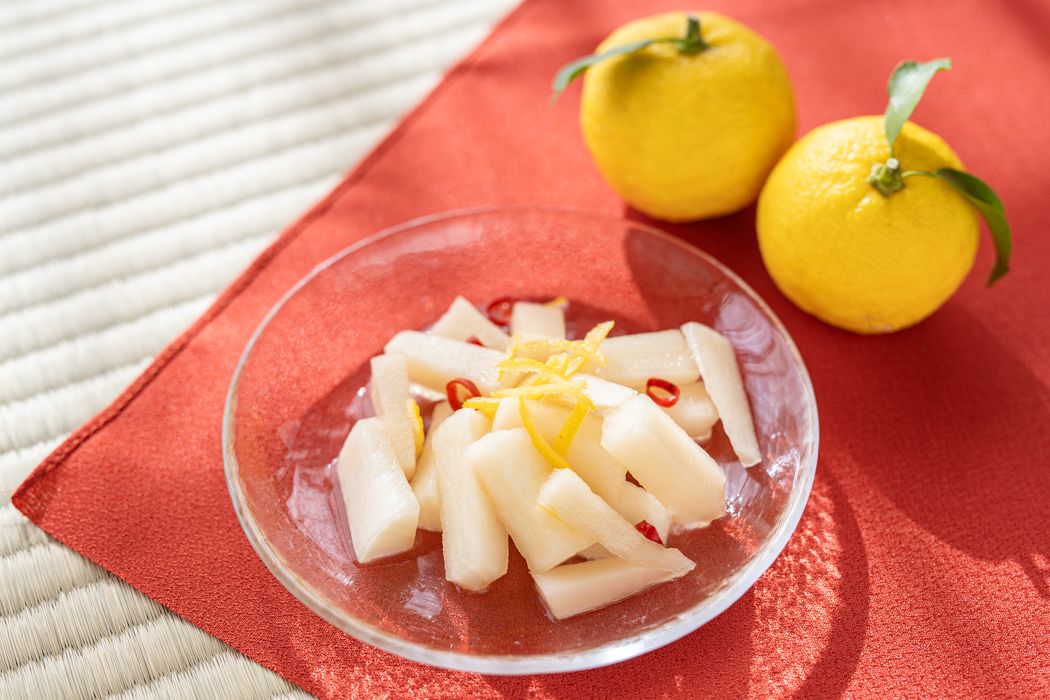
(© PhotoAC)
Yuzu Miso
Here, grated yuzu peel, along with yuzu juice, is mixed into sweetened miso for use as a topping or glaze. It is particularly good for adding to steamed satoimo (Japanese taro), thick slices of simmered furofuki daikon, or dengaku skewered food like tōfu.
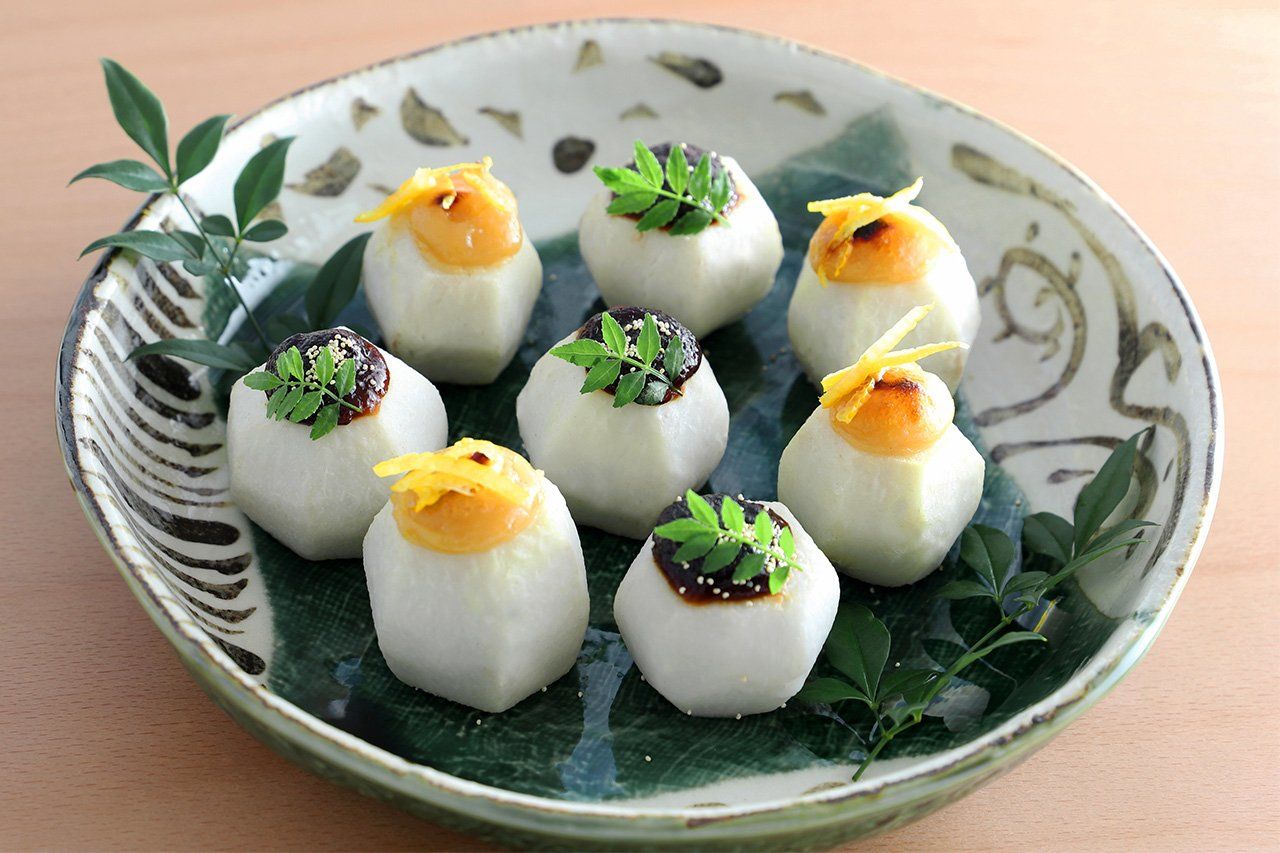
Steamed satoimo topped with brilliant yellow yuzu and greens on miso. (© Pixta)
Yūan-yaki
For this, ingredients are marinated in equal parts soy sauce, sake, mirin, and yuzu juice, and then grilled. The dish is named after its creator, Kitamura Yūan, an Edo-period tea ceremony master.
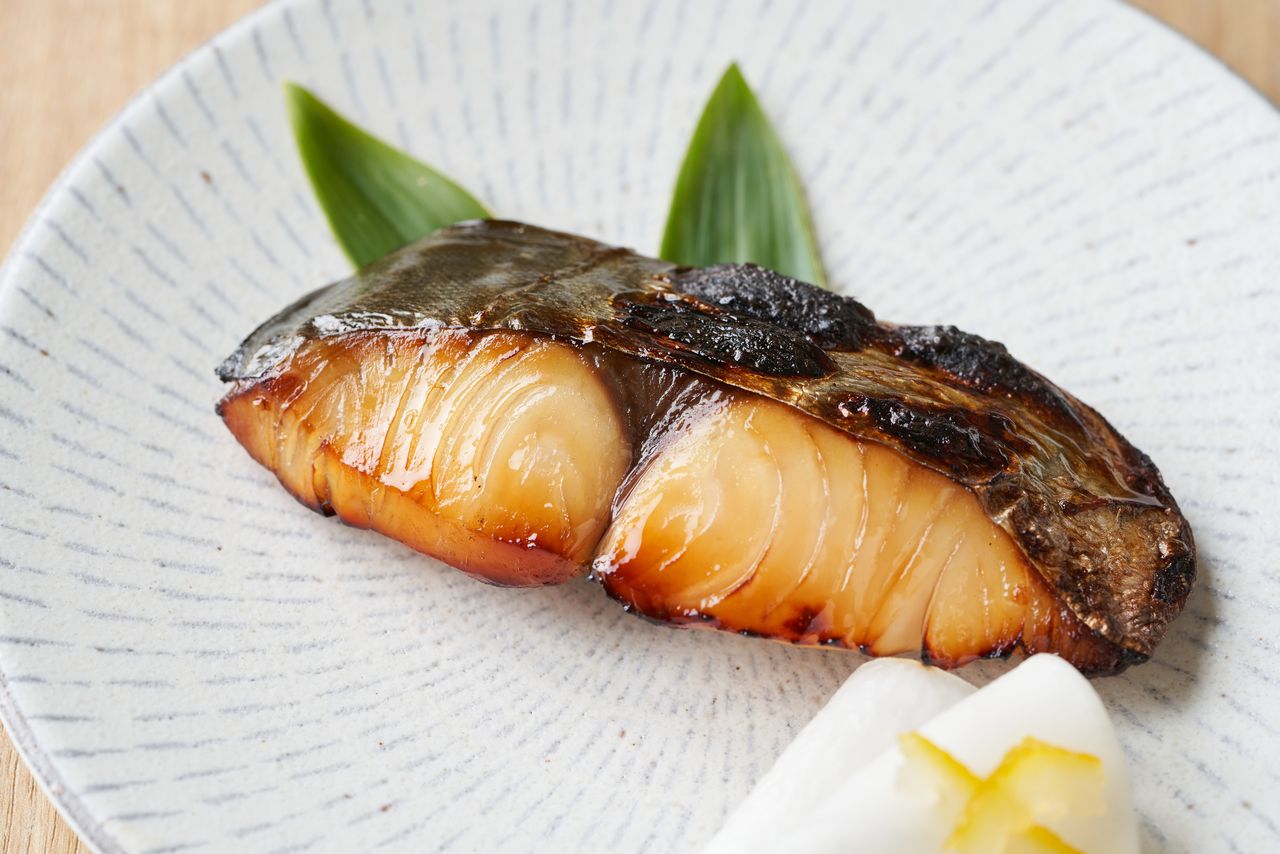
A cut of fish grilled yūan-yaki style. (© Pixta)
Yuzu Ponzu
This seasoning, made by mixing yuzu juice with soy sauce and mirin, is a must for nabe, or Japanese hotpot. It is refreshingly tangy and goes down easily. While you can buy ready-made versions in the shops, nothing beats the aroma of homemade yuzu ponzu.
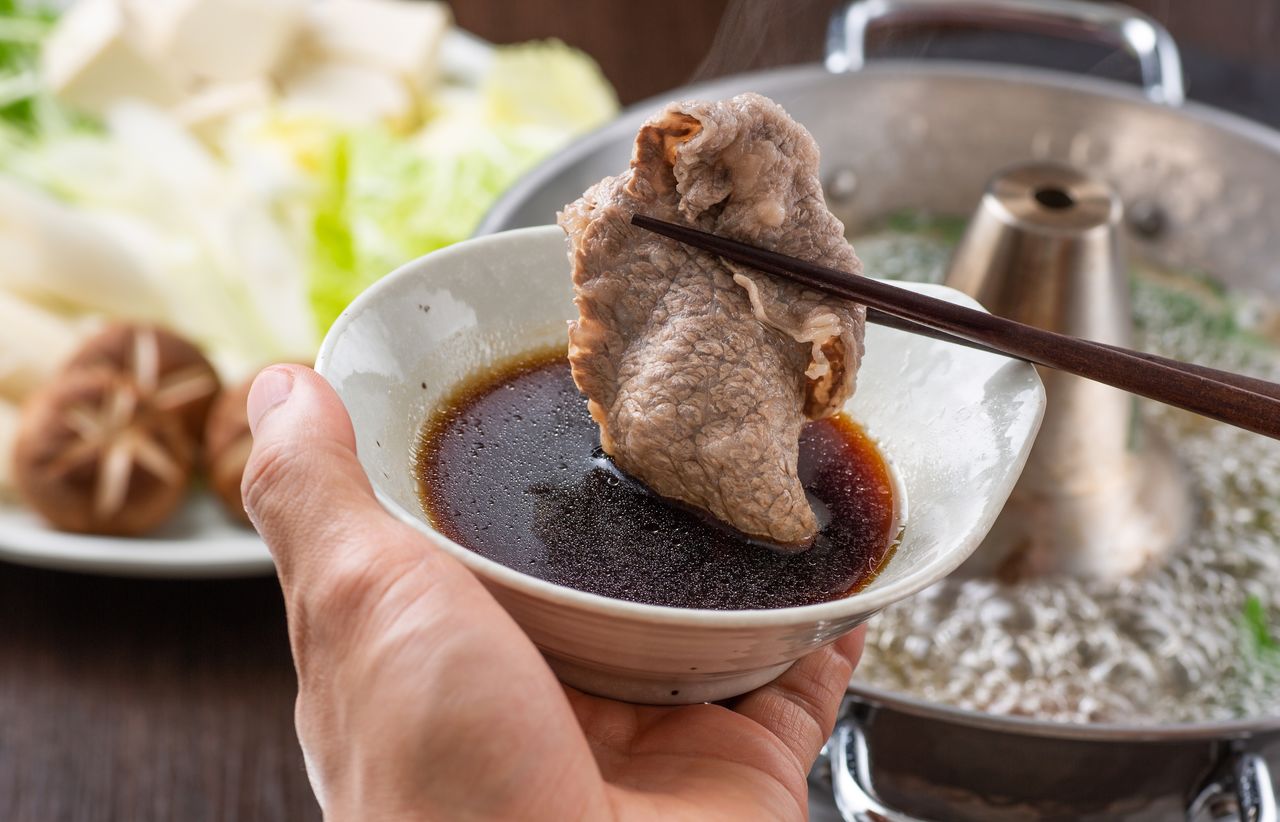
Yuzu ponzu is the perfect dipping sauce for stewed meat. (© Pixta)
Yuzu Koshō
This condiment is made by mixing the grated peel of green, unripe yuzu with chopped green chili peppers and salt to form a paste. The fresh zing of the chili and subtle bitterness of the peel are a perfect combination.
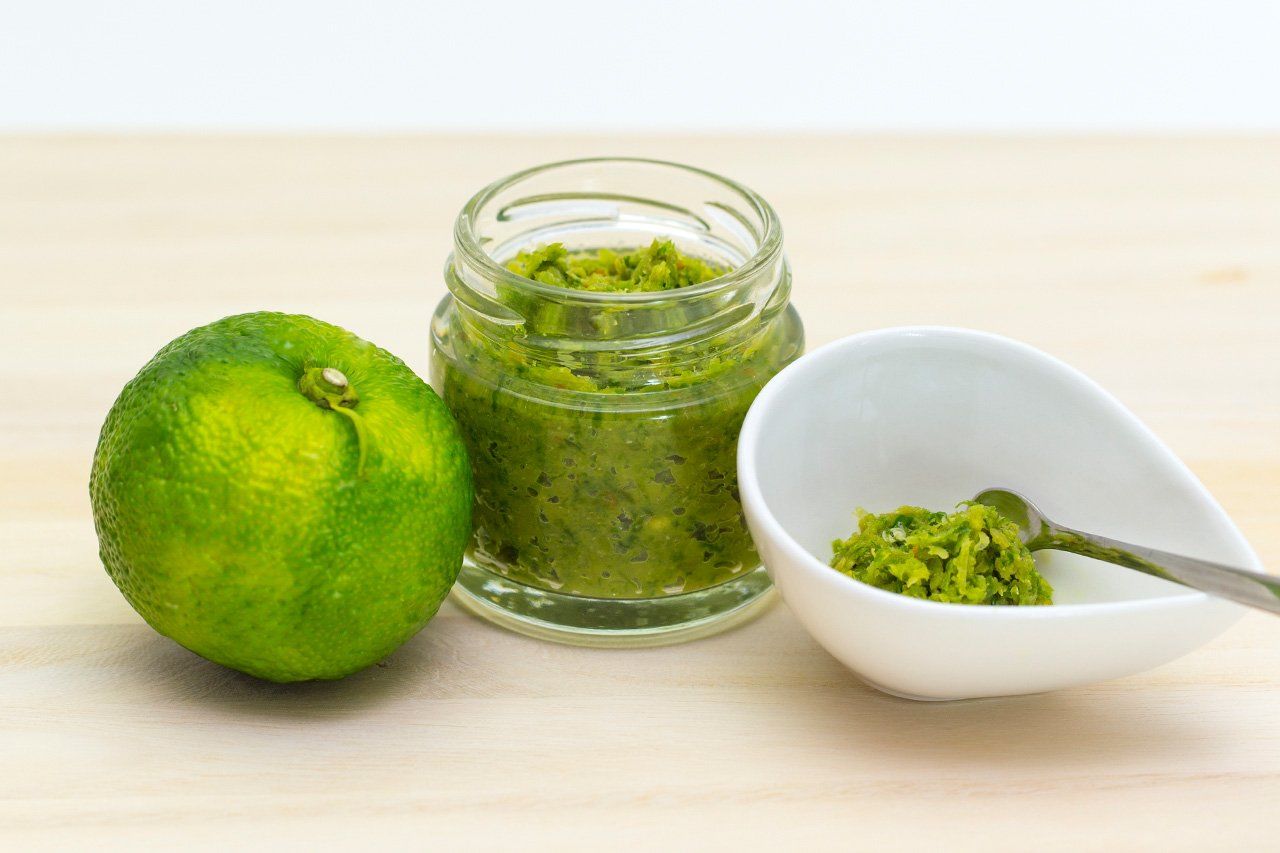
(© Pixta)
Yuzugama
Here, the top of the yuzu is removed and the inside hollowed out to create a decorative serving dish. It is used on special occasions, such as when presenting osechi ryōri New Year food and celebratory meals. Beautiful in appearance, it also infuses the cuisine with a wonderful aroma.
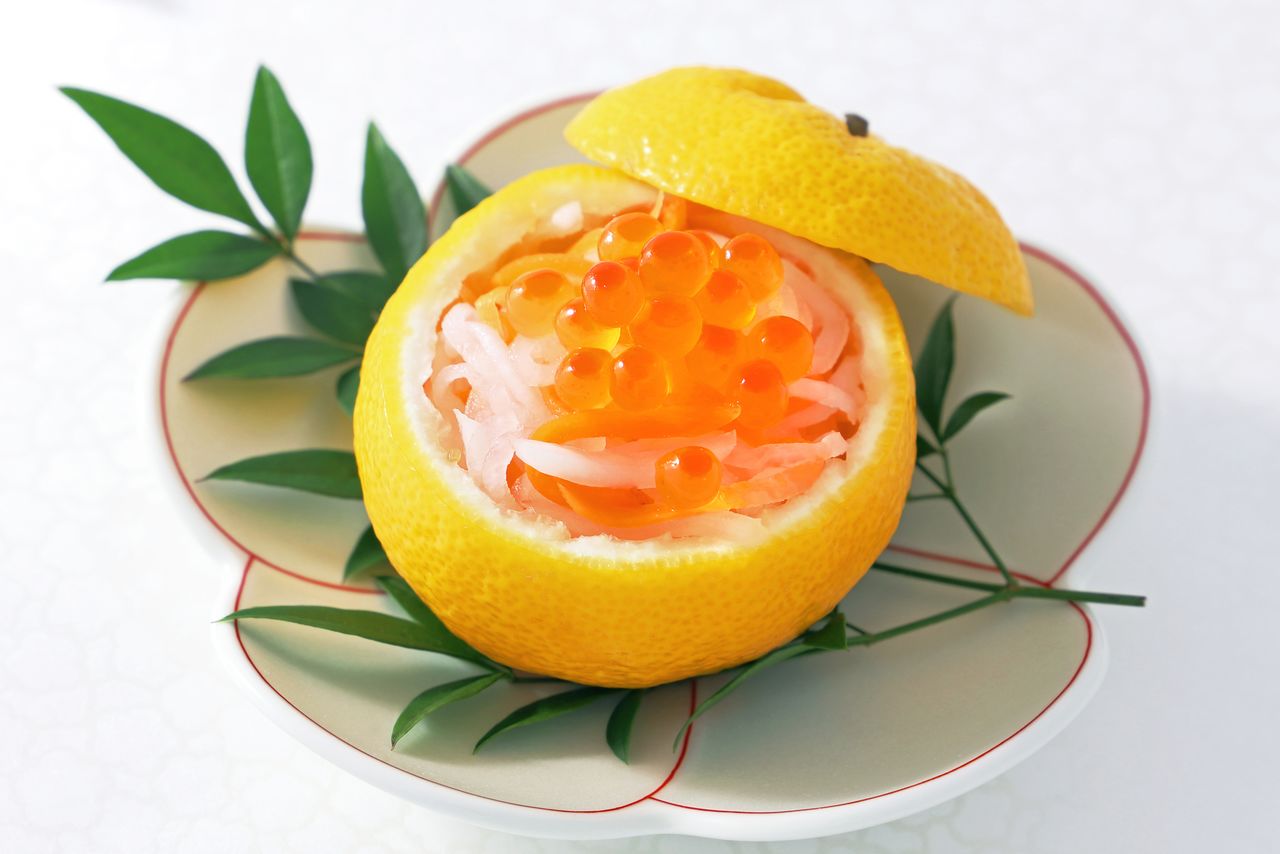
(© Pixta)
Yubeshi
A type of Japanese wagashi confectionery, this yuzu mochi comes in several flavors and shapes, including soy-sauce-based mochi with walnuts. The one introduced here is a preserved variation, made by stuffing miso, nuts, and rice flour into a yuzugama, which is sealed and steamed, and then dried. Thought to have originated in the late Heian Period (794–1185), this delicacy takes several months to produce and is still enjoyed in various regions today. It is cut into small pieces and served as an accompaniment to tea or sake.
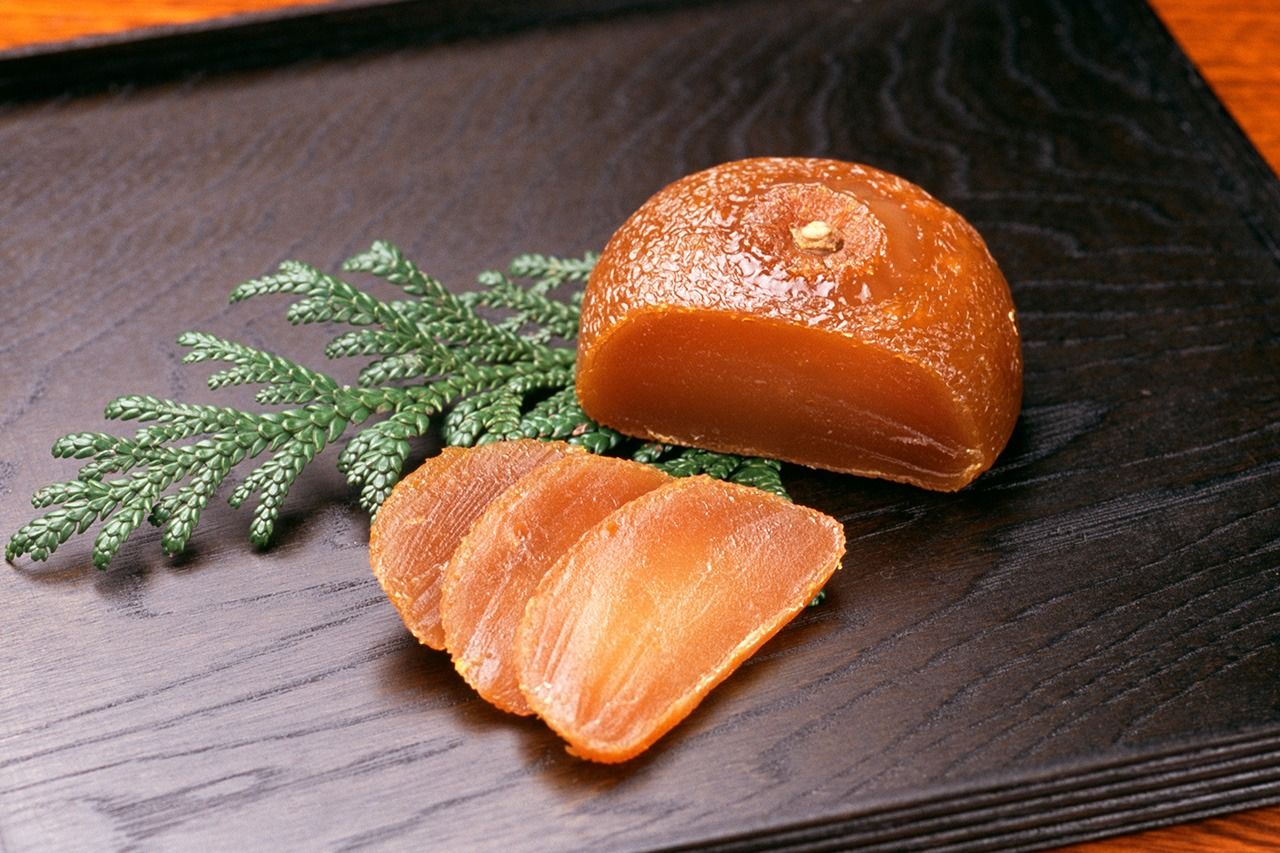
(© Pixta)

(Originally published in Japanese. Text by Ecraft. Banner photo: Yuzu daikon, an ideal combination of citrus aroma of yuzu and sour pickled daikon radish. Courtesy Kōchi East Tourism Association.)