Building Blocks: The Basic Ingredients Behind Japan’s Flavors
Unshū Mikan: The Citrus Fruit with Many Names
Food and Drink Culture History- English
- 日本語
- 简体字
- 繁體字
- Français
- Español
- العربية
- Русский
Origins of a Name
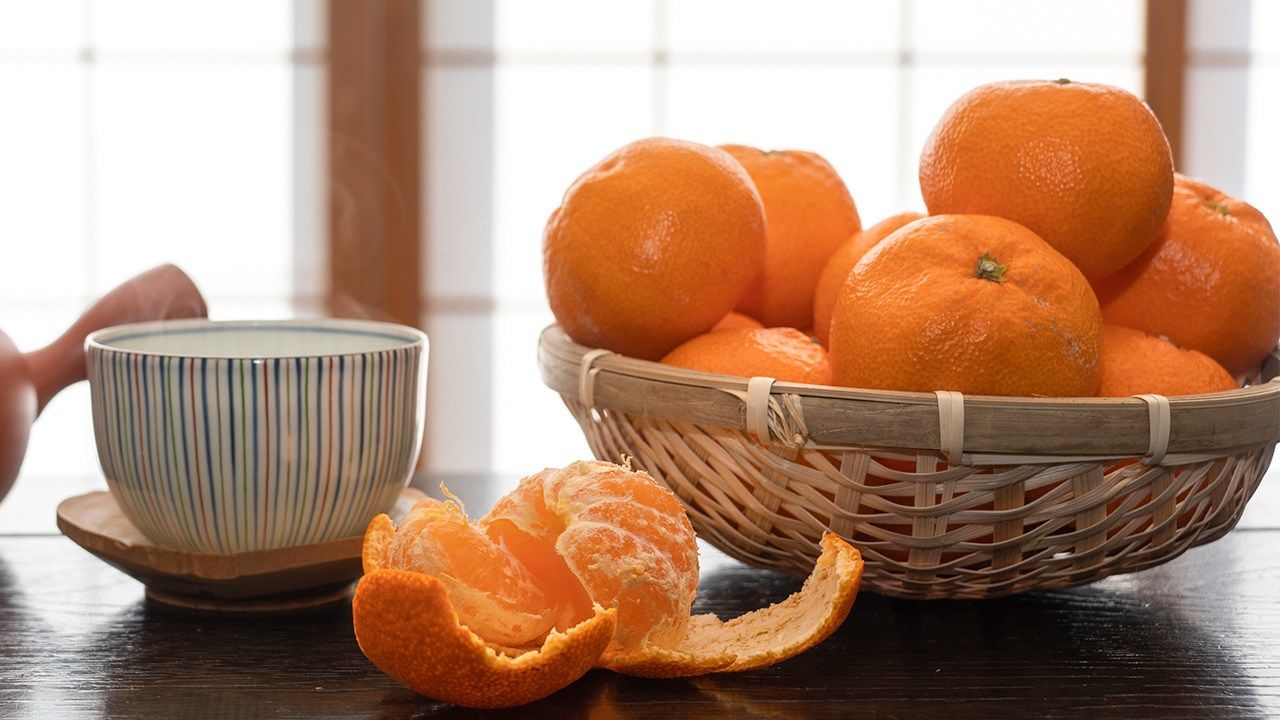
Mikan, a general term in Japanese for small, honey-sweet citrus fruit that are easy to peel, is commonly used to refer to unshū mikan (citrus unshiu), as it is by far the most harvested.
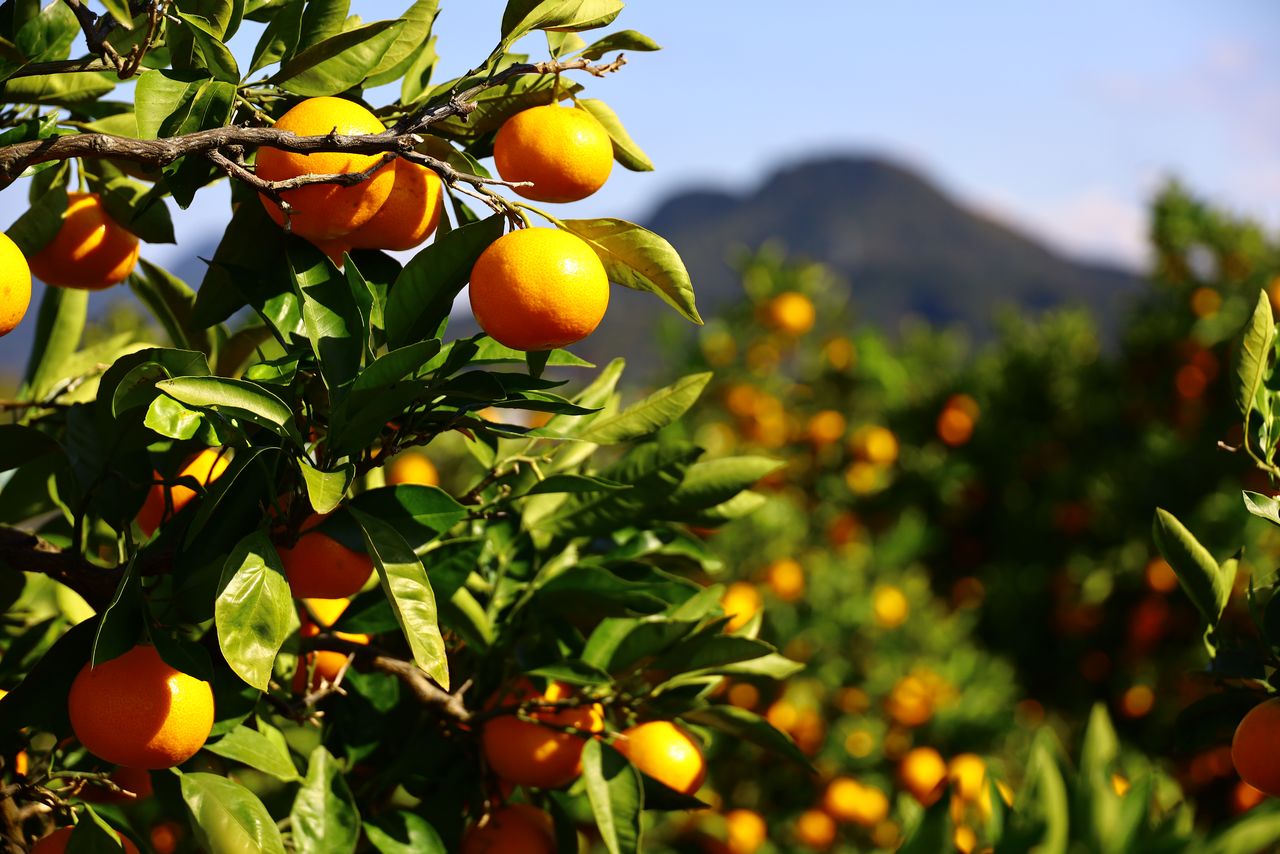
The unshū mikan, a variety of mandarin orange originating from a citrus fruit in China, was discovered naturally growing on Nagashima Island in Satsuma Province (now Kagoshima Prefecture) around four hundred years ago. Unshū is the Japanese name for Wenzhou in China, which is renowned for citrus production, and although there was no direct connection with the city, the fruit was often said to be “as delicious as Wenzhou mikan” so it was that name that came into common use.
Globally though, unshū mikan are better known as satsuma oranges (they are also sometimes sold as mandarin oranges). That naming is said to have come about after a US envoy stationed in Japan during the Meiji period (1868–1912) sent saplings cultivated in Satsuma Province to Florida. The province may no longer exist, but its name still lives on around the world, with this sweet, delicious, and easy-to-peel citrus fruit being popular in places like the United States and Britan.
(Courtesy the Tourism Exchange Division, Wakayama Prefectural Government)
During the Edo period (1603–1868), the smaller, seed-filled kishū mikan was favored because it was believed that eating the seedless unshū mikan caused infertility. It was during the Meiji era (1868–1912) that the seedless, handy-sized unshū mikan became more popular and its production spread across the warmer regions of Japan. The current three major production areas are Wakayama, Shizuoka, and Ehime Prefectures. Each has famous local brands—Arita, Mikkabi, and Uwajima, respectively—and these three prefectures account for more than 50% of Japan’s harvest.
(Courtesy of the Tourism Exchange Division, Wakayama Prefectural Government)
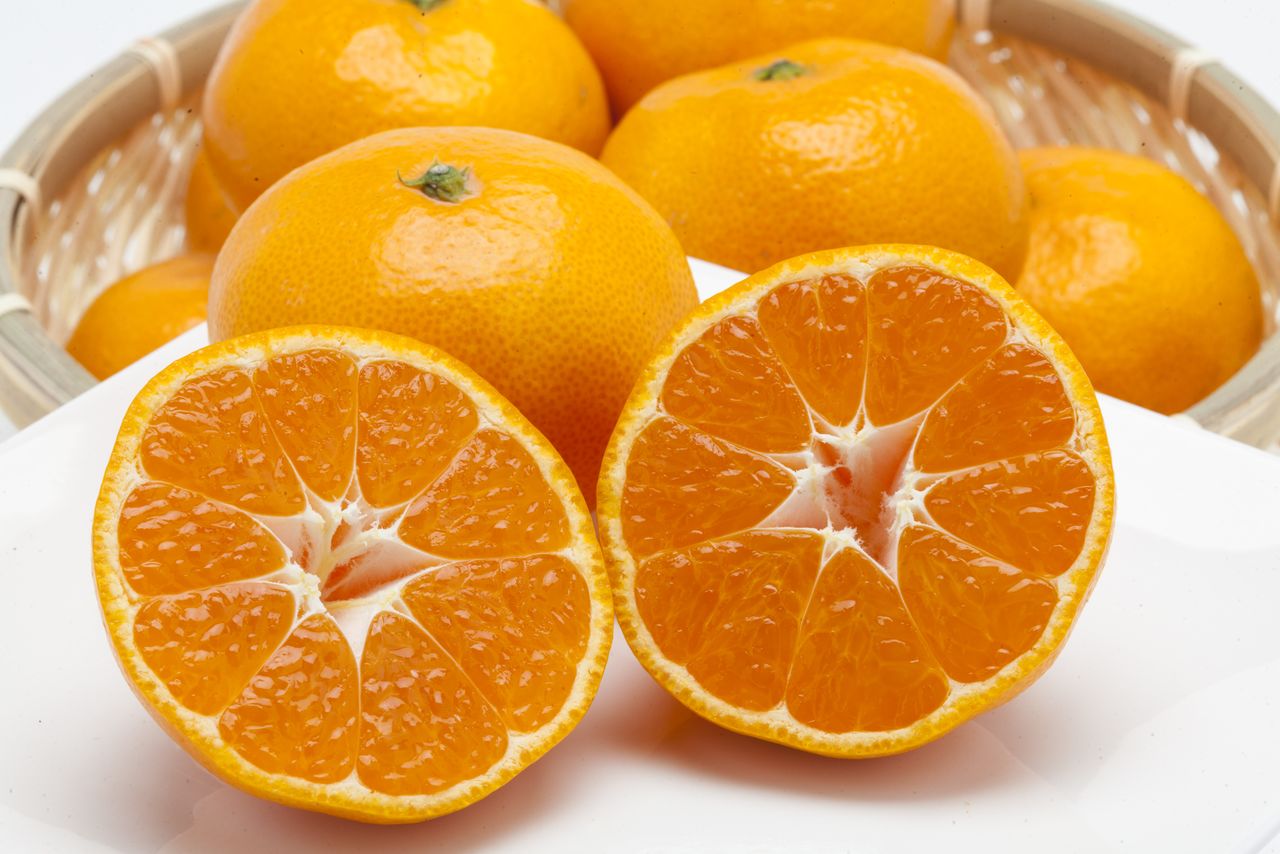
The very early-ripening variety of this fruit, with its slightly greenish hue, begins to appear on the market from around September. The peak is from October to December.
They are rich in vitamin C, and eating three a day covers almost your entire daily requirement, so they are effective in helping to prevent colds. The white strands on the segments are also rich in dietary fiber and vitamins, but you may find it has a pithy texture, in which case it can easily be removed by peeling it from the stalk.
Mikan Daifuku
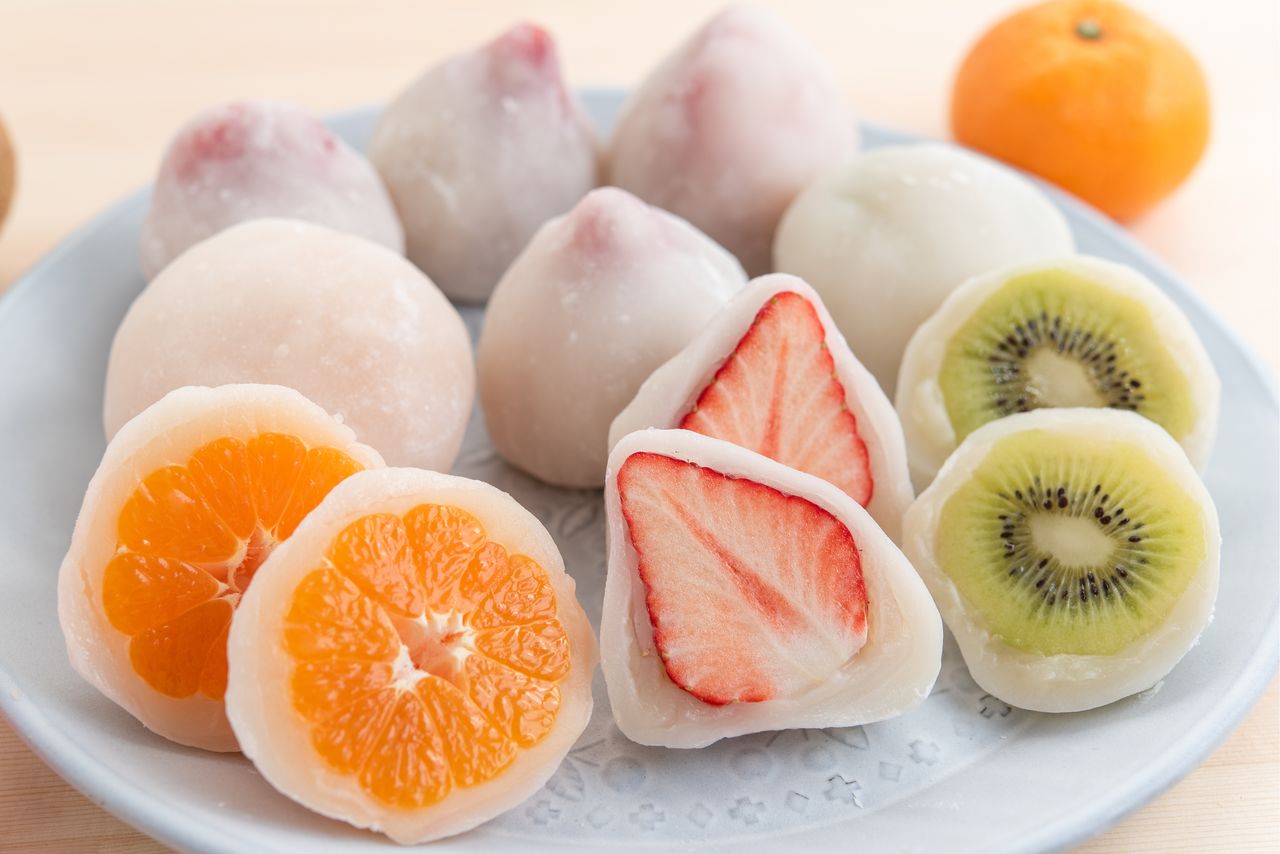
Towards the end of the Shōwa era (1926–89), a sweet known as ichigo daifuku, where soft, round mochi is filled with a whole strawberry and red bean paste, appeared. This led to the creation of a whole range of fruit daifuku, including mikan. The sweet has enjoyed renewed popularity during the Reiwa era (2019–) because when cut in half it looks so pretty, people cannot help but share it on social media.
(© Pixta)
Furūtsu Sando
This fruit-filled sandwich is another social media favorite, especially among young people, for how stunning it looks when cut. A combination of fruit and whipped cream crammed between slices of bread, it is considered both a snack and dessert, and is said to have originated in Japan. In recent years, it has been catching the attention of many inbound tourists too.

(© Pixta)
Shichimi Tōgarashi
This versatile citrus fruit has a further use with the dried peel, known as chinpi, being used in herbal medicine. It is a staple ingredient in the unique Japanese spice blend shichimi tōgarashi. Chinpi has a refreshing aroma and a hint of bitterness that enhances the flavor of dishes.
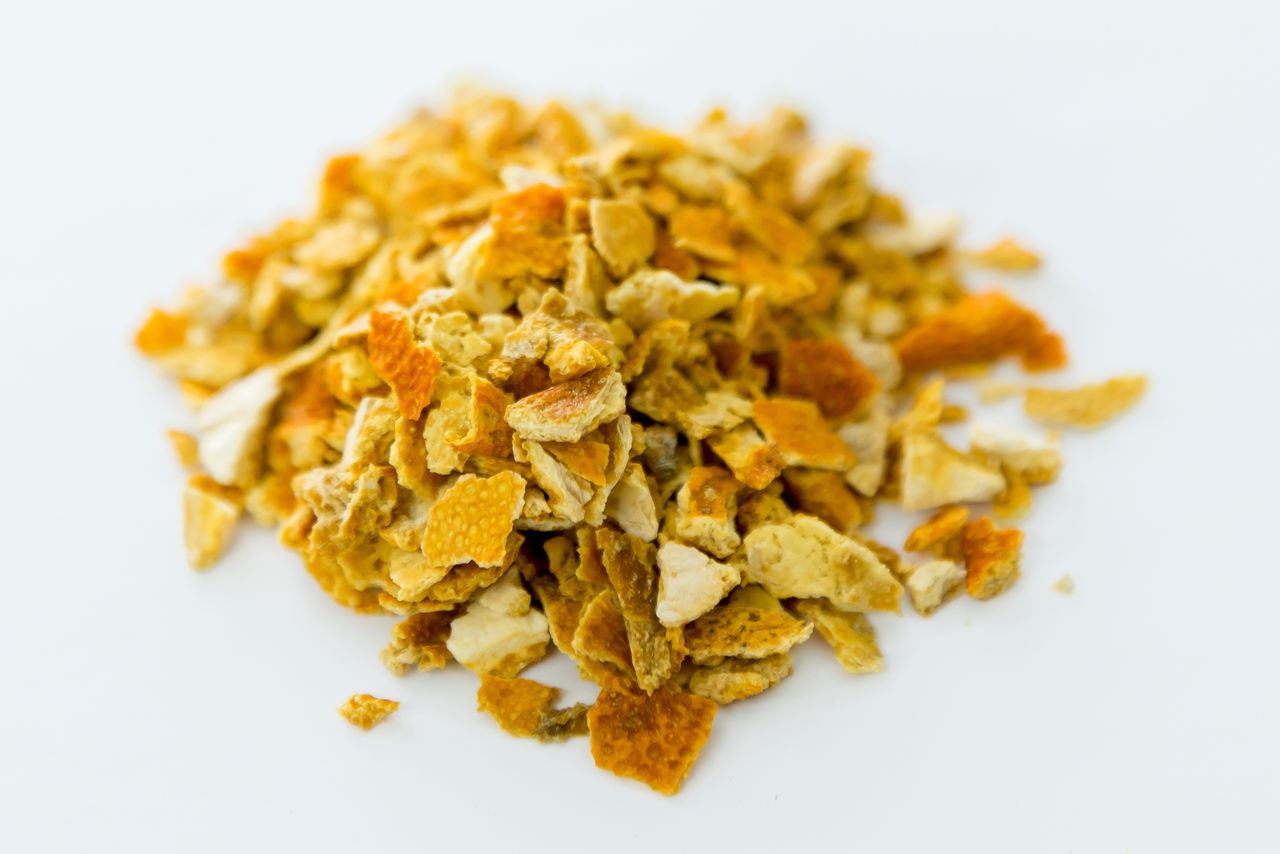
(© Pixta)
(Originally published in Japanese on November 16, 2025. Text by Ecraft. Banner photo © Pixta.)