Building Blocks: The Basic Ingredients Behind Japan’s Flavors
Cozy Winter Recipes Using Delicious Daikon
Food and Drink Culture Lifestyle- English
- 日本語
- 简体字
- 繁體字
- Français
- Español
- العربية
- Русский
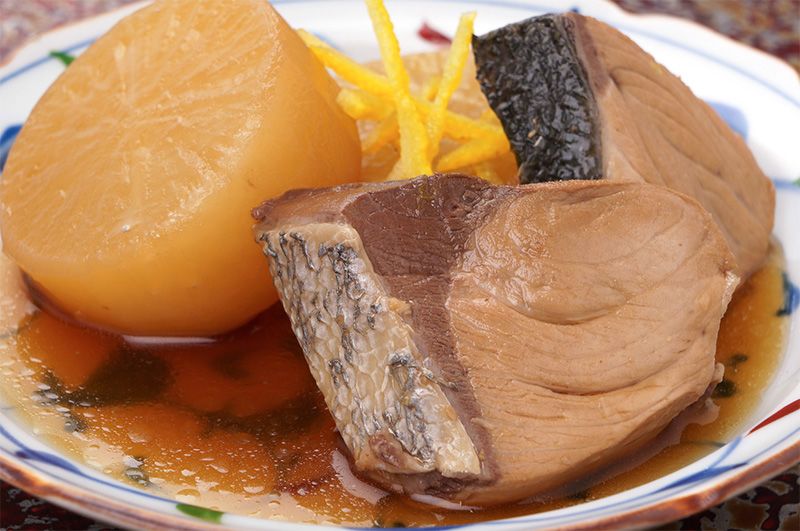
Buri Daikon
This dish of simmered yellowtail and daikon is standard fare in winter. The daikon, infused with the umami of the buri, is heavenly. Often fish offcuts are used, rather than fillets, to really bring out the flavor.
(© Pixta)
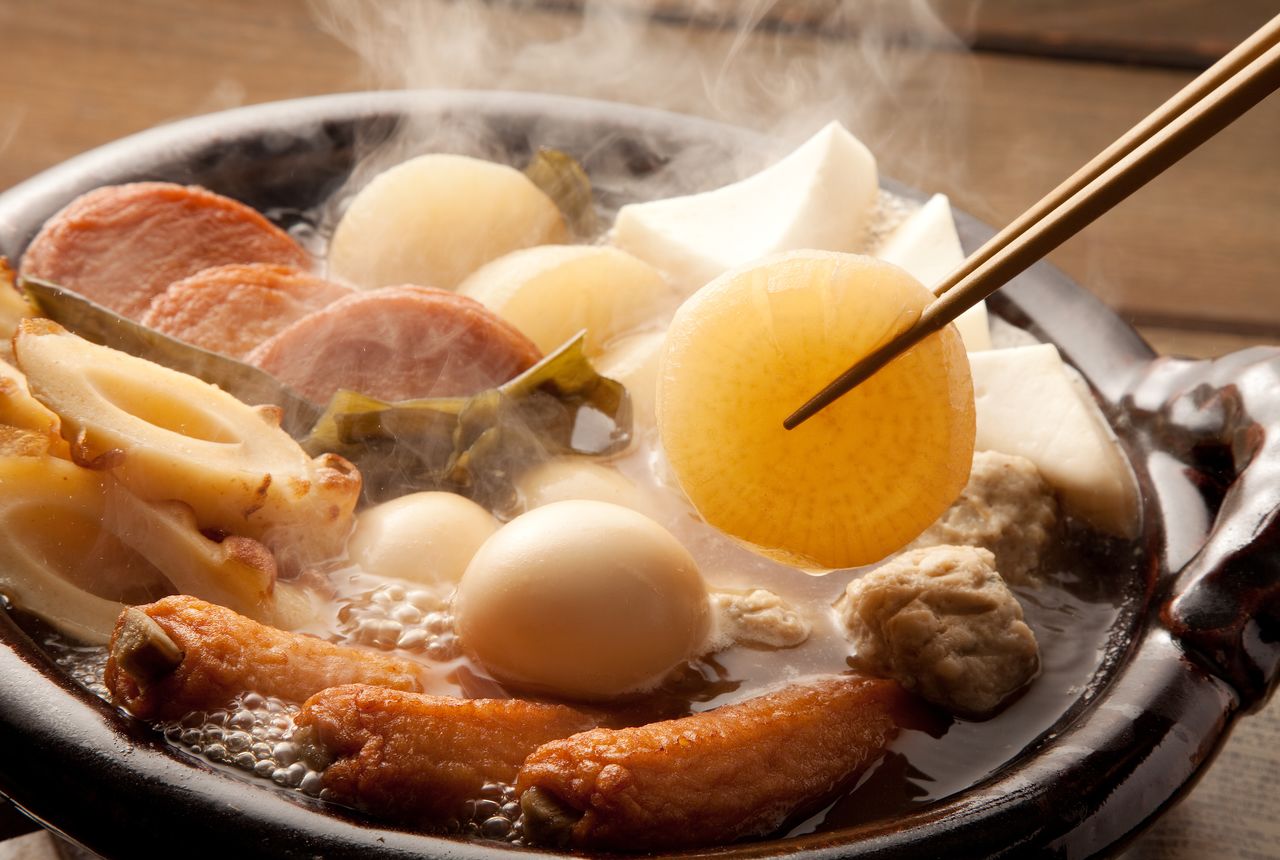
Oden
A warming hot pot of nerimono and various other ingredients, all simmered in dashi stock. Daikon is very popular, especially when it has been cooked until it melts away in your mouth.
(© Pixta)
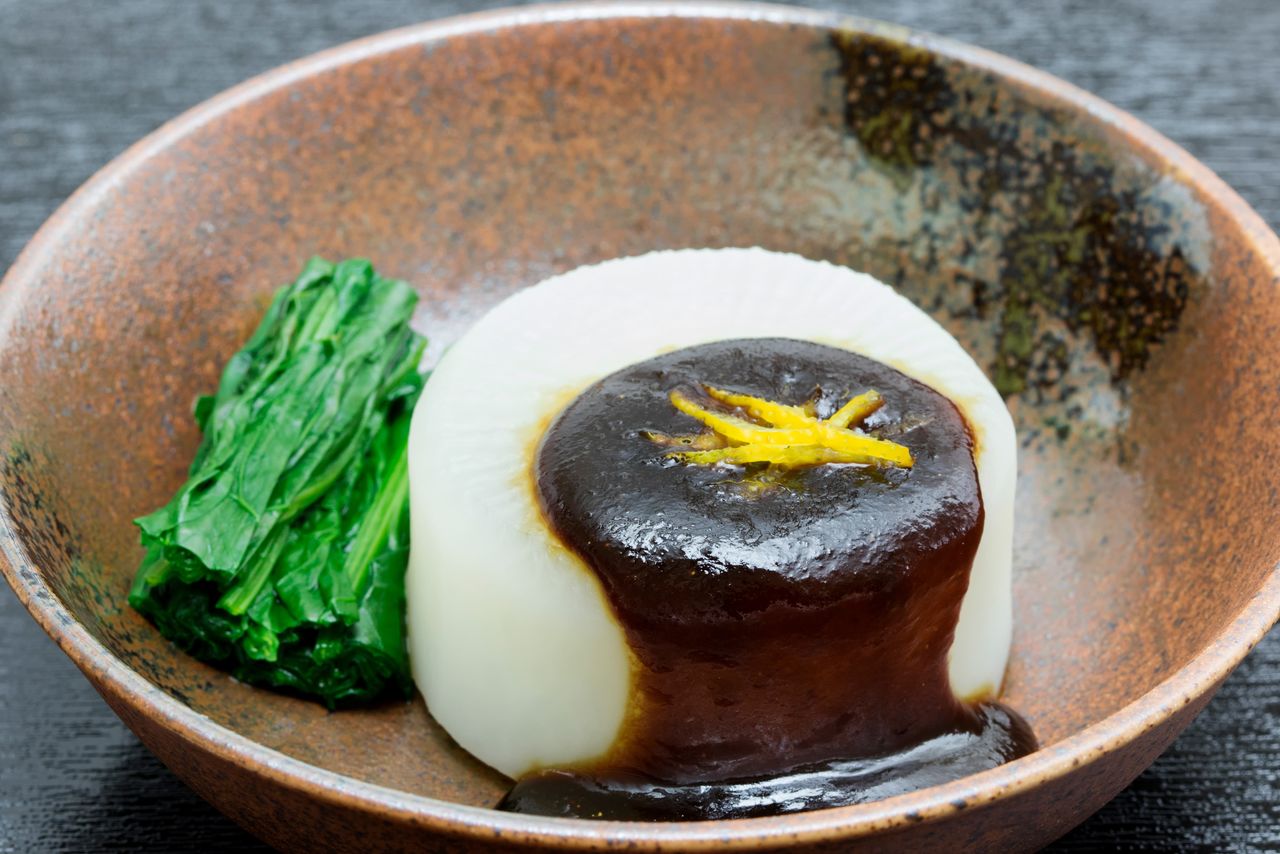
Furofuki Daikon
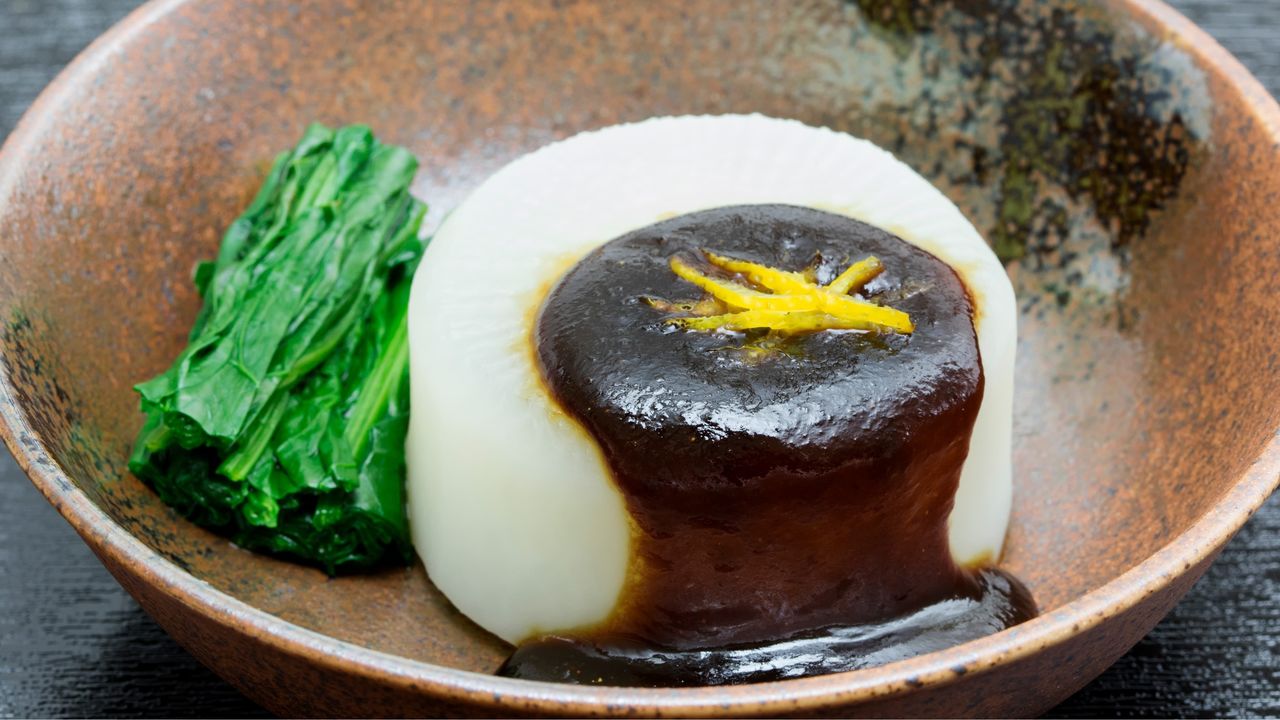
This is a classic winter dish, made with thickly sliced daikon, simmered until tender and topped with a miso sauce. There are various theories as to how it came by its name, including that blowing (fuki) on the hot daikon to cool it down before eating was similar to the habit of blowing on your body in a steam bath (furo) to reduce the heat.
(© Pixta)
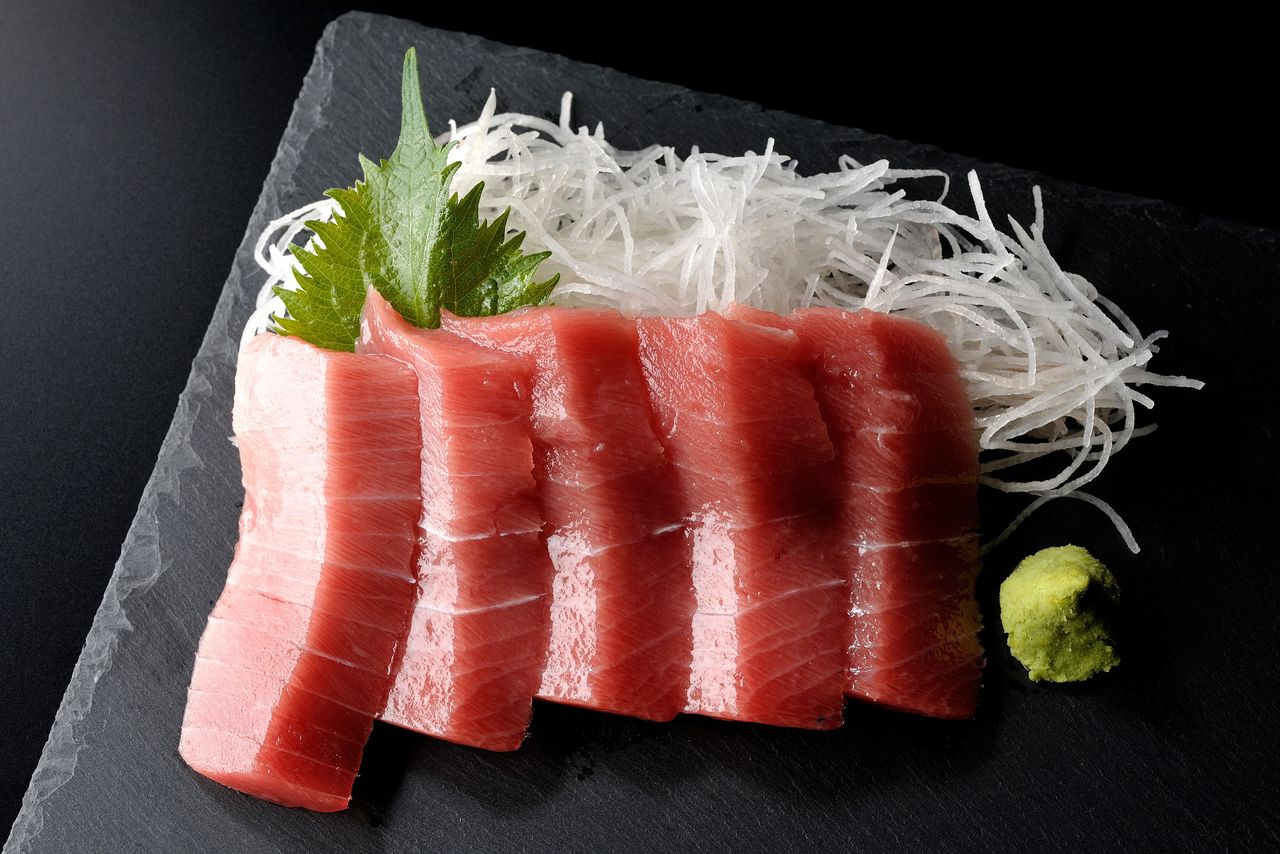
Sashimi no Tsuma
The custom of serving sashimi with a garnish of finely shredded daikon, known as tsuma, is said to have started in the Edo period (1603–1868). Back before refrigerators, eating daikon with raw fish helped to prevent food poisoning, due to it having antibacterial and detoxifying properties. It not only makes for a beautiful presentation, but also helps absorb moisture from the fish.
(© Pixta)
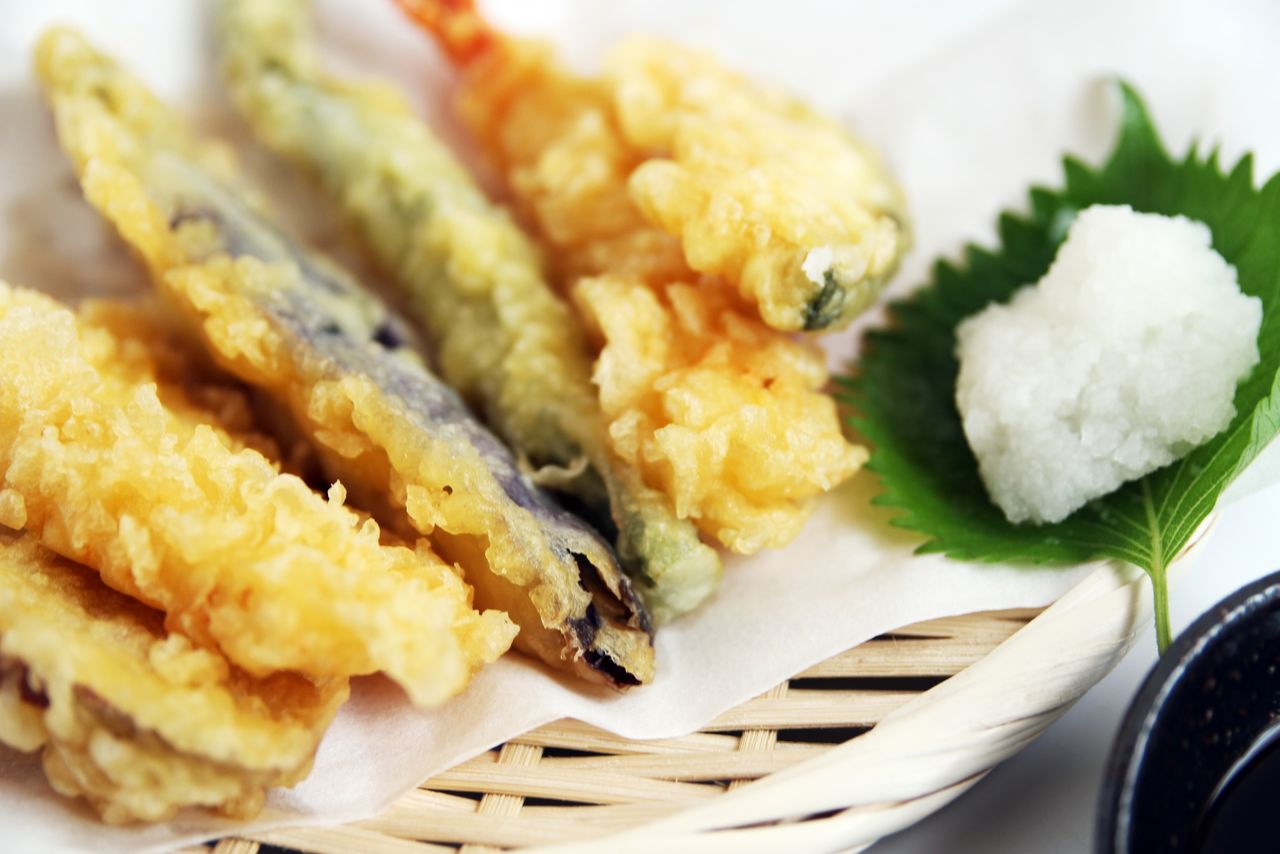
Daikon Oroshi
Here, fresh daikon is grated using a special oroshigane, an ultrafine metal grater. For a milder flavor, use the greener part near the top of the daikon, or spice it up by going closer to the tip of the root. A great accompaniment for fatty fish and tempura, as well as Japanese-style steaks and Hamburg steaks, it refreshes the palate and helps digestion, due to the digestive enzymes in the daikon.
(© PhotoAC)
Nameko Oroshi and Shirasu Oroshi
Daikon oroshi pairs well with nameko mushrooms, as well as shirasu whitebait, creating an instant side dish or a lovely topping for soba or udon noodles. Young daikon sprouts, known as kaiware daikon, are another way to add a spicy kick to dishes.
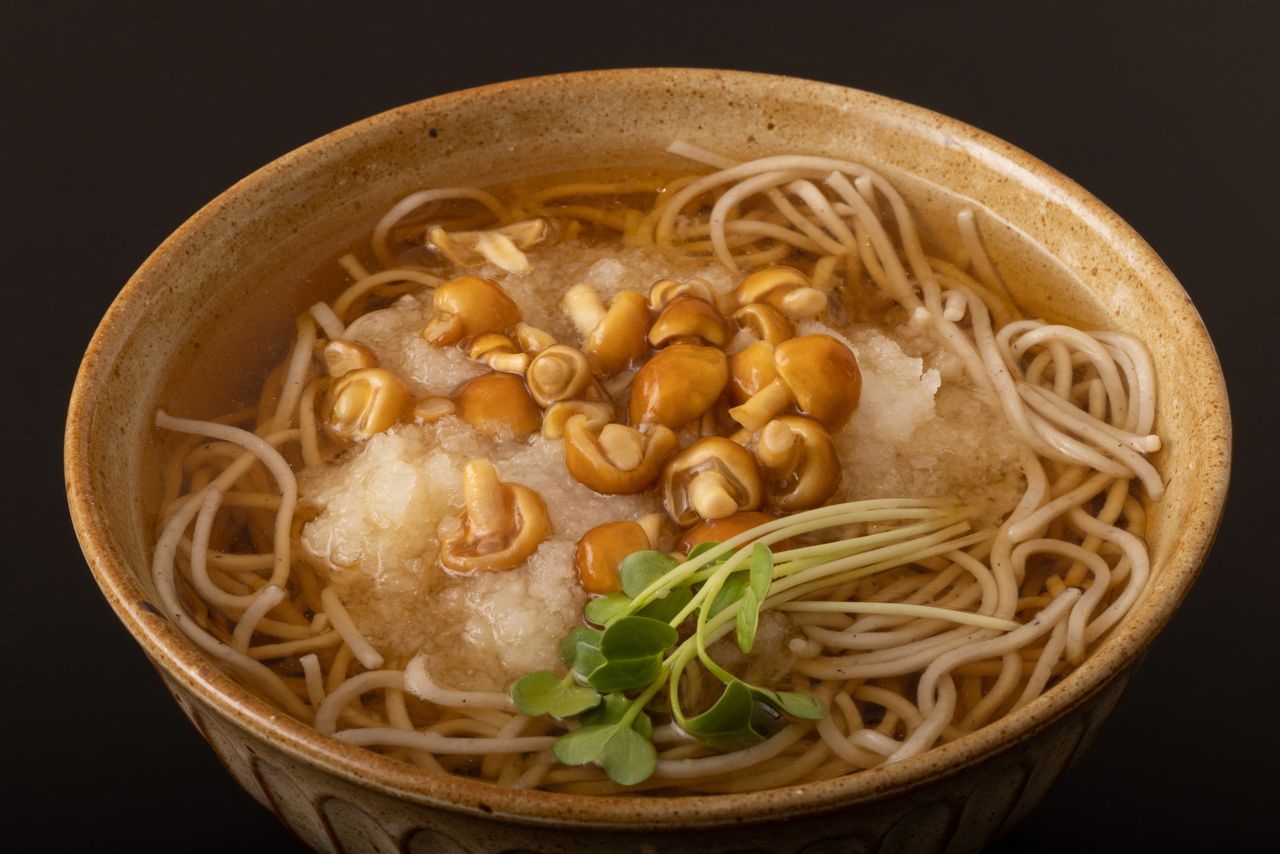
Nameko oroshi soba noodles. (© Pixta)
Moreover, dishes that come generously topped with juicy, moist daikon oroshi have fitting wintery names like mizore-ni (“sleet” simmered dish), mizore-nabe (“sleet” hot pot), and yukimi-nabe (“snow-viewing” hot pot).
Takuan and Regional Variations
The general name for whole dried daikon that has been pickled in salt or nuka (rice bran) is takuan. After pickling, it is thinly sliced and served alongside rice or sake. While it is generally thought that Takuan, an Edo period monk, came up with the idea for these pickles, there are a number of other theories about its origin. Regional variations have also been developed, such as iburi-gakko from Akita Prefecture, where the daikon is smoked before being dried and pickled in a mixture of salt and nuka, and bettara-zuke from Tokyo, pickled using salt, amazake (fermented sweet rice drink) and sugar, to make it sweet and crunchy.
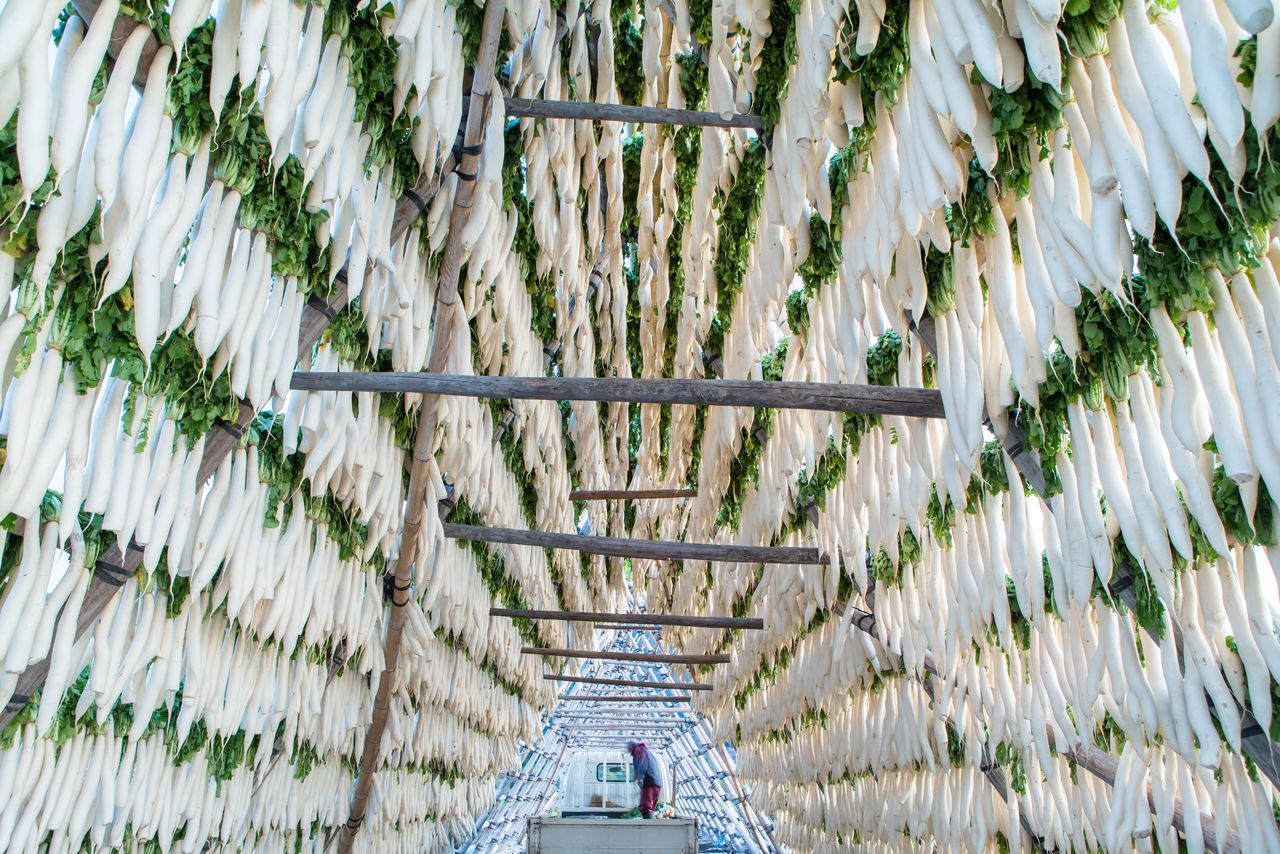
Daikon being dried whole as part of the process for making takuan. (Courtesy Miyazaki Prefecture Tourism Association)
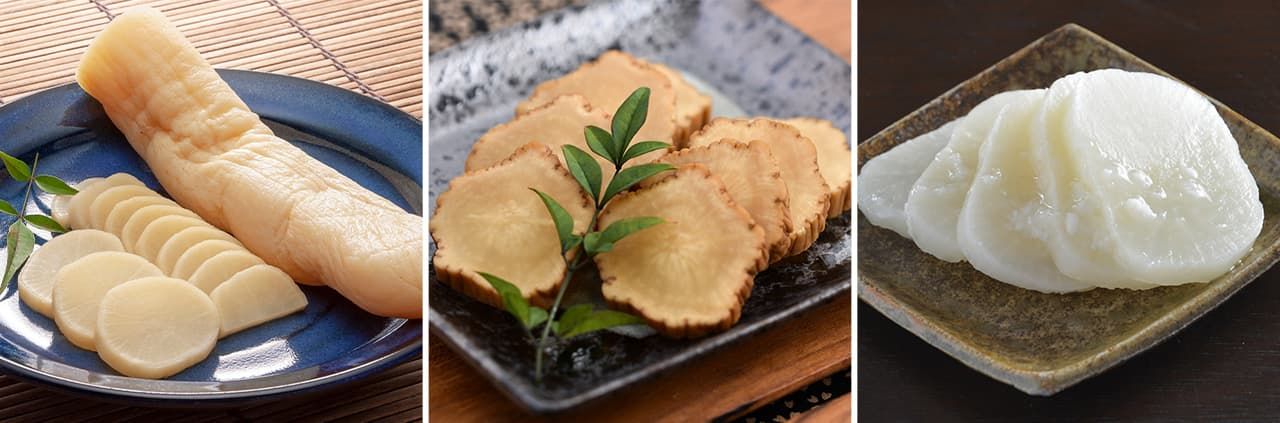
(From left) Standard takuan (© Pixta), Akita’s iburi-gakko (© Pixta), and Tokyo’s bettara-zuke. (Courtesy the Ministry of Agriculture, Forestry, and Fisheries)
Kiriboshi Daikon-ni
Kiriboshi daikon, strips of dried daikon, is sold as a preserved food, with Miyazaki Prefecture accounting for around half of national production. In this popular staple side dish, kiriboshi daikon is stir-fried with aburaage fried tōfu or satsuma-age fried surimi cakes, along with carrots and other ingredients, then simmered in a salty-sweet sauce.
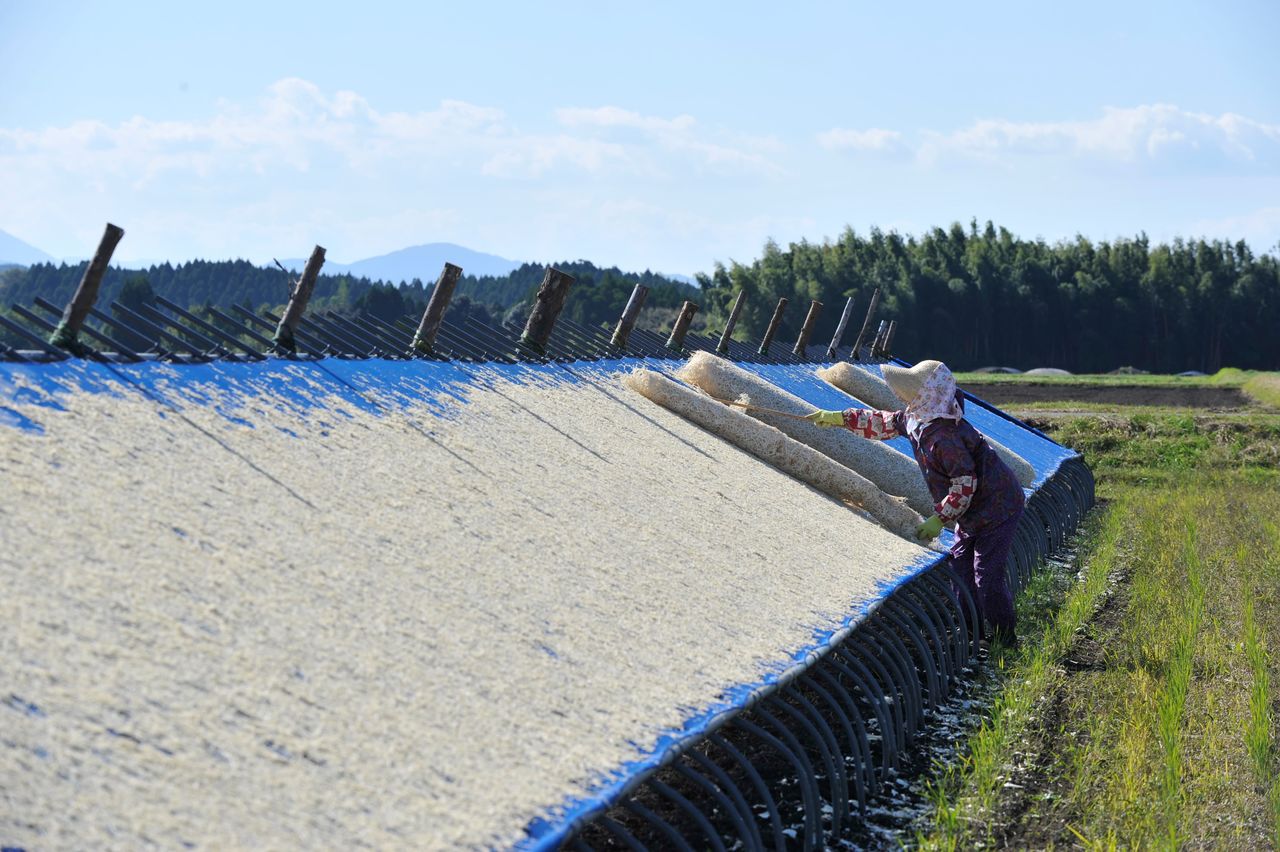
Drying strips of the root for kiriboshi daikon. (Courtesy Miyazaki Prefecture Tourism Association)
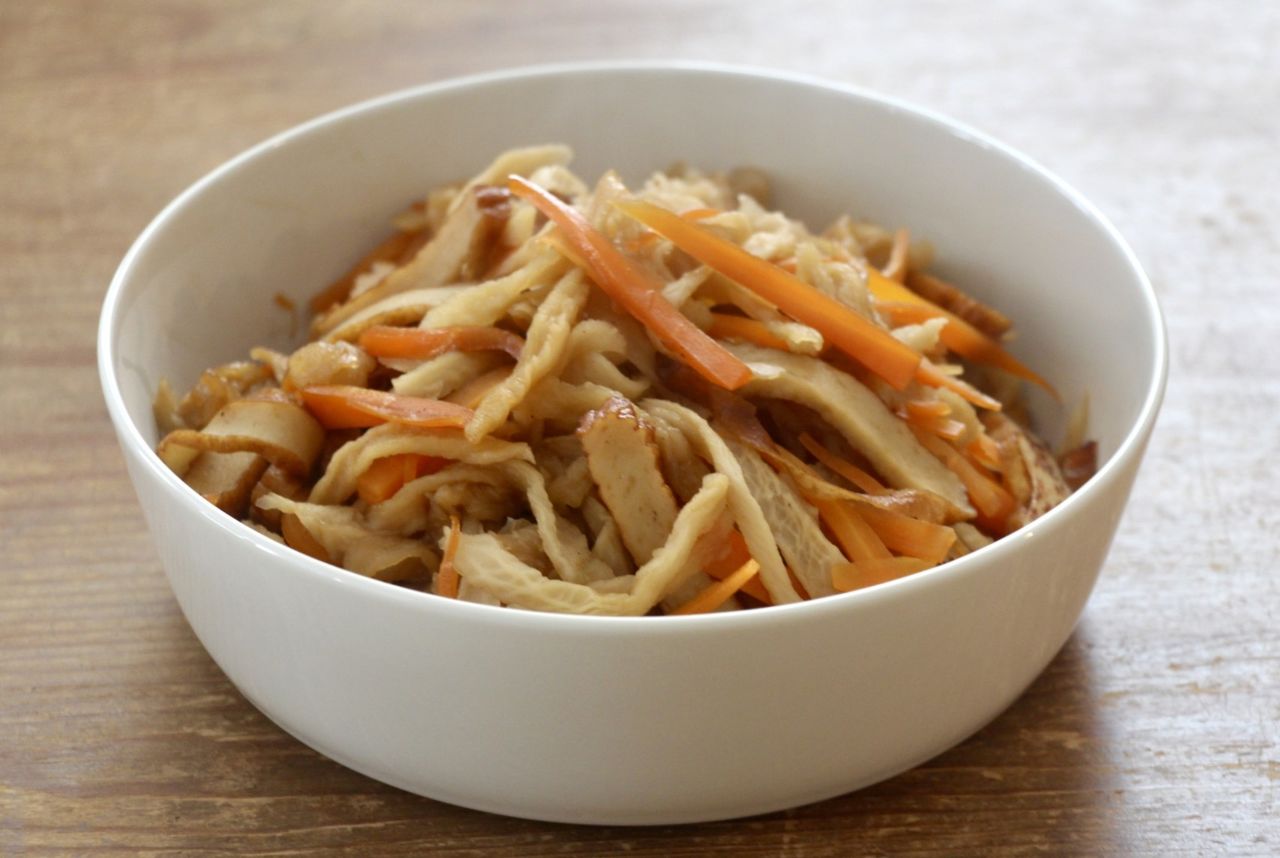
(© PhotoAC)
(Originally published in Japanese. Text by Ecraft. Banner photo: Melt-in-your-mouth furofuki daikon, topped with a sweet miso sauce, is the perfect warming dish for winter. © Pixta.)