Building Blocks: The Basic Ingredients Behind Japan’s Flavors
Spicing Up the Seasons with Sensational Sanshō Cuisine
Food and Drink Culture Lifestyle- English
- 日本語
- 简体字
- 繁體字
- Français
- Español
- العربية
- Русский
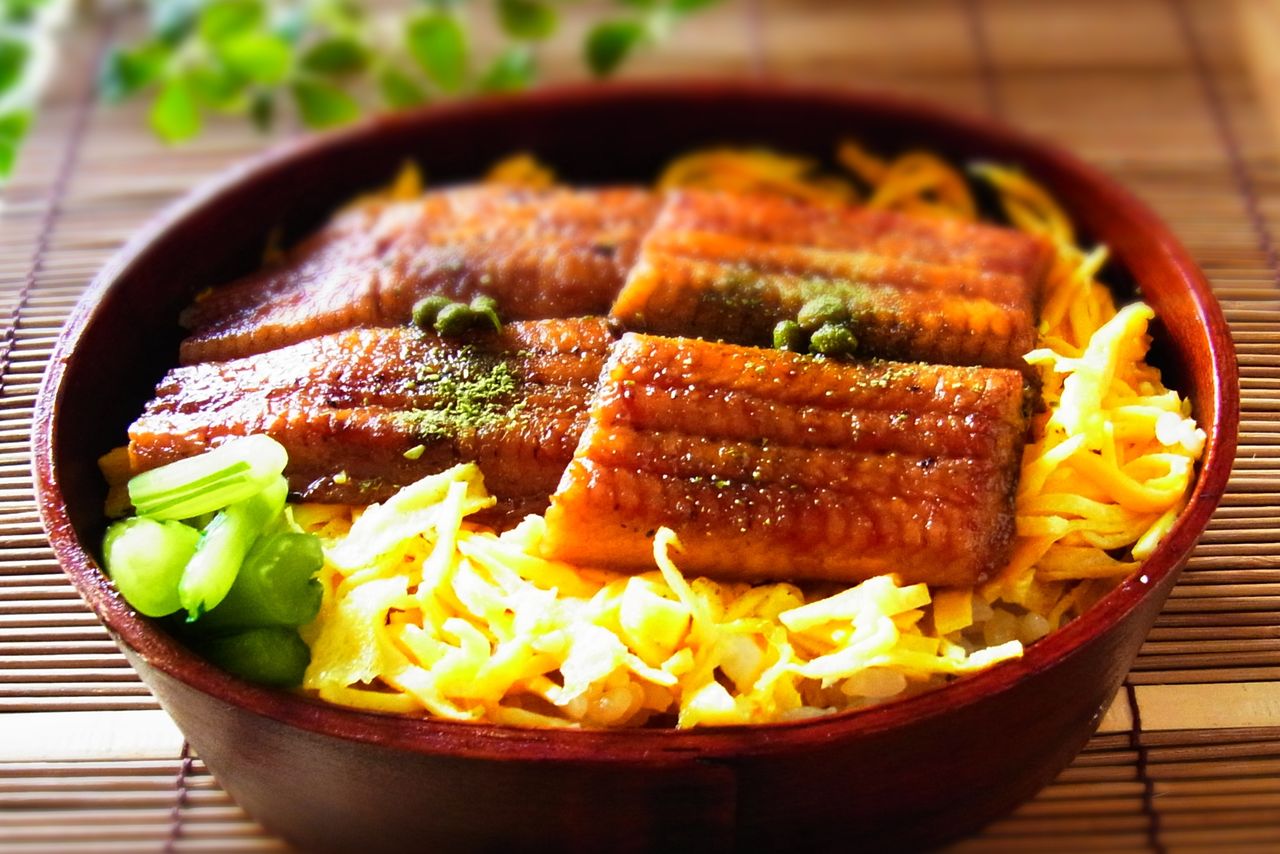
Unagi no Kabayaki
When you think of sanshō, this combination is sure to be the first to come to mind. Glaze-grilled eel and sanshō go so well together, it is easy to forget they were originally paired because of the spice’s antibacterial properties from its spiciness and aromatic compounds, which help to prevent food poisoning.
(© Pixta)
Chirimen Sanshō
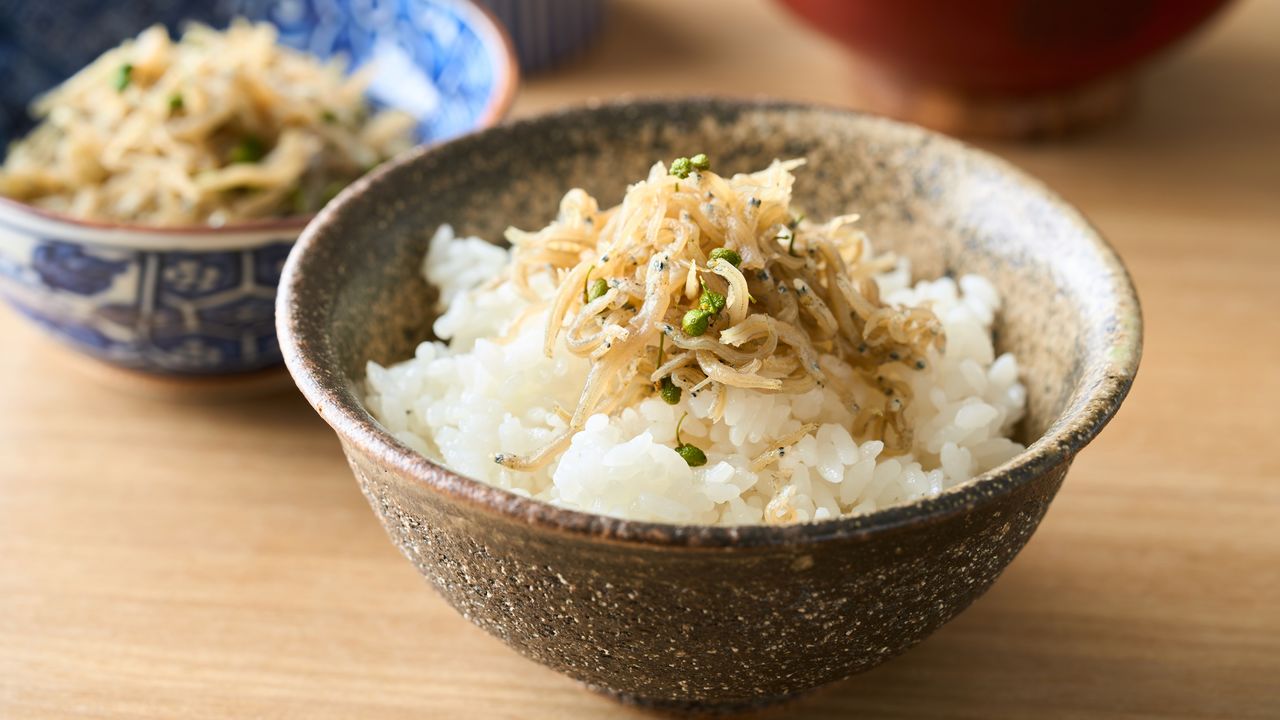
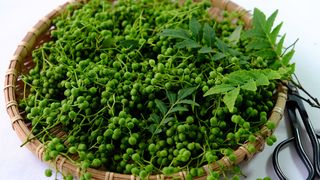
Here, chirimen (baby sardines) and mi-sanshō (whole sanshō berries) are simmered together in a soy-based salty-sweet sauce. The tiny berries have the effect of making the tongue tingle. This side dish began as a culinary gift that chefs in Kyoto would give to close friends, but is now known throughout Japan.
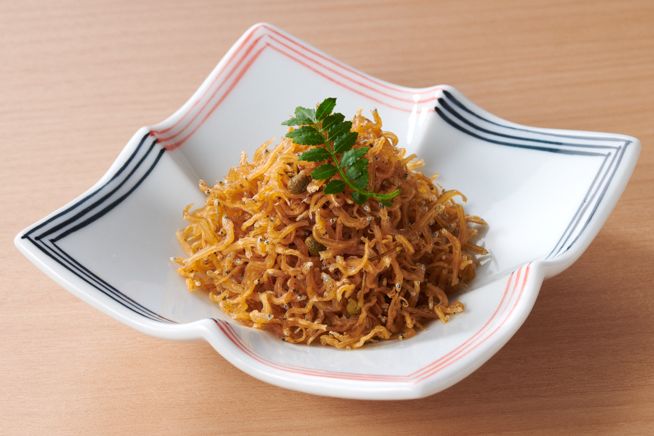
Chirimen sanshō from Kyoto Prefecture. (Courtesy the Ministry of Agriculture, Forestry, and Fisheries)
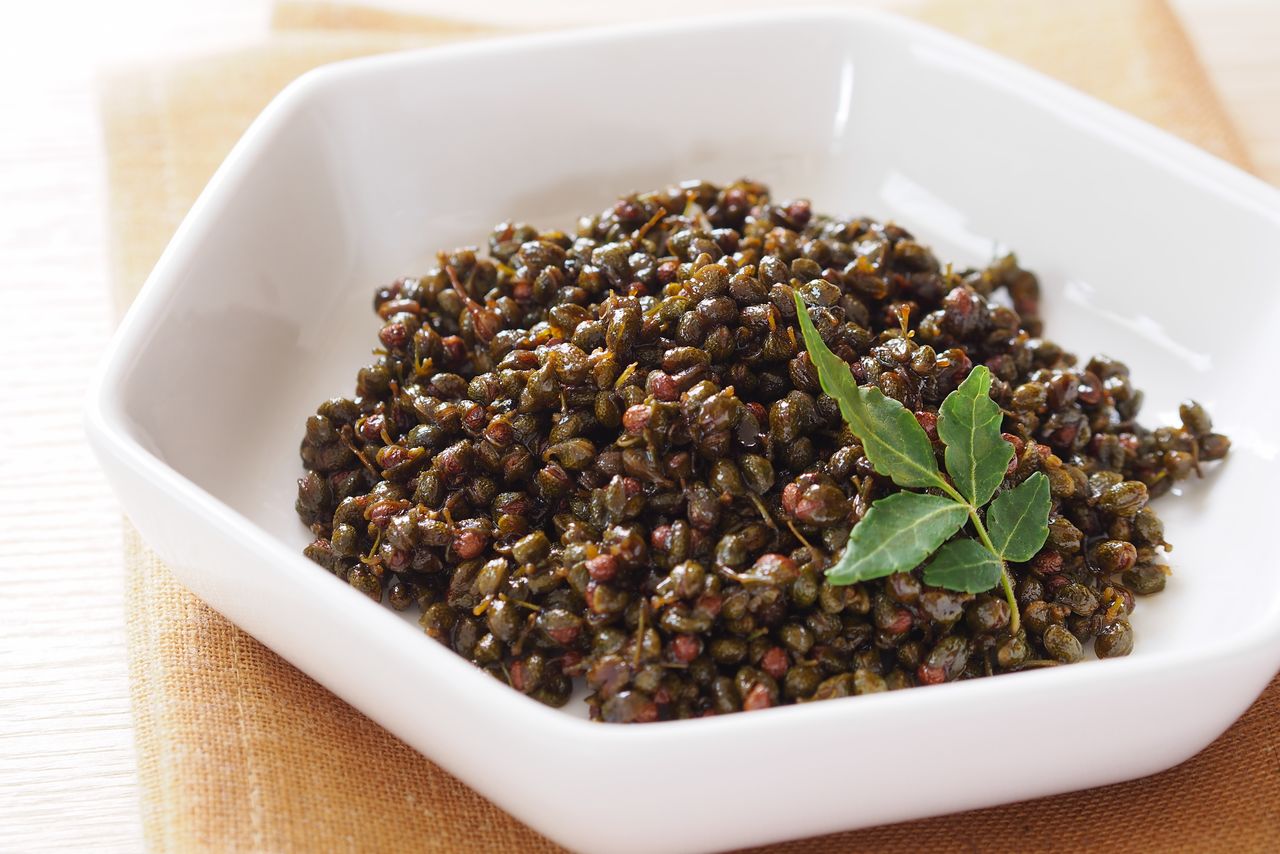
Tsukudani
This is a kyōdo ryōri regional dish from Hyōgo Prefecture, one of Japan’s major sanshō production areas renowned for cultivation of the varieties Asakura sanshō and Arima sanshō. Mi-sanshō, simmered in soy sauce, mirin, and sugar tsukudani-style, is wonderful as an accompaniment to rice, a condiment for chilled tōfu, or a side dish served with sake.
(© Pixta)
Takenoko no Sanshō-ni and Kinome-ae
Kinome are young sanshō leaves. In Japanese cuisine, the bright green sprigs are used as a garnish for spring and summer dishes, when kinome is in season. Arguably one of the best pairings for sanshō is with the spring delicacy takenoko (bamboo shoots).
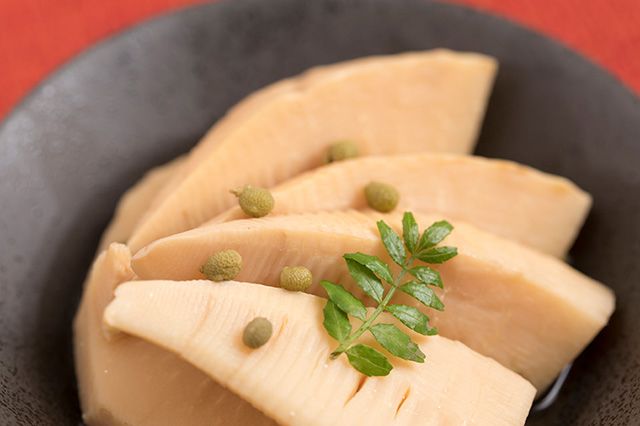
Takenoko no sanshō-ni, bamboo shoots simply simmered in dashi stock with sanshō berries, from Shimane Prefecture. (Courtesy the Ministry of Agriculture, Forestry, and Fisheries)
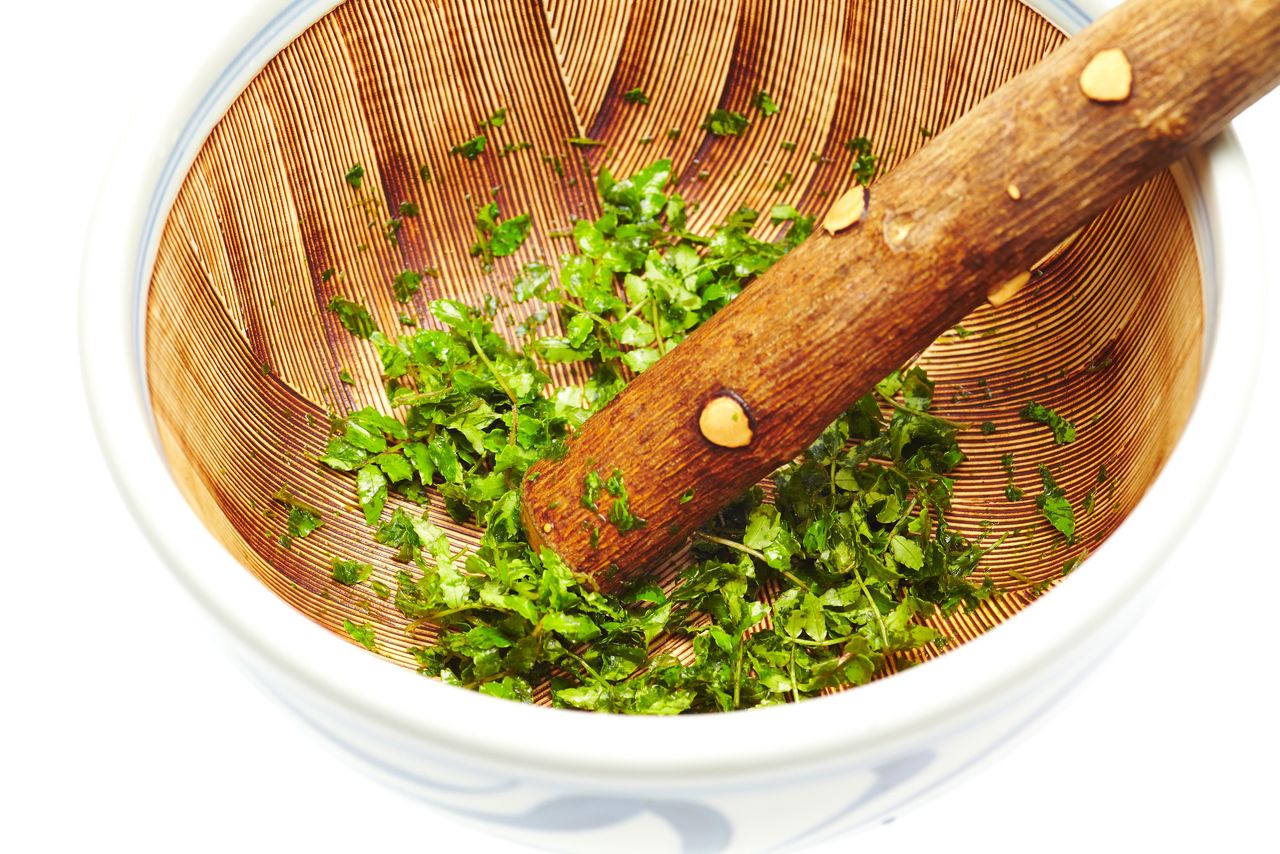
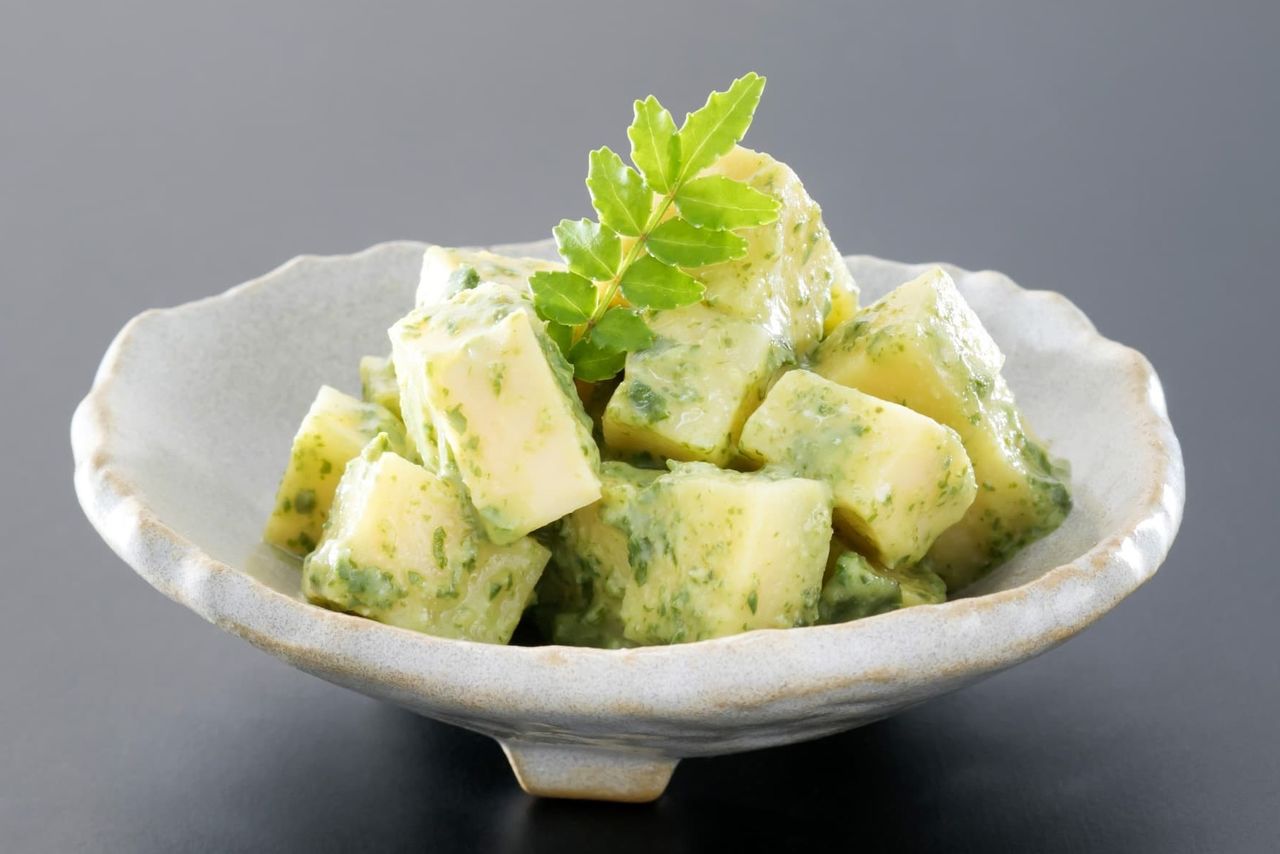
For kinome-ae, the young leaves are ground in a mortar and mixed with white miso to create a paste that is then used to coat pieces of boiled takenoko. The refreshing aroma of the sanshō gives this dish a true taste of spring. Incidentally, the traditional surikogi pestle used for grinding kinome is made from a branch of sanshō, a highly durable wood that is perfect for the job.
(© Pixta)
(© Pixta)
Kinome Dengaku
For this dish, kinome miso, infused with the flavor of sanshō, is used to coat skewers of grilled tōfu.
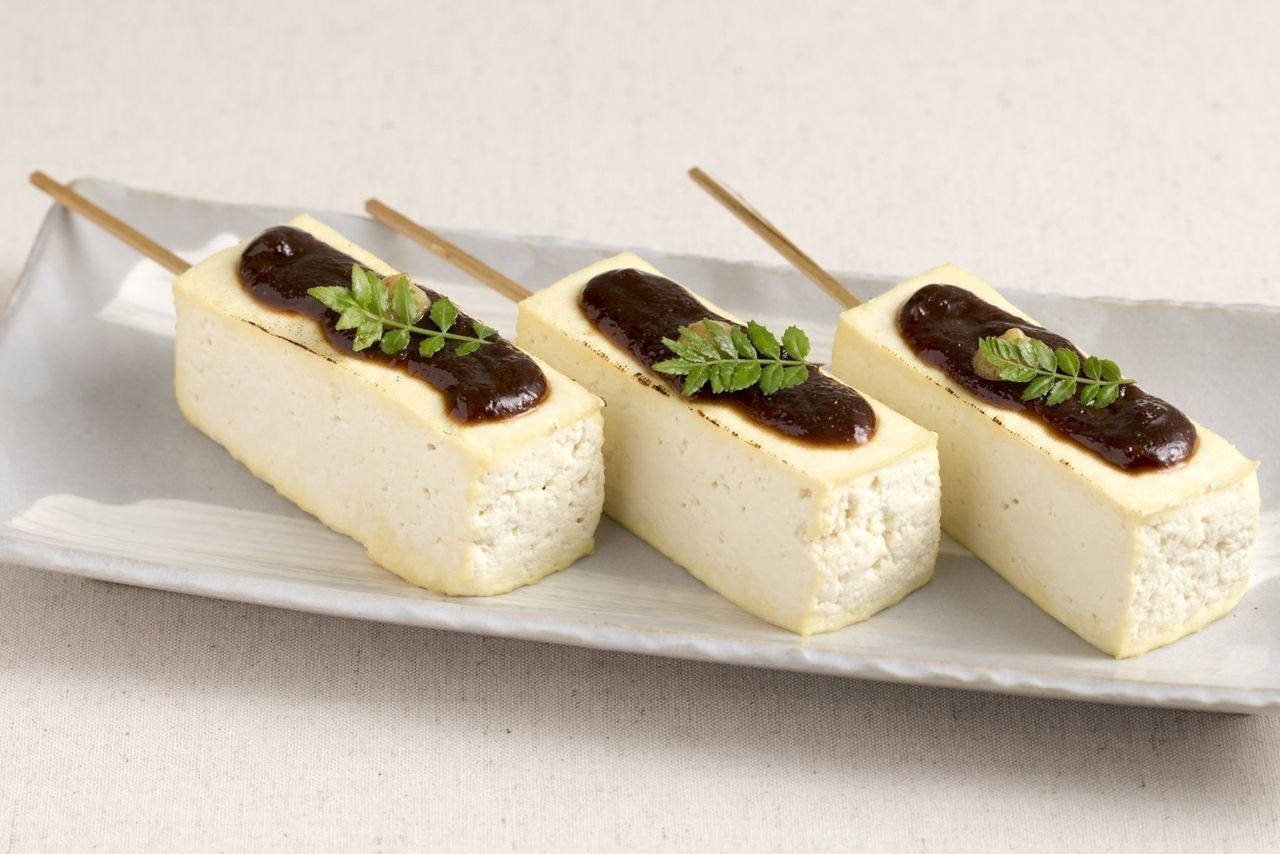
Kinome dengaku from Aichi Prefecture. (Courtesy the Ministry of Agriculture, Forestry, and Fisheries)
Sanshō adds a cool zing to Japanese cuisine, goes well with cheese and other dairy products, and when sprinkled over pasta or pizza, gives these dishes a distinct flavor. More recently, there has been a buzz over how well it pairs with confectionery, including chocolate infused with sanshō winning gold medals in international competitions and sanshō soft-serve ice cream in the regional production areas being a huge hit.
Why not try sprinkling sanshō on your everyday food and see what new combinations you can discover?
(Originally published in Japanese. Text by Ecraft. Banner photo: Chirimen sanshō. © Pixta.)