Building Blocks: The Basic Ingredients Behind Japan’s Flavors
A Humble, Filling Favorite: Dishes for Enjoying Gobō Every Day
Food and Drink Culture Lifestyle- English
- 日本語
- 简体字
- 繁體字
- Français
- Español
- العربية
- Русский
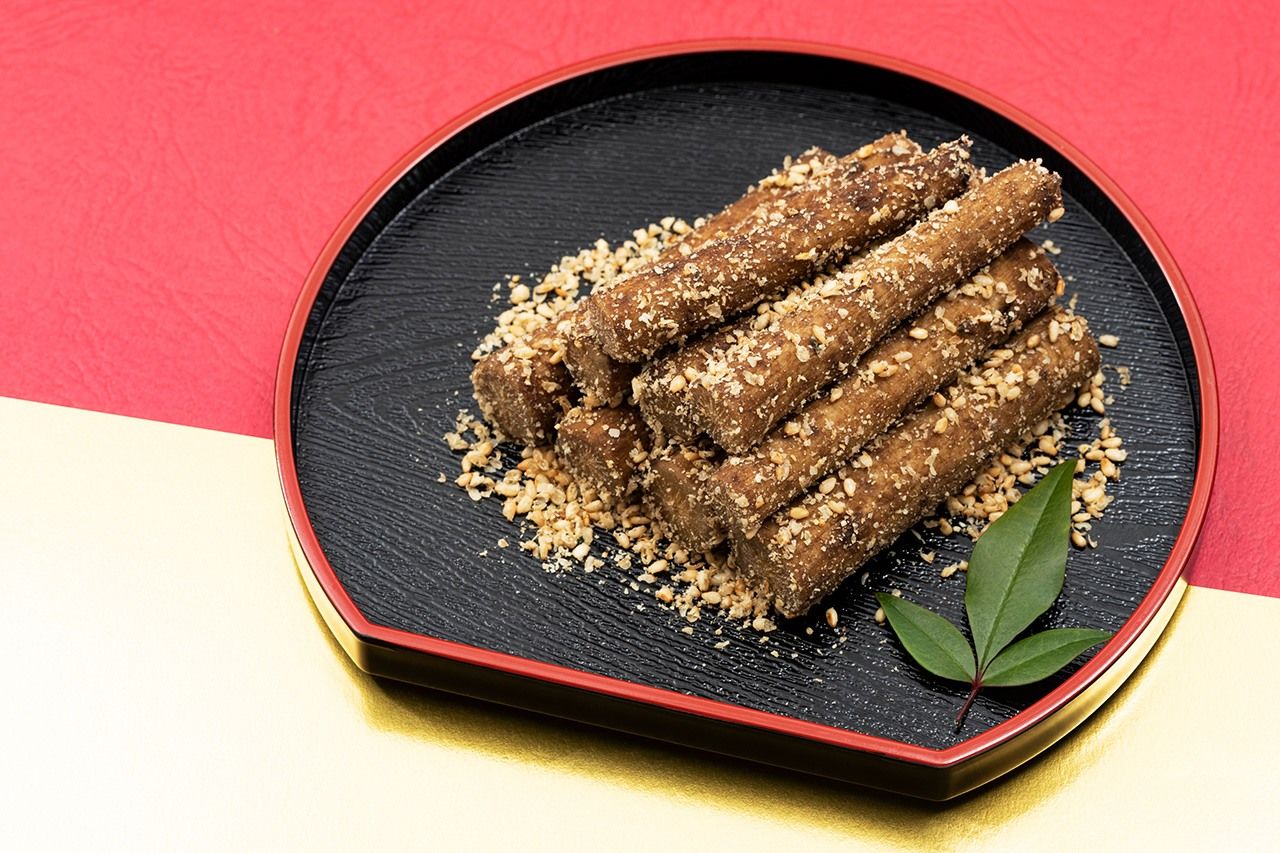
Tataki Gobō
Here, gobō is simmered until tender, after which it is pounded with a pestle (or rolling pin) and dressed with seasoned sesame and vinegar. The cracks formed by pounding the gobō lets the flavor permeate better, and it is often served as an osechi ryōri dish at New Year because this way of “opening up” the root is thought to lead to receiving good luck.
(© Pixta)
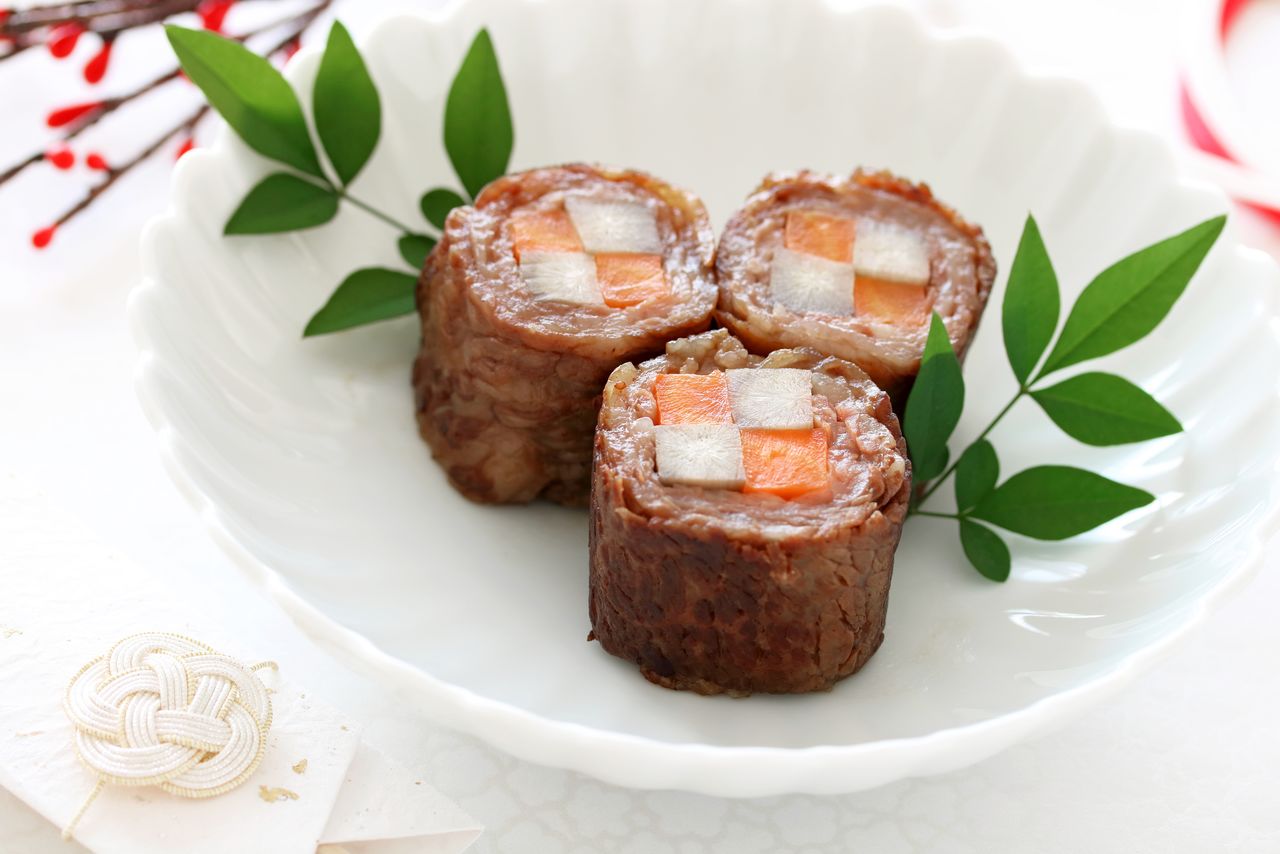
Yawatamaki
This dish originates from the village of Yawata, now a town in Kyoto Prefecture. In the past, gobō was wrapped in eel or loach and simmered using a teriyaki-style glaze, but now it also includes meat. Adding carrots and green beans creates a beautiful cross-section when the rolls are cut open.
(© Pixta)
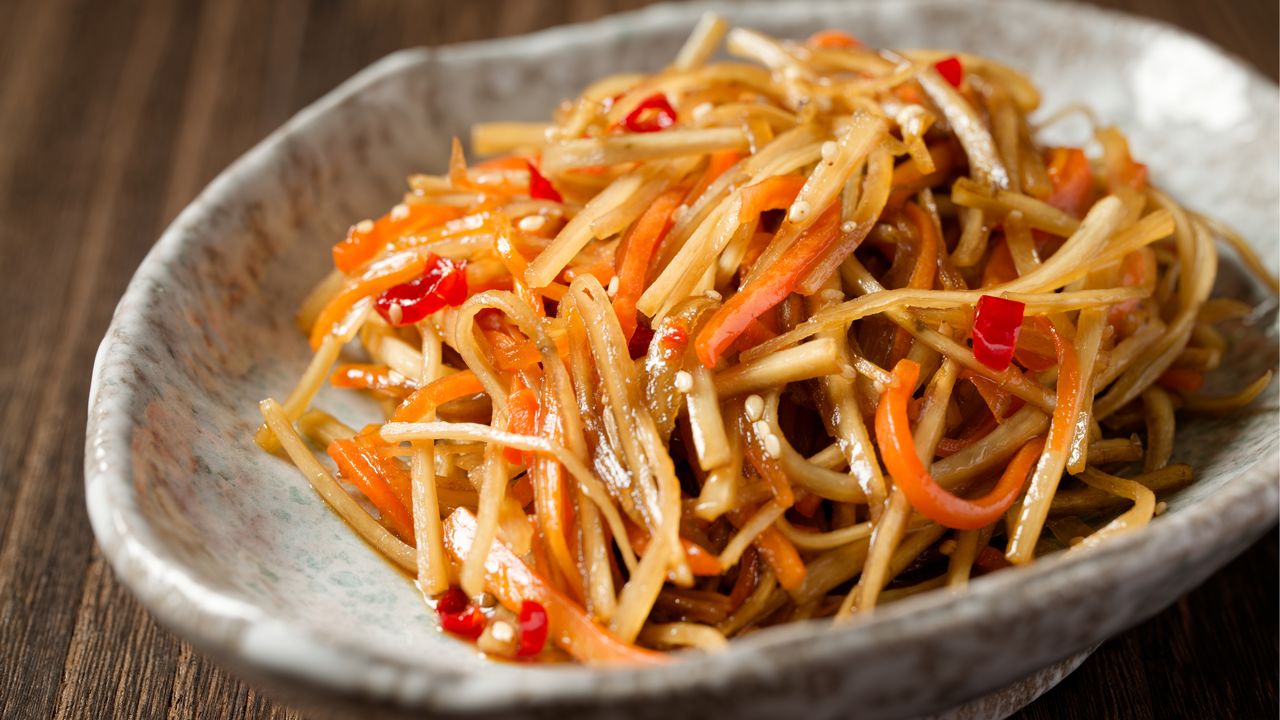
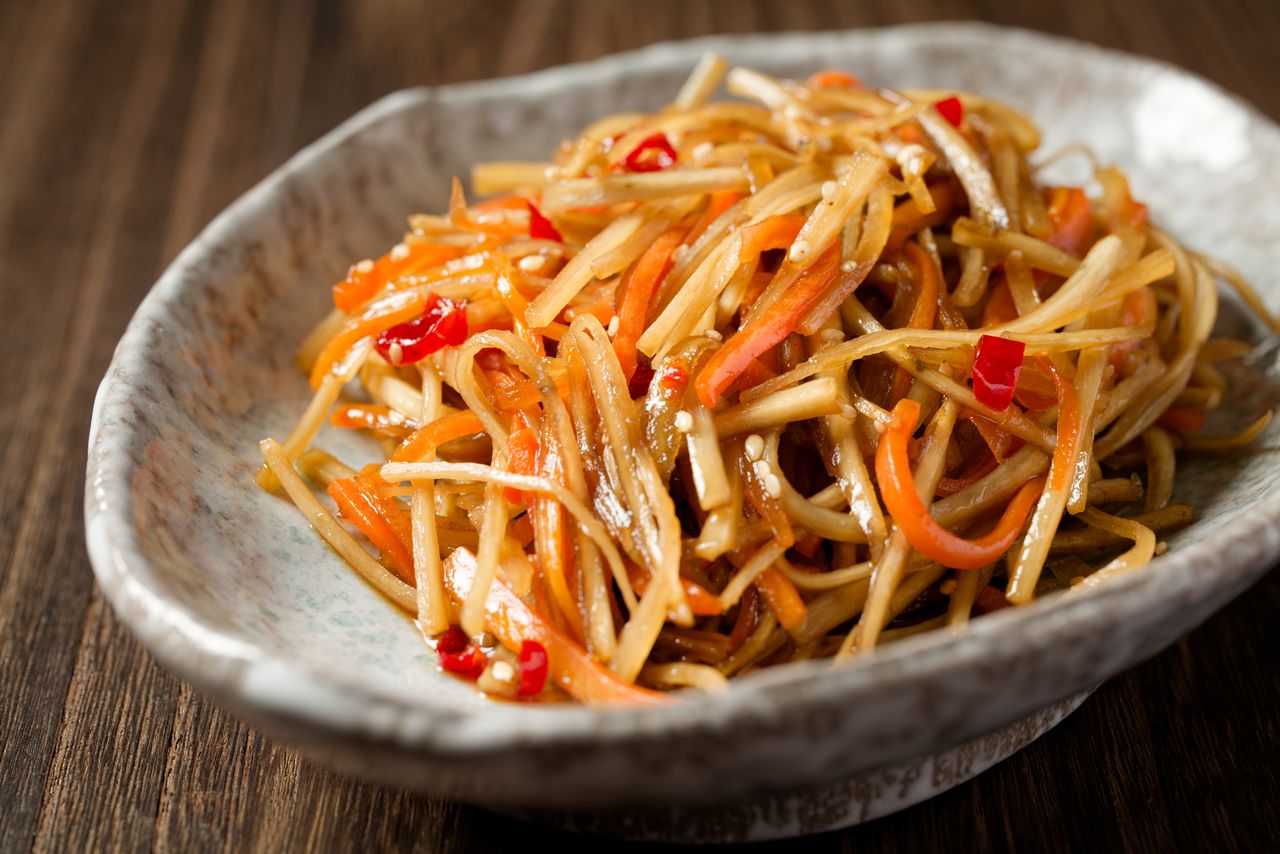
Kinpira
This is a staple side dish that can be found in any kind of setting, from a home-cooked meal to an izakaya snack or a side dish for a restaurant set menu. Thinly sliced gobō and carrot are stir-fried together with chili pepper, and then seasoned with soy sauce and sugar to create a sweet and spicy taste. The unusual name of this dish derives from Sakata no Kinpira, the son of Sakata no Kintoki (Kintarō), a legendary strong man and a major character in the jōruri puppet theater that was popular in the Edo period (1603–1868). The firm, chewy texture of the gobō together with the spicy kick of the chili pepper is said to embody the strength and bravery of the character Kinpira.
(© Pixta)
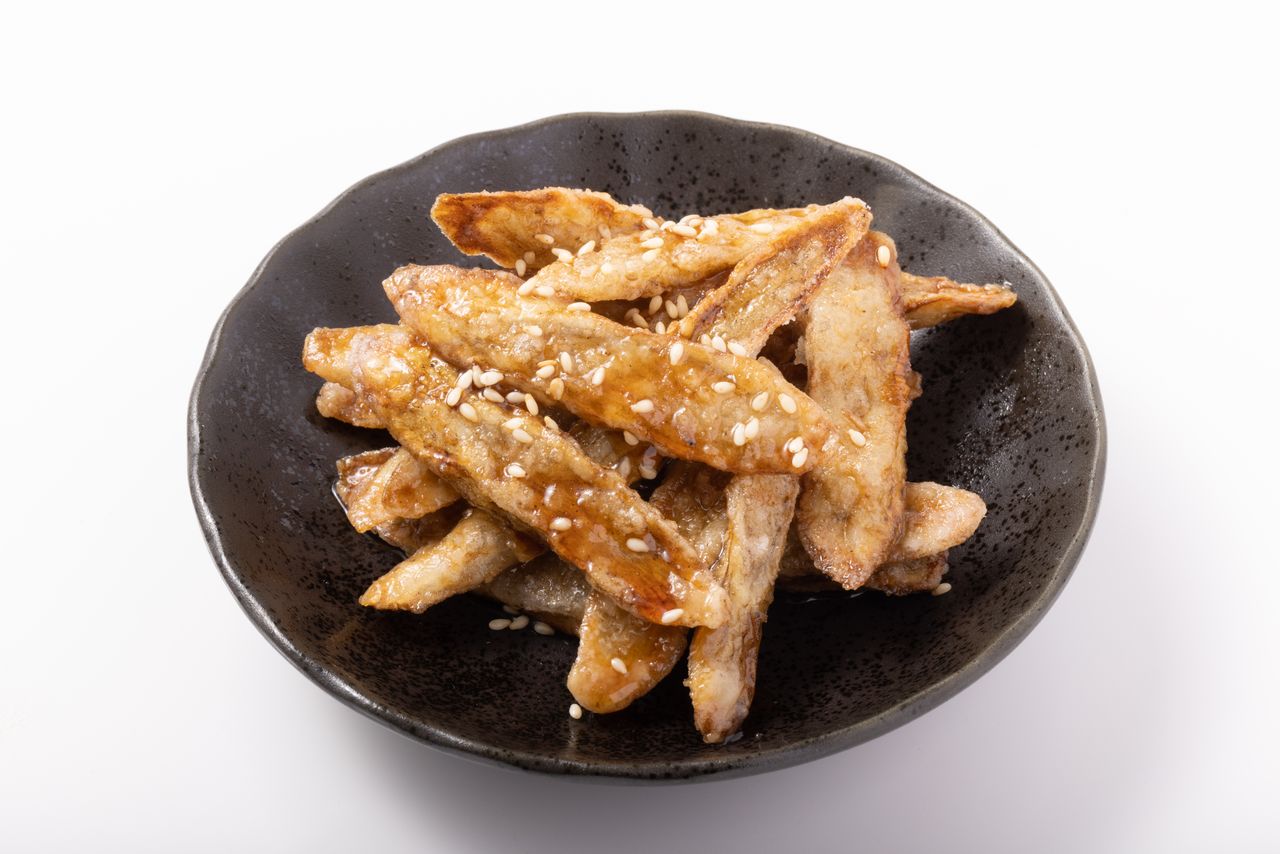
Amakara-age
For this dish, gobō that has been sliced thinly diagonally or julienned is fried and then coated with a spicy sweet sauce made from soy sauce and sugar. This popular side dish is available in supermarkets too.
(© Pixta)
Torigobō, Butagobō, and Gyūgobō
Gobō is the perfect match for any type of meat, whether it be tori (chicken), buta (pork), or gyū (beef). It can be added to make the mixed rice dish takikomi gohan or stir-fried in a sweet and spicy glaze to create a side dish. There is a Tokyo regional-style dish known as Yanagawa-fū, where gobō and meat are simmered together and then covered in a thick layer of beaten eggs.
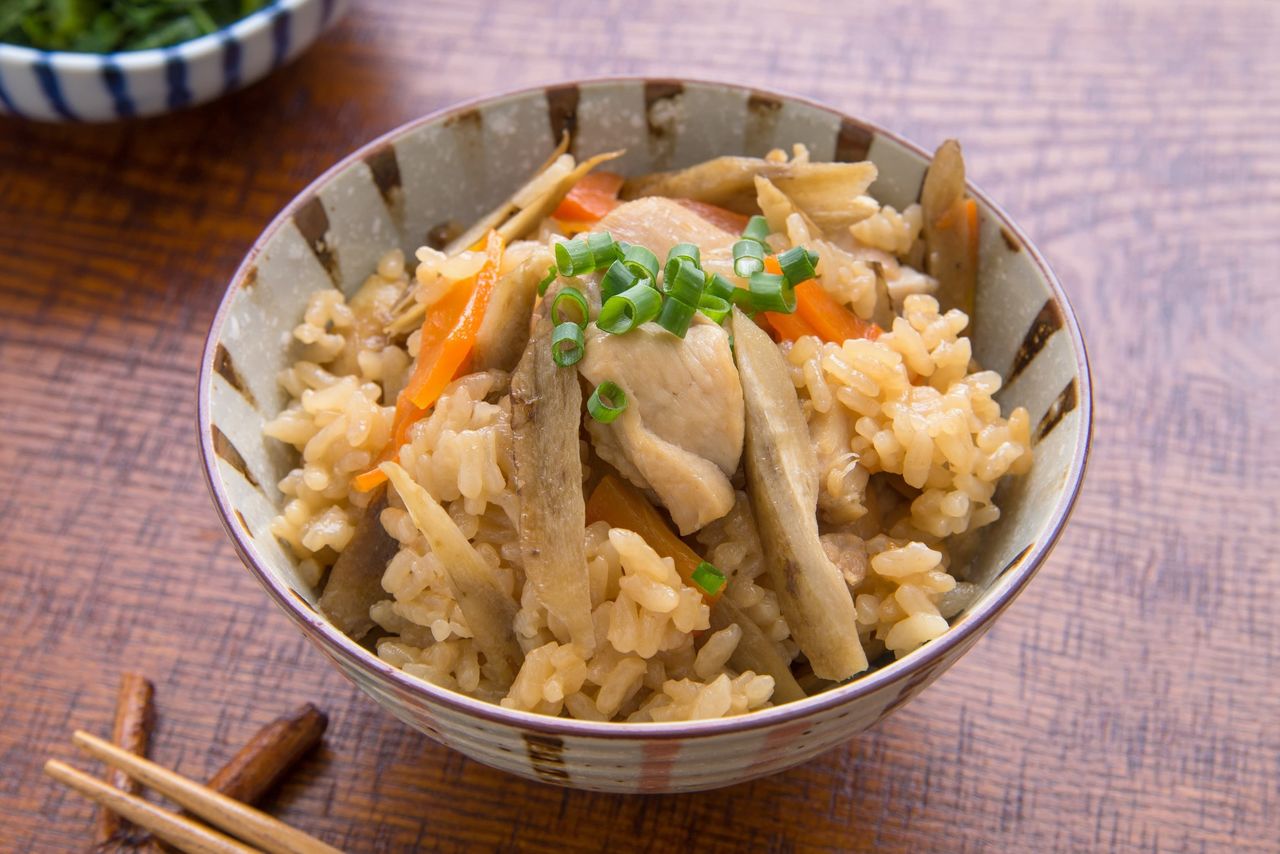
Torigobō-meshi, a dish of chicken and gobō mixed rice. (© Pixta)
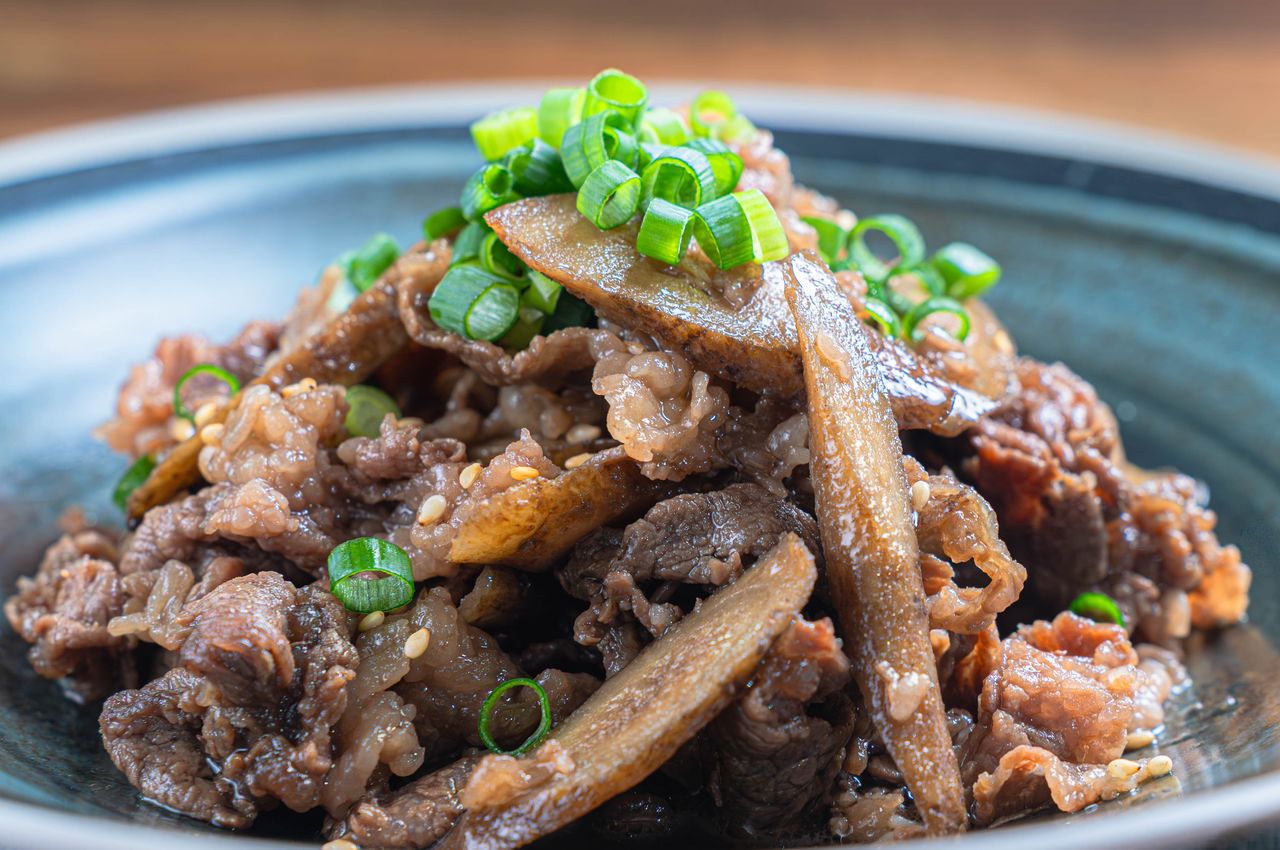
Gyūgobō-ni, simmered gobō and beef. (© Pixta)
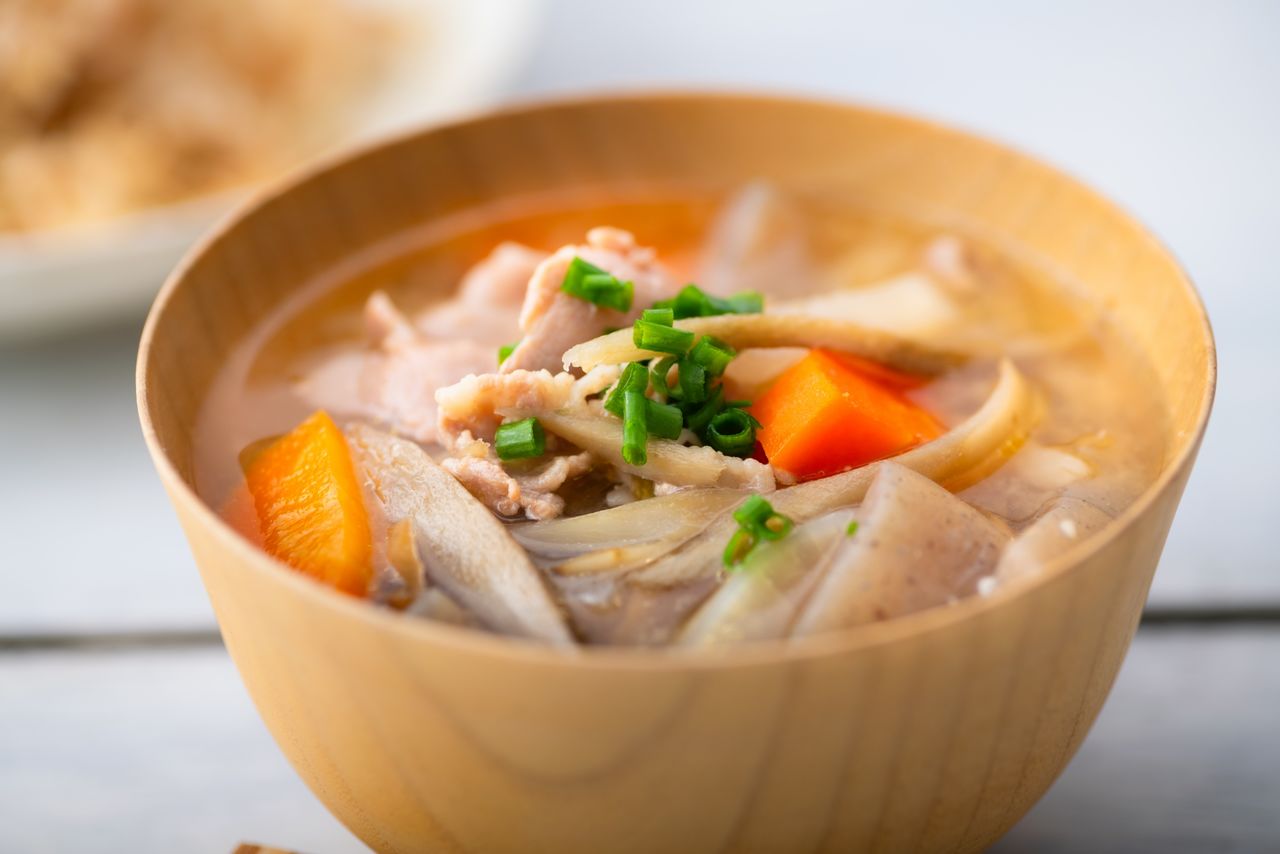
Tonjiru and Misoshiru
Adding shredded gobō to a hearty pork or miso soup makes for a delicious winter treat!
(© PhotoAC)
Gobōten
Gobōten comes in two varieties. The first is a type of satsuma-age, the general term for fish surimi that has been shaped and then fried in oil. With this, a whole stick of gobō is either wrapped in surimi (or chopped and mixed into the surimi) before frying. It is a standard ingredient in oden. In the second type, gobō is coated with batter and made into tempura. In Fukuoka, it features as a special topping for udon.
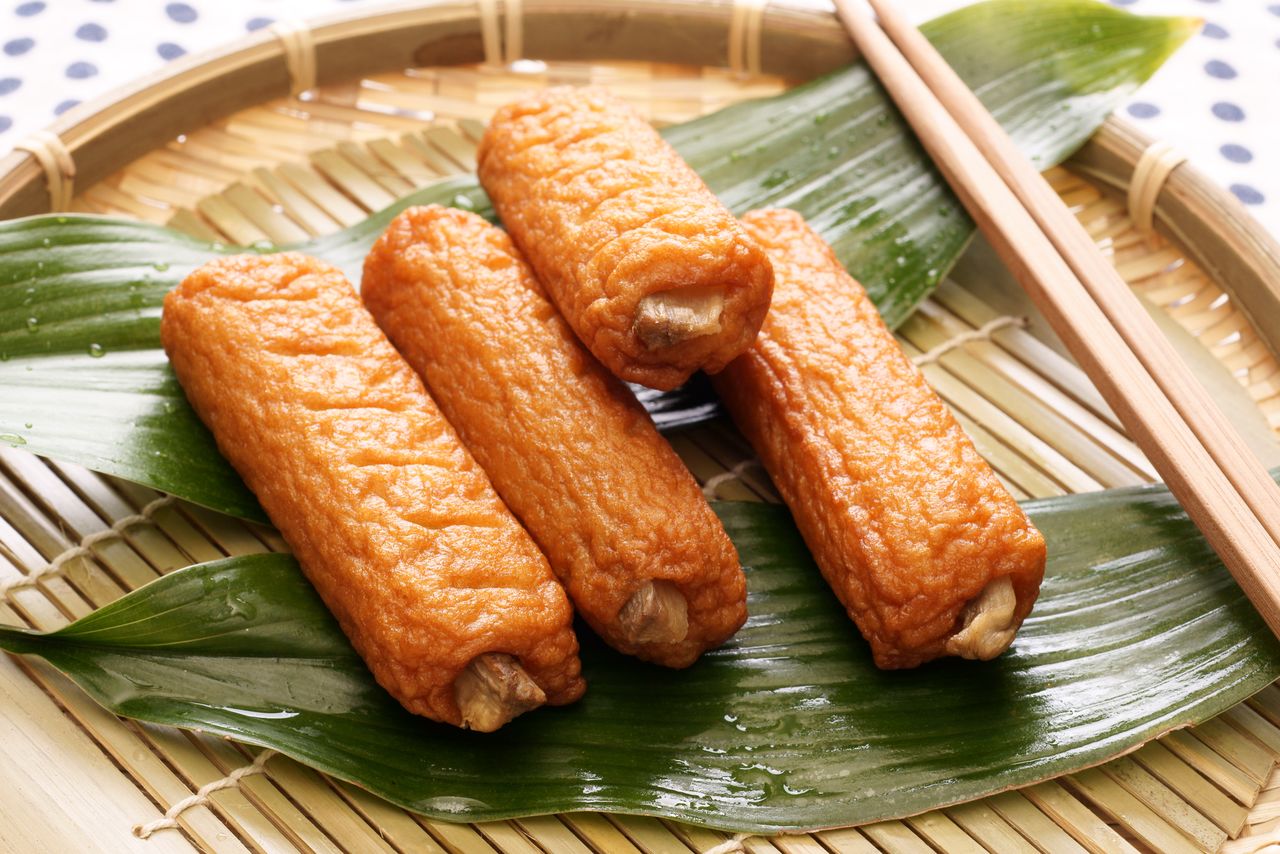
Satsuma-age gobōten. (© Pixta)
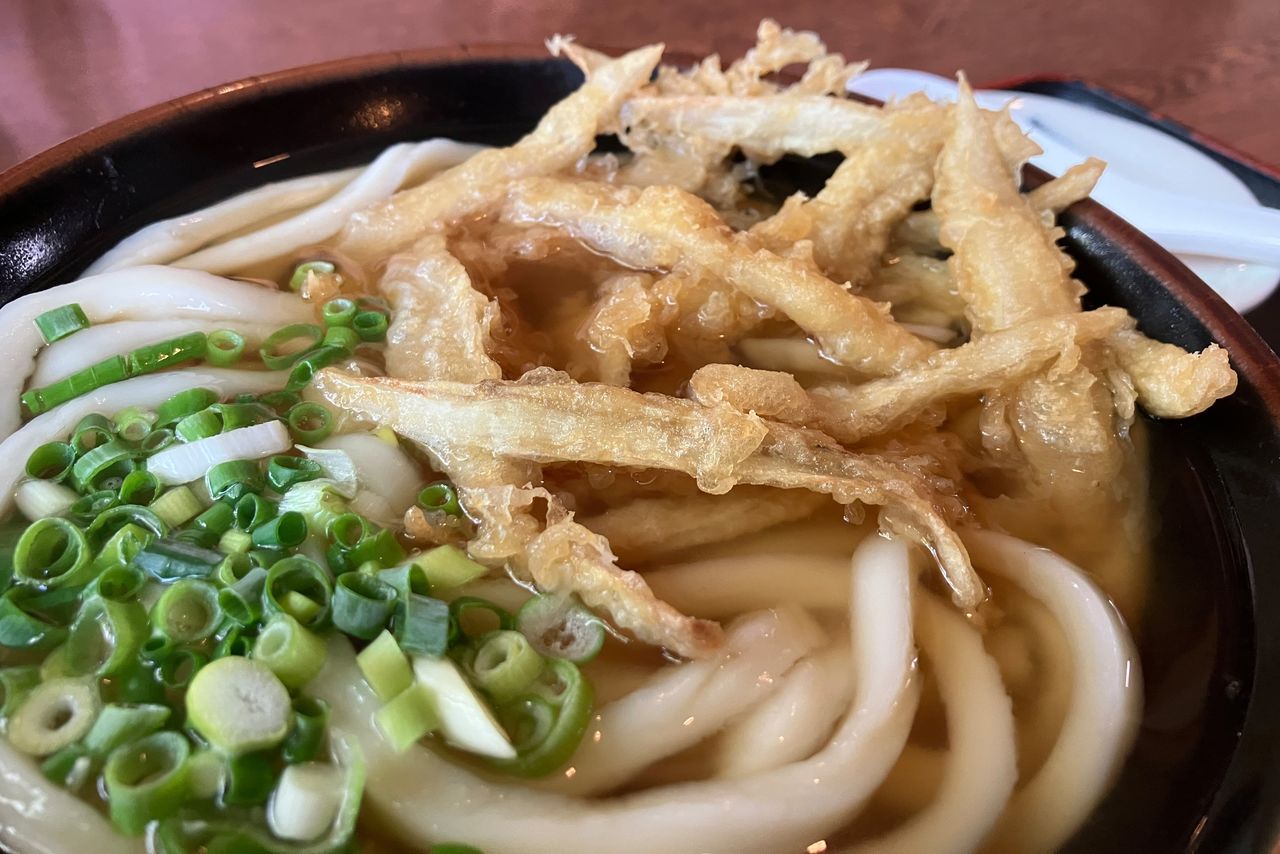
Gobōten udon. (© Pixta)
Gobō Sarada
This salad has body and a distinctive aroma that comes through even when mixed with mayonnaise. Carrot and cucumber can be added too.
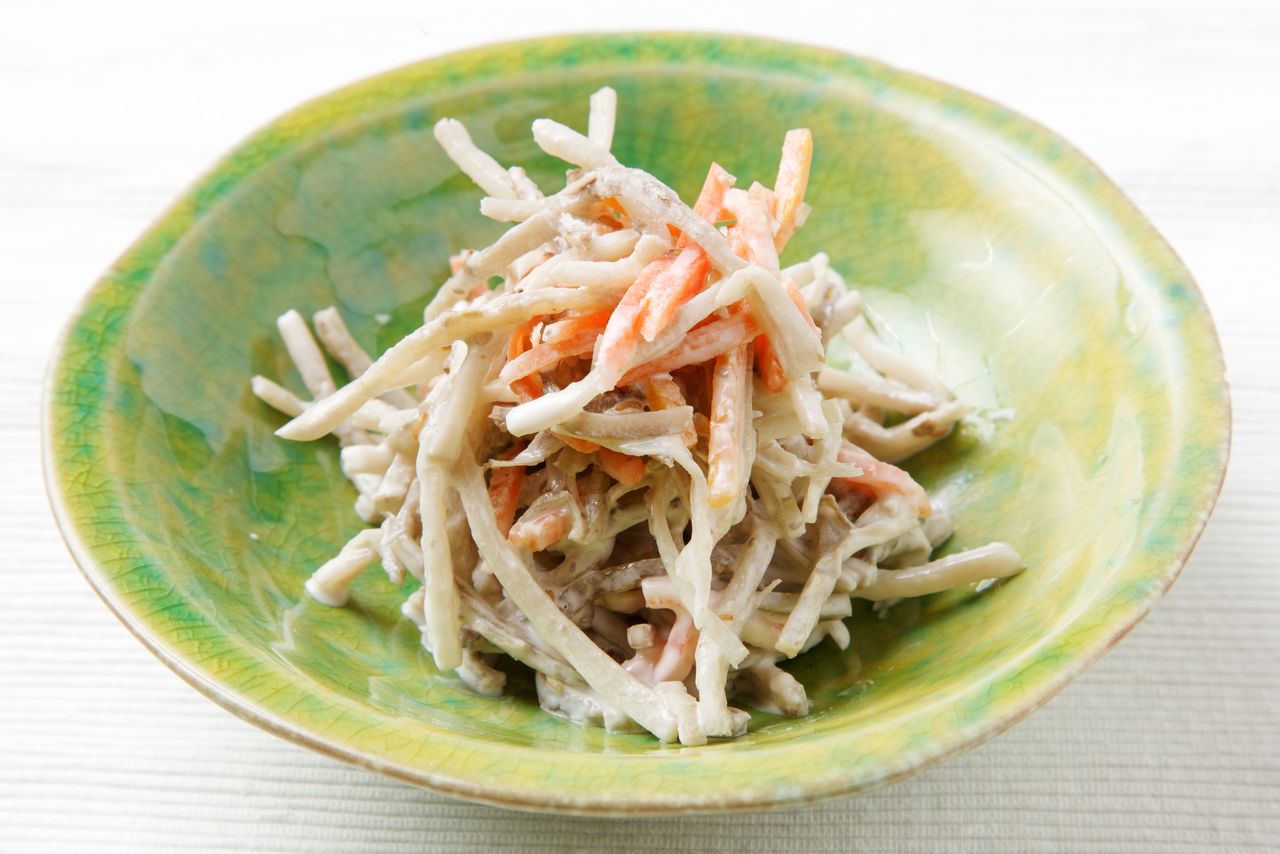
(© Pixta)
Hanabira Mochi
Here, sweetly simmered gobō is wrapped in a circle of soft gyūhi rice dough, folded over to resemble a hanabira (flower petal), hence the name. Originally served at Hatsugama, the very first tea ceremony of the year, it is now a standard wagashi to be enjoyed at New Year.
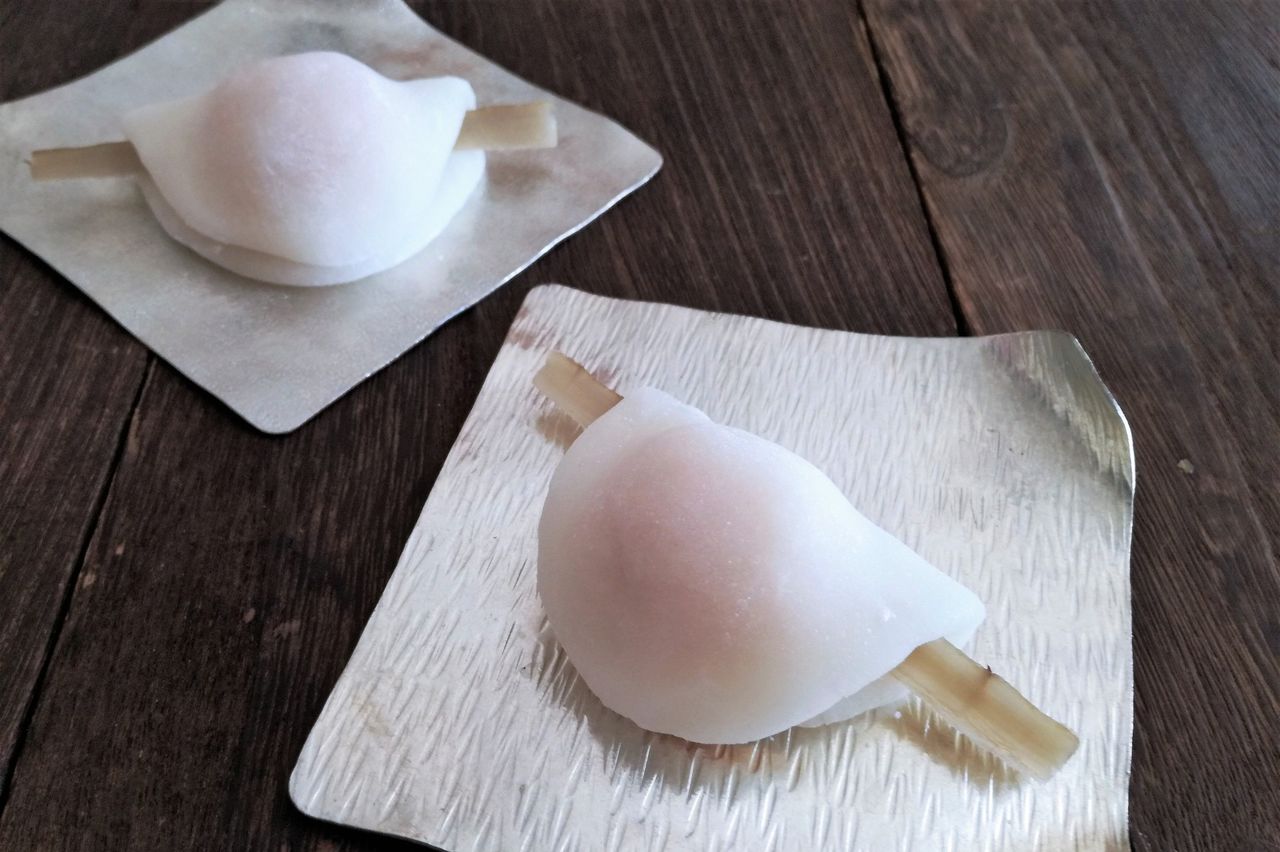
(© PhotoAC)
(Originally published in Japanese. Text by Ecraft. Banner photo: Kinpira, a typical and traditional side dish using burdock and carrot. © Pixta.)