Building Blocks: The Basic Ingredients Behind Japan’s Flavors
Nanohana: A Brilliantly Colored and Flavorful Portent of Spring
Food and Drink Culture Lifestyle- English
- 日本語
- 简体字
- 繁體字
- Français
- Español
- العربية
- Русский
Great Views, Good Eating
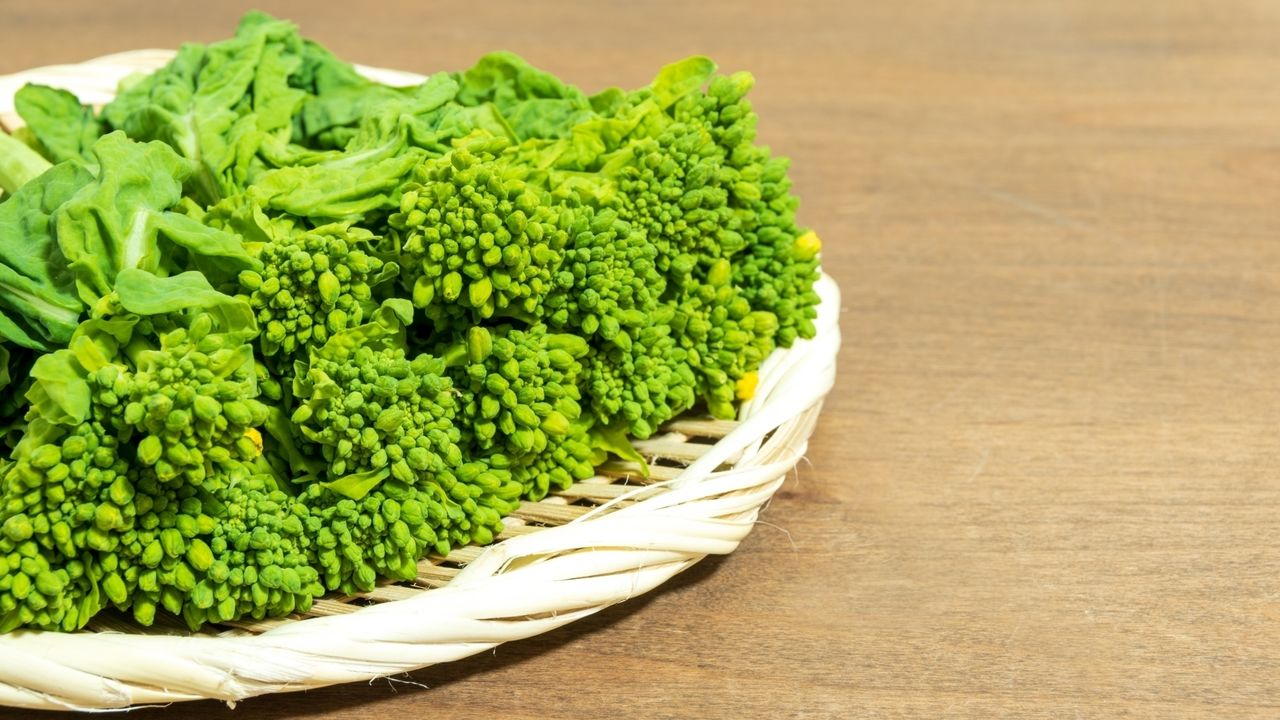
The word nanohana in Japanese brings to mind the bright colors and fresh flavors of early spring. It is a generic term—the literal meaning is “vegetable flower”—that describes a wide variety of edible flowering plants in the Brassicaceae family.
While nanohana can refer to the buds and immature stems of plants like napa cabbage, turnips, and mustard greens, in terms of Japanese cuisine it most commonly describes Brassica napus, a plant called field mustard, canola, or rapeseed flower in English. The variety is available at stores year-round but is best known as a spring vegetable, with its peak being from January to March.
The first variety of nanohana to appear in Japan was aburana, which likely crossed over from mainland Asia sometime in the Yayoi period (ca. 300 BC–300 AD). The plant produces oil-rich seeds and was widely cultivated starting in the Edo period (1603–1868). As Japan modernized during the Meiji era (1868–1912), higher yield varieties were introduced from Western countries. One in particular, seiyō karashina or brown mustard, gained traction as a vegetable and ornamental crop. Today, it can be found growing wild on river embankments and in other open areas, with many communities promoting the blossoms to attract tourists.
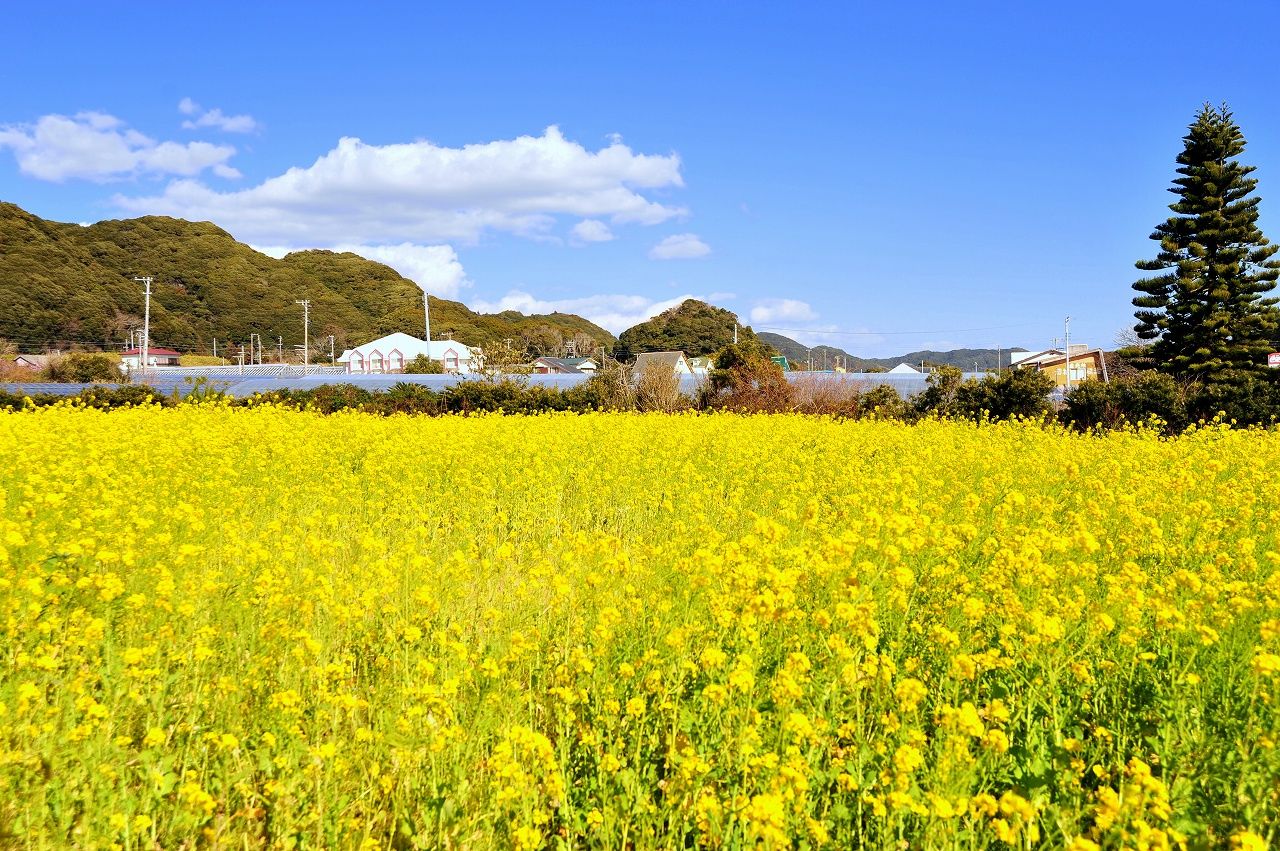
A field of blooming nanohana. (Courtesy Chiba Prefectural Tourism and Local Products Association)
Edible varieties of nanohana have been bred to have a less bitter, astringent taste and more tender stems. Plants are harvested as they are about to bloom, making nanohana a great source of vitamins and minerals, particularly vitamin C and iron.
Chiba Prefecture leads Japan in production of edible nanohana, accounting for roughly half the national harvest. This has earned nanohana special recognition as the prefectural flower.
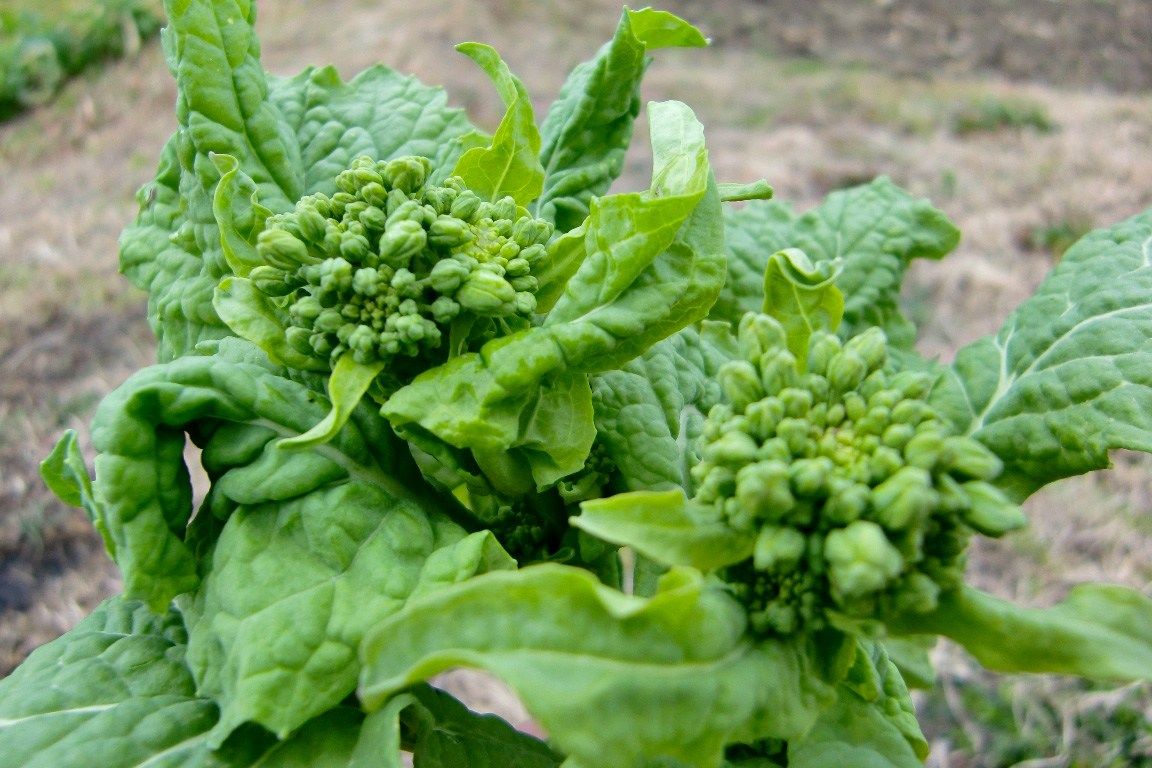
Nanohana just before harvest. (Courtesy Minami Bōsō municipal government, Chiba.)
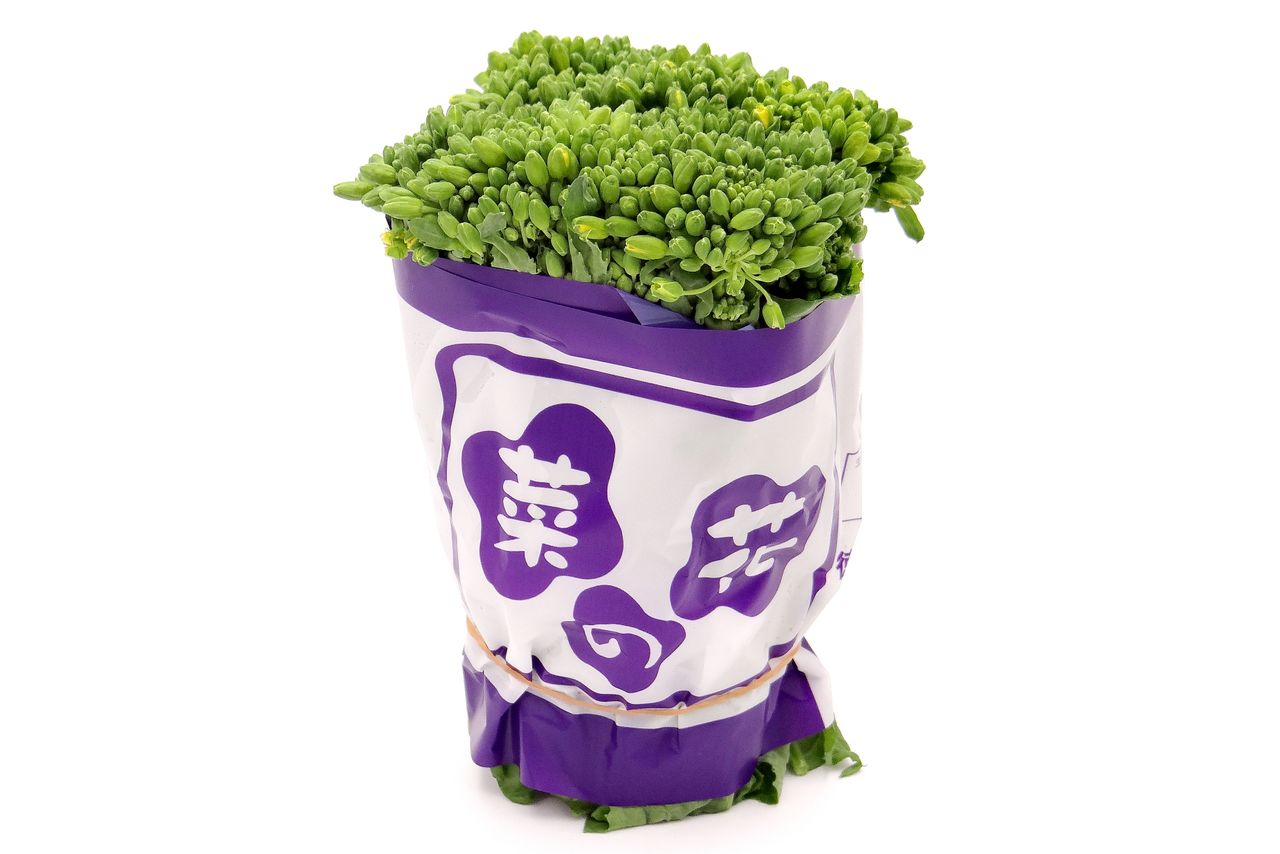
A bundle of nanohana ready for sale. (© PhotoAC)
Nanohana features in an array of simple, easy to prepare dishes that highlight its lush, green color and slightly bitter taste.
Ohitashi
Blanched nanohana marinated in dashi and soy sauce. The greens are lightly squeezed to remove excess moisture and topped with bonito flakes before serving.
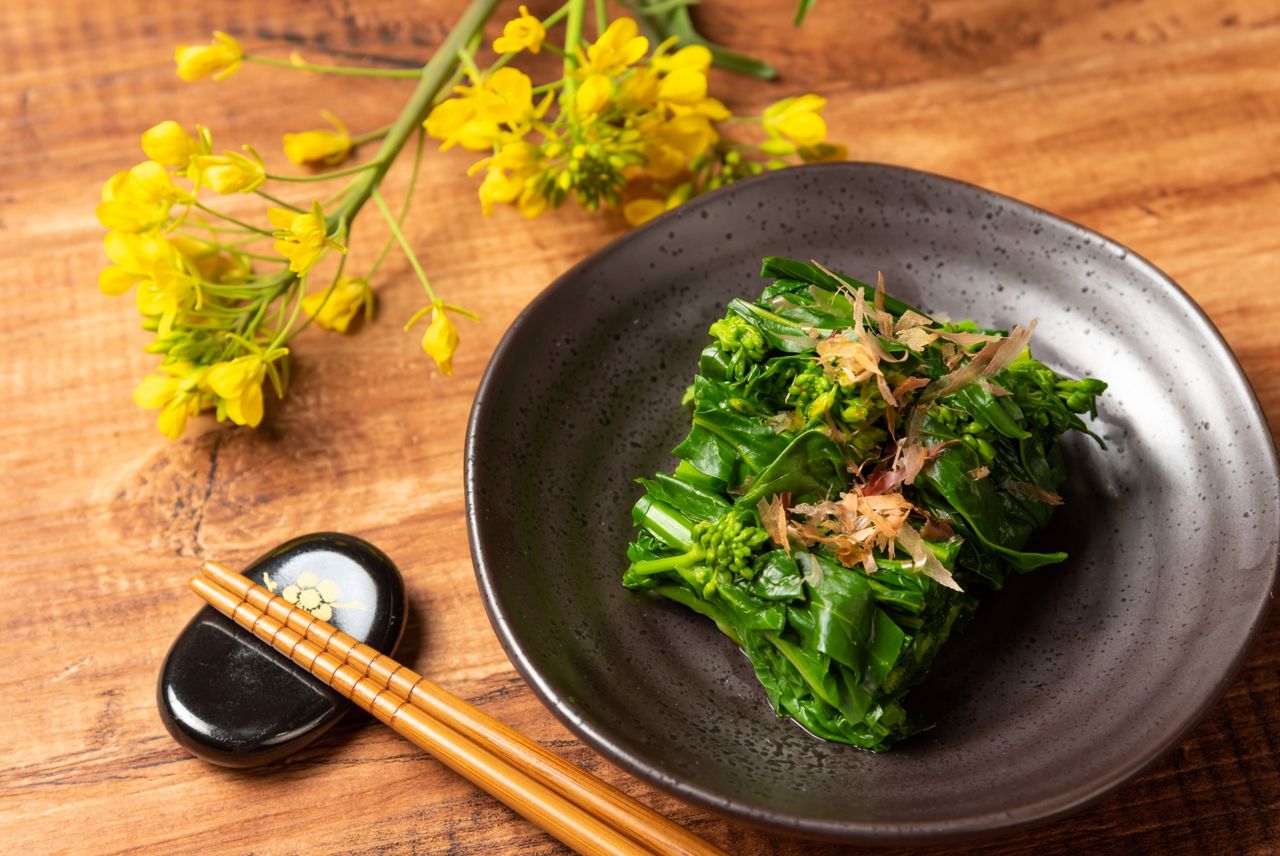
(© PhotoAC)
Karashi-ae
Blanched and tossed with a dressing of dashi, Japanese mustard (karashi), and soy sauce, this nanohana dish has a wonderfully sharp and slightly bitter taste.
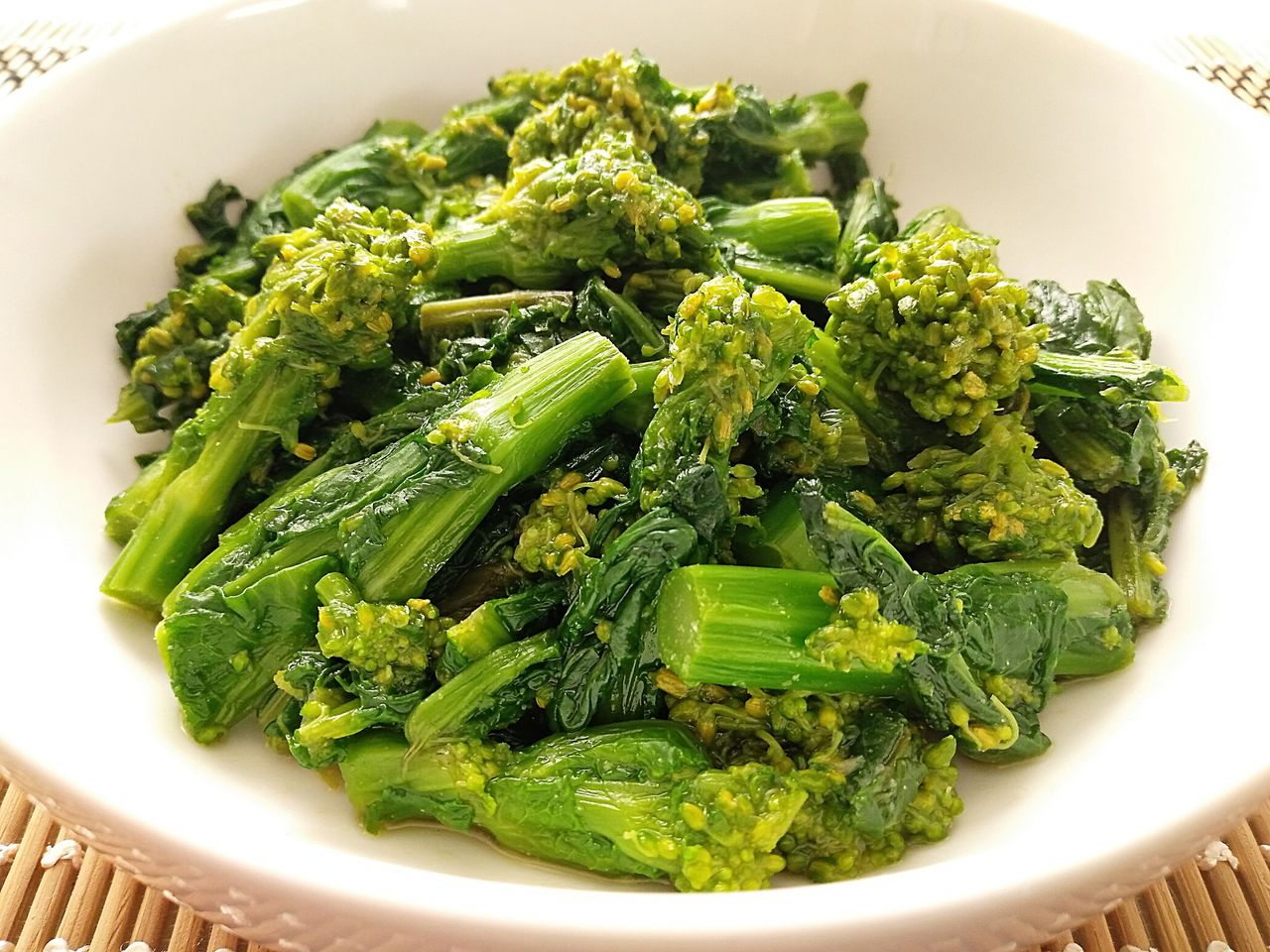
(© PhotoAC)
Tempura
Lightly battered and fried briefly, nanohana tempura has a fresh fragrance and flavor. It is best enjoyed with just a pinch of salt.
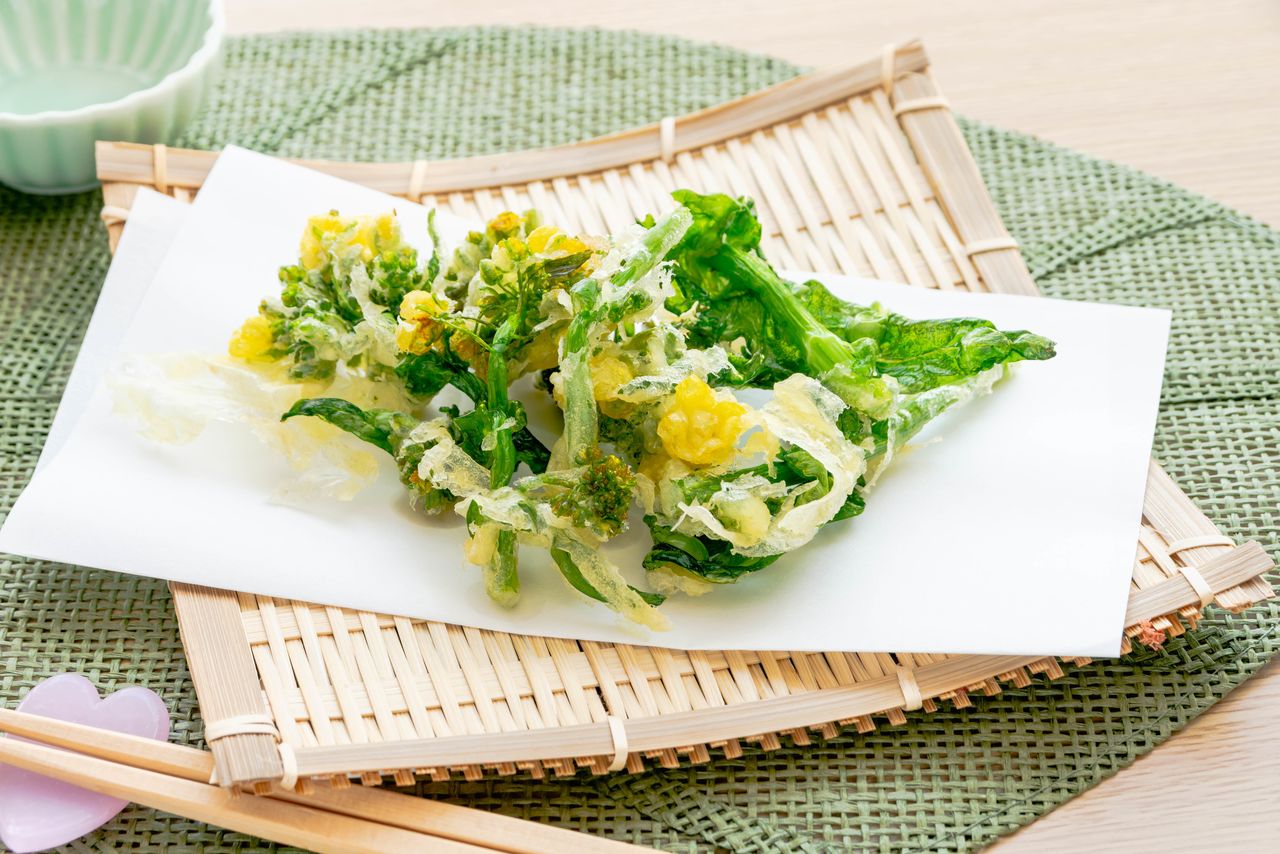
(© Pixta)
Osuimono
The vibrant green and yellow of nanohana add a touch of seasonal color to osuimono, a lightly flavored clear soup. A traditional version enjoyed on Hinamatsuri on March 3 is made with clams (hamaguri), the paired shells of which symbolize a long, happy marriage.
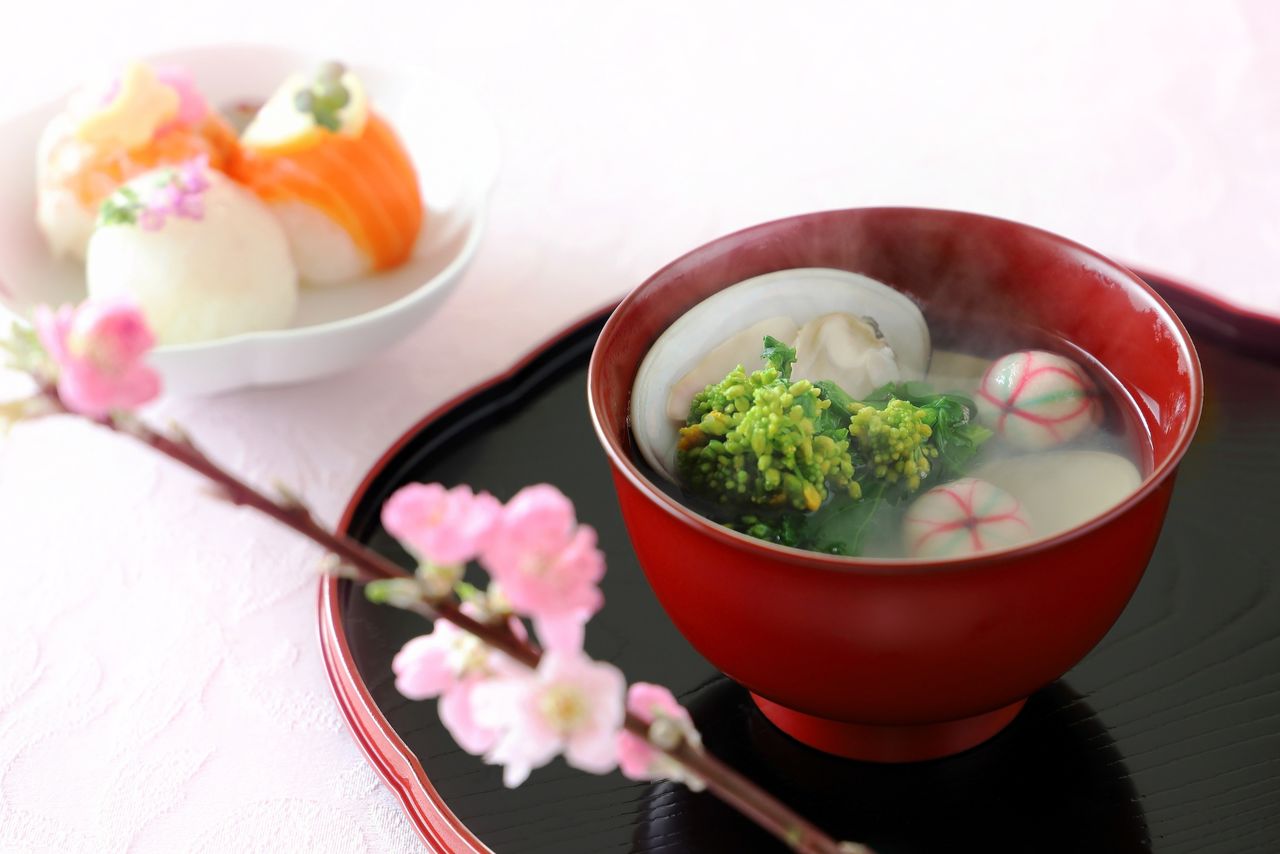
(© Pixta)
Pasta
Nanohana is not limited to Japanese dishes. As its roots can be found in plants native to the Mediterranean coast like cime di rapa, which is a springtime delicacy in Italy, it provides a seasonal flair to pasta dishes and other Western fare.
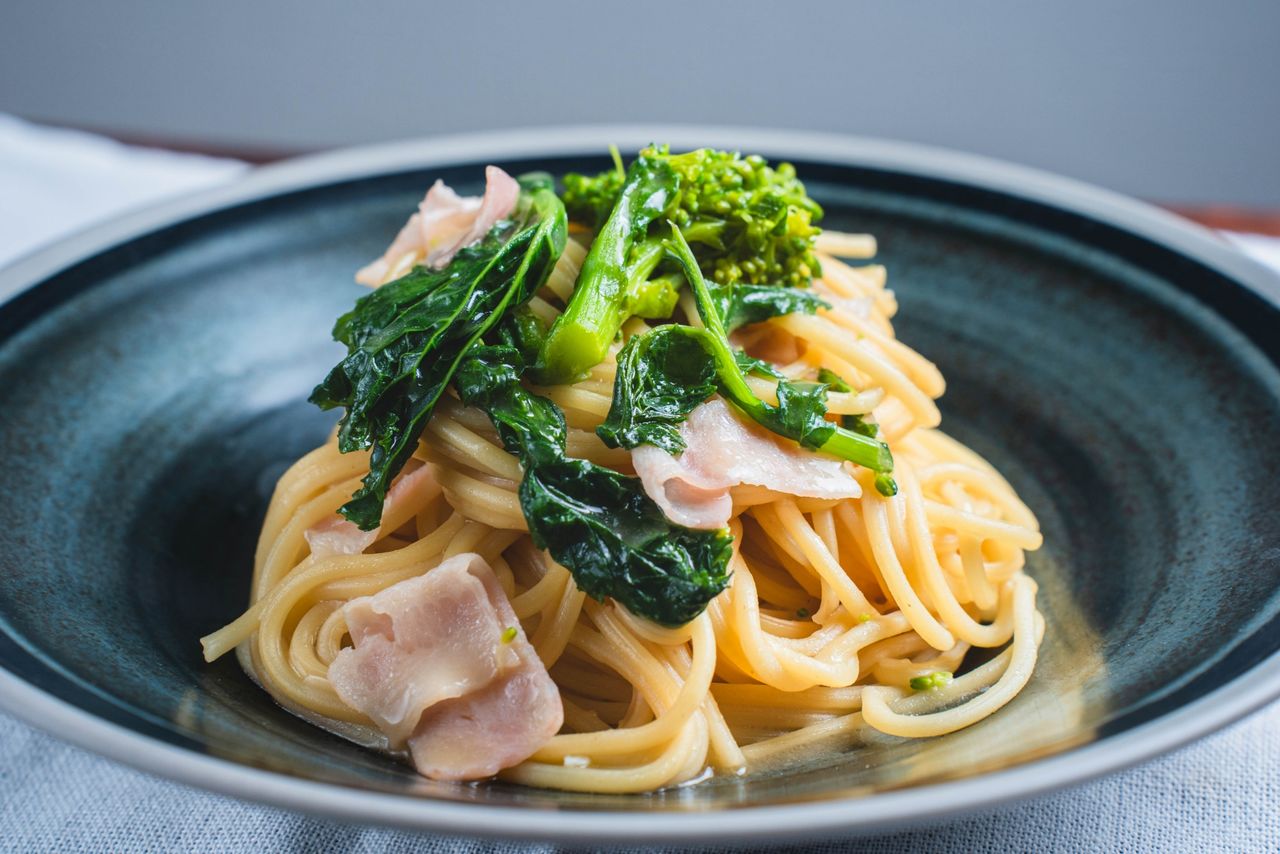
(© PhotoAC)
(Originally published in Japanese. Text by Ecraft. Banner photo: A bundle of lush nanohana. © PhotoAC.)