Building Blocks: The Basic Ingredients Behind Japan’s Flavors
Sharpen Up with Umeboshi: A Recipe Collection
Food and Drink Culture Lifestyle Guide to Japan- English
- 日本語
- 简体字
- 繁體字
- Français
- Español
- العربية
- Русский
Onigiri Rice Balls and Bentō Box Lunches
Umeboshi is frequently paired with white rice; it is a standard filling for onigiri. Finely chopped umeboshi can also be mixed with freshly cooked rice, though.
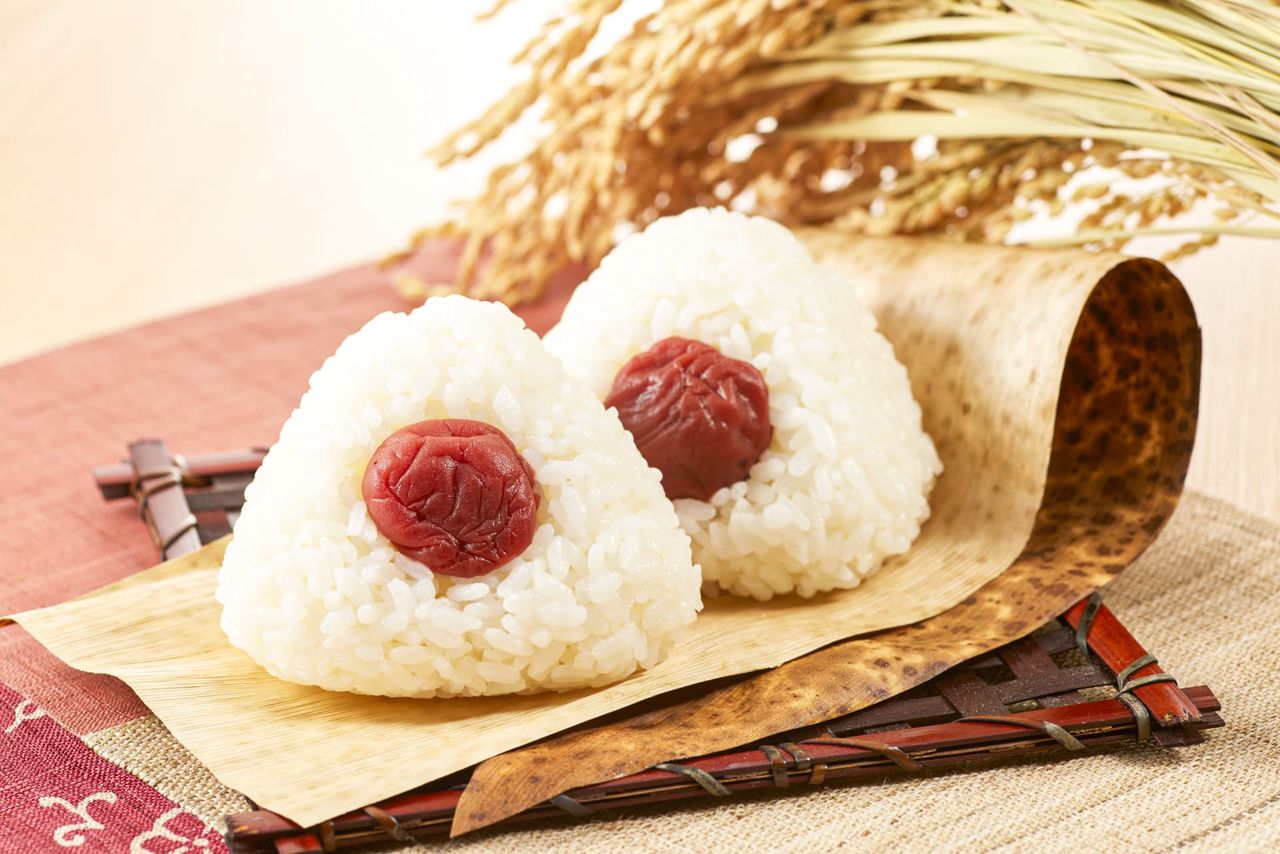
(© PhotoAC)
Umeboshi are also often included in bentō; since olden times, people have learned that the pickle’s acidity helps make the rice less perishable. Incidentally, bentō containing a single umeboshi on a bed of rice is called hinomaru bentō, after its resemblance to Japan’s Hinomaru rising sun flag.
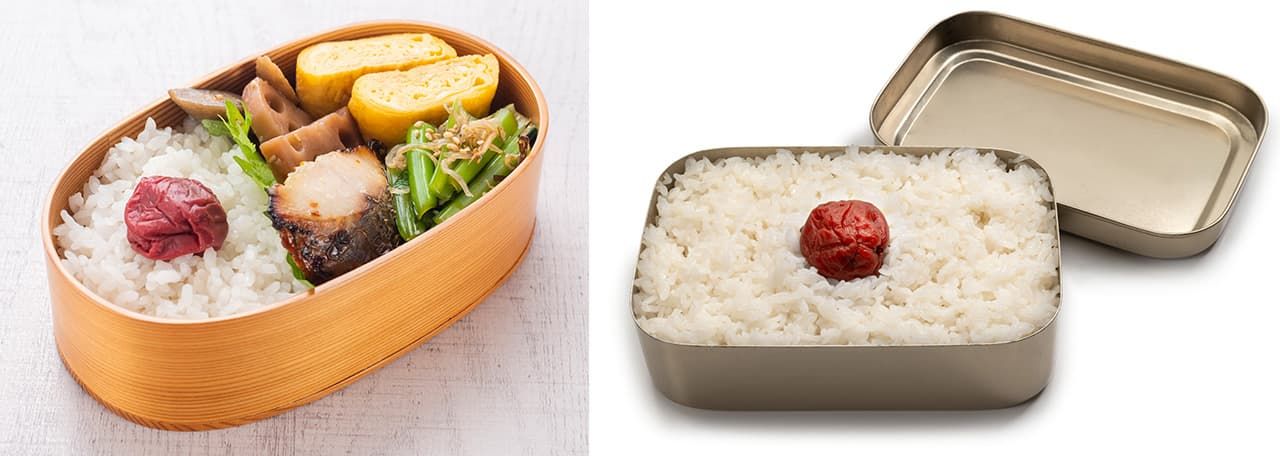
(© Pixta)
Ume Chazuke/Umegayu
Ochazuke is a light meal created by pouring tea over rice and pickles, in this case umeboshi. Slurping the rice while breaking up the umeboshi it contains often helps recovery from a hangover or works to boost the appetite when you’re feeling low due to a cold. Instant ochazuke packets often feature umeboshi as one of the flavor selections. Umeboshi is also delicious added to okayu rice porridge.
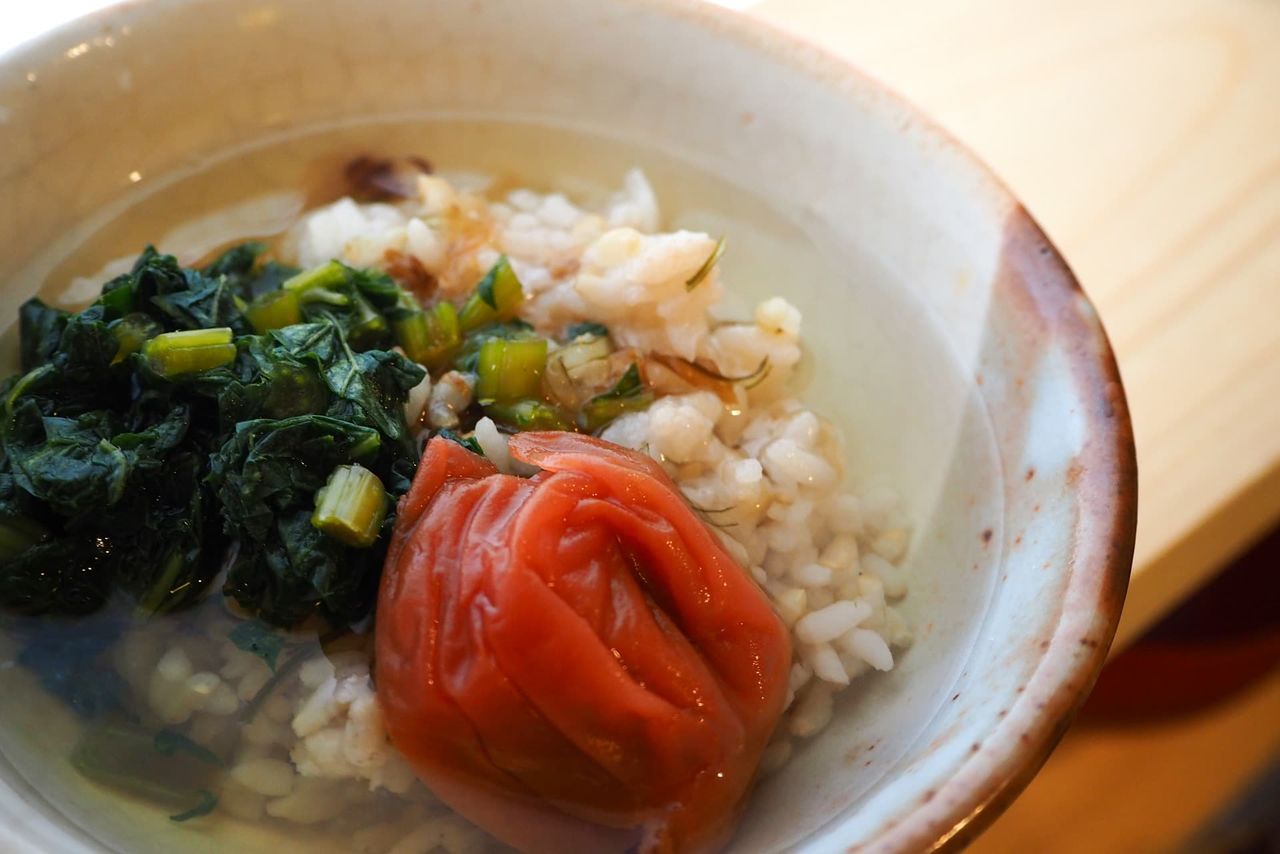
(© PhotoAC)
Umeboshi with Noodles
Add umeboshi to sōmen, thin wheat noodles popular in summer; thick and chewy udon noodles; even pasta, to create a Japanese-style noodle treat with a light, refreshing flavor.
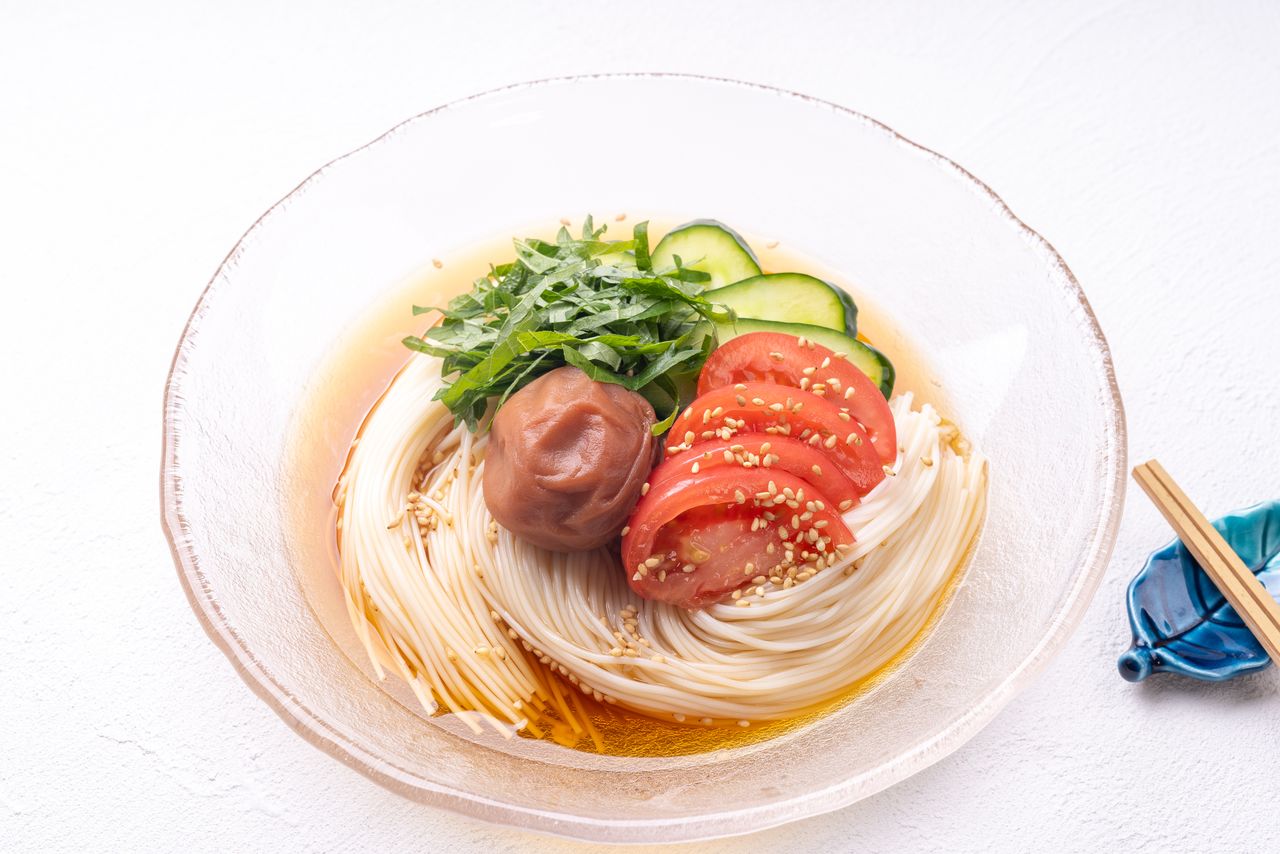
Sōmen with umeboshi. (© Pixta)
Umeboshi with Katsuobushi, Hijiki, and Shirasu
Given its dominant taste, umeboshi is often used to accent other foods. It is also a popular furikake rice-topping flavor.
![From left: Umeboshi with katsuobushi bonito flakes [© Pixta]; with hijiki, a type of black, stringy seaweed [© Pixta]; and mixed with shirasu whitebait for onigiri [© PhotoAC].)](/en/ncommon/contents/japan-topics/2992457/2992457.jpg)
From left: Umeboshi with katsuobushi bonito flakes [© Pixta]; with hijiki, a type of black, stringy seaweed [© Pixta]; and mixed with shirasu whitebait for onigiri [© PhotoAC].)
Bainiku-ae
Bainiku or neri ume (ume spread) is the chopped flesh of umeboshi made after removing the pit from the fruit, particularly the softer versions of the ingredient. Pairing flavored bainiku with various other items makes for interesting side dishes.
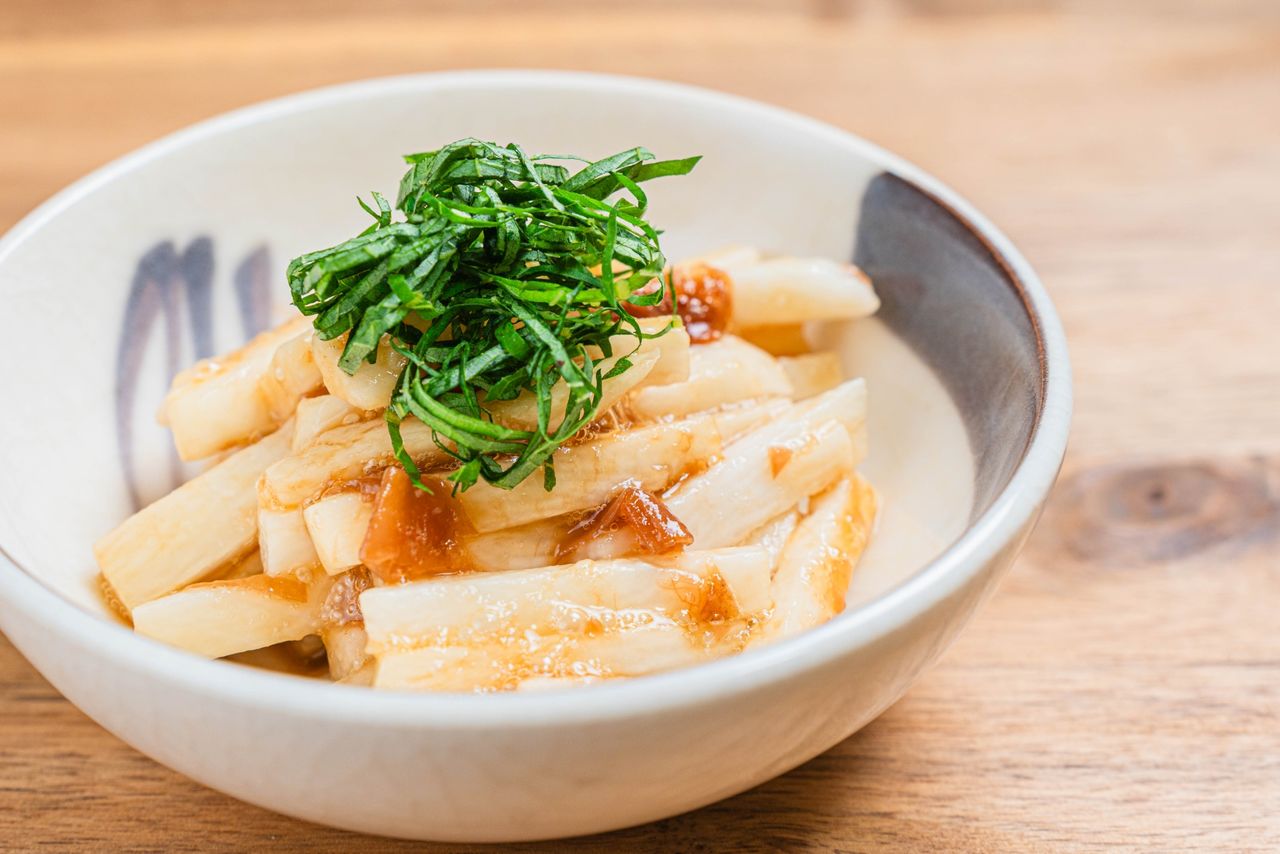
Yamaimo mountain yam with chopped umeboshi. (© PhotoAC)
Umeyakko
Umeboshi is a great companion to base foods like tōfu. Topping tōfu with minced bainiku and other condiments, like shiso leaves, is a great variation on a classic dish.
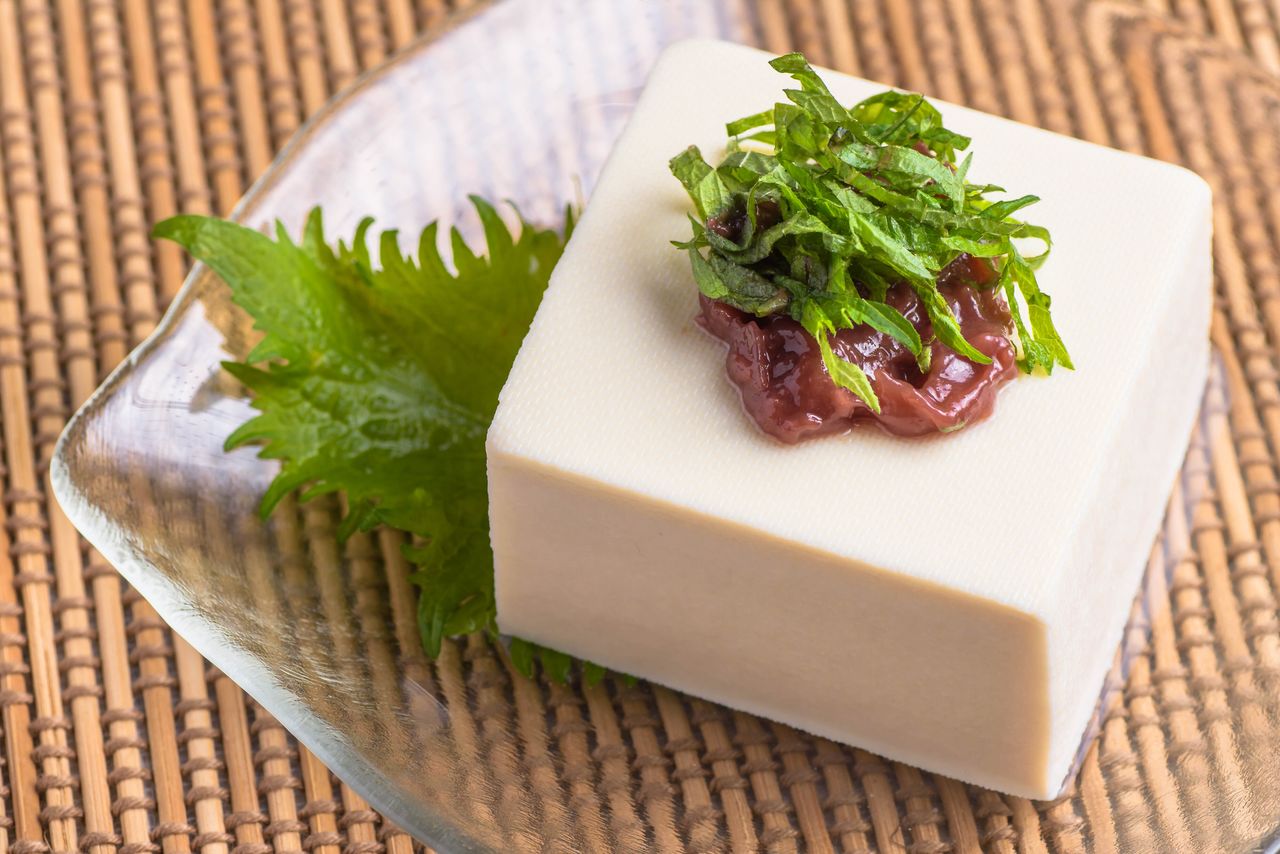
(© Pixta)
Umekyū
Cucumber (kyūri, providing the second part of the name of this dish) is another ingredient that is often paired with umeboshi. This combination frequently appears in makizushi rolls or even in a simple salad, with rough chunks of cucumber and chopped umeboshi.
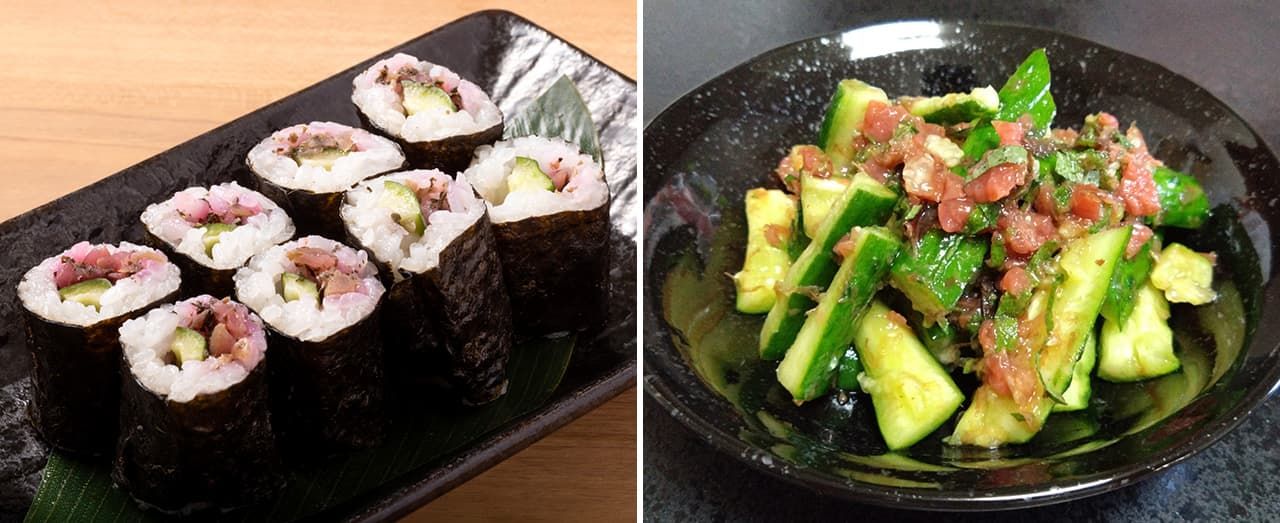
Umekyū makizushi (© Pixta) and bainiku with cucumber (© PhotoAC).
Deep-Fried Umeboshi and Chicken Tenders
Deep-fried chicken tenders wrapped around a shiso leaf, with a spread of bainiku, make a great snack to accompany alcoholic drinks. This dish also often appears in bentō lunches.
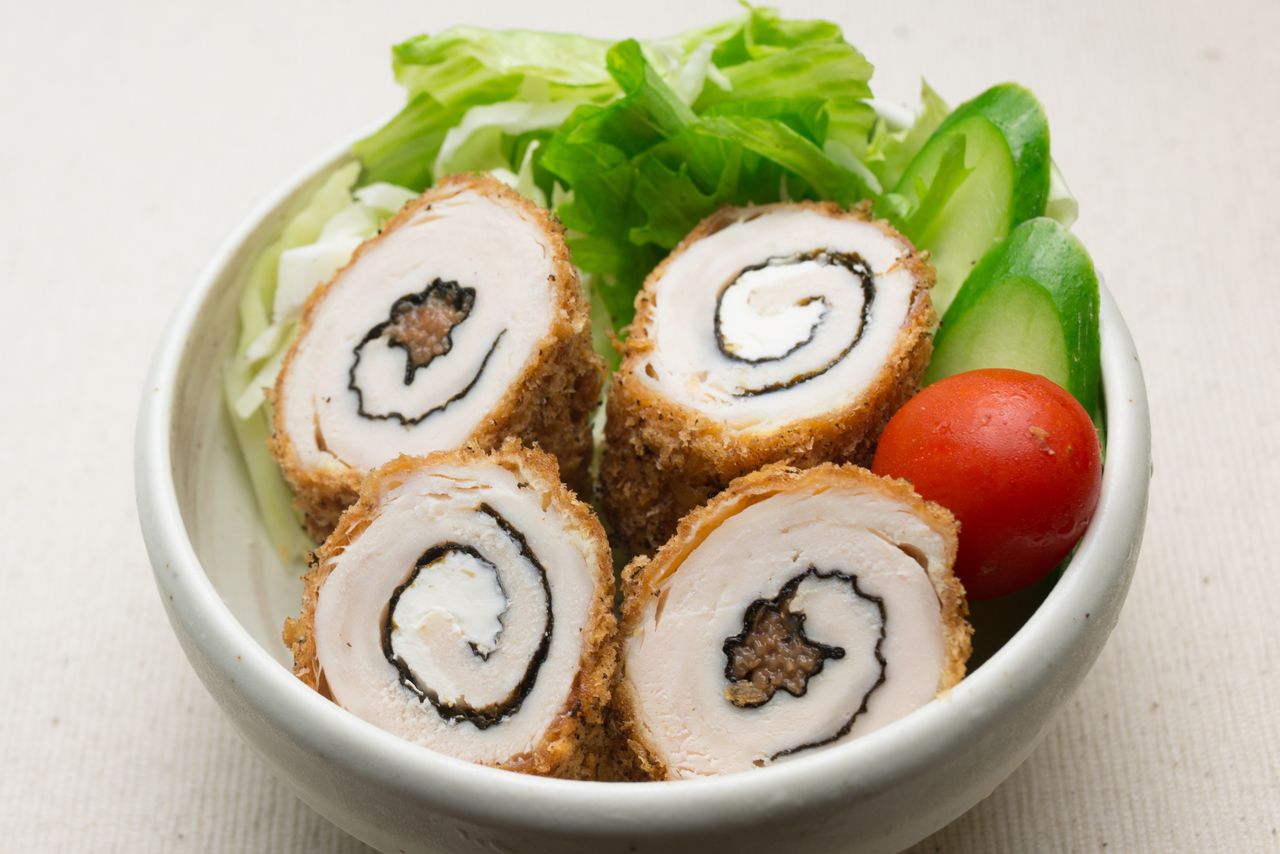
(© Pixta)
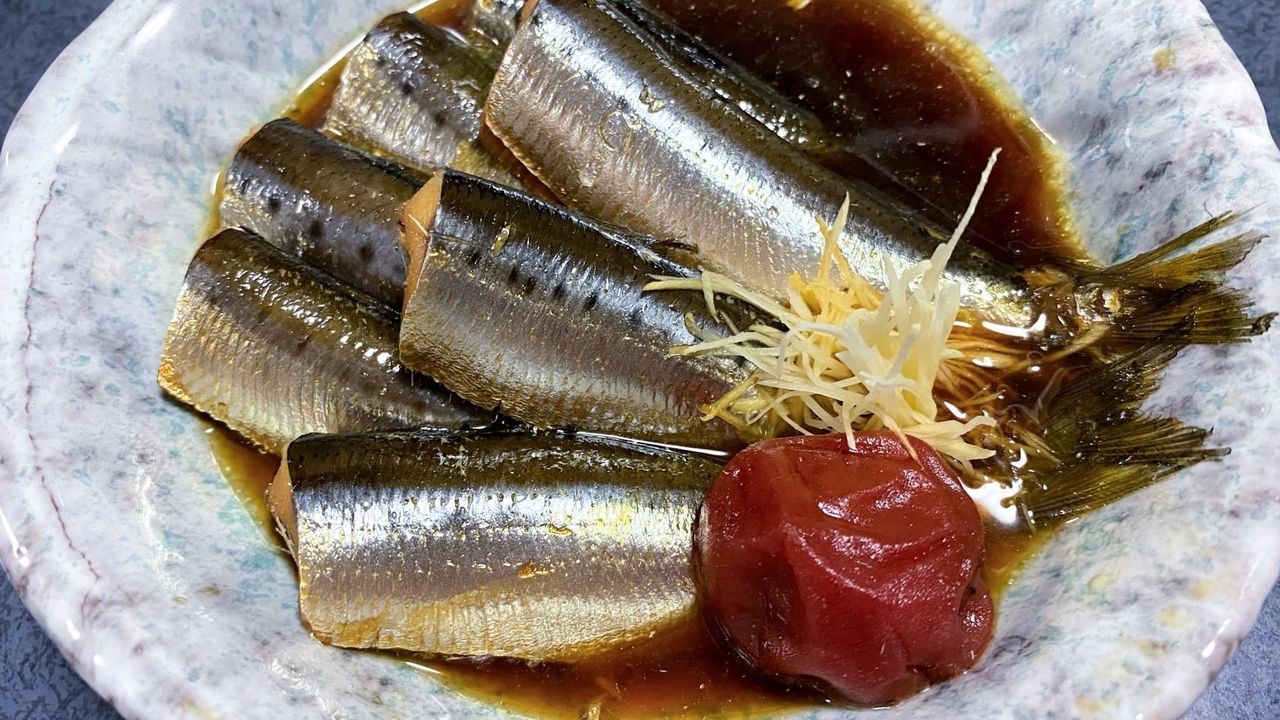
Sardines Simmered with Umeboshi
A classic fish preparation passed down over the years. Simmering umeboshi together with fish eliminates the seaside smell, and the acid in the umeboshi softens the fish bones and lessens the sardines’ oiliness: an umeboshi trifecta.
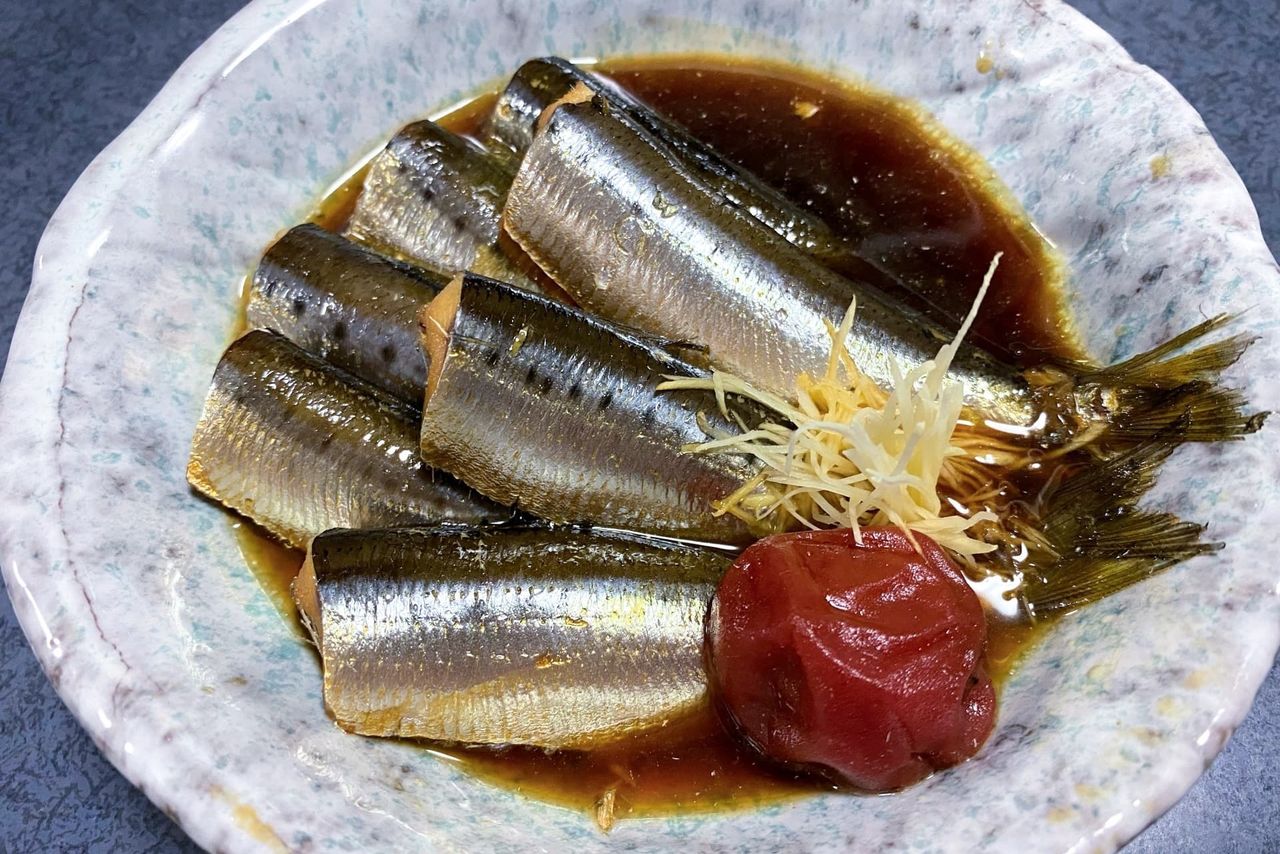
(© Pixta)
Karikari Ume
There are endless varieties of umeboshi-flavored treats, from candy and gummies to senbei rice crackers and potato chips. Crisp, crunchy karikari ume are also popular and can be found in convenience store and supermarket snack sections, among other products sold to go with drinks. They’re also a great way to fight off drowsiness.
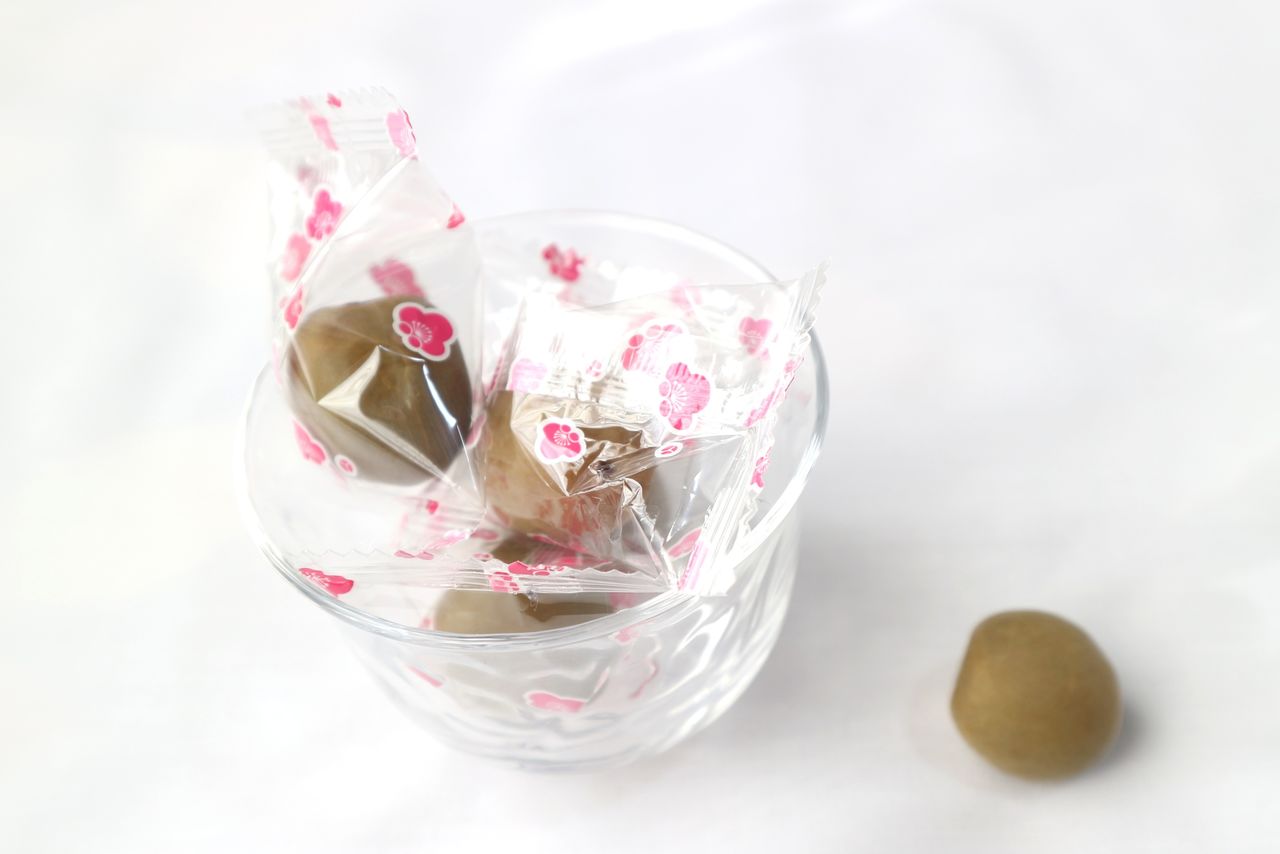
(© Pixta)
Shōchū with Umeboshi
Umeboshi can be added to shōchū distilled spirits mixed with hot water or soda water. Breaking up the umeboshi in the drink creates a mild flavor with just the right balance of saltiness and acidity to soften the effect of the alcohol. Shōchū with umeboshi is popular in izakaya pubs too.
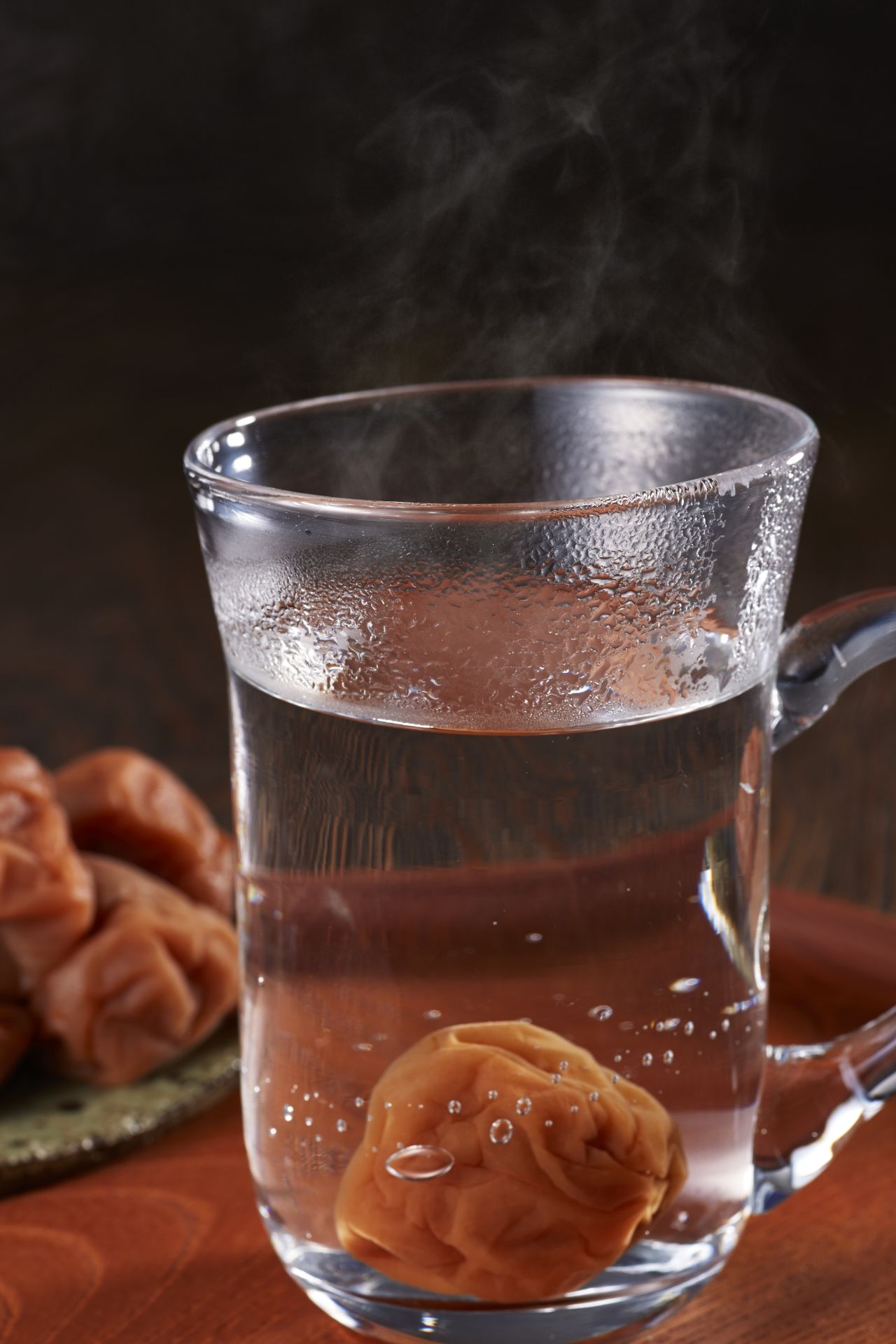
(© PhotoAC)
(Originally published in Japanese. Banner photo: Sardines simmered with umeboshi. © Pixta.)