Building Blocks: The Basic Ingredients Behind Japan’s Flavors
Shōyu: A Source of Flavor Essential to Japanese Cuisine
Food and Drink Culture Lifestyle Guide to Japan- English
- 日本語
- 简体字
- 繁體字
- Français
- Español
- العربية
- Русский
A True Taste of Home
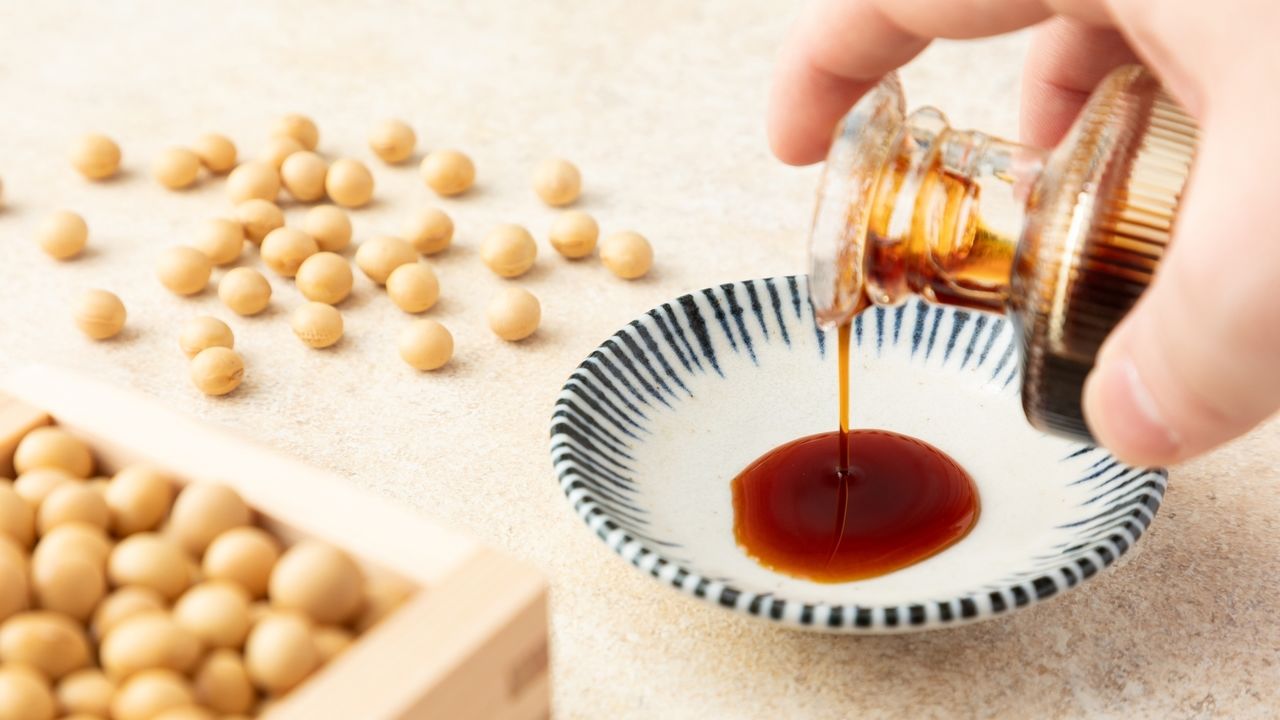
Shōyu, or soy sauce, is one of Japan’s most representative foods and an essential condiment in Japanese cuisine. It is widely used to add flavor and aroma to dishes and is so popular that it can be found in every home. This sauce is made mainly from soybeans, wheat, kōji (fermented rice), and salt. The action of microorganisms starts a decomposition and fermentation process that causes the mixture to mature, thus developing its characteristic color, taste, and aroma.
Each region has its own distinct type of shōyu and there are many different variations, depending on the ingredients and preparation methods used. There are five main types of shōyu—koikuchi (dark), usukuchi (light), tamari (dark and thick), saishikomi (double-fermented), and shiro (extra light).
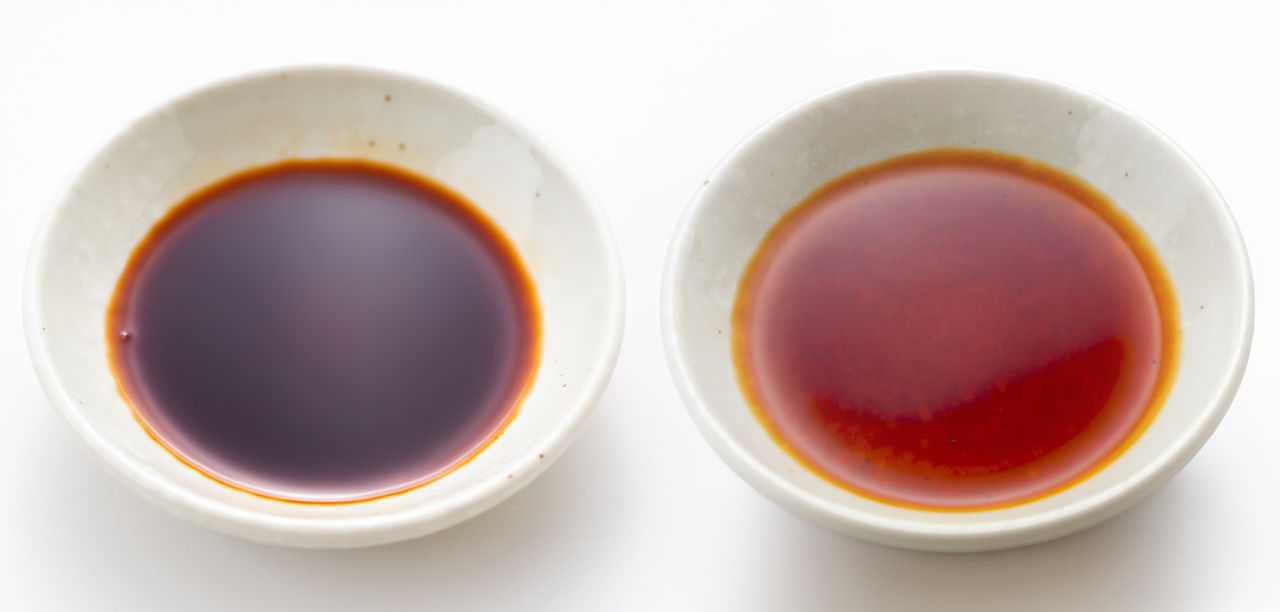
Koikuchi dark soy sauce (left) is the main type used in the Kantō region, while usukuchi light soy sauce (right) is preferred in Kansai. (© Pixta)
Koikuchi is the most common kind, accounting for around 80% of all shōyu produced in Japan. It is characteristic for its deep, rich brown color, along with a distinct umami and aroma developed through the maturing process.
In the Kansai region, people prefer the paler usukuchi. Although lighter in color, the salt concentration is higher than that of koikuchi. Usukuchi is used in Kyoto cuisine and other similar dishes, where the focus is on the color and flavor of individual ingredients.
Tamari, primarily produced in the Chūbu region, is made using a higher proportion of soybeans. This gives it a rich umami taste and a thicker consistency than that of koikuchi. Saishikomi, as its name suggests, is produced using a double-fermenting process where shōyu is used instead of brine, so it becomes deep and rich in color, taste, and aroma. The last main type, shiro, is palest in color, with an amber hue. It is made using a higher proportion of wheat and is known for its unique aroma and sweetness.
Chiba, Kingdom of Shōyu
The origins of shōyu lie in the Chinese fermented soy-based paste known as jiang. Introduced into Japan around the Nara period (710–94), it appears to have been used as a condiment somewhere between soy sauce and miso. In the Kamakura period (1185–1333), the liquid that accumulated at the bottom of the barrels during the fermentation of this paste started to be used. This is said to be the original form of tamari. The soy sauce we would recognize now appeared in the late Muromachi period (1333–1568), and the earliest recorded reference to the term shōyu can be found in the Setsuyōshū, a Japanese dictionary published in 1597.
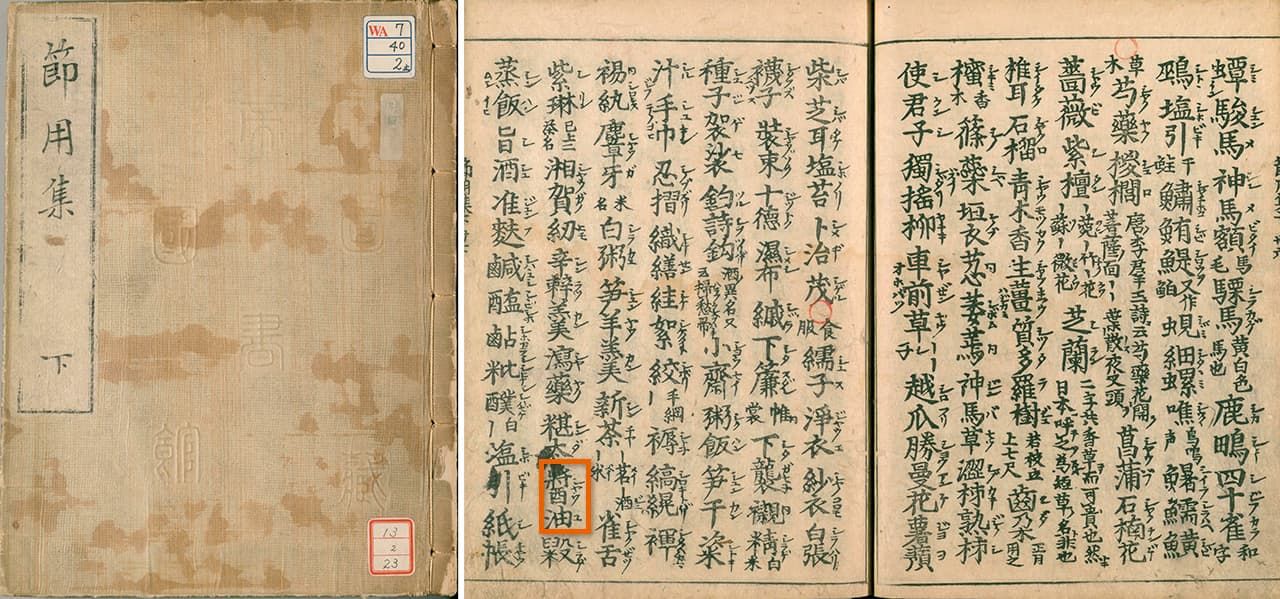
The cover of the second volume (left) of the 1597 Setsuyōshū Japanese dictionary, along with the entry for soy sauce, using the kanji 醤油. Its given reading is shōyu. (Courtesy National Diet Library)
Chiba Prefecture is the largest producer of shōyu in Japan, accounting for 35% of total domestic production. The well-known major brand Kikkōman is located in the city Noda, while Yamasa and Higeta both have factories in Chōshi. Shōyu production became firmly established in Chiba during the Edo period (1603–1868), due to its convenient location, with easy access to the major consumer market in Tokyo via the Tone and Edo rivers and proximity to the production areas for soybeans and wheat, two of the main ingredients.
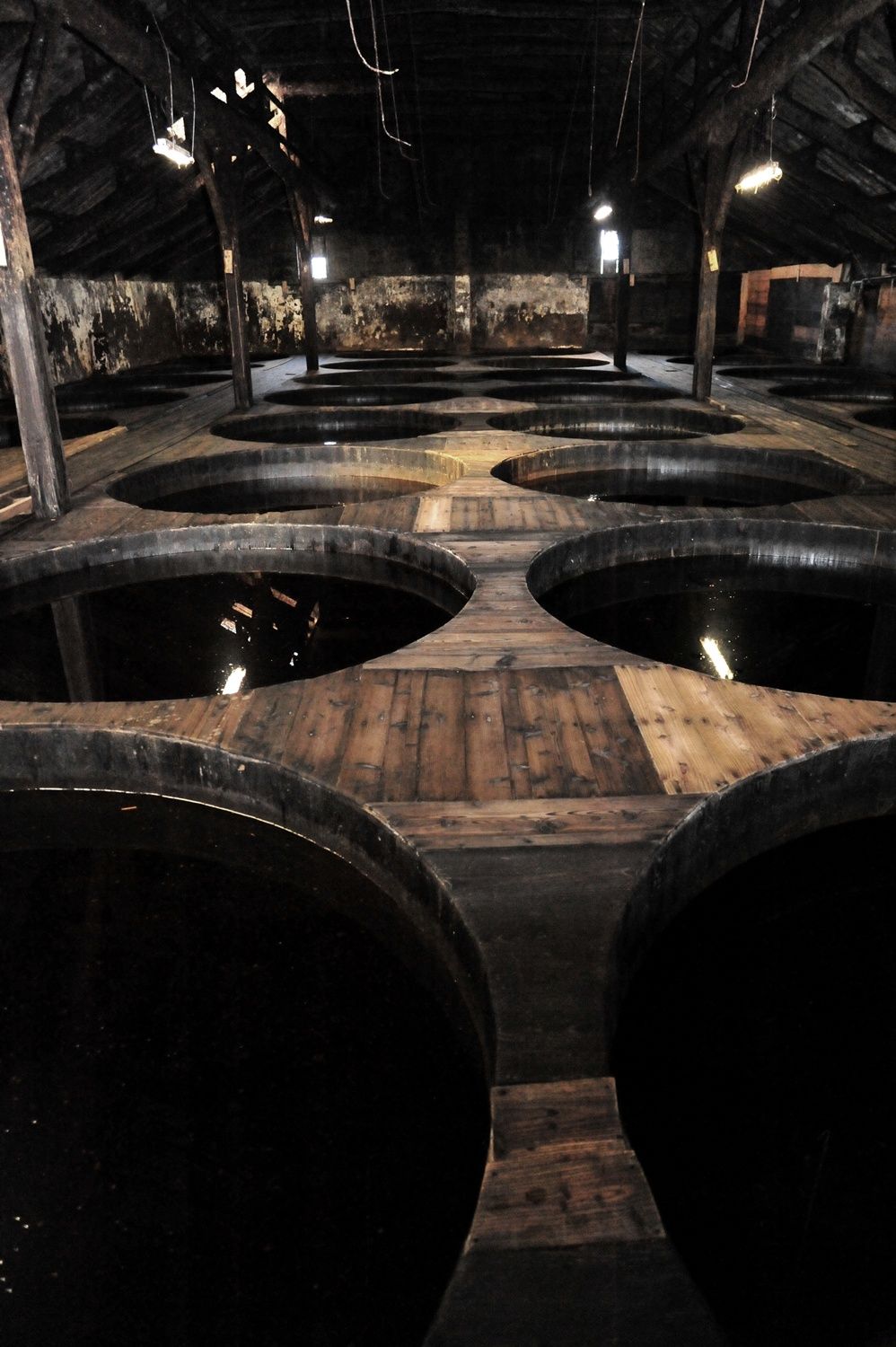
A shōyu brewery in Tōnoshō, Chiba, that still continues to produce the condiment using traditional methods. (Courtesy Chiba Prefectural Tourism and Local Products Association)
Although Japanese diets became more westernized after World War II, shōyu has remained indispensable in ordinary households. In the late 1950s, teriyaki enjoyed a boom in the United States, leading to increased awareness of the condiment overseas. In recent years, with Japanese cuisine becoming more popular around the world, shōyu exports have been rising and some Japanese companies have established production bases abroad.
Data Sources
- Shōyu, miso, other seasonings (Japanese) from the Ministry of Agriculture, Forestry, and Fisheries
(Translated from Japanese. Text by Ecraft. Banner photo: Koikuchi dark soy sauce. © Pixta.)